한 학교가 일부 학생에게는 휴대전화를 금지했지만 다른 학생에게는 그렇지 않은 이유
Why one school has banned phones for some pupils - but not others
BBC News
· 🇬🇧 London, GB
EN
2026-04-14 14:13
Translated
웨일스 전역의 학교들은 휴대전화 금지가 행동 개선에 도움이 되지만 학생과 학부모와의 갈등을 의미할 수 있다고 말한다.
별도의 식당에서 식사를 하고 다른 운동장에서 놀지만, 이슬윈 고등학교의 7학년 학생들과 학교 나머지 학생들 사이에는 또 다른 차이가 있다—그들은 휴대전화 사용이 금지되어 있다.
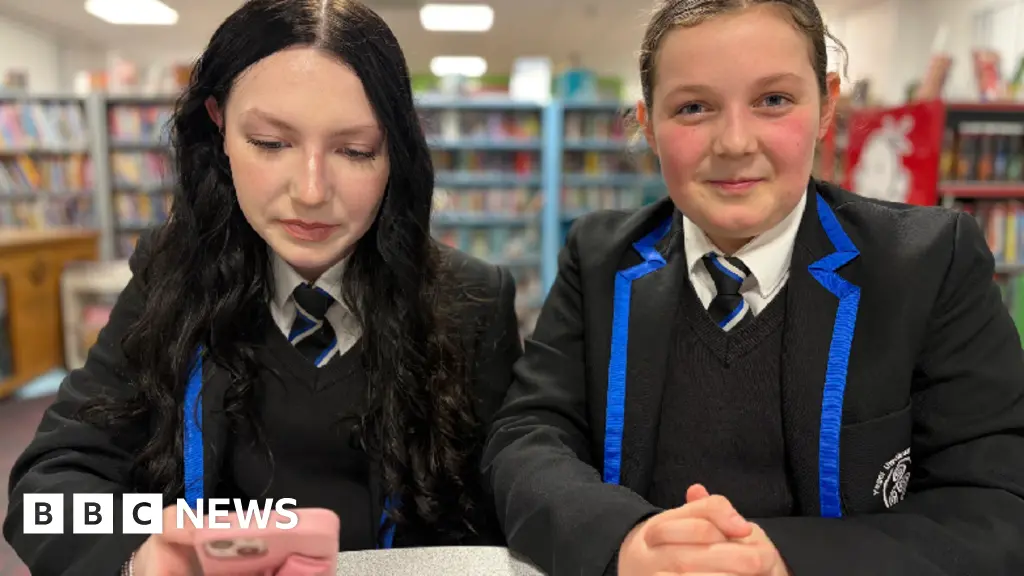
이 정책으로 인해 일부 형제자매는 다른 규칙을 적용받게 되는데, 13세 릴리는 여동생 루비에게 "내가 좀 부러울 것 같아"라고 말했다.
루비는 이에 대해 철학적인 태도를 보이며 "조금 불공평하다"고 표현하면서도 "초등학교에서는 사용이 허용되지 않았기 때문에 크게 신경 쓰이지 않았다"고 덧붙였다.
케르필리 카운티에 있는 이 중학교는 가장 어린 학년 그룹이 하루 동안 휴대전화를 밀봉된 파우치에 넣는 파일럿 프로그램을 운영하고 있지만, 고학년 학생들은 여전히 쉬는 시간에 기기를 사용할 수 있다.
BBC 웨일스는 웨일스의 모든 중학교와 전 연령 학교에 7학년부터 11학년까지의 휴대전화 정책에 대해 질문했다. 웨일스 정부는 휴대전화 사용에 대한 전국적 설문조사를 발표했다.
학생들 사이에서는 엇갈린 반응이 나타났다.
금지가 모든 학생에게 도입된다면 릴리는 "조금 속상할 것"이라며 "지금 갑자기 도입되면 정말 이상하게 느껴질 것"이라고 설명했다.
7학년 학생 에반의 아버지 루크는 이 파일럿 프로그램이 "환상적인 아이디어"라며 학교 시간 동안 아들과 직접 연락할 수 없는 것에 대해 걱정하지 않는다고 말했다.
"내가 어렸을 때는 문제가 되지 않았다."
"그냥 사무실에 전화하면 되니까, 그게 큰 문제는 아니라고 생각한다."
이 학교는 BBC 웨일스의 휴대전화 정책 질문에 응답한 웨일스 중학교의 거의 절반에 해당하는 약 100개 학교 중 하나였다.
대부분 규제의 주요 이점을 보고했지만, 우려 사항으로는 집행 과정에서 학생들과의 갈등과 일부 지지하지 않는 학부모가 포함되었다.
응답한 학교의 상당수는 학교 시간 동안 휴대전화를 금지하고 있으며, 많은 학교가 최근 몇 년간 정책을 강화했고 대부분 명확한 웨일스 전역 정책을 원하고 있다고 밝혔다.
이슬윈 고등학교에서는 모든 학생이 쉬는 시간과 점심 시간에 휴대전화 사용이 허용되었지만, 2025년 9월에 초등학교에서 방금 올라온 7학년 학생들을 위한 새로운 시스템이 도입되었다.
담임교사이자 안전보장 책임자인 니콜라 보든은 이 정책이 소셜 미디어로 인한 문제가 "관리 불가능"해지기 시작했고 학교가 아동의 웰빙에 미치는 영향을 해결하고자 하기 때문에 도입되었다고 말했다.
가장 어린 학생들을 위한 별도 공간이 이미 마련되어 있던 학교의 설계가 "파일럿 프로그램에 매우 적합했다"고 제이슨 힉스 교장은 덧붙였다.
"우리 학교는 관리하는 청소년들을 위해 옳다고 생각하는 것을 하는 것이 우리의 책임"이라고 그는 말했다.
학교 이사회는 여름 학기에 금지가 더 많은 학생에게 적용될지 결정할 예정이지만, 힉스는 "적어도" 7학년 학생들이 학교를 올라가면서 확대 적용될 가능성이 "매우 높다"고 말했다.
파일럿 프로그램 도입에는 재정적 투자가 수반되었는데, 학교는 학생들이 휴대전화를 밀봉된 파우치에 넣는 시스템을 선택했으며 이는 하루가 끝날 때 특수 자석 장치로만 열 수 있다.
힉스에 따르면 비용은 학생당 약 8파운드로, 해당 학년에 대해 1,700파운드에 달한다.
"교육 예산은 매우 부족하지만 이는 완전히 정당화된다."
BBC 웨일스는 웨일스의 204개 중학교와 전 연령 학교 모두에 휴대전화 정책에 대해 질문했다.
95개 응답 학교 중 83개 학교는 학교 시간 동안 휴대전화 사용이 허용되지 않는다고 답했다.
대부분 하루 종일 가방에 보관해야 한다고 답했으며, 7개 학교는 이슬윈 고등학교에서 시범 운영한 것과 유사한 파우치 시스템을 사용했다.
소수의 학교는 학생들에게 기기를 담임교사나 학교 사무실에 제출하도록 요청했으며, 12개 학교는 쉬는 시간에 휴대전화 사용을 허용했다.
응답자의 절반 이상은 지난 2년간 정책을 변경했으며 대부분 더 엄격한 규제로 전환했고, 영향에 대한 의견은 압도적으로 긍정적이었다.
그들은 학생 상호작용, 사회적 기술 및 행동이 개선되었다고 말했으며, 여러 학교는 소셜 미디어 왕따 사건이 줄었다고 언급했다.
의견에는 "수업이 더 차분해졌다", "학생들 간의 갈등이 줄었다", "점심 시간에 보드게임이 보인다" 등이 포함되었다.
그러나 한 학교는 규칙 위반에 대한 제재가 명확해진 후 학생들이 "더 교묘해져서" 책상 아래나 화장실에서 휴대전화를 사용하고 있다고 말했다.
정책 변경이 순전히 긍정적인 경험만은 아니었으며, 앵글시의 한 교장은 더 엄격한 정책 집행이 "교직원에게 지치는 수준의 시간과 정서적 에너지를 요구한다"고 말했다.
이스골 우흐라드 카에르기비의 교장 애덤 윌리엄스는 2년 전 정책 협의 시 학부모, 학생, 심지어 교사들 사이에서 "엇갈린 의견"이 있었다며 휴대전화로 인한 방해를 다루었다고 말했다.
수업 중에는 더 이상 허용되지 않지만, 학생들은 여전히 쉬는 시간에 휴대전화 사용이 허용된다—학교는 이전에 더 엄격한 금지에서 후퇴한 것이다.
그러나 그는 "학부모의 지지는 매우 엇갈리며" 쉬는 시간 동안 사용 관리가 학생과 교직원 간의 "갈등의 뇌관"을 만들어낸다고 말했다.
"휴대전화 제한이나 금지에 필요한 지지를 항상 받는 것은 아니며, 이는 가정과 학교 사이에 불필요한 갈등을 더 만들 수 있다"고 윌리엄스는 덧붙였다.
그는 일부 학교에서는 완전한 금지가 더 많은 갈등, 증가된 제재, 심지어 더 많은 퇴학으로 이어질 수 있다는 "진정한 우려"가 있다고 말했다[특히 빈곤 수준이 높은 지역에서].
"교육과 우수한 출석에 대한 태도가 이미 취약한 시기에, 이는 실제 위험을 나타낸다."
설문조사에 응답하면서 또 다른 학교장은 많은 학부모가 지지적이지만 다른 학부모는 "항상 학교 정책을 지지하지는 않으며 때때로 학생들에게 교직원에게 휴대전화를 제출하지 말라고 말한다"고 했다.
이슬윈 고등학교 교직원은 파일럿 프로그램을 시작하기 전에 콘위의 이스골 애버콘위를 방문하여 정보를 수집했다.
2023년 9월 웨일스에서 최초로 파우치 시스템을 도입한 이 학교의 교장 이언 게라드는 금지가 전 학교에 한꺼번에 도입되었을 때 그 영향이 "변혁적이라고 표현해도 과언이 아니다"라고 불렀다.
"모두가 자신의 입장을 정확히 알 수 있는 매우 명확한 정책을 갖는 것이 진정한 이점이라고 생각한다"고 그는 말했다.
11학년 아웬은 친구들과 대화하는 대신 문자 메시지를 보냈기 때문에 "꽤 반대했다"고 말했다.
"이제 그것이 얼마나 어리석었는지 알게 되었다—그들이 내 맞은편에 있을 때 말이다."
그녀는 휴대전화에 그렇게 의존하지 않게 되었고 한 가지 이점은 "사람들이 몰래 사진을 찍지 않는다는 것이다—그것이 예전에는 큰 문제였기 때문이다"라고 말했다.
BBC 웨일스 연구에 대한 다른 응답은 많은 학교가 6학년 학생들에 대해 다른 규칙을 가지고 있음을 시사했다—그들은 종종 공동 휴게실이나 지정된 구역에서 휴대전화 사용이 허용되지만 복도에서는 보통 허용되지 않는다.
학부모들은 이전에 아이들이 수업 중 과제를 위해 휴대전화를 사용하도록 요청받는 것에 대해 우려를 제기했지만, 대부분의 응답자는 이런 일이 일어나지 않는다고 말했다—일부 학교는 학생들이 휴대전화를 사용할 필요가 없도록 노트북이나 태블릿에 투자했다고 언급했다.
소수의 학교는 사진 촬영 등의 과제를 위해 교사 재량으로 휴대전화 사용을 허용한다고 말했다.
규칙을 위반하면 학교는 하루 동안 휴대전화를 압수하고, 반복적인 위반 시 더 긴 금지, 구류, 학부모 연락으로 조치를 강화한다고 밝혔다.
거의 모든 학교는 지방 당국이 카운티에 대한 정책을 설정하지 않는다고 말했지만, 카마던셔 카운티 의회는 7학년부터 11학년까지 학교 시간 동안 휴대전화 사용을 금지하는 '휴대전화 시야 밖' 정책을 가지고 있었다.
학교 휴대전화에 대한 웨일스 정부의 일률적인 정책에 대해 묻자 71개 학교가 찬성한다고 답했다.
웨일스 정부는 제안된 협의 과정과 지침에 앞서 지난달 휴대전화 사용에 대한 전국적 설문조사를 발표했다.
힉스는 "이 문제는 충분히 중요해서 '이사회가 결정할 일'이라는 현재 상황보다는 웨일스 정부의 입장을 환영할 것"이라고 말했다.
그러나 게라드는 복잡한 감정을 가지고 있으며 "정부의 지침을 갖는 것이 정말 도움이 되지만, 학교가 자신의 상황에 맞는 정책을 찾아야 한다는 것도 똑같이 사실"이라고 말했다.
플라이드 컴리는 스마트폰이 어린이와 청소년에게 미치는 피해가 이점을 능가한다는 증거가 점점 늘어나고 있다고 말했다.
이 정당은 "합리적이고 관련성 있는 예외를 두고 16세 미만 학생의 학교 내 스마트폰 사용을 제한하여 안전, 학습 및 학생 웰빙을 증진하도록 지방 당국에 권한을 부여하는" 계획을 도입하겠다고 밝혔다.
웨일스 자유민주당 대변인은 "학교 시간 동안 법적 금지를 포함하여 학교 내 스마트폰 사용을 제한하는 명확한 웨일스 전역 접근 방식"을 지지한다고 말했다.
그들은 금지가 "상식적으로 젊은 돌봄 제공자나 건강 상태를 관리하는 학생에 대한 예외를 두고" 적용되어야 한다고 덧붙였다.
웨일스 노동당은 "웨일스의 스마트폰 사용 결정, 쉬는 시간 포함,는 개별 학교의 문제로 남아 있다"고 말했다.
이 정당은 "학교 기준 향상에 전념하고 있으며" "학습자를 보호하고 수업 참여를 개선하기 위해 휴대전화 사용 제한 정책을 도입하려는 모든 학교를 지지한다"고 덧붙였다.
웨일스 보수당은 휴대전화가 학습을 저해하는 "주요 방해 요소"라고 말했다.
"그것이 웨일스 보수당이 의료 필요 학생에 대한 합리적인 예외를 두고 교실에서 휴대전화를 금지할 것"이라고 대변인은 말했다.
개혁 영국은 학교에서 휴대전화를 금지하겠다고 말했으며, 웨일스 녹색당은 학교가 휴대전화 없는 환경이어야 한다고 말했다.
이 정책으로 인해 일부 형제자매는 다른 규칙을 적용받게 되는데, 13세 릴리는 여동생 루비에게 "내가 좀 부러울 것 같아"라고 말했다.
루비는 이에 대해 철학적인 태도를 보이며 "조금 불공평하다"고 표현하면서도 "초등학교에서는 사용이 허용되지 않았기 때문에 크게 신경 쓰이지 않았다"고 덧붙였다.
케르필리 카운티에 있는 이 중학교는 가장 어린 학년 그룹이 하루 동안 휴대전화를 밀봉된 파우치에 넣는 파일럿 프로그램을 운영하고 있지만, 고학년 학생들은 여전히 쉬는 시간에 기기를 사용할 수 있다.
BBC 웨일스는 웨일스의 모든 중학교와 전 연령 학교에 7학년부터 11학년까지의 휴대전화 정책에 대해 질문했다. 웨일스 정부는 휴대전화 사용에 대한 전국적 설문조사를 발표했다.
학생들 사이에서는 엇갈린 반응이 나타났다.
금지가 모든 학생에게 도입된다면 릴리는 "조금 속상할 것"이라며 "지금 갑자기 도입되면 정말 이상하게 느껴질 것"이라고 설명했다.
7학년 학생 에반의 아버지 루크는 이 파일럿 프로그램이 "환상적인 아이디어"라며 학교 시간 동안 아들과 직접 연락할 수 없는 것에 대해 걱정하지 않는다고 말했다.
"내가 어렸을 때는 문제가 되지 않았다."
"그냥 사무실에 전화하면 되니까, 그게 큰 문제는 아니라고 생각한다."
이 학교는 BBC 웨일스의 휴대전화 정책 질문에 응답한 웨일스 중학교의 거의 절반에 해당하는 약 100개 학교 중 하나였다.
대부분 규제의 주요 이점을 보고했지만, 우려 사항으로는 집행 과정에서 학생들과의 갈등과 일부 지지하지 않는 학부모가 포함되었다.
응답한 학교의 상당수는 학교 시간 동안 휴대전화를 금지하고 있으며, 많은 학교가 최근 몇 년간 정책을 강화했고 대부분 명확한 웨일스 전역 정책을 원하고 있다고 밝혔다.
이슬윈 고등학교에서는 모든 학생이 쉬는 시간과 점심 시간에 휴대전화 사용이 허용되었지만, 2025년 9월에 초등학교에서 방금 올라온 7학년 학생들을 위한 새로운 시스템이 도입되었다.
담임교사이자 안전보장 책임자인 니콜라 보든은 이 정책이 소셜 미디어로 인한 문제가 "관리 불가능"해지기 시작했고 학교가 아동의 웰빙에 미치는 영향을 해결하고자 하기 때문에 도입되었다고 말했다.
가장 어린 학생들을 위한 별도 공간이 이미 마련되어 있던 학교의 설계가 "파일럿 프로그램에 매우 적합했다"고 제이슨 힉스 교장은 덧붙였다.
"우리 학교는 관리하는 청소년들을 위해 옳다고 생각하는 것을 하는 것이 우리의 책임"이라고 그는 말했다.
학교 이사회는 여름 학기에 금지가 더 많은 학생에게 적용될지 결정할 예정이지만, 힉스는 "적어도" 7학년 학생들이 학교를 올라가면서 확대 적용될 가능성이 "매우 높다"고 말했다.
파일럿 프로그램 도입에는 재정적 투자가 수반되었는데, 학교는 학생들이 휴대전화를 밀봉된 파우치에 넣는 시스템을 선택했으며 이는 하루가 끝날 때 특수 자석 장치로만 열 수 있다.
힉스에 따르면 비용은 학생당 약 8파운드로, 해당 학년에 대해 1,700파운드에 달한다.
"교육 예산은 매우 부족하지만 이는 완전히 정당화된다."
BBC 웨일스는 웨일스의 204개 중학교와 전 연령 학교 모두에 휴대전화 정책에 대해 질문했다.
95개 응답 학교 중 83개 학교는 학교 시간 동안 휴대전화 사용이 허용되지 않는다고 답했다.
대부분 하루 종일 가방에 보관해야 한다고 답했으며, 7개 학교는 이슬윈 고등학교에서 시범 운영한 것과 유사한 파우치 시스템을 사용했다.
소수의 학교는 학생들에게 기기를 담임교사나 학교 사무실에 제출하도록 요청했으며, 12개 학교는 쉬는 시간에 휴대전화 사용을 허용했다.
응답자의 절반 이상은 지난 2년간 정책을 변경했으며 대부분 더 엄격한 규제로 전환했고, 영향에 대한 의견은 압도적으로 긍정적이었다.
그들은 학생 상호작용, 사회적 기술 및 행동이 개선되었다고 말했으며, 여러 학교는 소셜 미디어 왕따 사건이 줄었다고 언급했다.
의견에는 "수업이 더 차분해졌다", "학생들 간의 갈등이 줄었다", "점심 시간에 보드게임이 보인다" 등이 포함되었다.
그러나 한 학교는 규칙 위반에 대한 제재가 명확해진 후 학생들이 "더 교묘해져서" 책상 아래나 화장실에서 휴대전화를 사용하고 있다고 말했다.
정책 변경이 순전히 긍정적인 경험만은 아니었으며, 앵글시의 한 교장은 더 엄격한 정책 집행이 "교직원에게 지치는 수준의 시간과 정서적 에너지를 요구한다"고 말했다.
이스골 우흐라드 카에르기비의 교장 애덤 윌리엄스는 2년 전 정책 협의 시 학부모, 학생, 심지어 교사들 사이에서 "엇갈린 의견"이 있었다며 휴대전화로 인한 방해를 다루었다고 말했다.
수업 중에는 더 이상 허용되지 않지만, 학생들은 여전히 쉬는 시간에 휴대전화 사용이 허용된다—학교는 이전에 더 엄격한 금지에서 후퇴한 것이다.
그러나 그는 "학부모의 지지는 매우 엇갈리며" 쉬는 시간 동안 사용 관리가 학생과 교직원 간의 "갈등의 뇌관"을 만들어낸다고 말했다.
"휴대전화 제한이나 금지에 필요한 지지를 항상 받는 것은 아니며, 이는 가정과 학교 사이에 불필요한 갈등을 더 만들 수 있다"고 윌리엄스는 덧붙였다.
그는 일부 학교에서는 완전한 금지가 더 많은 갈등, 증가된 제재, 심지어 더 많은 퇴학으로 이어질 수 있다는 "진정한 우려"가 있다고 말했다[특히 빈곤 수준이 높은 지역에서].
"교육과 우수한 출석에 대한 태도가 이미 취약한 시기에, 이는 실제 위험을 나타낸다."
설문조사에 응답하면서 또 다른 학교장은 많은 학부모가 지지적이지만 다른 학부모는 "항상 학교 정책을 지지하지는 않으며 때때로 학생들에게 교직원에게 휴대전화를 제출하지 말라고 말한다"고 했다.
이슬윈 고등학교 교직원은 파일럿 프로그램을 시작하기 전에 콘위의 이스골 애버콘위를 방문하여 정보를 수집했다.
2023년 9월 웨일스에서 최초로 파우치 시스템을 도입한 이 학교의 교장 이언 게라드는 금지가 전 학교에 한꺼번에 도입되었을 때 그 영향이 "변혁적이라고 표현해도 과언이 아니다"라고 불렀다.
"모두가 자신의 입장을 정확히 알 수 있는 매우 명확한 정책을 갖는 것이 진정한 이점이라고 생각한다"고 그는 말했다.
11학년 아웬은 친구들과 대화하는 대신 문자 메시지를 보냈기 때문에 "꽤 반대했다"고 말했다.
"이제 그것이 얼마나 어리석었는지 알게 되었다—그들이 내 맞은편에 있을 때 말이다."
그녀는 휴대전화에 그렇게 의존하지 않게 되었고 한 가지 이점은 "사람들이 몰래 사진을 찍지 않는다는 것이다—그것이 예전에는 큰 문제였기 때문이다"라고 말했다.
BBC 웨일스 연구에 대한 다른 응답은 많은 학교가 6학년 학생들에 대해 다른 규칙을 가지고 있음을 시사했다—그들은 종종 공동 휴게실이나 지정된 구역에서 휴대전화 사용이 허용되지만 복도에서는 보통 허용되지 않는다.
학부모들은 이전에 아이들이 수업 중 과제를 위해 휴대전화를 사용하도록 요청받는 것에 대해 우려를 제기했지만, 대부분의 응답자는 이런 일이 일어나지 않는다고 말했다—일부 학교는 학생들이 휴대전화를 사용할 필요가 없도록 노트북이나 태블릿에 투자했다고 언급했다.
소수의 학교는 사진 촬영 등의 과제를 위해 교사 재량으로 휴대전화 사용을 허용한다고 말했다.
규칙을 위반하면 학교는 하루 동안 휴대전화를 압수하고, 반복적인 위반 시 더 긴 금지, 구류, 학부모 연락으로 조치를 강화한다고 밝혔다.
거의 모든 학교는 지방 당국이 카운티에 대한 정책을 설정하지 않는다고 말했지만, 카마던셔 카운티 의회는 7학년부터 11학년까지 학교 시간 동안 휴대전화 사용을 금지하는 '휴대전화 시야 밖' 정책을 가지고 있었다.
학교 휴대전화에 대한 웨일스 정부의 일률적인 정책에 대해 묻자 71개 학교가 찬성한다고 답했다.
웨일스 정부는 제안된 협의 과정과 지침에 앞서 지난달 휴대전화 사용에 대한 전국적 설문조사를 발표했다.
힉스는 "이 문제는 충분히 중요해서 '이사회가 결정할 일'이라는 현재 상황보다는 웨일스 정부의 입장을 환영할 것"이라고 말했다.
그러나 게라드는 복잡한 감정을 가지고 있으며 "정부의 지침을 갖는 것이 정말 도움이 되지만, 학교가 자신의 상황에 맞는 정책을 찾아야 한다는 것도 똑같이 사실"이라고 말했다.
플라이드 컴리는 스마트폰이 어린이와 청소년에게 미치는 피해가 이점을 능가한다는 증거가 점점 늘어나고 있다고 말했다.
이 정당은 "합리적이고 관련성 있는 예외를 두고 16세 미만 학생의 학교 내 스마트폰 사용을 제한하여 안전, 학습 및 학생 웰빙을 증진하도록 지방 당국에 권한을 부여하는" 계획을 도입하겠다고 밝혔다.
웨일스 자유민주당 대변인은 "학교 시간 동안 법적 금지를 포함하여 학교 내 스마트폰 사용을 제한하는 명확한 웨일스 전역 접근 방식"을 지지한다고 말했다.
그들은 금지가 "상식적으로 젊은 돌봄 제공자나 건강 상태를 관리하는 학생에 대한 예외를 두고" 적용되어야 한다고 덧붙였다.
웨일스 노동당은 "웨일스의 스마트폰 사용 결정, 쉬는 시간 포함,는 개별 학교의 문제로 남아 있다"고 말했다.
이 정당은 "학교 기준 향상에 전념하고 있으며" "학습자를 보호하고 수업 참여를 개선하기 위해 휴대전화 사용 제한 정책을 도입하려는 모든 학교를 지지한다"고 덧붙였다.
웨일스 보수당은 휴대전화가 학습을 저해하는 "주요 방해 요소"라고 말했다.
"그것이 웨일스 보수당이 의료 필요 학생에 대한 합리적인 예외를 두고 교실에서 휴대전화를 금지할 것"이라고 대변인은 말했다.
개혁 영국은 학교에서 휴대전화를 금지하겠다고 말했으며, 웨일스 녹색당은 학교가 휴대전화 없는 환경이어야 한다고 말했다.
처리 완료
164 tokens · $0.0003
기사 수집 완료 · 16:25
매체 피드에서 기사 메타데이터 수집
헤드라인 번역 완료 · 16:37
제목/요약 한국어 번역 (fetch 시점 inline)
kimi-k2.5
164 tokens
$0.00031
7.7s
본문 추출 완료
9,471자 추출 완료
본문 한국어 번역 완료 · 16:37
4,772자 번역 완료
지정학적 엔티티 추출 완료 · 16:37
5개 엔티티 추출 완료
지정학적 맥락 & R-Scanner
R-Scanner · 상승
z=0.88
평소보다 보도량이 증가 추세 — 기준: Wales
(🇬🇧 GB)
최근 6시간 28건
7일 평균 23.64건 / 6h
10개국 매체
12개 매체
본문에서 추출된 지명 (5)
위치 지도
지도 로딩 중…
같은 주제의 다른 기사 (최근 7일)
Schools across Wales say phone bans improve behaviour but can mean conflict with pupils and parents.
They eat in a separate dining area and play on a different yard, but there's another difference between Islwyn High School's year seven pupils and the rest of the school - they're not allowed to use their phones.The policy means some siblings fall under different rules, with Lily, 13, saying to younger sister Ruby: "I think you feel a little bit jealous of me."
Ruby is quite philosophical about it, describing it as "a bit unfair", but adding: "It didn't really bother me because I wasn't allowed to use it in primary school."
The secondary school in Caerphilly county has been running a pilot where the youngest year group put their phones into sealed pouches during the day, but older students are still allowed their devices at break times.
BBC Wales asked all of Wales' secondary and all-age schools about their phone policies for years seven to 11. The Welsh government has announced a national survey on phone use.
There has been a mixed reaction among pupils.
If the ban was introduced for everyone, Lily said she would be "a bit upset", explaining: "It would just feel really weird to spring it on us now."
Luke, dad of year seven pupil Evan, said the pilot was a "fantastic idea", adding he wasn't worried about not being able to contact his son directly during school time.
"It wasn't a problem for me when I was younger," he said.
"You just ring the office, so I don't think it's a massive problem."
The school was one of almost one hundred - nearly half of Wales' secondary schools - which responded to BBC Wales' questions on phone policies.
Most reported major benefits to restrictions, but concerns included conflict with pupils over enforcement and some unsupportive parents.
A significant majority of the schools which responded said they banned phones during the school day, with many having toughened their policies in recent years, and most wanting a clear all-Wales policy.
Phones were allowed for all students during break and lunch times at Islwyn High School, but in September 2025 a new system was introduced for the year seven students - who had just moved up from primary school.
Deputy head and safeguarding lead, Nicola Bowden, said the policy was introduced because issues caused by social media were starting to get "unmanageable" and the school wanted to address the impact on children's wellbeing.
The design of the school, which already had separate areas for the youngest pupils, "lent itself really well to a pilot", added head teacher Jason Hicks.
"It's our responsibility as a school to do what we think is right for young people in our care," he said.
The school's governors will decide during the summer term if the ban will cover more pupils, but Hicks said it was "highly likely" it would be rolled out with the year sevens as they move up the school "at the very least".
Introducing the pilot involved a financial investment, because the school plumped for a system where pupils place their phones in sealed pouches - which can only be opened at the end of the day by a special magnetic device.
The cost, Hicks said, was about £8 per pupil, amounting to £1,700 for the year group.
"Money's very scarce in education but it's fully justified."
BBC Wales asked all 204 of Wales' secondary and all-age schools about their phone policies.
Phones were not allowed during the day in 83 of the 95 schools who responded.
Most said they had to be kept in bags throughout the day, while seven used a pouch system similar to the one piloted at Islwyn High.
A small number asked pupils to hand in devices to the form tutor or school office, while 12 allowed phone use at break times.
Over half of respondents said they had changed their policies in the last two years, with most moving to stricter restrictions, and comments about the impact was overwhelmingly positive.
They said student interaction, social skills and behaviour had improved, while several mentioned dealing with fewer social media bullying incidents.
Comments included "calmer in lessons", "less fall out between pupils during the day" and "board games seen during lunch".
But one school said pupils were "more sneaky" and using phones under desks and in toilets after sanctions for breaking rules were clarified.
Changing policies has not been an exclusively positive experience, and one Anglesey head teacher said enforcing a stricter policy "requires a level of time and emotional energy that's exhausting for staff".
Head teacher of Ysgol Uwchradd Caergybi, Adam Williams, said there were "mixed views" from parents, pupils and even teachers when the school consulted on its policy two years ago, addressing the disruption caused by phones.
While they are no longer allowed in lessons, students are still permitted phones during break times - the school having previously retreated from a stricter ban.
But he said "parental support is very mixed" and managing use during break times created "flashpoints for conflict" between pupils and staff.
"We don't always get the backing that's needed when it comes to restricting or banning phones, and this can create more conflict than is needed between home and school," Williams added.
He said in some schools there was "genuine concern" [particularly in areas of high deprivation] that a complete ban could lead to more conflict, increased sanctions and even more exclusions".
"At a time when attitudes towards education and good attendance are already fragile, this represents a real risk."
Responding to the questionnaire, another school leader said many parents were supportive but others "don't always support the school policy and will on occasions tell students not to hand phones in to staff".
Islwyn High School staff went on a fact-finding visit to Ysgol Aberconwy, in Conwy, before launching the pilot.
The first school in Wales to introduce a pouch system in September 2023, head teacher Ian Gerrard called the impact "nothing short of transformational" when the ban was introduced for the whole school at once.
"I think the real benefit is to have a very clear-cut policy, that everybody knows where they stand," he said.
Arwen, in year 11, said she was "quite resistant to it" because she used to text friends rather than talk to them.
"Now I see how ridiculous that was, when they were across the table from me."
She said she's not so reliant on her phone and one benefit is "people aren't taking photos of you without you knowing because that used to be a big thing".
Other responses to BBC Wales' research suggested that many schools have different rules for sixth formers, who are often allowed to use phones in common rooms or specified areas, but not usually in corridors.
Parents have previously raised concerns about children being asked to use their phones for tasks in lessons, but most respondents said this didn't happen - with some schools mentioning investing in laptops or tablets so that pupils didn't need to use their phones.
A few schools said they allowed phones to be used at the teacher's discretion, for tasks such as photography.
If rules were broken, schools said they confiscated phones for the day, escalating to longer bans, detentions and calling parents for repeated breaches of policy.
Nearly all schools said the local authority did not set a policy for the county, although Carmarthenshire County Council had a Phones Out of Sight policy, which prohibits phone use during the day for year seven to 11.
When asked about a blanket Welsh government policy on phones in schools, 71 said they would be in favour.
The Welsh government announced a national survey on phone use last month, ahead of a proposed consultation process and guidance.
Hicks said: "I think the issue is significant enough that we would welcome a position from Welsh government, rather than 'it's for governing bodies to decide', which is the current situation.
But Gerrard has mixed feelings, and said: "I think it's really helpful to have some guidance from government, but it's equally true that schools need to find a policy to fit their own context."
Plaid Cymru said there was growing evidence that damage caused by smartphones outweighed the benefits for children and young people.
The party said it would introduce plans to "empower local authorities to promote safety, learning and student wellbeing by restricting the use of smartphones in schools for under-16s" with "reasonable and relevant exemptions".
A Welsh Liberal Democrat spokesperson said it supported a "clear, Wales-wide approach to limiting smartphone use in schools, including a legal ban during the school day".
They added the ban should be applied with "common sense and with exemptions for young carers or pupils managing health conditions".
Welsh Labour said: "Decisions on smartphone use in Wales, including during break times, remain a matter for individual schools."
It added that the party was "committed to raising standards in school" and "supported any school that seeks to introduce a policy restricting the use of mobile phones - protecting learners and improving their engagement in lessons".
The Welsh Conservatives said phones were "a major distraction" which undermined learning.
"That is why the Welsh Conservatives will ban mobile phones from classrooms, with sensible exemptions for pupils with medical needs," the spokesperson said.
Reform UK said it would ban phones in school, while Wales Green Party said schools should be phone-free environments.