중동 공급 차질 속 서울, 북아프리카산 원유·나프타 확보 노력 강화
Seoul steps up efforts to secure oil, naphtha from North Africa amid Middle East disruptions
The Korea Herald
· 🇰🇷 Seoul, KR
Jung Min-kyung
EN
2026-04-17 14:20
Translated
2004년 한국 연구가 GPU 기반 AI 발전의 토대 마련
한국이 대체 에너지 공급 경로 확보를 위한 노력을 강화하고 있다. 외교부는 금요일 고위 관료들이 잠재적인 원유 및 나프타 공급을 위해 알제리와 리비아와 접촉했다고 밝혔다.
박종한 경제외교조정관은 4월 13일부터 16일까지 두 북아프리카 국가를 방문해 정부 및 에너지 고위 관료들과 만나 비상 공급 확보 가능성을 타진하고 에너지 분야 장기 협력 확대를 모색했다.
이번 접촉은 이란이 호르무즈 해협을 봉쇄한 후 서울이 페르시아만 지역 에너지 수입에 대한 과도한 의존도를 낮추려는 노력의 일환으로 이루어졌다. 호르무즈 해협은 페르시아만의 유일한 해상 출구다.
리비아 국영석유공사(NOC)와의 회담에서 박 조정관은 한국 기업들의 리비아 중질유 구매 가능성을 논의하고 현재 글로벌 트레이더들에게 할당된 물량의 일부를 한국 바이어들에게 공급해 달라고 요청했다.
외교부는 "NOC는 원유 사양, 인도 시기, 바이어 신뢰성 등 조건이 충족될 경우 한국에 물량을 적극 할당할 의사를 밝혔다"고 전했다.
아프리카 최대의 입증 매장량(약 484억 배럴 추정)을 보유한 리비아는 서울이 수입처를 다변화하려는 가운데 잠재적인 대체 공급처로 주목받고 있다.
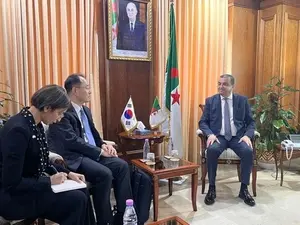
알제리에서는 박 조정관이 석유수소차관을 비롯한 고위 관료들 및 국영 에너지 기업 소나트라크 임원들과 만나 원유 및 나프타 공급, 에너지 인프라 개발, 투자 및 기술 협력, 인력 양성 및 재생에너지 분야 협력 확대에 합의했다.
박 조정관은 소나트라크와 S-Oil 등 한국 기업 간의 기존 관계가 더 넓은 에너지 협력의 튼튼한 토대를 제공한다고 언급하며 공급 계약의 추가 확대를 장려했다.
그는 또한 한국이 모든 원유를 수입하면서도 첨단 정제 능력을 활용해 아시아태평양 지역으로 석유제품을 재수출하는 정제 및 거래 허브 역할을 강조했다.
외교부에 따르면 박 조정관은 "안정적인 원유 수입은 국내 공급뿐 아니라 지역 석유 공급망의 회복력 유지와도 직결된다"고 말했다.
조현 외교부 장관은 이번 주 초 정부가 알제리와 리비아에 특사를 파견했으며 대체 공급망 확보를 위한 더 넓은 노력의 일환으로 콩고 공화국에도 추가 특사를 보낼 계획이라고 밝혔다.
조 장관은 이번 주 국무회의에서 "외교부는 대체 공급원 확보를 위한 정부 노력에 기여하기 위해 대통령 특사 파견을 적극 추진할 것"이라고 말했다.
이러한 움직임은 미국과 이란 간 분쟁이 중동 해상 운송을 교란하고 에너지 안보에 대한 우려를 고조시킨 후 이재명 대통령이 새로운 공급 경로를 모색하라고 지시한 데 따른 것이다.
이에 대한 대응 조치의 일환으로 정병하 주이란 특사도 고위 이란 관료들과 접촉해 지역 정세와 한국 국민, 선박 및 승무원의 안전을 논의했다.
관료들은 이번 접촉이 서울이 에너지 공급망을 다변화하고 페르시아만 지역의 장기화된 지정학적 리스크에 대한 회복력을 강화하려는 더 넓은 추진의 반영이라고 밝혔다.
박종한 경제외교조정관은 4월 13일부터 16일까지 두 북아프리카 국가를 방문해 정부 및 에너지 고위 관료들과 만나 비상 공급 확보 가능성을 타진하고 에너지 분야 장기 협력 확대를 모색했다.
이번 접촉은 이란이 호르무즈 해협을 봉쇄한 후 서울이 페르시아만 지역 에너지 수입에 대한 과도한 의존도를 낮추려는 노력의 일환으로 이루어졌다. 호르무즈 해협은 페르시아만의 유일한 해상 출구다.
리비아 국영석유공사(NOC)와의 회담에서 박 조정관은 한국 기업들의 리비아 중질유 구매 가능성을 논의하고 현재 글로벌 트레이더들에게 할당된 물량의 일부를 한국 바이어들에게 공급해 달라고 요청했다.
외교부는 "NOC는 원유 사양, 인도 시기, 바이어 신뢰성 등 조건이 충족될 경우 한국에 물량을 적극 할당할 의사를 밝혔다"고 전했다.
아프리카 최대의 입증 매장량(약 484억 배럴 추정)을 보유한 리비아는 서울이 수입처를 다변화하려는 가운데 잠재적인 대체 공급처로 주목받고 있다.
알제리에서는 박 조정관이 석유수소차관을 비롯한 고위 관료들 및 국영 에너지 기업 소나트라크 임원들과 만나 원유 및 나프타 공급, 에너지 인프라 개발, 투자 및 기술 협력, 인력 양성 및 재생에너지 분야 협력 확대에 합의했다.
박 조정관은 소나트라크와 S-Oil 등 한국 기업 간의 기존 관계가 더 넓은 에너지 협력의 튼튼한 토대를 제공한다고 언급하며 공급 계약의 추가 확대를 장려했다.
그는 또한 한국이 모든 원유를 수입하면서도 첨단 정제 능력을 활용해 아시아태평양 지역으로 석유제품을 재수출하는 정제 및 거래 허브 역할을 강조했다.
외교부에 따르면 박 조정관은 "안정적인 원유 수입은 국내 공급뿐 아니라 지역 석유 공급망의 회복력 유지와도 직결된다"고 말했다.
조현 외교부 장관은 이번 주 초 정부가 알제리와 리비아에 특사를 파견했으며 대체 공급망 확보를 위한 더 넓은 노력의 일환으로 콩고 공화국에도 추가 특사를 보낼 계획이라고 밝혔다.
조 장관은 이번 주 국무회의에서 "외교부는 대체 공급원 확보를 위한 정부 노력에 기여하기 위해 대통령 특사 파견을 적극 추진할 것"이라고 말했다.
이러한 움직임은 미국과 이란 간 분쟁이 중동 해상 운송을 교란하고 에너지 안보에 대한 우려를 고조시킨 후 이재명 대통령이 새로운 공급 경로를 모색하라고 지시한 데 따른 것이다.
이에 대한 대응 조치의 일환으로 정병하 주이란 특사도 고위 이란 관료들과 접촉해 지역 정세와 한국 국민, 선박 및 승무원의 안전을 논의했다.
관료들은 이번 접촉이 서울이 에너지 공급망을 다변화하고 페르시아만 지역의 장기화된 지정학적 리스크에 대한 회복력을 강화하려는 더 넓은 추진의 반영이라고 밝혔다.
처리 완료
2,562 tokens · $0.0052
기사 수집 완료 · 14:20
매체 피드에서 기사 메타데이터 수집
헤드라인 번역 완료 · 14:35
제목/요약 한국어 번역 (fetch 시점 inline)
kimi-k2.5
142 tokens
$0.00024
2.9s
본문 추출 완료
3,357자 추출 완료
본문 한국어 번역 완료 · 14:35
1,412자 번역 완료
kimi-k2.5
2,420 tokens
$0.00496
44.1s
지정학적 엔티티 추출 완료 · 14:35
8개 엔티티 추출 완료
지정학적 맥락 & R-Scanner
R-Scanner · 평상
z=-2.62
일상적인 보도 수준 — 기준: Seoul
(🇰🇷 KR)
최근 6시간 0건
7일 평균 7.75건 / 6h
0개국 매체
0개 매체
본문에서 추출된 지명 (8)
Seoul
🇰🇷
South Korea
🇰🇷
Algeria
🇩🇿
Libya
🇱🇾
Middle East
🇳🇺
Persian Gulf
🇳🇺
Strait of Hormuz
🇮🇷
Republic of Congo
🇨🇬
위치 지도
지도 로딩 중…
같은 주제의 다른 기사 (최근 7일)
Korean study in 2004 helped pave the way for GPU-powered AI
South Korea has stepped up efforts to secure alternative energy supply routes, with the Foreign Ministry saying Friday that senior officials have engaged Algeria and Libya over potential crude oil and naphtha supplies.Park Jong-han, deputy foreign minister for economic affairs, visited the two North African countries from April 13-16, where he met senior government and energy officials to assess the possibility of securing emergency supplies and expand long-term cooperation in the energy sector.
The outreach comes as Seoul seeks to reduce its heavy reliance on energy imports from the Persian Gulf following Iran's blockade tof the Strait of Hormuz, the only maritime exit from the Gulf.
During meetings with Libya’s National Oil Corporation, Park discussed potential purchases of Libyan heavy crude by South Korean companies and requested that a portion of supplies currently allocated to global traders be made available to Korean buyers.
“The NOC indicated its willingness to actively allocate supplies to South Korea, provided that conditions such as crude specifications, delivery timing and buyer credibility are met,” the ministry said.
Libya, which holds Africa’s largest proven oil reserves, estimated at around 48.4 billion barrels, is seen as a potential alternative supplier as Seoul looks to diversify its import base.
In Algeria, Park met senior officials including the vice minister of hydrocarbons and executives from state energy firm Sonatrach, where both sides agreed to expand cooperation in crude oil and naphtha supply, energy infrastructure development, investment and technical cooperation, as well as workforce training and renewable energy.
Park noted that existing ties between Sonatrach and South Korean companies, including S-Oil, provide a strong foundation for broader energy cooperation, and encouraged further expansion of supply agreements.
He also emphasized South Korea’s role as a refining and trading hub, noting that while the country imports all of its crude oil, it re-exports petroleum products across the Asia-Pacific using advanced refining capacity.
“Ensuring stable crude imports is directly linked not only to domestic supply but also to maintaining the resilience of regional petroleum supply chains,” Park said, according to the ministry.
Foreign Minister Cho Hyun said earlier this week the government had dispatched envoys to Algeria and Libya and plans to send another envoy to the Republic of Congo as part of broader efforts to secure alternative supply chains.
“The ministry will actively pursue the dispatch of presidential envoys ... to contribute to the government’s efforts to secure alternative sources of supply,” Cho said during a Cabinet meeting this week.
The moves follow a directive from President Lee Jae Myung to explore new supply routes after the United States’ conflict with Iran disrupted shipping in the Middle East and heightened concerns over energy security.
As part of the response, Chung Byung-ha, Seoul’s special envoy to Iran, has also been in contact with senior Iranian officials to discuss regional developments and the safety of South Korean nationals, vessels and crew.
Officials said the latest outreach reflects Seoul’s broader push to diversify energy supply chains and strengthen resilience against prolonged geopolitical risks in the Gulf region.