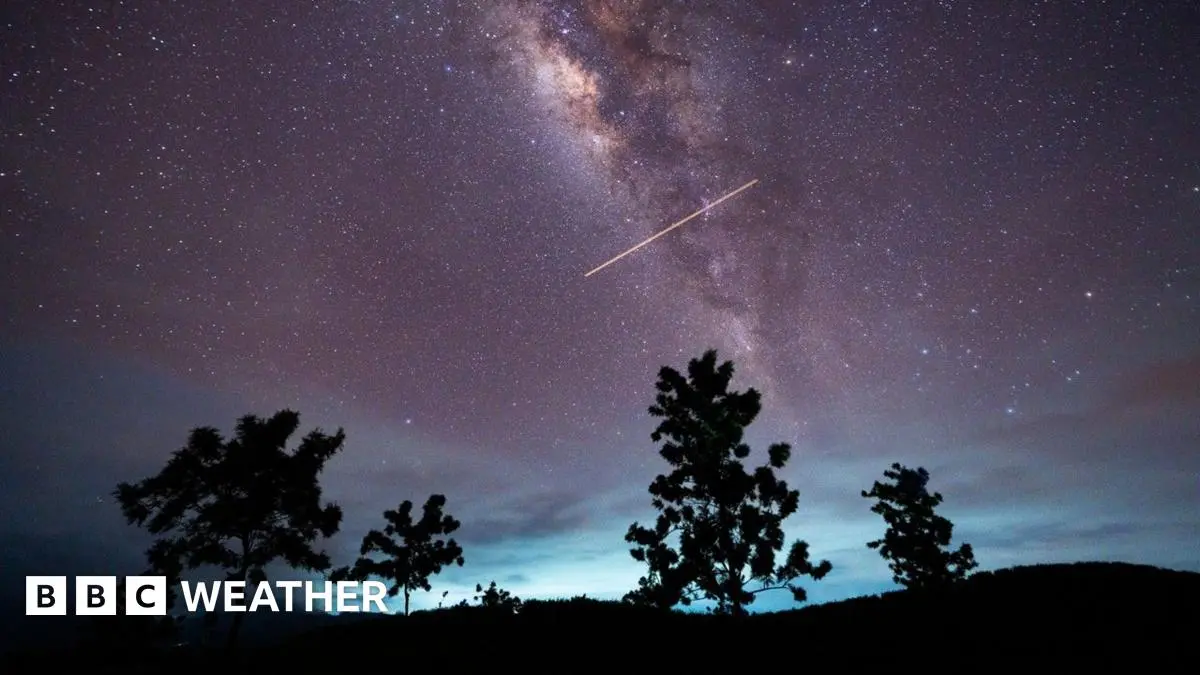
이번 주 영국 하늘을 밝힐 가장 오래된 유성우
Oldest known meteor shower to light up UK skies this week
BBC News
· 🇬🇧 London, GB
EN
2026-04-15 17:28
Translated
지구가 수세기 전 타처 혜성이 남긴 먼지를 통과하면서 생기는 라이리드 유성우가 이번 주 시작됩니다.
유성 관측을 좋아한다면 4월 16일부터 하늘을 밝힐 가장 오래된 기록을 가진 유성우를 즐길 수 있는 좋은 기회입니다.
라이리드 유성우는 지구가 수세기 전 타처 혜성이 남긴 먼지를 통과하면서 생기는 현상입니다.
시간당 10~15개의 유성을 기대할 수 있지만, 때때로 시간당 최대 100개까지 급증하는 경우도 있습니다.
유성들이 나타나는 것처럼 보이는 리라 별자리에서 이름을 따온 이 유성우는 4월 22일에 정점을 이룹니다.
라이리드 유성우의 특징은 색깔과 밝기이며, 때때로 금성보다 밝은 뛰어난 불꽃이 나타나기도 합니다.
색깔은 모래알만큼 작은 먼지 입자들이 지구 대기의 입자와 이온과 상호작용하면서 만들어집니다. 이 상호작용이 만들어내는 빛이 입자들이 가열되고 이온화될 때 우리가 볼 수 있는 것입니다. 궤적은 유성이 식으면서 희미해질 때 생성됩니다.
불꽃은 포도나 도토리 크기만큼 큰 더 큰 파편 조각들이 대기를 통과할 때 만들어집니다. 크기가 훨씬 크기 때문에 가열될 때 섬광과 함께 종종 '열차'라고 불리는 선을 뒤에 만듭니다.
라이리드 유성우는 기원전 687년 중국 천문학자들에 의해 처음 기록되었습니다. 유성을 만들어내는 먼지를 남긴 타처 혜성은 태양 주위를 도는 데 415년이 걸리며 2283년까지 다시 보이지 않을 것입니다. 하지만 다행히도 유성우는 매년 발생하는 현상입니다.
'슈퍼 엘니뇨'가 다가오고 있고 영국에 어떤 영향을 미칠까?
꽃가루 알레르기 시즌에 대해 알아야 할 것들
4월에 우리 하늘을 찾아오는 유성우는 라이리드만이 아닙니다.
에타 아쿠아리드 역시 4월 9일부터 5월 28일까지 활동하며, 2026년 5월 6일 새벽에 정점을 이룹니다. 평균 속도는 시간당 약 40개입니다.
이들은 물병자리의 에타 아쿠아리이라는 별에서 이름을 따왔으며, 이 별은 유성우가 나타나는 것처럼 보이는 지점이자 1P/할리 혜성의 궤적에서 만들어졌습니다. 이 혜성은 태양 궤도를 도는 데 타처 혜성보다 훨씬 적은 시간인 75~76년이 걸립니다.
할리는 가장 잘 알려지고 과학자들이 가장 많이 연구한 혜성 중 하나입니다.
이 혜성은 2061년에 다시 돌아오겠지만, 그동안 먼지 입자들이 지구 대기를 통과하면서 만들어내는 반년마다 오는 유성우를 즐길 수 있습니다. 4월의 에타 아쿠아리드뿐 아니라 10월의 오리오니드도 있습니다.
목요일 밤에는 북부 스코틀랜드가 가장 맑은 하늘을 가질 것으로 보이며, 다른 지역에서는 남서쪽에서 두꺼운 구름이 퍼져 올라와 때때로 비도 내릴 것입니다.
금요일 새벽 초반에 동앵글리아와 남동부 잉글랜드에서는 일부 틈이 있을 수 있습니다.
금요일 밤에도 많은 지역에서 꽤 흐린 날씨가 될 수 있지만, 토요일 밤까지 기다릴 수 있는 인내심 있는 사람들에게는 최고의 관측 기회가 있을 것입니다.
토요일 저녁부터 일요일 아침까지 영국 전역에 걸쳐 맑은 하늘이 펼쳐질 것입니다.
BBC Weather 온라인이나 BBC Weather 앱을 확인하면 언제든지 해당 지역의 일기 예보를 확인할 수 있습니다.
봄 밤하늘을 밝힐 천체 이벤트들
2026년이 북극광 관측에 밝게 보이는 이유
라이리드 유성우는 지구가 수세기 전 타처 혜성이 남긴 먼지를 통과하면서 생기는 현상입니다.
시간당 10~15개의 유성을 기대할 수 있지만, 때때로 시간당 최대 100개까지 급증하는 경우도 있습니다.
유성들이 나타나는 것처럼 보이는 리라 별자리에서 이름을 따온 이 유성우는 4월 22일에 정점을 이룹니다.
라이리드 유성우의 특징은 색깔과 밝기이며, 때때로 금성보다 밝은 뛰어난 불꽃이 나타나기도 합니다.
색깔은 모래알만큼 작은 먼지 입자들이 지구 대기의 입자와 이온과 상호작용하면서 만들어집니다. 이 상호작용이 만들어내는 빛이 입자들이 가열되고 이온화될 때 우리가 볼 수 있는 것입니다. 궤적은 유성이 식으면서 희미해질 때 생성됩니다.
불꽃은 포도나 도토리 크기만큼 큰 더 큰 파편 조각들이 대기를 통과할 때 만들어집니다. 크기가 훨씬 크기 때문에 가열될 때 섬광과 함께 종종 '열차'라고 불리는 선을 뒤에 만듭니다.
라이리드 유성우는 기원전 687년 중국 천문학자들에 의해 처음 기록되었습니다. 유성을 만들어내는 먼지를 남긴 타처 혜성은 태양 주위를 도는 데 415년이 걸리며 2283년까지 다시 보이지 않을 것입니다. 하지만 다행히도 유성우는 매년 발생하는 현상입니다.
'슈퍼 엘니뇨'가 다가오고 있고 영국에 어떤 영향을 미칠까?
꽃가루 알레르기 시즌에 대해 알아야 할 것들
4월에 우리 하늘을 찾아오는 유성우는 라이리드만이 아닙니다.
에타 아쿠아리드 역시 4월 9일부터 5월 28일까지 활동하며, 2026년 5월 6일 새벽에 정점을 이룹니다. 평균 속도는 시간당 약 40개입니다.
이들은 물병자리의 에타 아쿠아리이라는 별에서 이름을 따왔으며, 이 별은 유성우가 나타나는 것처럼 보이는 지점이자 1P/할리 혜성의 궤적에서 만들어졌습니다. 이 혜성은 태양 궤도를 도는 데 타처 혜성보다 훨씬 적은 시간인 75~76년이 걸립니다.
할리는 가장 잘 알려지고 과학자들이 가장 많이 연구한 혜성 중 하나입니다.
이 혜성은 2061년에 다시 돌아오겠지만, 그동안 먼지 입자들이 지구 대기를 통과하면서 만들어내는 반년마다 오는 유성우를 즐길 수 있습니다. 4월의 에타 아쿠아리드뿐 아니라 10월의 오리오니드도 있습니다.
목요일 밤에는 북부 스코틀랜드가 가장 맑은 하늘을 가질 것으로 보이며, 다른 지역에서는 남서쪽에서 두꺼운 구름이 퍼져 올라와 때때로 비도 내릴 것입니다.
금요일 새벽 초반에 동앵글리아와 남동부 잉글랜드에서는 일부 틈이 있을 수 있습니다.
금요일 밤에도 많은 지역에서 꽤 흐린 날씨가 될 수 있지만, 토요일 밤까지 기다릴 수 있는 인내심 있는 사람들에게는 최고의 관측 기회가 있을 것입니다.
토요일 저녁부터 일요일 아침까지 영국 전역에 걸쳐 맑은 하늘이 펼쳐질 것입니다.
BBC Weather 온라인이나 BBC Weather 앱을 확인하면 언제든지 해당 지역의 일기 예보를 확인할 수 있습니다.
봄 밤하늘을 밝힐 천체 이벤트들
2026년이 북극광 관측에 밝게 보이는 이유
처리 완료
2,642 tokens · $0.0052
기사 수집 완료 · 18:30
매체 피드에서 기사 메타데이터 수집
헤드라인 번역 완료 · 18:42
제목/요약 한국어 번역 (fetch 시점 inline)
kimi-k2.5
162 tokens
$0.00029
8.4s
본문 추출 완료
3,109자 추출 완료
본문 한국어 번역 완료 · 18:42
1,530자 번역 완료
kimi-k2.5
2,480 tokens
$0.00493
52.6s
지정학적 엔티티 추출 완료 · 18:42
4개 엔티티 추출 완료
지정학적 맥락 & R-Scanner
R-Scanner · 평상
z=-1.58
일상적인 보도 수준 — 기준: UK
(🇬🇧 GB)
최근 6시간 21건
7일 평균 29.79건 / 6h
8개국 매체
9개 매체
본문에서 추출된 지명 (4)
위치 지도
지도 로딩 중…
같은 주제의 다른 기사 (최근 7일)
Resulting from the Earth passing through dust left behind by Comet Thatcher centuries ago, the Lyrid meteor shower starts this week.
If you enjoy meteor spotting then you are in for a treat with the oldest recorded shower set to light up our skies from 16 April.The Lyrid meteor shower is a result of the Earth passing through dust left behind by Comet Thatcher centuries ago.
Expect 10 to 15 meteors an hour but with surges that can occasionally deliver up to 100 per hour.
Named after the constellation of Lyra where they appear to originate from, the shower peaks on 22 April.
Distinctive features of the Lyrids are their colours and brightness, along with exceptionally bright fireballs from time to time, outshining the planet Venus.
The colours are created by very small dust particles - no bigger than a grain of sand - interacting with the particles and ions in Earth's atmosphere. The light this interaction creates is what we can see as the grains heat up and ionise. The trail is produced as the meteor cools and fades.
Fireballs are made when much larger pieces of debris, external - more like the size of a grape or an acorn - pass though the atmosphere. As they are so much bigger when they heat up they create a flash and a line, often called a train, behind them.
The Lyrid meteor shower was first recorded in 687 BCE by Chinese astronomers. Comet Thatcher whose dust creates the meteors takes 415 years to complete its orbit of the Sun and won't be visible again until 2283. Fortunately though the meteor shower is an annual event.
Is a 'Super El Niño' on the way and how will it affect the UK?
What you need to know about hayfever season
The Lyrids are not the only meteor shower to visit our skies in April.
The Eta Aquarids will also be active between 9 April to 28 May, with the peak in the early hours of 6 May 2026. The average rate is around 40 an hour.
They are named after a star called Eta Aquarii in the Aquarius constellation, which is the point from which it appears to originate and created from the trail of the Comet 1P/Halley. This takes considerably less time than Comet Thatcher to compete its solar orbit - between 75-76 years.
Halley is one of the most well known and best studied by scientists.
The comet will be back again in 2061 but in the meantime we can enjoy the bi-annual meteor showers as its dust particles create passing through the Earth's atmosphere, not only giving us the Eta Aquarids in April but also the Orionids in October.
Northern Scotland looks likely to have the clearest skies on Thursday night as elsewhere thicker cloud will be spreading up from the south-west with some rain at times too.
Though some breaks are possible in East Anglia and south-east England in the early hours of Friday morning.
Friday night also might end up quite overcast for many but those patient enough to wait until Saturday night will have the best viewing chances.
Widely across the UK there'll be clear skies from Saturday evening through to Sunday morning.
You can always find out the forecast where you are by checking BBC Weather online or the BBC Weather App.
Celestial events to light up the spring night sky
Why 2026 continues to looks bright for Northern Light sightings