NSW 전기 버스, 기차 및 경전철 서비스가 2027년부터 19억 달러 규모의 계약으로 완전히 재생 에너지로 운영될 예정
NSW electric buses, trains and light rail services to run entirely on renewable energy from 2027 in $1.9bn deal
The Guardian
· 🇬🇧 London, GB
Penry Buckley
EN
2026-04-17 00:00
Translated
독점 보도: Minns 정부가 Snowy Energy와의 계약을 발표하여 7년간 주(州) 공공 교통에 전력 공급
뉴사우스웨일즈 주의 전기 버스, 기차 및 경전철 서비스가 주 정부가 발표한 새로운 19억 달러 규모의 계약에 따라 내년부터 완전히 재생 에너지로 운영될 예정이다.
Minns 정부는 금요일 Snowy Energy와의 계약을 체결했다고 발표했으며, 이는 처음으로 주의 모든 공공 교통 운영을 단일 재생 에너지 협약으로 통합하는 것이다. 이 7년 계약은 2027년 7월부터 효력이 발생하며 2034년까지 지속된다.
NSW 교통부 장관 John Graham은 연료 불확실성으로 인해 더 많은 호주인들이 자동차 운전을 줄이고 공공 교통을 선호하고 있는 상황에서 비용을 절감할 것이라고 말했다.
"생활비 압박은 가정과 정부 예산 모두에 실제로 영향을 미치고 있습니다"라고 그는 말했다.
"이 계약은 비용을 절감하고 신뢰할 수 있는 공공 교통 네트워크를 제공하면서 더 나은 환경 결과를 향해 나아갑니다."
NSW 정부는 연료 위기 중 다른 주들을 따라 공공 교통을 무료로 제공하라는 요청을 거부했으며, 교통 전력 요금에서 1억 3천만 달러의 절감액이 서비스에 재투자될 것이라고 말했다.
연방 정부 소유의 Snowy Hydro의 소매 브랜드인 Snowy Energy는 2년간의 경쟁 과정 후 계약을 수상했다. 계약 이전에 Transport for NSW는 이미 Snowy Energy의 최대 고객이었으며, 에너지 판매의 10% 이상을 차지했다.
Snowy Hydro의 CEO인 Dennis Barnes는 이 계약이 공공 교통의 에너지 소비를 네트워크의 풍력, 태양열 및 수력 발전 시설과 일치시킬 것이라고 말했다.
"이 계약이 하는 일은 [Transport for NSW]의 소비를 어딘가의 재생 에너지 생산과 일치시키는 것이지만, 이것은 물리적 연결이 아닙니다. 인증서를 통한 재정적으로 추적 가능한 연결입니다."
그는 향후 Dubbo 근처에 건설 중인 Snowy Uungala 풍력 발전소와 같은 자산을 포함할 것이라고 말했다. Snowy Hydro는 3개의 가스 화력 발전소를 운영하고 있으며, 화석 연료는 매년 생산하는 전력의 5%-10%를 차지한다.
주 정부는 이 계약이 "상당한 배출 감소"로 이어질 것이라고 말했으며, 기존 전력과 비교하여 연간 800,000톤 이상의 CO2 배출을 피할 수 있다고 했다.
NSW의 거의 모든 다른 공공 기관을 합친 것과 같은 양의 전력을 사용하는 Transport for NSW는 2030년까지 운영 배출을 65% 감축하고 2035년까지 순배출 제로에 도달하겠다는 목표를 세웠다.
화석 연료는 여전히 주의 대부분의 공공 버스와 디젤 동력 페리, 도시 간 및 지역 기차에 사용되고 있다.
디젤 동력 XPT 기차를 대체하기로 예정된 바이모달 신규 지역 열차는 수년 뒤처져 있으며 디젤과 전기로 운행된다. 주 정부는 전기 페리가 2035년까지 디젤 동력 선박을 완전히 대체할 것이라고 말했다.
정부는 500대 이상의 전기 버스를 주문했으며, 이 중 수백 대는 이미 운영 중이고, 8,000대의 디젤 동력 차량 함대를 완전히 대체하기 위해 7,500대가 더 예상된다.
지난달 NSW 반인신매매 담당관은 Transport for NSW가 신장 지역의 강제 노동 사용 가능성과 리튬이온 배터리 공급망의 콩고민주공화국 관련 영향을 받는 그룹과 합리적인 조치를 취하지 않았다고 판단했다.
Minns 정부는 금요일 Snowy Energy와의 계약을 체결했다고 발표했으며, 이는 처음으로 주의 모든 공공 교통 운영을 단일 재생 에너지 협약으로 통합하는 것이다. 이 7년 계약은 2027년 7월부터 효력이 발생하며 2034년까지 지속된다.
NSW 교통부 장관 John Graham은 연료 불확실성으로 인해 더 많은 호주인들이 자동차 운전을 줄이고 공공 교통을 선호하고 있는 상황에서 비용을 절감할 것이라고 말했다.
"생활비 압박은 가정과 정부 예산 모두에 실제로 영향을 미치고 있습니다"라고 그는 말했다.
"이 계약은 비용을 절감하고 신뢰할 수 있는 공공 교통 네트워크를 제공하면서 더 나은 환경 결과를 향해 나아갑니다."
NSW 정부는 연료 위기 중 다른 주들을 따라 공공 교통을 무료로 제공하라는 요청을 거부했으며, 교통 전력 요금에서 1억 3천만 달러의 절감액이 서비스에 재투자될 것이라고 말했다.
연방 정부 소유의 Snowy Hydro의 소매 브랜드인 Snowy Energy는 2년간의 경쟁 과정 후 계약을 수상했다. 계약 이전에 Transport for NSW는 이미 Snowy Energy의 최대 고객이었으며, 에너지 판매의 10% 이상을 차지했다.
Snowy Hydro의 CEO인 Dennis Barnes는 이 계약이 공공 교통의 에너지 소비를 네트워크의 풍력, 태양열 및 수력 발전 시설과 일치시킬 것이라고 말했다.
"이 계약이 하는 일은 [Transport for NSW]의 소비를 어딘가의 재생 에너지 생산과 일치시키는 것이지만, 이것은 물리적 연결이 아닙니다. 인증서를 통한 재정적으로 추적 가능한 연결입니다."
그는 향후 Dubbo 근처에 건설 중인 Snowy Uungala 풍력 발전소와 같은 자산을 포함할 것이라고 말했다. Snowy Hydro는 3개의 가스 화력 발전소를 운영하고 있으며, 화석 연료는 매년 생산하는 전력의 5%-10%를 차지한다.
주 정부는 이 계약이 "상당한 배출 감소"로 이어질 것이라고 말했으며, 기존 전력과 비교하여 연간 800,000톤 이상의 CO2 배출을 피할 수 있다고 했다.
NSW의 거의 모든 다른 공공 기관을 합친 것과 같은 양의 전력을 사용하는 Transport for NSW는 2030년까지 운영 배출을 65% 감축하고 2035년까지 순배출 제로에 도달하겠다는 목표를 세웠다.
화석 연료는 여전히 주의 대부분의 공공 버스와 디젤 동력 페리, 도시 간 및 지역 기차에 사용되고 있다.
디젤 동력 XPT 기차를 대체하기로 예정된 바이모달 신규 지역 열차는 수년 뒤처져 있으며 디젤과 전기로 운행된다. 주 정부는 전기 페리가 2035년까지 디젤 동력 선박을 완전히 대체할 것이라고 말했다.
정부는 500대 이상의 전기 버스를 주문했으며, 이 중 수백 대는 이미 운영 중이고, 8,000대의 디젤 동력 차량 함대를 완전히 대체하기 위해 7,500대가 더 예상된다.
지난달 NSW 반인신매매 담당관은 Transport for NSW가 신장 지역의 강제 노동 사용 가능성과 리튬이온 배터리 공급망의 콩고민주공화국 관련 영향을 받는 그룹과 합리적인 조치를 취하지 않았다고 판단했다.
처리 완료
3,466 tokens · $0.0090
기사 수집 완료 · 00:20
매체 피드에서 기사 메타데이터 수집
헤드라인 번역 완료 · 00:35
제목/요약 한국어 번역 (fetch 시점 inline)
kimi-k2.5
438 tokens
$0.00085
7.5s
본문 추출 완료
3,240자 추출 완료
본문 한국어 번역 완료 · 00:35
1,641자 번역 완료
claude-haiku-4-5-20251001
3,028 tokens
$0.00819
15.0s
지정학적 엔티티 추출 완료 · 00:35
6개 엔티티 추출 완료
지정학적 맥락 & R-Scanner
R-Scanner · 평상
z=-0.69
일상적인 보도 수준 — 기준: New South Wales
(🇦🇺 AU)
최근 6시간 0건
7일 평균 0.96건 / 6h
0개국 매체
0개 매체
본문에서 추출된 지명 (6)
위치 지도
지도 로딩 중…
같은 주제의 다른 기사 (최근 7일)
Exclusive: Minns government announces contract with Snowy Energy to power public transport in seven-year contractGet our breaking news email, free app or daily news podcastElectric bus, train and light rail services in New South Wales will run on fully renewable energy from next year under a new $1.9bn deal, the state government says.The Minns government on Friday announced it had signed a contract with Snowy Energy to bring all public transport operations in the state under a single renewable energy agreement for the first time. The seven-year deal comes into effect from July 2027 and will last until 2034.
Electric bus, train and light rail services in New South Wales will run on fully renewable energy from next year under a new $1.9bn deal, the state government says.The Minns government on Friday announced it had signed a contract with Snowy Energy to bring all public transport operations in the state under a single renewable energy agreement for the first time. The seven-year deal comes into effect from July 2027 and will last until 2034.
The NSW minister for transport, John Graham, said it would reduce costs at a time when fuel uncertainty was seeing more Australians cut back on driving in favour of public transport.
“Cost of living pressures are real for household and government budgets,” he said.
“This contract reduces costs and moves us towards better environmental outcomes while we deliver a reliable public transport network.”
The NSW government, which has rejected calls to follow other states by making public transport free during the fuel crisis, said savings of $130m on transport power bills would be reinvested into services.
It said Snowy Energy, the retail brand of the commonwealth-owed Snowy Hydro, was awarded the contract after a competitive two-year process. Prior to the deal, Transport for NSW was already Snowy Energy’s largest customer, contributing more than 10% of its energy sales.
The Snowy Hydro CEO, Dennis Barnes, said the deal would see public transport’s consumption of energy matched to wind, solar and hydroelectric generators in its network through the issue renewable energy “certificates”.
“What this deal does is match the consumption of [Transport for NSW] to the production of renewable energy somewhere, but it isn’t a physical connection. It’s a financially traceable connection through certificates.”
He said in the future this would include assets such as the Snowy Uungala wind farm, under construction near Dubbo. Snowy Hydro operates three gas-fired power stations, with fossil fuels contributing 5%-10% of the power it generates annually.
The state government has said the deal will lead to “significant emissions reductions”, avoiding the equivalent of more than 800,000 tonnes of CO2 annually compared with conventional power.
Transport for NSW, which uses almost as much power as all other NSW public agencies combined, has a target to reduce operational emissions by 65% by 2030 and reaching net zero by 2035.
Fossil fuels are still used on most of the state’s public buses, as well as on diesel-powered ferries and intercity and regional trains.
The new regional rail fleet, which is bimodal and runs on diesel and electricity, due to replace diesel-powered XPT trains, is several years late. The state government has said electric ferries will fully replace diesel-powered vessels by 2035.
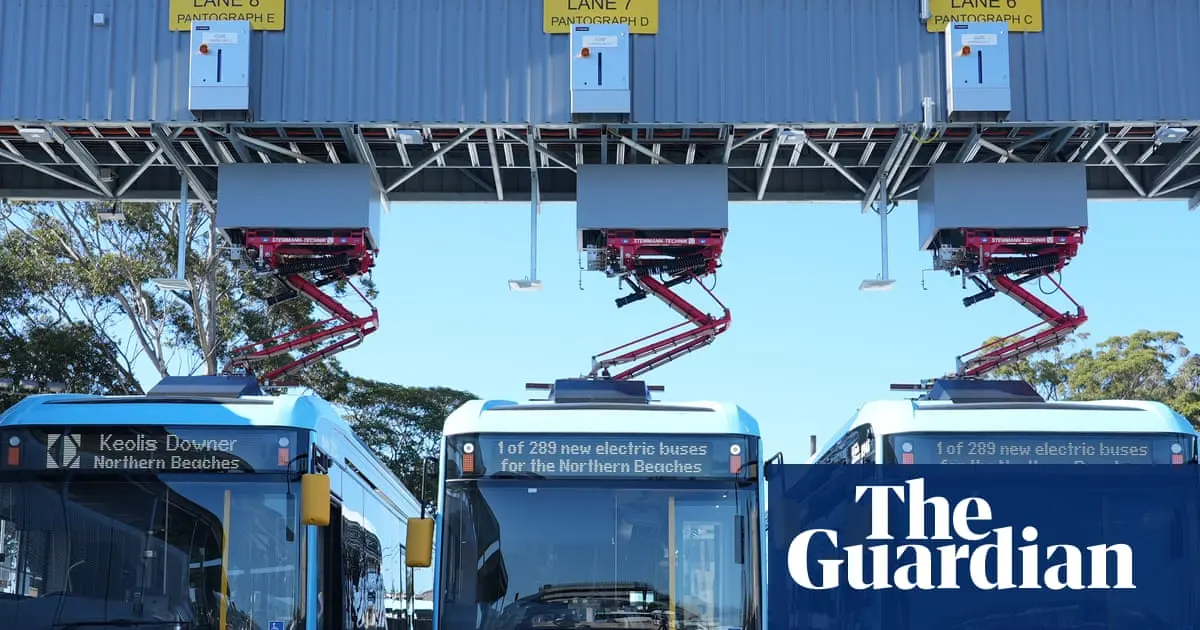
The government has ordered more than 500 electric buses, of which hundreds are already in operation, with 7,500 more expected to fully replace the 8,000-strong fleet of diesel-powered vehicles.
Last month, the NSW Anti-Slavery Commissioner found Transport for NSW had not taken reasonable steps to engage with groups affected by the potential use of forced labor in Xinjiang in China and the Democratic Republic of Congo in the supply chains for lithium-ion batteries.