OpenAI 재판 법정 내부
Inside the Courtroom at the OpenAI Trial
The New York Times
· 🇺🇸 New York, US
Cade Metz
EN
2026-05-01 03:09
Translated
뉴욕타임스 기술 기자가 엘론 머스크와 샘 알트만 간의 대결이 벌어지는 언론석에서의 현장 보도를 공유한다.
이 재판을 취재하는 것은 보통 오전 6시경에, 때로는 더 일찍 시작되며, 캘리포니아주 오클랜드 시내의 연방 법원으로 향하는 여행으로 시작된다. 실리콘밸리의 재벌인 엘론 머스크와 샘 알트만이 자주 법정에 나타나기 때문에, 사람들은 해가 뜨기 전에 건물 밖에 줄을 선다.
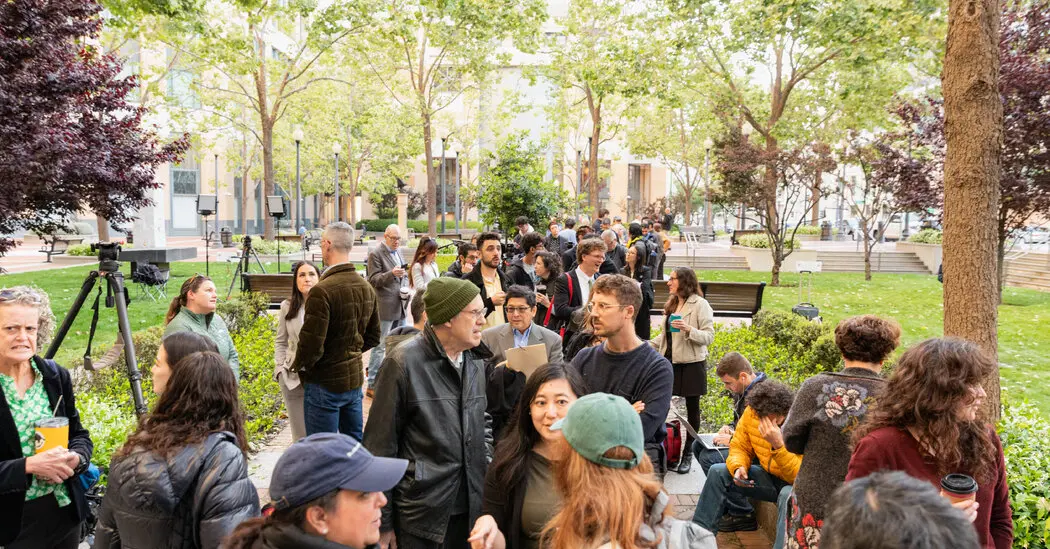
화요일에는 젊은 인공지능 안전 연구원 그룹이 이른 아침에 서브웨이 샌드위치를 가지고 도착했다. 그들은 머스크의 소송이 글로벌 AI 경쟁의 방향을 바꿀 수 있다고 믿는 사람들 중 일부이다. 머스크는 2015년 알트만과 다른 사람들과 함께 설립한 OpenAI가 상업적 이익을 인류의 이익보다 우선시함으로써 AI 연구소의 원래 사명을 위반했다고 주장하고 있다.
나는 동료 마이크 아이작과 함께 재판을 취재하고 있지만, 법원은 뉴욕타임스에 언론 패스 1개만 발급했다. 나는 하루는 가지고, 그는 다음 날 가진다. 패스가 있어도, 오전 8시 시작 시간 최소 1시간 전에 도착해야 한다. 아이디어는 패스가 있으면 줄을 건너뛸 수 있다는 것이다. 하지만 이 대형 재판의 경우, 법원의 급행 입구도 매우 느리다. 머스크가 고용한 모든 변호사와 그가 소송을 제기한 두 회사인 OpenAI와 마이크로소프트(연구소의 주요 재정 및 기술 파트너)의 변호사들로 인해 막힌다.
(뉴욕타임스는 2023년에 OpenAI와 마이크로소프트를 상대로 소송을 제기했다)
보안상의 이유로, 머스크와 알트만은 지하에서 입장한다. 하지만 그들은 여전히 건물 정문 바로 안쪽의 금속 탐지기를 통과해야 한다. 그들이 도착하면, 건물 밖에 서 있던 많은 사진작가들이 갑자기 그 문들을 향해 돌진하여 유리를 통해 기술 재벌들의 사진을 찍으려고 한다. (연방 법원 내부에서는 사진이 허용되지 않는다.)
법정에 들어가면, 마이크와 나는 다양한 언론사의 약 40명의 다른 기자들과 함께 갤러리의 나무 벤치에 앉는다. 실리콘밸리 근처의 재판을 취재하는 것의 장점 중 하나는 법정 내에서 노트북과 휴대전화를 사용할 수 있다는 것이다. 워싱턴 D.C.와 같은 곳에서는 법원이 전자 기기 사용을 금지하는 경우가 많다. 그것은 우리가 우리의 이야기와 블로그 게시물을 작성하고 편집자에게 바로 보낼 수 있다는 의미이다. 하지만 우리는 여전히 사진을 찍을 수 없으며, 오디오나 비디오를 녹음할 수 없다.
이틀 연속으로 재판을 주재하는 이본 곤잘레스 로저스 판사는 법정 절차를 녹화하고 법정에 입장하지 못한 수십 명의 사람들이 있는 오버플로우 룸에서 사진을 찍는 사람들을 질책했다. 그녀는 계속하면 자신의 기기를 몰수하고 오버플로우 룸을 폐쇄하겠다고 말했다.
대부분의 시선이 집중되는 인물은 세계에서 가장 부유한 사람인 머스크이다. 우리는 모두 사진으로 그를 알아보지만, 그의 매너는 당신이 생각하는 것보다 더 기이하다. 그는 자주 입술을 오므리는데, 이는 법원 밖에 서 있기 위해 타임스가 고용한 프리랜서 사진작가 제이슨 헨리가 촬영한 사진 중 하나에서 볼 수 있다. 그리고 머스크가 화요일 오후에 법정을 나가면서, 그는 작고 부드러운 공처럼 보이는 것을 움켜쥐고 있었고, 계속해서 그것을 짜내고 있었다.
알트만은 덜 눈에 띈다. 이번 주에 개인적으로 그를 본 적이 없는 동료 기자가 그가 자신이 생각했던 것보다 훨씬 키가 작다고 말하는 요점을 만들었다. 월요일에 배심원단 선정 전에, 알트만이 나에게 다가와 "이것을 즐기기를 바란다"고 말했다. 나중에 머스크의 변호사 중 한 명처럼 보이는 사람이 그 인용문을 소셜 미디어에 게시한 다른 타임스 기자에게 회신하여 "우리가 그것에 대해 할 수 있는 것이 무엇인가?"라고 말했다.
머스크가 화요일과 수요일에 증인석에 올랐을 때, 마이크와 나는 그의 성격의 매우 다른 두 측면을 상당히 맛볼 수 있었다 — 비록 우리의 견해는 종종 변호사와 법정 증거를 보여주기 위해 사용되는 거대한 컴퓨터 디스플레이로 인해 가로막혔지만. 머스크가 자신의 변호사에게 신문받았을 때, 그는 침착하게 자신과 그의 많은 기술 회사들이 세상을 구하는 사명에 있다고 설명했다. 반대 신문 중에, 그는 싸움을 거는 성향을 보였고, 때때로 목소리를 높이고 OpenAI의 주요 변론자에게 약간의 모욕을 던졌다.
머스크는 연구소를 설립한 지 3년도 채 되지 않아 OpenAI를 떠났다. 지금 그들은 서로를 좋아하지 않는다. 소셜 미디어에서, 머스크는 최근 자신의 오래된 공동 창립자를 "사기꾼 알트만"이라고 불렀다.
머스크가 화요일에 처음으로 법정에 도착했을 때, 판사는 자신이 소유한 소셜 미디어 플랫폼 X에 재판에 대해 게시한 것에 대해 그를 질책했다. 그는 단지 OpenAI가 온라인에 게시한 것에 대응하고 있다고 말했다. 그래서 판사는 머스크와 알트만 모두에게 "깨끗한 슬레이트"로 시작하고 소셜 미디어에서 "최소한으로 유지"하라고 말했다.
그들은 동의했다. 이것이 지속될지 봐야 한다.
케이드 메츠는 인공지능, 자율주행차, 로보틱스, 가상 현실 및 기타 신흥 기술 분야에 대해 쓰는 타임스 기자이다.
화요일에는 젊은 인공지능 안전 연구원 그룹이 이른 아침에 서브웨이 샌드위치를 가지고 도착했다. 그들은 머스크의 소송이 글로벌 AI 경쟁의 방향을 바꿀 수 있다고 믿는 사람들 중 일부이다. 머스크는 2015년 알트만과 다른 사람들과 함께 설립한 OpenAI가 상업적 이익을 인류의 이익보다 우선시함으로써 AI 연구소의 원래 사명을 위반했다고 주장하고 있다.
나는 동료 마이크 아이작과 함께 재판을 취재하고 있지만, 법원은 뉴욕타임스에 언론 패스 1개만 발급했다. 나는 하루는 가지고, 그는 다음 날 가진다. 패스가 있어도, 오전 8시 시작 시간 최소 1시간 전에 도착해야 한다. 아이디어는 패스가 있으면 줄을 건너뛸 수 있다는 것이다. 하지만 이 대형 재판의 경우, 법원의 급행 입구도 매우 느리다. 머스크가 고용한 모든 변호사와 그가 소송을 제기한 두 회사인 OpenAI와 마이크로소프트(연구소의 주요 재정 및 기술 파트너)의 변호사들로 인해 막힌다.
(뉴욕타임스는 2023년에 OpenAI와 마이크로소프트를 상대로 소송을 제기했다)
보안상의 이유로, 머스크와 알트만은 지하에서 입장한다. 하지만 그들은 여전히 건물 정문 바로 안쪽의 금속 탐지기를 통과해야 한다. 그들이 도착하면, 건물 밖에 서 있던 많은 사진작가들이 갑자기 그 문들을 향해 돌진하여 유리를 통해 기술 재벌들의 사진을 찍으려고 한다. (연방 법원 내부에서는 사진이 허용되지 않는다.)
법정에 들어가면, 마이크와 나는 다양한 언론사의 약 40명의 다른 기자들과 함께 갤러리의 나무 벤치에 앉는다. 실리콘밸리 근처의 재판을 취재하는 것의 장점 중 하나는 법정 내에서 노트북과 휴대전화를 사용할 수 있다는 것이다. 워싱턴 D.C.와 같은 곳에서는 법원이 전자 기기 사용을 금지하는 경우가 많다. 그것은 우리가 우리의 이야기와 블로그 게시물을 작성하고 편집자에게 바로 보낼 수 있다는 의미이다. 하지만 우리는 여전히 사진을 찍을 수 없으며, 오디오나 비디오를 녹음할 수 없다.
이틀 연속으로 재판을 주재하는 이본 곤잘레스 로저스 판사는 법정 절차를 녹화하고 법정에 입장하지 못한 수십 명의 사람들이 있는 오버플로우 룸에서 사진을 찍는 사람들을 질책했다. 그녀는 계속하면 자신의 기기를 몰수하고 오버플로우 룸을 폐쇄하겠다고 말했다.
대부분의 시선이 집중되는 인물은 세계에서 가장 부유한 사람인 머스크이다. 우리는 모두 사진으로 그를 알아보지만, 그의 매너는 당신이 생각하는 것보다 더 기이하다. 그는 자주 입술을 오므리는데, 이는 법원 밖에 서 있기 위해 타임스가 고용한 프리랜서 사진작가 제이슨 헨리가 촬영한 사진 중 하나에서 볼 수 있다. 그리고 머스크가 화요일 오후에 법정을 나가면서, 그는 작고 부드러운 공처럼 보이는 것을 움켜쥐고 있었고, 계속해서 그것을 짜내고 있었다.
알트만은 덜 눈에 띈다. 이번 주에 개인적으로 그를 본 적이 없는 동료 기자가 그가 자신이 생각했던 것보다 훨씬 키가 작다고 말하는 요점을 만들었다. 월요일에 배심원단 선정 전에, 알트만이 나에게 다가와 "이것을 즐기기를 바란다"고 말했다. 나중에 머스크의 변호사 중 한 명처럼 보이는 사람이 그 인용문을 소셜 미디어에 게시한 다른 타임스 기자에게 회신하여 "우리가 그것에 대해 할 수 있는 것이 무엇인가?"라고 말했다.
머스크가 화요일과 수요일에 증인석에 올랐을 때, 마이크와 나는 그의 성격의 매우 다른 두 측면을 상당히 맛볼 수 있었다 — 비록 우리의 견해는 종종 변호사와 법정 증거를 보여주기 위해 사용되는 거대한 컴퓨터 디스플레이로 인해 가로막혔지만. 머스크가 자신의 변호사에게 신문받았을 때, 그는 침착하게 자신과 그의 많은 기술 회사들이 세상을 구하는 사명에 있다고 설명했다. 반대 신문 중에, 그는 싸움을 거는 성향을 보였고, 때때로 목소리를 높이고 OpenAI의 주요 변론자에게 약간의 모욕을 던졌다.
머스크는 연구소를 설립한 지 3년도 채 되지 않아 OpenAI를 떠났다. 지금 그들은 서로를 좋아하지 않는다. 소셜 미디어에서, 머스크는 최근 자신의 오래된 공동 창립자를 "사기꾼 알트만"이라고 불렀다.
머스크가 화요일에 처음으로 법정에 도착했을 때, 판사는 자신이 소유한 소셜 미디어 플랫폼 X에 재판에 대해 게시한 것에 대해 그를 질책했다. 그는 단지 OpenAI가 온라인에 게시한 것에 대응하고 있다고 말했다. 그래서 판사는 머스크와 알트만 모두에게 "깨끗한 슬레이트"로 시작하고 소셜 미디어에서 "최소한으로 유지"하라고 말했다.
그들은 동의했다. 이것이 지속될지 봐야 한다.
케이드 메츠는 인공지능, 자율주행차, 로보틱스, 가상 현실 및 기타 신흥 기술 분야에 대해 쓰는 타임스 기자이다.
처리 완료
4,442 tokens · $0.0126
기사 수집 완료 · 03:20
매체 피드에서 기사 메타데이터 수집
헤드라인 번역 완료 · 03:36
제목/요약 한국어 번역 (fetch 시점 inline)
claude-haiku-4-5-20251001
187 tokens
$0.00045
1.6s
본문 추출 완료
4,759자 추출 완료
본문 한국어 번역 완료 · 03:36
2,432자 번역 완료
claude-haiku-4-5-20251001
4,255 tokens
$0.01212
26.3s
지정학적 엔티티 추출 완료 · 03:36
4개 엔티티 추출 완료
지정학적 맥락 & R-Scanner
R-Scanner · 평상
z=-5.89
일상적인 보도 수준 — 기준: Oakland
(🇺🇸 US)
최근 6시간 1건
7일 평균 37.61건 / 6h
1개국 매체
1개 매체
본문에서 추출된 지명 (4)
위치 지도
지도 로딩 중…
같은 주제의 다른 기사 (최근 7일)
A New York Times tech reporter shares a dispatch from the press gallery of the showdown between Elon Musk and Sam Altman.
Covering this trial begins at about 6 a.m., sometimes earlier, with a trip to the federal courthouse in downtown Oakland, Calif. Because the Silicon Valley moguls Elon Musk and Sam Altman often appear in court, people line up outside the building before the sun comes up.On Tuesday, a group of young artificial intelligence safety researchers arrived in the early morning with Subway sandwiches. They are among those who believe that Mr. Musk’s lawsuit could shift the direction of the global A.I. race. Mr. Musk is claiming that OpenAI, which he founded with Mr. Altman and others in 2015, violated the original mission of the A.I. lab by putting commercial interests over the good of humanity.
I’m covering the trial with my colleague Mike Isaac, but the court gave The New York Times only one press pass. I take it one day; he gets it the next. Even with the pass, I have to show up at least an hour before the 8 a.m. start time. The idea is that if you have a pass, you can skip the line. But for this blockbuster trial, even the express entrance to the courthouse is painfully slow. It gets clogged with all the lawyers hired by Mr. Musk and the two companies he’s suing: OpenAI and Microsoft, the lab’s chief financial and technological partner.
(The New York Times sued OpenAI and Microsoft in 2023 for
For security reasons, Mr. Musk and Mr. Altman enter from the basement. But they still have to walk through the metal detectors just inside the building’s front doors. When they arrive, the many photographers standing outside the building suddenly rush toward those doors, trying to snap pictures of the tech moguls through the glass. (Photography is not allowed inside the federal courthouse.)
Once we enter the courtroom, Mike and I sit on wooden benches in the gallery alongside about 40 other reporters from various outlets. One of the perks of covering a trial near Silicon Valley is that we can use laptops and phones inside the courtroom. In places like Washington, D.C., courts often ban the use of electronic devices. That means we can type out our stories and blog posts and send them to editors right away. But we’re still forbidden from taking photos, and we’re not allowed to record audio or video.
For two days running, Judge Yvonne Gonzalez Rogers, who is presiding over the trial, admonished people for recording court proceedings and snapping pictures from the overflow room, which holds dozens of people who did not get a spot in the courtroom. If they continued, she said, she would confiscate their devices and shut down the overflow room.
The figure that most eyes focus on is Mr. Musk, the world’s richest person. We all recognize him from photos, but his mannerisms are quirkier than you might think. He often purses his lips, which you can see in one of the photos captured by Jason Henry, the freelance photographer hired by The Times to stand outside the courthouse. And as Mr. Musk marched out of the courtroom on Tuesday afternoon, he was clutching what appeared to be a small, soft ball, squeezing it over and over again.
Mr. Altman is less conspicuous. This week, a fellow reporter who had never seen him in person made a point of saying he was much shorter than she had thought. On Monday, before jury selection, Mr. Altman approached me and said, “I hope you enjoy this.” Later, someone who seemed to be one of Mr. Musk’s lawyers replied to another Times reporter who had posted that quote on social media, saying, “What can we do about that?”
When Mr. Musk took the stand on Tuesday and Wednesday, Mike and I got a pretty good taste of the two very different sides of his personality — though our view was often blocked by lawyers and giant computer displays used to show court evidence. When Mr. Musk was questioned by his own lawyer, he calmly explained that he and his many tech companies were on a mission to save the world. Under cross-examination, he grew combative, occasionally raising his voice and tossing sly insults at OpenAI’s lead counsel.
Mr. Musk left OpenAI less than three years after he founded the lab with Mr. Altman. Now, they don’t exactly like each other. On social media, Mr. Musk recently called his old co-founder “Scam Altman.”
When Mr. Musk arrived in court for the first time on Tuesday, the judge lit into him for posting about the trial on X, the social media platform he owns. He said he was just responding to things that OpenAI had posted online. So the judge told both Mr. Musk and Mr. Altman to start with a “clean slate” and to “keep things to a minimum” on social media.
They agreed. We’ll see if that sticks.
Cade Metz is a Times reporter who writes about artificial intelligence, driverless cars, robotics, virtual reality and other emerging areas of technology.