연료 위기, 주 재정 계획 뒤흔들어
Fuel crisis upends state's fiscal plans
Bangkok Post
· 🇹🇭 Bangkok, TH
Bangkok Post Public Company Limited
EN
2026-04-17 07:30
Translated
에너지 위기가 정부의 재정 계획 추진에 도전이 될 수 있다. 이 계획은 재정 적자를 GDP의 3% 이하로 줄이고, 부가가치세(VAT) 인상을 통해 세입을 늘리며, 공공 부채를 GDP의 70% 이하로 유지하는 것을 목표로 한다고 재무부가 밝혔다.
에너지 위기가 정부의 재정 계획 추진에 도전이 될 수 있다. 이 계획은 재정 적자를 GDP의 3% 이하로 줄이고, 부가가치세(VAT) 인상을 통해 세입을 늘리며, 공공 부채를 GDP의 70% 이하로 유지하는 것을 목표로 한다고 재무부가 밝혔다.
익명을 요구한 재무부 소식통은 지속적인 에너지 위기로 인해 정부가 2027-2030년 중기 재정 계획을 수정해야 할 수도 있다고 말했다. 높은 에너지 가격이 경제 전망에 영향을 미치고 있기 때문이다.
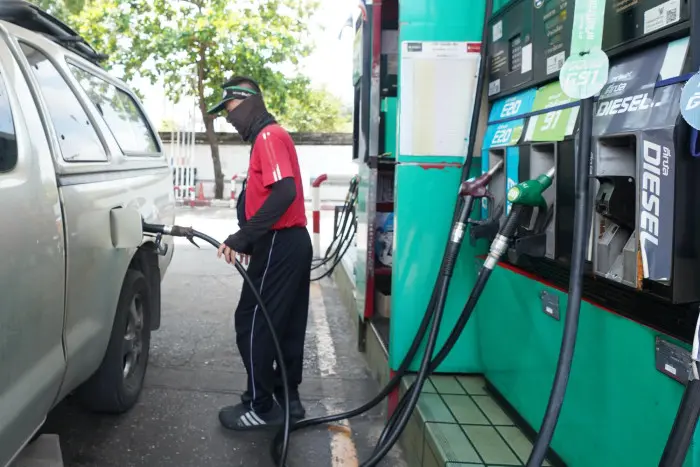
동시에 정부는 더 높은 공공 부채 부담에 직면할 수 있다. 재무부가 시장 원리에 따른 관리형 변동 환율제 하에서 국내 소매 유가를 안정시키기 위해 석유 연료 기금에 대한 1,500억 바트 대출을 보증해야 할 필요가 있기 때문이다.
현재의 에너지 위기로 인해 올해 GDP 성장률은 국가경제사회발전위원회(NESDC)가 전망한 2% 성장 목표에 미치지 못할 수 있다.
한편, 석유 연료 기금 대출 보증으로 인한 공공 부채 부담은 기금이 1,500억 바트 보증 시설을 완전히 활용할 경우 GDP 대비 약 1%포인트 상승할 것으로 예상된다.
글로벌 에너지 위기가 발생하기 전에 작성된 중기 재정 계획에 따르면, 2026회계연도 공공 부채는 GDP의 68.1%로 예상되었다. 부채 비율은 2028회계연도에 69.7%로 정점을 찍은 후 계획의 마지막 해인 2030년에 68.2%로 하락하여 70% 상한선 이하를 유지할 것으로 예상된다.
또한 소식통은 현재의 에너지 위기가 더 광범위한 경제적 어려움을 야기하여 정부가 경제를 지원하기 위해 지출을 늘려야 할 수 있어 예산 적자를 3% 이하로 줄이는 목표 달성이 더 어려워질 수 있다고 말했다. 2026회계연도 적자는 GDP의 약 4%로 예상된다.
계획에 따르면 적자는 2027회계연도에 3.9%로 줄어들고, 2029년부터 예산 적자는 GDP의 3% 이하로 떨어져 2.7%로 하락할 것으로 예상된다. 계획의 마지막 해인 2030년에는 적자가 2.1%에 이를 것이다.
경제가 여전히 회복하지 못할 경우, VAT 인상을 통한 정부의 세입 증대 계획은 더욱 어려워질 수 있다. 재정 계획에 따르면 VAT는 2028년에 7%에서 8.5%로 인상되고, 2030년에는 법정 상한선인 10%로 인상될 예정이다.
경제적 변동성과 불확실성, 정치적 위험, 지정학적 긴장, 기후 변화는 모두 태국의 재정 상황에 대한 경고 신호를 보내고 있으며, 이는 지난 20년간 정부 세입 대비 GDP 비율의 꾸준한 하락에 반영되어 있다. 세입은 1993년 GDP의 17%였으나 2025년에는 14.9%로 예상된다.
중기 재정 계획의 수립은 2018년 국가재정재정규율법에 따라 의무화되었다. 이 법은 이전 정부들이 대규모 포퓰리즘 정책과 광범위한 준재정 조치를 시행한 후 정부의 재정 상황에 대한 우려가 제기된 후 도입되었다. 이 프레임워크 하에서 중기 재정 계획은 내각의 승인을 받아야 한다.
익명을 요구한 재무부 소식통은 지속적인 에너지 위기로 인해 정부가 2027-2030년 중기 재정 계획을 수정해야 할 수도 있다고 말했다. 높은 에너지 가격이 경제 전망에 영향을 미치고 있기 때문이다.
동시에 정부는 더 높은 공공 부채 부담에 직면할 수 있다. 재무부가 시장 원리에 따른 관리형 변동 환율제 하에서 국내 소매 유가를 안정시키기 위해 석유 연료 기금에 대한 1,500억 바트 대출을 보증해야 할 필요가 있기 때문이다.
현재의 에너지 위기로 인해 올해 GDP 성장률은 국가경제사회발전위원회(NESDC)가 전망한 2% 성장 목표에 미치지 못할 수 있다.
한편, 석유 연료 기금 대출 보증으로 인한 공공 부채 부담은 기금이 1,500억 바트 보증 시설을 완전히 활용할 경우 GDP 대비 약 1%포인트 상승할 것으로 예상된다.
글로벌 에너지 위기가 발생하기 전에 작성된 중기 재정 계획에 따르면, 2026회계연도 공공 부채는 GDP의 68.1%로 예상되었다. 부채 비율은 2028회계연도에 69.7%로 정점을 찍은 후 계획의 마지막 해인 2030년에 68.2%로 하락하여 70% 상한선 이하를 유지할 것으로 예상된다.
또한 소식통은 현재의 에너지 위기가 더 광범위한 경제적 어려움을 야기하여 정부가 경제를 지원하기 위해 지출을 늘려야 할 수 있어 예산 적자를 3% 이하로 줄이는 목표 달성이 더 어려워질 수 있다고 말했다. 2026회계연도 적자는 GDP의 약 4%로 예상된다.
계획에 따르면 적자는 2027회계연도에 3.9%로 줄어들고, 2029년부터 예산 적자는 GDP의 3% 이하로 떨어져 2.7%로 하락할 것으로 예상된다. 계획의 마지막 해인 2030년에는 적자가 2.1%에 이를 것이다.
경제가 여전히 회복하지 못할 경우, VAT 인상을 통한 정부의 세입 증대 계획은 더욱 어려워질 수 있다. 재정 계획에 따르면 VAT는 2028년에 7%에서 8.5%로 인상되고, 2030년에는 법정 상한선인 10%로 인상될 예정이다.
경제적 변동성과 불확실성, 정치적 위험, 지정학적 긴장, 기후 변화는 모두 태국의 재정 상황에 대한 경고 신호를 보내고 있으며, 이는 지난 20년간 정부 세입 대비 GDP 비율의 꾸준한 하락에 반영되어 있다. 세입은 1993년 GDP의 17%였으나 2025년에는 14.9%로 예상된다.
중기 재정 계획의 수립은 2018년 국가재정재정규율법에 따라 의무화되었다. 이 법은 이전 정부들이 대규모 포퓰리즘 정책과 광범위한 준재정 조치를 시행한 후 정부의 재정 상황에 대한 우려가 제기된 후 도입되었다. 이 프레임워크 하에서 중기 재정 계획은 내각의 승인을 받아야 한다.
처리 완료
2,629 tokens · $0.0050
기사 수집 완료 · 08:45
매체 피드에서 기사 메타데이터 수집
헤드라인 번역 완료 · 08:57
제목/요약 한국어 번역 (fetch 시점 inline)
kimi-k2.5
250 tokens
$0.00048
4.8s
본문 추출 완료
3,152자 추출 완료
본문 한국어 번역 완료 · 08:57
1,432자 번역 완료
kimi-k2.5
2,379 tokens
$0.00455
38.4s
지정학적 엔티티 추출 완료 · 08:57
1개 엔티티 추출 완료
지정학적 맥락 & R-Scanner
R-Scanner · 평상
z=-0.63
일상적인 보도 수준 — 기준: Thailand
(🇹🇭 TH)
최근 6시간 0건
7일 평균 0.86건 / 6h
0개국 매체
0개 매체
본문에서 추출된 지명 (1)
위치 지도
지도 로딩 중…
같은 주제의 다른 기사 (최근 7일)
The energy crisis may pose a challenge for the government in pursuing its fiscal plan, which aims to reduce the fiscal deficit to no more than 3% of GDP, increase revenue through a higher value-added tax (VAT), and keep public debt below 70% of GDP, according to the Finance Ministry.
The energy crisis may pose a challenge for the government in pursuing its fiscal plan, which aims to reduce the fiscal deficit to no more than 3% of GDP, increase revenue through a higher value-added tax (VAT), and keep public debt below 70% of GDP, according to the Finance Ministry.A source from the Finance Ministry, who requested anonymity, said the ongoing energy crisis may force the government to revise its medium-term fiscal plan for 2027-2030, as higher energy prices are affecting economic forecasts.
At the same time, the government may face a higher public debt burden because the Finance Ministry may need to guarantee 150 billion baht in loans for the Oil Fuel Fund to help stabilise domestic retail oil prices under a managed floating mechanism in line with market forces.
As a result of the current energy crisis, this year's GDP growth may fail to meet the target projected by the National Economic and Social Development Council (NESDC), which had forecast expansion of 2%.
Meanwhile, the public debt burden arising from the loan guarantee for the Oil Fuel Fund is expected to raise public debt by about 1 percentage point of GDP if the fund fully utilises the 150-billion-baht guarantee facility.
Under the medium-term fiscal plan, which was drafted before the global energy crisis emerged, public debt for the fiscal year 2026 was projected at 68.1% of GDP. The debt ratio is expected to peak in fiscal year 2028 at 69.7% before declining to 68.2% in the final year of the plan, 2030, remaining below the 70% ceiling.
In addition, the source said the current energy crisis, which has triggered broader economic difficulties, may force the government to increase spending to support the economy, making it more difficult to achieve the target of reducing the budget deficit to below 3%. In fiscal year 2026, the deficit is projected at around 4% of GDP.
Under the plan, the deficit will be reduced to 3.9% in fiscal year 2027, and from 2029 onwards the budget deficit is expected to fall below 3% of GDP, declining to 2.7%. In the final year of the plan, 2030, the deficit will stand at 2.1%.
If the economy is still unable to recover, the government's revenue-raising plan through a VAT increase may become even more difficult to implement. Under the fiscal plan, VAT is scheduled to rise from 7% to 8.5% in 2028, and then to the full legal ceiling of 10% in 2030.
Economic volatility and uncertainty, political risks, geopolitical tensions, and climate change are all sending warning signals about Thailand's fiscal position, reflected in the steady decline in the ratio of government revenue to GDP over the past 20 years. Revenue stood at 17% of GDP in 1993, but is projected at 14.9% in 2025.
The formulation of the medium-term fiscal plan is required under the State Financial and Fiscal Discipline Act of 2018. The law was introduced following concerns over the government's fiscal position after previous administrations had implemented populist policies on a large scale, along with extensive quasi-fiscal measures. Under this framework, the medium-term fiscal plan must be submitted to the cabinet for approval.