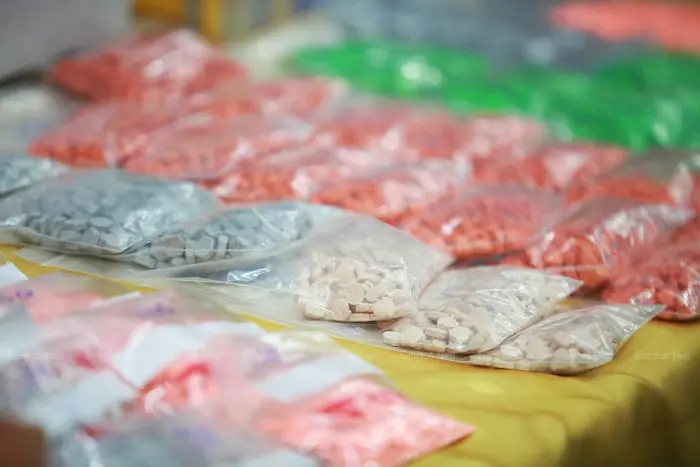
마약과 연계된 청소년 정신질환 증가
Drugs link to rising youth mental illness
Bangkok Post
· 🇹🇭 Bangkok, TH
Bangkok Post Public Company Limited
EN
2026-04-17 07:50
Translated
메트암페타민, 대마초, 크라톰이 청소년 마약 남용의 주요 원인으로 남아 있으며, 마약 사용과 관련된 정신 건강 문제가 77.44%까지 증가했다고 이번 주 발표된 연구 결과에 따릅니다.
메트암페타민, 대마초, 크라톰이 청소년 마약 남용의 주요 원인으로 남아 있으며, 마약 사용과 관련된 정신 건강 문제가 77.44%까지 증가했다고 이번 주 발표된 연구 결과에 따릅니다.
마약남용학술재단과 태국건강증진재단(ThaiHealth)은 최근 안전하고 마약 없는 지역을 조성하기 위한 지역사회 주도 접근법을 공유하는 포럼을 개최했습니다.
이 행사에서는 마약 남용 예방과 지역사회 기반 활동을 통한 회복 지원에 힘쓰는 지역 네트워크의 사례를 조명했습니다.
ThaiHealth 이사회 멤버인 피타야 지나왓은 포럼에서 지난 2년간 태국에서 정신 건강 문제를 앓는 마약 환자 381,656명이 기록되었으며, 이는 치료를 받은 969,901명의 39.35%에 해당한다고 밝혔습니다.
한편, 물질 남용 이력이 있는 정신과 환자는 533,399명으로 집계되었다고 그는 덧붙였습니다.
전반적인 마약 관련 사건은 2022년에서 2023년 사이 감소했지만, ThaiHealth와 로켓 미디어 랩의 2025년 4분기 보고서에 따르면 특히 청소년 사이에서 마약 사용 사례가 급증한 것으로 나타났습니다.
피타야 씨는 메트암페타민 가격이 현재 알당 30~50바트까지 하락하여 한 끼 식사 비용과 맞먹을 정도로 마약이 널리 접근 가능해졌다고 말했습니다.
이 상황은 더 깊은 사회적 문제를 반영하고 있으며 정부 기관과 시민사회 부문 간의 협력이 필요하다고 그는 강조했습니다.
노력은 지역사회 참여를 통한 예방, 회복 탄력성 구축, 지식을 활용한 위험 감소 및 더 건강한 환경 조성에 초점을 맞추고 있다고 그는 설명했습니다.
재단 관리자인 와차라퐁 춤추엔은 새로운 도전으로 더 어린 연령대 사용자들과 물질 혼합 사용 증가 추세를 꼽았습니다.
이러한 청소년들 중 많은 이들이 진통제, 항히스타민제, 기침약 등 일반 의약품과 합성 마약을 혼합하여 사용하는 경우가 늘고 있으며, 종종 온라인에서 구매해 오락적으로 복용합니다.
"이러한 행동은 신경계에 영향을 미치고 정신 장애 위험을 높일 수 있습니다"라고 그는 말하며, 법 집행만으로는 문제를 해결할 수 없다고 덧붙였습니다.
지역사회 기반 예방이 장기적 해결책의 핵심이라고 그는 강조했습니다. 지역 지도자와 주민들이 함께 위험을 감시하고, 새로운 사용자를 예방하며, 영향을 받은 개인의 회복을 지원해야 한다고 그는 덧붙였습니다.
아유타야 주 타루아 군 타루앙 탐본의 반 양 놈 마을 마을장인 피몰판 찰로얏은 자신의 마을이 한때 악명 높은 마약 남용과 범죄의 중심지였으나 현재 극적인 변화를 겪었다고 말했습니다.
그녀는 이 지역이 과거 나이쿵으로도 알려져 있었으며, 부모들이 자녀들에게 "거기 가지 마, 위험해. 나이쿵에서 친구 사귀거나 배우자를 찾지 마"라고 경고할 정도로 두려움의 대상이었다고 회상했습니다.
이러한 낙인은 수년간 마을을 괴롭혀 온 광범위한 마약 문제에서 비롯되었다고 그녀는 설명했습니다.
마약남용학술재단과 태국건강증진재단(ThaiHealth)은 최근 안전하고 마약 없는 지역을 조성하기 위한 지역사회 주도 접근법을 공유하는 포럼을 개최했습니다.
이 행사에서는 마약 남용 예방과 지역사회 기반 활동을 통한 회복 지원에 힘쓰는 지역 네트워크의 사례를 조명했습니다.
ThaiHealth 이사회 멤버인 피타야 지나왓은 포럼에서 지난 2년간 태국에서 정신 건강 문제를 앓는 마약 환자 381,656명이 기록되었으며, 이는 치료를 받은 969,901명의 39.35%에 해당한다고 밝혔습니다.
한편, 물질 남용 이력이 있는 정신과 환자는 533,399명으로 집계되었다고 그는 덧붙였습니다.
전반적인 마약 관련 사건은 2022년에서 2023년 사이 감소했지만, ThaiHealth와 로켓 미디어 랩의 2025년 4분기 보고서에 따르면 특히 청소년 사이에서 마약 사용 사례가 급증한 것으로 나타났습니다.
피타야 씨는 메트암페타민 가격이 현재 알당 30~50바트까지 하락하여 한 끼 식사 비용과 맞먹을 정도로 마약이 널리 접근 가능해졌다고 말했습니다.
이 상황은 더 깊은 사회적 문제를 반영하고 있으며 정부 기관과 시민사회 부문 간의 협력이 필요하다고 그는 강조했습니다.
노력은 지역사회 참여를 통한 예방, 회복 탄력성 구축, 지식을 활용한 위험 감소 및 더 건강한 환경 조성에 초점을 맞추고 있다고 그는 설명했습니다.
재단 관리자인 와차라퐁 춤추엔은 새로운 도전으로 더 어린 연령대 사용자들과 물질 혼합 사용 증가 추세를 꼽았습니다.
이러한 청소년들 중 많은 이들이 진통제, 항히스타민제, 기침약 등 일반 의약품과 합성 마약을 혼합하여 사용하는 경우가 늘고 있으며, 종종 온라인에서 구매해 오락적으로 복용합니다.
"이러한 행동은 신경계에 영향을 미치고 정신 장애 위험을 높일 수 있습니다"라고 그는 말하며, 법 집행만으로는 문제를 해결할 수 없다고 덧붙였습니다.
지역사회 기반 예방이 장기적 해결책의 핵심이라고 그는 강조했습니다. 지역 지도자와 주민들이 함께 위험을 감시하고, 새로운 사용자를 예방하며, 영향을 받은 개인의 회복을 지원해야 한다고 그는 덧붙였습니다.
아유타야 주 타루아 군 타루앙 탐본의 반 양 놈 마을 마을장인 피몰판 찰로얏은 자신의 마을이 한때 악명 높은 마약 남용과 범죄의 중심지였으나 현재 극적인 변화를 겪었다고 말했습니다.
그녀는 이 지역이 과거 나이쿵으로도 알려져 있었으며, 부모들이 자녀들에게 "거기 가지 마, 위험해. 나이쿵에서 친구 사귀거나 배우자를 찾지 마"라고 경고할 정도로 두려움의 대상이었다고 회상했습니다.
이러한 낙인은 수년간 마을을 괴롭혀 온 광범위한 마약 문제에서 비롯되었다고 그녀는 설명했습니다.
처리 완료
2,528 tokens · $0.0051
기사 수집 완료 · 08:01
매체 피드에서 기사 메타데이터 수집
헤드라인 번역 완료 · 08:15
제목/요약 한국어 번역 (fetch 시점 inline)
kimi-k2.5
206 tokens
$0.00040
4.3s
본문 추출 완료
2,719자 추출 완료
본문 한국어 번역 완료 · 08:15
1,427자 번역 완료
kimi-k2.5
2,322 tokens
$0.00474
34.4s
지정학적 엔티티 추출 완료 · 08:15
5개 엔티티 추출 완료
지정학적 맥락 & R-Scanner
R-Scanner · 평상
z=-0.63
일상적인 보도 수준 — 기준: Thailand
(🇹🇭 TH)
최근 6시간 0건
7일 평균 0.86건 / 6h
0개국 매체
0개 매체
본문에서 추출된 지명 (5)
위치 지도
지도 로딩 중…
같은 주제의 다른 기사 (최근 7일)
Methamphetamine, cannabis and kratom remain key drivers of drug abuse among youth, with mental health complaints linked to drug use rising to 77.44%, according to research released this week.
Methamphetamine, cannabis and kratom remain key drivers of drug abuse among youth, with mental health complaints linked to drug use rising to 77.44%, according to research released this week.The Substance Abuse Academic Foundation and the Thai Health Promotion Foundation (ThaiHealth) recently held a forum to share community-led approaches to building safe, drug-free areas.
The event highlighted lessons from local networks working to prevent drug abuse and support recovery through community-based action.
Pittaya Jinawat, a board member of ThaiHealth, told the forum that over the past two years, Thailand recorded 381,656 drug patients with mental health conditions, accounting for 39.35% of 969,901 individuals in treatment.
Meanwhile, 533,399 psychiatric patients were found to have a history of substance abuse, he said.
Although overall drug-related cases declined between 2022 and 2023, a fourth-quarter 2025 report by ThaiHealth and Rocket Media Lab showed that drug use cases surged, especially among young people.
Mr Pittaya said the falling price of methamphetamine, now as low as 30 to 50 baht per pill, has made drugs widely accessible, comparable to the cost of a single meal.
The situation has reflected deeper social problems and required cooperation between state agencies and civil society sectors, he said.
Efforts have focused on prevention through community engagement, building resilience and using local knowledge to reduce risks and create healthier environments, he said.
Watcharapong Chumchuen, manager of the foundation, said new challenges include younger users and the growing trend of mixing substances.
Many of these youths combine synthetic drugs with common medicines, such as painkillers, antihistamines and cough syrups, often bought online and used recreationally.
"Such behaviour can affect the nervous system and increase the risk of psychiatric disorders," he said, adding law enforcement alone cannot solve the problem.
Community-based prevention is key to long-term solutions, he said. Local leaders and residents must work together to monitor risks, prevent new users and support recovery among affected individuals, he added.
Pimolpan Chaloeyart, the head of Ban Yang Nom village in tambon Tha Luang of Ayutthaya province's Tha Rua district, said her community was once a notorious hub for drug abuse and crime. However, it has now undergone a dramatic transformation.
She recalled the area, also known as Naikhung, was so feared in the past that parents warned their children: "Don't go there, it's dangerous. Don't make friends or find partners in Naikhung."
The stigma stemmed from widespread drug problems that plagued the community for years, she said.