상하이의 양 테마 음료가 온라인에서 화제를 일으키다
[ANN] Sheep-themed drink in Shanghai causes stir online
The Korea Herald
· 🇰🇷 Seoul, KR
Korea Herald
EN
2026-04-28 09:16
Translated
상하이 기반의 음료 회사 Matcha Wang이 만든 바닐라 빈 말차 라테가 소셜 미디어에서 바이럴 현상이 되었으며, 국제 관광객들이 한 시간까지 기다려 이 음료를 맛보고 있다.
상하이(차이나데일리/ANN) -- 40분 이상을 기다린 후 폴란드 관광객 조안나 파스카는 자신의 말차 라테를 첫 음료에 마시며 웃음 지었다. 하지만 그 전에 자신의 음료 위에 떠 있는 거품 예술 양의 완벽한 사진을 찍기 위해 휴대폰을 조심스럽게 위치시켰다.
"맛있고 사랑스럽습니다"라고 파스카는 말했다. 그녀는 상하이 여행을 계획하던 중 소셜 미디어에서 이 음료를 발견했다.
"많은 사람들이 추천했고, 양은 제가 가장 좋아하는 동물 중 하나라서 꼭 시도해야겠다고 생각했습니다"라고 그녀가 덧붙였다.
정상적인 음료로 시작된 것이 글로벌 센세이션으로 변모했다. 상하이 기반의 음료 회사 Matcha Wang이 만든 시그니처 음료인 바닐라 빈 말차 라테는 국제 관객들을 매료시켰으며, "작은 양 라테"에 대한 소셜 미디어 게시물은 수천 개의 좋아요와 공유를 얻었다. 그 결과, 회화로로에 있는 작은 가게는 매일 젊은 고객들이 줄을 서서 기다리고 있으며, 외국 관광객이 많은 부분을 차지하고 있다.
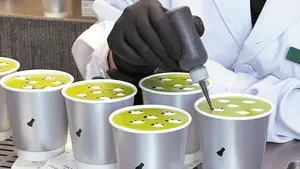
바닐라 향미 말차 라테는 거품 표면에 여러 개의 손으로 그린 양이 특징이다. 외국 블로거가 라테의 틱톡 영상을 올렸을 때 처음 국제적 관심을 받았으며, 거품 양을 한 입에 마시는 행위를 장난스럽게 "양 죽이기 계획"이라고 명명했다.
이 창의적인 표현은 국제 관광객들이 지금 이 경험을 위해 기꺼이 한 시간까지 기다리게 한 바이럴 트렌드를 점화시켰다.
처음에는 이 음료가 상하이 내에서 많이 홍보되지 않았다. 이 음료를 발견한 외국 거주자와 방문객들은 기발한 거품 예술에 매료되어 틱톡과 인스타그램 같은 국제 플랫폼에서 자신의 경험을 공유했다.
이탈리아 여행객 엘리사 주인티는 인스타그램을 통해 라테를 발견했다. "조금 달지만 좋습니다"라고 그녀는 말했다. 그녀를 끌어당긴 것은 장인 정신이었다고 설명했다. "만드는 것을 보는 것이 정말 재미있습니다. 매력적입니다."
틱톡을 통해 라테에 대해 들은 캐나다 방문객 나타샤 마지는 실망하지 않았다.
"엄청 부드럽고, 말차가 정말 좋고, 너무 달지도 않으면서도 충분히 달아요"라고 그녀는 말했다.
상하이 사회과학원 저널리즘 연구소의 조교 연구원 장좌오에 따르면, 이 현상은 맛만을 초월한다.
"이 말차 라테는 제품 소비, 심리적 공감, 그리고 전파 루프를 결합한 경험을 구축함으로써 바이럴되었습니다"라고 장은 설명했다.
"귀여운 양 이미지는 보호 본능을 자극하고, 재미있는 '양 죽이기' 행위는 일상의 단조로움에 대한 무해한 반항의 배출구를 만들며, 이는 전 세계 젊은이들에게 공감합니다.
외국 방문객들은 동양의 말차, 귀여운 시각 및 의식 행동의 조합을 신선하게 느끼는 반면, 국내 소비자들은 지역 시장의 포화로 인해 참신함에 대한 역치가 더 높을 수 있습니다"라고 그녀는 덧붙였다.
이 음료의 성공은 또한 문화적 부흥을 나타낸다. 말차는 중국에서 기원했으며, 그 가장 초기의 뿌리는 위진 시대(220-420)에 거슬러 올라가며, 당시에는 "모차" 또는 분말 차로 불렸다. 고대 장인들은 차 잎을 분말로 갈아서 "점차"라는 예술을 연습했는데, 이는 분말을 물로 거품내어 짙고 하얀 거품을 만드는 것을 의미한다.
오늘날 중국은 세계 최대 말차 생산국이자 소비국으로서의 위치를 되찾았으며, 전통 차 문화는 라테, 아이스크림 및 케이크와 같은 현대적 형태로 새로운 표현을 찾고 있다.
이 소셜 미디어 센세이션은 또한 국제 목적지로서의 상하이의 증가하는 매력과 맞아떨어진다. 통계에 따르면 이 도시는 2026년 1분기에 146만 명의 외국 방문객을 맞이했으며, 이는 전년 대비 25.1% 증가했으며, 60% 이상이 무비자 입국 정책을 이용했다.
"이 현상과 상하이의 인바운드 관광 성장은 서로 강화합니다"라고 장은 관찰했다. "무비자 정책은 공유 가능한 지역 경험을 갈망하는 Z세대 젊은 관광객들의 물결을 가져왔습니다. 이 라테는 새로운 '마이크로 어트랙션' 개념을 반향시킵니다 - 친밀하고 가볍고 도시적인 목적지로서, 전통적인 관광지 투어를 경험적이고 깊이 있는 변환으로 밀어붙입니다."
"맛있고 사랑스럽습니다"라고 파스카는 말했다. 그녀는 상하이 여행을 계획하던 중 소셜 미디어에서 이 음료를 발견했다.
"많은 사람들이 추천했고, 양은 제가 가장 좋아하는 동물 중 하나라서 꼭 시도해야겠다고 생각했습니다"라고 그녀가 덧붙였다.
정상적인 음료로 시작된 것이 글로벌 센세이션으로 변모했다. 상하이 기반의 음료 회사 Matcha Wang이 만든 시그니처 음료인 바닐라 빈 말차 라테는 국제 관객들을 매료시켰으며, "작은 양 라테"에 대한 소셜 미디어 게시물은 수천 개의 좋아요와 공유를 얻었다. 그 결과, 회화로로에 있는 작은 가게는 매일 젊은 고객들이 줄을 서서 기다리고 있으며, 외국 관광객이 많은 부분을 차지하고 있다.
바닐라 향미 말차 라테는 거품 표면에 여러 개의 손으로 그린 양이 특징이다. 외국 블로거가 라테의 틱톡 영상을 올렸을 때 처음 국제적 관심을 받았으며, 거품 양을 한 입에 마시는 행위를 장난스럽게 "양 죽이기 계획"이라고 명명했다.
이 창의적인 표현은 국제 관광객들이 지금 이 경험을 위해 기꺼이 한 시간까지 기다리게 한 바이럴 트렌드를 점화시켰다.
처음에는 이 음료가 상하이 내에서 많이 홍보되지 않았다. 이 음료를 발견한 외국 거주자와 방문객들은 기발한 거품 예술에 매료되어 틱톡과 인스타그램 같은 국제 플랫폼에서 자신의 경험을 공유했다.
이탈리아 여행객 엘리사 주인티는 인스타그램을 통해 라테를 발견했다. "조금 달지만 좋습니다"라고 그녀는 말했다. 그녀를 끌어당긴 것은 장인 정신이었다고 설명했다. "만드는 것을 보는 것이 정말 재미있습니다. 매력적입니다."
틱톡을 통해 라테에 대해 들은 캐나다 방문객 나타샤 마지는 실망하지 않았다.
"엄청 부드럽고, 말차가 정말 좋고, 너무 달지도 않으면서도 충분히 달아요"라고 그녀는 말했다.
상하이 사회과학원 저널리즘 연구소의 조교 연구원 장좌오에 따르면, 이 현상은 맛만을 초월한다.
"이 말차 라테는 제품 소비, 심리적 공감, 그리고 전파 루프를 결합한 경험을 구축함으로써 바이럴되었습니다"라고 장은 설명했다.
"귀여운 양 이미지는 보호 본능을 자극하고, 재미있는 '양 죽이기' 행위는 일상의 단조로움에 대한 무해한 반항의 배출구를 만들며, 이는 전 세계 젊은이들에게 공감합니다.
외국 방문객들은 동양의 말차, 귀여운 시각 및 의식 행동의 조합을 신선하게 느끼는 반면, 국내 소비자들은 지역 시장의 포화로 인해 참신함에 대한 역치가 더 높을 수 있습니다"라고 그녀는 덧붙였다.
이 음료의 성공은 또한 문화적 부흥을 나타낸다. 말차는 중국에서 기원했으며, 그 가장 초기의 뿌리는 위진 시대(220-420)에 거슬러 올라가며, 당시에는 "모차" 또는 분말 차로 불렸다. 고대 장인들은 차 잎을 분말로 갈아서 "점차"라는 예술을 연습했는데, 이는 분말을 물로 거품내어 짙고 하얀 거품을 만드는 것을 의미한다.
오늘날 중국은 세계 최대 말차 생산국이자 소비국으로서의 위치를 되찾았으며, 전통 차 문화는 라테, 아이스크림 및 케이크와 같은 현대적 형태로 새로운 표현을 찾고 있다.
이 소셜 미디어 센세이션은 또한 국제 목적지로서의 상하이의 증가하는 매력과 맞아떨어진다. 통계에 따르면 이 도시는 2026년 1분기에 146만 명의 외국 방문객을 맞이했으며, 이는 전년 대비 25.1% 증가했으며, 60% 이상이 무비자 입국 정책을 이용했다.
"이 현상과 상하이의 인바운드 관광 성장은 서로 강화합니다"라고 장은 관찰했다. "무비자 정책은 공유 가능한 지역 경험을 갈망하는 Z세대 젊은 관광객들의 물결을 가져왔습니다. 이 라테는 새로운 '마이크로 어트랙션' 개념을 반향시킵니다 - 친밀하고 가볍고 도시적인 목적지로서, 전통적인 관광지 투어를 경험적이고 깊이 있는 변환으로 밀어붙입니다."
처리 완료
3,716 tokens · $0.0105
기사 수집 완료 · 09:16
매체 피드에서 기사 메타데이터 수집
헤드라인 번역 완료 · 09:25
제목/요약 한국어 번역 (fetch 시점 inline)
claude-haiku-4-5-20251001
101 tokens
$0.00021
1.1s
본문 추출 완료
4,167자 추출 완료
본문 한국어 번역 완료 · 09:25
1,986자 번역 완료
claude-haiku-4-5-20251001
3,615 tokens
$0.01030
21.4s
지정학적 엔티티 추출 완료 · 09:25
4개 엔티티 추출 완료
지정학적 맥락 & R-Scanner
R-Scanner · 평상
z=0.04
일상적인 보도 수준 — 기준: Shanghai
(🇨🇳 CN)
최근 6시간 3건
7일 평균 2.93건 / 6h
3개국 매체
3개 매체
본문에서 추출된 지명 (4)
위치 지도
지도 로딩 중…
같은 주제의 다른 기사 (최근 7일)
SHANGHAI (China Daily/ANN) -- After waiting in line for more than 40 minutes, Polish tourist Joanna Paska smiled as she took the first sip of her matcha latte, but not before carefully positioning her phone to capture a perfect shot of the foam art sheep floating on top of her drink.
"It's delicious, it's lovely," said Paska, who discovered the drink on social media while planning her Shanghai trip.
"A lot of people recommended it, and sheep are one of my favorite animals, so I decided I needed to try this," she added.
What began as a normal beverage has transformed into a global sensation. The vanilla bean matcha latte, a signature drink created by Shanghai-based drinks company Matcha Wang, has captivated international audiences, with social media posts about the "little sheep latte" garnering thousands of likes and shares. As a result, the small store on Huaihai Road sees young customers waiting outside every day, with foreign tourists making up a large portion of the crowd.
The vanilla-infused matcha latte features several hand-drawn sheep on its foam surface. It first caught international attention when a foreign blogger posted a TikTok video of the latte, playfully dubbing the act of drinking all the foam sheep in one mouthful as the "sheep-killing plan."
This creative framing ignited a viral trend that has international tourists now willingly standing in line for up to an hour for the experience.
Initially, the beverage wasn't heavily promoted within Shanghai. Foreign residents and visitors who discovered the drink were so captivated by the whimsical foam art that they turned to international platforms like TikTok and Instagram to share their experiences.
Italian traveler Elisa Giunti discovered the latte through Instagram. "It's a bit sweet, but it's good," she said. What drew her in, she explained, was the craftsmanship on display. "It's very enjoyable watching them make it. It's fascinating."
Canadian visitor Natasha Manji, who heard about the latte through TikTok, was not disappointed.
"Super creamy, the matcha is really good, and it's not too sweet, but it's sweet enough," she said.
According to Zhang Zhuo, assistant researcher at the institute of journalism of Shanghai Academy of Social Sciences, the phenomenon transcends taste alone.
"This matcha latte went viral by building an experience combining product consumption, psychological resonance and a transmission loop," Zhang explained.
"The adorable sheep image triggers protective instincts, while the playful 'kill the sheep' act creates a harmless outlet for rebellion against the monotony of daily life that resonates with young people the world over.
"Foreign visitors find the combination of Eastern matcha, cute visuals and ritual actions fresh, while domestic consumers may have higher thresholds for novelty given the saturation of their local market," she adds.
The drink's success also represents a cultural revival. Matcha originated in China, with its earliest roots traceable to the Wei and Jin dynasties (220-420), when it was known as "mo cha" or powdered tea. Ancient artisans would grind tea leaves into powder, then practice the art of "dian cha," which refers to whisking the powder with water into a dense and white froth.
Today, China has reclaimed its place as the world's largest matcha producer and consumer, with traditional tea culture finding new expression in contemporary forms such as lattes, ice cream and cakes.
This social media sensation also coincides with Shanghai's growing appeal as an international destination. The statistics show that the city welcomed 1.46 million foreign visitors in the first quarter of 2026, a 25.1 percent year-on-year increase, with over 60 percent availing themselves of visa-free entry policies.
"This phenomenon and Shanghai's inbound tourism growth are mutually reinforcing," Zhang observed. "The visa-free policies have brought a wave of young, Gen Z tourists who crave shareable local experiences. The latte echoes a new concept of 'micro-attractions' — intimate, lightweight urban destinations, pushing traditional sightseeing toward experiential, in-depth transformation."
"It's delicious, it's lovely," said Paska, who discovered the drink on social media while planning her Shanghai trip.
"A lot of people recommended it, and sheep are one of my favorite animals, so I decided I needed to try this," she added.
What began as a normal beverage has transformed into a global sensation. The vanilla bean matcha latte, a signature drink created by Shanghai-based drinks company Matcha Wang, has captivated international audiences, with social media posts about the "little sheep latte" garnering thousands of likes and shares. As a result, the small store on Huaihai Road sees young customers waiting outside every day, with foreign tourists making up a large portion of the crowd.
The vanilla-infused matcha latte features several hand-drawn sheep on its foam surface. It first caught international attention when a foreign blogger posted a TikTok video of the latte, playfully dubbing the act of drinking all the foam sheep in one mouthful as the "sheep-killing plan."
This creative framing ignited a viral trend that has international tourists now willingly standing in line for up to an hour for the experience.
Initially, the beverage wasn't heavily promoted within Shanghai. Foreign residents and visitors who discovered the drink were so captivated by the whimsical foam art that they turned to international platforms like TikTok and Instagram to share their experiences.
Italian traveler Elisa Giunti discovered the latte through Instagram. "It's a bit sweet, but it's good," she said. What drew her in, she explained, was the craftsmanship on display. "It's very enjoyable watching them make it. It's fascinating."
Canadian visitor Natasha Manji, who heard about the latte through TikTok, was not disappointed.
"Super creamy, the matcha is really good, and it's not too sweet, but it's sweet enough," she said.
According to Zhang Zhuo, assistant researcher at the institute of journalism of Shanghai Academy of Social Sciences, the phenomenon transcends taste alone.
"This matcha latte went viral by building an experience combining product consumption, psychological resonance and a transmission loop," Zhang explained.
"The adorable sheep image triggers protective instincts, while the playful 'kill the sheep' act creates a harmless outlet for rebellion against the monotony of daily life that resonates with young people the world over.
"Foreign visitors find the combination of Eastern matcha, cute visuals and ritual actions fresh, while domestic consumers may have higher thresholds for novelty given the saturation of their local market," she adds.
The drink's success also represents a cultural revival. Matcha originated in China, with its earliest roots traceable to the Wei and Jin dynasties (220-420), when it was known as "mo cha" or powdered tea. Ancient artisans would grind tea leaves into powder, then practice the art of "dian cha," which refers to whisking the powder with water into a dense and white froth.
Today, China has reclaimed its place as the world's largest matcha producer and consumer, with traditional tea culture finding new expression in contemporary forms such as lattes, ice cream and cakes.
This social media sensation also coincides with Shanghai's growing appeal as an international destination. The statistics show that the city welcomed 1.46 million foreign visitors in the first quarter of 2026, a 25.1 percent year-on-year increase, with over 60 percent availing themselves of visa-free entry policies.
"This phenomenon and Shanghai's inbound tourism growth are mutually reinforcing," Zhang observed. "The visa-free policies have brought a wave of young, Gen Z tourists who crave shareable local experiences. The latte echoes a new concept of 'micro-attractions' — intimate, lightweight urban destinations, pushing traditional sightseeing toward experiential, in-depth transformation."