르노의 새로운 EV가 드러내는 글로벌 자동차 산업의 변화
What Renault's new EV reveals about the global auto industry
Deutsche Welle
· 🇩🇪 Bonn, DE
DE
2026-04-28 18:12
Translated
프랑스 자동차 제조업체 르노는 더 이상 중국 시장에서 자신의 브랜드를 판매하지 않지만, 그곳에서 설계하고 개발하는 것을 두려워하지 않습니다. 이는 글로벌 자동차 산업의 큰 변화를 보여주는 또 다른 신호입니다.
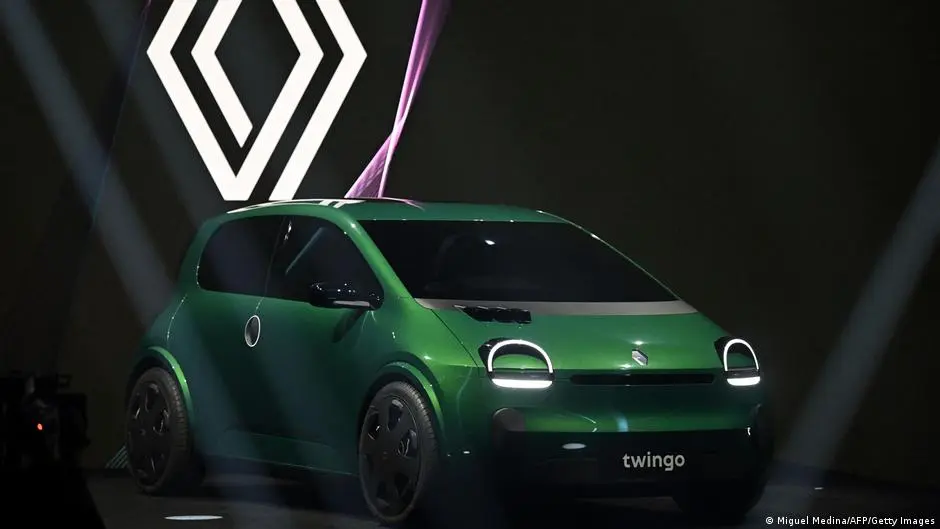
르노의 새로운 전기 트윙고는 프랑스 자동차 제조업체의 포트폴리오에 쉽게 들어맞습니다.
이것은 유럽의 도시 운전자들을 위한 현대적인 소형 승용차이지만, 더 광범위한 자동차 산업의 변화에 대한 이야기도 전합니다.
르노는 프랑스에서 초기 설계 단계를 거친 후 상하이에서 21개월이라는 빠른 속도로 새로운 트윙고를 개발했습니다.
이 자동차는 현재 슬로베니아에서 생산 중이며, 이번 달에 €20,000($23,000) 이하의 가격으로 판매점에 도착합니다.
대륙을 넘나드는 트윙고는 경쟁이 치열한 자동차 산업과 중국으로 이동하는 새로운 중심의 스냅샷입니다. 여기서 많은 기존 자동차 제조업체들은 속도, 비용, 기술에 초점을 맞춰 새로운 모델을 개발하고 있습니다.
전직 크라이슬러 임원이자 자동차 분석가인 빌 루소는 "실제 경쟁은 중국 대 서방이 아니라 빠른 시스템 대 느린 시스템"이라고 말했습니다.
루소는 DW와의 인터뷰에서 "자동차 산업의 미래가 어디로 가는지 이해하려면 중국이 이러한 유형의 제품을 어떻게 만드는지 이해해야 한다"고 말했습니다.
테슬라, 폭스바겐, GM과 같은 서방과 일본 자동차 제조업체들은 오랫동안 중국에서 국내 및 해외 시장용으로 제조해 왔습니다.
최근에 많은 업체들이 제조를 넘어 전체 모델의 설계 및 개발로 발자국을 확대했으며, EV 공급업체의 집중, 전문성, 소비자 기반의 이점을 얻기를 원하고 있습니다.
르노와 메르세데스는 각각 2024년에 상하이에서 확대된 연구 시설을 개설했습니다. 폭스바겐은 2025년 안후이성에서 R&D 센터를 확장했으며, 같은 해 도요타는 중국을 위한 모든 신차 개발을 중국 내로 이전했습니다.
AlixPartners의 컨설턴트인 알렉상드르 마리안은 "중국은 한 공급업체가 말했듯이 자동차 산업 측면에서 세계의 체육관이 되었다"고 말했습니다.
그러나 중국 경쟁사들과 해외에서 경쟁하면서 기존 자동차 제조업체들은 모든 시장, 심지어 국내 시장에서도 비용을 절감하고 제품 개발을 가속화해야 한다는 압박을 받고 있습니다.
중국의 신차 개발 사이클은 약 2년이며, 이는 기존 자동차 제조업체에서 전통적으로 필요한 시간의 절반 미만입니다. 중국의 자동차 제조업체들은 루소와 다른 전문가들에 따르면 자동화에 더 많이 의존합니다. 그들은 병렬로 단계를 실행하고 공급업체와 더 조율되며 설계를 간단하게 유지합니다.
루소에게 더 짧은 리드타임은 업계의 기술 중심 초점으로의 전환의 부산물입니다.
르노는 2020년에 중국 시장에서 자신의 브랜드 판매를 중단했습니다. 하지만 2023년 상하이 모터쇼를 방문한 것이 르노 임원진에게 중국 내에서 뭔가를 개발할 시간이 왔다는 것을 확신시켰습니다.
회사의 A-세그먼트 자동차 책임자인 올리버 라이크는 "핵심은 우리의 개발 절차를 가속화하는 방법에 대한 이해를 얻는 것이었다"고 말했습니다.
상하이의 르노 개발 시설은 ACDC 센터로 알려져 있으며, 회사가 중국 생태계에 가까워지고 그것이 어떻게 작동하는지 볼 수 있게 해주었습니다.
원래 트윙고는 1992년 파리 모터쇼에서 데뷔했으며, 컴팩트한 전면과 둥근 헤드램프로 인해 빠르게 "르 프로그"라고 불렸습니다.
라이크에 따르면 이를 EV로 업데이트하는 것은 처음에 르노에게 덜 매력적이었습니다. 소형 자동차는 유럽에서 더 높은 고정 비용으로 인해 더 낮은 이익 마진을 가져옵니다. 가격을 올리는 것은 소비자를 중고 자동차나 다른 모델로 밀어낼 위험이 있었습니다.
하지만 중국에서 생산하는 것 – 경영진이 빠르게 지지한 – 비용을 절감하고 유럽에서 매력적인 가격 포인트를 유지할 것입니다.
라이크의 추정에 따르면 새로운 트윙고의 정상 개발 사이클은 르노에 42개월이 걸렸을 것입니다.
그 시간의 대부분은 차량 검증, 연중 여러 계절에 걸쳐 있는 테스트 기간, 다양한 높이, 운전 및 부식성 조건에 대한 노출이 포함된 검증 기간에 사용됩니다.
검증 프로세스 후 긴 개발 단계를 구축하는 대신, ACDC 센터의 엔지니어들은 병렬로 작업했으므로 문제를 임시로 처리할 수 있었습니다.
르노는 "계획에 따른 구축"이라는 모델로 공급업체 관계를 변경했습니다.
공급업체에 모델에 대한 입력을 요청하는 대신, 르노는 부품을 설계하고 정확한 사양을 제조업체에 보냈으며, 이는 비용과 시간을 모두 절감했습니다. 경우에 따라 그들은 좌석을 포함한 공급업체 부품을 직접 조립하기도 했습니다.
프랑스로 돌아가서, 제품 설계자들도 더 압축된 속도로 일했습니다, 라이크는 말합니다. 팀은 더 자주 회의를 열었고, 회사 부사장들은 매주 업데이트를 받았습니다.
르노는 중국 ACDC 센터를 사용하면 기존 개발 프로세스와 비교하여 비용에서 40%를 절감할 수 있다고 추정합니다.
회사는 앞으로 두 개의 모델을 생산할 계획이며, 하나는 자회사 다키아용이고 다른 하나는 파트너 닛산용입니다. 그리고 개발 시간을 더 단축하는 것을 목표로 하고 있습니다.
라이크에 따르면 향후 모델은 중국 부품도 포함할 것입니다. 트윙고의 전조등도 프랑스 및 유럽 공급업체들이 르노의 요구 사항을 충족하지 못한 후 중국 공급업체에서 나왔습니다.
자동차 제조업체들이 자신의 국내 시장에서 "중국 속도"라고 부르는 것을 복제할 수 있는지는 여전히 문제입니다.
알렉상드르 마리안은 기존 자동차 제조업체들이 인공 지능의 더 나은 사용을 포함한 다른 영역에서 이점을 얻을 수 있다고 믿으며, 리드 타임을 연장하는 계층적 구조에서 벗어나는 방법을 배우는 것입니다.
유럽의 엔지니어들은 매우 숙련되고 기술적으로 발전되어 있습니다, 마리안은 말합니다.
마리안은 DW와의 인터뷰에서 "그들은 상당한 지식과 경험을 발전시켰으며, 정말 좋은 자동차를 개발했습니다. 그러므로 요점은 그들이 변해야 한다는 것이며, 또한 변함으로써 그들은 조금 더 권한을 부여받아야 합니다"라고 말했습니다.
빌 루소에게 적응의 중요성은 전기 자동차를 넘어 자율 주행 및 소프트웨어로 확장됩니다.
루소는 "이것은 압력솥입니다. 빠르지 않으면 기회를 놓칠 것입니다"라고 말했습니다.
편집: 팀 룩스
이것은 유럽의 도시 운전자들을 위한 현대적인 소형 승용차이지만, 더 광범위한 자동차 산업의 변화에 대한 이야기도 전합니다.
르노는 프랑스에서 초기 설계 단계를 거친 후 상하이에서 21개월이라는 빠른 속도로 새로운 트윙고를 개발했습니다.
이 자동차는 현재 슬로베니아에서 생산 중이며, 이번 달에 €20,000($23,000) 이하의 가격으로 판매점에 도착합니다.
대륙을 넘나드는 트윙고는 경쟁이 치열한 자동차 산업과 중국으로 이동하는 새로운 중심의 스냅샷입니다. 여기서 많은 기존 자동차 제조업체들은 속도, 비용, 기술에 초점을 맞춰 새로운 모델을 개발하고 있습니다.
전직 크라이슬러 임원이자 자동차 분석가인 빌 루소는 "실제 경쟁은 중국 대 서방이 아니라 빠른 시스템 대 느린 시스템"이라고 말했습니다.
루소는 DW와의 인터뷰에서 "자동차 산업의 미래가 어디로 가는지 이해하려면 중국이 이러한 유형의 제품을 어떻게 만드는지 이해해야 한다"고 말했습니다.
테슬라, 폭스바겐, GM과 같은 서방과 일본 자동차 제조업체들은 오랫동안 중국에서 국내 및 해외 시장용으로 제조해 왔습니다.
최근에 많은 업체들이 제조를 넘어 전체 모델의 설계 및 개발로 발자국을 확대했으며, EV 공급업체의 집중, 전문성, 소비자 기반의 이점을 얻기를 원하고 있습니다.
르노와 메르세데스는 각각 2024년에 상하이에서 확대된 연구 시설을 개설했습니다. 폭스바겐은 2025년 안후이성에서 R&D 센터를 확장했으며, 같은 해 도요타는 중국을 위한 모든 신차 개발을 중국 내로 이전했습니다.
AlixPartners의 컨설턴트인 알렉상드르 마리안은 "중국은 한 공급업체가 말했듯이 자동차 산업 측면에서 세계의 체육관이 되었다"고 말했습니다.
그러나 중국 경쟁사들과 해외에서 경쟁하면서 기존 자동차 제조업체들은 모든 시장, 심지어 국내 시장에서도 비용을 절감하고 제품 개발을 가속화해야 한다는 압박을 받고 있습니다.
중국의 신차 개발 사이클은 약 2년이며, 이는 기존 자동차 제조업체에서 전통적으로 필요한 시간의 절반 미만입니다. 중국의 자동차 제조업체들은 루소와 다른 전문가들에 따르면 자동화에 더 많이 의존합니다. 그들은 병렬로 단계를 실행하고 공급업체와 더 조율되며 설계를 간단하게 유지합니다.
루소에게 더 짧은 리드타임은 업계의 기술 중심 초점으로의 전환의 부산물입니다.
르노는 2020년에 중국 시장에서 자신의 브랜드 판매를 중단했습니다. 하지만 2023년 상하이 모터쇼를 방문한 것이 르노 임원진에게 중국 내에서 뭔가를 개발할 시간이 왔다는 것을 확신시켰습니다.
회사의 A-세그먼트 자동차 책임자인 올리버 라이크는 "핵심은 우리의 개발 절차를 가속화하는 방법에 대한 이해를 얻는 것이었다"고 말했습니다.
상하이의 르노 개발 시설은 ACDC 센터로 알려져 있으며, 회사가 중국 생태계에 가까워지고 그것이 어떻게 작동하는지 볼 수 있게 해주었습니다.
원래 트윙고는 1992년 파리 모터쇼에서 데뷔했으며, 컴팩트한 전면과 둥근 헤드램프로 인해 빠르게 "르 프로그"라고 불렸습니다.
라이크에 따르면 이를 EV로 업데이트하는 것은 처음에 르노에게 덜 매력적이었습니다. 소형 자동차는 유럽에서 더 높은 고정 비용으로 인해 더 낮은 이익 마진을 가져옵니다. 가격을 올리는 것은 소비자를 중고 자동차나 다른 모델로 밀어낼 위험이 있었습니다.
하지만 중국에서 생산하는 것 – 경영진이 빠르게 지지한 – 비용을 절감하고 유럽에서 매력적인 가격 포인트를 유지할 것입니다.
라이크의 추정에 따르면 새로운 트윙고의 정상 개발 사이클은 르노에 42개월이 걸렸을 것입니다.
그 시간의 대부분은 차량 검증, 연중 여러 계절에 걸쳐 있는 테스트 기간, 다양한 높이, 운전 및 부식성 조건에 대한 노출이 포함된 검증 기간에 사용됩니다.
검증 프로세스 후 긴 개발 단계를 구축하는 대신, ACDC 센터의 엔지니어들은 병렬로 작업했으므로 문제를 임시로 처리할 수 있었습니다.
르노는 "계획에 따른 구축"이라는 모델로 공급업체 관계를 변경했습니다.
공급업체에 모델에 대한 입력을 요청하는 대신, 르노는 부품을 설계하고 정확한 사양을 제조업체에 보냈으며, 이는 비용과 시간을 모두 절감했습니다. 경우에 따라 그들은 좌석을 포함한 공급업체 부품을 직접 조립하기도 했습니다.
프랑스로 돌아가서, 제품 설계자들도 더 압축된 속도로 일했습니다, 라이크는 말합니다. 팀은 더 자주 회의를 열었고, 회사 부사장들은 매주 업데이트를 받았습니다.
르노는 중국 ACDC 센터를 사용하면 기존 개발 프로세스와 비교하여 비용에서 40%를 절감할 수 있다고 추정합니다.
회사는 앞으로 두 개의 모델을 생산할 계획이며, 하나는 자회사 다키아용이고 다른 하나는 파트너 닛산용입니다. 그리고 개발 시간을 더 단축하는 것을 목표로 하고 있습니다.
라이크에 따르면 향후 모델은 중국 부품도 포함할 것입니다. 트윙고의 전조등도 프랑스 및 유럽 공급업체들이 르노의 요구 사항을 충족하지 못한 후 중국 공급업체에서 나왔습니다.
자동차 제조업체들이 자신의 국내 시장에서 "중국 속도"라고 부르는 것을 복제할 수 있는지는 여전히 문제입니다.
알렉상드르 마리안은 기존 자동차 제조업체들이 인공 지능의 더 나은 사용을 포함한 다른 영역에서 이점을 얻을 수 있다고 믿으며, 리드 타임을 연장하는 계층적 구조에서 벗어나는 방법을 배우는 것입니다.
유럽의 엔지니어들은 매우 숙련되고 기술적으로 발전되어 있습니다, 마리안은 말합니다.
마리안은 DW와의 인터뷰에서 "그들은 상당한 지식과 경험을 발전시켰으며, 정말 좋은 자동차를 개발했습니다. 그러므로 요점은 그들이 변해야 한다는 것이며, 또한 변함으로써 그들은 조금 더 권한을 부여받아야 합니다"라고 말했습니다.
빌 루소에게 적응의 중요성은 전기 자동차를 넘어 자율 주행 및 소프트웨어로 확장됩니다.
루소는 "이것은 압력솥입니다. 빠르지 않으면 기회를 놓칠 것입니다"라고 말했습니다.
편집: 팀 룩스
처리 완료
5,393 tokens · $0.0157
기사 수집 완료 · 18:25
매체 피드에서 기사 메타데이터 수집
헤드라인 번역 완료 · 18:35
제목/요약 한국어 번역 (fetch 시점 inline)
claude-haiku-4-5-20251001
277 tokens
$0.00076
1.8s
본문 추출 완료
5,950자 추출 완료
본문 한국어 번역 완료 · 18:35
2,957자 번역 완료
claude-haiku-4-5-20251001
5,116 tokens
$0.01490
31.1s
지정학적 엔티티 추출 완료 · 18:35
7개 엔티티 추출 완료
지정학적 맥락 & R-Scanner
R-Scanner · 평상
z=0.64
일상적인 보도 수준 — 기준: China
(🇨🇳 CN)
최근 6시간 17건
7일 평균 14.46건 / 6h
7개국 매체
8개 매체
본문에서 추출된 지명 (7)
위치 지도
지도 로딩 중…
같은 주제의 다른 기사 (최근 7일)
French carmaker Renault no longer sells its brand in the Chinese market, but it's not afraid to design and develop them there. It is just one more sign of big shifts in the global auto industry.
Renault's new electric Twingo fits easily into the French carmaker's portfolio.It is a modern mini passenger car meant for urban European drivers, but it also tells a story about changes in the broader auto industry.
Renault developed the new Twingo over a breakneck 21 months in Shanghai, following an initial design phase in France.
The car is now in production in Slovenia, arriving this month at dealers with a price tag just under €20,000 ($23,000).
The continent-hopping Twingo is a snapshot of a hypercompetitive auto industry and its new center of gravity in China. There, many legacy carmakers are developing new models by focusing on speed, cost and technology.
To view this video please enable JavaScript, and consider upgrading to a web browser that supports HTML5 video
"The real competition is not China versus the West, it's fast systems versus slow systems," former Chrysler executive and car analyst Bill Russo said.
"If you want to understand where the future of the auto industry is going, you have to understand how China builds these types of products," Russo told DW.
Western and Japanese carmakers like Tesla, Volkswagen and GM have long manufactured in China for the domestic and overseas markets.
More recently, many have expanded their footprints beyond just manufacturing to designing and developing entire models in the country, hoping to benefit from the concentration of EV suppliers, expertise and its consumer base.
Renault and Mercedes each opened expanded research facilities in Shanghai in 2024. Volkswagen built out its R&D center in Anhui province in 2025, the same year that Toyota relocated all new car development for China into the country.
"China has become, as one supplier said, the gym of the world in terms of the automotive industry," said Alexandre Marian, a consultant with AlixPartners.
Yet, as they compete with their Chinese rivals overseas, legacy carmakers are under pressure to cut costs and accelerate product development in all markets — even at home.
Development cycles for new vehicles come in around two years in China, less than half the time traditionally needed by legacy automakers. Carmakers in China rely more on automation, Russo and other experts say. They run phases in parallel and they're more coordinated with suppliers and keep designs simple.
For Russo, the smaller lead times are the byproduct of the industry's shift toward a technology-first focus.
Renault stopped selling its brand in the Chinese market in 2020. But a visit to the Shanghai Motor Show in 2023 convinced Renault executives that it was time to develop something inside China.
"The thing was about getting this grip on how to accelerate our procedure of development," said Oliver Laik, head of the company's A-segment cars.
Renault's development facility in Shanghai, known as the ACDC Center, allowed the company to get close to the Chinese ecosystem and see how it works.
The original Twingo debuted in 1992 at the Paris Motor Show, where it was quickly dubbed "Le Frog" for its compact front and round headlamps.
Updating it as an EV was initially less attractive for Renault, Laik said. Smaller cars bring lower profit margins in Europe due to higher fixed costs. Raising the price risked pushing consumers to used vehicles or other models.
But producing it in China — something top management quickly got behind — would cut down on costs and keep its attractive price point in Europe.
A normal development cycle for a new Twingo would have taken Renault 42 months, Laik estimates.
Much of that time is dedicated to vehicle validation, a testing period that stretches across multiple seasons of the year and includes exposure to different altitudes, plus driving and corrosive conditions.
Instead of building in a lengthy development phase after the validation process, engineers at the ACDC Center worked in parallel, which meant they could address issues on an ad-hoc basis.
To view this video please enable JavaScript, and consider upgrading to a web browser that supports HTML5 video
Renault changed its supplier relationship to a model known as "build to plan."
Instead of asking suppliers for input on the model, Renault designed the parts and sent exact specifications to the manufacturers, saving both cost and time. In some cases, they even assembled supplier parts themselves, including seats.
Back in France, the product designers also worked at a more compressed pace, says Laik. The team held more frequent meetings, and company vice presidents were updated weekly.
Renault estimates that using its Chinese ADAC Center saved it 40% on costs compared to a traditional development process.
The company plans to produce two more models in the coming months, one for its subsidiary Dacia and another for partner Nissan. And it's aiming to shave off even more development time.
Future models will also incorporate Chinese parts, says Laik. Even Twingo's front lights came from a Chinese supplier after French and European suppliers failed to meet Renault's requirements.
The question remains whether carmakers can replicate what they call "China speed" back in their home markets.
Legacy carmakers can gain in other areas, Alexandre Marian believes, including better use of artificial intelligence and learning how to step away from hierarchical structures that draw out lead times.
Engineers in Europe are very good and technically advanced, says Marian.
"They've developed quite a bit of knowledge, of experience, and they've developed really good cars," Marian told DW. "So, the point there is they need to change, but also by changing, they need to be a bit more empowered."
For Bill Russo, the importance of adapting goes beyond electric vehicles and into autonomous driving and software.
"It's a pressure cooker here," Russo said. "If you're not fast, then you'll miss the opportunity."
Edited by: Tim Rooks