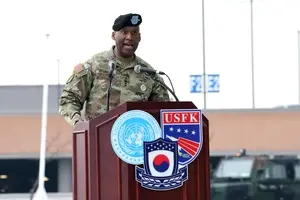
USFK 사령관, OPCON 이양 일정 제시, 역량 중심으로 미국의 역할 재정의
USFK chief lays out OPCON timeline, recasts US role around capabilities
The Korea Herald
· 🇰🇷 Seoul, KR
Hwang Joo-young
EN
2026-04-23 15:55
Translated
28,500명 규모의 주한미군(USFK) 사령관인 제이비어 브런슨 장군은 이번 주 워싱턴 의회 청문회에서 서울로의 전시작전통제권(OPCON) 이양 일정을 보다 구체적으로 제시했다.
이 계획은 철저히 조건 기반의 접근 방식을 강조하며, 남한이 전력 방위에서 더 큰 역할을 담당함에 따라 주한미군 내에서 핵심 역량을 유지하는 것의 중요성을 강조한다.
수요일 하원 군사위원회에 증언한 브런슨 장군은 양국이 2029년 이전까지 OPCON 이양 조건을 충족하기 위해 노력 중이라고 밝혔다. 그는 또한 로드맵이 이미 미국 국방 고위 관계자들에게 제출되었다고 덧붙였다.
"현재 우리는 2029 회계연도 2분기 이전에 완료할 수 있는 로드맵을 제시했으며, 계속 추진할 것입니다"라고 그는 말했다.
그의 발언은 미국 회계연도가 10월부터 9월까지 운영되기 때문에 2029년 초·중반 사이의 일정을 사실상 시사한다.
그럼에도 불구하고 브런슨 장군은 이양의 핵심은 정치적 일정이 아니라 군사 태세라고 강조했다.
"우리는 조건 기반의 OPCON 이양을 계속 추진하고 모든 조건이 충족되도록 보장할 것입니다"라고 그는 하원 청문회에서 말했다.
화요일 상원 군사위원회 청문회에서 브런슨 장군은 더 강한 어조로 "정치적 편의성은 조건을 앞지르지 않습니다"라고 말하며 정치적 이유로 이양을 가속화하는 것에 대한 경고의 의사를 나타냈다.
1950-53년 한국전쟁 이후 미국의 권한 아래에 있었던 OPCON은 이준석 행정부 출범 이후 새롭게 주목받고 있으며, 이 행정부는 2030년으로 끝나는 임기 내에 이양을 완료하는 것을 핵심 정책 목표로 삼고 있다.
서울의 정부 관계자들에 따르면, 양국은 현재 2단계 검증인 완전 작전 능력(Full Operational Capability) 단계를 올해 한미 안보협의회 전에 완료하려고 하고 있다. 10월에 개최될 것으로 예상되는 이 회의에서 국방 장관들이 결과를 검토하고 승인할 예정이다.
1단계인 초기 작전 능력(Initial Operational Capability)은 2019년에 검증되었다. 최종 단계인 완전 임무 능력(Full Mission Capability)은 순수한 군사 평가를 넘어 양측 간의 더 높은 수준의 정치적 합의를 필요로 한다.
OPCON 이양 일정이 미군 감축이나 철수 가능성에 대한 의문을 제기했지만, 브런슨 장군은 이 과정이 단순한 병력 감축으로 이어질 것이라는 개념을 거부했다.
"제 초점은 순전히 규모보다는 역량에 맞춰져 있습니다"라고 그는 상원 청문회에서 말했다.
"우리의 주둔이 기본이지만, 한반도에 있어야 하는 정확한 역량에 집중하는 것이 필수적입니다"라고 그는 덧붙이며, "역량에서 능력으로의 전환"이라고 설명하는 변화를 강조했다.
그의 발언은 남한이 전력 억지력에서 주도적 역할을 맡고 미군이 핵심 역량을 유지하는 동맹 내 역할 재편성의 가능성을 시사한다.
그는 남한의 국방비 증액을 언급하며 양국이 이양을 위해 "좋은" 위치에 있다고 덧붙였지만, "여전히 해야 할 일이 더 있다"고 강조했다.
동시에 브런슨 장군은 한반도 내 미군의 역할을 더 광범위한 지역적 맥락과 연결시켰다.
"삼군사령부... 지역 전역의 유리한 세력 균형과 자유롭고 열린 인도태평양을 지지할 준비가 되어 있고 능력을 갖추고 있습니다"라고 그는 말했으며, 국제연합사령부, 한미연합사령부, 주한미군을 언급했다.
청문회 전에 위원회에 제출한 서면 증언에서 그는 또한 "한반도는 미국 본토 방위에 필수적인 전략적 요충지"라고 강조했다. 그는 또한 남한의 국방산업 기반을 활용하는 "지역 지원 허브" 개발 계획을 밝혔다.
지역 지원 허브의 개념은 한반도 외부에서 수행되는 유지보수에 의존하는 것에서 한국 현지 국방 기업과의 조율 하에 남한에서 더 많은 정비, 수리 및 점검을 수행하는 것으로의 전환을 반영한다.
그러나 군사 수준의 준비가 진전되고 있는 와중에도, 이양의 일정은 궁극적으로 정치적 결정의 대상이다.
역량 평가의 진전이 격차를 좁혔지만, 최종 단계는 서울과 워싱턴 간의 최고 정치 수준의 합의에 달려 있을 가능성이 높다.
브런슨 장군이 제안한 일정은 2029 회계연도 2분기까지 연장되며, 사실상 1월에 끝나는 현재 미국 대선 임기를 넘어 이양을 미루고 있으며, 최종 결과는 불확실하고 다음 행정부의 결정에 달려 있다.
이 계획은 철저히 조건 기반의 접근 방식을 강조하며, 남한이 전력 방위에서 더 큰 역할을 담당함에 따라 주한미군 내에서 핵심 역량을 유지하는 것의 중요성을 강조한다.
수요일 하원 군사위원회에 증언한 브런슨 장군은 양국이 2029년 이전까지 OPCON 이양 조건을 충족하기 위해 노력 중이라고 밝혔다. 그는 또한 로드맵이 이미 미국 국방 고위 관계자들에게 제출되었다고 덧붙였다.
"현재 우리는 2029 회계연도 2분기 이전에 완료할 수 있는 로드맵을 제시했으며, 계속 추진할 것입니다"라고 그는 말했다.
그의 발언은 미국 회계연도가 10월부터 9월까지 운영되기 때문에 2029년 초·중반 사이의 일정을 사실상 시사한다.
그럼에도 불구하고 브런슨 장군은 이양의 핵심은 정치적 일정이 아니라 군사 태세라고 강조했다.
"우리는 조건 기반의 OPCON 이양을 계속 추진하고 모든 조건이 충족되도록 보장할 것입니다"라고 그는 하원 청문회에서 말했다.
화요일 상원 군사위원회 청문회에서 브런슨 장군은 더 강한 어조로 "정치적 편의성은 조건을 앞지르지 않습니다"라고 말하며 정치적 이유로 이양을 가속화하는 것에 대한 경고의 의사를 나타냈다.
1950-53년 한국전쟁 이후 미국의 권한 아래에 있었던 OPCON은 이준석 행정부 출범 이후 새롭게 주목받고 있으며, 이 행정부는 2030년으로 끝나는 임기 내에 이양을 완료하는 것을 핵심 정책 목표로 삼고 있다.
서울의 정부 관계자들에 따르면, 양국은 현재 2단계 검증인 완전 작전 능력(Full Operational Capability) 단계를 올해 한미 안보협의회 전에 완료하려고 하고 있다. 10월에 개최될 것으로 예상되는 이 회의에서 국방 장관들이 결과를 검토하고 승인할 예정이다.
1단계인 초기 작전 능력(Initial Operational Capability)은 2019년에 검증되었다. 최종 단계인 완전 임무 능력(Full Mission Capability)은 순수한 군사 평가를 넘어 양측 간의 더 높은 수준의 정치적 합의를 필요로 한다.
OPCON 이양 일정이 미군 감축이나 철수 가능성에 대한 의문을 제기했지만, 브런슨 장군은 이 과정이 단순한 병력 감축으로 이어질 것이라는 개념을 거부했다.
"제 초점은 순전히 규모보다는 역량에 맞춰져 있습니다"라고 그는 상원 청문회에서 말했다.
"우리의 주둔이 기본이지만, 한반도에 있어야 하는 정확한 역량에 집중하는 것이 필수적입니다"라고 그는 덧붙이며, "역량에서 능력으로의 전환"이라고 설명하는 변화를 강조했다.
그의 발언은 남한이 전력 억지력에서 주도적 역할을 맡고 미군이 핵심 역량을 유지하는 동맹 내 역할 재편성의 가능성을 시사한다.
그는 남한의 국방비 증액을 언급하며 양국이 이양을 위해 "좋은" 위치에 있다고 덧붙였지만, "여전히 해야 할 일이 더 있다"고 강조했다.
동시에 브런슨 장군은 한반도 내 미군의 역할을 더 광범위한 지역적 맥락과 연결시켰다.
"삼군사령부... 지역 전역의 유리한 세력 균형과 자유롭고 열린 인도태평양을 지지할 준비가 되어 있고 능력을 갖추고 있습니다"라고 그는 말했으며, 국제연합사령부, 한미연합사령부, 주한미군을 언급했다.
청문회 전에 위원회에 제출한 서면 증언에서 그는 또한 "한반도는 미국 본토 방위에 필수적인 전략적 요충지"라고 강조했다. 그는 또한 남한의 국방산업 기반을 활용하는 "지역 지원 허브" 개발 계획을 밝혔다.
지역 지원 허브의 개념은 한반도 외부에서 수행되는 유지보수에 의존하는 것에서 한국 현지 국방 기업과의 조율 하에 남한에서 더 많은 정비, 수리 및 점검을 수행하는 것으로의 전환을 반영한다.
그러나 군사 수준의 준비가 진전되고 있는 와중에도, 이양의 일정은 궁극적으로 정치적 결정의 대상이다.
역량 평가의 진전이 격차를 좁혔지만, 최종 단계는 서울과 워싱턴 간의 최고 정치 수준의 합의에 달려 있을 가능성이 높다.
브런슨 장군이 제안한 일정은 2029 회계연도 2분기까지 연장되며, 사실상 1월에 끝나는 현재 미국 대선 임기를 넘어 이양을 미루고 있으며, 최종 결과는 불확실하고 다음 행정부의 결정에 달려 있다.
처리 완료
3,595 tokens · $0.0102
기사 수집 완료 · 15:55
매체 피드에서 기사 메타데이터 수집
헤드라인 번역 완료 · 12:59
제목/요약 한국어 번역 (fetch 시점 inline)
kimi-k2.5
0 tokens
$0.00000
0.2s
본문 추출 완료
4,627자 추출 완료
본문 한국어 번역 완료 · 12:59
2,121자 번역 완료
claude-haiku-4-5-20251001
3,595 tokens
$0.01019
19.9s
지정학적 엔티티 추출 완료 · 12:59
6개 엔티티 추출 완료
지정학적 맥락 & R-Scanner
R-Scanner · 상승
z=0.83
평소보다 보도량이 증가 추세 — 기준: South Korea
(🇰🇷 KR)
최근 6시간 15건
7일 평균 12건 / 6h
5개국 매체
5개 매체
본문에서 추출된 지명 (6)
위치 지도
지도 로딩 중…
같은 주제의 다른 기사 (최근 7일)
Gen. Xavier Brunson, commander of the 28,500-strong United States Forces Korea, laid out a more concrete timeline for the transfer of wartime operational control to Seoul during congressional hearings in Washington this week.
The plan underscores a strictly conditions-based approach, alongside a growing emphasis on maintaining key capabilities within United States Forces Korea as South Korea assumes a larger role in conventional defense.
Testifying before the House Armed Services Committee on Wednesday, Brunson said the allies are working toward meeting OPCON transition conditions no later than 2029. He added that a roadmap has already been submitted to senior US defense officials.
“I would say that right now, we’ve delivered a roadmap which will get us there not later than second quarter of FY 29, and we’ll continue to pursue that,” he said.
His remarks effectively point to a timeline between early and mid-2029, as Washington’s fiscal year runs from October to September.
Still, Brunson underscored that the core of the transition is military readiness, not political timelines.
“We will continue to press for the conditions-based OPCON transfer and ensure that all the conditions are met,” he said during the House hearing.
At a Senate Armed Services Committee hearing Tuesday, Brunson struck a firmer note, saying, “Political expediency does not outpace the conditions,” in an apparent expression of caution against accelerating the transfer for political reasons.
OPCON, which has remained under US authority since the 1950-53 Korean War, has gained renewed attention under the Lee Jae Myung administration, which has made completing the transfer within its five-year term ending in 2030 a key policy goal.
According to government officials in Seoul, the allies are currently seeking to complete the second stage of verification, Full Operational Capability, before this year’s Security Consultative Meeting. Likely to be held in October, defense ministers are set to review and approve the results at the meeting.
The first stage, Initial Operational Capability, was verified in 2019. The final stage, Full Mission Capability, is requires a higher level of political agreement between the two sides, beyond purely military evaluations.
While OPCON transfer timeline has raised questions on whether a reduction or withdrawal of US forces could result from the transfer, Brunson rejected the notion that the process would lead to a simple reduction in forces.
“My focus remains strictly on capabilities over numbers,” he said during the Senate hearing.
“While our presence is a baseline, it’s imperative that we maintain focus on the precise capabilities that must be resident on the peninsula,” he added, emphasizing what he described as a shift “from capacity to capability.”
His remarks point to a possible reconfiguration of roles within the alliance, in which South Korea takes the lead in conventional deterrence while US forces maintain key capabilities.
He added that the allies are in a “good” position for the transition, citing South Korea’s increased defense spending, but stressed that “there’s still more work to be done.”
At the same time, Brunson linked the role of US forces in Korea to a broader regional context.
“The tri-command ... stand ready and capable to support a favorable balance of power across the region ... (and) a free and open Indo-Pacific,” he said, referring to the United Nations Command, Combined Forces Command and United States Forces Korea.
In his written statement submitted to the committees before the hearings, he also stressed that “the Korean Peninsula is key strategic terrain vital to defending the American homeland.” He also outed plans to develop a “regional sustainment hub” leveraging South Korea’s defense industrial base.
The concept of a regional sustainment hub reflects a shift from relying on maintenance conducted outside the peninsula to performing more maintenance, repair and overhaul in South Korea, in coordination with local defense firms.
Yet even as military-level preparations advance, the timeline for the transition ultimately remains subject to political decisions.
While progress in capability assessments has narrowed the gap, the final stage is likely to hinge on agreement at the highest political level between Seoul and Washington.
Brunson’s proposed timeline — extending to around the second quarter of fiscal 2029 — effectively pushes the transition beyond the current US presidential term ending in January that year, leaving the final outcome uncertain and dependent on the next administration's decision.
The plan underscores a strictly conditions-based approach, alongside a growing emphasis on maintaining key capabilities within United States Forces Korea as South Korea assumes a larger role in conventional defense.
Testifying before the House Armed Services Committee on Wednesday, Brunson said the allies are working toward meeting OPCON transition conditions no later than 2029. He added that a roadmap has already been submitted to senior US defense officials.
“I would say that right now, we’ve delivered a roadmap which will get us there not later than second quarter of FY 29, and we’ll continue to pursue that,” he said.
His remarks effectively point to a timeline between early and mid-2029, as Washington’s fiscal year runs from October to September.
Still, Brunson underscored that the core of the transition is military readiness, not political timelines.
“We will continue to press for the conditions-based OPCON transfer and ensure that all the conditions are met,” he said during the House hearing.
At a Senate Armed Services Committee hearing Tuesday, Brunson struck a firmer note, saying, “Political expediency does not outpace the conditions,” in an apparent expression of caution against accelerating the transfer for political reasons.
OPCON, which has remained under US authority since the 1950-53 Korean War, has gained renewed attention under the Lee Jae Myung administration, which has made completing the transfer within its five-year term ending in 2030 a key policy goal.
According to government officials in Seoul, the allies are currently seeking to complete the second stage of verification, Full Operational Capability, before this year’s Security Consultative Meeting. Likely to be held in October, defense ministers are set to review and approve the results at the meeting.
The first stage, Initial Operational Capability, was verified in 2019. The final stage, Full Mission Capability, is requires a higher level of political agreement between the two sides, beyond purely military evaluations.
While OPCON transfer timeline has raised questions on whether a reduction or withdrawal of US forces could result from the transfer, Brunson rejected the notion that the process would lead to a simple reduction in forces.
“My focus remains strictly on capabilities over numbers,” he said during the Senate hearing.
“While our presence is a baseline, it’s imperative that we maintain focus on the precise capabilities that must be resident on the peninsula,” he added, emphasizing what he described as a shift “from capacity to capability.”
His remarks point to a possible reconfiguration of roles within the alliance, in which South Korea takes the lead in conventional deterrence while US forces maintain key capabilities.
He added that the allies are in a “good” position for the transition, citing South Korea’s increased defense spending, but stressed that “there’s still more work to be done.”
At the same time, Brunson linked the role of US forces in Korea to a broader regional context.
“The tri-command ... stand ready and capable to support a favorable balance of power across the region ... (and) a free and open Indo-Pacific,” he said, referring to the United Nations Command, Combined Forces Command and United States Forces Korea.
In his written statement submitted to the committees before the hearings, he also stressed that “the Korean Peninsula is key strategic terrain vital to defending the American homeland.” He also outed plans to develop a “regional sustainment hub” leveraging South Korea’s defense industrial base.
The concept of a regional sustainment hub reflects a shift from relying on maintenance conducted outside the peninsula to performing more maintenance, repair and overhaul in South Korea, in coordination with local defense firms.
Yet even as military-level preparations advance, the timeline for the transition ultimately remains subject to political decisions.
While progress in capability assessments has narrowed the gap, the final stage is likely to hinge on agreement at the highest political level between Seoul and Washington.
Brunson’s proposed timeline — extending to around the second quarter of fiscal 2029 — effectively pushes the transition beyond the current US presidential term ending in January that year, leaving the final outcome uncertain and dependent on the next administration's decision.