홍삼이 여성의 근육 손실을 억제할 수 있음: 연구
Red ginseng may curb muscle loss in women: studies
The Korea Herald
· 🇰🇷 Seoul, KR
No Kyung-min
EN
2026-04-29 18:26
Translated
홍삼이 폐경 후 여성의 근육 손실을 늦추고 지방 증가를 제한하는 동시에 장내 미생물군집 변화를 통해 대사 지표를 개선할 수 있다는 연구 결과가 발표되었습니다.
최근 학술 회의에서 발표된 연구에 따르면 홍삼은 폐경 후 여성의 근육 손실을 늦추고 지방 증가를 제한하면서 장내 미생물군집 변화를 통해 대사 지표를 개선하는 데 도움이 될 수 있습니다.
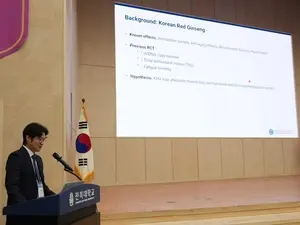
이번 발견은 4월 22일 전북대학교에서 열린 대한인삼학회 춘계 학술대회에서 공개되었습니다.
근감소증, 비만 및 당뇨병은 노화와 관련된 주요 대사 질환입니다. 근육량과 기능의 진행성 손실인 근감소증은 2016년 세계보건기구에 의해 질병으로 분류되었고 한국에서는 2021년에 인정되었습니다. 폐경 후 여성은 특히 취약하며, 에스트로겐 수치 감소로 인해 연간 약 0.6%의 근육량 감소를 경험합니다.
연세대학교 원주의과대학의 정태하 교수가 이끄는 팀은 50세 이상의 폐경 후 여성 51명을 대상으로 이중맹검 무작위 대조 시험을 실시했습니다.
참가자들은 8주 동안 매일 2그램을 복용하는 홍삼군 또는 위약군에 배정되었습니다.
두 그룹 모두 근육 손실을 경험했지만, 홍삼군에서는 감소가 훨씬 적었습니다. 중앙값 전체 근육 손실은 178그램이었으며, 위약군에서는 595그램이었습니다. 위약군에서는 지방량이 유의하게 증가했지만, 홍삼을 복용한 사람들 중에서는 의미 있는 증가를 보이지 않았습니다.
이 효과는 비만이 아닌 참가자에서 더 두드러졌으며, 치료군에서 근육 손실과 지방 증가가 모두 유의하게 낮았습니다. 혈액 검사에서 이상 소견이 관찰되지 않아 안전성을 지지합니다.
정 교수는 "이 연구는 홍삼이 폐경 후 여성의 나이와 관련된 근육 손실을 억제하고 지방 증가를 제한할 수 있는 잠재력을 보여준다"며 "예방적 사용이 근감소증 진행을 늦추는 데 도움이 될 수 있다"고 덧붙였습니다.
별도의 연구에서 한국교통대학교의 문기성 팀은 비만 마우스 모델에서 홍삼 추출물을 조사했습니다.
추출물을 투여받은 마우스는 체중 증가가 낮았으며, 혈당이 개선되고 인슐린 저항성이 감소했습니다. 미생물군집 분석에서 Roseburia intestinalis와 같은 유익한 박테리아의 수준이 증가한 것으로 나타났으며, 이는 장내 미생물 변화가 대사 개선에 역할을 할 수 있음을 시사합니다.
학술대회에서는 항염증 효과 및 숙취 해소에 관한 연구를 포함하여 홍삼에 관한 12개 이상의 연구가 소개되었으며, 약 100명의 연구원이 참석했습니다.
이번 발견은 4월 22일 전북대학교에서 열린 대한인삼학회 춘계 학술대회에서 공개되었습니다.
근감소증, 비만 및 당뇨병은 노화와 관련된 주요 대사 질환입니다. 근육량과 기능의 진행성 손실인 근감소증은 2016년 세계보건기구에 의해 질병으로 분류되었고 한국에서는 2021년에 인정되었습니다. 폐경 후 여성은 특히 취약하며, 에스트로겐 수치 감소로 인해 연간 약 0.6%의 근육량 감소를 경험합니다.
연세대학교 원주의과대학의 정태하 교수가 이끄는 팀은 50세 이상의 폐경 후 여성 51명을 대상으로 이중맹검 무작위 대조 시험을 실시했습니다.
참가자들은 8주 동안 매일 2그램을 복용하는 홍삼군 또는 위약군에 배정되었습니다.
두 그룹 모두 근육 손실을 경험했지만, 홍삼군에서는 감소가 훨씬 적었습니다. 중앙값 전체 근육 손실은 178그램이었으며, 위약군에서는 595그램이었습니다. 위약군에서는 지방량이 유의하게 증가했지만, 홍삼을 복용한 사람들 중에서는 의미 있는 증가를 보이지 않았습니다.
이 효과는 비만이 아닌 참가자에서 더 두드러졌으며, 치료군에서 근육 손실과 지방 증가가 모두 유의하게 낮았습니다. 혈액 검사에서 이상 소견이 관찰되지 않아 안전성을 지지합니다.
정 교수는 "이 연구는 홍삼이 폐경 후 여성의 나이와 관련된 근육 손실을 억제하고 지방 증가를 제한할 수 있는 잠재력을 보여준다"며 "예방적 사용이 근감소증 진행을 늦추는 데 도움이 될 수 있다"고 덧붙였습니다.
별도의 연구에서 한국교통대학교의 문기성 팀은 비만 마우스 모델에서 홍삼 추출물을 조사했습니다.
추출물을 투여받은 마우스는 체중 증가가 낮았으며, 혈당이 개선되고 인슐린 저항성이 감소했습니다. 미생물군집 분석에서 Roseburia intestinalis와 같은 유익한 박테리아의 수준이 증가한 것으로 나타났으며, 이는 장내 미생물 변화가 대사 개선에 역할을 할 수 있음을 시사합니다.
학술대회에서는 항염증 효과 및 숙취 해소에 관한 연구를 포함하여 홍삼에 관한 12개 이상의 연구가 소개되었으며, 약 100명의 연구원이 참석했습니다.
처리 완료
2,409 tokens · $0.0066
기사 수집 완료 · 18:26
매체 피드에서 기사 메타데이터 수집
헤드라인 번역 완료 · 18:36
제목/요약 한국어 번역 (fetch 시점 inline)
claude-haiku-4-5-20251001
104 tokens
$0.00023
1.3s
본문 추출 완료
2,393자 추출 완료
본문 한국어 번역 완료 · 18:36
1,124자 번역 완료
claude-haiku-4-5-20251001
2,305 tokens
$0.00635
9.3s
지정학적 엔티티 추출 완료 · 18:36
4개 엔티티 추출 완료
지정학적 맥락 & R-Scanner
R-Scanner · 핫스팟
z=5.87
평소보다 훨씬 많은 매체가 집중 보도 중 — 기준: South Korea
(🇰🇷 KR)
최근 6시간 32건
7일 평균 11.36건 / 6h
6개국 매체
6개 매체
본문에서 추출된 지명 (4)
South Korea
🇰🇷
Jeonbuk National University
🇰🇷
Yonsei University
🇰🇷
Korea National University of Transportation
🇰🇷
위치 지도
지도 로딩 중…
같은 주제의 다른 기사 (최근 7일)
Red ginseng may help slow muscle loss and limit fat gain in postmenopausal women, while also improving metabolic indicators through changes in the gut microbiome, according to studies presented at a recent academic conference.
The findings were unveiled at the spring conference of the Korean Society of Ginseng held April 22 at Jeonbuk National University.
Sarcopenia, obesity and diabetes are key metabolic conditions linked to aging. Sarcopenia — the progressive loss of muscle mass and function — was classified as a disease by the World Health Organization in 2016 and recognized in Korea in 2021. Postmenopausal women are particularly vulnerable, with muscle mass declining by about 0.6 percent annually due to reduced estrogen levels.
A team led by Jung Tae-ha, professor at Yonsei University’s Wonju College of Medicine, conducted a double-blind, randomized controlled trial involving 51 postmenopausal women aged 50 and older.
Participants were assigned to either a red ginseng group or a placebo group, taking 2 grams daily for eight weeks.
Both groups experienced muscle loss, but the decline was significantly smaller in the red ginseng group. Median total muscle loss was 178 grams, compared with 595 grams in the placebo group. Fat mass rose significantly in the placebo group but showed no meaningful increase among those taking red ginseng.
The effect was more pronounced in non-obese participants, where both muscle loss and fat gain were significantly lower in the treatment group. No abnormal findings were observed in blood tests, supporting safety.
“The study demonstrates red ginseng’s potential to suppress age-related muscle loss and limit fat gain in postmenopausal women,” Jung said, adding that preventive use could help slow sarcopenia progression.
In a separate study, a team led by Moon Ki-sung of Korea National University of Transportation examined red ginseng extract in obese mouse models.
Mice given the extract showed lower weight gain, improved blood glucose and reduced insulin resistance. Microbiome analysis revealed increased levels of beneficial bacteria such as Roseburia intestinalis, suggesting gut microbiota changes may play a role in metabolic improvements.
The conference featured more than a dozen studies on red ginseng, including research on anti-inflammatory effects and hangover relief, with around 100 researchers in attendance.
The findings were unveiled at the spring conference of the Korean Society of Ginseng held April 22 at Jeonbuk National University.
Sarcopenia, obesity and diabetes are key metabolic conditions linked to aging. Sarcopenia — the progressive loss of muscle mass and function — was classified as a disease by the World Health Organization in 2016 and recognized in Korea in 2021. Postmenopausal women are particularly vulnerable, with muscle mass declining by about 0.6 percent annually due to reduced estrogen levels.
A team led by Jung Tae-ha, professor at Yonsei University’s Wonju College of Medicine, conducted a double-blind, randomized controlled trial involving 51 postmenopausal women aged 50 and older.
Participants were assigned to either a red ginseng group or a placebo group, taking 2 grams daily for eight weeks.
Both groups experienced muscle loss, but the decline was significantly smaller in the red ginseng group. Median total muscle loss was 178 grams, compared with 595 grams in the placebo group. Fat mass rose significantly in the placebo group but showed no meaningful increase among those taking red ginseng.
The effect was more pronounced in non-obese participants, where both muscle loss and fat gain were significantly lower in the treatment group. No abnormal findings were observed in blood tests, supporting safety.
“The study demonstrates red ginseng’s potential to suppress age-related muscle loss and limit fat gain in postmenopausal women,” Jung said, adding that preventive use could help slow sarcopenia progression.
In a separate study, a team led by Moon Ki-sung of Korea National University of Transportation examined red ginseng extract in obese mouse models.
Mice given the extract showed lower weight gain, improved blood glucose and reduced insulin resistance. Microbiome analysis revealed increased levels of beneficial bacteria such as Roseburia intestinalis, suggesting gut microbiota changes may play a role in metabolic improvements.
The conference featured more than a dozen studies on red ginseng, including research on anti-inflammatory effects and hangover relief, with around 100 researchers in attendance.