트럼프의 논란의 결정에 대한 주된 정당화: 국가안보
Trump’s Go-To Justification for Contentious Decisions: National Security
The New York Times
· 🇺🇸 New York, US
Maxine Joselow and Devlin Barrett
EN
2026-04-15 23:48
Translated
행정부는 백악관 무도회장과 해상 풍력 발전단지 등 다양한 사안에서 국가안보를 인용했으며, 일부 판사들의 비판을 받고 있다.
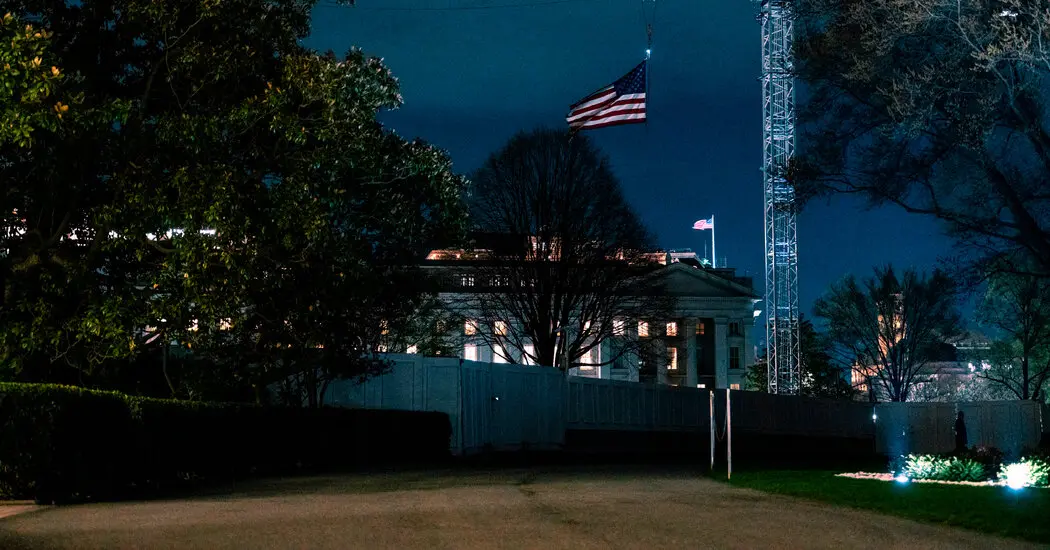
트럼프 대통령은 지난달 백악관 무도회장 건설을 강행하기 위해 놀라운 정당화를 내놓았다: 4억 달러 규모의 프로젝트를 중단하는 것은 국가안보에 심각한 위협이 될 것이라는 것이다.
"모든 것이 드론 방지용이고 방탄이다"라고 트럼프 대통령은 말하며, 비상사태 발생 시 대통령을 보호하기 위해 무도회장 아래 건설 중인 벙커의 보안 기능을 열거했다.
이것이 행정부가 논란의 결정을 정당화하기 위해 국가안보를 인용한 첫 사례는 아니었다. 지난 1년간 고위 관리들은 수천 명의 연방 정부 직원에게서 노조 권리를 박탈하고, 동해안 해상 풍력 발전단지 건설을 중단시키며, 멸종 위기 고래 종 보호 조치에서 멕시코만 유전 및 가스 시추를 면제할 때도 비슷한 우려를 인용했다.
비판가들은 대통령 권한의 한계를 시험하고 있는 우려스러운 추세를 보고 있다.
버몬트 로스쿨 명예교수인 패트릭 파렌토는 "겉으로 보면 가짜 국가안보 비상사태들"이라며 "이것은 권력 장악이다. 이것은 의회를 우회하는 그의 방식"이라고 말했다.
트럼프 대통령이 임명한 판사들을 포함한 연방 판사들은 잠재적 국가안보 위험에 대한 법무부 주장에 대해 종종 비판해왔지만, 항소법원은 지난주 백악관 건설에 관한 그러한 주장이 타당할 수 있다는 신호를 보냈다.
30년 넘게 법무부에서 일한 하버드 로스쿨 교수 앤드루 머겐은 "국가안보 문제에 대해 법원에 진술할 때 미국의 신뢰성에 대해 걱정하지 않을 수 없다"고 말했다.
테일러 로저스 백악관 대변인은 행정부가 정부 전반에 걸쳐 국가안보 고려사항을 우선시하는 것이 옳다고 말했다.
로저스 대변인은 이메일에서 "미국이 잠재적 국가안보 위협에 의해 위태로워지지 않도록 하는 것은 최고사령관의 최우선 과제이자 중대한 책무"라고 밝혔다.
트럼프 대통령이 7월 백악관 동측을 무도회장으로 교체하겠다는 계획을 발표했을 때, 그는 국빈 만찬, 갈라 행사 및 기타 행사를 위해 수백 명의 참석자를 수용할 수 있는 훨씬 더 큰 공간에 대한 열망을 밝혔다. 관리들에 따르면 90,000제곱피트 규모의 새 건물은 약 2억 달러가 들 것이라고 했다.
그 이후 비용은 두 배 이상 늘었고, 개조의 명시된 목적은 크게 바뀌어 지상의 행사 공간보다는 지하에 건설 중인 벙커에 더 초점을 맞추고 있다.
보존주의자들이 12월 건설 중단을 위해 소송을 제기한 후, 행정부는 점점 더 무도회장 아래에 건설 중인 필수 보안 시설, 특히 거대한 벙커 단지 때문에 작업을 계속해야 한다고 주장했다. (이러한 시설의 세부사항을 공개하는 것은 매우 이례적이다.)
지난달 워싱턴 연방지방법원의 리처드 J. 리온 판사는 이러한 주장을 기각하고 건설 중단을 명령했다. 느낌표 19개로 강조된 의견서에서 그는 트럼프 대통령이 의회 승인 없이 백악관 전체 구역을 교체할 권한이 없을 가능성이 높다고 썼다.
조지 W. 부시 대통령이 임명한 리온 판사는 백악관 부지 안전에 대한 정부의 우려를 진지하게 받아들인다고 덧붙였다. 하지만 그는 "백악관 옆에 '큰 구멍'이 존재하는 것은, 물론 대통령 자신이 만든 문제다! '국가안보'의 맨얼굴 주장은 정부의 법 준수 실패를 변명하고 그러한 실패를 사법심사로부터 차단할 수 없다"고 썼다.
그러나 주말에 연방 항소법원 패널은 임시적으로 행정부의 편을 들었다. 2대 1 표결로 패널은 금요일까지 무도회장 건설을 계속할 수 있도록 허용하고 사건을 리온 판사에게 국가안보 주장을 더 면밀히 검토하도록 되돌려 보냈다.
이번 주 법원 서류에서 행정부는 프로젝트에 대해 소송을 제기한 단체인 국립역사보존신탁과 계속 다투었다.
법무부 변호사들은 "이 프로젝트에는 적절한 구조물로 보호받지 않으면 기능을 수행할 수 없는 국가안보 및 군사 시설이 포함되어 있다"고 주장하며, 법원은 "대통령 안보를 보장하는 데 필요한 것에 대한 이러한 판단을 재고하거나, 더 나아가 건설 과정을 감독할 위치에 있지 않다"고 덧붙였다.
보존주의자들은 반박했다. 그들은 "피고들이 아무리 주장하더라도 백악관 부지에 거대한 무도회장이 없다는 것이 국가안보 비상사태는 아니다"라고 썼다.
트럼프 행정부는 수십 년간 경멸해온 청정 에너지 원인 해상 풍력 터빈을 차단할 때도 국가안보 위험을 지적했다.
크리스마스 며칠 전, 내무부는 대서양의 5개 풍력 발전단지에서 모든 작업을 중단하라고 갑작스럽게 명령했다. 이 광범위한 조치를 정당화하기 위해 관리들은 국방부가 이 프로젝트들이 국가안보를 위협한다고 밝힌 기밀 보고서를 작성했다고 말했다.
풍력 발전단지 개발업체들과 여러 주가 소송을 제기했고, 연방 판사들은 행정부에 일련의 패배를 안겼다. 여러 판사는 공개되지 않은 기밀 보고서를 검토한 후 정부의 국가안보 주장에 설득되지 않았다고 말했다.
행정부는 최근 이러한 패배에 항소할 기한을 놓쳤다. 그러나 더그 버그럼 내무부 장관은 풍력 발전단지가 군사 레이더를 방해해 드론 공격 탐지를 더 어렵게 만들 수 있다고 계속 주장하고 있다.
버그럼 장관은 2월 초 폭스 비즈니스와의 인터뷰에서 "특히 인구 밀도가 높은 북동부 해안에서 엄청난 위협이 될 수 있는 엄청난 레이더 간섭을 일으킨다"고 말했다.
2000년 알카에다 자살 폭탄 테러로 공격당했을 때 U.S.S. 콜의 사령관을 지낸 군사 분석가 커크 리폴드는 이러한 주장을 "어리석고 겉만 그럴듯한" 것이라고 불렀다. 그는 군부가 풍력 발전단지가 레이더를 방해할 가능성을 광범위하게 연구했고 위험이 실재하지만 계획과 기술 업그레이드로 상쇄할 수 있다고 발견했다고 말했다.
리폴드는 "미국 해안에서 그렇게 가까운 곳에서 드론 공격이 우리 풍력 발전단지를 파괴한다면, 9/11을 훨씬 뛰어넘는 주요 정보 실패가 있는 것"이라며 "그 시점에서 우리 손에는 더 큰 문제가 있다"고 말했다.
로저스 백악관 대변인은 미국의 초기 해상 풍력 산업을 억제하려는 행정부의 노력을 옹호했다.
그녀는 "트럼프 행정부는 미국을 우선으로 두고 미국 국민의 국가안보를 보호하는 것이 우리의 1순위 과제이기 때문에 모든 대규모 해상 풍력 프로젝트의 건설을 중단했다"고 말했다.
때로 트럼프 대통령은 해상 풍력 터빈의 소음과 진동이 고래를 교란하고 심지어 죽일 수 있다고 주장했지만, 해양생물학자들은 이러한 주장을 뒷받침할 증거가 없다고 말했다.
대통령은 2025년 1월, 새 풍력 발전단지에 대한 연방 승인을 중단하기 몇 주 전에 "풍차들이 고래를 미치게 만들고 있다"고 선언했다.
그러나 행정부는 고래에 대한 법적 보호를 제거할 때도 국가안보 우려를 인용했다.
지난달 트럼프 행정부 관리들로 구성된 패널은 멕시코만 유전 및 가스 시추를 멸종 위기 고래 및 기타 위기 종 보호 조치에서 면제시키기 위해 만장일치로 투표했다. 종의 생사를 결정하는 권한을 실질적으로 가지고 있어 종종 '신의 팀'이라고 불리는 이 패널은 짧은 비공개 회의에서 이 조치를 채택했다.
피트 헤그세스 국방장관은 회의에서 제한 조치를 면제하는 것이 국내 석유 생산을 늘려 국가안보를 강화할 것이라고 말했다. 그는 "국가로서 안전하려면 안정적이고 저렴한 우리 자체 에너지 공급이 필요하다"고 말했다.
보전 단체들은 이 조치를 뒤집기 위해 소송을 제기했다. 브레이스웰 법률사무소 파트너인 세스 M. 바스키는 이전 행정부가 멸종위기종법이라는 획기적인 환경법을 무시하기 위해 국가안보를 인용한 적이 없었기 때문에 소송 결과를 예측하기 어렵다고 말했다.
그는 "우리는 미지의 영역에 있다"고 말했다.
맥신 조슬로는 워싱턴에서 타임스를 위해 기후변화와 환경을 보도한다.
데블린 배럿은 타임스를 위해 법무부와 FBI를 보도한다.
"모든 것이 드론 방지용이고 방탄이다"라고 트럼프 대통령은 말하며, 비상사태 발생 시 대통령을 보호하기 위해 무도회장 아래 건설 중인 벙커의 보안 기능을 열거했다.
이것이 행정부가 논란의 결정을 정당화하기 위해 국가안보를 인용한 첫 사례는 아니었다. 지난 1년간 고위 관리들은 수천 명의 연방 정부 직원에게서 노조 권리를 박탈하고, 동해안 해상 풍력 발전단지 건설을 중단시키며, 멸종 위기 고래 종 보호 조치에서 멕시코만 유전 및 가스 시추를 면제할 때도 비슷한 우려를 인용했다.
비판가들은 대통령 권한의 한계를 시험하고 있는 우려스러운 추세를 보고 있다.
버몬트 로스쿨 명예교수인 패트릭 파렌토는 "겉으로 보면 가짜 국가안보 비상사태들"이라며 "이것은 권력 장악이다. 이것은 의회를 우회하는 그의 방식"이라고 말했다.
트럼프 대통령이 임명한 판사들을 포함한 연방 판사들은 잠재적 국가안보 위험에 대한 법무부 주장에 대해 종종 비판해왔지만, 항소법원은 지난주 백악관 건설에 관한 그러한 주장이 타당할 수 있다는 신호를 보냈다.
30년 넘게 법무부에서 일한 하버드 로스쿨 교수 앤드루 머겐은 "국가안보 문제에 대해 법원에 진술할 때 미국의 신뢰성에 대해 걱정하지 않을 수 없다"고 말했다.
테일러 로저스 백악관 대변인은 행정부가 정부 전반에 걸쳐 국가안보 고려사항을 우선시하는 것이 옳다고 말했다.
로저스 대변인은 이메일에서 "미국이 잠재적 국가안보 위협에 의해 위태로워지지 않도록 하는 것은 최고사령관의 최우선 과제이자 중대한 책무"라고 밝혔다.
트럼프 대통령이 7월 백악관 동측을 무도회장으로 교체하겠다는 계획을 발표했을 때, 그는 국빈 만찬, 갈라 행사 및 기타 행사를 위해 수백 명의 참석자를 수용할 수 있는 훨씬 더 큰 공간에 대한 열망을 밝혔다. 관리들에 따르면 90,000제곱피트 규모의 새 건물은 약 2억 달러가 들 것이라고 했다.
그 이후 비용은 두 배 이상 늘었고, 개조의 명시된 목적은 크게 바뀌어 지상의 행사 공간보다는 지하에 건설 중인 벙커에 더 초점을 맞추고 있다.
보존주의자들이 12월 건설 중단을 위해 소송을 제기한 후, 행정부는 점점 더 무도회장 아래에 건설 중인 필수 보안 시설, 특히 거대한 벙커 단지 때문에 작업을 계속해야 한다고 주장했다. (이러한 시설의 세부사항을 공개하는 것은 매우 이례적이다.)
지난달 워싱턴 연방지방법원의 리처드 J. 리온 판사는 이러한 주장을 기각하고 건설 중단을 명령했다. 느낌표 19개로 강조된 의견서에서 그는 트럼프 대통령이 의회 승인 없이 백악관 전체 구역을 교체할 권한이 없을 가능성이 높다고 썼다.
조지 W. 부시 대통령이 임명한 리온 판사는 백악관 부지 안전에 대한 정부의 우려를 진지하게 받아들인다고 덧붙였다. 하지만 그는 "백악관 옆에 '큰 구멍'이 존재하는 것은, 물론 대통령 자신이 만든 문제다! '국가안보'의 맨얼굴 주장은 정부의 법 준수 실패를 변명하고 그러한 실패를 사법심사로부터 차단할 수 없다"고 썼다.
그러나 주말에 연방 항소법원 패널은 임시적으로 행정부의 편을 들었다. 2대 1 표결로 패널은 금요일까지 무도회장 건설을 계속할 수 있도록 허용하고 사건을 리온 판사에게 국가안보 주장을 더 면밀히 검토하도록 되돌려 보냈다.
이번 주 법원 서류에서 행정부는 프로젝트에 대해 소송을 제기한 단체인 국립역사보존신탁과 계속 다투었다.
법무부 변호사들은 "이 프로젝트에는 적절한 구조물로 보호받지 않으면 기능을 수행할 수 없는 국가안보 및 군사 시설이 포함되어 있다"고 주장하며, 법원은 "대통령 안보를 보장하는 데 필요한 것에 대한 이러한 판단을 재고하거나, 더 나아가 건설 과정을 감독할 위치에 있지 않다"고 덧붙였다.
보존주의자들은 반박했다. 그들은 "피고들이 아무리 주장하더라도 백악관 부지에 거대한 무도회장이 없다는 것이 국가안보 비상사태는 아니다"라고 썼다.
트럼프 행정부는 수십 년간 경멸해온 청정 에너지 원인 해상 풍력 터빈을 차단할 때도 국가안보 위험을 지적했다.
크리스마스 며칠 전, 내무부는 대서양의 5개 풍력 발전단지에서 모든 작업을 중단하라고 갑작스럽게 명령했다. 이 광범위한 조치를 정당화하기 위해 관리들은 국방부가 이 프로젝트들이 국가안보를 위협한다고 밝힌 기밀 보고서를 작성했다고 말했다.
풍력 발전단지 개발업체들과 여러 주가 소송을 제기했고, 연방 판사들은 행정부에 일련의 패배를 안겼다. 여러 판사는 공개되지 않은 기밀 보고서를 검토한 후 정부의 국가안보 주장에 설득되지 않았다고 말했다.
행정부는 최근 이러한 패배에 항소할 기한을 놓쳤다. 그러나 더그 버그럼 내무부 장관은 풍력 발전단지가 군사 레이더를 방해해 드론 공격 탐지를 더 어렵게 만들 수 있다고 계속 주장하고 있다.
버그럼 장관은 2월 초 폭스 비즈니스와의 인터뷰에서 "특히 인구 밀도가 높은 북동부 해안에서 엄청난 위협이 될 수 있는 엄청난 레이더 간섭을 일으킨다"고 말했다.
2000년 알카에다 자살 폭탄 테러로 공격당했을 때 U.S.S. 콜의 사령관을 지낸 군사 분석가 커크 리폴드는 이러한 주장을 "어리석고 겉만 그럴듯한" 것이라고 불렀다. 그는 군부가 풍력 발전단지가 레이더를 방해할 가능성을 광범위하게 연구했고 위험이 실재하지만 계획과 기술 업그레이드로 상쇄할 수 있다고 발견했다고 말했다.
리폴드는 "미국 해안에서 그렇게 가까운 곳에서 드론 공격이 우리 풍력 발전단지를 파괴한다면, 9/11을 훨씬 뛰어넘는 주요 정보 실패가 있는 것"이라며 "그 시점에서 우리 손에는 더 큰 문제가 있다"고 말했다.
로저스 백악관 대변인은 미국의 초기 해상 풍력 산업을 억제하려는 행정부의 노력을 옹호했다.
그녀는 "트럼프 행정부는 미국을 우선으로 두고 미국 국민의 국가안보를 보호하는 것이 우리의 1순위 과제이기 때문에 모든 대규모 해상 풍력 프로젝트의 건설을 중단했다"고 말했다.
때로 트럼프 대통령은 해상 풍력 터빈의 소음과 진동이 고래를 교란하고 심지어 죽일 수 있다고 주장했지만, 해양생물학자들은 이러한 주장을 뒷받침할 증거가 없다고 말했다.
대통령은 2025년 1월, 새 풍력 발전단지에 대한 연방 승인을 중단하기 몇 주 전에 "풍차들이 고래를 미치게 만들고 있다"고 선언했다.
그러나 행정부는 고래에 대한 법적 보호를 제거할 때도 국가안보 우려를 인용했다.
지난달 트럼프 행정부 관리들로 구성된 패널은 멕시코만 유전 및 가스 시추를 멸종 위기 고래 및 기타 위기 종 보호 조치에서 면제시키기 위해 만장일치로 투표했다. 종의 생사를 결정하는 권한을 실질적으로 가지고 있어 종종 '신의 팀'이라고 불리는 이 패널은 짧은 비공개 회의에서 이 조치를 채택했다.
피트 헤그세스 국방장관은 회의에서 제한 조치를 면제하는 것이 국내 석유 생산을 늘려 국가안보를 강화할 것이라고 말했다. 그는 "국가로서 안전하려면 안정적이고 저렴한 우리 자체 에너지 공급이 필요하다"고 말했다.
보전 단체들은 이 조치를 뒤집기 위해 소송을 제기했다. 브레이스웰 법률사무소 파트너인 세스 M. 바스키는 이전 행정부가 멸종위기종법이라는 획기적인 환경법을 무시하기 위해 국가안보를 인용한 적이 없었기 때문에 소송 결과를 예측하기 어렵다고 말했다.
그는 "우리는 미지의 영역에 있다"고 말했다.
맥신 조슬로는 워싱턴에서 타임스를 위해 기후변화와 환경을 보도한다.
데블린 배럿은 타임스를 위해 법무부와 FBI를 보도한다.
처리 완료
176 tokens · $0.0003
기사 수집 완료 · 00:00
매체 피드에서 기사 메타데이터 수집
헤드라인 번역 완료 · 00:16
제목/요약 한국어 번역 (fetch 시점 inline)
kimi-k2.5
176 tokens
$0.00032
6.7s
본문 추출 완료
8,306자 추출 완료
본문 한국어 번역 완료 · 00:16
3,699자 번역 완료
지정학적 엔티티 추출 완료 · 00:16
8개 엔티티 추출 완료
지정학적 맥락 & R-Scanner
R-Scanner · 평상
z=-1.84
일상적인 보도 수준 — 기준: White House
(🇺🇸 US)
최근 6시간 12건
7일 평균 20.54건 / 6h
5개국 매체
7개 매체
본문에서 추출된 지명 (8)
White House
🇺🇸
East Coast
🇺🇸
Gulf of Mexico
🇺🇸
Atlantic Ocean
🇺🇸
United States
🇺🇸
Northeast coast
🇺🇸
Vermont
🇺🇸
Washington
🇺🇸
위치 지도
지도 로딩 중…
같은 주제의 다른 기사 (최근 7일)
The administration has invoked national security in a variety of matters, including the White House ballroom and offshore wind farms, drawing rebukes from some judges.
President Trump offered a surprising justification last month for forging ahead with construction of his White House ballroom: Halting the $400 million project would pose a grave threat to national security.“Everything is drone-proof and bulletproof,” Mr. Trump said, listing the security features of a bunker being built beneath the ballroom to protect the president in the event of an emergency.
It was hardly the first time the administration had invoked national security to justify a contentious decision. Over the past year, top officials have cited similar concerns when stripping union rights from thousands of federal workers, pausing the construction of wind farms off the East Coast, and exempting oil and gas drilling in the Gulf of Mexico from protections for endangered species of whales.
Critics see a troubling trend that is testing the limits of presidential power.
“When you look under the hood, they’re fake national security emergencies,” said Patrick Parenteau, an emeritus professor at the Vermont Law and Graduate School. “This is a power grab. This is his way of circumventing Congress.”
Federal judges, including those appointed by Mr. Trump, have often rebuked the Justice Department over its claims of potential national security risks, though an appeals court signaled last week that such assertions about White House construction might be valid.
“It’s hard not to be concerned about the credibility of the United States in court when making representations about national security matters,” said Andrew Mergen, a professor at Harvard Law School who spent more than three decades at the Justice Department.
Taylor Rogers, a White House spokeswoman, said the administration was right to prioritize national security considerations across the government.
“It is a top priority and critical responsibility of the commander in chief to ensure the United States is not jeopardized by any potential national security threat,” Ms. Rogers said in an email.
When Mr. Trump unveiled his plan in July to replace the East Wing of the White House with a ballroom, he shared his desire for a much larger space that could hold hundreds of attendees for state dinners, galas and other events. At 90,000 square feet, officials said, the new structure would cost about $200 million.
Since then, the price tag has more than doubled, and the stated purpose of the renovation has shifted significantly, focusing more on a bunker being built underground than the event space above.
After preservationists sued in December to try to stop the construction, the administration increasingly argued that the work must continue because of essential security facilities being built beneath the ballroom, including a giant bunker complex. (It is highly unusual to disclose details of such facilities.)
Last month, Judge Richard J. Leon of Federal District Court in Washington rejected those arguments and ordered construction stopped. In an opinion punctuated by 19 exclamation points, he wrote that Mr. Trump likely lacked the authority to replace entire sections of the White House without approval from Congress.
Judge Leon, an appointee of President George W. Bush, added that he took seriously the government’s concerns about safety on the White House grounds. But, he wrote, “the existence of a ‘large hole’ beside the White House is, of course, a problem of the president’s own making! Bald assertions of ‘national security’ cannot excuse the government’s failure to follow the law and then insulate those failures from judicial review.”
Over the weekend, however, a federal appeals court panel temporarily sided with the administration. By a 2-to-1 vote, the panel allowed the ballroom construction to continue until Friday and sent the case back to Judge Leon to take a closer look at the national security claims.
In court filings this week, the administration continued to spar with the group suing over the project, the National Trust for Historic Preservation.
The project “includes national security and military installations that cannot serve their functions without an appropriate structure to shield and protect them,” Justice Department lawyers argued. They added that the court “is not positioned to second-guess these determinations about what is needed to ensure presidential security, let alone to superintend the construction process.”
The preservationists fired back. “No matter how much the defendants insist otherwise,” they wrote, “the lack of a massive ballroom on the White House grounds is not a national security emergency.”
The Trump administration has also pointed to national security risks when blocking offshore wind turbines, a source of clean energy that the president has disdained for decades.
Days before Christmas, the Interior Department abruptly ordered all work to halt on five wind farms in the Atlantic Ocean. To justify the sweeping move, officials said the Defense Department had produced a classified report that found that the projects threatened national security.
The developers of the wind farms and several states sued, and federal judges handed the administration a series of losses. Several judges said they were unpersuaded by the government’s national security claims after reviewing the classified report, which has not been made public.
The administration recently missed a deadline to appeal those losses. Interior Secretary Doug Burgum has continued to insist, however, that wind farms can interfere with military radar, making drone attacks more difficult to detect.
“They create tremendous radar interference that could represent a tremendous threat, particularly off our highly populated Northeast coast,” Mr. Burgum told Fox Business in early February.
Kirk Lippold, a military analyst who served as commander of the U.S.S. Cole when it was attacked by Qaeda suicide bombers in 2000, called these arguments “silly and specious.” He said the military had extensively studied the potential for wind farms to disrupt radar and found that the risk was real but can be offset with planning and technological upgrades.
“If we have a drone attack taking out our wind farms that close to the coast of the United States, we’ve had a major intelligence failure that goes way beyond 9/11,” Mr. Lippold said. “We’ve got bigger problems on our hands at that point.”
Ms. Rogers, the White House spokeswoman, defended the administration’s efforts to stifle the country’s nascent offshore wind industry.
“The Trump administration has paused the construction of all large-scale offshore wind projects because our No. 1 priority is to put America first and protect the national security of the American people,” she said.
At times, Mr. Trump has argued that the noise and vibrations from offshore wind turbines can disturb and even kill whales, though marine biologists have said there is no evidence to support such claims.
“The windmills are driving the whales crazy,” the president declared in January 2025, weeks before pausing federal approvals for new wind farms.
Yet the administration has also invoked national security concerns to remove legal protections for whales.
Last month, a panel of Trump administration officials voted unanimously to exempt oil and gas drilling in the Gulf of Mexico from measures to protect endangered whales and other imperiled species. The panel, which is often called the God Squad because it essentially holds the power to decide whether a species lives or dies, adopted the move during a brief, closed-door meeting.
Defense Secretary Pete Hegseth said at the meeting that waiving the restrictions would bolster national security by increasing domestic oil production. “To be as secure as a nation, we need a steady, affordable supply of our own energy,” he said.
Conservation groups have sued to try to overturn the move. Seth M. Barsky, a partner at the law firm Bracewell, said it was difficult to predict the outcome of the litigation because no previous administration had ever invoked national security to override a landmark environmental law, the Endangered Species Act.
“We’re in uncharted territory,” he said.
Maxine Joselow covers climate change and the environment for The Times from Washington.
Devlin Barrett covers the Justice Department and the F.B.I. for The Times.