트럼프, 머츠 비난하며 독일 주둔 미군 철수 위협
Trump Threatens to Pull Troops From Germany as He Lashes Out at Merz
The New York Times
· 🇺🇸 New York, US
David E. Sanger
EN
2026-04-30 08:40
Translated
독일 총리가 이란이 미국을 "모욕했다"고 말한 후 나온 발언
트럼프 대통령은 수요일 저녁 독일 총리 프리드리히 머츠의 이란이 미국을 "모욕했다"는 발언에 대한 보복으로 보이는 움직임으로 "독일의 군대 감축 가능성을 검토하고 검토 중"이라고 선언했다.
머츠가 독일 학생 그룹에 자신의 의견을 표명하기 전부터, 미국은 러시아 대통령 블라디미르 푸틴이 에스토니아나 라트비아 같은 더 작고 새로운 NATO 회원국에 NATO가 실제로 지원할 것인지를 시험해볼 수 있다는 계속되는 우려에도 불구하고, 유럽의 군대 수준을 검토할 수 있음을 암시해 왔다.
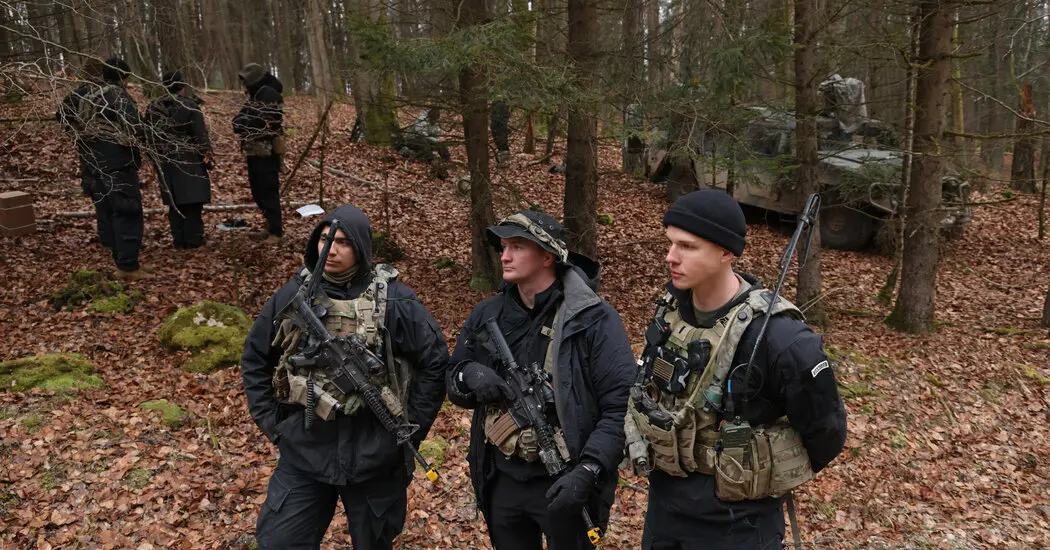
독일은 약 35,000명의 미국 군대가 주둔해 있는 미국의 유럽 주둔지의 중심지이다. 또한 의료 치료, 항공기 무장 및 정비, 유럽의 미군 사령부 본부의 중심지이다. 이탈리아에는 12,000명의 미국 군대가 주둔하고 있으며, 영국에는 약 10,000명이 주둔하고 있으며, 이 세 나라 모두 중동으로 향하는 부대와 항공기의 중요한 경유지로서 미국과 이스라엘이 이란을 상대로 전개한 '에픽 퓨리 작전'을 지원해 왔다.
이미 긴장 상태에 있는 군사 지휘관들은 유럽 전역의 주요 기지에서 군대를 감축할 경우 미국이 직면할 수 있는 위험에 대해 분명히 해왔다. 그러나 트럼프에게 이 결정은 자신과의 관계를 유지해온 전직 투자 은행가이지만 자신이 현명하지 못하고 불법일 수 있다고 생각하는 전쟁에 대해 점점 비판적인 머츠에 대한 자신의 감정에 달려 있을 수 있다.
논란은 머츠가 독일 서부의 고등학교 집회에서 연설했을 때 시작되었다. 그는 "미국인들은 명백히 전략이 없다"고 말했고, "그러한 분쟁의 문제는 항상 들어갔다가 나가야 한다는 것이다. 우리는 20년 동안 아프가니스탄에서 매우 고통스럽게 목격했다. 우리는 이라크에서도 그것을 목격했다"고 말했다.
"따라서 이 상황은 내가 말했듯이 최소한 신중하지 못한 것이며, 현재 미국이 선택하는 전략적 출구가 무엇인지 보이지 않는다."
독일은 다른 동맹국들처럼 이란 개입 결정에 대한 트럼프 행정부의 논의에서 제외되었고, 개별적으로든 나토의 일부로든 전쟁에 참전할 열정을 보이지 않았다. 트럼프는 격분하여 미국의 나토 참여를 재검토하고 있다고 다시 암시했지만, 의회의 승인 없이 공식적으로 탈퇴할 수는 없다.
그는 특히 머츠의 발언에 격분하여 그를 이란 편에 섰다고 비난했다. "독일 총리 프리드리히 머츠는 이란이 핵무기를 보유하는 것이 괜찮다고 생각한다. 그는 자신이 무엇을 말하고 있는지 모른다!"고 소셜 미디어 포스트에 썼다. 덧붙여서, 그는 "독일이 경제적으로나 다른 방면으로나 이렇게 형편없는 이유도 당연하다!"고 했다.
트럼프는 검토를 누가 수행하는지는 명시하지 않았지만, 결정이 "앞으로 짧은 기간 내에" 내려질 것이라고 말했다. 때때로 그는 자신의 위협을 따라가지 않고 다른 원한으로 넘어갈 수도 있다. 독일에 대한 위협을 게시한 몇 분 후, 그는 자신이 회장 임기를 마친 후에도 연방준비제도 이사회 회원으로서 자신의 자리를 유지하겠다고 말한 연방준비제도 의장 제롬 파월을 공격했다. 그러나 나토에 대한 그의 분노와 머츠에 대한 그의 특별한 관심은 자신의 불만을 표현하기 위한 어떤 조치가 있을 가능성을 높인다.
머츠가 독일 학생 그룹에 자신의 의견을 표명하기 전부터, 미국은 러시아 대통령 블라디미르 푸틴이 에스토니아나 라트비아 같은 더 작고 새로운 NATO 회원국에 NATO가 실제로 지원할 것인지를 시험해볼 수 있다는 계속되는 우려에도 불구하고, 유럽의 군대 수준을 검토할 수 있음을 암시해 왔다.
독일은 약 35,000명의 미국 군대가 주둔해 있는 미국의 유럽 주둔지의 중심지이다. 또한 의료 치료, 항공기 무장 및 정비, 유럽의 미군 사령부 본부의 중심지이다. 이탈리아에는 12,000명의 미국 군대가 주둔하고 있으며, 영국에는 약 10,000명이 주둔하고 있으며, 이 세 나라 모두 중동으로 향하는 부대와 항공기의 중요한 경유지로서 미국과 이스라엘이 이란을 상대로 전개한 '에픽 퓨리 작전'을 지원해 왔다.
이미 긴장 상태에 있는 군사 지휘관들은 유럽 전역의 주요 기지에서 군대를 감축할 경우 미국이 직면할 수 있는 위험에 대해 분명히 해왔다. 그러나 트럼프에게 이 결정은 자신과의 관계를 유지해온 전직 투자 은행가이지만 자신이 현명하지 못하고 불법일 수 있다고 생각하는 전쟁에 대해 점점 비판적인 머츠에 대한 자신의 감정에 달려 있을 수 있다.
논란은 머츠가 독일 서부의 고등학교 집회에서 연설했을 때 시작되었다. 그는 "미국인들은 명백히 전략이 없다"고 말했고, "그러한 분쟁의 문제는 항상 들어갔다가 나가야 한다는 것이다. 우리는 20년 동안 아프가니스탄에서 매우 고통스럽게 목격했다. 우리는 이라크에서도 그것을 목격했다"고 말했다.
"따라서 이 상황은 내가 말했듯이 최소한 신중하지 못한 것이며, 현재 미국이 선택하는 전략적 출구가 무엇인지 보이지 않는다."
독일은 다른 동맹국들처럼 이란 개입 결정에 대한 트럼프 행정부의 논의에서 제외되었고, 개별적으로든 나토의 일부로든 전쟁에 참전할 열정을 보이지 않았다. 트럼프는 격분하여 미국의 나토 참여를 재검토하고 있다고 다시 암시했지만, 의회의 승인 없이 공식적으로 탈퇴할 수는 없다.
그는 특히 머츠의 발언에 격분하여 그를 이란 편에 섰다고 비난했다. "독일 총리 프리드리히 머츠는 이란이 핵무기를 보유하는 것이 괜찮다고 생각한다. 그는 자신이 무엇을 말하고 있는지 모른다!"고 소셜 미디어 포스트에 썼다. 덧붙여서, 그는 "독일이 경제적으로나 다른 방면으로나 이렇게 형편없는 이유도 당연하다!"고 했다.
트럼프는 검토를 누가 수행하는지는 명시하지 않았지만, 결정이 "앞으로 짧은 기간 내에" 내려질 것이라고 말했다. 때때로 그는 자신의 위협을 따라가지 않고 다른 원한으로 넘어갈 수도 있다. 독일에 대한 위협을 게시한 몇 분 후, 그는 자신이 회장 임기를 마친 후에도 연방준비제도 이사회 회원으로서 자신의 자리를 유지하겠다고 말한 연방준비제도 의장 제롬 파월을 공격했다. 그러나 나토에 대한 그의 분노와 머츠에 대한 그의 특별한 관심은 자신의 불만을 표현하기 위한 어떤 조치가 있을 가능성을 높인다.
처리 완료
3,255 tokens · $0.0090
기사 수집 완료 · 09:00
매체 피드에서 기사 메타데이터 수집
헤드라인 번역 완료 · 09:15
제목/요약 한국어 번역 (fetch 시점 inline)
claude-haiku-4-5-20251001
180 tokens
$0.00043
1.8s
본문 추출 완료
3,595자 추출 완료
본문 한국어 번역 완료 · 09:15
1,544자 번역 완료
claude-haiku-4-5-20251001
3,075 tokens
$0.00852
17.5s
지정학적 엔티티 추출 완료 · 09:15
8개 엔티티 추출 완료
지정학적 맥락 & R-Scanner
R-Scanner · 평상
z=0.34
일상적인 보도 수준 — 기준: Germany
(🇩🇪 DE)
최근 6시간 8건
7일 평균 7.04건 / 6h
6개국 매체
6개 매체
본문에서 추출된 지명 (8)
위치 지도
지도 로딩 중…
같은 주제의 다른 기사 (최근 7일)
The comments came after the German chancellor said that Iran has “humiliated” the United States.
President Trump declared on Wednesday evening that he is “studying and reviewing the possible reduction of Troops in Germany,” in what appears to be retaliation for comments by Germany’s chancellor, Friedrich Merz, that Iran has “humiliated” the United States.Even before Mr. Merz made his comments to a group of German students, the United States had hinted that it may review its troop levels in Europe, despite the continuing concerns that Russia’s president, Vladimir V. Putin, may attempt to test whether NATO would truly come to the aid of one of its smaller, newer members, like Estonia or Latvia.
Germany is the hub of the American presence in Europe, with about 35,000 American troops based there. It is also the center for medical treatment, aircraft arming and maintenance, and the headquarters for American forces in Europe. Italy houses 12,000 American troops, and the United Kingdom about 10,000, and all three have been critical way stations for forces and aircraft flying to the Middle East to support Operation Epic Fury, the attack the United States and Israel launched against Iran.
Military commanders, already feeling stretched, have been clear about the risks for the United States in cutting troops at the major bases across Europe. But for Mr. Trump, the decision may well hinge on his feelings about Mr. Merz, a former investment banker who has nurtured a relationship with him — but who has been increasingly critical about a war he has viewed as unwise and possibly illegal.
The blowup began when Mr. Merz spoke at a high school assembly in western Germany. “The Americans obviously have no strategy,” he said, “and the problem with such conflicts is always that you don’t just have to go in, you also have to get out again. We saw that very painfully in Afghanistan for 20 years. We saw that in Iraq.”
“So this situation is, as I said, at least ill-considered, and I do not see at the moment what strategic exit the Americans are choosing now.”
Germany, like other allies, was frozen out of the Trump administration’s deliberations about going into Iran, and then showed no enthusiasm for joining the fight, either individually or as part of NATO, the alliance created after World War II to contain the Soviet Union. Mr. Trump reacted with fury, suggesting anew that he was reconsidering America’s participation in the alliance, though he could not formally pull out without the approval of Congress.
He was particularly incensed by Mr. Merz’s comments and accused him of siding with Iran. “The Chancellor of Germany, Friedrich Merz, thinks it’s OK for Iran to have a Nuclear Weapon. He doesn’t know what he’s talking about!” Mr. Trump wrote in a social media post. For good measure, he added: “No wonder Germany is doing so poorly, both Economically, and otherwise!”
Mr. Trump did not say who was conducting the review, though he did say a decision would be “made over the next short period of time.” Sometimes he moves on to other grudges without following through on his threats; minutes after posting his threat to Germany, he attacked Jerome Powell, the outgoing chairman of the Federal Reserve, for saying that he would remain in his post as a member of the Fed even as his time as chairman ends. But his anger at NATO, and his particular focus on Mr. Merz, makes it likely there will be some move to express his displeasure.
David E. Sanger covers the Trump administration and a range of national security issues. He has been a Times journalist for more than four decades and has written four books on foreign policy and national security challenges.