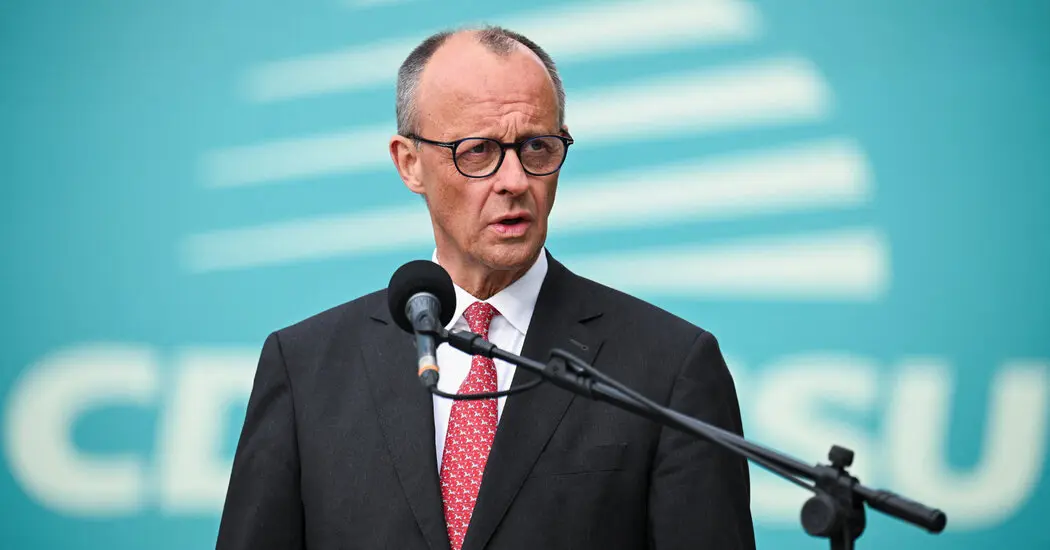
트럼프와 메르츠의 충돌, 대통령과 우호관계 유지의 어려움을 보여주다
Trump’s Clash With Merz Shows It’s Hard to Stay Friends With the President
The New York Times
· 🇺🇸 New York, US
Jim Tankersley
EN
2026-04-30 00:58
Translated
이란 전쟁 기간 내내 독일 총리 프리드리히 메르츠는 트럼프 대통령을 만족시키기 위해 최선을 다했다. 이번 주 메르츠는 인내심을 잃은 것으로 보인다.
트럼프 대통령의 이란 전쟁으로 인한 파장은 외국 지도자들이 그와의 호의를 얻기 위한 오랫동안의 관례적 전략을 따르기 어렵게 만들었다. 그들은 점점 더 대통령에게 순응하거나 자국 국민을 선택해야 하는 선택지에 직면하고 있으며, 트럼프를 선택하지 않고 있다.
최근 사례는 독일 총리 프리드리히 메르츠로, 그는 미국 전쟁 계획의 전략적 결함에 대해 자신의 진정한 생각을 공개적으로 말함으로써 트럼프의 분노를 샀다.
재임 거의 1년 동안 메르츠는 트럼프와의 우호관계에 큰 투자를 했다. 이란 전쟁이 시작된 초기를 포함하여 백악관을 여러 번 방문했다. 그는 카메라 앞에서 트럼프를 칭찬하고 자주 문자를 보낸다. 메르츠는 이란 문제에서 대통령이 요청한 거의 모든 것을 했으며, 여기에는 공격을 시작하기 위해 독일의 군사 기지를 미국에 완전히 개방하고, 전쟁이 공식적으로 끝난 후 호르무즈 해협을 순찰할 기뢰 제거함을 배치하는 것이 포함된다.
하지만 전쟁은 독일 경제를 황폐화시켰고 정치적으로 메르츠에게 대가를 치렀다. 독일 운전자와 제조업체들은 해협 차단으로 인한 연료 가격 급등에 충격을 받았다. 정부는 올해 경제 성장 전망을 대폭 삭감했다. 전쟁 시작 이후 메르츠의 정당인 중도우파 기독민주당은 전국 여론조사에서 1위에서 떨어져 극우 정당인 독일을 위한 선택지(AfD)에 수 포인트 뒤지고 있다.
이러한 압박들은 이번 주에 총리를 압도한 것으로 보인다. 정식이 아닌 덜 공식적인 연설에서 즉흥적으로 말하는 경향이 있는 메르츠는 독일 학생 그룹에게 이란 정부가 전쟁 종료 협상에 대한 완만한 접근으로 미국 전체 국민을 "모욕"했다고 말했다.
메르츠는 월요일 독일 서부의 고등학교 집회에서 "미국인들은 명백히 전략이 없다"며 "그러한 분쟁의 문제는 항상 단지 들어가는 것만이 아니라 다시 나가야 한다는 것이다. 우리는 아프가니스탄에서 20년간 그것을 매우 고통스럽게 보았다. 이라크에서도 봤다. 따라서 이 상황은 최소한 신중하지 못하며, 현재 미국인들이 선택하는 전략적 출구가 무엇인지 나는 보지 못한다"고 말했다.
공개적으로 그를 비판하는 동맹국들을 공격하는 경향이 있는 트럼프는 빠르게 대응했다. 그는 반복해서 이란이 핵무기를 보유할 수 없다고 말한 메르츠를 테헤란의 핵 야심을 지지한다고 비난했다.
트럼프는 소셜 미디어 게시물에 "독일 총리 프리드리히 메르츠는 이란이 핵무기를 보유하는 것이 괜찮다고 생각한다. 그는 자신이 무엇을 말하고 있는지 모른다!"라고 썼다. 추가로 "독일이 경제적으로나 다른 방면에서나 그렇게 형편없는 이유가 놀랍지 않다!"고 덧붙였다.
이 교환은 독일에서 작은 미디어 소동을 일으켰으며, 정치 기자들은 메르츠가 대통령과의 힘들게 얻은 호의를 낭비했는지 여부를 묻고 있다.
또한 유럽의 인내심이 자신들이 선택하지 않았고 상의받지 않은 전쟁에 대해 얼마나 얇아졌는지를 드러냈다.
거의 모든 주요 유럽 지도자들은 전쟁 시작 이후 어느 시점에서 그것을 비판하거나, 트럼프를 비판하거나, 둘 다를 비판하는 조치를 취했다.
영국 총리 키어 스타머는 이달 초 트럼프에게 "질려있다"고 말했으며, 전쟁이 영국 대중의 에너지 비용을 올렸다는 점을 지적했다. 그는 또한 전쟁을 위한 영국 기지의 미국 사용 제한에 대해 트럼프와 불화를 겪었다.
이탈리아 총리 조르자 멜로니는 교황 레오 14세와의 전쟁을 놓고 벌인 언쟁에 개입함으로써 대통령을 화나게 했다. 유럽에서 트럼프의 핵심 동맹으로 오랫동안 여겨져 온 멜로니는 교황 편을 들었다. 분석가들은 그녀가 트럼프와의 연관성이 이란에서 트럼프가 매우 인기가 없는 이탈리아에서 약점이 되었음을 깨달았다고 말했다.
이란 문제로 트럼프와 충돌함으로써 정치적 이점을 얻은 유럽 지도자는 스페인 총리 페드로 산체스보다 없다. 스페인 기지의 미국 사용을 거부하는 것을 포함한 전쟁에 대한 그의 초기의 적극적인 반대는 대통령을 화나게 했지만 산체스의 국내 정치 운명을 살렸다.
이번 주까지 메르츠는 전쟁에 대해 신중한 비판을 제기했지만 여전히 미국인들의 칭찬을 받았다. 그는 대통령의 호의를 얻은 것으로 보였다. 3월 초 백악관에서 그는 트럼프가 스타머와 산체스를 비판하면서 조용히 앉아 있었다.
하지만 비공개적으로 독일 관리들은 트럼프가 이란과 휴전을 발표했을 때도 전쟁 계획에 대해 회의적이었다. 메르츠와 그의 내각은 지속적인 경제적 영향에 대비했으며, 높은 휘발유 가격으로 고통받는 운전자들을 위해 일시적인 구제를 승인했다.
그럼에도 불구하고 총리는 트럼프와 완전히 결별한 것과는 거리가 멀며, 그를 비판하려는 의지는 점점 커지고 있다.
"미국 대통령과 나의 개인적인 관계는 내 관점에서 여전히 좋다"고 메르츠는 수요일 기자들에게 말했다.
Christopher F. Schuetze가 베를린에서 기고했다.
Jim Tankersley는 The Times의 베를린 특파원으로 독일, 오스트리아 및 스위스에 대한 보도를 주도하고 있다.
최근 사례는 독일 총리 프리드리히 메르츠로, 그는 미국 전쟁 계획의 전략적 결함에 대해 자신의 진정한 생각을 공개적으로 말함으로써 트럼프의 분노를 샀다.
재임 거의 1년 동안 메르츠는 트럼프와의 우호관계에 큰 투자를 했다. 이란 전쟁이 시작된 초기를 포함하여 백악관을 여러 번 방문했다. 그는 카메라 앞에서 트럼프를 칭찬하고 자주 문자를 보낸다. 메르츠는 이란 문제에서 대통령이 요청한 거의 모든 것을 했으며, 여기에는 공격을 시작하기 위해 독일의 군사 기지를 미국에 완전히 개방하고, 전쟁이 공식적으로 끝난 후 호르무즈 해협을 순찰할 기뢰 제거함을 배치하는 것이 포함된다.
하지만 전쟁은 독일 경제를 황폐화시켰고 정치적으로 메르츠에게 대가를 치렀다. 독일 운전자와 제조업체들은 해협 차단으로 인한 연료 가격 급등에 충격을 받았다. 정부는 올해 경제 성장 전망을 대폭 삭감했다. 전쟁 시작 이후 메르츠의 정당인 중도우파 기독민주당은 전국 여론조사에서 1위에서 떨어져 극우 정당인 독일을 위한 선택지(AfD)에 수 포인트 뒤지고 있다.
이러한 압박들은 이번 주에 총리를 압도한 것으로 보인다. 정식이 아닌 덜 공식적인 연설에서 즉흥적으로 말하는 경향이 있는 메르츠는 독일 학생 그룹에게 이란 정부가 전쟁 종료 협상에 대한 완만한 접근으로 미국 전체 국민을 "모욕"했다고 말했다.
메르츠는 월요일 독일 서부의 고등학교 집회에서 "미국인들은 명백히 전략이 없다"며 "그러한 분쟁의 문제는 항상 단지 들어가는 것만이 아니라 다시 나가야 한다는 것이다. 우리는 아프가니스탄에서 20년간 그것을 매우 고통스럽게 보았다. 이라크에서도 봤다. 따라서 이 상황은 최소한 신중하지 못하며, 현재 미국인들이 선택하는 전략적 출구가 무엇인지 나는 보지 못한다"고 말했다.
공개적으로 그를 비판하는 동맹국들을 공격하는 경향이 있는 트럼프는 빠르게 대응했다. 그는 반복해서 이란이 핵무기를 보유할 수 없다고 말한 메르츠를 테헤란의 핵 야심을 지지한다고 비난했다.
트럼프는 소셜 미디어 게시물에 "독일 총리 프리드리히 메르츠는 이란이 핵무기를 보유하는 것이 괜찮다고 생각한다. 그는 자신이 무엇을 말하고 있는지 모른다!"라고 썼다. 추가로 "독일이 경제적으로나 다른 방면에서나 그렇게 형편없는 이유가 놀랍지 않다!"고 덧붙였다.
이 교환은 독일에서 작은 미디어 소동을 일으켰으며, 정치 기자들은 메르츠가 대통령과의 힘들게 얻은 호의를 낭비했는지 여부를 묻고 있다.
또한 유럽의 인내심이 자신들이 선택하지 않았고 상의받지 않은 전쟁에 대해 얼마나 얇아졌는지를 드러냈다.
거의 모든 주요 유럽 지도자들은 전쟁 시작 이후 어느 시점에서 그것을 비판하거나, 트럼프를 비판하거나, 둘 다를 비판하는 조치를 취했다.
영국 총리 키어 스타머는 이달 초 트럼프에게 "질려있다"고 말했으며, 전쟁이 영국 대중의 에너지 비용을 올렸다는 점을 지적했다. 그는 또한 전쟁을 위한 영국 기지의 미국 사용 제한에 대해 트럼프와 불화를 겪었다.
이탈리아 총리 조르자 멜로니는 교황 레오 14세와의 전쟁을 놓고 벌인 언쟁에 개입함으로써 대통령을 화나게 했다. 유럽에서 트럼프의 핵심 동맹으로 오랫동안 여겨져 온 멜로니는 교황 편을 들었다. 분석가들은 그녀가 트럼프와의 연관성이 이란에서 트럼프가 매우 인기가 없는 이탈리아에서 약점이 되었음을 깨달았다고 말했다.
이란 문제로 트럼프와 충돌함으로써 정치적 이점을 얻은 유럽 지도자는 스페인 총리 페드로 산체스보다 없다. 스페인 기지의 미국 사용을 거부하는 것을 포함한 전쟁에 대한 그의 초기의 적극적인 반대는 대통령을 화나게 했지만 산체스의 국내 정치 운명을 살렸다.
이번 주까지 메르츠는 전쟁에 대해 신중한 비판을 제기했지만 여전히 미국인들의 칭찬을 받았다. 그는 대통령의 호의를 얻은 것으로 보였다. 3월 초 백악관에서 그는 트럼프가 스타머와 산체스를 비판하면서 조용히 앉아 있었다.
하지만 비공개적으로 독일 관리들은 트럼프가 이란과 휴전을 발표했을 때도 전쟁 계획에 대해 회의적이었다. 메르츠와 그의 내각은 지속적인 경제적 영향에 대비했으며, 높은 휘발유 가격으로 고통받는 운전자들을 위해 일시적인 구제를 승인했다.
그럼에도 불구하고 총리는 트럼프와 완전히 결별한 것과는 거리가 멀며, 그를 비판하려는 의지는 점점 커지고 있다.
"미국 대통령과 나의 개인적인 관계는 내 관점에서 여전히 좋다"고 메르츠는 수요일 기자들에게 말했다.
Christopher F. Schuetze가 베를린에서 기고했다.
Jim Tankersley는 The Times의 베를린 특파원으로 독일, 오스트리아 및 스위스에 대한 보도를 주도하고 있다.
처리 완료
4,731 tokens · $0.0135
기사 수집 완료 · 01:15
매체 피드에서 기사 메타데이터 수집
헤드라인 번역 완료 · 01:26
제목/요약 한국어 번역 (fetch 시점 inline)
claude-haiku-4-5-20251001
262 tokens
$0.00070
2.1s
본문 추출 완료
5,043자 추출 완료
본문 한국어 번역 완료 · 01:26
2,411자 번역 완료
claude-haiku-4-5-20251001
4,469 tokens
$0.01281
27.6s
지정학적 엔티티 추출 완료 · 01:26
8개 엔티티 추출 완료
지정학적 맥락 & R-Scanner
R-Scanner · 핫스팟
z=2.92
평소보다 훨씬 많은 매체가 집중 보도 중 — 기준: Germany
(🇩🇪 DE)
최근 6시간 15건
7일 평균 6.82건 / 6h
6개국 매체
7개 매체
본문에서 추출된 지명 (8)
Germany
🇩🇪
Iran
🇮🇷
United States
🇺🇸
Strait of Hormuz
🇮🇷
United Kingdom
🇬🇧
Spain
🇪🇸
Afghanistan
🇦🇫
Iraq
🇮🇶
위치 지도
지도 로딩 중…
같은 주제의 다른 기사 (최근 7일)
Throughout the war in Iran, Friedrich Merz, the German chancellor, did all he could to keep President Trump happy. This week, Mr. Merz appeared to lose patience.
Fallout from President Trump’s war with Iran has made it harder for foreign leaders to stick to their time-honored playbook for currying favor with him. They are increasingly finding they must choose between appeasing the president or their own voters, and they aren’t picking Mr. Trump.The latest example is Friedrich Merz, the chancellor of Germany, who drew Mr. Trump’s ire by saying what he really thinks, out loud, about the strategic shortcomings of the American war plan.
In nearly a year in office, Mr. Merz has invested heavily in a friendship with Mr. Trump. He has visited the White House repeatedly, including in the early days after the Iran war began. He flatters Mr. Trump on camera and texts him often. Mr. Merz has done nearly everything the president asked on Iran, including allowing America full use of military bases in Germany to launch attacks, and committing minesweepers to patrol the Strait of Hormuz after the war formally ends.
But the war has battered the German economy and cost Mr. Merz politically. German drivers and manufacturers have been shocked by fuel-price spikes caused by the blockage of the strait. The government has slashed its forecasts for economic growth this year. Since the war began, Mr. Merz’s party, the center-right Christian Democrats, have fallen from first place in national polls and now trail the far-right Alternative for Germany, or AfD, by a few percentage points.
Those pressures seemed to overwhelm the chancellor this week. Mr. Merz, who has a penchant for going off-script in less formal speaking sessions, told a group of German students that the Iranian government had “humiliated” the entire American nation with its slow-walk approach to negotiating an end to the war.
“The Americans obviously have no strategy,” Mr. Merz said at a high school assembly in western Germany on Monday, “and the problem with such conflicts is always that you don’t just have to go in, you also have to get out again. We saw that very painfully in Afghanistan for 20 years. We saw that in Iraq. So this situation is, as I said, at least ill-considered, and I do not see at the moment what strategic exit the Americans are choosing now.”
Mr. Trump, who has a penchant for attacking his allies when they criticize him publicly, was quick to respond. He accused Mr. Merz, who has repeatedly said Iran can never be allowed to build a nuclear weapon, of supporting Tehran’s nuclear ambitions.
“The Chancellor of Germany, Friedrich Merz, thinks it’s OK for Iran to have a Nuclear Weapon. He doesn’t know what he’s talking about!” Mr. Trump wrote in a social media post. For good measure, he added: “No wonder Germany is doing so poorly, both Economically, and otherwise!”
The exchange stirred a small media tizzy in Germany, with political reporters asking whether Mr. Merz had squandered his hard-won good will with the president.
It also revealed just how thin Europe’s patience has worn, for a war its leaders did not choose and were not consulted on.
Nearly every major European leader has, at some point since the war began, taken steps to criticize it, or Mr. Trump, or both.
Keir Starmer, the British prime minister, said this month he was “fed up” with Mr. Trump, complaining that the war had driven up energy costs for the British public. He has also feuded with Mr. Trump over restrictions on American usage of British bases for the war.
Giorgia Meloni, the Italian prime minister, riled the president by wading into his verbal battle with Pope Leo XIV over the war. Ms. Meloni, long viewed as a key ally of Mr. Trump in Europe, sided with the pope. She had realized, analysts said, that her association with Mr. Trump had become a liability in Italy, where the president is highly unpopular.
No European leader has made more political advantage out of clashing with Mr. Trump over Iran than Pedro Sánchez, the prime minister of Spain. His early and vocal opposition to the war, including refusal to allow American use of Spanish bases, angered the president but buoyed Mr. Sánchez’s sagging political fortunes at home.
Until this week, Mr. Merz had offered some measured critiques of the war but still won praise from Americans. He seemed to be in the president’s good graces. In the Oval Office in early March, he sat quietly by as Mr. Trump criticized Mr. Starmer and Mr. Sánchez.
Privately, though, German officials were skeptical of Mr. Trump’s war plan from the start, even when he announced a cease-fire with Iran. Mr. Merz and his cabinet braced for lasting economic fallout, approving some temporary relief for drivers stung by high gasoline prices.
Still, the chancellor is far from breaking with Mr. Trump, even if he is increasingly willing to criticize him.
“The personal relationship between the American president and me is, from my perspective, still good,” Mr. Merz told reporters on Wednesday.
Christopher F. Schuetze contributed from Berlin.
Jim Tankersley is the Berlin bureau chief for The Times, leading coverage of Germany, Austria and Switzerland.