3개 지방대학, AI 인재 양성 허브로 육성
Three regional universities to be built into AI talent hubs
The Korea Herald
· 🇰🇷 Seoul, KR
Lee Seung-ku
EN
2026-04-15 14:55
Translated
수면 시간 너무 많거나 적으면 우울증 위험 2배: 연구
교육부가 이재명 대통령의 '지방 거점국립대 10개 서울대 만들기' 사업의 축소판을 발표하면서 형평성 문제가 제기되고 있다.
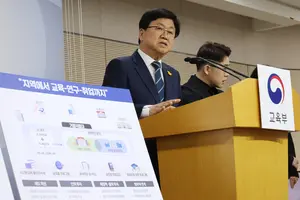
교육부는 수요일 전략산업 및 AI 분야 인재 양성 허브로 육성할 3개 거점국립대학을 선정해 각각 최대 1,000억 원(6,800만 달러)의 추가 지원을 제공하겠다고 밝혔다.
5년간 지원되는 이 예산은 이재명 정부의 '지방 거점국립대 10개 서울대 만들기' 사업의 전례 없는 지원 패키지의 일부라고 교육부는 설명했다.
이번 조치는 원래 계획의 축소판으로, 원래는 9개 지방 거점국립대 전체를 지원하려 했으나 부처 간 협의를 통해 3개로 축소되었다. 교육부는 이를 제한된 자원으로 더 빠른 성과를 내기 위한 '선택과 집중' 전략으로 전환한 것이라고 밝혔다.
최규진 교육부 장관은 "수도권과 비수도권 대학 간 격차를 줄이는 것을 넘어 지방 인재가 국가 성장의 핵심 동력이 될 기반을 마련하겠다"고 말했다.
3개 대학 집중 육성
해당 계획에 따라 선정된 3개 대학은 반도체, 배터리, 바이오, 미래 모빌리티 등 각 지역의 핵심 산업 인재를 양성하기 위해 신설되는 '브랜드대학'을 설립할 예정이다.
학부, 대학원, 연구 프로그램이 하나의 패키지로 지원된다. 여기에는 대학이 기업, 정부출연연구원, 과학기술원, 서울대학교, 국내외 다른 대학과 협력하는 전문 융합연구원 설립이 포함된다.
이러한 공동 운영 센터는 한 곳에서 기술 개발부터 상용화까지 전 주기를 통합하게 된다.
3개 대학은 또한 인공지능 교육 및 연구의 지역 허브로 지정될 예정이다. 각 대학은 총장 직속 AI 관련 교육 및 연구를 총괄하는 전담 조직을 설치하고, 비이공계 학생들이 전공과 AI 응용을 결합할 수 있는 학제간 AI 프로그램을 확대할 계획이다.
선정 학과 학생들은 광범위한 지원을 받게 된다. 학부생은 등록금, 생활비, 기숙사 지원 대상이 되며, 대학원생은 정부출연연구원의 연구원 초급 수준에 준하는 월 200만~300만 원의 장학금을 받게 된다.
수혜자는 연간 약 1,500명에 이를 것으로 예상된다. 이 계획은 기업 및 공공연구원 연구원들이 대학 교수직을 겸임할 수 있도록 허용한다.
관계자들은 또한 전문 프로그램에 참여하는 교수진의 연구비는 일부 경우 사전 한도 없이 예외적으로 유연하게 제공되어 최고 수준의 연구원을 유치할 수 있을 것이라고 밝혔다.
형평성 우려
9개 거점국립대 중 3개만 집중 지원받게 되면서 형평성 및 지역 불균형에 대한 우려가 예상된다.
나머지 6개 대학은 지난해보다 각각 300억 원의 추가 지원을 받게 된다고 교육부는 밝혔으며, 이는 균형 잡힌 지역 발전을 위한 더 넓은 노력의 일부이다.
9개 대학 전체 예산은 총 5,448억 원에 이른다. 이 중 1,200억 원은 지역 '공유대학' 프로그램에 배정되며, 같은 지역 내 기관들이 강의실, 연구 장비, 창업 지원 프로그램을 공유하게 된다.
예산이 확대됨에 따라 교육부는 성과 기반 평가를 강화할 계획이라고 밝혔다. 교수 승진 및 종신임용 기준은 수도권 주요 사립대 수준으로 상향되며, 거점국립대의 학생 1인당 교육비는 2030년까지 4,400만 원으로 증가해 서울대학교 수준의 약 70%에 이를 예정이다.
3개 대학 선정은 산업통상자원부가 성장 동력이 될 지역 전략산업을 확정한 후 올해 3분기에 이루어질 전망이다.
교육부는 부처 간 협조 상황에 따라 일정이 변경될 수 있지만, 상반기 중 선정 기준을 발표할 계획이라고 밝혔다. 지역 균형은 선정 과정에서 핵심 요인이 될 것으로 예상된다.
정부는 2030년경까지 선정 대학이 전문 분야에서 세계 200위권에 진입하는 것을 목표로 하며, 이는 수도권 중심 체제에서 더욱 지역 분산형 성장 모델로 전환하기 위한 광범위한 노력의 일부이다.
최 장관은 "이는 원래 계획의 후퇴가 아니다"라며 "이 정책을 통해 균형 잡힌 성장을 이루고 지역 인재와 기업이 지역 활성화를 주도할 수 있도록 하겠다"고 말했다.
교육부는 수요일 전략산업 및 AI 분야 인재 양성 허브로 육성할 3개 거점국립대학을 선정해 각각 최대 1,000억 원(6,800만 달러)의 추가 지원을 제공하겠다고 밝혔다.
5년간 지원되는 이 예산은 이재명 정부의 '지방 거점국립대 10개 서울대 만들기' 사업의 전례 없는 지원 패키지의 일부라고 교육부는 설명했다.
이번 조치는 원래 계획의 축소판으로, 원래는 9개 지방 거점국립대 전체를 지원하려 했으나 부처 간 협의를 통해 3개로 축소되었다. 교육부는 이를 제한된 자원으로 더 빠른 성과를 내기 위한 '선택과 집중' 전략으로 전환한 것이라고 밝혔다.
최규진 교육부 장관은 "수도권과 비수도권 대학 간 격차를 줄이는 것을 넘어 지방 인재가 국가 성장의 핵심 동력이 될 기반을 마련하겠다"고 말했다.
3개 대학 집중 육성
해당 계획에 따라 선정된 3개 대학은 반도체, 배터리, 바이오, 미래 모빌리티 등 각 지역의 핵심 산업 인재를 양성하기 위해 신설되는 '브랜드대학'을 설립할 예정이다.
학부, 대학원, 연구 프로그램이 하나의 패키지로 지원된다. 여기에는 대학이 기업, 정부출연연구원, 과학기술원, 서울대학교, 국내외 다른 대학과 협력하는 전문 융합연구원 설립이 포함된다.
이러한 공동 운영 센터는 한 곳에서 기술 개발부터 상용화까지 전 주기를 통합하게 된다.
3개 대학은 또한 인공지능 교육 및 연구의 지역 허브로 지정될 예정이다. 각 대학은 총장 직속 AI 관련 교육 및 연구를 총괄하는 전담 조직을 설치하고, 비이공계 학생들이 전공과 AI 응용을 결합할 수 있는 학제간 AI 프로그램을 확대할 계획이다.
선정 학과 학생들은 광범위한 지원을 받게 된다. 학부생은 등록금, 생활비, 기숙사 지원 대상이 되며, 대학원생은 정부출연연구원의 연구원 초급 수준에 준하는 월 200만~300만 원의 장학금을 받게 된다.
수혜자는 연간 약 1,500명에 이를 것으로 예상된다. 이 계획은 기업 및 공공연구원 연구원들이 대학 교수직을 겸임할 수 있도록 허용한다.
관계자들은 또한 전문 프로그램에 참여하는 교수진의 연구비는 일부 경우 사전 한도 없이 예외적으로 유연하게 제공되어 최고 수준의 연구원을 유치할 수 있을 것이라고 밝혔다.
형평성 우려
9개 거점국립대 중 3개만 집중 지원받게 되면서 형평성 및 지역 불균형에 대한 우려가 예상된다.
나머지 6개 대학은 지난해보다 각각 300억 원의 추가 지원을 받게 된다고 교육부는 밝혔으며, 이는 균형 잡힌 지역 발전을 위한 더 넓은 노력의 일부이다.
9개 대학 전체 예산은 총 5,448억 원에 이른다. 이 중 1,200억 원은 지역 '공유대학' 프로그램에 배정되며, 같은 지역 내 기관들이 강의실, 연구 장비, 창업 지원 프로그램을 공유하게 된다.
예산이 확대됨에 따라 교육부는 성과 기반 평가를 강화할 계획이라고 밝혔다. 교수 승진 및 종신임용 기준은 수도권 주요 사립대 수준으로 상향되며, 거점국립대의 학생 1인당 교육비는 2030년까지 4,400만 원으로 증가해 서울대학교 수준의 약 70%에 이를 예정이다.
3개 대학 선정은 산업통상자원부가 성장 동력이 될 지역 전략산업을 확정한 후 올해 3분기에 이루어질 전망이다.
교육부는 부처 간 협조 상황에 따라 일정이 변경될 수 있지만, 상반기 중 선정 기준을 발표할 계획이라고 밝혔다. 지역 균형은 선정 과정에서 핵심 요인이 될 것으로 예상된다.
정부는 2030년경까지 선정 대학이 전문 분야에서 세계 200위권에 진입하는 것을 목표로 하며, 이는 수도권 중심 체제에서 더욱 지역 분산형 성장 모델로 전환하기 위한 광범위한 노력의 일부이다.
최 장관은 "이는 원래 계획의 후퇴가 아니다"라며 "이 정책을 통해 균형 잡힌 성장을 이루고 지역 인재와 기업이 지역 활성화를 주도할 수 있도록 하겠다"고 말했다.
처리 완료
3,004 tokens · $0.0060
기사 수집 완료 · 14:55
매체 피드에서 기사 메타데이터 수집
헤드라인 번역 완료 · 15:08
제목/요약 한국어 번역 (fetch 시점 inline)
kimi-k2.5
120 tokens
$0.00020
2.4s
본문 추출 완료
4,989자 추출 완료
본문 한국어 번역 완료 · 15:08
1,935자 번역 완료
kimi-k2.5
2,884 tokens
$0.00575
65.7s
지정학적 엔티티 추출 완료 · 15:08
3개 엔티티 추출 완료
지정학적 맥락 & R-Scanner
R-Scanner · 핫스팟
z=3.63
평소보다 훨씬 많은 매체가 집중 보도 중 — 기준: South Korea
(🇰🇷 KR)
최근 6시간 27건
7일 평균 13.29건 / 6h
5개국 매체
5개 매체
본문에서 추출된 지명 (3)
위치 지도
지도 로딩 중…
같은 주제의 다른 기사 (최근 7일)
Too much or too little sleep linked to doubled depression risk: study
Fairness concerns raised as Education Ministry unveils scaled-back version of Lee Jae Myung’s ‘10 Seoul National Universities’ initiativeThe Education Ministry said Wednesday it will select three flagship national universities to develop into hubs for training talent in strategic industries and AI, providing each with up to 100 billion won ($68 million) in additional funding.
Provided over a five-year period, the funding forms part of what the ministry described as an unprecedented support package under the Lee Jae Myung administration’s “10 Seoul National Universities” initiative.
The move marks a scaled-back version of the original plan, which sought to support all nine regional flagship national universities. This was narrowed to three during interministerial consultations, reflecting a shift toward a “selection and concentration” strategy to deliver faster results with limited resources, the ministry said.
“Beyond narrowing the gap between universities in and outside the capital region, we will lay the groundwork for local talent to become a core driver of national growth,” Education Minister Choi Kyo-jin said.
Focus on three universities
Under the plan, the three selected universities will establish “brand colleges,” newly created academic units designed to cultivate talent in industries central to each region, such as semiconductors, batteries, biotechnology and future mobility.
Undergraduate, graduate and research programs will be supported as a single package. This includes the creation of specialized convergence research institutes, where universities will collaborate with companies, government-funded research institutes, institutes of science and technology, Seoul National University, and other domestic and overseas universities.
These jointly operated centers will integrate the full cycle from technology development to commercialization in one location.
The three universities will also be designated as regional hubs for artificial intelligence education and research. Each will establish a dedicated organization under the university president to oversee AI-related education and research, while expanding interdisciplinary AI programs that allow students from non-technical fields to combine their major with AI applications.
Students in selected departments will receive extensive support. Undergraduate students will be eligible for tuition, living expenses and dormitory housing assistance, while graduate students will receive monthly stipends of 2 million won to 3 million won, comparable to compensation for junior researchers at government-funded institutes.
The number of beneficiaries is expected to reach about 1,500 annually. The plan also allows researchers from companies and public research institutes to hold concurrent university professorships.
Officials also indicated that research funding for faculty involved in the specialized programs would be provided with exceptional flexibility, in some cases without preset limits, to attract top-tier researchers.
Concerns over fairness
Concerns over fairness and regional disparities are expected, as only three of the nine flagship national universities will receive concentrated support.
The remaining six universities will each receive an additional 30 billion won compared with last year, the ministry said, as part of broader efforts to ensure balanced regional development.
The total budget for all nine universities will amount to 544.8 billion won. Of that, 120 billion won will be allocated to a regional “shared university” program, under which institutions within the same region will share classrooms, research equipment and startup support programs.
As funding expands, the ministry said it will strengthen performance-based evaluation. Standards for faculty promotion and tenure will be raised to levels comparable to those at major private universities in the Seoul metropolitan area, while education spending per student at flagship national universities will be increased to 44 million won by 2030, or about 70 percent of the level at Seoul National University.
Selection of the three universities is expected in the third quarter of this year, after the Ministry of Trade, Industry and Energy finalizes the regional strategic industries that will serve as growth engines.
The ministry said it plans to announce selection criteria in the first half of the year, though the timeline could shift depending on interministerial coordination. Regional balance is expected to be a key factor in the selection process.
The government aims for the selected universities to rank within the global top 200 in their specialized fields by around 2030, as part of broader efforts to shift from a capital-centered system to a more regionally distributed growth model.
“This is not a retreat from the original plan,” Choi said. “Through this policy, we aim to achieve balanced growth and enable regional talent and companies to drive local revitalization.”