교도소에서 교수형 위협을 받은 이란 영화감독, 비밀리에 용감하게 영화 촬영
Threatened with hanging in jail, an Iranian filmmaker bravely shot a film in secret
Sydney Morning Herald
· 🇦🇺 Sydney, AU
Garry Maddox
EN
2026-04-16 04:00
Translated
마흐나즈 모하마디가 페르시아 영화제에서 상영될 드라마를 위해 자신의 수감 경험 중 잔혹한 순간들을 극화했다.
이란 감독 마흐나즈 모하마디가 억압적인 정권에 의해 반복적으로 수감된 경험 중 많은 잔혹한 순간들을 최신 영화에 극화했다. 신체적·정신적 고문을 포함한 이 장면들을 담았지만, 관객들에게 너무 충격적일 것이라 생각해 제외한 요소도 있었다.
"나를 세 차례나 교수형에 처하려 데려갔다"고 그녀는 베를린에서 밝혔다.
이 불안한 전술은 정권에 대한 범죄 자백을 강요하기 위한 것이었지만, 모하마디는 석방 이후에도 용감하게 영화 제작을 이어왔다. 그녀는 공식 허가 없이 비밀리에 '로야'를 촬영했다. 이 드라마는 테헤란에 수감된 교사 로야의 이야기를 다룬다.
2011년 '국가안보 위협' 및 '정권 반대 선전' 혐의로 7년형을 선고받은 이후 모하마디의 삶은 어려웠다.
모하마디는 테헤란의 악명 높은 에빈 감옥에서 수개월을 보냈으나, 다른 법정에서 형이 뒤집혔다. 그 이후로 그녀는 체포, 감시, 심각한 자유 제한에 시달려왔다.
모하마디는 수감 상태에서도 정권 아래 자유의 부재를 용감하게 비판하는 영화를 만든 동료 이란 감독 모하마드 라술루프('신성한 무화과의 씨앗')와 자파르 파나히('그냥 사고였을 뿐')와 함께한다.
'로야'는 그녀가 마주한 현실을 보여준다. 이번 주 시드니 페르시아 영화제에서 상영된 후 6월 중순 멜버른에서 상영될 이 드라마는 여성 인권 지지로 체포된 교사(터키 배우 멜리사 쇠젠)를 중심으로 전개된다.
그녀는 조작된 범죄에 대해 카메라 앞에서 자백하도록 강요하기 위한 참혹한 대우를 받는다. 거부할 경우, 작은 콘크리트 독방에 무기한 독거 감금될 위기에 처한다.
2월 베를린 국제 영화제에서 초연된 '로야'가 독일에서 극장 개봉을 앞두고 있는 가운데, 독일에서 화상 통화로 인터뷰한 모하마디는 "최소 다섯 번이나 여섯 번 수감되었다"며 정확한 횟수는 기억하려 하지 않는다고 말했다.
이슬람혁명수비대가 그녀를 활동가라고 칭했지만, 모하마디는 이 용어를 거부했다. "나는 활동가가 아니었다"고 그녀는 말했다. "그저 '이건 잘못됐다'고 생각하는 사람이었다."
이 당찬 인물은 2008년 이란에서 터키로 떠나는 기차 승객들을 다룬 다큐멘터리 '트래블로그'와, 재혼 제안을 받으면 10살 아들을 잃게 되는 고군분투하는 미망인의 이야기인 2019년 장편 영화 '아들-어머니'로 가장 잘 알려져 있다.
"토론토 국제 영화제에서 '아들-어머니' 상영 직후 이란으로 돌아오자, 새로운 심문이 시작되고 새로운 사건이 열렸다"고 모하마디는 말했다. "그 이후로 내 삶은 다시 반 은신 상태가 되었고, 의사소통을 상당히 제한해야 했다."
그녀는 어떻게 이란을 떠나 베를린에 왔는지 밝히고 싶어하지 않았지만, 미국과 이스라엘이 이란에 가하는 전쟁과 다시 체포될 위험에도 불구하고 가능한 한 빨리 돌아가고 싶다고 밝혔다.
"이 길은 많은 독립 이란 예술가들의 길처럼 어려움과 불확실성으로 가득 차 있다"고 그녀는 말했다.
모하마디는 테헤란에 있는 가족에게 돌아가고 싶어한다.
"최근 몇 주 가장 힘든 것은 단절감"이라고 그녀는 말했다. "[페르시아] 새해 이후 가족과 친구들과의 연락이 극도로 제한되었고, 이는 끊임없는 걱정의 배경을 만든다."
이란은 또한 "내 언어, 추억, 작업이 뿌리내린 곳"이기도 했다.
전쟁을 어떻게 바라보는지 묻자, 모하마디는 한숨을 내쉬며, 마치 로야가 감옥에 얼마나 있었는지 잊어버리고 끝나기를 바라는 것과 같다고 말했다. 그녀는 거의 한 달 동안 거의 완전한 인터넷 차단을 겪고 있는 이란 국민들에게 공감했다.
"전 세계적으로 [이분법적이 되었다]: 전쟁/반전"이라고 그녀는 말했다. "이란인으로서 이쪽이나 저쪽을 택한다면, 나에게는 상관없다. 둘 다 끔찍하다.
"[전쟁으로] 그들은 아마도 자유를 찾을 수 있을지도 모른다는 작은 희망을 가질 수 있다. [그러나 전쟁 없이] 그렇게 잔인한 정권을 어떻게 견딜 수 있겠는가?"
모하마디는 미국이 어느 정도 정권 교체에 성공했다고 생각하며, 자신을 선고한 법정의 수장과 한 명의 감옥 심문관의 죽음을 예로 들었다.
"내 인생에서 이 사람들을 없앨 수 있을 거라고는 한 번도 생각하지 못했다"고 그녀는 말했다. "그들이 [죽으면], 나는 조금이나마 숨을 쉴 수 있을 것 같다."
지난주 도널드 트럼프 미국 대통령이 이란에 대해 "전체 문명이 멸망할 것"이라고 위협한 것을 들었을 때 어떤 기분이었는지?
"사업가는 그저 거래를 하고 싶을 뿐이라는 걸 안다"고 모하마디는 말했다. "이건 그저 거래 전쟁일 뿐... 모두가 이란에서 수많은 전쟁이 있었음을 안다. 아무것도 그것을 파괴할 수 없다."
"나를 세 차례나 교수형에 처하려 데려갔다"고 그녀는 베를린에서 밝혔다.
이 불안한 전술은 정권에 대한 범죄 자백을 강요하기 위한 것이었지만, 모하마디는 석방 이후에도 용감하게 영화 제작을 이어왔다. 그녀는 공식 허가 없이 비밀리에 '로야'를 촬영했다. 이 드라마는 테헤란에 수감된 교사 로야의 이야기를 다룬다.
2011년 '국가안보 위협' 및 '정권 반대 선전' 혐의로 7년형을 선고받은 이후 모하마디의 삶은 어려웠다.
모하마디는 테헤란의 악명 높은 에빈 감옥에서 수개월을 보냈으나, 다른 법정에서 형이 뒤집혔다. 그 이후로 그녀는 체포, 감시, 심각한 자유 제한에 시달려왔다.
모하마디는 수감 상태에서도 정권 아래 자유의 부재를 용감하게 비판하는 영화를 만든 동료 이란 감독 모하마드 라술루프('신성한 무화과의 씨앗')와 자파르 파나히('그냥 사고였을 뿐')와 함께한다.
'로야'는 그녀가 마주한 현실을 보여준다. 이번 주 시드니 페르시아 영화제에서 상영된 후 6월 중순 멜버른에서 상영될 이 드라마는 여성 인권 지지로 체포된 교사(터키 배우 멜리사 쇠젠)를 중심으로 전개된다.
그녀는 조작된 범죄에 대해 카메라 앞에서 자백하도록 강요하기 위한 참혹한 대우를 받는다. 거부할 경우, 작은 콘크리트 독방에 무기한 독거 감금될 위기에 처한다.
2월 베를린 국제 영화제에서 초연된 '로야'가 독일에서 극장 개봉을 앞두고 있는 가운데, 독일에서 화상 통화로 인터뷰한 모하마디는 "최소 다섯 번이나 여섯 번 수감되었다"며 정확한 횟수는 기억하려 하지 않는다고 말했다.
이슬람혁명수비대가 그녀를 활동가라고 칭했지만, 모하마디는 이 용어를 거부했다. "나는 활동가가 아니었다"고 그녀는 말했다. "그저 '이건 잘못됐다'고 생각하는 사람이었다."
이 당찬 인물은 2008년 이란에서 터키로 떠나는 기차 승객들을 다룬 다큐멘터리 '트래블로그'와, 재혼 제안을 받으면 10살 아들을 잃게 되는 고군분투하는 미망인의 이야기인 2019년 장편 영화 '아들-어머니'로 가장 잘 알려져 있다.
"토론토 국제 영화제에서 '아들-어머니' 상영 직후 이란으로 돌아오자, 새로운 심문이 시작되고 새로운 사건이 열렸다"고 모하마디는 말했다. "그 이후로 내 삶은 다시 반 은신 상태가 되었고, 의사소통을 상당히 제한해야 했다."
그녀는 어떻게 이란을 떠나 베를린에 왔는지 밝히고 싶어하지 않았지만, 미국과 이스라엘이 이란에 가하는 전쟁과 다시 체포될 위험에도 불구하고 가능한 한 빨리 돌아가고 싶다고 밝혔다.
"이 길은 많은 독립 이란 예술가들의 길처럼 어려움과 불확실성으로 가득 차 있다"고 그녀는 말했다.
모하마디는 테헤란에 있는 가족에게 돌아가고 싶어한다.
"최근 몇 주 가장 힘든 것은 단절감"이라고 그녀는 말했다. "[페르시아] 새해 이후 가족과 친구들과의 연락이 극도로 제한되었고, 이는 끊임없는 걱정의 배경을 만든다."
이란은 또한 "내 언어, 추억, 작업이 뿌리내린 곳"이기도 했다.
전쟁을 어떻게 바라보는지 묻자, 모하마디는 한숨을 내쉬며, 마치 로야가 감옥에 얼마나 있었는지 잊어버리고 끝나기를 바라는 것과 같다고 말했다. 그녀는 거의 한 달 동안 거의 완전한 인터넷 차단을 겪고 있는 이란 국민들에게 공감했다.
"전 세계적으로 [이분법적이 되었다]: 전쟁/반전"이라고 그녀는 말했다. "이란인으로서 이쪽이나 저쪽을 택한다면, 나에게는 상관없다. 둘 다 끔찍하다.
"[전쟁으로] 그들은 아마도 자유를 찾을 수 있을지도 모른다는 작은 희망을 가질 수 있다. [그러나 전쟁 없이] 그렇게 잔인한 정권을 어떻게 견딜 수 있겠는가?"
모하마디는 미국이 어느 정도 정권 교체에 성공했다고 생각하며, 자신을 선고한 법정의 수장과 한 명의 감옥 심문관의 죽음을 예로 들었다.
"내 인생에서 이 사람들을 없앨 수 있을 거라고는 한 번도 생각하지 못했다"고 그녀는 말했다. "그들이 [죽으면], 나는 조금이나마 숨을 쉴 수 있을 것 같다."
지난주 도널드 트럼프 미국 대통령이 이란에 대해 "전체 문명이 멸망할 것"이라고 위협한 것을 들었을 때 어떤 기분이었는지?
"사업가는 그저 거래를 하고 싶을 뿐이라는 걸 안다"고 모하마디는 말했다. "이건 그저 거래 전쟁일 뿐... 모두가 이란에서 수많은 전쟁이 있었음을 안다. 아무것도 그것을 파괴할 수 없다."
처리 완료
178 tokens · $0.0003
기사 수집 완료 · 04:16
매체 피드에서 기사 메타데이터 수집
헤드라인 번역 완료 · 04:26
제목/요약 한국어 번역 (fetch 시점 inline)
kimi-k2.5
178 tokens
$0.00032
3.5s
본문 추출 완료
4,816자 추출 완료
본문 한국어 번역 완료 · 04:26
2,242자 번역 완료
지정학적 엔티티 추출 완료 · 04:26
8개 엔티티 추출 완료
지정학적 맥락 & R-Scanner
R-Scanner · 평상
z=-1.11
일상적인 보도 수준 — 기준: Iran
(🇮🇷 IR)
최근 6시간 82건
7일 평균 92.71건 / 6h
12개국 매체
18개 매체
본문에서 추출된 지명 (8)
위치 지도
지도 로딩 중…
같은 주제의 다른 기사 (최근 7일)
Mahnaz Mohammadi, has dramatised brutal moments from her own imprisonment for a drama screening at the Persian Film Festival.
Iranian director Mahnaz Mohammadi dramatised many of the brutal moments from her own repeated imprisonment by the repressive regime in her latest film, including physical and psychological torture, but there was one element she thought would be too confronting for audiences.“They took me three times for hanging,” she said from Berlin.
While that disturbing tactic was intended to force a confession to crimes against the regime, Mohammadi has continued to courageously make films since she was freed. She has now shot Roya, a drama about a teacher of that name who has been jailed in Tehran, in secret without official permission.
Mohammadi’s life has been difficult since being sentenced to seven years in prison on charges of “endangering national security” and “propaganda against the regime” in 2011.
Mohammadi spent months in Tehran’s notorious Evin prison until the sentence was overturned in another court. Since then, she has been subject to arrests, surveillance and severe restrictions on her freedom.
Mohammadi joins fellow Iranian directors Mohammad Rasoulof (The Seed of the Sacred Fig) and Jafar Panahi (It Was Just An Accident) in making films that courageously criticise the lack of freedom under the regime despite being jailed.
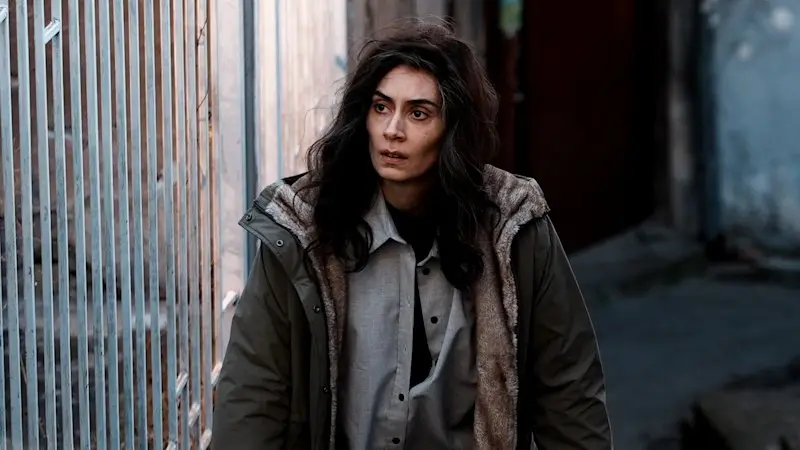
Roya shows what she is up against – the drama, screening at the Persian Film Festival in Sydney this week then touring to Melbourne in mid-June, centres on a teacher (Turkish actress Melisa Sözen), who has been arrested for supporting women’s rights.
She is subjected to harrowing treatment – initially shown through her eyes – intended to force her to confess on camera to fabricated crimes. If she doesn’t, she faces indefinite solitary confinement in a small concrete cell.
Speaking on Zoom from Germany, where Roya is getting a cinema release after premiering at the Berlin International Film Festival in February, Mohammadi said she had been jailed “at least five or six times” but tried not to remember how often.
While the Islamic Revolutionary Guard Corps has called her as an activist, Mohammadi rejected that term. “I was not [an] activist,” she said. “I was a person just thinking ‘this is wrong’.”
That feisty person is best known for the 2008 documentary Travelogue, about passengers on a train leaving Iran for Turkey, and the 2019 feature film Son-Mother, about a struggling widow facing the loss of her 10-year-old son if she accepts a marriage proposal.
“Shortly after the screening of Son-Mother at the Toronto International Film Festival and my return to Iran, a new round of interrogations began and a new case was opened against me,” Mohammadi said. “Since then, my life has once again become semi-hidden and I have had to significantly limit my communications.”
She did not want to reveal how she left Iran for Berlin but plans to go back as soon as possible, despite the war the US and Israel are waging on the country and the risk of being arrested again.
“This path, like that of many independent Iranian artists, has been marked by difficulty and uncertainty,” she said.
Mohammadi wants to get back to her family in Tehran.
“What has been most difficult in recent weeks is the sense of disconnection,” she said. “Since the [Persian] New Year, contact with family and friends has been extremely limited, and this creates a constant background of worry.”
Iran was also “where my language, my memories and my work are rooted”.
Asked how she viewed the war, Mohammadi sighed, then said it was like Roya losing track of how many days she had been in prison and wishing for it to end. She felt for people in Iran who had been living through a near-total internet shutdown for almost a month.
“In the whole world, [it has become] bipolar: war/ anti-war,” she said. “If I take this side or that side as an Iranian, for me it doesn’t matter. Both [are] horrible.
“[With the war] they can have a little bit of hope that maybe they can find freedom. [But without the war] how can you survive such a brutal regime?”
Mohammadi thought the US had succeeded in regime change to some extent, citing the deaths of the head of a court that sentenced her and one of her prison interrogators.
“I never thought in my life, I could get rid of these people,” she said. “When they are [dead], I feel I can a little bit breathe.”
How did she feel hearing US President Trump’s threat to Iran that “a whole civilisation will die” last week?
“I know the businessman just wants to make a deal,” Mohammadi said. “This is just a deal war … Everybody knows that so many wars have happened in Iran. Nothing can ever destroy it.”
Find out the next TV, streaming series and movies to add to your must-sees. Get The Watchlist delivered every Thursday.
You have reached your maximum number of saved items.
Remove items from your saved list to add more.