세계의 중앙은행들이 거대한 문제와 씨름하고 있다
The World’s Central Banks Are Wrestling With a Gigantic Problem
The New York Times
· 🇺🇸 New York, US
Jeff Sommer
EN
2026-05-01 18:02
Translated
이란 전쟁과 관세, 기타 트럼프 정책으로 촉발된 인플레이션 급등과 경제 둔화가 통화 관계자들에게 조정을 강요했다고 칼럼니스트는 말한다.
세계의 주요 중앙은행들이 난처한 상황에 처해 있다.
이번 주 도쿄, 워싱턴, 런던, 프랑크푸르트의 정책 입안자들은 장기간 밝혀온 단기 금리 변경 의도에도 불구하고 이번이 행동을 취할 적절한 시기가 아니라고 판단했다. 모든 경우에 그들은 단기 금리를 그대로 두는 것이 낫다고 결론지었다.
중앙은행들은 모두 거대하고 측정 불가능한 문제에 직면해 있다. 인플레이션이 급등하고 있고, 경제 성장은 둔화하고 있으며, 이란 전쟁으로 촉발된 에너지 충격이나 이러한 더 광범위한 경제 효과가 얼마나 오래 지속될 것인지 명확하지 않다.
각 관할권의 은행은 정도의 차이는 있지만 자신의 선호를 조정하도록 강요받았다. 일본은행은 예상되는 금리 인상을 연기했고, 다른 은행들은 금리 인하 방향을 변경했으며, 궁극적으로 되돌릴 가능성도 있다.
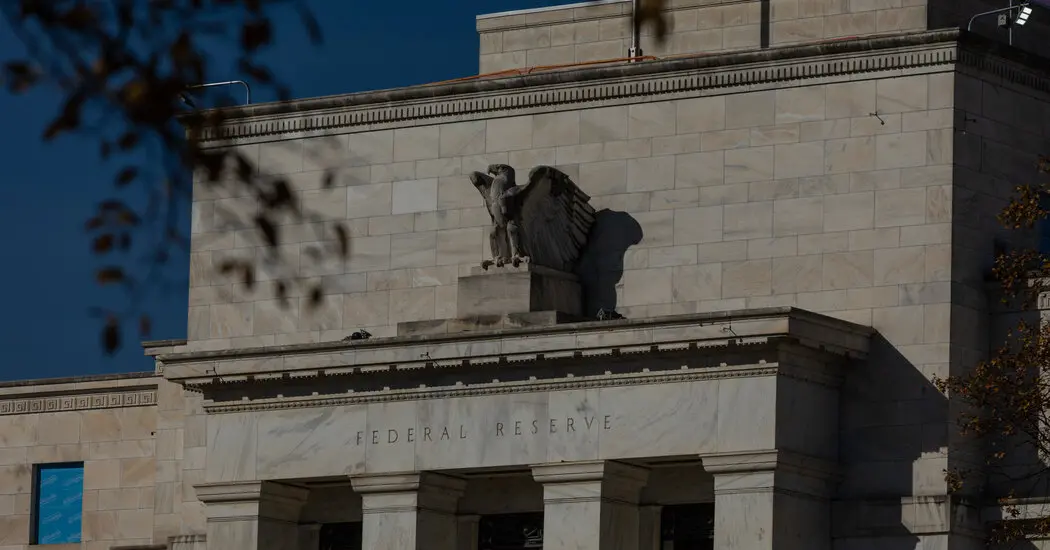
수요일 워싱턴에서 연방준비제도 정책 입안자들은 "중동의 상황이 경제 전망에 대한 높은 수준의 불확실성을 야기하고 있다"는 이유로 금리를 현수준에서 유지해야 한다고 밝혔다.
제롬 파월 의장 재임 마지막 연방준비제도 회의였으며 기억할 만한 회의였다. 트럼프 대통령과 불안정한 관계를 유지해온 파월은 기자회견에서 연방준비제도 이사회에 남을 것이라고 발표했으며, 1948년 이전 연방준비제도 의장 매리너 에클스가 취한 조치를 반향했다.
12월에 지적했듯이, 에클스는 의장직 이후 이사회에 남아 있으면서 백악관으로부터 중앙은행의 독립성을 보장하려고 노력했다. 파월도 동일한 것을 시도하는 것으로 보인다.
기자회견에서 파월은 트럼프 행정부의 공격이라고 표현한 상황 속에서 연방준비제도의 자율성을 보존하려고 노력할 것이라고 말했다. 그는 또한 연방준비제도 건설 프로젝트에서의 자신의 역할에 대한 사법부의 형사 조사가 "완전히 끝날 때까지" 이사회에 남을 의도가 있다고 덧붙였다.
"이러한 공격들은 제도를 심하게 훼손하고 있으며, 대중에게 정말로 중요한 것, 즉 정치적 요소를 고려하지 않고 통화 정책을 수행할 수 있는 능력을 위험에 빠뜨리고 있습니다"라고 그는 말했다.
의장 후임자로 지명된 케빈 와시의 자율성이 상원의 인준 시 얼마나 클 것인지는 명확하지 않다.
트럼프 행정부는 이미 중앙은행에 큰 영향을 미쳤다. 하지만 지금 주목할 만한 점은 지난 몇십 년간의 다른 글로벌 금융 위기와 달리, 이것은 워싱턴의 지도자들이 해결책을 고안하려고 노력하는 위기가 아니라는 것이다. 대신, 트럼프가 문제의 원인으로 광범위하게 인식되고 있다.
이스라엘과 함께 대통령은 이란과의 전쟁을 시작했고 지난 20년 동안 가장 큰 에너지 공급 혼란을 야기했으며, 은행들이 치솟는 물가인상 또는 약화되는 경제 성장 중 어느 것을 주요 초점으로 삼아야 하는지 알 수 없게 만들었다.
금리를 낮추는 것은 경제 성장을 촉진하기 위한 기본 통화 정책 도구다. 금리 인상은 인플레이션 상승에 대한 통상적 대응이다. 하지만 현재의 에너지 충격은 두 가지 문제를 모두 야기할 수 있다. 즉, 높은 인플레이션과 경제 침체의 난해하고 독성적인 혼합인 "스태그플레이션"이다. 이에 대한 단일하고 신뢰할 수 있는 해결책은 없다.
미국이 에너지 충격으로 인한 지속적인 스태그플레이션에 직면했던 마지막 시기는 1970년대와 1980년대였으며, 연방준비제도 의장 폴 볼커가 설계한 이중 자릿수 금리와 두 번의 경기 침체가 이를 억제하는 데 필요했다. 아무도 그 딜레마에 직면하고 싶어하지 않는다. 은행들은 전쟁이 끝나고 이러한 경제 문제들이 사라질 것을 희망하고 있다.
그렇기 때문에 마침내 지난해 수십 년간의 디플레이션 침체 이후 금리 인상을 시작한 일본은행이 휴식을 취하기로 결정했다. 이는 정책 금리를 0.75%에서 유지했다. 이는 비정상적으로 낮은 수준이지만 2016년부터 2024년 초까지 지속된 마이너스 금리보다는 훨씬 높다.
일본은행은 중앙은행이 금리 인하 단독으로 할 수 있는 것보다 경제를 더욱 자극하기 위해 증권을 매입하는 "양적 완화"라고 불리는 비정상적 통화 정책을 개척했다. 이는 이러한 정책들로부터 경제를 분리해내고 있었지만, 전쟁으로 인해 "통화 정책 정상화"를 늦추고 있다.
화요일에 발표된 정책 검토에서 은행은 "중동 상황을 둘러싼 혼란이 연장되고 유가가 높게 유지되는 경우" 더 큰 금융 위험을 경고했다.
이러한 위험에는 세계 금융 시장의 붕괴가 포함된다. 만약 일본의 금리가 상승하는 반면 유럽과 미국의 금리가 하락한다면, 일본 엔화는 아마도 상승할 것이다. 이는 투자자들이 저수익 엔화로 차입하고 달러 또는 유로 표시 채권이나 주식을 사는 "엔 캐리 트레이드"를 혼란스럽게 할 수 있다.
이러한 혼란은 지난해 트럼프 행정부가 1930년대 이후 가장 가파른 관세를 부과하고 세계 시장에 혼란을 야기했으며, 여기에는 미국 채권 투자자들의 큰 손실이 포함되었던 후에 발생했다. 그 채권 손실은 순차적으로 미국 주식 시장을 급락시켰다.
일본은 주요 무역 국가이기 때문에 관세와 같은 외부 충격에 특히 취약하며, 수입 에너지에 대한 의존도가 페르시아만을 통한 유조선과 액화천연가스 운송의 중단을 특히 고통스럽게 만들었다. 갑작스러운 통화 정책 변화를 피하면서 국내 경제가 문제에 직면할 경우 개입할 준비를 함으로써 일본 멀리서 시장 안정성을 개선할 수 있다.
일본은행과 달리, 유럽중앙은행은 지난 6월 마지막 조치에서 금리를 인하했다. 그 이후로 프랑크푸르트의 은행은 트럼프 관세의 영향과 러시아의 우크라이나 전쟁으로 인한 높은 에너지 비용, 그리고 이란 전쟁으로 인한 에너지 충격의 영향과 씨름하고 있다.
순 에너지 수입국으로서, 미국보다 느린 경제 성장으로 인해 유럽은 어려운 위치에 있다. 은행 총재 크리스틴 라가르드는 인플레이션이 통제 불능이 되면 신속하게 조치해야 한다고 경고했지만, 유가 충격이 지연 효과를 미칠 가능성이 높다고 강조했다. 실업률이 약 6%이고 경제 성장이 올해 1% 미만으로 예상되는 상황에서, 더 높은 금리는 유럽을 경기 침체로 빠뜨릴 수 있다.
미국과의 긴장이 높다. 유럽연합의 최대 경제국인 독일의 총리 프리드리히 메르츠는 월요일 미국이 이란으로부터 "굴욕을 당하고 있다"고 말했다. 나아가 메르츠는 미국이 "명백하게 어떤 전략도 없이 이 전쟁에 들어갔으며" 협상에서 "진정으로 설득력 있는 전략도 없다"고 말했다.
유럽연합은 트럼프 이전에 의심할 여지없이 동맹국이었던 국가에 의해 야기된 고통을 완화하려는 불편한 역할을 하고 있다. 유럽중앙은행은 관찰하고, 기다리고, 견디고 있다.
런던에서 영란은행은 훨씬 더 끔찍한 곤경에 빠져 있었다. 이는 경제를 자극하기 위해 2024년 12월부터 금리를 인하해오고 있다. 하지만 국제통화기금은 4월에 모든 선진국 중 영국이 이란 전쟁의 가장 큰 타격을 받을 가능성이 높다고 경고했다. 인플레이션 위협으로 인해 은행은 금리를 인상해야 할 수 있으며, 이는 경제를 더욱 약화시킬 수 있다.
은행 정책 입안자들이 소집되는 와중에도 찰스 3세 국왕은 긴장된 영미 관계를 강화하기 위한 방문으로 미국을 순방하고 있었다. 다른 은행들과 마찬가지로, 그 은행도 금리 방향을 정하지 못했다. 전쟁의 종료를 기다리면서 현상을 유지하고 있다.
이 패턴의 한 가지 예외는 중앙은행이 수요일에 벤치마크 금리를 0.25 포인트 인하한 브라질에서 발생했다. 그럼에도 불구하고 벤치마크 정책 금리는 14.5%로 유지되었다. 치솟는 에너지 가격이 소비자들에게 해를 끼치고 있지만, 브라질은 미국과 마찬가지로 순 에너지 수출국이다. 이는 세계 석유 부족으로부터 경제를 어느 정도 완충한다. 또한 미국과 마찬가지로 브라질은 가을에 전국 선거를 앞두고 있다. 대통령 루이즈 이나시우 룰라 다 실바는 금리가 더 낮아질 경우 이익을 볼 가능성이 있다.
하지만 전쟁이 계속된다면, 더 큰 위기인 경기 침체로 인한 위기가 없는 한 금리 인하는 다른 곳에서 일어날 가능성이 낮다.
지금으로서는, 대부분의 중앙은행에 있어 현상 유지가 현명한 방침으로 보였다. 정책 입안자들은 위험한 물을 헤쳐나가면서 신중하게 진행하고 있다.
제프 소머는 시장, 금융 및 경제에 관한 주간 칼럼인 "전략"을 작성한다.
이번 주 도쿄, 워싱턴, 런던, 프랑크푸르트의 정책 입안자들은 장기간 밝혀온 단기 금리 변경 의도에도 불구하고 이번이 행동을 취할 적절한 시기가 아니라고 판단했다. 모든 경우에 그들은 단기 금리를 그대로 두는 것이 낫다고 결론지었다.
중앙은행들은 모두 거대하고 측정 불가능한 문제에 직면해 있다. 인플레이션이 급등하고 있고, 경제 성장은 둔화하고 있으며, 이란 전쟁으로 촉발된 에너지 충격이나 이러한 더 광범위한 경제 효과가 얼마나 오래 지속될 것인지 명확하지 않다.
각 관할권의 은행은 정도의 차이는 있지만 자신의 선호를 조정하도록 강요받았다. 일본은행은 예상되는 금리 인상을 연기했고, 다른 은행들은 금리 인하 방향을 변경했으며, 궁극적으로 되돌릴 가능성도 있다.
수요일 워싱턴에서 연방준비제도 정책 입안자들은 "중동의 상황이 경제 전망에 대한 높은 수준의 불확실성을 야기하고 있다"는 이유로 금리를 현수준에서 유지해야 한다고 밝혔다.
제롬 파월 의장 재임 마지막 연방준비제도 회의였으며 기억할 만한 회의였다. 트럼프 대통령과 불안정한 관계를 유지해온 파월은 기자회견에서 연방준비제도 이사회에 남을 것이라고 발표했으며, 1948년 이전 연방준비제도 의장 매리너 에클스가 취한 조치를 반향했다.
12월에 지적했듯이, 에클스는 의장직 이후 이사회에 남아 있으면서 백악관으로부터 중앙은행의 독립성을 보장하려고 노력했다. 파월도 동일한 것을 시도하는 것으로 보인다.
기자회견에서 파월은 트럼프 행정부의 공격이라고 표현한 상황 속에서 연방준비제도의 자율성을 보존하려고 노력할 것이라고 말했다. 그는 또한 연방준비제도 건설 프로젝트에서의 자신의 역할에 대한 사법부의 형사 조사가 "완전히 끝날 때까지" 이사회에 남을 의도가 있다고 덧붙였다.
"이러한 공격들은 제도를 심하게 훼손하고 있으며, 대중에게 정말로 중요한 것, 즉 정치적 요소를 고려하지 않고 통화 정책을 수행할 수 있는 능력을 위험에 빠뜨리고 있습니다"라고 그는 말했다.
의장 후임자로 지명된 케빈 와시의 자율성이 상원의 인준 시 얼마나 클 것인지는 명확하지 않다.
트럼프 행정부는 이미 중앙은행에 큰 영향을 미쳤다. 하지만 지금 주목할 만한 점은 지난 몇십 년간의 다른 글로벌 금융 위기와 달리, 이것은 워싱턴의 지도자들이 해결책을 고안하려고 노력하는 위기가 아니라는 것이다. 대신, 트럼프가 문제의 원인으로 광범위하게 인식되고 있다.
이스라엘과 함께 대통령은 이란과의 전쟁을 시작했고 지난 20년 동안 가장 큰 에너지 공급 혼란을 야기했으며, 은행들이 치솟는 물가인상 또는 약화되는 경제 성장 중 어느 것을 주요 초점으로 삼아야 하는지 알 수 없게 만들었다.
금리를 낮추는 것은 경제 성장을 촉진하기 위한 기본 통화 정책 도구다. 금리 인상은 인플레이션 상승에 대한 통상적 대응이다. 하지만 현재의 에너지 충격은 두 가지 문제를 모두 야기할 수 있다. 즉, 높은 인플레이션과 경제 침체의 난해하고 독성적인 혼합인 "스태그플레이션"이다. 이에 대한 단일하고 신뢰할 수 있는 해결책은 없다.
미국이 에너지 충격으로 인한 지속적인 스태그플레이션에 직면했던 마지막 시기는 1970년대와 1980년대였으며, 연방준비제도 의장 폴 볼커가 설계한 이중 자릿수 금리와 두 번의 경기 침체가 이를 억제하는 데 필요했다. 아무도 그 딜레마에 직면하고 싶어하지 않는다. 은행들은 전쟁이 끝나고 이러한 경제 문제들이 사라질 것을 희망하고 있다.
그렇기 때문에 마침내 지난해 수십 년간의 디플레이션 침체 이후 금리 인상을 시작한 일본은행이 휴식을 취하기로 결정했다. 이는 정책 금리를 0.75%에서 유지했다. 이는 비정상적으로 낮은 수준이지만 2016년부터 2024년 초까지 지속된 마이너스 금리보다는 훨씬 높다.
일본은행은 중앙은행이 금리 인하 단독으로 할 수 있는 것보다 경제를 더욱 자극하기 위해 증권을 매입하는 "양적 완화"라고 불리는 비정상적 통화 정책을 개척했다. 이는 이러한 정책들로부터 경제를 분리해내고 있었지만, 전쟁으로 인해 "통화 정책 정상화"를 늦추고 있다.
화요일에 발표된 정책 검토에서 은행은 "중동 상황을 둘러싼 혼란이 연장되고 유가가 높게 유지되는 경우" 더 큰 금융 위험을 경고했다.
이러한 위험에는 세계 금융 시장의 붕괴가 포함된다. 만약 일본의 금리가 상승하는 반면 유럽과 미국의 금리가 하락한다면, 일본 엔화는 아마도 상승할 것이다. 이는 투자자들이 저수익 엔화로 차입하고 달러 또는 유로 표시 채권이나 주식을 사는 "엔 캐리 트레이드"를 혼란스럽게 할 수 있다.
이러한 혼란은 지난해 트럼프 행정부가 1930년대 이후 가장 가파른 관세를 부과하고 세계 시장에 혼란을 야기했으며, 여기에는 미국 채권 투자자들의 큰 손실이 포함되었던 후에 발생했다. 그 채권 손실은 순차적으로 미국 주식 시장을 급락시켰다.
일본은 주요 무역 국가이기 때문에 관세와 같은 외부 충격에 특히 취약하며, 수입 에너지에 대한 의존도가 페르시아만을 통한 유조선과 액화천연가스 운송의 중단을 특히 고통스럽게 만들었다. 갑작스러운 통화 정책 변화를 피하면서 국내 경제가 문제에 직면할 경우 개입할 준비를 함으로써 일본 멀리서 시장 안정성을 개선할 수 있다.
일본은행과 달리, 유럽중앙은행은 지난 6월 마지막 조치에서 금리를 인하했다. 그 이후로 프랑크푸르트의 은행은 트럼프 관세의 영향과 러시아의 우크라이나 전쟁으로 인한 높은 에너지 비용, 그리고 이란 전쟁으로 인한 에너지 충격의 영향과 씨름하고 있다.
순 에너지 수입국으로서, 미국보다 느린 경제 성장으로 인해 유럽은 어려운 위치에 있다. 은행 총재 크리스틴 라가르드는 인플레이션이 통제 불능이 되면 신속하게 조치해야 한다고 경고했지만, 유가 충격이 지연 효과를 미칠 가능성이 높다고 강조했다. 실업률이 약 6%이고 경제 성장이 올해 1% 미만으로 예상되는 상황에서, 더 높은 금리는 유럽을 경기 침체로 빠뜨릴 수 있다.
미국과의 긴장이 높다. 유럽연합의 최대 경제국인 독일의 총리 프리드리히 메르츠는 월요일 미국이 이란으로부터 "굴욕을 당하고 있다"고 말했다. 나아가 메르츠는 미국이 "명백하게 어떤 전략도 없이 이 전쟁에 들어갔으며" 협상에서 "진정으로 설득력 있는 전략도 없다"고 말했다.
유럽연합은 트럼프 이전에 의심할 여지없이 동맹국이었던 국가에 의해 야기된 고통을 완화하려는 불편한 역할을 하고 있다. 유럽중앙은행은 관찰하고, 기다리고, 견디고 있다.
런던에서 영란은행은 훨씬 더 끔찍한 곤경에 빠져 있었다. 이는 경제를 자극하기 위해 2024년 12월부터 금리를 인하해오고 있다. 하지만 국제통화기금은 4월에 모든 선진국 중 영국이 이란 전쟁의 가장 큰 타격을 받을 가능성이 높다고 경고했다. 인플레이션 위협으로 인해 은행은 금리를 인상해야 할 수 있으며, 이는 경제를 더욱 약화시킬 수 있다.
은행 정책 입안자들이 소집되는 와중에도 찰스 3세 국왕은 긴장된 영미 관계를 강화하기 위한 방문으로 미국을 순방하고 있었다. 다른 은행들과 마찬가지로, 그 은행도 금리 방향을 정하지 못했다. 전쟁의 종료를 기다리면서 현상을 유지하고 있다.
이 패턴의 한 가지 예외는 중앙은행이 수요일에 벤치마크 금리를 0.25 포인트 인하한 브라질에서 발생했다. 그럼에도 불구하고 벤치마크 정책 금리는 14.5%로 유지되었다. 치솟는 에너지 가격이 소비자들에게 해를 끼치고 있지만, 브라질은 미국과 마찬가지로 순 에너지 수출국이다. 이는 세계 석유 부족으로부터 경제를 어느 정도 완충한다. 또한 미국과 마찬가지로 브라질은 가을에 전국 선거를 앞두고 있다. 대통령 루이즈 이나시우 룰라 다 실바는 금리가 더 낮아질 경우 이익을 볼 가능성이 있다.
하지만 전쟁이 계속된다면, 더 큰 위기인 경기 침체로 인한 위기가 없는 한 금리 인하는 다른 곳에서 일어날 가능성이 낮다.
지금으로서는, 대부분의 중앙은행에 있어 현상 유지가 현명한 방침으로 보였다. 정책 입안자들은 위험한 물을 헤쳐나가면서 신중하게 진행하고 있다.
제프 소머는 시장, 금융 및 경제에 관한 주간 칼럼인 "전략"을 작성한다.
처리 완료
6,919 tokens · $0.0202
기사 수집 완료 · 18:55
매체 피드에서 기사 메타데이터 수집
헤드라인 번역 완료 · 19:07
제목/요약 한국어 번역 (fetch 시점 inline)
claude-haiku-4-5-20251001
227 tokens
$0.00059
1.6s
본문 추출 완료
8,454자 추출 완료
본문 한국어 번역 완료 · 19:07
3,960자 번역 완료
claude-haiku-4-5-20251001
6,692 tokens
$0.01958
43.7s
지정학적 엔티티 추출 완료 · 19:07
8개 엔티티 추출 완료
지정학적 맥락 & R-Scanner
R-Scanner · 평상
z=-0.67
일상적인 보도 수준 — 기준: United States
(🇺🇸 US)
최근 6시간 64건
7일 평균 69.61건 / 6h
10개국 매체
13개 매체
본문에서 추출된 지명 (8)
United States
🇺🇸
Iran
🇮🇷
Japan
🇯🇵
United Kingdom
🇬🇧
Germany
🇩🇪
Ukraine
🇺🇦
Brazil
🇧🇷
Strait of Hormuz
🇮🇷
위치 지도
지도 로딩 중…
같은 주제의 다른 기사 (최근 7일)
Inflationary surges and economic slowdowns set off by the war in Iran, tariffs and other Trump policies have forced monetary officials to adjust, our columnist says.
The world’s leading central bankers are stuck.In stately succession this week, policymakers in Tokyo, Washington, London and Frankfurt decided that despite long-stated intentions to shift short-term interest rates, this was not the time to take action. In each case, they concluded that they had better just leave short-term interest rates alone.
The central banks all face a gigantic and imponderable problem. Inflation is surging, economic growth is slowing and it’s not clear how long the energy shock set off by the war in Iran or these broader economic effects will last.
To one degree or another, the bank in each jurisdiction has been forced to adjust its preference — with the Bank of Japan delaying presumed rate increases and the others altering, and perhaps ultimately reversing, a tilt toward lower rates.
In Washington on Wednesday, Federal Reserve policymakers said they needed to hold rates steady because “developments in the Middle East are contributing to a high level of uncertainty about the economic outlook.”
It was probably the last Fed meeting with Jerome H. Powell as chair, and it was a memorable one. Mr. Powell, who has had a rocky relationship with President Trump, announced in a news conference that he would remain on the Fed board of governors, echoing a move made in 1948 by a previous Fed chair, Marriner Eccles.
As I pointed out in December, Mr. Eccles stayed on the board after his chairmanship in an effort to secure the central bank’s independence from the White House. Mr. Powell appears to be trying to do much the same thing.
In his news conference, Mr. Powell said he would seek to preserve the Fed’s autonomy in the face of what he depicted as assaults by the Trump administration. He added that he intended to remain on the board until a Justice Department criminal investigation into his role in a Fed construction project “is well and truly over.”
“These attacks are battering the institution and putting at risk the thing that really matters to the public, which is the ability to conduct monetary policy without taking into consideration political factors,” he said.
It’s not clear how independent his designated successor as chair, Kevin M. Warsh, might be if confirmed by the Senate.
The Trump administration has already had major effects on central banking. But what’s remarkable now is that unlike the other global financial crises of the last few decades, this isn’t one for which leaders in Washington are trying to devise a solution. Instead, Mr. Trump is widely viewed as being the cause of the problem.
Along with Israel, the president started the war with Iran and set off the biggest disruption in energy supplies in the last 20 years, making it impossible for the banks to know whether soaring prices or weakening economic growth ought to be their main focus.
Lowering interest rates is the basic monetary tool for spurring economic growth. Raising rates is the conventional response to rising inflation. But the current energy shock might create both problems — higher inflation and economic stagnation, in an intractable and toxic blend known as “stagflation.” There’s no single, reliable fix for that.
The last time the United States faced persistent stagflation because of an energy shock was in the 1970s and 1980s, and it took double-digit interest rates and two recessions, engineered by the Fed chair, Paul A. Volcker, to subdue it. No one wants to confront that dilemma. The banks are hoping that the war ends and that these economic problems just go away.
That’s why the Bank of Japan, which had at last begun raising interest rates last year after decades of deflationary stagnation, decided to take a breather. It left its policy rate at 0.75 percent — an extraordinarily low level but much higher than the below-zero rates that prevailed from 2016 until early 2024.
The Bank of Japan pioneered the unconventional monetary policy known as “quantitative easing,” in which a central bank buys securities in an effort to fuel the economy more than interest rate reductions alone can do. It has been weaning the economy from those policies, but is slowing its “monetary policy normalization” because of the war.
In a policy review published on Tuesday, the bank warned of greater financial risks “if the turmoil surrounding the situation in the Middle East becomes prolonged, and crude oil prices remain elevated.”
Those risks include an unraveling of world financial markets. If Japanese interest rates were to move higher while those in Europe and the United States dropped, the Japanese yen would probably appreciate in value. That could disrupt the “yen carry trade,” in which investors borrow in low-yielding yen and buy dollar- or euro-denominated bonds or stocks.
Such a disruption occurred last year, after the Trump administration imposed the steepest tariffs since the 1930s and set off turmoil in world markets, which included big losses for U.S. bond investors. That bond rout, in turn, sent the U.S. stock market tumbling.
Because Japan is a major trading nation, it is particularly vulnerable to external shocks like tariffs, and its dependence on imported energy has made the interruption in oil and liquid natural gas traffic from the Persian Gulf through the Strait of Hormuz especially painful. Avoiding abrupt monetary policy shifts, while preparing to intervene if the domestic economy runs into trouble, could improve market stability far from Japan.
Unlike the Bank of Japan, the European Central Bank cut rates in its last move, back in June. Since then, the bank in Frankfurt has been grappling with the effects of the Trump tariffs and higher energy costs stemming from Russia’s war in Ukraine, as well as the energy shock from the war in Iran.
As a net energy importer, with a slower-growing economy than that of the United States, Europe is in a difficult position. Christine Lagarde, the bank’s president, has warned that the it must act swiftly if inflation gets out of control, yet she has stressed that the oil shock is likely to have lagged effects. With an unemployment rate at about 6 percent and economic growth projected to be below 1 percent this year, higher interest rates could throw Europe into a recession.
Tensions with the United States are high. Friedrich Merz, chancellor of Germany, the European Union’s largest economy, said on Monday that the United States was “being humiliated” by Iran. Furthermore, Mr. Merz said the United States “quite obviously went into this war without any strategy” and had “no truly convincing strategy in the negotiations, either.”
The European Union is in the uncomfortable role of trying to mitigate pain inflicted by a country that, before Mr. Trump, was unquestionably an ally. The European Central Bank is watching, waiting and enduring.
In London, the Bank of England was mired in an even more excruciating predicament. It has been lowering interest rates since December 2024 to stimulate the economy. But the International Monetary Fund warned in April that of all advanced economies, Britain is likely to be hit hardest by the war in Iran. Because of the inflation threat, the bank may need to raise rates — which could weaken the economy further.
Even as bank policymakers convened, King Charles III was touring the United States in a visit aimed at bolstering strained Anglo-American ties. Like the others, the bank was unable to settle on a direction for interest rates. While waiting for an end to the war, it is standing pat.
One exception to this pattern occurred in Brazil, where the central bank lowered its benchmark rate by 0.25 percentage points on Wednesday. Even so, the benchmark policy rate stood at 14.5 percent. While surging energy prices are hurting consumers, Brazil is a net energy exporter, much like the United States. This buffers its economy somewhat from the global oil shortfall. Also like the United States, Brazil has national elections in the fall. Its president, Luiz Inácio Lula da Silva, is likely to benefit if interest rates decline further.
If the war continues, however, lower interest rates aren’t likely to arrive elsewhere without an even greater crisis, one brought about by a recession.
For now, for most central banks, holding steady has seemed the sensible course. Policymakers are proceeding with caution as they navigate treacherous waters.
Jeff Sommer writes Strategies, a weekly column on markets, finance and the economy.