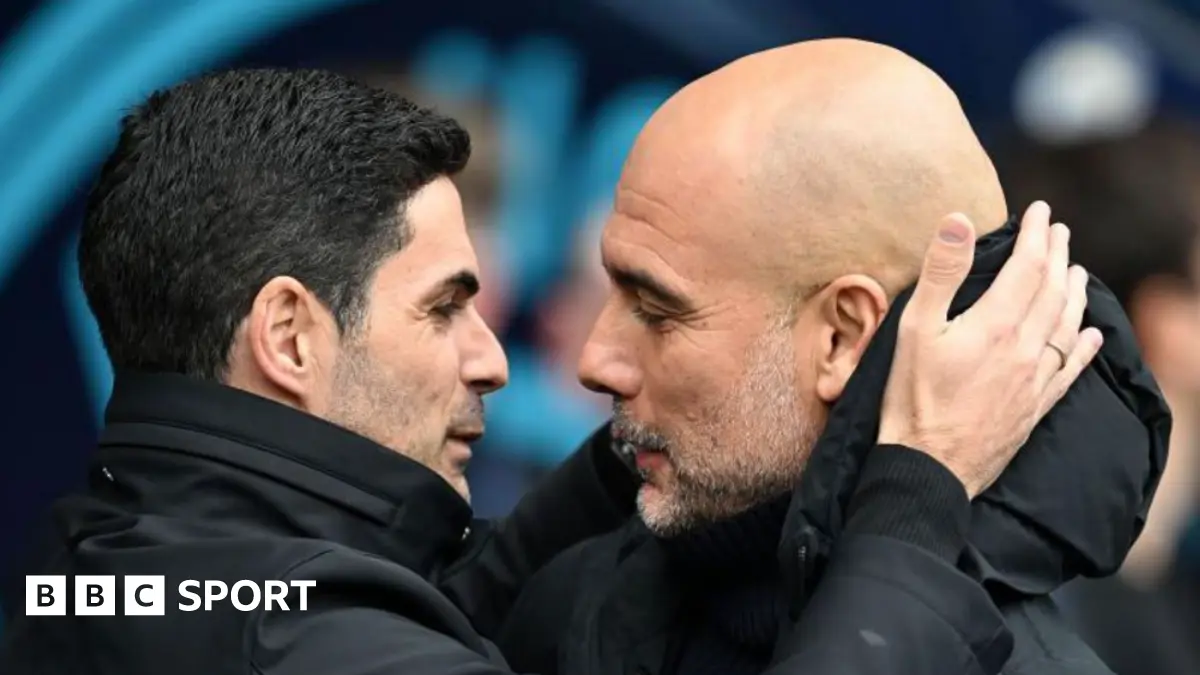
과르디올라와 아르테타, 감독이자 친구로서의 진화
The evolution of Guardiola and Arteta as managers and friends
BBC News
· 🇬🇧 London, GB
https://www.facebook.com/BBCSport/
EN
2026-04-17 14:50
Translated
일요일 프리미어리그 1위와 2위의 중요한 맞대결을 앞두고 맨체스터 시티가 아스날을 홈으로 불러들이는 가운데, 유럽 축구 전문가 기옘 발라게가 두 감독이 어떻게 진화해왔는지 살펴본다.
전 동료. 스승과 제자. 우승 경쟁자.
페프 과르디올라와 미켈 아르테타의 관계는 수년간 다양한 측면을 아우르며 그들의 지도 스타일과 함께 진화해왔다.
두 사람은 일요일 에티하드 스타디움에서 맞붙는다. 많은 이들이 이 경기를 프리미어리그 우승 결정전으로 꼽고 있다. 과르디올라의 2위 맨체스터 시티가 승리하면 아르테타의 아스날과의 격차를 3점으로 줄이고, 한 경기를 덜 치른 상황이 된다.
두 스페인인의 관계는 1997년 아르테타가 바르셀로나 아카데미에 입단하며 그의 우상이자 바르사 주장이자 동료 미드필더인 과르디올라를 만나면서 시작됐다. 팀 동료로서의 시간은 짧았지만 우정은 단단해졌다.
두 감독 사이의 소통은 2019년 아르테타가 과르디올라의 맨체스터 조수직을 그만두고 아스날 지휘봉을 잡으면서 크게 냉각됐다.
시티 감독의 다른 전 조수들은 더 가까운 연락을 유지한 반면, 아르테타는 거리를 두었고 그 거리가 침묵을 만들어냈다.
과르디올라는 끊임없이 주고받는 사람을 높이 평가하지만, 그것이 명확히 표현되지 않으면 분명한 갈등 없이도 관계가 깨질 수 있다. 아르테타는 과거의 전문적 유대에 의존하지 않고 앞으로 나아가는 사람이다.
연락은 지난해 결국 재개되었고 긴장은 풀렸다. 누가 먼저 전화했는지는 아무도 밝히려 하지 않지만, 그들은 다시 대화한다.
이제 그들은 같은 트로피를 놓고 경쟁하지만, 동시에 우정의 힘을 인정하며, 최정상에서 축구팀을 지휘하는 그 고독한 자리에서 함께 고통받는다.
맨시티가 피 냄새를 맡다—아스날이 우승 경쟁자를 두려워해야 하는 이유
'병신이라는 말이 쓰일 것' 아스날이 우승 우위를 날려버리면서
과르디올라가 이끄는 바르셀로나가 뛰던 시절, 일요일 저녁의 스페인 축구는 유럽 전역의 감독들에게 일종의 의식이 됐던 때가 있었다. 90분 동안 모든 이는 자신이 보고 있는 것을 이해하려 애썼다.
올여름 브라질의 상대 스카우트인 리버풀 출신 앤디 맨건은 그것을 교육으로 기억한다.
"처음에는 그가 무엇을 하는지 이해하지 못했다"고 맨건은 말했다. "하지만 매주 그는 공격할 공간을 파악했고, 매주 일요일 당신은 그 선수들이 기쁨으로 뛰는 것을 봤다. 우리는 어린애였지만, 그것은 많은 감독들의 삶에서 무의식적으로 중요한 학습 기간이었다."
과르디올라는 성공적인 팀을 만들었지만, 새로운 승리 방식도 창조했다.
바르셀로나의 전 축구 디렉터이자 전 리버풀 아카데미 수장인 페프 세구라는 덧붙였다: "경기의 네 단계—공격, 수비, 공격적 전환, 수비적 전환—중 과르디올라가 오기 전까지 대부분의 팀은 수비적으로 조직되었고 경기가 주는 대로 받아들였다. 그들은 반응적이었다. 과르디올라가 와서 '아니, 우리는 공격 방식에서 어떻게 뛸지 생각할 것'이라고 말했다."
축구는 점유, 포지셔닝, 볼을 중심으로 한 수적 우위로 재편되었다. 이는 반응을 촉발했고 아르테타의 이야기가 시작된 곳이었다.
"팀들은 자신에게 어떻게 대응할지 묻기 시작했다… 압박으로, 그리고 무엇보다 빠른 전환으로"라고 세구라는 말했다.
경기는 과르디올라의 접근에 대응하여 진화했다; 전환은 더 날카로워졌고, 신체적 요구는 증가했으며, 선수들은 자신이 하고 있거나 해야 할 것에 대해 생각해야 했다.
결정적으로, 아르테타는 그 세계에서 코치로 성장했다.
맨체스터 시티 대 아스날
일요일, 4월 19일 16:30 BST
BBC 라디오 5 라이브와 BBC 사운즈에서 생중계 해설을 들으세요; BBC 스포츠 앱과 웹사이트에서 생중계 텍스트 해설을 팔로우하세요.
그 시기에 밀접하게 일했던 사람들은 아르테타의 시티에서 과르디올라와 함께한 시간을 단순한 견습으로 묘사하지 않는다. 그는 감독의 방법론의 강도에 몰입한 '강력한 댄스 파트너'로 기억된다.
과르디올라는 훈련에서 특히 강도, 공격성, 경쟁적 디테일 측면에서 기준을 높이는 데 도움을 준 그의 기여를 높이 평가했다.
에버턴과 아스날 모두에서 뛴 아르테타는 프리미어리그의 템포, 심판, 팬들의 감정적 변동성, 신체적 요구에 대해 과르디올라의 눈을 뜨게 했다.
하지만 그는 과르디올라의 아이디어의 "근본주의자"는 아니었다. 조수로 있을 때 원칙에서는 일치했지만, 이미 자신만의 사고를 발전시키고 있었다. 과르디올라가 혁신하고 아르테타는 경기가 어떻게 적응할지 상상했다.
세구라는 덧붙였다: "과르디올라와 달리 독일에서 시작한 전환을 배워야 했던 것과 달리, 아르테타는 그것들과 함께 태어나고 자랐다. 그는 잉글랜드에서 뛰었고, 그것들을 안다."
과르디올라의 팀은 핵심적으로 항상 경기의 두 단계를 지배해왔다; 공격 조직과 수비적 전환. 그들은 점유를 통해 경기를 통제하고 볼을 잃었을 때 즉시 반응한다.
아르테타의 초기 아스날 팀은 통제에 크게 의존했지만, 결국 나아갔다.
전 셀타 비고 조수 데이비드 마르티네스는 설명했다: "그는 경쟁력을 갖추고 우승에 도전하려면—공격적으로 아스날보다 더 많은 자원과 재능을 가진 팀들이 있다는 것을 이해했다고 생각한다. 그는 모든 것을 지배하는 것에 기반을 두어야 개선할 수 있다는 것을 이해했다."
전 스페인 감독 로베르토 모레노는 아르테타가 유럽에서 가장 효과적인 유닛 중 하나를 만들어내며 자신만의 목소리를 발전시켰다고 주장했다.
맨건도 덧붙였다: "미켈과 함께 매력적인 것은 그가 경기가 어디로 가고 있는지 매우 빨리 이해했다는 것이다—결투, 세트피스, 롱스로… 이제 경기를 결정하는 모든 것들."
하지만 아르테타가 작업해온 그 과정에는 대가가 따른다.
팀이 리허설된 메커니즘에 더 의존할수록 정밀성에 더 의존하게 된다. 실행이 떨어지면 시스템이 어려움을 겪을 수 있다.
이것이 과르디올라와의 핵심적인 차이점이다.
그가 지휘하는 엘리트 팀은 구조 내 지능과 패턴이 깨졌을 때 즉흥적으로 해결책을 찾을 수 있는 선수들의 이상적인 조합을 유지한다.
때로 아스날은 더 경직된 것으로 인식된다. 문제를 해결하기 위해 구조를 깨는 대신 선수들이 역할에 갇혀 있는 순간들이 있다.
아스날이 최정상에서 경쟁하는 법을 배우는 동안, 과르디올라는 계속 진화했다.
적응과 아이디어에 대한 충실함 사이의 그 긴장이 55세의 그의 경력을 정의한다.
"그는 새로운 개념을 도입하기 시작한다"고 세구라는 말했다. "무엇보다 수비적 전환, 그곳에서 그는 엄청나게 진화한다."
"아르테타는 펩보다 더 많은 신체적 프로필을 도입했다. 펩은 더 기술적인 선수를 찾는다… 아르테타는 힘, 속도, 파워를 찾는다."
하지만 여전히 많은 공통점이 있다.
"둘 다 공격적 전환을 개선하기 위한 조각들을 찾아왔다"고 세구라는 덧붙였다. "시티는 [엘링] 홀란드로… 아르테타는 [빅토르] 죄케레스로."
비교가 가장 드러나는 요소가 있다. 엘리트 축구에서 감독을 정의하는 것은 어려움에 어떻게 대응하는가이다.
아르테타는 지금 그 순간에 있다. 그는 최고와 경쟁할 수 있는 팀을 만들었다. 하지만 마지막 단계—최정상에서 꾸준히 승리하는 것—이 그가 가고자 하는 곳이다.
결과가 따르지 않을 때, 유혹은 항상 같다; 외부 압력에 반응하여 변화하라. 아르테타는 그 아이디어들을 버리지 않았다. 그는 배로 늘렸다. 그는 선수들에게 더 많은 것을 요구하고, 같은 틀 안에서 더 강하게 밀어붙였다.
엘리트 스포츠에서 패배는 과정의 일부로 여겨진다. 다음 단계는 진화하고 같은 노력으로, 또는 더 많은 노력으로 다시 시도하는 것이다.
과르디올라는 그 사이클을 반복적으로 경험했다. 좌절 후, 비판 후, 그는 자신의 원칙으로 돌아가 그것들을 확장했다.
전 번리, 에버턴, 노팅엄 포리스트 감독 숀 다이치는 그 회복력을 가까이서 목격했다.
"어려운 시기에 펩은 당황하지 않았다"고 그는 말했다. "그는 조정했지만, 자신이 믿는 것에 충실했다."
"펩의 훌륭한 지도력이라고 생각하고, 아르테타도… 그들은 특정 방식으로 이기려 했지만, 우리가 전에 알던 방식으로 뛰도록 진화하기도 했다."
아르테타가 직면한 도전에는 또 다른 층이 있는데, 그것은 부분적으로 과르디올라 자신이 만들어낸 것이다.
"축구에서 가장 큰 변화는 이제 승리만으로는 충분하지 않다는 것"이라고 다이치는 덧붙였다. "사람들은 어떻게 이기는지 묻는다."
과르디올라가 기대를 바꿨다.
그래서 이제 아스날은 그들의 발전에도 불구하고 결과로, 물론, 인식으로도 평가받는다.
프리미어리그 팀에 대한 뉴스, 통찰, 팬 의견 받기
모든 축구 퀴즈를 한 곳에서
프리미어리그 인덱스
프리미어리그 순위표
프리미어리그 일정
페프 과르디올라와 미켈 아르테타의 관계는 수년간 다양한 측면을 아우르며 그들의 지도 스타일과 함께 진화해왔다.
두 사람은 일요일 에티하드 스타디움에서 맞붙는다. 많은 이들이 이 경기를 프리미어리그 우승 결정전으로 꼽고 있다. 과르디올라의 2위 맨체스터 시티가 승리하면 아르테타의 아스날과의 격차를 3점으로 줄이고, 한 경기를 덜 치른 상황이 된다.
두 스페인인의 관계는 1997년 아르테타가 바르셀로나 아카데미에 입단하며 그의 우상이자 바르사 주장이자 동료 미드필더인 과르디올라를 만나면서 시작됐다. 팀 동료로서의 시간은 짧았지만 우정은 단단해졌다.
두 감독 사이의 소통은 2019년 아르테타가 과르디올라의 맨체스터 조수직을 그만두고 아스날 지휘봉을 잡으면서 크게 냉각됐다.
시티 감독의 다른 전 조수들은 더 가까운 연락을 유지한 반면, 아르테타는 거리를 두었고 그 거리가 침묵을 만들어냈다.
과르디올라는 끊임없이 주고받는 사람을 높이 평가하지만, 그것이 명확히 표현되지 않으면 분명한 갈등 없이도 관계가 깨질 수 있다. 아르테타는 과거의 전문적 유대에 의존하지 않고 앞으로 나아가는 사람이다.
연락은 지난해 결국 재개되었고 긴장은 풀렸다. 누가 먼저 전화했는지는 아무도 밝히려 하지 않지만, 그들은 다시 대화한다.
이제 그들은 같은 트로피를 놓고 경쟁하지만, 동시에 우정의 힘을 인정하며, 최정상에서 축구팀을 지휘하는 그 고독한 자리에서 함께 고통받는다.
맨시티가 피 냄새를 맡다—아스날이 우승 경쟁자를 두려워해야 하는 이유
'병신이라는 말이 쓰일 것' 아스날이 우승 우위를 날려버리면서
과르디올라가 이끄는 바르셀로나가 뛰던 시절, 일요일 저녁의 스페인 축구는 유럽 전역의 감독들에게 일종의 의식이 됐던 때가 있었다. 90분 동안 모든 이는 자신이 보고 있는 것을 이해하려 애썼다.
올여름 브라질의 상대 스카우트인 리버풀 출신 앤디 맨건은 그것을 교육으로 기억한다.
"처음에는 그가 무엇을 하는지 이해하지 못했다"고 맨건은 말했다. "하지만 매주 그는 공격할 공간을 파악했고, 매주 일요일 당신은 그 선수들이 기쁨으로 뛰는 것을 봤다. 우리는 어린애였지만, 그것은 많은 감독들의 삶에서 무의식적으로 중요한 학습 기간이었다."
과르디올라는 성공적인 팀을 만들었지만, 새로운 승리 방식도 창조했다.
바르셀로나의 전 축구 디렉터이자 전 리버풀 아카데미 수장인 페프 세구라는 덧붙였다: "경기의 네 단계—공격, 수비, 공격적 전환, 수비적 전환—중 과르디올라가 오기 전까지 대부분의 팀은 수비적으로 조직되었고 경기가 주는 대로 받아들였다. 그들은 반응적이었다. 과르디올라가 와서 '아니, 우리는 공격 방식에서 어떻게 뛸지 생각할 것'이라고 말했다."
축구는 점유, 포지셔닝, 볼을 중심으로 한 수적 우위로 재편되었다. 이는 반응을 촉발했고 아르테타의 이야기가 시작된 곳이었다.
"팀들은 자신에게 어떻게 대응할지 묻기 시작했다… 압박으로, 그리고 무엇보다 빠른 전환으로"라고 세구라는 말했다.
경기는 과르디올라의 접근에 대응하여 진화했다; 전환은 더 날카로워졌고, 신체적 요구는 증가했으며, 선수들은 자신이 하고 있거나 해야 할 것에 대해 생각해야 했다.
결정적으로, 아르테타는 그 세계에서 코치로 성장했다.
맨체스터 시티 대 아스날
일요일, 4월 19일 16:30 BST
BBC 라디오 5 라이브와 BBC 사운즈에서 생중계 해설을 들으세요; BBC 스포츠 앱과 웹사이트에서 생중계 텍스트 해설을 팔로우하세요.
그 시기에 밀접하게 일했던 사람들은 아르테타의 시티에서 과르디올라와 함께한 시간을 단순한 견습으로 묘사하지 않는다. 그는 감독의 방법론의 강도에 몰입한 '강력한 댄스 파트너'로 기억된다.
과르디올라는 훈련에서 특히 강도, 공격성, 경쟁적 디테일 측면에서 기준을 높이는 데 도움을 준 그의 기여를 높이 평가했다.
에버턴과 아스날 모두에서 뛴 아르테타는 프리미어리그의 템포, 심판, 팬들의 감정적 변동성, 신체적 요구에 대해 과르디올라의 눈을 뜨게 했다.
하지만 그는 과르디올라의 아이디어의 "근본주의자"는 아니었다. 조수로 있을 때 원칙에서는 일치했지만, 이미 자신만의 사고를 발전시키고 있었다. 과르디올라가 혁신하고 아르테타는 경기가 어떻게 적응할지 상상했다.
세구라는 덧붙였다: "과르디올라와 달리 독일에서 시작한 전환을 배워야 했던 것과 달리, 아르테타는 그것들과 함께 태어나고 자랐다. 그는 잉글랜드에서 뛰었고, 그것들을 안다."
과르디올라의 팀은 핵심적으로 항상 경기의 두 단계를 지배해왔다; 공격 조직과 수비적 전환. 그들은 점유를 통해 경기를 통제하고 볼을 잃었을 때 즉시 반응한다.
아르테타의 초기 아스날 팀은 통제에 크게 의존했지만, 결국 나아갔다.
전 셀타 비고 조수 데이비드 마르티네스는 설명했다: "그는 경쟁력을 갖추고 우승에 도전하려면—공격적으로 아스날보다 더 많은 자원과 재능을 가진 팀들이 있다는 것을 이해했다고 생각한다. 그는 모든 것을 지배하는 것에 기반을 두어야 개선할 수 있다는 것을 이해했다."
전 스페인 감독 로베르토 모레노는 아르테타가 유럽에서 가장 효과적인 유닛 중 하나를 만들어내며 자신만의 목소리를 발전시켰다고 주장했다.
맨건도 덧붙였다: "미켈과 함께 매력적인 것은 그가 경기가 어디로 가고 있는지 매우 빨리 이해했다는 것이다—결투, 세트피스, 롱스로… 이제 경기를 결정하는 모든 것들."
하지만 아르테타가 작업해온 그 과정에는 대가가 따른다.
팀이 리허설된 메커니즘에 더 의존할수록 정밀성에 더 의존하게 된다. 실행이 떨어지면 시스템이 어려움을 겪을 수 있다.
이것이 과르디올라와의 핵심적인 차이점이다.
그가 지휘하는 엘리트 팀은 구조 내 지능과 패턴이 깨졌을 때 즉흥적으로 해결책을 찾을 수 있는 선수들의 이상적인 조합을 유지한다.
때로 아스날은 더 경직된 것으로 인식된다. 문제를 해결하기 위해 구조를 깨는 대신 선수들이 역할에 갇혀 있는 순간들이 있다.
아스날이 최정상에서 경쟁하는 법을 배우는 동안, 과르디올라는 계속 진화했다.
적응과 아이디어에 대한 충실함 사이의 그 긴장이 55세의 그의 경력을 정의한다.
"그는 새로운 개념을 도입하기 시작한다"고 세구라는 말했다. "무엇보다 수비적 전환, 그곳에서 그는 엄청나게 진화한다."
"아르테타는 펩보다 더 많은 신체적 프로필을 도입했다. 펩은 더 기술적인 선수를 찾는다… 아르테타는 힘, 속도, 파워를 찾는다."
하지만 여전히 많은 공통점이 있다.
"둘 다 공격적 전환을 개선하기 위한 조각들을 찾아왔다"고 세구라는 덧붙였다. "시티는 [엘링] 홀란드로… 아르테타는 [빅토르] 죄케레스로."
비교가 가장 드러나는 요소가 있다. 엘리트 축구에서 감독을 정의하는 것은 어려움에 어떻게 대응하는가이다.
아르테타는 지금 그 순간에 있다. 그는 최고와 경쟁할 수 있는 팀을 만들었다. 하지만 마지막 단계—최정상에서 꾸준히 승리하는 것—이 그가 가고자 하는 곳이다.
결과가 따르지 않을 때, 유혹은 항상 같다; 외부 압력에 반응하여 변화하라. 아르테타는 그 아이디어들을 버리지 않았다. 그는 배로 늘렸다. 그는 선수들에게 더 많은 것을 요구하고, 같은 틀 안에서 더 강하게 밀어붙였다.
엘리트 스포츠에서 패배는 과정의 일부로 여겨진다. 다음 단계는 진화하고 같은 노력으로, 또는 더 많은 노력으로 다시 시도하는 것이다.
과르디올라는 그 사이클을 반복적으로 경험했다. 좌절 후, 비판 후, 그는 자신의 원칙으로 돌아가 그것들을 확장했다.
전 번리, 에버턴, 노팅엄 포리스트 감독 숀 다이치는 그 회복력을 가까이서 목격했다.
"어려운 시기에 펩은 당황하지 않았다"고 그는 말했다. "그는 조정했지만, 자신이 믿는 것에 충실했다."
"펩의 훌륭한 지도력이라고 생각하고, 아르테타도… 그들은 특정 방식으로 이기려 했지만, 우리가 전에 알던 방식으로 뛰도록 진화하기도 했다."
아르테타가 직면한 도전에는 또 다른 층이 있는데, 그것은 부분적으로 과르디올라 자신이 만들어낸 것이다.
"축구에서 가장 큰 변화는 이제 승리만으로는 충분하지 않다는 것"이라고 다이치는 덧붙였다. "사람들은 어떻게 이기는지 묻는다."
과르디올라가 기대를 바꿨다.
그래서 이제 아스날은 그들의 발전에도 불구하고 결과로, 물론, 인식으로도 평가받는다.
프리미어리그 팀에 대한 뉴스, 통찰, 팬 의견 받기
모든 축구 퀴즈를 한 곳에서
프리미어리그 인덱스
프리미어리그 순위표
프리미어리그 일정
처리 완료
219 tokens · $0.0004
기사 수집 완료 · 15:00
매체 피드에서 기사 메타데이터 수집
헤드라인 번역 완료 · 15:17
제목/요약 한국어 번역 (fetch 시점 inline)
kimi-k2.5
219 tokens
$0.00044
6.0s
본문 추출 완료
8,193자 추출 완료
본문 한국어 번역 완료 · 15:17
4,139자 번역 완료
지정학적 엔티티 추출 완료 · 15:17
8개 엔티티 추출 완료
지정학적 맥락 & R-Scanner
R-Scanner · 평상
z=-1.94
일상적인 보도 수준 — 기준: Manchester
(🇬🇧 GB)
최근 6시간 0건
7일 평균 4.57건 / 6h
0개국 매체
0개 매체
본문에서 추출된 지명 (8)
위치 지도
지도 로딩 중…
같은 주제의 다른 기사 (최근 7일)
As Manchester City prepare to host Arsenal in Sunday's crucial Premier League meeting between the top two, European football expert Guillem Balague looks at how the two managers have evolved.
Former colleagues. Master and apprentice. Title rivals.Pep Guardiola and Mikel Arteta's relationship has cut across a range of strands over the years - and evolved along with their managerial styles.
The pair go head to head at Etihad Stadium on Sunday in a match many have billed as a Premier League title decider. A win for Guardiola and second-placed Manchester City would cut the lead of Arteta's Arsenal side to just three points, with a game in hand.
The Spaniards' relationship started in 1997 when Arteta joined Barcelona's academy - meeting his idol, Barca skipper and fellow midfielder Guardiola. Their time as team-mates was brief, but a friendship was forged.
Communication between the two managers cooled significantly when Arteta gave up his role as Guardiola's assistant in Manchester back in 2019 to take charge of Arsenal.
While the City boss' other former assistants maintained closer contact, Arteta stepped away - and that distance created silence.
Guardiola appreciates those that give and take continuously, but if that is not clearly expressed, relationships can fracture even without a clear conflict. Arteta is someone who moves forward without being dependent on past professional bonds.
Contact was eventually re-established in the last year and tensions eased. Nobody wants to say who made the first call, but they speak again.
They are now competing for the same trophies but, at the same time, recognise the strength of the friendship, and both suffer in that solitary place that is managing a football team at the very top.
Man City smell blood - why Arsenal should fear title rivals
'Bottle word will be used' as Arsenal blow title advantage
There was a time when Spanish football on Sunday evenings became a kind of ritual for coaches across Europe when the Guardiola-led Barcelona were in action. For 90 minutes everyone tried to understand what they were watching.
Liverpool-born Andy Mangan, opposition scout for Brazil this summer, remembers it as an education.
"At first I didn't understand what he was doing," said Mangan. "But every week he would identify a space to attack, and every Sunday you watched those players play with joy. We were kids but it was inadvertently a vital learning period of so many coaches' lives."
Guardiola built a successful team, but he also created a new way of winning.
Pep Segura, former director of football at Barcelona and ex-Liverpool academy head, added: "Of the four phases of the game - attack, defence, offensive transition, defensive transition - until Pep arrived, most teams structured themselves defensively and took whatever the game gave them. They were reactive. Guardiola arrived and said, 'no, we will think about how we play from the way we attack'."
Football reorganised around possession, positioning and numerical superiority with the ball as the centre of everything. This triggered a response and was where Arteta's story began.
"Teams started asking themselves how to counter this… with pressing and, above all, quick transitions," said Segura.
The game evolved in response to Guardiola's approach; transitions became sharper, physical demands increased, players had to think about what they were doing or had to do.
Crucially, Arteta grew up as a coach in that world.
Manchester City v Arsenal
Sunday, 19 April at 16:30 BST
Listen to live commentary on BBC Radio 5 Live and BBC Sounds; follow live text commentary on the BBC Sport app and website.
Those who worked closely within that period describe Arteta's time alongside Guardiola at City not just as an apprenticeship. He was remembered as a "formidable dance partner", immersed in the intensity of the manager's methodology.
Guardiola valued his input highly as he helped raise standards in training, particularly in intensity, aggression and competitive detail.
Having played for both Everton and Arsenal, Arteta opened Guardiola's eyes about the Premier League tempo, refereeing, emotional volatility of fans and physical demands.
But he was never a "fundamentalist" of Guardiola's ideas. While aligned in principles when he was his assistant, he was already developing his own thinking. Guardiola innovated and Arteta imagined how the game would adapt.
Segura added: "Unlike Pep, who had to learn transitions which he started doing in Germany, Arteta was born and grew up with them. He played in England, he knows them."
Guardiola's teams, at their core, have always dominated two phases of the game; attacking organisation and defensive transition. They control matches through possession and react immediately when the ball is lost.
Arteta's early Arsenal teams leaned heavily on control, but eventually moved on.
Former Celta Vigo assistant David Martinez explained: "I think he understood that to be competitive and aspire to win titles - offensively there are teams with more resources and talent than Arsenal. He understood he had to base his improvement on dominating everything."
Robert Moreno, former Spain coach, argued Arteta developed his own voice into producing one of the most effective units in Europe.
Mangan also added: "What's fascinating with Mikel is that he's understood where the game is going very quickly - duels, set-pieces, long throws… all the things that now decide matches."
But that process Arteta has worked on comes at a price.
The more a team relies on rehearsed mechanisms, the more it depends on precision. If execution drops, the system can struggle.
This is a key distinction from Guardiola.
Elite teams managed by him maintain an ideal combination of intelligence within structure, and he has players capable of improvising solutions when patterns break down.
At times, Arsenal are perceived as more rigid. There are moments where, instead of breaking structure to solve problems, players remain locked into roles.
While Arsenal learned to compete at the highest level, Guardiola continued to evolve.
That tension - between adapting and remaining faithful to an idea - defines the 55-year-old's career.
"He starts incorporating new concepts," said Segura. "Above all defensive transition, that's where he evolves enormously.
"Arteta incorporated more physical profiles than Pep. Pep seeks more technical players… Arteta looks for strength, speed, power."
But there are still plenty of points of convergence.
"Both have looked for pieces to improve the offensive transition," added Segura. "City with [Erling] Haaland… Arteta with [Viktor] Gyokeres."
There is an element where the comparison becomes most revealing. In elite football, what defines coaches is how they respond to difficulty.
Arteta is in that moment now. He has built a team capable of competing with the best. But the final step - winning consistently at the very top - is where he wants to get to.
When results do not follow, the temptation is always the same; change and react to external pressure. Arteta has not abandoned those ideas. He has doubled down. He has asked more of his players, pushed harder but within the same framework.
In elite sport, losing is considered part of the process. The next step is evolving and trying again with the same effort, or more.
Guardiola has lived that cycle repeatedly. After setbacks, after criticism, he has returned to his principles and expanded them.
Former Burnley, Everton and Nottingham Forest boss Sean Dyche has witnessed that resilience up close.
"In difficult times, Pep didn't panic," he said. "He adjusted, but he stayed true to what he believes.
"I think it's brilliant management from Pep, and Arteta… they have tried to win a certain way, but they have also evolved to play in ways that we knew before."
There is another layer to the challenge Arteta faces, one created, in part, by Guardiola himself.
"The biggest shift in football now is that winning isn't enough anymore," added Dyche. "People ask how you win."
Guardiola changed expectations.
So now Arsenal, despite their development, are judged on results of course, but also on perception.
Get news, insight and fan views on your Premier League team
All your football quizzes in one place
Premier League index
Premier League table
Premier League fixtures