크리스토퍼 럭슨, 기상 재해 잇따르자 이주 논의 언급
Talk of relocation after string of weather disasters, Christopher Luxon says
RNZ
· 🇳🇿 Wellington, NZ
Morning Report
EN
2026-04-13 05:54
Translated
악천후가 다시 한번 국가 일부 지역에 홍수, 피해와 파괴를 가져왔고, 불확실성과 스트레스를 낳고 있다.
폭풍 중 협곡에서 홍수로 불어난 갈색 강물.
사진: RNZ/ 닉 몬로
악천후가 다시 한번 국가 일부 지역에 홍수, 피해와 파괴를 가져왔고, 특히 이전에 피해를 입은 지역을 중심으로 훨씬 더 넓은 지역에 불확실성과 스트레스를 낳고 있다.
RNZ 집계에 따르면 올해 들어 극단적인 기상 경보인 적색 경보가 4차례 발령되었고, 극단적인 기상 현상은 최소 6차례 발생했으며, 이는 4월에 불과하다.
주말 사이 북섬 대부분 지역에 홍수와 피해를 가져온 사이클론 바이아누로 인해 대피령이 내려지고 도로가 봉쇄되며 많은 주민이 정전을 겪었다.
크리스토퍼 럭슨.
사진: RNZ / 새뮤얼 릴스톤
총리는 바이아누 사이클론 대응이 이전 비상사태보다 훨씬 나았다고 밝혔다.
크리스토퍼 럭슨은 월요일 모닝 리포트와의 인터뷰에서 지방정부와 중앙정부, 민방위, 이위, 하푸 간 시스템이 잘 작동했다고 말했다.
"이것이 이러한 사건들을 점점 더 많이 겪어온 슬픈 현실입니다," 그는 말했다.
"시장들이든, 민방위든, NEMA든, 우리의 응급대원들이든, 농촌 지원이든, 훌륭한 협력이 있었고 종종 비슷한 규모의 일련의 사건들을 겪으면서 우리는 훨씬 더 긴밀하게 연결되고 정비되었습니다.
"하지만 이번 사건에서 특히 메시지가 매우 강력하게 전달되었고 뉴질랜드 가족과 가정들도 책임을 다했다는 점에 대해 매우 감사하게 생각합니다."
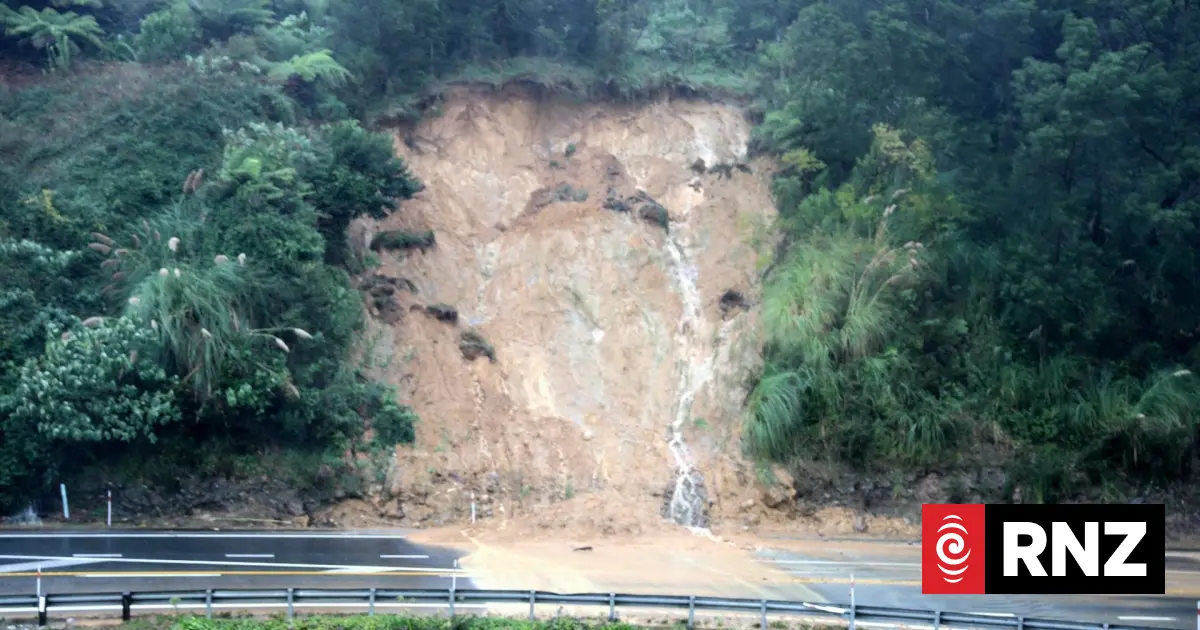
북섬 동부의 주요 도로인 국도 2호선과 35호선은 산사태와 홍수로 인해 주요 기상 사건 기간과 이후에 자주 봉쇄되었다.
럭슨은 기후변화로 인한 악천후와 홍수에 취약한 지역에서 이주에 대해 이위들이 "대화"를 나누고 있다고 밝혔다.
"그들은 그 지역과 매우 밀접하게 연결되어 온 장로들과 그러한 대화를 나누고 있으며, 이는 매우 긍정적인 일입니다."
현재 홍수 취약 지역에 거주하는 약 67만 5천 명, 즉 14%의 뉴질랜드인에 대해 럭슨은 "시간이 지남에 따라 어떻게 관리할지 재고해야 할 뉴질랜드 지역들이 될 것이라는 잔혹한 현실의 진실과 마주해야 할 때"라고 말했다.
"그래서 우리는 국가 홍수 계획, 국가 적응 프레임워크를 마련해야 합니다... 예를 들어 홍수 평원에 다시 건설하는 같은 어리석은 짓을 하지 않도록 해야 합니다.
"그리고 우리는 지난 수십 년 동안, 지난 40, 50년 동안 많은 것을 보아왔습니다. 50년대와 60년대에 어디에 건설하지 말아야 하는지에 대한 지식이 있었음에도 불구하고 70년대와 80년대에 그곳에 건설되었고, 보다시피 문제가 발생했습니다.
"그래서 우리는 이를 처리하는 방식에 훨씬 더 전략적이어야 하고, 우리가 하는 모든 것에 회복력을 내재화해야 합니다."
예로서 럭슨은 "이전에 본 것보다 더 높은 수준의 회복력과 홍수 방어"를 갖춘 네이피어와 헤이스팅스 간 새로운 4차선 도로를 언급했다.
"우리는 제방과 홍수 방어에 2억 달러를 투입했습니다... 이는 많은 다른 지역사회에 엄청난 이익을 가져왔습니다.
"우리는 정말 열심히 노력하고 있습니다—올해 말까지 처음으로 국가 홍수 계획을 수립할 예정입니다. 이런 것들이 수년 전부터 있었어야 한다는 점은 알지만, 실질적인 일을 하지 않았습니다."
정보공개법에 따라 공개된 환경부의 답변서에 따르면, 정부가 주장하는 "2020년 이후 홍수 방어 지출 10억 달러 이상"의 거의 전부는 전 정부가 약속한 것이며, 현 정부의 기여는 지역 인프라 기금을 통한 2억 달러에 불과하다.
일회성 재난 복구 자금 6억 4,750만 달러를 제외하면, 전 정부는 3년간 홍수 회복력에 3억 4천만 달러를 약속했다.
현 정부는 또한 석유 및 가스 탐사 재개를 포함한 다수의 기후 조치를 취소하거나 축소했으며, 12월에는 뉴질랜드의 배출 목표를 강화하기 위한 기후변화위원회의 모든 권고를 거부했다.
럭슨은 뉴질랜드만 기후 문제에 직면한 것이 아니라고 말했다.
"사실, 많은 다른 나라들도 같은 처지입니다. 그리고 이것을 생각해 봐야 합니다. 은행도 있고, 보험사도 있고, 지방의회도 있고, 중앙정부도 있고, 주택 소유자와 토지 소유자도 있습니다. 그리고 여러 세대가 이러한 문제들을 다루게 될 것입니다.
"그래서 시간이 지남에 따라 어떻게 훨씬 더 많은 지식 데이터를 얻어 뉴질랜드를 강화하고 더 회복력 있게 만들 수 있을까요? 그래서 예를 들어, 지난 홍수 때 힉스 베이 웨이, 국도 35호선에 올랐는데... 젊은 와히네 지도자들과 이위와 하푸의 다른 응급대응 지도자들이 놀라운 일을 하고 있다는 점이 흥미로웠습니다.
재무부는 향후 50년 내에 가브리엘 규모의 또 다른 사건이 발생할 가능성이 80%라고 경고했다.
사진: RNZ/ 닉 몬로
악천후가 다시 한번 국가 일부 지역에 홍수, 피해와 파괴를 가져왔고, 특히 이전에 피해를 입은 지역을 중심으로 훨씬 더 넓은 지역에 불확실성과 스트레스를 낳고 있다.
RNZ 집계에 따르면 올해 들어 극단적인 기상 경보인 적색 경보가 4차례 발령되었고, 극단적인 기상 현상은 최소 6차례 발생했으며, 이는 4월에 불과하다.
주말 사이 북섬 대부분 지역에 홍수와 피해를 가져온 사이클론 바이아누로 인해 대피령이 내려지고 도로가 봉쇄되며 많은 주민이 정전을 겪었다.
크리스토퍼 럭슨.
사진: RNZ / 새뮤얼 릴스톤
총리는 바이아누 사이클론 대응이 이전 비상사태보다 훨씬 나았다고 밝혔다.
크리스토퍼 럭슨은 월요일 모닝 리포트와의 인터뷰에서 지방정부와 중앙정부, 민방위, 이위, 하푸 간 시스템이 잘 작동했다고 말했다.
"이것이 이러한 사건들을 점점 더 많이 겪어온 슬픈 현실입니다," 그는 말했다.
"시장들이든, 민방위든, NEMA든, 우리의 응급대원들이든, 농촌 지원이든, 훌륭한 협력이 있었고 종종 비슷한 규모의 일련의 사건들을 겪으면서 우리는 훨씬 더 긴밀하게 연결되고 정비되었습니다.
"하지만 이번 사건에서 특히 메시지가 매우 강력하게 전달되었고 뉴질랜드 가족과 가정들도 책임을 다했다는 점에 대해 매우 감사하게 생각합니다."
북섬 동부의 주요 도로인 국도 2호선과 35호선은 산사태와 홍수로 인해 주요 기상 사건 기간과 이후에 자주 봉쇄되었다.
럭슨은 기후변화로 인한 악천후와 홍수에 취약한 지역에서 이주에 대해 이위들이 "대화"를 나누고 있다고 밝혔다.
"그들은 그 지역과 매우 밀접하게 연결되어 온 장로들과 그러한 대화를 나누고 있으며, 이는 매우 긍정적인 일입니다."
현재 홍수 취약 지역에 거주하는 약 67만 5천 명, 즉 14%의 뉴질랜드인에 대해 럭슨은 "시간이 지남에 따라 어떻게 관리할지 재고해야 할 뉴질랜드 지역들이 될 것이라는 잔혹한 현실의 진실과 마주해야 할 때"라고 말했다.
"그래서 우리는 국가 홍수 계획, 국가 적응 프레임워크를 마련해야 합니다... 예를 들어 홍수 평원에 다시 건설하는 같은 어리석은 짓을 하지 않도록 해야 합니다.
"그리고 우리는 지난 수십 년 동안, 지난 40, 50년 동안 많은 것을 보아왔습니다. 50년대와 60년대에 어디에 건설하지 말아야 하는지에 대한 지식이 있었음에도 불구하고 70년대와 80년대에 그곳에 건설되었고, 보다시피 문제가 발생했습니다.
"그래서 우리는 이를 처리하는 방식에 훨씬 더 전략적이어야 하고, 우리가 하는 모든 것에 회복력을 내재화해야 합니다."
예로서 럭슨은 "이전에 본 것보다 더 높은 수준의 회복력과 홍수 방어"를 갖춘 네이피어와 헤이스팅스 간 새로운 4차선 도로를 언급했다.
"우리는 제방과 홍수 방어에 2억 달러를 투입했습니다... 이는 많은 다른 지역사회에 엄청난 이익을 가져왔습니다.
"우리는 정말 열심히 노력하고 있습니다—올해 말까지 처음으로 국가 홍수 계획을 수립할 예정입니다. 이런 것들이 수년 전부터 있었어야 한다는 점은 알지만, 실질적인 일을 하지 않았습니다."
정보공개법에 따라 공개된 환경부의 답변서에 따르면, 정부가 주장하는 "2020년 이후 홍수 방어 지출 10억 달러 이상"의 거의 전부는 전 정부가 약속한 것이며, 현 정부의 기여는 지역 인프라 기금을 통한 2억 달러에 불과하다.
일회성 재난 복구 자금 6억 4,750만 달러를 제외하면, 전 정부는 3년간 홍수 회복력에 3억 4천만 달러를 약속했다.
현 정부는 또한 석유 및 가스 탐사 재개를 포함한 다수의 기후 조치를 취소하거나 축소했으며, 12월에는 뉴질랜드의 배출 목표를 강화하기 위한 기후변화위원회의 모든 권고를 거부했다.
럭슨은 뉴질랜드만 기후 문제에 직면한 것이 아니라고 말했다.
"사실, 많은 다른 나라들도 같은 처지입니다. 그리고 이것을 생각해 봐야 합니다. 은행도 있고, 보험사도 있고, 지방의회도 있고, 중앙정부도 있고, 주택 소유자와 토지 소유자도 있습니다. 그리고 여러 세대가 이러한 문제들을 다루게 될 것입니다.
"그래서 시간이 지남에 따라 어떻게 훨씬 더 많은 지식 데이터를 얻어 뉴질랜드를 강화하고 더 회복력 있게 만들 수 있을까요? 그래서 예를 들어, 지난 홍수 때 힉스 베이 웨이, 국도 35호선에 올랐는데... 젊은 와히네 지도자들과 이위와 하푸의 다른 응급대응 지도자들이 놀라운 일을 하고 있다는 점이 흥미로웠습니다.
재무부는 향후 50년 내에 가브리엘 규모의 또 다른 사건이 발생할 가능성이 80%라고 경고했다.
처리 완료
171 tokens · $0.0003
기사 수집 완료 · 06:05
매체 피드에서 기사 메타데이터 수집
헤드라인 번역 완료 · 06:16
제목/요약 한국어 번역 (fetch 시점 inline)
kimi-k2.5
171 tokens
$0.00033
3.6s
본문 추출 완료
4,799자 추출 완료
본문 한국어 번역 완료 · 06:16
2,256자 번역 완료
지정학적 엔티티 추출 완료 · 06:17
7개 엔티티 추출 완료
지정학적 맥락 & R-Scanner
R-Scanner · 평상
z=-1.25
일상적인 보도 수준 — 기준: North Island
(🇳🇿 NZ)
최근 6시간 0건
7일 평균 2.25건 / 6h
0개국 매체
0개 매체
본문에서 추출된 지명 (7)
North Island
🇳🇿
New Zealand
🇳🇿
State Highway 2
🇳🇿
State Highway 35
🇳🇿
Napier
🇳🇿
Hastings
🇳🇿
Hicks Bay
🇳🇿
위치 지도
지도 로딩 중…
같은 주제의 다른 기사 (최근 7일)
Wild weather has once again brought flooding, damage and destruction to parts of the country, and uncertainty and stress.
A brown river raging in flood, in a gorge, during a storm.Photo: RNZ/ Nick Monro
Wild weather has once again brought flooding, damage and destruction to parts of the country, and uncertainty and stress over a far greater region - particularly those hit before.
There have been four red weather warnings - reserved for the most extreme events - and at least six extreme weather events so far this year, by RNZ's count - and it's only April.
Cyclone Vaianu over the weekend brought flooding and damage across much of the North Island, forcing evacuations, shutting roads and leaving many without power.
Christopher Luxon.
Photo: RNZ / Samuel Rillstone
The prime minister says the response to Cyclone Vaianu has been far better than previous emergencies.
Christopher Luxon told Morning Report on Monday the system responded well - between local and central government as well as civil defence, iwi and hapū.
"This is the sad reality as we've dealt with more and more of these events, you know," he said.
"Whether it's the mayors, the Civil Defence, NEMA, you know, our first responders, the rural support, you know, there's just been great collaboration and we've had a series of events that have often been similar size and we're just so much more joined up and sorted.
"But I think I'm also very grateful, particularly in this event, the message went out very strongly and Kiwi families and households also took responsibility."
Key roads in the eastern part of the North Island, State Highways 2 and 35, were frequently closed during and after major weather events, often by slips and flooding.
Luxon said iwi were having "conversations" about relocating from areas prone to bad weather and flooding due to climate change.
"They're having those conversations with the elders who have been very connected to those areas, and that's been a really positive thing."
As for the 14 percent - around 675,000 - New Zealanders who currently live in areas prone to flooding, Luxon said it was time to "confront the brutal facts of the reality that actually they are going to be areas of New Zealand that we're going to have to rethink over time how we manage that".
"That's why we've got to work on a national flood plan, national adaptation framework… make sure we're not doing dumb stuff, for example, building back into flood plains.
"And we've seen a lot of that over multiple decades, you know, over the last 40, 50 years. Knowledge that existed in the '50s and the '60s about where not to build ends up getting built on the '70s and '80s, and lo and behold, we have a problem.
"So, we've just got to be much more strategic about how we deal with it and then embed resilience into everything that we're doing."
As an example, Luxon cited a new four-lane road proposed between Napier and Hastings with "a higher level of resilience and flood protection than we've seen".
"We've put $200 million into stop banks and flood protection… that had huge benefits for many different communities.
"We're working really hard on - we're going to have a national flood plan for the first time ever by the end of this year. I know this stuff sounds like we should have had it for years, but we didn't do the practical stuff."
A response from the Ministry for the Environment released under the Official Information Act detailed that of the government's claim of "over $1 billion since 2020" in flood protection spending, nearly all of it was committed by the previous government; this government's contribution has been $200m through the Regional Infrastructure Fund.
Setting aside the $647.5m in one-off disaster recovery funding, the previous government committed $340m over three years to flood resilience.
The present government has also cancelled or scaled back a number of climate measures, including resuming oil and gas exploration, and in December rejected all of the Climate Change Commission's recommendations to strengthen New Zealand's emissions targets.
Luxon said New Zealand was not alone in facing climate challenges.
"In fact, many other countries are in the same boat. And you've got to think about it. There's banks, there's insurers, there's councils, there's central government, there's homeowners and landowners. And there's going to be multiple generations, they're going to be dealing with these issues.
"So over time, how do we get much more knowledge data so that we can actually strengthen New Zealand and make it more resilient and not doing it? So for example, last flood I was up in Hicks Bay Way, State Highway 35... and it was interesting talking to the young Wahine leaders who are doing an amazing job and other emergency response leaders of iwi and hapu.
Treasury has warned of an 80 percent chance of another Gabrielle-scale event in the next 50 years.