정부가 아닌 지역사회가 결정해야 하는 계획적 후퇴 - 데이비드 세이머
Managed retreat for communities to decide, not government - David Seymour
RNZ
· 🇳🇿 Wellington, NZ
Morning Report
EN
2026-04-14 04:21
Translated
최근 몇 년간 북섬 일부 지역이 극한 기상 이벤트에 반복적으로 피해를 입었다.
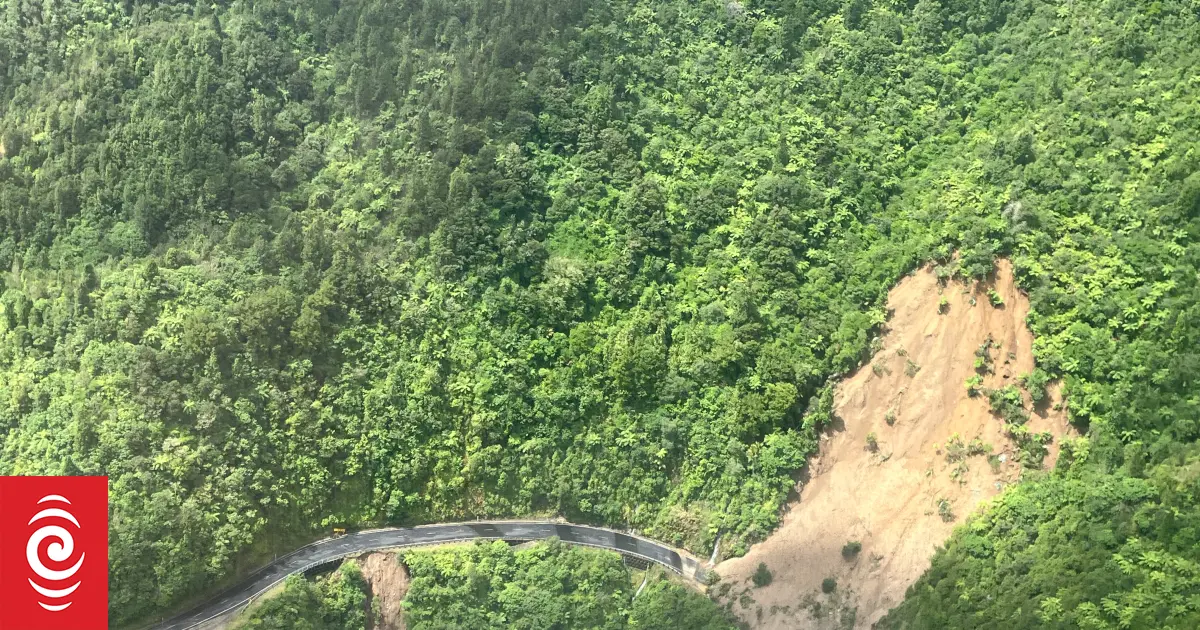
1월에 산사태로 뉴질랜드 2번 국도가 차단되었다.
사진: 제공/NZTA
부총리는 기후변화가 악화됨에 따라 이주가 필요한지 여부는 정부가 아닌 지역사회가 결정해야 한다고 밝혔다.
최근 몇 년간 북섬 일부 지역, 특히 베이오브플렌티, 타이라위티, 호크스베이가 극한 기상 이벤트에 반복적으로 피해를 입었다.
최근 발생한 사이클론 바이아누는 우려했던 것만큼 파괴적이지는 않았지만, 주말에도 도로가 끊기고 지역사회가 침수되는 피해를 낳았다.
크리스토퍼 럭슨 총리는 월요일 모닝 리포트와의 인터뷰에서 북섬 동부의 이위(iwi)들이 악천후와 기후변화 영향에 취약한 지역에서 이주하는 것에 대해 대화를 나누고 있다고 말했다.
"그들은 해당 지역과 매우 밀접한 연관을 가진 장로들과 그런 대화를 나누고 있으며, 이는 매우 긍정적인 일이다."
현재 홍수 취약 지역에 거주하는 약 67만 5천 명(14%)의 뉴질랜드인에 대해 럭슨은 "사실상 시간이 지나면서 우리가 관리 방식을 재고해야 할 뉴질랜드 지역이 될 것이라는 잔혹한 현실을 직시할 때가 되었다"고 말했다.
화요일 아침 퍼스트 업 진행자 네이선 라레레가 "이러한 논의를 빠르게 추진해야 하는가"라고 묻자, 데이비드 세이머 부총리 겸 ACT 당대표는 "우리"가 누구인지에 따라 다르다고 답했다.
"각 주체가 어떤 역할을 하는지 구분하는 것이 더 중요하다. 정부는 이 문제에서 전국 홍수 지도를 제작하고, 각 지역의 정보와 잠재적 선택지가 무엇인지 제시하는 국가 적응 프레임워크를 제작하는 역할을 한다.
"그런 다음 언급하신 지역사회가 그들에게 가장 중요한 것이 무엇이고 어떤 선택을 하고 싶은지 결정하는 것이다."
기즈번 지역의 주요 도로인 2번 국도와 35번 국도는 큰 폭풍이 발생하면 홍수와 산사태로 인해 자주 통제된다. 레헤테 스톨츠 시장은 월요일 럭슨 총리와 이위 간 이주 논의에 대해 알지 못한다고 밝혔으나, 일부 마라에는 이미 이주되었고 시의회는 더 이상 거주할 수 없는 '3등급' 주택 수십 채를 매입했다고 말했다.
그녀는 뉴질랜드 교통청이 관리하는 국가 도로망에 대한 투자가 부족했다고 지적했다.
데이비드 세이머.
사진: RNZ/마크 파팔리
세이머는 최대 60년간 투자가 부족했다는 데 동의했다.
"예산을 맞추기 위해 일부 유지보수를 미루고 물리적 문제를 미래로 넘기는 것이 항상 더 쉬웠다. 병원, 학교 건물 등에서도 이런 현상을 볼 수 있다.
"이 정부가 실제로 회계와 자본 자산 유지보수를 개선하고 있다고 생각하고 싶다."
그는 배출 감소의 중요성을 축소했다.
"우리는 배출 감소를 위해 엄청난 자원을 투자해 왔지만, 실제로는 세계 다른 지역이 배출을 주도할 것이기 때문에 뉴질랜드의 상황을 바꾸지는 못할 것이다.
"우리가 바꿀 수 있고 기후변화와 뉴질랜드인들에 대해 우리 힘으로 할 수 있는 것은 적응을 제대로 하는 능력이다. 시장들에게 동정심을 표한다... 2023년 초 가브리엘 이후 호크스베이 고속도로에 대한 투자가 이러한 도전에 대비해 미래에 대비하기 위해 정확히 이루어졌음을 지적하고 싶다.
"그것이 모든 곳에서 이루어졌다는 의미는 아니다. 하지만 네, 정책 접근 방식에 역사적인 문제가 몇 가지 있다. 이 정부는 그것들을 바로잡고 있다고 믿는다. 하지만 일부 작업이 이루어진 것도 사실이다. 따라서 문제가 있지만, 모든 곳에 있는 것은 아니다."
사진: 제공/NZTA
부총리는 기후변화가 악화됨에 따라 이주가 필요한지 여부는 정부가 아닌 지역사회가 결정해야 한다고 밝혔다.
최근 몇 년간 북섬 일부 지역, 특히 베이오브플렌티, 타이라위티, 호크스베이가 극한 기상 이벤트에 반복적으로 피해를 입었다.
최근 발생한 사이클론 바이아누는 우려했던 것만큼 파괴적이지는 않았지만, 주말에도 도로가 끊기고 지역사회가 침수되는 피해를 낳았다.
크리스토퍼 럭슨 총리는 월요일 모닝 리포트와의 인터뷰에서 북섬 동부의 이위(iwi)들이 악천후와 기후변화 영향에 취약한 지역에서 이주하는 것에 대해 대화를 나누고 있다고 말했다.
"그들은 해당 지역과 매우 밀접한 연관을 가진 장로들과 그런 대화를 나누고 있으며, 이는 매우 긍정적인 일이다."
현재 홍수 취약 지역에 거주하는 약 67만 5천 명(14%)의 뉴질랜드인에 대해 럭슨은 "사실상 시간이 지나면서 우리가 관리 방식을 재고해야 할 뉴질랜드 지역이 될 것이라는 잔혹한 현실을 직시할 때가 되었다"고 말했다.
화요일 아침 퍼스트 업 진행자 네이선 라레레가 "이러한 논의를 빠르게 추진해야 하는가"라고 묻자, 데이비드 세이머 부총리 겸 ACT 당대표는 "우리"가 누구인지에 따라 다르다고 답했다.
"각 주체가 어떤 역할을 하는지 구분하는 것이 더 중요하다. 정부는 이 문제에서 전국 홍수 지도를 제작하고, 각 지역의 정보와 잠재적 선택지가 무엇인지 제시하는 국가 적응 프레임워크를 제작하는 역할을 한다.
"그런 다음 언급하신 지역사회가 그들에게 가장 중요한 것이 무엇이고 어떤 선택을 하고 싶은지 결정하는 것이다."
기즈번 지역의 주요 도로인 2번 국도와 35번 국도는 큰 폭풍이 발생하면 홍수와 산사태로 인해 자주 통제된다. 레헤테 스톨츠 시장은 월요일 럭슨 총리와 이위 간 이주 논의에 대해 알지 못한다고 밝혔으나, 일부 마라에는 이미 이주되었고 시의회는 더 이상 거주할 수 없는 '3등급' 주택 수십 채를 매입했다고 말했다.
그녀는 뉴질랜드 교통청이 관리하는 국가 도로망에 대한 투자가 부족했다고 지적했다.
데이비드 세이머.
사진: RNZ/마크 파팔리
세이머는 최대 60년간 투자가 부족했다는 데 동의했다.
"예산을 맞추기 위해 일부 유지보수를 미루고 물리적 문제를 미래로 넘기는 것이 항상 더 쉬웠다. 병원, 학교 건물 등에서도 이런 현상을 볼 수 있다.
"이 정부가 실제로 회계와 자본 자산 유지보수를 개선하고 있다고 생각하고 싶다."
그는 배출 감소의 중요성을 축소했다.
"우리는 배출 감소를 위해 엄청난 자원을 투자해 왔지만, 실제로는 세계 다른 지역이 배출을 주도할 것이기 때문에 뉴질랜드의 상황을 바꾸지는 못할 것이다.
"우리가 바꿀 수 있고 기후변화와 뉴질랜드인들에 대해 우리 힘으로 할 수 있는 것은 적응을 제대로 하는 능력이다. 시장들에게 동정심을 표한다... 2023년 초 가브리엘 이후 호크스베이 고속도로에 대한 투자가 이러한 도전에 대비해 미래에 대비하기 위해 정확히 이루어졌음을 지적하고 싶다.
"그것이 모든 곳에서 이루어졌다는 의미는 아니다. 하지만 네, 정책 접근 방식에 역사적인 문제가 몇 가지 있다. 이 정부는 그것들을 바로잡고 있다고 믿는다. 하지만 일부 작업이 이루어진 것도 사실이다. 따라서 문제가 있지만, 모든 곳에 있는 것은 아니다."
처리 완료
2,925 tokens · $0.0059
기사 수집 완료 · 04:27
매체 피드에서 기사 메타데이터 수집
헤드라인 번역 완료 · 04:38
제목/요약 한국어 번역 (fetch 시점 inline)
kimi-k2.5
156 tokens
$0.00029
3.9s
본문 추출 완료
3,624자 추출 완료
본문 한국어 번역 완료 · 04:38
1,650자 번역 완료
kimi-k2.5
2,769 tokens
$0.00565
54.0s
지정학적 엔티티 추출 완료 · 04:38
8개 엔티티 추출 완료
지정학적 맥락 & R-Scanner
R-Scanner · 평상
z=-1.25
일상적인 보도 수준 — 기준: North Island
(🇳🇿 NZ)
최근 6시간 0건
7일 평균 2.25건 / 6h
0개국 매체
0개 매체
본문에서 추출된 지명 (8)
North Island
🇳🇿
New Zealand
🇳🇿
Bay of Plenty
🇳🇿
Tai Rawhiti
🇳🇿
Hawke's Bay
🇳🇿
Gisborne
🇳🇿
State Highway 2
🇳🇿
State Highway 35
🇳🇿
위치 지도
지도 로딩 중…
같은 주제의 다른 기사 (최근 7일)
Parts of the North Island have been repeatedly hit by extreme weather events in recent years.
A slip blocks State Highway 2 in January.Photo: Supplied/NZTA
The deputy prime minister says it is up to local communities, not necessarily the government, to decide whether they need to relocate as climate change worsens.
Parts of the North Island have been repeatedly hit by extreme weather events in recent years, particularly the Bay of Plenty, Tai Rawhiti and Hawke's Bay.
The latest - Cyclone Vaianu - was not as destructive as feared, but still took out roads and flooded communities at the weekend.
Prime Minister Christopher Luxon told Morning Report on Monday that iwi in the eastern part of the North Island were having conversations about relocating from areas vulnerable to wild weather and the effects of climate change.
"They're having those conversations with the elders who have been very connected to those areas, and that's been a really positive thing."
As for the 14 percent - around 675,000 - New Zealanders who currently live in areas prone to flooding, Luxon said it was time to "confront the brutal facts of the reality that actually they are going to be areas of New Zealand that we're going to have to rethink over time how we manage that".
Asked whether we should be "pushing fast forward on those discussions" by First Up host Nathan Rarere on Tuesday morning, Deputy Prime Minister and ACT leader David Seymour said it depended on who "we" are.
"It's more important to break down who has each role. The government has a role in this, and that is producing the national flood maps. producing the National Adaptation Framework, which sets out what the information is in each location and potentially what the options are in any location.
"It's then up to the communities you mentioned to figure out what's most important to them and what choices they'd like to make."
Important roads around the Gisborne region - such as State Highways 2 and 35 - are frequently closed due to flooding and slips when big storms strike. Mayor Rehette Stoltz on Monday said she was not aware of discussions between Luxon and iwi in regards to relocation, but some marae had already been moved and the council had bought dozens of 'category 3' homes people could no longer live in.
She said there had been a lack of investment in the national roading network, which is handled by the New Zealand Transport Agency, not local councils.
David Seymour.
Photo: RNZ/Mark Papalii
Seymour agreed there had been a lack of investment for up to 60 years.
"It's always easier to defer some maintenance, balance the Budget this year and put physical problems into the future. And we see that in hospitals. school buildings and so on.
"I'd like to think this government is actually doing a bit to improve the accounting and capital asset maintenance."
He played down the importance of reducing emissions.
"We've invested an awful lot of resource in trying to reduce emissions, when in reality that won't change the picture for New Zealand because the rest of the world will drive emissions whether we do or not.
"What we can change and have in our own power so far as climate change and New Zealanders is the ability to ensure we do adaptation. Now, I sympathise with the mayors... I also point out that since Gabrielle in early 2023, the investment in the highway in Hawke's Bay has been done precisely to future-proof it against those challenges.
"That doesn't mean it's been done everywhere. But yes, there is a couple of historic problems in our policy approach. This government, I believe, is rectifying those. But it's also true that some work has been done. So there are problems, but not everywhere."