돌아가는 고기는 새벽 3시 먹거리 그 이상이다
Spinning meats are far more than a 3am feed
RNZ
· 🇳🇿 Wellington, NZ
EN
2026-04-18 02:08
Translated
뉴질랜드에서 불타오르고 바삭하며 맛있는 고기가 돌아가며, 빵에 싸여 반찬과 함께 제공되는 이 입맛을 돋우는 요리 스타일의 역사
뉴질랜드에서 불타오르고 바삭하며 맛있는 고기가 돌아가며, 빵에 싸여 반찬과 함께 제공되는 이 입맛을 돋우는 요리 스타일의 역사.
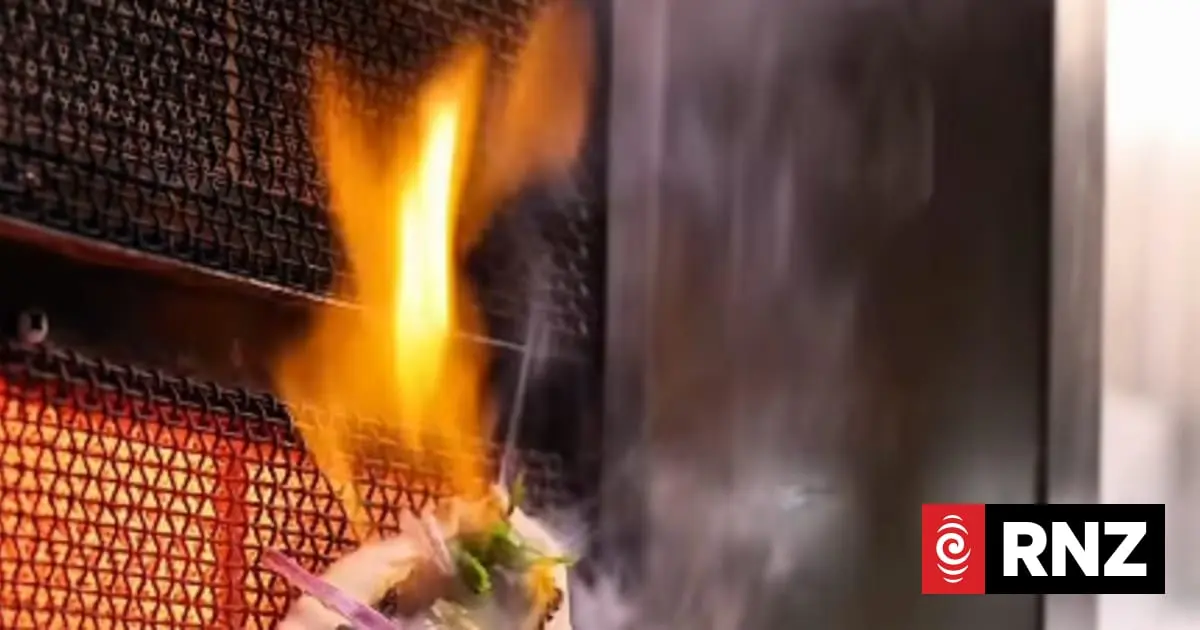
터키 이민자들이 도네르 케밥을 아오테아로아(뉴질랜드)에 들여온 지 약 반세기 동안, 수직 꼬치에서 썰어낸 고기와 샐러드, 소스를 넣은 이 랩은 패스트푸드 주식이 되었고, 특히 늦은 밤에 인기가 많다.
하지만 돌아가는 고기에는 새벽 3시 먹거리 그 이상의 것이 많다.
"무례하게 들리길 원치 않지만," 오잔 외튀르크가 말한다, "그런 저렴하고 패스트푸드 같은 늦은 밤 케밥 가게들 중 일부는 미리 만들어진(고기)를 사용하는데, 이는 전통적인 방식이 아니다."
비용과 편의를 위해 일부가 선호하는 가공 고기 대신, 외튀르크는 18년 전 이민온 터키에서 하던 것처럼 로어 헛의 자신의 레스토랑 아르줌 케밥에서 수직 로티세리용 고기를 준비한다.
그는 먼 옛날 꼬치의 고기는 양 다리 같은 단일 관절 부위였다고 설명한다. 시간이 지나면서 이것은 필레와 다진 고기를 층층이 쌓아 독특한 원추형을 만드는 형태로 발전했다.
아르줌의 필레 고기는 조리 전 최소 하루 동안 후추, 소금, 오레가노에 절이고, 다진 고기에는 향신료를 섞는다.
도네르 케밥 초기와 또 다른 변화: 수세기 전, 고기는 수평 꼬치에서 구워졌다. 하지만 외튀르크는 기술이 발달한 후 수직 조리가 널리 받아들여졌다고 설명한다.
"불을 통해 기름이 떨어지는 것이 손상을 일으켰고," 그가 말한다, "그리고... 그들은 떨어지는 기름 때문에 불을 계속 통제해야 했다."
수직 조리에서는 상승하는 열기로 더 느리고 균일하게 조리된다. "약간 부드러움을 준다," 외튀르크가 말한다. "고기가 더 맛있다."
돌아가는 고기는 현대 터키인들이 시작해 오스만 제국을 통해 중동과 지중해 전역에 퍼졌다.
"도네르"는 터키어로 돌거나 회전한다는 뜻이며, 아랍어 "샤와르마"와 그리스어 "기로"도 마찬가지다. 멕시코의 "트롬포" - 문자 그대로 "팽이" - 도 레바논 이민자들이 멕시코에 가져온 것이다. 모두 같은 전통에서 왔지만 각 문화가 자신만의 - 에헴 - 변주를 더했다.
뉴질랜드에서도 외튀르크는 현지 입맛이 도네르 케밥에 몇 가지 독특한 추가물을 가져왔다고 말한다.
"예를 들어 터키에서는 케밥에 비트를 넣지 않는다," 그가 말한다. "대부분의 곳에서 찾을 수도 없다. 하지만 여기서는 사람들이 이것을 요구한다."
엘리 아사프가 오클랜드 델리 레바논 그로서를 열었을 때, 그는 거리낌 없이 정통 레바논 음식을 제공하는 것을 목표로 했다.
1995년 웰링턴으로 이민온 직후, 10살이던 아사프의 부모는 켄트 테라스의 지금은 상징적인 포에니션 팔라펠을 열었다. 아사프는 어머니에게서 요리를 배웠지만, 집에서 먹는 음식과 레바논 방문 때 먹는 음식이 어머니가 레스토랑에서 제공하는 것과 다르다는 것을 알게 되었다.
"1995년이었기 때문에," 그가 말한다, "그들은 뉴질랜드에 적응하기 위해 음식과 문화를 제공하는 방식을 바꿨다."
이제 아사프는 여행과 인터넷 접근 덕분에 뉴질랜드 사람들이 "정통이 무엇인지 더 잘 이해하게 되었다"고 생각한다.
그래서 그는 전통 레시피를 바탕으로 후무스, 바바 가누쉬, 툼, 라브네 같은 것들을 만든다.
하지만 이 모든 것은 쇼의 주인공인 샤와르마를 돋보이게 하기 위한 것이다.
먼저 아사프는 닭 가슴살과 허벅지를 가져와 소금과 설탕으로 최대 48시간 브라이닝하고, 다시 24시간 가족의 샤와르마 향신료 레시피에 절인다.
그런 다음 고기를 필레로 만들고 버터플라이 커팅한 후 매우 얇게 썰어 꼬치 위에 층층이 쌓는다.
"두 가지 모두 껍질을 그대로 둔다," 아사프가 설명한다, "이는 조리할 때 껍질의 지방이 고기를 정말 정말 육즙 있게 유지하기 때문이다."
닭고기는 첫 샌드위치를 만들기 위해 불 앞에서 약 한 시간 반 동안 돌아가야 하지만, "하루 종일 조리된다," 아사프가 말한다.
"수직 샤와르마 꼬치의 아름다움은 정말 느린 조리 과정을 통해 손님이 들어올 때마다 항상 신선한 것을 제공할 수 있다는 것이다."
그래서 터키 돌아가는 고기는 수평으로 시작해 수직이 되었고, 전 세계로 퍼졌다. 하지만 그 수평 꼬치는 어디에서 왔을까?
"첫 언급은 기본적으로 호메로스의 일리아드에서 찾을 수 있다," 올림피아 카체니오스가 말한다.
카체네오스와 그녀의 남편 코스타스는 오클랜드 케이터링 회사 더 그리스 가이즈 그릴을 소유하고 운영하며, 이는 콘토수블리 - 수평 로티세리에서 조리된 고기 - 를 전문으로 한다.
이 단어는 문자 그대로 "짧은 꼬치"를 의미하며, 숯불 위 긴 꼬챙이에서 조리된 큰 마리의 절인 고기를 가리킨다.
"천천히 돌아가므로 균일하게 조리되고 기본적으로 자신의 육즙 속에서 조리된다," 카체네오스가 설명한다.
"그래서 그 육즙을 잃지 않고 안으로 다시 들어간다. 결과는 기본적으로 겉은 바삭하고 속은 매우 육즙 있다."
더 캐주얼한 기로나 중동의 대응물과 달리, 콘토수블리는 축제 음식이다. 카체네오스에 따르면 이는 선술집과 스테이크하우스에서, 그리고 결혼식이나 생일 같은 축하 행사를 위한 사적인 집에서 찾을 수 있다.
"약간의 극적인 요소가 있다."
그리스 가이즈는 돼지 어깨살, 양 다리, 닭 허벅지를 콘토수블리에 사용한다. 소고기는 너무 살코기가 많아 적합하지 않다.
고기는 큼직하게 썰어 소금과 오레가노를 간단히 문지르고, "그러면 숯이 나머지 작업을 한다."
조리된 고기는 더 작게 썰어 그리스식 레몬 구운 감자와 샐러드와 함께 메인 코스로 제공된다.
"간단하고 풍미 있다," 카체네오스가 말한다. "뉴질랜드인 라이프스타일에 잘 맞는 것이다."
샤와르마를 먹는 가장 좋아하는 방법이 마늘 풍미의 툼, 절인 순무, 꼬치에서 떨어지는 닭고기 기름에 찍어 얇은 피타 두 장에 싸서 먹는 것이라는 아사프는 뉴질랜드 사람들이 덜 일반적인 "케밥"에 더 개방적이라고 생각한다.
"웰링턴에서는 시리아인들이 시리아식 샤와르마 가게를 열어 시리아에서 하는 방식대로 하고 있고, 터키 도네르 케밥은 터키 학교에서 훈련받은 사람들에 의해 되찾아지고 있다," 그가 말한다.
"이제 2026년이다. 시대가 변하고 있다고 생각한다."
터키 이민자들이 도네르 케밥을 아오테아로아(뉴질랜드)에 들여온 지 약 반세기 동안, 수직 꼬치에서 썰어낸 고기와 샐러드, 소스를 넣은 이 랩은 패스트푸드 주식이 되었고, 특히 늦은 밤에 인기가 많다.
하지만 돌아가는 고기에는 새벽 3시 먹거리 그 이상의 것이 많다.
"무례하게 들리길 원치 않지만," 오잔 외튀르크가 말한다, "그런 저렴하고 패스트푸드 같은 늦은 밤 케밥 가게들 중 일부는 미리 만들어진(고기)를 사용하는데, 이는 전통적인 방식이 아니다."
비용과 편의를 위해 일부가 선호하는 가공 고기 대신, 외튀르크는 18년 전 이민온 터키에서 하던 것처럼 로어 헛의 자신의 레스토랑 아르줌 케밥에서 수직 로티세리용 고기를 준비한다.
그는 먼 옛날 꼬치의 고기는 양 다리 같은 단일 관절 부위였다고 설명한다. 시간이 지나면서 이것은 필레와 다진 고기를 층층이 쌓아 독특한 원추형을 만드는 형태로 발전했다.
아르줌의 필레 고기는 조리 전 최소 하루 동안 후추, 소금, 오레가노에 절이고, 다진 고기에는 향신료를 섞는다.
도네르 케밥 초기와 또 다른 변화: 수세기 전, 고기는 수평 꼬치에서 구워졌다. 하지만 외튀르크는 기술이 발달한 후 수직 조리가 널리 받아들여졌다고 설명한다.
"불을 통해 기름이 떨어지는 것이 손상을 일으켰고," 그가 말한다, "그리고... 그들은 떨어지는 기름 때문에 불을 계속 통제해야 했다."
수직 조리에서는 상승하는 열기로 더 느리고 균일하게 조리된다. "약간 부드러움을 준다," 외튀르크가 말한다. "고기가 더 맛있다."
돌아가는 고기는 현대 터키인들이 시작해 오스만 제국을 통해 중동과 지중해 전역에 퍼졌다.
"도네르"는 터키어로 돌거나 회전한다는 뜻이며, 아랍어 "샤와르마"와 그리스어 "기로"도 마찬가지다. 멕시코의 "트롬포" - 문자 그대로 "팽이" - 도 레바논 이민자들이 멕시코에 가져온 것이다. 모두 같은 전통에서 왔지만 각 문화가 자신만의 - 에헴 - 변주를 더했다.
뉴질랜드에서도 외튀르크는 현지 입맛이 도네르 케밥에 몇 가지 독특한 추가물을 가져왔다고 말한다.
"예를 들어 터키에서는 케밥에 비트를 넣지 않는다," 그가 말한다. "대부분의 곳에서 찾을 수도 없다. 하지만 여기서는 사람들이 이것을 요구한다."
엘리 아사프가 오클랜드 델리 레바논 그로서를 열었을 때, 그는 거리낌 없이 정통 레바논 음식을 제공하는 것을 목표로 했다.
1995년 웰링턴으로 이민온 직후, 10살이던 아사프의 부모는 켄트 테라스의 지금은 상징적인 포에니션 팔라펠을 열었다. 아사프는 어머니에게서 요리를 배웠지만, 집에서 먹는 음식과 레바논 방문 때 먹는 음식이 어머니가 레스토랑에서 제공하는 것과 다르다는 것을 알게 되었다.
"1995년이었기 때문에," 그가 말한다, "그들은 뉴질랜드에 적응하기 위해 음식과 문화를 제공하는 방식을 바꿨다."
이제 아사프는 여행과 인터넷 접근 덕분에 뉴질랜드 사람들이 "정통이 무엇인지 더 잘 이해하게 되었다"고 생각한다.
그래서 그는 전통 레시피를 바탕으로 후무스, 바바 가누쉬, 툼, 라브네 같은 것들을 만든다.
하지만 이 모든 것은 쇼의 주인공인 샤와르마를 돋보이게 하기 위한 것이다.
먼저 아사프는 닭 가슴살과 허벅지를 가져와 소금과 설탕으로 최대 48시간 브라이닝하고, 다시 24시간 가족의 샤와르마 향신료 레시피에 절인다.
그런 다음 고기를 필레로 만들고 버터플라이 커팅한 후 매우 얇게 썰어 꼬치 위에 층층이 쌓는다.
"두 가지 모두 껍질을 그대로 둔다," 아사프가 설명한다, "이는 조리할 때 껍질의 지방이 고기를 정말 정말 육즙 있게 유지하기 때문이다."
닭고기는 첫 샌드위치를 만들기 위해 불 앞에서 약 한 시간 반 동안 돌아가야 하지만, "하루 종일 조리된다," 아사프가 말한다.
"수직 샤와르마 꼬치의 아름다움은 정말 느린 조리 과정을 통해 손님이 들어올 때마다 항상 신선한 것을 제공할 수 있다는 것이다."
그래서 터키 돌아가는 고기는 수평으로 시작해 수직이 되었고, 전 세계로 퍼졌다. 하지만 그 수평 꼬치는 어디에서 왔을까?
"첫 언급은 기본적으로 호메로스의 일리아드에서 찾을 수 있다," 올림피아 카체니오스가 말한다.
카체네오스와 그녀의 남편 코스타스는 오클랜드 케이터링 회사 더 그리스 가이즈 그릴을 소유하고 운영하며, 이는 콘토수블리 - 수평 로티세리에서 조리된 고기 - 를 전문으로 한다.
이 단어는 문자 그대로 "짧은 꼬치"를 의미하며, 숯불 위 긴 꼬챙이에서 조리된 큰 마리의 절인 고기를 가리킨다.
"천천히 돌아가므로 균일하게 조리되고 기본적으로 자신의 육즙 속에서 조리된다," 카체네오스가 설명한다.
"그래서 그 육즙을 잃지 않고 안으로 다시 들어간다. 결과는 기본적으로 겉은 바삭하고 속은 매우 육즙 있다."
더 캐주얼한 기로나 중동의 대응물과 달리, 콘토수블리는 축제 음식이다. 카체네오스에 따르면 이는 선술집과 스테이크하우스에서, 그리고 결혼식이나 생일 같은 축하 행사를 위한 사적인 집에서 찾을 수 있다.
"약간의 극적인 요소가 있다."
그리스 가이즈는 돼지 어깨살, 양 다리, 닭 허벅지를 콘토수블리에 사용한다. 소고기는 너무 살코기가 많아 적합하지 않다.
고기는 큼직하게 썰어 소금과 오레가노를 간단히 문지르고, "그러면 숯이 나머지 작업을 한다."
조리된 고기는 더 작게 썰어 그리스식 레몬 구운 감자와 샐러드와 함께 메인 코스로 제공된다.
"간단하고 풍미 있다," 카체네오스가 말한다. "뉴질랜드인 라이프스타일에 잘 맞는 것이다."
샤와르마를 먹는 가장 좋아하는 방법이 마늘 풍미의 툼, 절인 순무, 꼬치에서 떨어지는 닭고기 기름에 찍어 얇은 피타 두 장에 싸서 먹는 것이라는 아사프는 뉴질랜드 사람들이 덜 일반적인 "케밥"에 더 개방적이라고 생각한다.
"웰링턴에서는 시리아인들이 시리아식 샤와르마 가게를 열어 시리아에서 하는 방식대로 하고 있고, 터키 도네르 케밥은 터키 학교에서 훈련받은 사람들에 의해 되찾아지고 있다," 그가 말한다.
"이제 2026년이다. 시대가 변하고 있다고 생각한다."
처리 완료
4,838 tokens · $0.0100
기사 수집 완료 · 02:25
매체 피드에서 기사 메타데이터 수집
헤드라인 번역 완료 · 02:38
제목/요약 한국어 번역 (fetch 시점 inline)
kimi-k2.5
196 tokens
$0.00038
4.0s
본문 추출 완료
6,107자 추출 완료
본문 한국어 번역 완료 · 02:38
3,029자 번역 완료
kimi-k2.5
4,642 tokens
$0.00966
97.1s
지정학적 엔티티 추출 완료 · 02:38
8개 엔티티 추출 완료
지정학적 맥락 & R-Scanner
R-Scanner · 평상
z=-2.28
일상적인 보도 수준 — 기준: New Zealand
(🇳🇿 NZ)
최근 6시간 0건
7일 평균 6.04건 / 6h
0개국 매체
0개 매체
본문에서 추출된 지명 (8)
위치 지도
지도 로딩 중…
같은 주제의 다른 기사 (최근 7일)
Fired up, crispy, delicious meat rotating around, wrapped in bread and served with sides - the history of this mouth-watering culinary style in New Zealand.
Fired up, crispy, delicious meat rotating around, wrapped in bread and served with sides - the history of this mouth-watering culinary style in New Zealand.In the half-century or so since Turkish immigrants brought the doner kebab to Aotearoa, the wrap filled with meat shaved off a vertical spit, salads and sauces has become a fast food staple, particularly late at night.
But there’s a lot more to spinning meats than 3am feeds.
“I don’t want to be rude about them,” says Ozan Ozturk, “but those cheaper, more like fast food, late night kebab places, some of them are using pre-made (meat), and that's not the traditional way of doing it".
Instead of the processed meat favoured by some for cost and convenience, at his Lower Hutt restaurant, Arzum Kebab, Ozturk prepares the meat for his vertical rotisserie as is done in Turkey, from where he emigrated 18 years ago.
In the distant past, he explains, the meat on the spit would have been a single joint, like a lamb leg. That has evolved over time into a mixture of filleted and minced meat, layered on top of one another to create the distinctive cone shape.
Arzum’s filleted meat is marinated in black pepper, salt and oregano for at least a day before cooking, while spices are mixed into the minced meat.
Another change from the doner kebab’s earliest days: centuries ago, the meat was cooked on a horizontal spit. But, explains Ozturk, once the technology developed, vertical cooking was widely embraced.
“The fat dripping through the fire was causing some damage,” he says, “and… they had to control the fire all the time due to the drippings.”
With vertical cooking, the rising heat allows for slower, more even cooking. “It’s giving a bit of tenderness,” says Ozturk. “The meat is tastier.”
Spinning meat originated with modern Turks and spread throughout the Middle East and Mediterranean with the Ottoman Empire.
“Doner” means to turn or spin in Turkish, as does the Arabic “shawarma” and Greek “gyro”. There’s even the Mexican “trompo” - literally “spinning top” - which came to Mexico with Lebanese immigrants. They all come from the same tradition, even if each culture has put its own - ahem - spin on the style.
Even in New Zealand, says Ozturk, the local palate has brought some unique additions to the doner kebab.
“Normally you won’t get any beetroot in Turkey for your kebab,” for example. “You won’t even find it in most places. But over here, they ask for this.”
When Elie Assaf opened his Auckland deli Lebanese Grocer, he had a goal of serving unapologetically authentic Lebanese food.
Soon after emigrating to Wellington in 1995, when Assaf was 10, his parents opened the now-iconic Phoenician Falafel on Kent Terrace. Assaf learned to cook from his mother, but became aware that the food they ate at home, and on return trips to Lebanon, was different to what she served at the restaurant.
“Because it was 1995,” he says, “they adapted to New Zealand with the way that they presented the food and the culture.”
Now, Assaf reckons travel and access to the internet means Kiwis have “more understanding of what authentic means”.
So he makes things like hummus, baba ganoush, toum and labneh based on traditional recipes.
But they’re all there to support the star of the show: shawarma.
First, Assaf takes chicken breast and thigh, and brines it with salt and sugar for up to 48 hours, then marinates it for another 24 in his family’s shawarma spice recipe.
The meat is then filleted and butterflied before cutting into very thin slices which are layered on top of each other on the spit.
“We leave the skin on for both of those,” Assaf explains, “which means that when it's cooking, the fat from the skin keeps it really, really juicy.”
The chicken will need to rotate in front of the flame for about an hour and a half before the first sandwich can come off it, “but it’s cooking the whole day,” says Assaf.
“The beauty about a vertical shawarma spit is it's got a really slow cooking process which allows you to constantly be serving something fresh every time a customer walks in.”
So Turkish spinning meat started out horizontal, became vertical, and spread throughout the world. But where does that horizontal spit come from?
“The first reference is found basically in Homer's Iliad,” says Olympia Katsenios.
Katsenios and her husband, Kostas, own and operate Auckland catering company The Greek Guys grill, which specialises in kontosouvli - meat cooked on a horizontal rotisserie.
The word literally means “short spit”, and refers to large pieces of marinated meat cooked on a long skewer over charcoal.
“It rotates slowly, which means it cooks evenly and basically cooks in its own juices,” Katsenios explains.
“So it doesn't lose that juice, it goes back inside. So the result is basically crispy on the outside and very juicy on the inside.”
Unlike the more casual gyro, or its Middle Eastern equivalents, kontosouvli is a festive food. It’s found at taverns and steakhouses, says Katsenios, and in private homes for celebrations like weddings or birthdays.
“There is a little bit of theatre to it.”
Greek Guys use pork shoulder, lamb leg and chicken thighs for their kontosouvli; beef isn’t suitable, as it’s too lean.
The meat is chopped into chunks, rubbed in a simple mix of salt and oregano, “and then the charcoal does the rest of the work.”
Cooked meat is cut into smaller pieces and served with Greek-style lemon baked potatoes and salads as a main course.
“It’s simple, flavourful,” Katsenios says. “It’s something that fits really well to the Kiwi lifestyle.”
Assaf - whose favourite way of eating shawarma is with some garlicky toum, pickled turnips, dipped in the chicken fat that drips off the spit and wrapped in two thin slices of pita - thinks Kiwis are more open to a less generic “kebab”.
“In Wellington, you're seeing Syrians opening up a Syrian shawarma spot, doing it the way that they do it in Syria, and Turkish doner kebabs are being reclaimed by people that have been trained at Turkish schools,” he says.
“It’s 2026 now. I think the times are changing.”