자유주의자와 보수주의자가 동의하는 것: 데이터 센터에 대한 혐오
Something Liberals and Conservatives Agree On: Hatred of Data Centers
The New York Times
· 🇺🇸 New York, US
Sabrina Tavernise
EN
2026-05-01 18:00
Translated
여론조사에 따르면 미국인들은 이 프로젝트에 대한 호감을 잃었으며, 이러한 감정은 깊은 초당파적 특성을 보이고 있습니다. 이것이 우리의 정치를 어떻게 변화시킬 것인가?
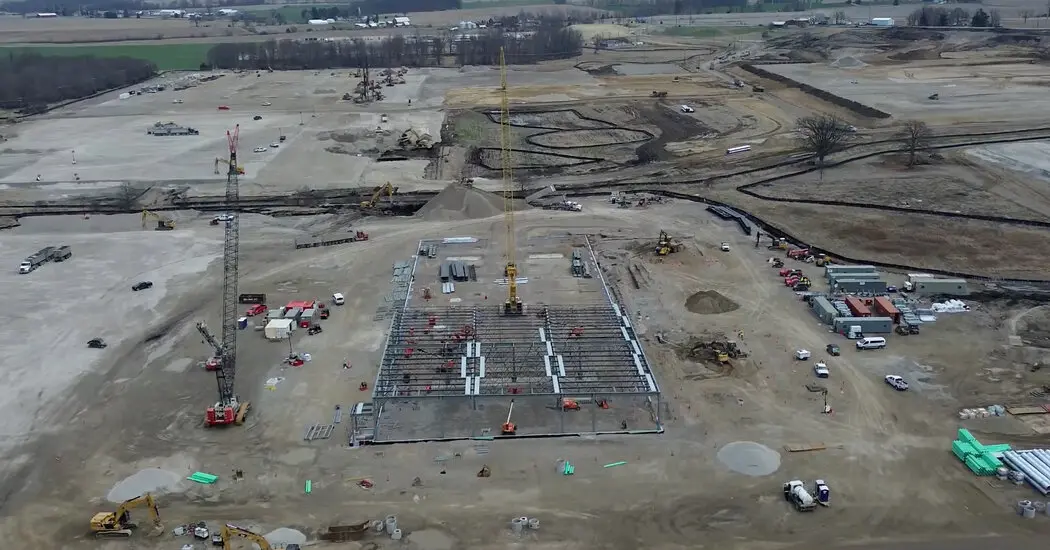
미시간주 살라인 타운십의 데이터 센터 프로젝트 건설. 사진...뉴욕타임스 오를란도 데 구즈만의 영상
사브리나 타버니세 저
미시간주 라이언 타운십 보도
미시간주 남동부의 작은 도시인 라이언 타운십의 월례 회의는 최근 월요일에 만석이었는데, 의제의 주요 항목이 배수 용지주(easement)였음에도 불구하고 그러했습니다.
주민들은 메모와 물병을 들고 마이크 앞에 줄을 서서 모두의 생각에 있는 실제 문제, 즉 제안된 대규모 데이터 센터에 대해 이야기했습니다.
그들은 준비가 되어 있었습니다.
검은색 패딩 조끼를 입은 남자가 자신을 래리라고 소개하며 말했습니다. "상기시켜 드리자면, NFL 풋볼 경기장은 57,600제곱피트입니다. 1,800만 제곱피트의 하이퍼스케일 데이터 센터는 약 32개의 풋볼 경기장 크기입니다."
한 오토바이 운전자는 교통에 미칠 잠재적 영향에 대해 물었습니다. 누군가는 멸종 위기에 처한 박쥐의 서식지를 보존하기 위해 적절한 절차가 따랐는지 물었습니다. 분홍색 셔츠를 입은 여성은 미시간주의 다른 도시의 데이터 센터에서 나오는 소음 녹음을 틀었습니다.
타운 보드 위원이 발언자에게 시간이 다 되었다고 부드럽게 중단했을 때, 그녀는 "내 첫 페이지도 끝내지 못했잖아!"라고 외쳤습니다.
라이언 타운십은 2024년 도널드 J. 트럼프에게 투표했지만, 정당 충성도는 거의 중요하지 않아 보였습니다. 미국인들이 모든 것에 분열되어 있는 시대 — 심지어 자동차와 텔레비전 프로그램까지 — 에서 데이터 센터는 초당파적 분열을 해소했습니다.
초기 증거는 미국인들이 — 한때 무관심했던 — 이제 데이터 센터에 대해 호감을 잃고 있다는 것을 시사합니다. 지난달, 메인주는 데이터 센터에 모라토리엄을 통과한 첫 번째 주가 되었는데 — 민주당인 주지사가 이를 거부했습니다 — 최소 13개 주와 수십 개의 지자체에서도 유사한 조치가 도입되었습니다.
버지니아에서는 최근 여론조사가 대중이 데이터 센터에 대해 급격하게 반대로 돌아섰음을 발견했습니다. 같은 현상이 위스콘신에서도 마찬가지라고, 마퀘트 대학교 법학대학원 여론조사소의 소장인 찰스 프랭클린이 말했으며, 그 조사는 약 70%의 사람들이 이제 비용이 혜택보다 크다고 말한다고 발견했습니다.
더욱 흥미롭게도, 그는 주의 깊은 초당파적 분열이 데이터 센터와 관련해서는 사라진 것으로 보인다고 말했습니다.
"우리의 일반적으로 매우 양극화된 주에서 놀랍도록 작은 차이가 있었습니다"라고 프랭클린 씨가 말했습니다.
또는, 밀워키 기반의 코미디언 찰리 베렌스가 최근 위스콘신주 주노에서의 데이터 센터 회의에서 말했듯이, "이것은 맥주 이래로 가장 초당파적 문제입니다."
이는 미시간에서 일어나고 있는 것과 일치합니다. 여기서 모든 정치적 신념을 가진 시민들이 한때 비어있던 타운 회의에 몰려들어 자신들의 반대를 표현하고 있습니다. 공화당원들은 민주당원들과 시그널 채팅과 페이스북 페이지에서 전략을 짜고 있습니다. 사람들은 정부 문서를 추출하고, 서명을 모으고, 변호사 비용을 충당하기 위해 기금 모금을 하는 데 전문가가 되고 있습니다. 그들은 심지어 이 대의를 위한 노래까지 작곡하고 있습니다.
랜싱 바로 남쪽의 메이슨에서, 트럼프에게 투표한 53세의 파울라 칼트라이더(미시간 포 지저스 페이스북 페이지를 운영함)는 51세의 네버-트럼퍼 리타 레올라니 보겔과 팀을 이루어 데이터 센터를 선호한다고 생각하는 조례에 맞서 싸웠습니다. (도시 지도자들은 그들이 단순히 데이터 센터를 규제하려고 했다고 말했습니다.)
그들은 친구가 아니었으며, 칼트라이더 씨는 심지어 기독교 친구가 양조장에서의 드래그 브런치에 대해 발언한 것에 대한 부당한 비판이라고 그녀가 생각하는 것으로 인해 보겔을 페이스북에서 차단했습니다.
"우리는 이제 이것을 웃고 넘깁니다"라고 메이슨 시의회에서 8년 동안 봉사한 보겔 씨가 말했습니다.
데이터 센터는 지지자들을 가지고 있습니다: 침체된 경제에 일자리와 세금을 가져오려고 절실한 지역 관계자들, 땅을 팔고 싶어 하는 고령의 농부들, 건설 일자리를 노리는 노동조합들입니다. 많은 사람들은 또한 인공지능이 사회적 선이 될 수 있으며, 데이터 센터가 완전히 차단되어야 하는 것이 아니라 민간 항공 또는 도로 교통과 같이 규제되어야 한다는 것을 인식합니다.
의회의 새로운 법안들은 그 방향으로 나아가고 있으며, 문제가 정치적으로 얼마나 예측불가능한지를 반영하듯이, 버니 샌더스 의원과 조시 호울리 의원처럼 이념적으로 멀리 떨어져 있는 의원들로부터 나왔습니다.
한편, 데이터 센터 건설은 급증하고 있으며, 정치가 정책보다 앞서 나아가면서 때로는 위험한 결과를 초래합니다. 지난달, 인디애나폴리스 의원 하나는 데이터 센터 건설을 승인한 후에 총잡이가 자신의 집에 13발을 발사했고, 아무도 상처 입지 않았다고 말했습니다. 동봉된 메모에는 "데이터 센터 반대"라고 적혀 있었습니다.
한 집계에 따르면 최소 50개의 도시가 데이터 센터 일시 중지 노력을 통과한 미시간에서, 이 문제는 3개의 중요한 하원 선거, 팽팽한 상원 선거, 그리고 개방된 주지사 자리가 있는 올해의 정치를 뒤흔들 가능성이 있습니다. 그리고 민주당이 주를 운영하고 있으며, 그레첸 휘트머 주지사가 데이터 센터에 세금 인센티브를 제공하는 법안을 추진했으므로, 그들은 반발을 먼저 느낄 수 있습니다.
"정치적 재정렬이 일어나고 있습니다"라고 환경 운동가 크리스티 맥길리브레이가 말했습니다. "지금 이 일을 하면서, 내 발 아래 땅이 움직이는 것 같습니다. 내 인생 전체 동안 정치를 설명하기 위해 사용한 단어들은 더 이상 적절하지 않거나 정확하지 않습니다."
데이터 센터는 AI 붐을 이루기 위해 건설되고 있으며, 프로젝트들은 종종 수십억 달러 규모의 거대한 노력입니다. 이들은 지역 경제의 강력한 새로운 세력이며, 많은 에너지와 물을 요구하고 거대한 구조이기 때문에, 땅 자체를 변화시킬 위협도 있습니다.
미시간의 일곱 개 도시의 주민들과의 인터뷰에서, 사람들은 그들의 반대 이유를 다르게 언급했습니다 — 더 높은 전기 가격, 주택 가치 감소, 환경 피해, 그리고 AI에 대한 두려움입니다.
하지만 제안된 프로젝트의 절대적인 규모, 그들이 나타난 갑작스러움, 그리고 그들을 둘러싼 비밀이 문제에 감정을 불어넣었고, 주 전역의 긴장된 타운홀 회의에 수천 명의 민주당원과 공화당원을 돌려세웠습니다.
주민들은 종종 누구도 인식하지 못하는 회사의 조용한 재정지역 구분 요청을 통해 자신들의 도시에 데이터 센터 프로젝트가 있다는 것을 발견했다고 말했습니다. 그들은 작은 도시 보드가 급히 착공하려는 부유한 회사에 비해 역부족이었다고 말했습니다.
주에서 제안된 프로젝트의 수에 대한 공식적인 집계는 없지만, 활동가 안내서 "데이터 센터와 싸우는 방법"을 발간한 미시간 기반의 전직 기술 종사자 마이클 보마리토는 12월 현재 최소 16개의 주요 프로젝트를 집계했습니다.
라이언 타운십에서, 은퇴한 교사 보조원인 79세의 스탤릿 피들은 도시의 계획 위원회가 그것에 임시 승인을 준 후에 프로젝트에 대해 처음 들었다고 말했습니다.
센터가 학교에 너무 가까워 자신의 집 가치를 감소시킬 것이라는 걱정에, 그녀는 도시 회의에 가기 시작했습니다.
그녀는 자신의 질문에 거의 답변을 들었다고 말했습니다. 그녀의 전기 요금은 얼마나 올라갈 것인가? 프로젝트 뒤에는 어떤 회사가 있는가? 그것이 그녀의 우물에 어떻게 영향을 미칠 것인가?
사람들의 질문에 답하기 위해 의도된 1월 도시 회의는 마케팅 세션처럼 느껴졌습니다.
"이것은 교활하다고 생각합니다"라고 피들 씨가 접근 방식에 대해 말했습니다.
프로젝트는 "프로젝트 캐놀리", "프로젝트 벚꽃"처럼 모호한 이름을 받습니다.
라이언 타운십에서는 제안이 "프로젝트 플렉스"라고 불립니다.
"왜 그냥 '프로젝트 데이터 센터'라고 부르지 않았는지 모르겠습니다"라고 월요일 회의에서 제프 바커가 말했습니다. "예를 들어 '프로젝트 회피'나 '프로젝트 부정직'이 될 수도 있었습니다."
타운십의 일곱 명의 신탁자 중 한 명인 고등학교 영어 교사 리즈 블레이즈는 도시가 프로젝트에 이름을 붙이지 않았으며 "데이터 센터"라는 단어가 지난 9월에 처음 논의되었을 때 의제에 있었다고 말했습니다. 그녀는 신탁자들이 화난 주민들과 국무 관계자들 사이에 끼여 있었다고 말했으며, 그녀는 국무 관계자들이 세금 인센티브로 데이터 센터를 유인했지만 지금은 도움을 제공하지 않고 있다고 주장했습니다.
"작은 타운십들은 이 문제를 처리할 자원이 없습니다"라고 그녀는 말했으며, 국무 관계자들에 대한 전화가 응답 없이 사라졌다고 언급했습니다. "우리는 아무것도 없습니다. 속어로 말하면, 우리의 엉덩이는 바람 속에 있습니다."
휘트머 씨의 대변인은 논평 요청에 응답하지 않았습니다.
전주 전역의 도시에서, 의심은 여전히 풍부하며, 때로는 황당합니다. 다른 도시의 주민들은 출산력에 대한 영향을 우려했습니다. 다른 사람들은 센터가 군사 목표가 될 수 있다고 걱정했으며, 이란의 페르시아만 데이터 센터 기반시설에 대한 공격을 언급했습니다.
미시간의 사람들은 또한 살라인 타운십의 데이터 센터 프로젝트와 주의 주요 전기 유틸리티 간의 두 개의 계약을 언급했으며, 그것들은 국무 검찰이 법정에서 이의를 제기하고 있을 정도로 엄청나게 편집되었습니다. 특별 빠른 추적 절차가 공청회를 우회하기 위해 사용되었습니다. 서명조차도 검게 칠해져 있습니다.
그 프로젝트의 배후 회사인 오라클은 편집이 경쟁업체로부터 민감한 정보를 보호했으며, 주 규제 기관의 정보 요청을 모두 준수했다고 말했습니다.
주민들이 말하는 이 모든 것의 영향은, 마치 자신들이 거짓말을 당한 것처럼 불안정한 느낌이었습니다. 라이언 타운십에서, 공화당원인 피들 씨는 그 느낌이 정치적 신념에 관계없이 동기 부여를 하고 있다고 말했습니다.
"나는 민주당인지 공화당인지 상관없습니다, 우리 모두가 함께 모여서 이것과 싸우고 있습니다"라고 그녀는 말했습니다.
일단 사람들이 함께 모이면, 그들의 일은 신뢰를 쌓습니다. 그것은 분열을 해소하고 있으며, 우리의 뿌리 깊은 국가화된 정치를 다시 지역화하고 있습니다.
북미시간 사냥꾼 클럽의 창립자인 라이언 와그너는 자신이 강한 MAGA 지지자라고 생각했습니다. 그는 모자를 소유했습니다. 그는 한때 "폭정으로부터의 자유"라고 불리는 페이스북 페이지를 만들었습니다.
하지만 데이터 센터 준비가 북미시간의 작은 도시 칼카스카에서 시작되었을 때, 그는 좌파 음악가이자 환경 운동가인 세스 버나드와 힘을 합쳤습니다.
"5년 전의 라이언은 아마 그와 말을 나누지 않았을 것입니다"라고 41세의 와그너 씨가 말했습니다.
하지만 그들은 말을 시작했고 공통 관심사를 발견했습니다: 와그너 씨가 낚시하는 강에 대한 걱정; 아버지로서, 자신들의 자녀를 위해 AI 챗봇을 어떻게 처리할지에 대한 두려움. 그들은 또한 공통의 적을 가졌습니다 — 강력한 기술 회사, 그 기업에 세금 인센티브를 준 미시간 민주당원, 그리고 AI의 국가 규제를 반대하는 트럼프 씨입니다.
"그것은 스크롤링과 무력함과 압도감을 느끼는 것에 대한 훌륭한 해독제입니다"라고 와그너와의 자신의 일에 대해 46세의 버나드 씨가 말했습니다.
그리고 와그너의 보수적인 친구가 데이터 센터에 반대하는 자유주의자에 대한 경멸을 표현했을 때, 와그너는 그들을 옹호했습니다.
"그는 '그냥 냄새나는 히피들의 무리일 뿐이라고 말했습니다"라고 와그너 씨가 말했습니다. "나는 '음, 나도 냄새나는 히피인가 봅니다'라고 말했습니다."
이 데이터 센터 반란은 우리의 정치에 새로운 활선이지만, 그것이 어떻게 사물을 변화시킬지는 여전히 불분명합니다.
살라인 타운십에 사는 간호사 켈리 콜만은 대규모 프로젝트가 첫 착공한 첫 도시에 산니다. 그녀는 보통 민주당원에게 투표합니다. 하지만 이 11월에, 그녀는 어떻게 투표할지 모릅니다.
"나는 다음 선거 주기에 대해 혼란스럽습니다"라고 그녀는 말했습니다.
와그너도 자신의 정치에 대해 덜 확실해졌습니다. 그는 그가 여전히 보수적이지만 더 이상 공화당이라고 느끼지 않는다고 말했습니다. 데이터 센터는 그 이유의 일부입니다.
"우리는 오랫동안 대적이었습니다"라고 민주당원에 대해 말했습니다. "하지만 우리의 뒷마당에 관한 일이 되면, 우리는 정말로 같은 사람이라는 것을 깨달았습니다."
사브리나 타버니세는 뉴욕타임스의 특파원으로, 미국의 정치 생활과 미국인들이 워싱턴의 변화를 어떻게 보는지에 초점을 맞추고 있습니다.
사브리나 타버니세 저
미시간주 라이언 타운십 보도
미시간주 남동부의 작은 도시인 라이언 타운십의 월례 회의는 최근 월요일에 만석이었는데, 의제의 주요 항목이 배수 용지주(easement)였음에도 불구하고 그러했습니다.
주민들은 메모와 물병을 들고 마이크 앞에 줄을 서서 모두의 생각에 있는 실제 문제, 즉 제안된 대규모 데이터 센터에 대해 이야기했습니다.
그들은 준비가 되어 있었습니다.
검은색 패딩 조끼를 입은 남자가 자신을 래리라고 소개하며 말했습니다. "상기시켜 드리자면, NFL 풋볼 경기장은 57,600제곱피트입니다. 1,800만 제곱피트의 하이퍼스케일 데이터 센터는 약 32개의 풋볼 경기장 크기입니다."
한 오토바이 운전자는 교통에 미칠 잠재적 영향에 대해 물었습니다. 누군가는 멸종 위기에 처한 박쥐의 서식지를 보존하기 위해 적절한 절차가 따랐는지 물었습니다. 분홍색 셔츠를 입은 여성은 미시간주의 다른 도시의 데이터 센터에서 나오는 소음 녹음을 틀었습니다.
타운 보드 위원이 발언자에게 시간이 다 되었다고 부드럽게 중단했을 때, 그녀는 "내 첫 페이지도 끝내지 못했잖아!"라고 외쳤습니다.
라이언 타운십은 2024년 도널드 J. 트럼프에게 투표했지만, 정당 충성도는 거의 중요하지 않아 보였습니다. 미국인들이 모든 것에 분열되어 있는 시대 — 심지어 자동차와 텔레비전 프로그램까지 — 에서 데이터 센터는 초당파적 분열을 해소했습니다.
초기 증거는 미국인들이 — 한때 무관심했던 — 이제 데이터 센터에 대해 호감을 잃고 있다는 것을 시사합니다. 지난달, 메인주는 데이터 센터에 모라토리엄을 통과한 첫 번째 주가 되었는데 — 민주당인 주지사가 이를 거부했습니다 — 최소 13개 주와 수십 개의 지자체에서도 유사한 조치가 도입되었습니다.
버지니아에서는 최근 여론조사가 대중이 데이터 센터에 대해 급격하게 반대로 돌아섰음을 발견했습니다. 같은 현상이 위스콘신에서도 마찬가지라고, 마퀘트 대학교 법학대학원 여론조사소의 소장인 찰스 프랭클린이 말했으며, 그 조사는 약 70%의 사람들이 이제 비용이 혜택보다 크다고 말한다고 발견했습니다.
더욱 흥미롭게도, 그는 주의 깊은 초당파적 분열이 데이터 센터와 관련해서는 사라진 것으로 보인다고 말했습니다.
"우리의 일반적으로 매우 양극화된 주에서 놀랍도록 작은 차이가 있었습니다"라고 프랭클린 씨가 말했습니다.
또는, 밀워키 기반의 코미디언 찰리 베렌스가 최근 위스콘신주 주노에서의 데이터 센터 회의에서 말했듯이, "이것은 맥주 이래로 가장 초당파적 문제입니다."
이는 미시간에서 일어나고 있는 것과 일치합니다. 여기서 모든 정치적 신념을 가진 시민들이 한때 비어있던 타운 회의에 몰려들어 자신들의 반대를 표현하고 있습니다. 공화당원들은 민주당원들과 시그널 채팅과 페이스북 페이지에서 전략을 짜고 있습니다. 사람들은 정부 문서를 추출하고, 서명을 모으고, 변호사 비용을 충당하기 위해 기금 모금을 하는 데 전문가가 되고 있습니다. 그들은 심지어 이 대의를 위한 노래까지 작곡하고 있습니다.
랜싱 바로 남쪽의 메이슨에서, 트럼프에게 투표한 53세의 파울라 칼트라이더(미시간 포 지저스 페이스북 페이지를 운영함)는 51세의 네버-트럼퍼 리타 레올라니 보겔과 팀을 이루어 데이터 센터를 선호한다고 생각하는 조례에 맞서 싸웠습니다. (도시 지도자들은 그들이 단순히 데이터 센터를 규제하려고 했다고 말했습니다.)
그들은 친구가 아니었으며, 칼트라이더 씨는 심지어 기독교 친구가 양조장에서의 드래그 브런치에 대해 발언한 것에 대한 부당한 비판이라고 그녀가 생각하는 것으로 인해 보겔을 페이스북에서 차단했습니다.
"우리는 이제 이것을 웃고 넘깁니다"라고 메이슨 시의회에서 8년 동안 봉사한 보겔 씨가 말했습니다.
데이터 센터는 지지자들을 가지고 있습니다: 침체된 경제에 일자리와 세금을 가져오려고 절실한 지역 관계자들, 땅을 팔고 싶어 하는 고령의 농부들, 건설 일자리를 노리는 노동조합들입니다. 많은 사람들은 또한 인공지능이 사회적 선이 될 수 있으며, 데이터 센터가 완전히 차단되어야 하는 것이 아니라 민간 항공 또는 도로 교통과 같이 규제되어야 한다는 것을 인식합니다.
의회의 새로운 법안들은 그 방향으로 나아가고 있으며, 문제가 정치적으로 얼마나 예측불가능한지를 반영하듯이, 버니 샌더스 의원과 조시 호울리 의원처럼 이념적으로 멀리 떨어져 있는 의원들로부터 나왔습니다.
한편, 데이터 센터 건설은 급증하고 있으며, 정치가 정책보다 앞서 나아가면서 때로는 위험한 결과를 초래합니다. 지난달, 인디애나폴리스 의원 하나는 데이터 센터 건설을 승인한 후에 총잡이가 자신의 집에 13발을 발사했고, 아무도 상처 입지 않았다고 말했습니다. 동봉된 메모에는 "데이터 센터 반대"라고 적혀 있었습니다.
한 집계에 따르면 최소 50개의 도시가 데이터 센터 일시 중지 노력을 통과한 미시간에서, 이 문제는 3개의 중요한 하원 선거, 팽팽한 상원 선거, 그리고 개방된 주지사 자리가 있는 올해의 정치를 뒤흔들 가능성이 있습니다. 그리고 민주당이 주를 운영하고 있으며, 그레첸 휘트머 주지사가 데이터 센터에 세금 인센티브를 제공하는 법안을 추진했으므로, 그들은 반발을 먼저 느낄 수 있습니다.
"정치적 재정렬이 일어나고 있습니다"라고 환경 운동가 크리스티 맥길리브레이가 말했습니다. "지금 이 일을 하면서, 내 발 아래 땅이 움직이는 것 같습니다. 내 인생 전체 동안 정치를 설명하기 위해 사용한 단어들은 더 이상 적절하지 않거나 정확하지 않습니다."
데이터 센터는 AI 붐을 이루기 위해 건설되고 있으며, 프로젝트들은 종종 수십억 달러 규모의 거대한 노력입니다. 이들은 지역 경제의 강력한 새로운 세력이며, 많은 에너지와 물을 요구하고 거대한 구조이기 때문에, 땅 자체를 변화시킬 위협도 있습니다.
미시간의 일곱 개 도시의 주민들과의 인터뷰에서, 사람들은 그들의 반대 이유를 다르게 언급했습니다 — 더 높은 전기 가격, 주택 가치 감소, 환경 피해, 그리고 AI에 대한 두려움입니다.
하지만 제안된 프로젝트의 절대적인 규모, 그들이 나타난 갑작스러움, 그리고 그들을 둘러싼 비밀이 문제에 감정을 불어넣었고, 주 전역의 긴장된 타운홀 회의에 수천 명의 민주당원과 공화당원을 돌려세웠습니다.
주민들은 종종 누구도 인식하지 못하는 회사의 조용한 재정지역 구분 요청을 통해 자신들의 도시에 데이터 센터 프로젝트가 있다는 것을 발견했다고 말했습니다. 그들은 작은 도시 보드가 급히 착공하려는 부유한 회사에 비해 역부족이었다고 말했습니다.
주에서 제안된 프로젝트의 수에 대한 공식적인 집계는 없지만, 활동가 안내서 "데이터 센터와 싸우는 방법"을 발간한 미시간 기반의 전직 기술 종사자 마이클 보마리토는 12월 현재 최소 16개의 주요 프로젝트를 집계했습니다.
라이언 타운십에서, 은퇴한 교사 보조원인 79세의 스탤릿 피들은 도시의 계획 위원회가 그것에 임시 승인을 준 후에 프로젝트에 대해 처음 들었다고 말했습니다.
센터가 학교에 너무 가까워 자신의 집 가치를 감소시킬 것이라는 걱정에, 그녀는 도시 회의에 가기 시작했습니다.
그녀는 자신의 질문에 거의 답변을 들었다고 말했습니다. 그녀의 전기 요금은 얼마나 올라갈 것인가? 프로젝트 뒤에는 어떤 회사가 있는가? 그것이 그녀의 우물에 어떻게 영향을 미칠 것인가?
사람들의 질문에 답하기 위해 의도된 1월 도시 회의는 마케팅 세션처럼 느껴졌습니다.
"이것은 교활하다고 생각합니다"라고 피들 씨가 접근 방식에 대해 말했습니다.
프로젝트는 "프로젝트 캐놀리", "프로젝트 벚꽃"처럼 모호한 이름을 받습니다.
라이언 타운십에서는 제안이 "프로젝트 플렉스"라고 불립니다.
"왜 그냥 '프로젝트 데이터 센터'라고 부르지 않았는지 모르겠습니다"라고 월요일 회의에서 제프 바커가 말했습니다. "예를 들어 '프로젝트 회피'나 '프로젝트 부정직'이 될 수도 있었습니다."
타운십의 일곱 명의 신탁자 중 한 명인 고등학교 영어 교사 리즈 블레이즈는 도시가 프로젝트에 이름을 붙이지 않았으며 "데이터 센터"라는 단어가 지난 9월에 처음 논의되었을 때 의제에 있었다고 말했습니다. 그녀는 신탁자들이 화난 주민들과 국무 관계자들 사이에 끼여 있었다고 말했으며, 그녀는 국무 관계자들이 세금 인센티브로 데이터 센터를 유인했지만 지금은 도움을 제공하지 않고 있다고 주장했습니다.
"작은 타운십들은 이 문제를 처리할 자원이 없습니다"라고 그녀는 말했으며, 국무 관계자들에 대한 전화가 응답 없이 사라졌다고 언급했습니다. "우리는 아무것도 없습니다. 속어로 말하면, 우리의 엉덩이는 바람 속에 있습니다."
휘트머 씨의 대변인은 논평 요청에 응답하지 않았습니다.
전주 전역의 도시에서, 의심은 여전히 풍부하며, 때로는 황당합니다. 다른 도시의 주민들은 출산력에 대한 영향을 우려했습니다. 다른 사람들은 센터가 군사 목표가 될 수 있다고 걱정했으며, 이란의 페르시아만 데이터 센터 기반시설에 대한 공격을 언급했습니다.
미시간의 사람들은 또한 살라인 타운십의 데이터 센터 프로젝트와 주의 주요 전기 유틸리티 간의 두 개의 계약을 언급했으며, 그것들은 국무 검찰이 법정에서 이의를 제기하고 있을 정도로 엄청나게 편집되었습니다. 특별 빠른 추적 절차가 공청회를 우회하기 위해 사용되었습니다. 서명조차도 검게 칠해져 있습니다.
그 프로젝트의 배후 회사인 오라클은 편집이 경쟁업체로부터 민감한 정보를 보호했으며, 주 규제 기관의 정보 요청을 모두 준수했다고 말했습니다.
주민들이 말하는 이 모든 것의 영향은, 마치 자신들이 거짓말을 당한 것처럼 불안정한 느낌이었습니다. 라이언 타운십에서, 공화당원인 피들 씨는 그 느낌이 정치적 신념에 관계없이 동기 부여를 하고 있다고 말했습니다.
"나는 민주당인지 공화당인지 상관없습니다, 우리 모두가 함께 모여서 이것과 싸우고 있습니다"라고 그녀는 말했습니다.
일단 사람들이 함께 모이면, 그들의 일은 신뢰를 쌓습니다. 그것은 분열을 해소하고 있으며, 우리의 뿌리 깊은 국가화된 정치를 다시 지역화하고 있습니다.
북미시간 사냥꾼 클럽의 창립자인 라이언 와그너는 자신이 강한 MAGA 지지자라고 생각했습니다. 그는 모자를 소유했습니다. 그는 한때 "폭정으로부터의 자유"라고 불리는 페이스북 페이지를 만들었습니다.
하지만 데이터 센터 준비가 북미시간의 작은 도시 칼카스카에서 시작되었을 때, 그는 좌파 음악가이자 환경 운동가인 세스 버나드와 힘을 합쳤습니다.
"5년 전의 라이언은 아마 그와 말을 나누지 않았을 것입니다"라고 41세의 와그너 씨가 말했습니다.
하지만 그들은 말을 시작했고 공통 관심사를 발견했습니다: 와그너 씨가 낚시하는 강에 대한 걱정; 아버지로서, 자신들의 자녀를 위해 AI 챗봇을 어떻게 처리할지에 대한 두려움. 그들은 또한 공통의 적을 가졌습니다 — 강력한 기술 회사, 그 기업에 세금 인센티브를 준 미시간 민주당원, 그리고 AI의 국가 규제를 반대하는 트럼프 씨입니다.
"그것은 스크롤링과 무력함과 압도감을 느끼는 것에 대한 훌륭한 해독제입니다"라고 와그너와의 자신의 일에 대해 46세의 버나드 씨가 말했습니다.
그리고 와그너의 보수적인 친구가 데이터 센터에 반대하는 자유주의자에 대한 경멸을 표현했을 때, 와그너는 그들을 옹호했습니다.
"그는 '그냥 냄새나는 히피들의 무리일 뿐이라고 말했습니다"라고 와그너 씨가 말했습니다. "나는 '음, 나도 냄새나는 히피인가 봅니다'라고 말했습니다."
이 데이터 센터 반란은 우리의 정치에 새로운 활선이지만, 그것이 어떻게 사물을 변화시킬지는 여전히 불분명합니다.
살라인 타운십에 사는 간호사 켈리 콜만은 대규모 프로젝트가 첫 착공한 첫 도시에 산니다. 그녀는 보통 민주당원에게 투표합니다. 하지만 이 11월에, 그녀는 어떻게 투표할지 모릅니다.
"나는 다음 선거 주기에 대해 혼란스럽습니다"라고 그녀는 말했습니다.
와그너도 자신의 정치에 대해 덜 확실해졌습니다. 그는 그가 여전히 보수적이지만 더 이상 공화당이라고 느끼지 않는다고 말했습니다. 데이터 센터는 그 이유의 일부입니다.
"우리는 오랫동안 대적이었습니다"라고 민주당원에 대해 말했습니다. "하지만 우리의 뒷마당에 관한 일이 되면, 우리는 정말로 같은 사람이라는 것을 깨달았습니다."
사브리나 타버니세는 뉴욕타임스의 특파원으로, 미국의 정치 생활과 미국인들이 워싱턴의 변화를 어떻게 보는지에 초점을 맞추고 있습니다.
처리 완료
224 tokens · $0.0006
기사 수집 완료 · 19:10
매체 피드에서 기사 메타데이터 수집
헤드라인 번역 완료 · 19:26
제목/요약 한국어 번역 (fetch 시점 inline)
claude-haiku-4-5-20251001
224 tokens
$0.00059
1.8s
본문 추출 완료
11,146자 추출 완료
본문 한국어 번역 완료 · 19:26
6,101자 번역 완료
지정학적 엔티티 추출 완료 · 19:26
8개 엔티티 추출 완료
지정학적 맥락 & R-Scanner
R-Scanner · 평상
z=-4.96
일상적인 보도 수준 — 기준: Michigan
(🇺🇸 US)
최근 6시간 0건
7일 평균 25.61건 / 6h
0개국 매체
0개 매체
본문에서 추출된 지명 (8)
Michigan
🇺🇸
Lyon Township
🇺🇸
Maine
🇺🇸
Virginia
🇺🇸
Wisconsin
🇺🇸
Kalkaska
🇺🇸
Saline Township
🇺🇸
Indianapolis
🇺🇸
위치 지도
지도 로딩 중…
같은 주제의 다른 기사 (최근 7일)
Americans have soured on the projects, polls show, and the sentiment is profoundly bipartisan. How that will change our politics?
Construction of a data center project in Saline Township, Mich.Credit...Video by Orlando De Guzman For The New York TimesBy Sabrina Tavernise
Reporting from Lyon Township, Mich.
The monthly meeting in Lyon Township, a small town in southeast Michigan, was packed on a recent Monday, even though the main item on the agenda was an easement for a drain.
Residents, holding notes and water bottles, lined up at the mic to talk about the actual issue on everybody’s minds: the proposed large-scale data center.
They had come prepared.
“Just a reminder,” said a man in a black puffer vest, who identified himself as Larry. “An N.F.L. football field is 57,600 square feet. A 1.8-million-square-foot hyperscale data center is about 32 football fields.”
A motorcyclist asked about the potential effects on traffic. Someone asked if the proper procedure had been followed to preserve a habitat of endangered bats. A woman in a pink shirt played a recording of noise from a data center in another Michigan town.
When a town board member gently interrupted a speaker to say her time was up, she exclaimed, “I haven’t even gotten off my first page!”
Lyon Township voted for Donald J. Trump in 2024, but party loyalties hardly seemed to matter. In an era when Americans are divided on everything — even the cars they drive and the TV shows they watch — data centers seem to have bridged the partisan divide.
Early evidence suggests that Americans — once agnostic — are now souring on them. Last month, Maine became the first state to pass a moratorium on data centers — only to have the governor, a Democrat, to veto it — and similar measures have been introduced in at least 13 other states and dozens of municipalities.
In Virginia, a recent poll found the public had turned sharply against data centers. The same is true in Wisconsin, said Charles Franklin, director of the Marquette University Law School Poll, which found that around 70 percent of people now say the costs outweigh the benefits.
Even more interesting, he said, the state’s deep partisan divide seems to have vanished when it comes to data centers.
“There was stunningly little difference for our normally extremely polarized state,” Mr. Franklin said.
Or, as Charlie Berens, a Milwaukee-based comedian, put it recently at a meeting in Juneau, Wis., about a data center: “This is the most bipartisan issue since beer.”
That matches what is happening in Michigan, where citizens of all political stripes are filling once empty town meetings to voice their opposition. Republicans are strategizing with Democrats on Signal chats and Facebook pages. People are becoming experts at extracting government documents, gathering signatures and fund-raising to pay for lawyers. They are even writing songs for the cause.
In Mason, just south of Lansing, Paula Caltrider, 53, who voted for Mr. Trump and runs the Michigan for Jesus Facebook page, teamed up with Rita Leolani Vogel, 51, a Never-Trumper, to fight an ordinance they said favored data centers. (Town leaders said they were simply trying to regulate them.)
They were never friends, and Ms. Caltrider had even blocked Ms. Vogel on Facebook over what she said was unfair criticism of a Christian friend who had spoken out against a drag brunch at a brewery.
“We laugh about it now,” said Ms. Vogel, who served eight years on the Mason City Council.
Data centers do have supporters: local officials desperate to bring jobs and tax money into sagging economies, aging farmers who want to sell their land and labor unions eyeing construction jobs. Many also recognize that A.I. can be a societal good, and that data centers should not be blocked entirely but simply be regulated, much like civil aviation or road traffic.
Some new bills in Congress are moving in that direction, and, reflecting just how politically unpredictable the issue is, they have come from lawmakers as far apart ideologically as Senators Bernie Sanders and Josh Hawley.
Meanwhile, data center construction is surging, with politics racing ahead of policy, sometimes with dangerous consequences. Last month, an Indianapolis councilman said a gunman fired 13 shots into his home, injuring no one, after he voted to approve a center. An accompanying note read, “No Data Centers.”
In Michigan, where, according to one count, at least 50 towns have passed efforts to pause data centers, the issue has the potential to scramble politics in a year with three crucial House races, a dead-heat Senate race and an open governor’s seat. And because Democrats run the state, and Gov. Gretchen Whitmer pushed for a law that offered tax incentives for data centers, they could be the first to feel the backlash.
“There is a political realignment going on,” said Christy McGillivray, an environmental activist. “Doing this work right now, I feel like the ground is shifting under my feet. The words I have used my entire life to describe politics are not adequate anymore, or accurate.”
Data centers are being built to power the A.I. boom, and the projects are vast, often multibillion-dollar endeavors. They are powerful new forces in local economies, and because they demand a lot of energy and water, and are massive structures, they also threaten to change the land itself.
In interviews with residents in seven towns in Michigan, people cited different reasons for their opposition — higher electricity prices, decreased home values, environmental damage and fear of A.I.
But it was the sheer scale of the proposals, the suddenness with which they’ve appeared and the secrecy surrounding them that is punching emotion into the issue, turning out thousands of Democrats and Republicans for tense town hall meetings around the state.
Residents said they often discovered a data center project in their town through a quiet rezoning request by a company no one recognized. They said their small town boards were outmatched compared with wealthy companies in a hurry to break ground.
There is no official count of the number of proposed projects in the state, but Michael Bommarito, a Michigan-based former tech worker who published an activist handbook, “How to Fight a Data Center,” counted at least 16 major projects as of December.
In Lyon Township, Starlet Peedle, 79, a retired teachers’ assistant, said she first heard about the project after the town’s planning commission had given it provisional approval.
Worried that the center would be too close to a school and would diminish the value of her home, she began going to town meetings.
She said she heard few answers to her questions. How much would her electric bill go up? What company was behind the project? How would it affect her well?
A town meeting in January intended to answer people’s questions felt more like a marketing session, residents said.
“I think it’s sneaky,” Ms. Peedle said of the approach.
Projects are given obscure names, like “Project Cannoli,” and “Project Cherry Blossom.”
In Lyon Township, the proposal is called “Project Flex.”
“I don’t know why it wasn’t just called ‘Project Data Center,’” Geoff Barker said at the Monday meeting. “I mean it could have been ‘Project Evasive’ or ‘Project Disingenuous.’”
Lise Blades, a high school English teacher who is one of the township’s seven trustees, said the town did not name the project and the words “data center” were on the agenda when it was first discussed last September. She said trustees were stuck between angry residents and state officials, who, she argued, had lured the data centers with the tax breaks, but were now offering no help.
“Tiny townships are left with no resources” to handle the issue, she said, noting that calls to state officials have gone unanswered. “We have nothing. Colloquially, our butts are in the wind.”
A spokesman for Ms. Whitmer did not respond to a request for comment.
In towns across the state, suspicions are still rife, sometimes far-fetched. Residents in different towns expressed worries about effects on fertility. Others worried the centers could end up as military targets, pointing to Iran’s strikes on data center infrastructure in the Persian Gulf.
People in Michigan also pointed to two contracts between a data center project in Saline Township and the state’s main electric utility that were so heavily redacted that the state’s attorney general is challenging them in court. A special fast-track process was used to bypass public hearings. Even the signatures are blacked out.
Oracle, the company behind that project, said the redactions protected sensitive information from competitors, and that it had complied with all of the state regulator’s requests for information.
The effect of all of this, residents said, was an uneasy feeling, as if they had been lied to. In Lyon Township, Ms. Peedle, a Republican, said that feeling was motivating, regardless of political affiliation.
“I don’t care if you’re a Democrat or Republican, we’re all coming together to fight this,” she said.
Once people come together, their work builds trust. That is breaking down divides, and making our entrenched, nationalized politics local again.
Ryan Wagner, founder of the Northern Michigan Hunters club, used to think of himself as a strong MAGA supporter. He owned a hat. He once created a Facebook page called “Freedom from Tyranny.”
But when preparations for a data center began in his small town of Kalkaska, in northern Michigan, he joined forces with Seth Bernard, a left-leaning musician and environmental activist.
“The Ryan of five years ago probably wouldn’t have talked to him,” Mr. Wagner, 41, said.
But they started talking and found shared interests: Worry for the river where Mr. Wagner fishes; fear, as fathers, of how to handle A.I. chatbots for their children. They also had common enemies — powerful tech companies, Michigan Democrats who gave those businesses tax breaks, and Mr. Trump, who opposes state regulation of A.I.
“It’s a great antidote to doomscrolling and feeling helpless and overwhelmed,” Mr. Bernard, 46, said of his work with Mr. Wagner.
And when a conservative friend of Mr. Wagner’s expressed contempt for the liberals opposing the data centers, Mr. Wagner defended them.
“He said, ‘It’s just a bunch of stinky hippies,’” Mr. Wagner said. “I said, ‘I guess I’m a stinky hippie too.’”
This data center revolt is a new live wire in our politics, but how it will change things is far from clear.
Kelly Coleman, a nurse who lives in Saline Township, the first town where a large-scale project has broken ground, usually votes for Democrats. This November, though, she does not know how she will vote.
“I’m confused for this next election cycle,” she said.
Mr. Wagner has become less sure of his politics too. He said he is still conservative but doesn’t feel Republican anymore. The data center is part of the reason.
“We’ve been foes for a long time,” he said of Democrats, “but when it comes down to our backyards, we realized we are really just the same people.”
Sabrina Tavernise is a writer-at-large for The Times, focused on political life in America and how Americans see the changes in Washington.