일부 흑인 남부인들은 투표권 판결이 "표적을 빗나갔다"고 말합니다
Some Black Southerners Say Voting Rights Ruling ‘Missed the Mark’
The New York Times
· 🇺🇸 New York, US
Audra D. S. Burch and Emily Cochrane
EN
2026-04-30 18:04
Translated
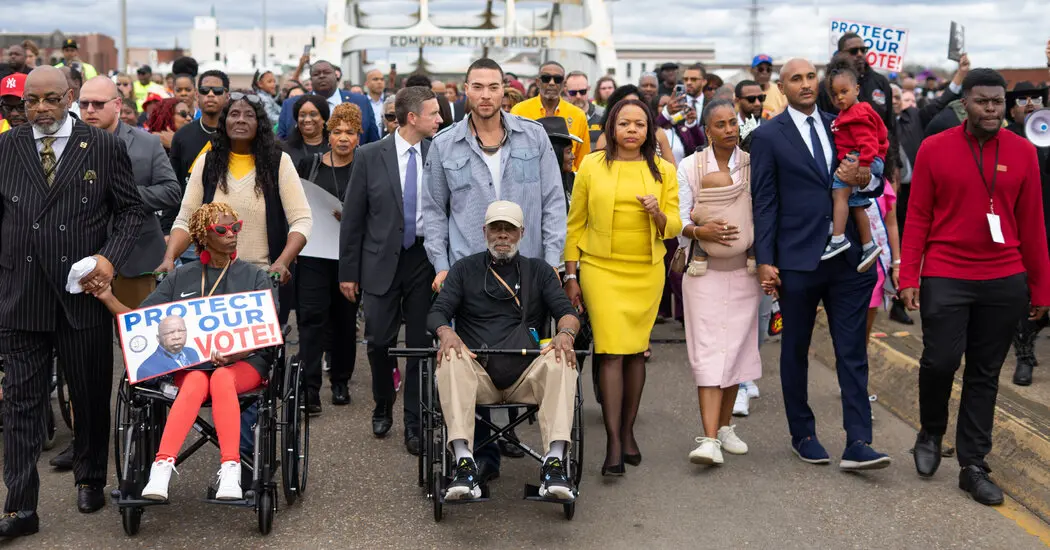
민권운동의 베테랑들과 다른 사람들은 대법원 판결이 이 지역의 흑인 대표성에서 수십 년간의 성과가 암울하게 끝났다고 느껴진다고 말했습니다.
레슬리 B. 맥클레모어 박사는 1960년대 초 미시시피 시골 지역에서 흑인 유권자 등록을 위해 일하는 젊은 대학생으로 문을 두드릴 때 공기 속에 맴도는 공포를 기억합니다. 위협들. 고속도로를 따라 경찰관이 그의 얼굴에 휘둘렀던 총.
1965년 투표권법이 법이 되었을 때 텔레비전 주위에 모여드는 다른 학생들과 함께 그가 더욱 즐거운 축하를 했던 것은 그것 때문에 더욱 기뻤습니다. 수요일에 그는 대법원이 최근에 그것에 가한 타격 이후 다른 감정들과 씨름했습니다.
85세인 맥클레모어 박사는 "1965년에 일어난 일을 바탕으로 2026년에 우리가 지금 있는 곳에 있을 것이라고 내가 와일드한 꿈속에서도 절대 상상하지 못했다"고 말했습니다. 민권운동의 생존해 있는 몇 안 되는 베테랑 중 한 명입니다. "그것은 역사적이고 슬픈 날입니다."
대법원의 보수적 다수파와 수년에 걸쳐 투표권법을 잠식해온 다른 판결들을 고려하면, 수요일의 판결은 남부 전역의 투표권 그룹이나 흑인 지도자들을 완전히 놀라게 하지는 않았습니다. 여기서 이 획기적인 법은 여러 흑인 다수 투표 지역을 만들도록 주들을 주도했습니다.
하지만 다수파를 대신해 작성한 사무엘 A. 알리토 주니어 대법관은 국가가 법 제정 이후 "광대한 사회 변화"를 겪었다는 주장으로 일부를 놀라게 했습니다. 그는 부분적으로 소수자들의 증가된 유권자 등록과 투표율을 지적했습니다.
"오래전에 발생한 차별과 현재의 불평등은 지속적인 '사회적 차별의 영향'으로 특징지어지며, 훨씬 적은 가중치를 받아야 한다"고 그는 썼습니다.
이 판결은 법의 인종 초점에 반대해온 많은 전국의 보수파들로부터 환영을 받았습니다. 미시간에서 의회에 출마 중인 흑인 공화당인 아미르 하산은 앞으로 나아갈 길은 사람들이 "누가 멜라닌을 가지고 있고 누가 멜라닌을 가지고 있지 않은가"보다는 이념적으로 자신을 일치시키는 것이라고 말했습니다.
"사람들이 우리의 피부색 때문에 나와 다른 사람이 같은 것을 원한다고 생각한다는 사실이 화가 난다"고 대부분의 유권자가 백인인 지역에서 출마 중인 하산 씨가 말했습니다.
흑인 미국인들, 특히 남부 지역은 역사적으로 민주당을 지지해왔습니다. 따라서 이 판결이 공화당 주도의 주 입법부로 하여금 소수자 다수 의회 지역을 폐지하고 그 유권자들을 공화당이 안전한 지역으로 나누도록 주도한다면, 정치적 파문은 상당할 것입니다.
일부 흑인 남부인들에게는 대법원의 추론이 인종 진보에 대한 논쟁의 여지가 있는 평가에 해당했습니다.
"그는 그 단어들을 쓸 수 있다"고 투표권법의 통과를 확보하기 위해 민권운동 베테랑들이 견뎌야 했던 투쟁에 대해 계속 이야기하기로 맹세한 맥클레모어 박사가 말했습니다. "하지만 그는 이 나라에서 흑인들과 유색인종들이 겪어온 것에 대한 생각도 없고 감사도 없습니다."
법이 통과된 이후의 전국의 흑인 대표성의 이득은 남부에서 특히 의미가 있습니다.
최근 2024년에도 앨라배마와 루이지애나는 각각 두 명의 흑인 대표를 의회에 보냈습니다. 새로운 의회 지도에 대한 소송의 결과입니다. 대법원 다수가 새로운 지도를 불법적인 인종 게리맨더링으로 발견했다는 점을 감안할 때, 적어도 그 중 하나인 루이지애나 제6 의회 지역의 의석이 위험에 빠졌습니다.
"이 판결에 대해 다소 우울하다. 그것이 더 나은 방법은 없다"고 미시시피 잭슨의 주 유일의 흑인 다수 지역의 일부인 탁아소를 소유한 77세의 흑인인 델로레스 수엘이 말했습니다. "대법원은 표적을 빗나갔습니다."
잭슨의 다른 곳에서, 택시 회사를 소유한 55세의 흑인인 타이라 딘은 "차별이 여전히 존재한다"고 말했습니다.
"그들이 지금 하고 있는 일이 더 많은 차별로 이어질 것 같은 느낌이 든다"고 그녀는 계속했습니다.
남부의 흑인 유권자의 지위가 투표권법 준수를 평가하기 위해 법원이 사용하는 틀을 변경할 만큼 충분히 개선되었다는 제안은 일부 흑인 선출 민주당원들을 불쾌하게 했습니다.
"내가 명확히 하고 싶은 것은 — 그것이 남부의 대부분의 유색인종이 경험하는 것이 아니라는 것입니다. 정치, 교육, 주택, 의료 접근성 또는 직업 세계에 대해 이야기하든 말입니다"라고 테네시의 민주당 주 상원의원이자 회의의 소수파 지도자인 라움시 아크바리가 말했습니다.
일부 국가 민권 지도자들은 투표권법의 상승과 하강을 시간에 따라 설명하는 것을 지켜봤으며, 수요일의 판결은 수십 년의 정치적 진보의 갑작스러운 끝처럼 느껴졌습니다.
"흑인 극화 투표가 남부에 실재하고, 인종 부의 격차, 교육 성과 격차 및 건강 결과 격차가 실재하며, 고용 차별 청구가 여전히 만연할 때 다수 의견은 비논리적입니다"라고 국가 도시 리그의 회장인 마크 모리알이 말했습니다.
과거 의회 지도에 이의를 제기하는 데 참여한 루이지애나 배턴루주의 활동가인 프레스 로빈슨은 이 판결이 의회 구성뿐만 아니라 정부의 모든 수준에 영향을 미칠 수 있다고 우려했습니다.
"판사, 학교 이사회 위원, 의원 — 상관없습니다. 그것은 모두에게 영향을 미칠 것입니다"라고 그는 수요일 기자 회견에서 기자들에게 말했습니다.
남부 캐롤라이나에서 분리 기간 동안 자란 로빈슨 씨는 루이지애나를 통제하는 공화당원들과 거의 다른 모든 남부 주들이 지역 수준에서 정치 지형을 공격적으로 재편성하여 흑인 대표성을 없애려고 움직일 것이라고 예측했습니다.
"그들은 우리가 전혀 목소리를 갖지 않도록 하려는 데 결심했습니다"라고 그가 말했습니다.
보도는 Michelle Baruchman, Jimmie E. Gates, Clyde McGrady, Bryant K. Oden 및 Rick Rojas의 기여를 받았습니다.
Audra D. S. Burch는 남부 플로리다와 애틀란타를 기반으로 전국의 인종과 정체성에 대해 글을 쓰는 국가 기자입니다.
Emily Cochrane은 내슈빌을 기반으로 미국 남부를 다루는 뉴욕타임즈의 국가 기자입니다.
1965년 투표권법이 법이 되었을 때 텔레비전 주위에 모여드는 다른 학생들과 함께 그가 더욱 즐거운 축하를 했던 것은 그것 때문에 더욱 기뻤습니다. 수요일에 그는 대법원이 최근에 그것에 가한 타격 이후 다른 감정들과 씨름했습니다.
85세인 맥클레모어 박사는 "1965년에 일어난 일을 바탕으로 2026년에 우리가 지금 있는 곳에 있을 것이라고 내가 와일드한 꿈속에서도 절대 상상하지 못했다"고 말했습니다. 민권운동의 생존해 있는 몇 안 되는 베테랑 중 한 명입니다. "그것은 역사적이고 슬픈 날입니다."
대법원의 보수적 다수파와 수년에 걸쳐 투표권법을 잠식해온 다른 판결들을 고려하면, 수요일의 판결은 남부 전역의 투표권 그룹이나 흑인 지도자들을 완전히 놀라게 하지는 않았습니다. 여기서 이 획기적인 법은 여러 흑인 다수 투표 지역을 만들도록 주들을 주도했습니다.
하지만 다수파를 대신해 작성한 사무엘 A. 알리토 주니어 대법관은 국가가 법 제정 이후 "광대한 사회 변화"를 겪었다는 주장으로 일부를 놀라게 했습니다. 그는 부분적으로 소수자들의 증가된 유권자 등록과 투표율을 지적했습니다.
"오래전에 발생한 차별과 현재의 불평등은 지속적인 '사회적 차별의 영향'으로 특징지어지며, 훨씬 적은 가중치를 받아야 한다"고 그는 썼습니다.
이 판결은 법의 인종 초점에 반대해온 많은 전국의 보수파들로부터 환영을 받았습니다. 미시간에서 의회에 출마 중인 흑인 공화당인 아미르 하산은 앞으로 나아갈 길은 사람들이 "누가 멜라닌을 가지고 있고 누가 멜라닌을 가지고 있지 않은가"보다는 이념적으로 자신을 일치시키는 것이라고 말했습니다.
"사람들이 우리의 피부색 때문에 나와 다른 사람이 같은 것을 원한다고 생각한다는 사실이 화가 난다"고 대부분의 유권자가 백인인 지역에서 출마 중인 하산 씨가 말했습니다.
흑인 미국인들, 특히 남부 지역은 역사적으로 민주당을 지지해왔습니다. 따라서 이 판결이 공화당 주도의 주 입법부로 하여금 소수자 다수 의회 지역을 폐지하고 그 유권자들을 공화당이 안전한 지역으로 나누도록 주도한다면, 정치적 파문은 상당할 것입니다.
일부 흑인 남부인들에게는 대법원의 추론이 인종 진보에 대한 논쟁의 여지가 있는 평가에 해당했습니다.
"그는 그 단어들을 쓸 수 있다"고 투표권법의 통과를 확보하기 위해 민권운동 베테랑들이 견뎌야 했던 투쟁에 대해 계속 이야기하기로 맹세한 맥클레모어 박사가 말했습니다. "하지만 그는 이 나라에서 흑인들과 유색인종들이 겪어온 것에 대한 생각도 없고 감사도 없습니다."
법이 통과된 이후의 전국의 흑인 대표성의 이득은 남부에서 특히 의미가 있습니다.
최근 2024년에도 앨라배마와 루이지애나는 각각 두 명의 흑인 대표를 의회에 보냈습니다. 새로운 의회 지도에 대한 소송의 결과입니다. 대법원 다수가 새로운 지도를 불법적인 인종 게리맨더링으로 발견했다는 점을 감안할 때, 적어도 그 중 하나인 루이지애나 제6 의회 지역의 의석이 위험에 빠졌습니다.
"이 판결에 대해 다소 우울하다. 그것이 더 나은 방법은 없다"고 미시시피 잭슨의 주 유일의 흑인 다수 지역의 일부인 탁아소를 소유한 77세의 흑인인 델로레스 수엘이 말했습니다. "대법원은 표적을 빗나갔습니다."
잭슨의 다른 곳에서, 택시 회사를 소유한 55세의 흑인인 타이라 딘은 "차별이 여전히 존재한다"고 말했습니다.
"그들이 지금 하고 있는 일이 더 많은 차별로 이어질 것 같은 느낌이 든다"고 그녀는 계속했습니다.
남부의 흑인 유권자의 지위가 투표권법 준수를 평가하기 위해 법원이 사용하는 틀을 변경할 만큼 충분히 개선되었다는 제안은 일부 흑인 선출 민주당원들을 불쾌하게 했습니다.
"내가 명확히 하고 싶은 것은 — 그것이 남부의 대부분의 유색인종이 경험하는 것이 아니라는 것입니다. 정치, 교육, 주택, 의료 접근성 또는 직업 세계에 대해 이야기하든 말입니다"라고 테네시의 민주당 주 상원의원이자 회의의 소수파 지도자인 라움시 아크바리가 말했습니다.
일부 국가 민권 지도자들은 투표권법의 상승과 하강을 시간에 따라 설명하는 것을 지켜봤으며, 수요일의 판결은 수십 년의 정치적 진보의 갑작스러운 끝처럼 느껴졌습니다.
"흑인 극화 투표가 남부에 실재하고, 인종 부의 격차, 교육 성과 격차 및 건강 결과 격차가 실재하며, 고용 차별 청구가 여전히 만연할 때 다수 의견은 비논리적입니다"라고 국가 도시 리그의 회장인 마크 모리알이 말했습니다.
과거 의회 지도에 이의를 제기하는 데 참여한 루이지애나 배턴루주의 활동가인 프레스 로빈슨은 이 판결이 의회 구성뿐만 아니라 정부의 모든 수준에 영향을 미칠 수 있다고 우려했습니다.
"판사, 학교 이사회 위원, 의원 — 상관없습니다. 그것은 모두에게 영향을 미칠 것입니다"라고 그는 수요일 기자 회견에서 기자들에게 말했습니다.
남부 캐롤라이나에서 분리 기간 동안 자란 로빈슨 씨는 루이지애나를 통제하는 공화당원들과 거의 다른 모든 남부 주들이 지역 수준에서 정치 지형을 공격적으로 재편성하여 흑인 대표성을 없애려고 움직일 것이라고 예측했습니다.
"그들은 우리가 전혀 목소리를 갖지 않도록 하려는 데 결심했습니다"라고 그가 말했습니다.
보도는 Michelle Baruchman, Jimmie E. Gates, Clyde McGrady, Bryant K. Oden 및 Rick Rojas의 기여를 받았습니다.
Audra D. S. Burch는 남부 플로리다와 애틀란타를 기반으로 전국의 인종과 정체성에 대해 글을 쓰는 국가 기자입니다.
Emily Cochrane은 내슈빌을 기반으로 미국 남부를 다루는 뉴욕타임즈의 국가 기자입니다.
처리 완료
5,157 tokens · $0.0149
기사 수집 완료 · 19:05
매체 피드에서 기사 메타데이터 수집
헤드라인 번역 완료 · 19:16
제목/요약 한국어 번역 (fetch 시점 inline)
claude-haiku-4-5-20251001
222 tokens
$0.00057
1.8s
본문 추출 완료
5,778자 추출 완료
본문 한국어 번역 완료 · 19:16
2,875자 번역 완료
claude-haiku-4-5-20251001
4,935 tokens
$0.01437
34.1s
지정학적 엔티티 추출 완료 · 19:16
8개 엔티티 추출 완료
지정학적 맥락 & R-Scanner
R-Scanner · 평상
z=0.56
일상적인 보도 수준 — 기준: Mississippi
(🇺🇸 US)
최근 6시간 31건
7일 평균 27.96건 / 6h
5개국 매체
7개 매체
본문에서 추출된 지명 (8)
Mississippi
🇺🇸
South
🇺🇸
United States
🇺🇸
Michigan
🇺🇸
Alabama
🇺🇸
Louisiana
🇺🇸
Tennessee
🇺🇸
South Carolina
🇺🇸
위치 지도
지도 로딩 중…
같은 주제의 다른 기사 (최근 7일)
Veterans of the civil rights movement and others said the Supreme Court decision felt like a bleak end to decades of gains in Black representation in the region.
Dr. Leslie B. McLemore remembers the fear that simmered in the air as he went door to door as a young college student working to register Black voters in rural Mississippi in the early 1960s. The threats. The gun brandished in his face by a patrol officer along a highway.It made the celebration even more joyful as he joined other students crowding around a television when the Voting Rights Act became law in 1965. On Wednesday, he grappled with different emotions after the Supreme Court dealt it its latest blow.
“I just never in my wildest imagination ever dreamed that we would be, in 2026, where we are now, based on what happened in 1965,” said Dr. McLemore, 85, one of the few surviving veterans of the civil rights movement. “It’s a historic, sad day.”
Given the Supreme Court’s conservative majority and other rulings that had chipped away at the Voting Rights Act over the years, Wednesday’s decision did not entirely surprise voting rights groups or Black leaders across the South, where the landmark law has led states to create several majority-Black voting districts.
But Justice Samuel A. Alito Jr., in writing for the majority, took some aback with his assertion that the nation had undergone “vast social change” since the law’s passage. He pointed in part to increased voter registration and turnout by minorities.
“Discrimination that occurred some time ago, as well as present-day disparities that are characterized as the ongoing ‘effects of societal discrimination,’ are entitled to much less weight,” he wrote.
The ruling was cheered by conservatives across the country, many of whom had objected to the law’s focus on race. The path forward, said Amir Hassan, a Black Republican running for Congress in Michigan, is for people to align themselves ideologically, rather than by “who has melanin and who doesn’t have melanin.”
“It’s upsetting, the fact that people think I want the same thing as another person just because of our skin tone,” said Mr. Hassan, who is running in a district where most voters are white.
Black Americans, especially in the South, have historically backed Democrats. So if the ruling leads G.O.P.-led state legislatures to eliminate majority-minority congressional districts, dividing those voters among Republican-safe districts, the political ripples will be significant.
For some Black Southerners, the Supreme Court’s reasoning amounted to a debatable assessment of racial progress.
“He can write those words,” said Dr. McLemore, who pledged to keep talking about the struggles that civil rights veterans had endured to secure passage of the Voting Rights Act. “But he has no idea and no appreciation for what Black people and what people of color have gone through in this country.”
The gains in Black representation across the country since the act passed have been particularly meaningful in the South.
As recently as 2024, Alabama and Louisiana each sent two Black representatives to Congress — the result of litigation over new congressional maps. At least one of those seats — in Louisiana’s Sixth Congressional District — is now in jeopardy, given that a majority of the Supreme Court found the new map to be an illegal racial gerrymander.
“I’m somewhat depressed about the ruling. No way is it better,” said Delores Suel, 77, who is Black and owns a child-care center in Jackson, Miss., part of the state’s lone majority-Black district. “The Supreme Court missed the mark.”
Elsewhere in Jackson, Tyra Dean, 55, who is Black and owns a taxi company, said that “discrimination still exists.”
“I feel what they are doing now will lead to more discrimination,” she continued.
The suggestion that the standing of Black voters in the South had improved enough to warrant changing the framework courts use to assess compliance with the Voting Rights Act rankled some Black elected Democrats.
“I want to be crystal clear — that is not the experience that most people of color have in the South, whether we’re talking about politics, education, housing, access to health care or the professional world,” said Raumesh Akbari, a Democratic state senator in Tennessee and the chamber’s minority leader.
For some national civil rights leaders who watched what they describe as the rise and fall of the Voting Rights Act over time, Wednesday’s decision felt like an abrupt end to decades of political progress.
“The majority opinion is illogical when racially polarized voting in the South is real; when the racial wealth gap, the educational achievement gap and health outcome gaps are real; when discrimination claims in employment are still rampant,” said Marc Morial, president of the National Urban League.
Press Robinson, an activist in Baton Rouge, La., who was involved in challenging past congressional maps, said he feared the ruling could have ramifications not just for the makeup of Congress, but for all levels of government.
“Judges, school board members, councilmen — doesn’t matter, it will affect them all,” he told reporters in a news conference on Wednesday.
Mr. Robinson, who grew up in South Carolina during segregation, predicted that the Republicans who control the government in Louisiana — and in nearly every other Southern state — would move aggressively to reshape the political landscape from the local level on up, wiping out Black representation.
“They are determined to see to it that we don’t have a voice at all,” he said.
Reporting was contributed by Michelle Baruchman, Jimmie E. Gates, Clyde McGrady, Bryant K. Oden and Rick Rojas.
Audra D. S. Burch is a national reporter, based in South Florida and Atlanta, writing about race and identity around the country.
Emily Cochrane is a national reporter for The Times covering the American South, based in Nashville.