빛으로 향하는 한 명, 물질로 향하는 또 다른 한 명 — 프랑스에서 형성된 한국 예술가들이 다시 주목받다
One turns to light, the other to matter — Korean artists shaped in France return to view
The Korea Herald
· 🇰🇷 Seoul, KR
Park Yuna
EN
2026-04-24 15:10
Translated
20세기 후반 프랑스에서 활동을 형성한 두 명의 한국 예술가가 한국과 프랑스에서 다시 주목받고 있다. 방해자(1937–2022)와 신성혜(1948–2009)의 작품들이 주요 박물관 전시회에서 재검토되고 있다.
거의 10년의 나이 차이가 나는 두 예술가에게 프랑스에서의 경험은 그들의 작업 방식을 바꾸었다. 방해자의 경우 회화는 빛을 탐구하는 방식이 되었고, 신성혜의 경우 캔버스 자체를 재료와 구조로 재검토하는 과정이 되었다.
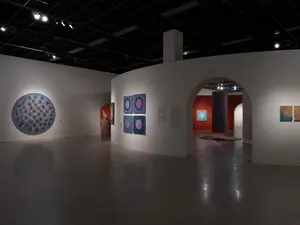
방해자의 평생에 걸친 예술적 실천은 이제 충청북도 청주의 국립현대미술관 지역관에서 열리는 대규모 회고전에서 조명받고 있다.
1960년대부터 2000년대까지 아우르는 회고전 "방해자: 천지에 빛을 뿌리다"는 67점의 작품과 200점 이상의 아카이브 자료를 한데 모으고 있으며, 9월 27일까지 개최된다.
절반 이상의 작품들은 프랑스에서 제작되었으며 한국에서는 한 번도 전시된 적이 없으며, 퐁피두 센터와 체르누스키 박물관의 주요 작품들이 포함되어 있다고 국립현대미술관이 밝혔다.
"이 전시회는 한국 현대미술사에서 충분히 인정받지 못한 방해자의 예술 세계를 완전히 재검토할 수 있는 중요한 기회를 제공한다"고 국립현대미술관 김성희 관장이 말했다.
전통 닥종이와 천연 안료를 사용하여 작업한 방해자는 내적 빛을 표현하려고 노력했다. 나중에 그녀는 회화를 넘어 벽화, 판화, 스테인드글라스까지 자신의 작업 범위를 확장했다.
방해자는 1961년 한국 정부 후원으로 해외에 나간 첫 미술학생으로 프랑스로 이주했으며, 소수의 여성 예술가들만이 추상미술을 실험하던 시기에 새로운 예술적 가능성을 찾고 있었다.
방해자의 작업이 빛을 통해 회화를 확장한다면, 신성혜는 재료를 통해 접근한다.
파리의 체르누스키 박물관에서 "신성혜: 콜레, 쿠튀르, 누아주"는 예술가의 경력을 아우르는 약 30점의 작품을 선보이며, 프랑스 박물관에서 처음 열리는 그의 사후 회고전이다.
1980년 파리로 이주한 신성혜는 캔버스의 평탄성에 점점 더 직접적인 방식으로 저항했다. 그의 초기 콜라주 작품들은 스테인드글라스의 밝은 색감을 바탕으로 했지만, 그의 작업은 곧 캔버스 자체를 자르고, 꿰매고, 재조립하는 방향으로 전환되었다.
그의 작업은 1960년대 후반 프랑스 운동인 '서포트/서피스'와 관련하여 논의되어 왔으며, 이는 회화를 기본 요소로 분해하여 캔버스와 재료 자체를 주제로 삼으려 했다.
그러나 체르누스키 박물관의 중국 및 한국 미술 담당 마엘 벨렉에 따르면, 신성혜의 접근 방식은 궁극적으로 그 궤적과 다르다.
"서포트/서피스가 열어준 가능성이 없었다면 이러한 작업은 시도하기 어려웠을 수도 있다"고 그는 성명에서 말했다. "그러나 신성혜는 회화를 해체하지 않기로 선택했고, 대신 그것을 재구성하여 자신의 고유한 재료 언어를 통해 그러한 아이디어들을 다시 작업했다."
그의 초기 콜라주(1983–1992)는 나중에 그가 칠해진 캔버스를 자르고 꿰매는 "쿠튀라주" 시리즈(1993–1997)로 진화했으며, 그 다음 그가 캔버스를 풀어헤치고 손으로 짜서 공간 구조로 만드는 "누아주" 시리즈(1997–2009)로 이어졌다.
한국과 프랑스 수교 140주년을 기념하여 마련된 이 전시회는 파리의 체르누스키 박물관에서 8월 2일까지 개최된다.
거의 10년의 나이 차이가 나는 두 예술가에게 프랑스에서의 경험은 그들의 작업 방식을 바꾸었다. 방해자의 경우 회화는 빛을 탐구하는 방식이 되었고, 신성혜의 경우 캔버스 자체를 재료와 구조로 재검토하는 과정이 되었다.
방해자의 평생에 걸친 예술적 실천은 이제 충청북도 청주의 국립현대미술관 지역관에서 열리는 대규모 회고전에서 조명받고 있다.
1960년대부터 2000년대까지 아우르는 회고전 "방해자: 천지에 빛을 뿌리다"는 67점의 작품과 200점 이상의 아카이브 자료를 한데 모으고 있으며, 9월 27일까지 개최된다.
절반 이상의 작품들은 프랑스에서 제작되었으며 한국에서는 한 번도 전시된 적이 없으며, 퐁피두 센터와 체르누스키 박물관의 주요 작품들이 포함되어 있다고 국립현대미술관이 밝혔다.
"이 전시회는 한국 현대미술사에서 충분히 인정받지 못한 방해자의 예술 세계를 완전히 재검토할 수 있는 중요한 기회를 제공한다"고 국립현대미술관 김성희 관장이 말했다.
전통 닥종이와 천연 안료를 사용하여 작업한 방해자는 내적 빛을 표현하려고 노력했다. 나중에 그녀는 회화를 넘어 벽화, 판화, 스테인드글라스까지 자신의 작업 범위를 확장했다.
방해자는 1961년 한국 정부 후원으로 해외에 나간 첫 미술학생으로 프랑스로 이주했으며, 소수의 여성 예술가들만이 추상미술을 실험하던 시기에 새로운 예술적 가능성을 찾고 있었다.
방해자의 작업이 빛을 통해 회화를 확장한다면, 신성혜는 재료를 통해 접근한다.
파리의 체르누스키 박물관에서 "신성혜: 콜레, 쿠튀르, 누아주"는 예술가의 경력을 아우르는 약 30점의 작품을 선보이며, 프랑스 박물관에서 처음 열리는 그의 사후 회고전이다.
1980년 파리로 이주한 신성혜는 캔버스의 평탄성에 점점 더 직접적인 방식으로 저항했다. 그의 초기 콜라주 작품들은 스테인드글라스의 밝은 색감을 바탕으로 했지만, 그의 작업은 곧 캔버스 자체를 자르고, 꿰매고, 재조립하는 방향으로 전환되었다.
그의 작업은 1960년대 후반 프랑스 운동인 '서포트/서피스'와 관련하여 논의되어 왔으며, 이는 회화를 기본 요소로 분해하여 캔버스와 재료 자체를 주제로 삼으려 했다.
그러나 체르누스키 박물관의 중국 및 한국 미술 담당 마엘 벨렉에 따르면, 신성혜의 접근 방식은 궁극적으로 그 궤적과 다르다.
"서포트/서피스가 열어준 가능성이 없었다면 이러한 작업은 시도하기 어려웠을 수도 있다"고 그는 성명에서 말했다. "그러나 신성혜는 회화를 해체하지 않기로 선택했고, 대신 그것을 재구성하여 자신의 고유한 재료 언어를 통해 그러한 아이디어들을 다시 작업했다."
그의 초기 콜라주(1983–1992)는 나중에 그가 칠해진 캔버스를 자르고 꿰매는 "쿠튀라주" 시리즈(1993–1997)로 진화했으며, 그 다음 그가 캔버스를 풀어헤치고 손으로 짜서 공간 구조로 만드는 "누아주" 시리즈(1997–2009)로 이어졌다.
한국과 프랑스 수교 140주년을 기념하여 마련된 이 전시회는 파리의 체르누스키 박물관에서 8월 2일까지 개최된다.
처리 완료
3,178 tokens · $0.0086
기사 수집 완료 · 15:10
매체 피드에서 기사 메타데이터 수집
헤드라인 번역 완료 · 15:21
제목/요약 한국어 번역 (fetch 시점 inline)
claude-haiku-4-5-20251001
121 tokens
$0.00028
1.3s
본문 추출 완료
3,485자 추출 완료
본문 한국어 번역 완료 · 15:21
1,601자 번역 완료
claude-haiku-4-5-20251001
3,057 tokens
$0.00836
14.4s
지정학적 엔티티 추출 완료 · 15:21
5개 엔티티 추출 완료
지정학적 맥락 & R-Scanner
R-Scanner · 핫스팟
z=6.33
평소보다 훨씬 많은 매체가 집중 보도 중 — 기준: Korea
(🇰🇷 KR)
최근 6시간 30건
7일 평균 9.5건 / 6h
5개국 매체
6개 매체
본문에서 추출된 지명 (5)
위치 지도
지도 로딩 중…
같은 주제의 다른 기사 (최근 7일)
Two exhibitions in Korea and France revisit Bang Hai-ja and Shin Sung-hy who reshaped painting through decades of work abroad
Two Korean artists whose practices were shaped in France in the late 20th century are back in the spotlight in Korea and France — Bang Hai-ja (1937–2022) and Shin Sung-hy (1948–2009), whose works are now being revisited in major museum exhibitions.
For the two artists, born nearly a decade apart, experiences in France shifted how they approached their work. For Bang, painting became a way to explore light; for Shin, it became a process of rethinking the canvas itself as material and structure.
Bang’s lifelong artistic practice now comes into focus in a major retrospective in Cheongju at the National Museum of Modern and Contemporary Art, Korea, the museum’s regional venue in North Chungcheong Province.
Spanning from the 1960s to the 2000s, the retrospective “Bang Hai Ja: Sowing Light Across Heaven and Earth” brings together 67 works and more than 200 archival materials, running through Sept. 27.
More than half of the works are from France and have never been shown in Korea, including major pieces from the Centre Pompidou and the Cernuschi Museum, according to MMCA.
“This exhibition offers an important opportunity to fully reexamine the artistic world of Bang Hai-ja, which has not been sufficiently recognized within the history of Korean contemporary art,” said Kim Sung-hee, director of the National Museum of Modern and Contemporary Art, Korea.
Working with "hanji" — traditional mulberry paper — and natural pigments, Bang sought to express an inner light. She later expanded her practice beyond painting to include murals, printmaking and stained glass.
Bang moved to France in 1961 as the first Korean government-sponsored art student abroad, in search of new artistic possibilities at a time when few women artists were experimenting with abstraction.
If Bang’s work expands painting through light, Shin approaches it through material.
At the Cernuschi Museum in Paris, “Shin Sung Hy: Coller, Couturer, Nouer” presents around 30 works spanning the artist’s career, marking his first posthumous retrospective at a French museum.
Shin, who moved to Paris in 1980, pushed against the flatness of the canvas in increasingly direct ways. His early collage works drew on the luminous colors of stained glass, but his practice soon shifted toward cutting, stitching and reassembling the canvas itself.
His work has often been discussed in relation to supports/surfaces, a French movement of the late 1960s that sought to break painting down to its basic elements, treating canvas and material as subjects in their own right.
Yet, Shin’s approach ultimately diverges from that trajectory, according to Mael Bellec, head of Chinese and Korean collections at the Cernuschi Museum.
“Without the possibilities opened by supports/surfaces, such work might have been difficult to attempt,” he said in a statement. “Yet Shin chose not to dismantle painting, but to reconstruct it, reworking those ideas through his own material language.”
His early collages (1983–1992) later evolved into the “Couturage” series (1993–1997), in which he cut and stitched painted canvases, and the “Nouage” series (1997–2009), where he unraveled and hand-wove them into spatial structures.
Organized as part of the 140th anniversary of diplomatic relations between Korea and France, the exhibition runs through Aug. 2 at the Cernuschi Museum in Paris.
Two Korean artists whose practices were shaped in France in the late 20th century are back in the spotlight in Korea and France — Bang Hai-ja (1937–2022) and Shin Sung-hy (1948–2009), whose works are now being revisited in major museum exhibitions.
For the two artists, born nearly a decade apart, experiences in France shifted how they approached their work. For Bang, painting became a way to explore light; for Shin, it became a process of rethinking the canvas itself as material and structure.
Bang’s lifelong artistic practice now comes into focus in a major retrospective in Cheongju at the National Museum of Modern and Contemporary Art, Korea, the museum’s regional venue in North Chungcheong Province.
Spanning from the 1960s to the 2000s, the retrospective “Bang Hai Ja: Sowing Light Across Heaven and Earth” brings together 67 works and more than 200 archival materials, running through Sept. 27.
More than half of the works are from France and have never been shown in Korea, including major pieces from the Centre Pompidou and the Cernuschi Museum, according to MMCA.
“This exhibition offers an important opportunity to fully reexamine the artistic world of Bang Hai-ja, which has not been sufficiently recognized within the history of Korean contemporary art,” said Kim Sung-hee, director of the National Museum of Modern and Contemporary Art, Korea.
Working with "hanji" — traditional mulberry paper — and natural pigments, Bang sought to express an inner light. She later expanded her practice beyond painting to include murals, printmaking and stained glass.
Bang moved to France in 1961 as the first Korean government-sponsored art student abroad, in search of new artistic possibilities at a time when few women artists were experimenting with abstraction.
If Bang’s work expands painting through light, Shin approaches it through material.
At the Cernuschi Museum in Paris, “Shin Sung Hy: Coller, Couturer, Nouer” presents around 30 works spanning the artist’s career, marking his first posthumous retrospective at a French museum.
Shin, who moved to Paris in 1980, pushed against the flatness of the canvas in increasingly direct ways. His early collage works drew on the luminous colors of stained glass, but his practice soon shifted toward cutting, stitching and reassembling the canvas itself.
His work has often been discussed in relation to supports/surfaces, a French movement of the late 1960s that sought to break painting down to its basic elements, treating canvas and material as subjects in their own right.
Yet, Shin’s approach ultimately diverges from that trajectory, according to Mael Bellec, head of Chinese and Korean collections at the Cernuschi Museum.
“Without the possibilities opened by supports/surfaces, such work might have been difficult to attempt,” he said in a statement. “Yet Shin chose not to dismantle painting, but to reconstruct it, reworking those ideas through his own material language.”
His early collages (1983–1992) later evolved into the “Couturage” series (1993–1997), in which he cut and stitched painted canvases, and the “Nouage” series (1997–2009), where he unraveled and hand-wove them into spatial structures.
Organized as part of the 140th anniversary of diplomatic relations between Korea and France, the exhibition runs through Aug. 2 at the Cernuschi Museum in Paris.