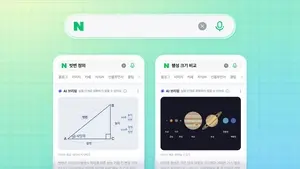
Naver, Google의 AI 공세에 맞서 AI Tab 출시
Naver fires back at Google with AI Tab rollout
The Korea Herald
· 🇰🇷 Seoul, KR
Moon Joon-hyun
EN
2026-04-24 16:35
Translated
Naver가 AI 기반 검색 제품 "AI Tab"의 공개 베타를 다음 달 말이나 5월 초까지 출시할 예정이며, Google이 한국 시장에서 지역 기업을 능가한 적이 없는 주요 시장 중 하나에서 최실질적인 방어 움직임을 펼치고 있다.
Naver는 다음 주 초부터 에이전트형 검색 제품 "AI Tab"의 제한된 베타 테스트를 시작할 예정이며, 이는 Google의 인공지능 기반 한국 시장 진출에 대한 가장 실질적인 방어 움직임이다. Google은 전 세계 약 70%의 시장 점유율을 가진 Chrome 브라우저에 Gemini를 한국에서 월요일에 출시했고, 4일 후 Naver는 수백 명의 직원들이 4월 17일부터 AI Tab을 내부 테스트 중이며 월말이나 5월 초 공개 베타를 예상하고 있음을 확인했다.
AI Tab은 Naver 검색 결과 페이지의 기존 뉴스, 블로그, 카페 탭과 함께 표시되어 국내 가장 많이 사용되는 검색 인터페이스 내에서 사용자에게 전용 대화형 공간을 제공한다. 이는 페이지 상단의 결과만 요약하는 1년 전 Naver의 AI 브리핑과는 다른 기능이다.
Naver는 2028년까지 100억 원 이상(6,740만 달러)을 투자하여 "AI 준비 완료" 데이터를 구축할 계획이며, 이는 기계 소비를 위해 미리 구조화된 학습 콘텐츠이다. OpenAI, Anthropic, Google이 개방형 웹을 크롤링하는 방식과 달리, Naver는 공영방송 EBS와 백과사전 출판사 두산을 포함한 파트너들과 배타적 자료를 공동 제작하고 있다.
그 데이터 폐쇄는 Naver의 경쟁 논리의 핵심이다. 외부 AI 크롤러가 접근할 수 없는 블로그, 카페, 플레이스 및 상거래 플랫폼은 음식점, 지역 사업, 제품 리뷰 및 여행에 관한 20년간의 한국 사용자 생성 콘텐츠를 보유하고 있다. AI Tab은 단순히 답변을 요약하기보다는 진료소 예약이나 제품 주문과 같은 거래를 실행하는 수직형 에이전트에 쿼리를 라우팅하도록 설계되었다.
Naver의 1년 된 AI 브리핑 기능의 초기 견인력이 이 전략에 어느 정도 가중치를 더한다. 이 도구는 현재 검색 결과의 20%에 나타나며 월 3,000만 명 이상의 사용자에게 도달한다고 회사는 이번 달에 공개했다.
"AI Tab은 한국 사용자의 경험 데이터를 기반으로 판단을 내리는 실행 중심의 에이전트형 AI로 포지셔닝되어 있다"고 Naver의 AI 검색 이니셔티브를 이끌고 있는 우연문이 말했다.
이것이 충분한지는 불분명하다. Internet Trend에 따르면 Naver는 3월 한국 검색 시장의 63.83%를 차지했고 Google은 28.67%를 차지했지만, Google은 지난 10년 동안 거의 10 포인트 포인트를 얻었다. 1월에 발표된 오픈서베이 데이터는 Gemini의 3개월 사용률이 2025년 3월과 12월 사이에 28.9%로 3배 증가하여 지역 시장이 기록한 가장 빠른 변화라고 보여줬다.
AI Tab은 Naver 검색 결과 페이지의 기존 뉴스, 블로그, 카페 탭과 함께 표시되어 국내 가장 많이 사용되는 검색 인터페이스 내에서 사용자에게 전용 대화형 공간을 제공한다. 이는 페이지 상단의 결과만 요약하는 1년 전 Naver의 AI 브리핑과는 다른 기능이다.
Naver는 2028년까지 100억 원 이상(6,740만 달러)을 투자하여 "AI 준비 완료" 데이터를 구축할 계획이며, 이는 기계 소비를 위해 미리 구조화된 학습 콘텐츠이다. OpenAI, Anthropic, Google이 개방형 웹을 크롤링하는 방식과 달리, Naver는 공영방송 EBS와 백과사전 출판사 두산을 포함한 파트너들과 배타적 자료를 공동 제작하고 있다.
그 데이터 폐쇄는 Naver의 경쟁 논리의 핵심이다. 외부 AI 크롤러가 접근할 수 없는 블로그, 카페, 플레이스 및 상거래 플랫폼은 음식점, 지역 사업, 제품 리뷰 및 여행에 관한 20년간의 한국 사용자 생성 콘텐츠를 보유하고 있다. AI Tab은 단순히 답변을 요약하기보다는 진료소 예약이나 제품 주문과 같은 거래를 실행하는 수직형 에이전트에 쿼리를 라우팅하도록 설계되었다.
Naver의 1년 된 AI 브리핑 기능의 초기 견인력이 이 전략에 어느 정도 가중치를 더한다. 이 도구는 현재 검색 결과의 20%에 나타나며 월 3,000만 명 이상의 사용자에게 도달한다고 회사는 이번 달에 공개했다.
"AI Tab은 한국 사용자의 경험 데이터를 기반으로 판단을 내리는 실행 중심의 에이전트형 AI로 포지셔닝되어 있다"고 Naver의 AI 검색 이니셔티브를 이끌고 있는 우연문이 말했다.
이것이 충분한지는 불분명하다. Internet Trend에 따르면 Naver는 3월 한국 검색 시장의 63.83%를 차지했고 Google은 28.67%를 차지했지만, Google은 지난 10년 동안 거의 10 포인트 포인트를 얻었다. 1월에 발표된 오픈서베이 데이터는 Gemini의 3개월 사용률이 2025년 3월과 12월 사이에 28.9%로 3배 증가하여 지역 시장이 기록한 가장 빠른 변화라고 보여줬다.
처리 완료
2,517 tokens · $0.0068
기사 수집 완료 · 16:35
매체 피드에서 기사 메타데이터 수집
헤드라인 번역 완료 · 16:42
제목/요약 한국어 번역 (fetch 시점 inline)
claude-haiku-4-5-20251001
132 tokens
$0.00034
4.1s
본문 추출 완료
2,666자 추출 완료
본문 한국어 번역 완료 · 16:42
1,290자 번역 완료
claude-haiku-4-5-20251001
2,385 tokens
$0.00643
10.9s
지정학적 엔티티 추출 완료 · 16:42
2개 엔티티 추출 완료
지정학적 맥락 & R-Scanner
R-Scanner · 핫스팟
z=2.94
평소보다 훨씬 많은 매체가 집중 보도 중 — 기준: South Korea
(🇰🇷 KR)
최근 6시간 24건
7일 평균 13건 / 6h
5개국 매체
5개 매체
본문에서 추출된 지명 (2)
위치 지도
지도 로딩 중…
같은 주제의 다른 기사 (최근 7일)
Naver will begin a closed beta of its agentic search product "AI Tab" as early as next week, in the company's most substantive defensive move yet against Google's artificial intelligence-powered push into South Korea, one of a handful of major markets where Google has never overtaken the local incumbent.
The timing is notable. Google launched Gemini in Chrome in Korea on Monday, embedding its AI assistant directly into the browser that holds roughly 70 percent of the global market. Four days later, Naver confirmed that hundreds of employees have been testing AI Tab internally since April 17, with a public beta expected by month's end or in early May, according to industry sources.
AI Tab will sit alongside the existing News, Blog and Cafe tabs on Naver's search results page, giving users a dedicated conversational space within the country's most-used search interface. This is a distinct feature from Naver's year-old AI Briefing, which only summarizes results at the top of the page.
Naver said it will invest more than 100 billion won ($67.4 million) through 2028 to build what the industry calls "AI-ready" data, training content that is prestructured for machine consumption. Rather than crawling the open web in the manner of OpenAI, Anthropic and Google, Naver is co-producing exclusive material with partners including public broadcaster EBS and encyclopedia publisher Doosan.
The arrangement sidesteps
That data enclosure is the core of Naver's competitive logic. Its blog, cafe, Place and commerce platforms, which external AI crawlers are blocked from, hold two decades of Korean user-generated content on restaurants, local businesses, product reviews and travel. AI Tab is designed to route queries to vertical agents that execute transactions, booking a clinic or ordering a product, rather than simply summarizing answers.
Early traction from Naver's year-old AI Briefing feature lends some weight to the bet. The tool now appears on 20 percent of search results, reaching more than 30 million monthly users, the company disclosed this month.
"AI Tab is positioned as execution-oriented agentic AI that makes judgments based on Korean users' experience data," said Woo Yeon-moon, who leads Naver's AI search initiatives.
Whether that is enough is unclear. Naver held 63.83 percent of the Korean search market in March against Google's 28.67 percent, per Internet Trend, but Google has gained nearly 10 percentage points over the past decade. Opensurvey data released in January showed Gemini's three-month usage rate in Korea tripling to 28.9 percent between March and December 2025, the fastest shift the local market has recorded.
The timing is notable. Google launched Gemini in Chrome in Korea on Monday, embedding its AI assistant directly into the browser that holds roughly 70 percent of the global market. Four days later, Naver confirmed that hundreds of employees have been testing AI Tab internally since April 17, with a public beta expected by month's end or in early May, according to industry sources.
AI Tab will sit alongside the existing News, Blog and Cafe tabs on Naver's search results page, giving users a dedicated conversational space within the country's most-used search interface. This is a distinct feature from Naver's year-old AI Briefing, which only summarizes results at the top of the page.
Naver said it will invest more than 100 billion won ($67.4 million) through 2028 to build what the industry calls "AI-ready" data, training content that is prestructured for machine consumption. Rather than crawling the open web in the manner of OpenAI, Anthropic and Google, Naver is co-producing exclusive material with partners including public broadcaster EBS and encyclopedia publisher Doosan.
The arrangement sidesteps
That data enclosure is the core of Naver's competitive logic. Its blog, cafe, Place and commerce platforms, which external AI crawlers are blocked from, hold two decades of Korean user-generated content on restaurants, local businesses, product reviews and travel. AI Tab is designed to route queries to vertical agents that execute transactions, booking a clinic or ordering a product, rather than simply summarizing answers.
Early traction from Naver's year-old AI Briefing feature lends some weight to the bet. The tool now appears on 20 percent of search results, reaching more than 30 million monthly users, the company disclosed this month.
"AI Tab is positioned as execution-oriented agentic AI that makes judgments based on Korean users' experience data," said Woo Yeon-moon, who leads Naver's AI search initiatives.
Whether that is enough is unclear. Naver held 63.83 percent of the Korean search market in March against Google's 28.67 percent, per Internet Trend, but Google has gained nearly 10 percentage points over the past decade. Opensurvey data released in January showed Gemini's three-month usage rate in Korea tripling to 28.9 percent between March and December 2025, the fastest shift the local market has recorded.