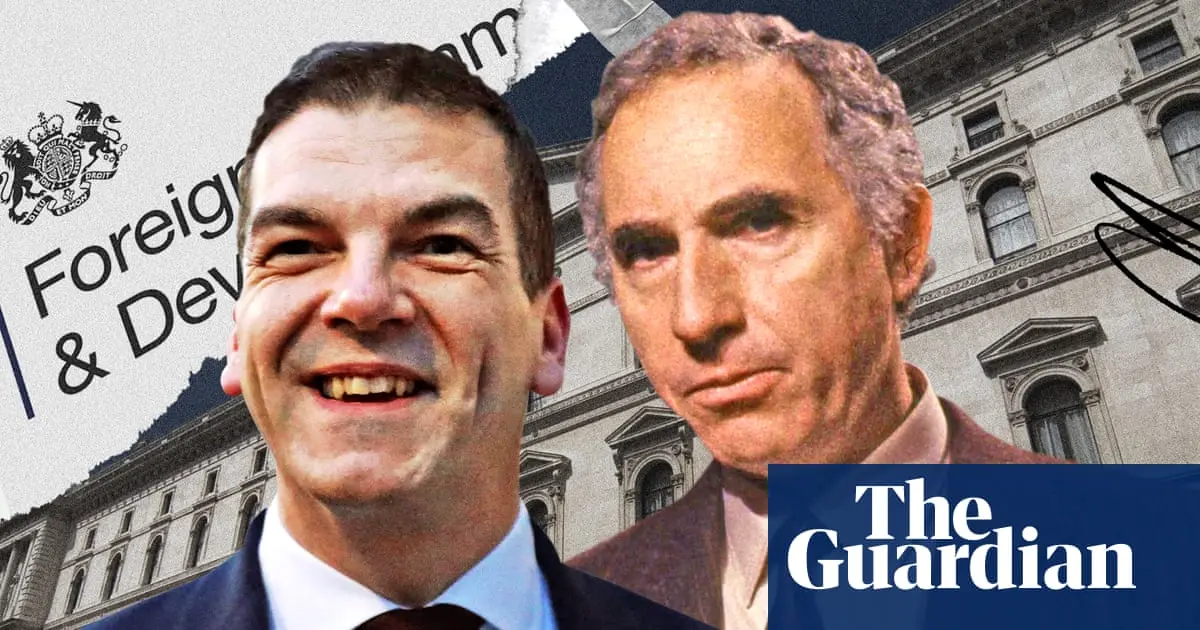
아니요, 장관님: Keir Starmer가 자신의 Sir Humphrey 순간을 경험한 주
No, Minister: the week Keir Starmer had his own Sir Humphrey moment
The Guardian
· 🇬🇧 London, GB
Daniel Boffey Chief reporter
EN
2026-04-24 22:40
Translated
Olly Robbins은 고전적인 공무원의 성과를 보여주었고, 역사에서 장관들이 어떻게 대응해야 하는지에 대한 교훈이 있습니다. Whitehall 풍자극 Yes Minister는 Margaret Thatcher의 즐겨 보는 TV 쇼라고 알려져 있으며, 프로그램의 말이 많은 고위 공무원 Sir Humphrey는 그 현실성 때문에 이를 좋아했을 것입니다.
Whitehall 풍자극 Yes Minister는 Margaret Thatcher의 즐겨 보는 TV 쇼라고 알려져 있으며, 프로그램의 말이 많은 고위 공무원 Sir Humphrey는 그 현실성 때문에 이를 좋아했을 것입니다.
Yes Minister는 친숙한 흐름을 가지고 있었습니다. 문제가 발생하면 관료는 교묘하게 가장 놀라운 궤변을 사용하여 책임을 피하거나 자신의 방식대로 얻을 것입니다. 고인 Paul Eddington이 연기한 대체로 무능하지만 야심 많은 정치인 Jim Hacker는 거의 승리를 거두지 못했습니다.
이번 주, 매우 공개적인 방식으로 Keir Starmer는 자신의 Sir Humphrey 순간을 경험했습니다. 잠재적으로는 실존적인 순간입니다.
Peter Mandelson이 워싱턴 대사 역할로 신원조회에서 탈락했다는 사실을 총리에게 알리지 않은 후 외무부의 상임비서로서 총리에게 해고당한 Olly Robbins은 과거에 위기에 휘말린 많은 공무원들처럼 외교위원회 앞에 나타났습니다.
신원조회 결과에도 불구하고 Mandelson이 그 직책을 맡게 된 것이 어떻게 가능했습니까? "저는 다음과 같이 말씀드렸습니다 - 완전히 정확하게 말씀드리자면 - UKSV [UK Security Vetting]가 반대하는 것을 권장하는 경향을 보였지만 경계선 케이스임을 인정했습니다."
총리에게 알리지 않은 것이 부끄럽지 않습니까? "정부는 신원조회 보안 절차 외에 누군에게 정보를 제공하거나 UKSV 절차의 조사 결과에 대해 브리핑하기 위해서는 '전적으로 예외적인 상황'이어야 한다는 공개 지침을 매우 명확하게 설명합니다."
내각 장관들은 이해할 수 있게도 머리를 긁으면서 총리의 판단에 의문을 제기하고 있습니다.
곁에서 지켜보고 있던 것은 전 보수당 감옥 장관 Ann Widdecombe입니다. 그녀는 이 영화를 이전에 본 적이 있다고 말했습니다. 정치인은 거의 영웅으로 나타나지 않았습니다.
1997년 5월 13일, 베테랑 뉴스맨 Jeremy Paxman은 전 내무부장관 Michael Howard에게 BBC의 Newsnight에서 12번 질문을 했습니다: "당신은 그를 무효화하겠다고 위협했습니까?"
"그"는 HM Prison Service의 전 국장 Derek Lewis였으며, Howard는 관료에게 감옥 소장을 해고하도록 명령하여 자신의 권한을 초과했다는 혐의를 받고 있었습니다. 이는 Widdecombe과 Howard 사이에 그가 Lewis 자신의 후속 해고 이유에 대해 국회를 오도했는지 여부에 대한 광범위한 분쟁의 일부였습니다.
Widdecombe은 1997년 Tony Blair에게 고전한 후 보수당 지도자 선거를 추진하고 있던 Howard가 "야간에 무언가를 가지고 있다"고 비난했습니다.
이에 대해 Howard의 지지자 중 한 명은 Daily Mail에 Lewis가 Widdecombe를 꽃과 초콜릿으로 "유혹"했다고 주장했습니다. "그는 나에게 꽃잎 하나도 보내지 않았고, 내 체구 때문에 친구가 나를 위해 꽃을 사줄 리 없었습니다"라고 Widdecombe은 말했습니다.
이것은 단지 이야기의 복잡성뿐 아니라 최근 싸움과 평행선을 보았습니다 - 그러나 Lewis와 Robbins 모두 광범위하게 인정받은 고도의 효율적인 공무원들을 돌리는 것에서 발생하는 불가피한 손상에 있었습니다.
"첫째, 그들은 어디에 시체를 묻었는지 알고 있습니다"라고 Widdecombe는 그러한 고위 공무원들에 대해 말했습니다. "둘째, 대중은 스케이프고팅을 좋아하지 않으며, 그것은 항상 그들을 꺼립니다. 셋째, 그것은 해고를 한 사람을 모든 종류의 정밀 조사와 비판에 열어주며, 이는 나 자신과 Michael에게 일어난 일입니다."
Lewis는 정부를 법원에 제소한 후 여섯 자리 수의 해결금을 받았습니다. Widdecombe은 화요일에 Robbins 뒤에 앉아 있던 공무원 노조의 사무총장을 지적했습니다. "노조는 Derek의 사건도 챙겼습니다"라고 그녀는 말했습니다.
Blair 행정부 기간 동안 유사한 에피소드가 드러났습니다.
2001년 교통부장관 Stephen Byers와 싸운 후, Martin Sixsmith은 그가 실제로 사직하지 않았을 때 통신 이사로서의 사임이 발표된 후 £250,000의 해결금(현재 약 £500,000의 가치)을 받았습니다.
하지만 아마도 관료와 정치계의 가장 악명 높은 충돌은 이라크의 의심되는 대량살상무기에 대한 "부풀려진" 정보 보고에 관한 BBC 보도의 가능성 있는 출처로서의 신원을 당시 국방부장관 Geoff Hoon의 명령 아래 국방부가 확인한 정부 과학자 David Kelly를 포함했습니다.
Kelly는 그 이후 더운 날씨에 외교위원회 앞에서 끔찍한 시간을 견뎌냈습니다.
당시 현재는 노동당 동료이지만 당시 위원회 의장이었던 MP Donald Anderson은 당시 Thurrock의 노동당 MP였던 Andrew MacKinlay가 Kelly를 "채프"와 "호구"라고 비난하고 어느 기자와 대화했는지에 대해 솔직하지 않은 것에 대해 그를 나무랐다고 회상했습니다. Kelly는 이틀 후에 자살했습니다.
Anderson은 MacKinlay가 최근 이라크 여행에서 격추되지 않기 위해 사용된 "채프"에 대해 생각하고 있었다고 설명했습니다. "그것은 David Kelly를 폄하려는 의도는 아니었지만, 그 결과로 인해 많은 죽음의 위협으로 큰 문제에 빠졌습니다"라고 Anderson은 MacKinlay에 대해 말했습니다.
인적 비극뿐만 아니라 Kelly의 죽음은 정부에 재앙이었으며, Blair의 Downing Street 입지는 한동안 위협을 받는 것처럼 보였습니다.
정치인들이 공무원에 대항할 때 항상 정치인들이 문제에 빠지는가?
"반드시 그렇지는 않습니다"라고 Anderson은 말했습니다. "Robbins은 견고한 방어를 했습니다. 프로토콜이 무엇인지 확실하지 않지만, 총리가 의회에서 말한 것처럼 Robbins이 그에게 알리지 않은 것은 '놀랍습니다.'"
2017년 1월 사직할 때까지 Brussels의 영국 상임대표였던 Ivan Rogers는 총리가 Robbins를 절벽에서 던지고 싶어 하는 욕망이 불편한 공무원을 믿는 누구라도 걱정해야 한다고 제시합니다.
Rogers는 그가 작성한 Brexit 절차 완료 전 장기 과도기의 경고에 관한 메모가 BBC에 유출된 후 Theresa May의 정부를 떠났습니다.
유출은 Rogers와 다른 사람들이 "비밀 잔존주의자"라는 주장을 부채질했습니다 - Downing Street의 일부는 May를 투표 잔존주의자와 함께 Brexiters와 맞춰 유지하려고 할 때 이 인식을 홍보하기를 원하는 것처럼 보였습니다.
Rogers는 정치인들이 이러한 공개적인 방식으로 공무원을 공격하는 습관이 정치적으로 정렬된 관료만 일을 처리하기 위해 신뢰할 수 있다는 일부의 견해를 강화하고 있다고 제시했습니다. "저는 이것이 약간의 체계적 위기라고 생각합니다"라고 그는 말했고 공무원에 밑받침하는 가치에 신앙의 붕괴가 있었다고 제시했습니다. "불편함, 무결성, 당신은 양쪽 또는 모든 정당의 주인과 여주인을 섬기거나, 당신은 그냥 그것을 계속합니다".
Rogers는 그 추세가 Blair가 Downing Street 주위에 "진정한 신자"를 원했던 것으로 시작했다고 제시했으며, Gordon Brown에 동정적인 것과 반대입니다. Brexit는 그 정치화에 번센 버너를 넣었으며, 장관들은 이제 종종 내부 전문성에 의존하기보다는 부서 외부에서 정책을 공식화하고 있습니다.
Philip Rutnam, 전 내무부 상임비서는 불편한 공무원에 대한 정치계의 회의론에 논쟁의 여지가 있는 또 다른 사람입니다.
Rutnam은 당시 내무부장관 Priti Patel의 보좌관이 주도하는 "악질적이고 조직된 캠페인"의 "표적"이 된 후 건설적 해고에 대해 정부를 고소할 것이라는 발표와 함께 2020년에 사직했습니다.
Rutnam은 Patel의 따돌림 행동에 대한 그의 우려를 그 해 일찍 제기했고 유출되었습니다. 그는 그 후 언론의 공격의 초점이 되었습니다. "그것은 날마다 언론에서 모두 재생되었습니다"라고 그는 말했습니다. "말해진 거짓된 것들에 대응할 수 없었습니다. 나는 내가 한 어떤 진술도 같은 특수 고문들에 의해 승인되어야 했기 때문입니다.
"마침내 나는 사직하기로 결정했고 정부를 고용 중재판정소에 제소했습니다. 내가 사직했을 때만 다시 자유롭게 말할 수 있었습니다. 물론 거대한 언론 보도가 있었습니다."
Rutnam의 경우, 현재 핵심 역학은 미디어 주기의 속도가 정치인들이 시간을 기다리고 신중하게 행동하기 어렵게 만들었다는 것입니다.
"저는 Starmer이 지난주 Sir Olly를 요약하여 해고한 실수를 했다고 생각합니다"라고 그는 말했습니다. "그는 외교부가 그에게, Chris Wormald 또는 신원조회 절차에 대해 다른 사람들에게 알리지 않은 이유에 대해 긴급 조사를 의뢰했을 수 있습니다 ...
"저는 1987년에 공무원이 되었으며, Margaret Thatcher이 그녀의 세 번째 총선 승리를 거둔 직후였습니다. 그때부터 6년 전에 떠날 때까지의 시간의 호를 보면, 가장 큰 단일 변화는 미디어 주기의 강화입니다. 이것은 정치인들의 행동에 정말 영향을 미쳤고 특수 고문의 상승을 주도했습니다. 저는 우리의 헌법 체계가 충분히 적응했다고 생각하지 않습니다."
Rutnam은 덧붙였습니다: "이 모든 혼란은 원래 우려가 No 10에 의해 적절하게 처리되었다면 Robbins 사건에서 피할 수 있었을 것입니다. 대신 나선형이 있었습니다 - 미디어에는 좋지만 관련된 다른 모든 사람들에게는 나쁩니다."
Yes Minister는 친숙한 흐름을 가지고 있었습니다. 문제가 발생하면 관료는 교묘하게 가장 놀라운 궤변을 사용하여 책임을 피하거나 자신의 방식대로 얻을 것입니다. 고인 Paul Eddington이 연기한 대체로 무능하지만 야심 많은 정치인 Jim Hacker는 거의 승리를 거두지 못했습니다.
이번 주, 매우 공개적인 방식으로 Keir Starmer는 자신의 Sir Humphrey 순간을 경험했습니다. 잠재적으로는 실존적인 순간입니다.
Peter Mandelson이 워싱턴 대사 역할로 신원조회에서 탈락했다는 사실을 총리에게 알리지 않은 후 외무부의 상임비서로서 총리에게 해고당한 Olly Robbins은 과거에 위기에 휘말린 많은 공무원들처럼 외교위원회 앞에 나타났습니다.
신원조회 결과에도 불구하고 Mandelson이 그 직책을 맡게 된 것이 어떻게 가능했습니까? "저는 다음과 같이 말씀드렸습니다 - 완전히 정확하게 말씀드리자면 - UKSV [UK Security Vetting]가 반대하는 것을 권장하는 경향을 보였지만 경계선 케이스임을 인정했습니다."
총리에게 알리지 않은 것이 부끄럽지 않습니까? "정부는 신원조회 보안 절차 외에 누군에게 정보를 제공하거나 UKSV 절차의 조사 결과에 대해 브리핑하기 위해서는 '전적으로 예외적인 상황'이어야 한다는 공개 지침을 매우 명확하게 설명합니다."
내각 장관들은 이해할 수 있게도 머리를 긁으면서 총리의 판단에 의문을 제기하고 있습니다.
곁에서 지켜보고 있던 것은 전 보수당 감옥 장관 Ann Widdecombe입니다. 그녀는 이 영화를 이전에 본 적이 있다고 말했습니다. 정치인은 거의 영웅으로 나타나지 않았습니다.
1997년 5월 13일, 베테랑 뉴스맨 Jeremy Paxman은 전 내무부장관 Michael Howard에게 BBC의 Newsnight에서 12번 질문을 했습니다: "당신은 그를 무효화하겠다고 위협했습니까?"
"그"는 HM Prison Service의 전 국장 Derek Lewis였으며, Howard는 관료에게 감옥 소장을 해고하도록 명령하여 자신의 권한을 초과했다는 혐의를 받고 있었습니다. 이는 Widdecombe과 Howard 사이에 그가 Lewis 자신의 후속 해고 이유에 대해 국회를 오도했는지 여부에 대한 광범위한 분쟁의 일부였습니다.
Widdecombe은 1997년 Tony Blair에게 고전한 후 보수당 지도자 선거를 추진하고 있던 Howard가 "야간에 무언가를 가지고 있다"고 비난했습니다.
이에 대해 Howard의 지지자 중 한 명은 Daily Mail에 Lewis가 Widdecombe를 꽃과 초콜릿으로 "유혹"했다고 주장했습니다. "그는 나에게 꽃잎 하나도 보내지 않았고, 내 체구 때문에 친구가 나를 위해 꽃을 사줄 리 없었습니다"라고 Widdecombe은 말했습니다.
이것은 단지 이야기의 복잡성뿐 아니라 최근 싸움과 평행선을 보았습니다 - 그러나 Lewis와 Robbins 모두 광범위하게 인정받은 고도의 효율적인 공무원들을 돌리는 것에서 발생하는 불가피한 손상에 있었습니다.
"첫째, 그들은 어디에 시체를 묻었는지 알고 있습니다"라고 Widdecombe는 그러한 고위 공무원들에 대해 말했습니다. "둘째, 대중은 스케이프고팅을 좋아하지 않으며, 그것은 항상 그들을 꺼립니다. 셋째, 그것은 해고를 한 사람을 모든 종류의 정밀 조사와 비판에 열어주며, 이는 나 자신과 Michael에게 일어난 일입니다."
Lewis는 정부를 법원에 제소한 후 여섯 자리 수의 해결금을 받았습니다. Widdecombe은 화요일에 Robbins 뒤에 앉아 있던 공무원 노조의 사무총장을 지적했습니다. "노조는 Derek의 사건도 챙겼습니다"라고 그녀는 말했습니다.
Blair 행정부 기간 동안 유사한 에피소드가 드러났습니다.
2001년 교통부장관 Stephen Byers와 싸운 후, Martin Sixsmith은 그가 실제로 사직하지 않았을 때 통신 이사로서의 사임이 발표된 후 £250,000의 해결금(현재 약 £500,000의 가치)을 받았습니다.
하지만 아마도 관료와 정치계의 가장 악명 높은 충돌은 이라크의 의심되는 대량살상무기에 대한 "부풀려진" 정보 보고에 관한 BBC 보도의 가능성 있는 출처로서의 신원을 당시 국방부장관 Geoff Hoon의 명령 아래 국방부가 확인한 정부 과학자 David Kelly를 포함했습니다.
Kelly는 그 이후 더운 날씨에 외교위원회 앞에서 끔찍한 시간을 견뎌냈습니다.
당시 현재는 노동당 동료이지만 당시 위원회 의장이었던 MP Donald Anderson은 당시 Thurrock의 노동당 MP였던 Andrew MacKinlay가 Kelly를 "채프"와 "호구"라고 비난하고 어느 기자와 대화했는지에 대해 솔직하지 않은 것에 대해 그를 나무랐다고 회상했습니다. Kelly는 이틀 후에 자살했습니다.
Anderson은 MacKinlay가 최근 이라크 여행에서 격추되지 않기 위해 사용된 "채프"에 대해 생각하고 있었다고 설명했습니다. "그것은 David Kelly를 폄하려는 의도는 아니었지만, 그 결과로 인해 많은 죽음의 위협으로 큰 문제에 빠졌습니다"라고 Anderson은 MacKinlay에 대해 말했습니다.
인적 비극뿐만 아니라 Kelly의 죽음은 정부에 재앙이었으며, Blair의 Downing Street 입지는 한동안 위협을 받는 것처럼 보였습니다.
정치인들이 공무원에 대항할 때 항상 정치인들이 문제에 빠지는가?
"반드시 그렇지는 않습니다"라고 Anderson은 말했습니다. "Robbins은 견고한 방어를 했습니다. 프로토콜이 무엇인지 확실하지 않지만, 총리가 의회에서 말한 것처럼 Robbins이 그에게 알리지 않은 것은 '놀랍습니다.'"
2017년 1월 사직할 때까지 Brussels의 영국 상임대표였던 Ivan Rogers는 총리가 Robbins를 절벽에서 던지고 싶어 하는 욕망이 불편한 공무원을 믿는 누구라도 걱정해야 한다고 제시합니다.
Rogers는 그가 작성한 Brexit 절차 완료 전 장기 과도기의 경고에 관한 메모가 BBC에 유출된 후 Theresa May의 정부를 떠났습니다.
유출은 Rogers와 다른 사람들이 "비밀 잔존주의자"라는 주장을 부채질했습니다 - Downing Street의 일부는 May를 투표 잔존주의자와 함께 Brexiters와 맞춰 유지하려고 할 때 이 인식을 홍보하기를 원하는 것처럼 보였습니다.
Rogers는 정치인들이 이러한 공개적인 방식으로 공무원을 공격하는 습관이 정치적으로 정렬된 관료만 일을 처리하기 위해 신뢰할 수 있다는 일부의 견해를 강화하고 있다고 제시했습니다. "저는 이것이 약간의 체계적 위기라고 생각합니다"라고 그는 말했고 공무원에 밑받침하는 가치에 신앙의 붕괴가 있었다고 제시했습니다. "불편함, 무결성, 당신은 양쪽 또는 모든 정당의 주인과 여주인을 섬기거나, 당신은 그냥 그것을 계속합니다".
Rogers는 그 추세가 Blair가 Downing Street 주위에 "진정한 신자"를 원했던 것으로 시작했다고 제시했으며, Gordon Brown에 동정적인 것과 반대입니다. Brexit는 그 정치화에 번센 버너를 넣었으며, 장관들은 이제 종종 내부 전문성에 의존하기보다는 부서 외부에서 정책을 공식화하고 있습니다.
Philip Rutnam, 전 내무부 상임비서는 불편한 공무원에 대한 정치계의 회의론에 논쟁의 여지가 있는 또 다른 사람입니다.
Rutnam은 당시 내무부장관 Priti Patel의 보좌관이 주도하는 "악질적이고 조직된 캠페인"의 "표적"이 된 후 건설적 해고에 대해 정부를 고소할 것이라는 발표와 함께 2020년에 사직했습니다.
Rutnam은 Patel의 따돌림 행동에 대한 그의 우려를 그 해 일찍 제기했고 유출되었습니다. 그는 그 후 언론의 공격의 초점이 되었습니다. "그것은 날마다 언론에서 모두 재생되었습니다"라고 그는 말했습니다. "말해진 거짓된 것들에 대응할 수 없었습니다. 나는 내가 한 어떤 진술도 같은 특수 고문들에 의해 승인되어야 했기 때문입니다.
"마침내 나는 사직하기로 결정했고 정부를 고용 중재판정소에 제소했습니다. 내가 사직했을 때만 다시 자유롭게 말할 수 있었습니다. 물론 거대한 언론 보도가 있었습니다."
Rutnam의 경우, 현재 핵심 역학은 미디어 주기의 속도가 정치인들이 시간을 기다리고 신중하게 행동하기 어렵게 만들었다는 것입니다.
"저는 Starmer이 지난주 Sir Olly를 요약하여 해고한 실수를 했다고 생각합니다"라고 그는 말했습니다. "그는 외교부가 그에게, Chris Wormald 또는 신원조회 절차에 대해 다른 사람들에게 알리지 않은 이유에 대해 긴급 조사를 의뢰했을 수 있습니다 ...
"저는 1987년에 공무원이 되었으며, Margaret Thatcher이 그녀의 세 번째 총선 승리를 거둔 직후였습니다. 그때부터 6년 전에 떠날 때까지의 시간의 호를 보면, 가장 큰 단일 변화는 미디어 주기의 강화입니다. 이것은 정치인들의 행동에 정말 영향을 미쳤고 특수 고문의 상승을 주도했습니다. 저는 우리의 헌법 체계가 충분히 적응했다고 생각하지 않습니다."
Rutnam은 덧붙였습니다: "이 모든 혼란은 원래 우려가 No 10에 의해 적절하게 처리되었다면 Robbins 사건에서 피할 수 있었을 것입니다. 대신 나선형이 있었습니다 - 미디어에는 좋지만 관련된 다른 모든 사람들에게는 나쁩니다."
처리 완료
7,730 tokens · $0.0221
기사 수집 완료 · 23:00
매체 피드에서 기사 메타데이터 수집
헤드라인 번역 완료 · 23:16
제목/요약 한국어 번역 (fetch 시점 inline)
claude-haiku-4-5-20251001
597 tokens
$0.00170
5.0s
본문 추출 완료
8,864자 추출 완료
본문 한국어 번역 완료 · 23:16
4,741자 번역 완료
claude-haiku-4-5-20251001
7,133 tokens
$0.02038
52.5s
지정학적 엔티티 추출 완료 · 23:16
5개 엔티티 추출 완료
지정학적 맥락 & R-Scanner
R-Scanner · 평상
z=-0.03
일상적인 보도 수준 — 기준: United Kingdom
(🇬🇧 GB)
최근 6시간 19건
7일 평균 19.14건 / 6h
6개국 매체
6개 매체
본문에서 추출된 지명 (5)
위치 지도
지도 로딩 중…
같은 주제의 다른 기사 (최근 7일)
Olly Robbins gave MPs a classic civil servant’s performance – and there are lessons from history about how ministers should respondThe Whitehall satire Yes Minister was said to be Margaret Thatcher’s favourite TV show due to its proximity to reality, as the programme’s loquacious top civil servant, Sir Humphrey, might have put it.Yes Minister had a familiar groove: there would be a problem in response to which the mandarin would artfully deploy the most astonishing sophistry to avoid blame or get his own way. Jim Hacker, the largely clueless yet ambitious politician played by the late Paul Eddington, rarely won the day.
The Whitehall satire Yes Minister was said to be Margaret Thatcher’s favourite TV show due to its proximity to reality, as the programme’s loquacious top civil servant, Sir Humphrey, might have put it.Yes Minister had a familiar groove: there would be a problem in response to which the mandarin would artfully deploy the most astonishing sophistry to avoid blame or get his own way. Jim Hacker, the largely clueless yet ambitious politician played by the late Paul Eddington, rarely won the day.
This week, in a most public way, Keir Starmer, had his own Sir Humphrey moment – potentially an existential one.
Olly Robbins, fired by the prime minister as the Foreign Office’s permanent secretary after not informing him that Peter Mandelson had failed his vetting for the role of ambassador in Washington, appeared before the foreign affairs select committee, as many a civil servant embroiled in a crisis has in the past.
How was it that Mandelson took up the job, given that vetting result? “I was told – let me be completely precise – that UKSV [UK Security Vetting] were leaning towards recommending against, but accepted that it was a borderline case.”
Was it not a disgrace that the PM was not informed? “The government makes very clear in public guidance that for anybody to be briefed, outside the vetting security process, on the information into or findings of a UKSV process has to be for, I think I quote, ‘wholly exceptional circumstances’.”
Cabinet ministers, while understandably scratching their heads, have emerged from it all questioning the PM’s judgment.
Watching on from the sidelines was the former Conservative prisons minister Ann Widdecombe. She said she had seen this movie before: the politician rarely emerged as the hero.
On 13 May 1997, the veteran newshound Jeremy Paxman asked Michael Howard, the former home secretary, a question 12 times on the BBC’s Newsnight: “Did you threaten to overrule him?”
The “him” was Derek Lewis, the former director general of HM Prison Service, and Howard was being accused of having gone beyond his powers by ordering the mandarin to fire a prison governor. It was part of a wider dispute between Widdecombe and Howard over whether he had misled the Commons about the reason behind Lewis’s own subsequent sacking.
Widdecombe accused Howard, who was seeking election as leader of the Conservatives after their 1997 trouncing at the hands of Tony Blair, of having “something of the night” about him.
In turn, one of Howard’s supporters claimed to the Daily Mail that Lewis had “wooed” Widdecombe with flowers and chocolates. “He hadn’t sent me a petal – and because of my girth no friend would buy me flowers,” said Widdecombe.
It was not just in the complexity of the story that Widdecombe said she saw parallels with the recent row – but in the inevitable damage inflicted on those turning on highly effective civil servants, as both Lewis and Robbins are widely regarded as having been.
“Firstly, they know where the bodies are buried,” said Widdecombe of such senior civil servants. “Secondly the public do not like scapegoating, that always puts them off. Thirdly, it opens the person who has done the sacking to all sorts of scrutiny and criticism, which is what happened to myself and Michael.”
Lewis received a six-figure payout after taking the government to court. Widdecombe noted the general secretary of the civil servants union was sitting behind Robbins on Tuesday. “The union took up Derek’s case too,” she said.
Similar episodes spilled out during the Blair administration.
After falling out with the transport secretary Stephen Byers in 2001, Martin Sixsmith received a £250,000 payout (worth about £500,000 today) after his resignation as director of communications was announced when he had not actually resigned.
But perhaps the most infamous clash between mandarin and the political class involved David Kelly, the government scientist whose identity as the likely source of a BBC report about a “sexed up” intelligence report on Iraq’s alleged weapons of mass destruction, was confirmed by the Ministry of Defence under the order of the then defence secretary Geoff Hoon.
Kelly subsequently endured a horrendous time in front of the foreign affairs select committee on a hot day.
Donald Anderson, now a Labour peer but then an MP chairing the committee, recalled that Andrew MacKinlay, then the Labour MP for Thurrock, accused Kelly of being “chaff” and a “fall guy” and berating him for not being frank about which journalists he had spoken too. Kelly killed himself two days later.
Anderson explained that MacKinlay had “chaff” on the mind as he had been on a recent trip to Iraq where it had been used to avoid being shot down. “It wasn’t meant to demean David Kelly, but he got into a great deal of trouble with many death threats as a result,” Anderson said of MacKinlay.
As well as a human tragedy, Kelly’s death was a disaster for the government, with Blair’s position in Downing Street seemingly under threat for a while.
Is it always the case, then, that the politicians end up in trouble when they go up against the civil service?
“Not necessarily,” said Anderson. “Robbins gave a stout defence. I’m not sure what the protocols are, but it does seem, as the prime minister said in parliament, ‘incredible’ that Robbins did not inform him.”
Ivan Rogers, the UK’s permanent representative in Brussels until his resignation in January 2017, suggests that if you step back, the prime minister’s appetite for throwing Robbins off a cliff should worry anyone who believes in an impartial civil service.
Rogers quit Theresa May’s government after a note he had written warning of a long transition period before the conclusion of the Brexit process was leaked to the BBC.
The leak fuelled the claim that Rogers and others in the deep state were “secret remainers” – a perception that some in Downing Street appeared happy to promote as they sought to keep May, who had voted remain, onside with the Brexiters.
Rogers suggested that politicians’ habit of attacking the civil service in such a public way was only bolstering the view of some that only political-aligned officials could be relied upon to get things done. “I think it’s a bit of a systemic crisis,” he said and suggested there had been a collapse of faith in the values that underpin the civil service: “impartiality, integrity, you serve masters and mistresses of both parties or all parties, you just get on with it”.
The trend started, Rogers suggested, with Blair wanting “true believers” around him in Downing Street, as opposed to those sympathetic to Gordon Brown. Brexit put a bunsen burner under that politicisation, with ministers now often looking for policy to be formulated outside departments rather than rely on internal expertise, he added.
Philip Rutnam, the former permanent secretary in the Home Office, was another who arguably fell foul of the scepticism among the political class about the impartial civil service.
Rutnam resigned in 2020 with the announcement he was going to sue the government for constructive dismissal after becoming the “target of a vicious and orchestrated campaign” led by the aides of the then home secretary Priti Patel.
Rutnam had raised his concerns about Patel’s bullying behaviour earlier in the year which had leaked. He was then made the focus of attacks in the press. “It was all playing day after day in the media,” he said. “I was unable to respond to the untrue things being said because any statement I made had to be approved by the same special advisers.
“Finally I decided to resign and to take the government to an employment tribunal. It was only when I had resigned that I could speak freely again, and of course there was huge media coverage.”
For Rutnam, one of the key dynamics today is that the speed of the media cycle has made it difficult for politicians to bide their time and act with due caution.
“I think Starmer made a mistake in summarily dismissing Sir Olly last week,” he said. “He could have commissioned an urgent investigation into why the Foreign Office had not informed him, [the then cabinet secretary] Chris Wormald or others about the vetting process …
“I became a civil servant in 1987 just after Margaret Thatcher had won her third general election. If I look at the arc of time between then and when I left six years ago, the biggest single change is the intensification of the media cycle. That has really affected politicians’ behaviour and driven the rise of special advisers. I don’t think our constitutional system has adapted sufficiently.”
Rutnam added: “All of this mess could have been avoided in the Robbins case if only the original concern had been properly handled by No 10. Instead there was spiral after spiral – good for the media, but bad for everyone else involved.”