LTI Korea, 2027년 문학 번역 대학원 설립 추진
LTI Korea to launch graduate school for literary translation in 2027
The Korea Herald
· 🇰🇷 Seoul, KR
Hwang Dong-hee
EN
2026-04-28 17:00
Translated
한국문학번역원(LTI Korea)은 화요일 한국 문학과 문화 콘텐츠의 전문 번역가 양성을 위한 대학원 설립 계획을 추진 중이라고 밝혔다. LTI Korea 번역대학원은 2027년 개교할 예정이다.
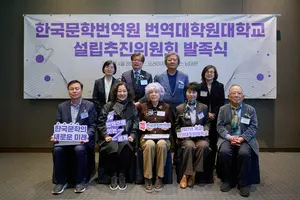
문학 번역 교육을 전문으로 하는 정부 출연 기관은 화요일 서울 중심부에서 대학원 설립위원회 출범식을 열고 새로운 학위 수여 기관의 계획과 비전을 제시했다.
9명으로 구성된 창립위원회에는 시인이자 전 문화부 장관인 도종환, 시인 문충희, 나태주, 소설가 황석영과 은희경, 문학평론가 권영민과 유승호, 아카데미상 수상작 '기생충'을 번역한 것으로 알려진 번역가 Darcy Paquet이 포함되어 있다. 시몬 악세서리의 창립자이자 CEO인 Kenny Park(박은관)도 참여했다.
2008년 이래 LTI Korea는 번역아카데미를 운영하여 연간 약 89명의 번역가를 양성했으며 1,600명 이상의 졸업생을 배출했다.
해당 프로그램이 학위를 수여하지 않기 때문에 졸업생들은 전문 자격 구축에 제한을 받고 있으며, 국제 수료생들은 업무 및 경력 지속성에 제약을 마주하고 있다. 학위 비수여 상태는 우수 교수진과 학생 확보를 어렵게 하고 국내외 기관과의 협력을 저해한다고 LTI Korea는 밝혔다.
LTI Korea의 전수영 원장은 이 대학원이 "디지털 시대에 맞는 선진적이고 미래지향적인 번역 교육을 제공하여 문화와 예술 분야에서 글로벌 교류를 주도할 수 있는 고급 전문가 양성을 목표로 한다"고 말했다.
번역대학원은 영어, 프랑스어, 독일어, 스페인어, 중국어, 일본어, 러시아어 7개 언어 프로그램을 제공하며 향후 박사 프로그램 도입을 계획하고 있다. 연간 60명의 학생(한국인과 국제학생 각 30명)을 모집할 예정이다.
수업은 서울 강남구에 위치한 기관의 건물에서 진행될 예정이다. 기관은 올해 말 정부 승인을 신청하고, 2027년 상반기에 첫 학기를 모집하며, 9월에 개교할 계획이다.
한국어로의 번역과 주로 한국 학생 입학에 중점을 두는 기존의 통역번역대학원과 달리, 새 대학원은 한국어에서 외국어로의 번역에 중점을 둘 것이다.
또한 해외 출판사와의 협력을 포함한 실무 교육과 번역 이론, 디지털 및 AI 관련 역량 같은 학문 과정을 모두 포함할 것이다.
문화정책관 정향미 차관은 "새 대학원의 졸업생들은 전문 번역가뿐만 아니라 문화 기획자이자 한국을 홍보하는 글로벌 네트워크의 핵심 인물로 성장할 것"이라며 학교에 대한 정부의 전폭적 지원을 약속했다.
문학 번역 교육을 전문으로 하는 정부 출연 기관은 화요일 서울 중심부에서 대학원 설립위원회 출범식을 열고 새로운 학위 수여 기관의 계획과 비전을 제시했다.
9명으로 구성된 창립위원회에는 시인이자 전 문화부 장관인 도종환, 시인 문충희, 나태주, 소설가 황석영과 은희경, 문학평론가 권영민과 유승호, 아카데미상 수상작 '기생충'을 번역한 것으로 알려진 번역가 Darcy Paquet이 포함되어 있다. 시몬 악세서리의 창립자이자 CEO인 Kenny Park(박은관)도 참여했다.
2008년 이래 LTI Korea는 번역아카데미를 운영하여 연간 약 89명의 번역가를 양성했으며 1,600명 이상의 졸업생을 배출했다.
해당 프로그램이 학위를 수여하지 않기 때문에 졸업생들은 전문 자격 구축에 제한을 받고 있으며, 국제 수료생들은 업무 및 경력 지속성에 제약을 마주하고 있다. 학위 비수여 상태는 우수 교수진과 학생 확보를 어렵게 하고 국내외 기관과의 협력을 저해한다고 LTI Korea는 밝혔다.
LTI Korea의 전수영 원장은 이 대학원이 "디지털 시대에 맞는 선진적이고 미래지향적인 번역 교육을 제공하여 문화와 예술 분야에서 글로벌 교류를 주도할 수 있는 고급 전문가 양성을 목표로 한다"고 말했다.
번역대학원은 영어, 프랑스어, 독일어, 스페인어, 중국어, 일본어, 러시아어 7개 언어 프로그램을 제공하며 향후 박사 프로그램 도입을 계획하고 있다. 연간 60명의 학생(한국인과 국제학생 각 30명)을 모집할 예정이다.
수업은 서울 강남구에 위치한 기관의 건물에서 진행될 예정이다. 기관은 올해 말 정부 승인을 신청하고, 2027년 상반기에 첫 학기를 모집하며, 9월에 개교할 계획이다.
한국어로의 번역과 주로 한국 학생 입학에 중점을 두는 기존의 통역번역대학원과 달리, 새 대학원은 한국어에서 외국어로의 번역에 중점을 둘 것이다.
또한 해외 출판사와의 협력을 포함한 실무 교육과 번역 이론, 디지털 및 AI 관련 역량 같은 학문 과정을 모두 포함할 것이다.
문화정책관 정향미 차관은 "새 대학원의 졸업생들은 전문 번역가뿐만 아니라 문화 기획자이자 한국을 홍보하는 글로벌 네트워크의 핵심 인물로 성장할 것"이라며 학교에 대한 정부의 전폭적 지원을 약속했다.
처리 완료
2,541 tokens · $0.0068
기사 수집 완료 · 17:00
매체 피드에서 기사 메타데이터 수집
헤드라인 번역 완료 · 17:15
제목/요약 한국어 번역 (fetch 시점 inline)
claude-haiku-4-5-20251001
126 tokens
$0.00031
3.3s
본문 추출 완료
2,900자 추출 완료
본문 한국어 번역 완료 · 17:15
1,214자 번역 완료
claude-haiku-4-5-20251001
2,415 tokens
$0.00653
10.7s
지정학적 엔티티 추출 완료 · 17:15
8개 엔티티 추출 완료
지정학적 맥락 & R-Scanner
R-Scanner · 핫스팟
z=13.14
평소보다 훨씬 많은 매체가 집중 보도 중 — 기준: South Korea
(🇰🇷 KR)
최근 6시간 50건
7일 평균 8.82건 / 6h
2개국 매체
2개 매체
본문에서 추출된 지명 (8)
위치 지도
지도 로딩 중…
같은 주제의 다른 기사 (최근 7일)
The Literature Translation Institute of Korea said Tuesday it is moving ahead with plans to establish a graduate school dedicated to training professional translators of Korean literature and cultural content. The LTI Korea Graduate School of Translation is set to open in 2027.
The government-funded institution specializing in literary translation training held a ceremony for its graduate school establishment committee on Tuesday in central Seoul, where it outlined its plans and vision for the new degree-granting school.
The nine-member founding committee includes poet and former culture minister Do Jong-hwan; poets Moon Chung-hee and Na Tae-joo; novelists Hwang Sok-yong and Eun Hee-kyung; literary critics Kwon Young-min and Yoo Sung-ho; and translator Darcy Paquet, known for translating the Oscar-winning film "Parasite." Kenny Park, also known as Park Eun-kwan, founder and CEO of Simone Accessory, has also joined.
Since 2008, LTI Korea has operated a Translation Academy, training about 89 translators a year and producing more than 1,600 graduates.
Because the program does not grant degrees, graduates face limits in building professional credentials, while international trainees encounter restrictions on work and career continuity. The non-degree status also makes it harder to attract top faculty and students and to collaborate with institutions at home and abroad, according to LTI Korea.
Chon Soo-young, president of LTI Korea, said the school would "provide advanced, forward-looking translation education suited to the digital era, with the aim of training high-level specialists capable of leading global exchanges in culture and the arts."
The graduate school will offer programs in seven languages — English, French, German, Spanish, Chinese, Japanese and Russian — with plans to introduce doctoral programs in the future. It is expected to admit 60 students annually, split evenly between Korean and international students.
Classes will be held at the institute’s building in Seoul’s Gangnam district. The institute plans to apply for government approval later this year, recruit its first cohort in the first half of 2027, and open in September.
Unlike existing graduate schools of interpretation and translation, which typically focus on translating into Korean and enroll primarily Korean students, the new graduate school will emphasize translation from Korean into foreign languages.
It will also incorporate both practical training — including collaboration with overseas publishers — and academic coursework, such as translation theory and digital and AI-related competencies.
“Graduates of the new school would grow not only into specialized translators but also into cultural planners and key figures in global networks promoting Korea,” said Jung Hyang-mi, deputy minister for cultural policy, who also pledged full government support for the school.
The government-funded institution specializing in literary translation training held a ceremony for its graduate school establishment committee on Tuesday in central Seoul, where it outlined its plans and vision for the new degree-granting school.
The nine-member founding committee includes poet and former culture minister Do Jong-hwan; poets Moon Chung-hee and Na Tae-joo; novelists Hwang Sok-yong and Eun Hee-kyung; literary critics Kwon Young-min and Yoo Sung-ho; and translator Darcy Paquet, known for translating the Oscar-winning film "Parasite." Kenny Park, also known as Park Eun-kwan, founder and CEO of Simone Accessory, has also joined.
Since 2008, LTI Korea has operated a Translation Academy, training about 89 translators a year and producing more than 1,600 graduates.
Because the program does not grant degrees, graduates face limits in building professional credentials, while international trainees encounter restrictions on work and career continuity. The non-degree status also makes it harder to attract top faculty and students and to collaborate with institutions at home and abroad, according to LTI Korea.
Chon Soo-young, president of LTI Korea, said the school would "provide advanced, forward-looking translation education suited to the digital era, with the aim of training high-level specialists capable of leading global exchanges in culture and the arts."
The graduate school will offer programs in seven languages — English, French, German, Spanish, Chinese, Japanese and Russian — with plans to introduce doctoral programs in the future. It is expected to admit 60 students annually, split evenly between Korean and international students.
Classes will be held at the institute’s building in Seoul’s Gangnam district. The institute plans to apply for government approval later this year, recruit its first cohort in the first half of 2027, and open in September.
Unlike existing graduate schools of interpretation and translation, which typically focus on translating into Korean and enroll primarily Korean students, the new graduate school will emphasize translation from Korean into foreign languages.
It will also incorporate both practical training — including collaboration with overseas publishers — and academic coursework, such as translation theory and digital and AI-related competencies.
“Graduates of the new school would grow not only into specialized translators but also into cultural planners and key figures in global networks promoting Korea,” said Jung Hyang-mi, deputy minister for cultural policy, who also pledged full government support for the school.