20주년을 맞은 대구국제뮤지컬페스티벌, 국립뮤지컬복합시설 건립 필요성 강조
At 20, Daegu Int'l Musical Festival presses case for national theater complex
The Korea Herald
· 🇰🇷 Seoul, KR
Park Ga-young
EN
2026-04-28 17:40
Translated
대구국제뮤지컬페스티벌이 올 6월 20주년을 맞을 때, 주최 측은 단순한 이정표 이상을 기념하게 된다.
그들은 더 오랫동안 제기되어온 주장을 강조하기 위해 이 기회를 활용하고 있다: 지난해 토니상 6개를 수상한 "Maybe Happy Ending"으로 호황을 누리고 있는 한국의 뮤지컬 연극 산업은 그에 맞는 국가 기반시설이 필요하며, 이러한 기반시설은 서울이 아닌 대구에 건설되어야 한다는 것이다.
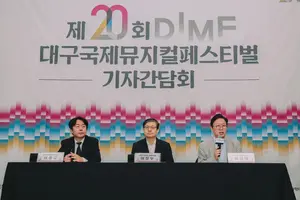
화요일 서울에서 열린 기자회견에서 페스티벌 주최 측은 2026년 20주년 특별판의 라인업을 발표했다. 이번 행사는 6월 19일부터 7월 6일까지 도시 전역의 여러 장소에서 개최되며, 35개 작품과 122회 공연을 포함한다. 여기에는 DIMF의 대표작인 "투란도트"와 중국 스파이 스릴러 "어둠에 싸인 하얼빈" 두 작품이 포함된다. "투란도트"는 7년 전 한국 뮤지컬 최초로 동유럽에 라이선스되었다.
인재 개발에 대한 관심을 강조하기 위해 페스티벌은 뮤지컬 배우 정선아와 김호영을 홍보대사로 지명했다. 김호영은 20년 전 DIMF 신인상의 첫 수상자였다.
그러나 더 명확한 메시지는 향후 계획에 대한 논의로 나타났다.
"20년간 축적된 인재와 콘텐츠. 이제 필요한 것은 이를 글로벌 시장으로 확대할 수 있는 기반시설입니다"라고 배성혁 DIMF 사무총장이 말했다.
그는 대구의 구 북경상북도청 부지를 한국 최초의 국립급 뮤지컬 극장으로 전환하는 계획인 국립뮤지컬복합시설을 언급했다. 이 시설은 기함 공연장, 훈련 아카데미, 창작 레지던스, 시험 상영장을 결합할 것이다.
이 프로젝트는 지난 정부와 현 정부 모두에서 국가 의제 항목이었지만, 명칭은 달랐다. 그러나 진행이 중단되었다. 재정부의 최근 신호로는 중앙 정부의 전액 지원이 아닌 지방 비용 분담 모델을 시사하고 있으며, 이로 인해 이 프로젝트가 국가 기관으로서의 지위를 잃을 수 있다는 우려가 제기되고 있다.
대구 관계자들은 광주의 아시아문화중심도시조성사업과 부산영화센터 같은 선례를 들며 반발하고 있다.
한국뮤지컬협회 이종규 회장은 대구가 예전에 서울 다음으로 한국에서 두 번째로 큰 뮤지컬 시장이었다고 지적하며 우려를 반복했다. 2020년 이후 대구는 부산에 뒤처졌으며, 이종규 회장은 이를 부산의 전용 공연장에 대한 지속적인 투자 때문으로 돌렸다.
"DIMF는 창작 역량과 국제 네트워크를 구축했습니다. 부족한 것은 이를 유지하고 성장시킬 수 있는 물리적 기반입니다"라고 그는 말했다.
페스티벌 20주년위원회 이장우 위원장은 현재의 추진 노력을 더 넓은 역사적 맥락 속에 배치했다.
DIMF가 2006년 출범했을 당시 대구의 대규모 뮤지컬 공연에 대한 수요는 도쿄, 오사카, 베이징, 상하이 같은 주요 아시아 도시들과 맞먹었다고 그는 말했다. 아직 실현되지 않은 것은 영구적인 제도적 기반이라고 그는 주장했다. "서울 외의 국립복합시설은 그 자체로 국가 자산이 될 것입니다"라고 그는 말했으며, "부산영화센터가 부산에 있다는 점에서 의미를 갖는 것처럼요."
그들은 더 오랫동안 제기되어온 주장을 강조하기 위해 이 기회를 활용하고 있다: 지난해 토니상 6개를 수상한 "Maybe Happy Ending"으로 호황을 누리고 있는 한국의 뮤지컬 연극 산업은 그에 맞는 국가 기반시설이 필요하며, 이러한 기반시설은 서울이 아닌 대구에 건설되어야 한다는 것이다.
화요일 서울에서 열린 기자회견에서 페스티벌 주최 측은 2026년 20주년 특별판의 라인업을 발표했다. 이번 행사는 6월 19일부터 7월 6일까지 도시 전역의 여러 장소에서 개최되며, 35개 작품과 122회 공연을 포함한다. 여기에는 DIMF의 대표작인 "투란도트"와 중국 스파이 스릴러 "어둠에 싸인 하얼빈" 두 작품이 포함된다. "투란도트"는 7년 전 한국 뮤지컬 최초로 동유럽에 라이선스되었다.
인재 개발에 대한 관심을 강조하기 위해 페스티벌은 뮤지컬 배우 정선아와 김호영을 홍보대사로 지명했다. 김호영은 20년 전 DIMF 신인상의 첫 수상자였다.
그러나 더 명확한 메시지는 향후 계획에 대한 논의로 나타났다.
"20년간 축적된 인재와 콘텐츠. 이제 필요한 것은 이를 글로벌 시장으로 확대할 수 있는 기반시설입니다"라고 배성혁 DIMF 사무총장이 말했다.
그는 대구의 구 북경상북도청 부지를 한국 최초의 국립급 뮤지컬 극장으로 전환하는 계획인 국립뮤지컬복합시설을 언급했다. 이 시설은 기함 공연장, 훈련 아카데미, 창작 레지던스, 시험 상영장을 결합할 것이다.
이 프로젝트는 지난 정부와 현 정부 모두에서 국가 의제 항목이었지만, 명칭은 달랐다. 그러나 진행이 중단되었다. 재정부의 최근 신호로는 중앙 정부의 전액 지원이 아닌 지방 비용 분담 모델을 시사하고 있으며, 이로 인해 이 프로젝트가 국가 기관으로서의 지위를 잃을 수 있다는 우려가 제기되고 있다.
대구 관계자들은 광주의 아시아문화중심도시조성사업과 부산영화센터 같은 선례를 들며 반발하고 있다.
한국뮤지컬협회 이종규 회장은 대구가 예전에 서울 다음으로 한국에서 두 번째로 큰 뮤지컬 시장이었다고 지적하며 우려를 반복했다. 2020년 이후 대구는 부산에 뒤처졌으며, 이종규 회장은 이를 부산의 전용 공연장에 대한 지속적인 투자 때문으로 돌렸다.
"DIMF는 창작 역량과 국제 네트워크를 구축했습니다. 부족한 것은 이를 유지하고 성장시킬 수 있는 물리적 기반입니다"라고 그는 말했다.
페스티벌 20주년위원회 이장우 위원장은 현재의 추진 노력을 더 넓은 역사적 맥락 속에 배치했다.
DIMF가 2006년 출범했을 당시 대구의 대규모 뮤지컬 공연에 대한 수요는 도쿄, 오사카, 베이징, 상하이 같은 주요 아시아 도시들과 맞먹었다고 그는 말했다. 아직 실현되지 않은 것은 영구적인 제도적 기반이라고 그는 주장했다. "서울 외의 국립복합시설은 그 자체로 국가 자산이 될 것입니다"라고 그는 말했으며, "부산영화센터가 부산에 있다는 점에서 의미를 갖는 것처럼요."
처리 완료
2,970 tokens · $0.0083
기사 수집 완료 · 17:40
매체 피드에서 기사 메타데이터 수집
헤드라인 번역 완료 · 17:55
제목/요약 한국어 번역 (fetch 시점 inline)
claude-haiku-4-5-20251001
132 tokens
$0.00032
2.0s
본문 추출 완료
3,022자 추출 완료
본문 한국어 번역 완료 · 17:55
1,475자 번역 완료
claude-haiku-4-5-20251001
2,838 tokens
$0.00801
14.3s
지정학적 엔티티 추출 완료 · 17:55
8개 엔티티 추출 완료
지정학적 맥락 & R-Scanner
R-Scanner · 핫스팟
z=5.06
평소보다 훨씬 많은 매체가 집중 보도 중 — 기준: Daegu
(🇰🇷 KR)
최근 6시간 16건
7일 평균 4.32건 / 6h
1개국 매체
1개 매체
본문에서 추출된 지명 (8)
위치 지도
지도 로딩 중…
같은 주제의 다른 기사 (최근 7일)
When the Daegu International Musical Festival opens its 20th edition this June, organizers will be celebrating more than a milestone.
They are using the occasion to press the longer-running case: Korea's musical theater industry, now riding the high of the six Tony Awards pulled by "Maybe Happy Ending" last year, needs national infrastructure to match — and that infrastructure should be built in Daegu, not Seoul.
At a Seoul press conference on Tuesday, the festival's leadership laid out the lineup for the 2026 edition, which runs June 19 to July 6 across venues the city and spans 35 productions and 122 performances. This includes two productions: "Turandot," DIMF's flagship production that became the first Korean musical to be licensed to Eastern Europe seven years ago, and "Harbin Enveloped in Darkness," a Chinese spy thriller.
To highlight its focus on talent development, the festival has named musical actors Jeong Sun-ah and Kim Ho-young as its ambassadors. Kim was the first recipient of the DIMF Rookie Award 20 years ago.
But the more pointed message came when talk turned to what comes next.
"Twenty years of accumulated talent and content. Now we need the infrastructure to scale it to the global market," DIMF executive director Bae Sung-hyuck said.
He was referring to the proposed National Musical Complex, a long-pending plan to convert the former North Gyeongsang Provincial Government site in Daegu into Korea's first national-level musical theater facility, combining a flagship venue, training academy, creative residencies and a tryout theater.
The project has been a national agenda item under both the previous and current administrations, though under different names. But progress has stalled. Recent signals from the Finance Ministry suggesting a local cost-sharing model — rather than full central funding — have raised concerns that the project could lose its status as a national institution.
Daegu officials have pushed back, citing precedents such as the Asia Culture Center in Gwangju and the Busan Cinema Center.
Lee Jong-gyu, chairman of the Korea Musical Theatre Association, echoed the concern, noting that Daegu used to be the nation's second-largest musical market after Seoul. The city has fallen behind Busan since 2020, a shift Lee attributed to Busan’s sustained investment in dedicated venues.
“DIMF has built creative capacity and international networks,” he said. “What’s missing is the physical foundation to sustain and grow them.”
Lee Jang-woo, chairman of the festival’s 20th anniversary committee, placed the current push within a wider historical context.
When DIMF launched in 2006, he said, Daegu’s appetite for large-scale musical productions rivaled that of major Asian cities such as Tokyo, Osaka, Beijing and Shanghai. What has remained unrealized, he argued, is a permanent institutional base. “A national complex outside Seoul would itself be a national asset,” he said, “just as the Busan Cinema Center derives meaning from being in Busan.”
They are using the occasion to press the longer-running case: Korea's musical theater industry, now riding the high of the six Tony Awards pulled by "Maybe Happy Ending" last year, needs national infrastructure to match — and that infrastructure should be built in Daegu, not Seoul.
At a Seoul press conference on Tuesday, the festival's leadership laid out the lineup for the 2026 edition, which runs June 19 to July 6 across venues the city and spans 35 productions and 122 performances. This includes two productions: "Turandot," DIMF's flagship production that became the first Korean musical to be licensed to Eastern Europe seven years ago, and "Harbin Enveloped in Darkness," a Chinese spy thriller.
To highlight its focus on talent development, the festival has named musical actors Jeong Sun-ah and Kim Ho-young as its ambassadors. Kim was the first recipient of the DIMF Rookie Award 20 years ago.
But the more pointed message came when talk turned to what comes next.
"Twenty years of accumulated talent and content. Now we need the infrastructure to scale it to the global market," DIMF executive director Bae Sung-hyuck said.
He was referring to the proposed National Musical Complex, a long-pending plan to convert the former North Gyeongsang Provincial Government site in Daegu into Korea's first national-level musical theater facility, combining a flagship venue, training academy, creative residencies and a tryout theater.
The project has been a national agenda item under both the previous and current administrations, though under different names. But progress has stalled. Recent signals from the Finance Ministry suggesting a local cost-sharing model — rather than full central funding — have raised concerns that the project could lose its status as a national institution.
Daegu officials have pushed back, citing precedents such as the Asia Culture Center in Gwangju and the Busan Cinema Center.
Lee Jong-gyu, chairman of the Korea Musical Theatre Association, echoed the concern, noting that Daegu used to be the nation's second-largest musical market after Seoul. The city has fallen behind Busan since 2020, a shift Lee attributed to Busan’s sustained investment in dedicated venues.
“DIMF has built creative capacity and international networks,” he said. “What’s missing is the physical foundation to sustain and grow them.”
Lee Jang-woo, chairman of the festival’s 20th anniversary committee, placed the current push within a wider historical context.
When DIMF launched in 2006, he said, Daegu’s appetite for large-scale musical productions rivaled that of major Asian cities such as Tokyo, Osaka, Beijing and Shanghai. What has remained unrealized, he argued, is a permanent institutional base. “A national complex outside Seoul would itself be a national asset,” he said, “just as the Busan Cinema Center derives meaning from being in Busan.”