정부, 2027년까지 10개 도시를 스타트업 허브로 지정하여 균형 잡힌 성장 촉진
Govt. to designate 10 cities to serve as startup hubs by 2027 to promote balanced growth
The Korea Herald
· 🇰🇷 Seoul, KR
Yonhap
EN
2026-04-24 11:01
Translated
정부는 내년까지 10개 도시를 스타트업 생태계의 주요 허브로 지정하여 균형 잡힌 지역 성장을 촉진하고 청년 일자리를 창출할 계획이라고 금융부가 금요일 발표했다.
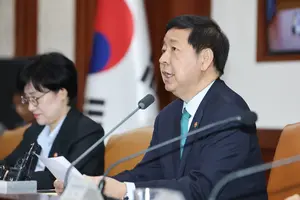
기획재정부에 따르면 먼저 올해 국내 주요 과학 연구소가 소재한 대전, 대구, 광주, 울산 4개 도시를 스타트advisorub으로 지정하고, 내년에 수도권 외 지역 중 가능성 있는 도시 6곳을 추가 선정할 예정이다. 이 계획은 스타트업 생태계 활성화 전략에 관한 경제·전략회의에서 발표되었다.
기획재정부는 현재 국내 스타트업 인프라가 서울에 집중되어 있는 반면, 다른 지역들은 산업 인프라 부족으로 인한 인구 유출로 어려움을 겪고 있다고 설명했다.
글로벌 스타트업 생태계 연구 플랫폼 StartupBlink의 데이터에 따르면, 한국은 스타트업 생태계 경쟁력에서 세계 20위이며, 연구개발 투자와 특허 출원이 활발하지만, 상위 500대 스타트업 도시 중 3개 도시만 포함되어 있다.
미국은 137개 도시, 영국은 34개, 독일은 27개, 중국은 26개, 일본은 6개 도시가 이 목록에 올랐다.
정부는 이 계획을 통해 2030년까지 글로벌 상위 100대 스타트업 도시 목록에 진입할 수 있는 5개 도시를 육성하는 것을 목표로 하고 있다.
이를 위해 정부는 청년 기업가를 위한 교육 허브로서의 역할을 돕고 각 도시별 특화 산업을 개발할 계획이다. 예를 들어 대구를 로봇 스타트업 허브로, 광주를 인공지능 및 스마트 에너지 허브로, 울산을 미래 모빌리티 허브로 육성하는 것이다.
또한 정부는 연구개발, 투자, 네트워킹 지원 및 규제 개선을 포함한 포괄적 지원 패키지를 마련할 예정이다.
기획재정부는 또한 농촌 지역이 문화와 관광 등 지역 자원을 활용한 사업 개발을 지원하여 지역 경제를 활성화하고, 정부 조달 사업 입찰 시 수도권 외 지역 기업에 혜택을 제공할 계획이라고 밝혔다.
구윤철 기획재정부 장관은 "반도체 호황이 가져온 황금 같은 기회를 바탕으로, 정부는 적극적인 산업혁신 추진과 스타트업 활성화를 통해 우리 경제가 글로벌 리더로 다시 도약할 수 있는 기반을 강화할 것"이라고 말했다.
구 장관은 또한 정부가 소비자 심리 약화 우려에 대응하기 위해 다음 주 관광산업 및 친환경 소비 활성화 전략과 청년들에게 더 많은 근무 경험을 제공하기 위한 이른바 '뉴딜' 전략을 발표할 계획이라고 덧붙였다. (연합뉴스)
기획재정부에 따르면 먼저 올해 국내 주요 과학 연구소가 소재한 대전, 대구, 광주, 울산 4개 도시를 스타트advisorub으로 지정하고, 내년에 수도권 외 지역 중 가능성 있는 도시 6곳을 추가 선정할 예정이다. 이 계획은 스타트업 생태계 활성화 전략에 관한 경제·전략회의에서 발표되었다.
기획재정부는 현재 국내 스타트업 인프라가 서울에 집중되어 있는 반면, 다른 지역들은 산업 인프라 부족으로 인한 인구 유출로 어려움을 겪고 있다고 설명했다.
글로벌 스타트업 생태계 연구 플랫폼 StartupBlink의 데이터에 따르면, 한국은 스타트업 생태계 경쟁력에서 세계 20위이며, 연구개발 투자와 특허 출원이 활발하지만, 상위 500대 스타트업 도시 중 3개 도시만 포함되어 있다.
미국은 137개 도시, 영국은 34개, 독일은 27개, 중국은 26개, 일본은 6개 도시가 이 목록에 올랐다.
정부는 이 계획을 통해 2030년까지 글로벌 상위 100대 스타트업 도시 목록에 진입할 수 있는 5개 도시를 육성하는 것을 목표로 하고 있다.
이를 위해 정부는 청년 기업가를 위한 교육 허브로서의 역할을 돕고 각 도시별 특화 산업을 개발할 계획이다. 예를 들어 대구를 로봇 스타트업 허브로, 광주를 인공지능 및 스마트 에너지 허브로, 울산을 미래 모빌리티 허브로 육성하는 것이다.
또한 정부는 연구개발, 투자, 네트워킹 지원 및 규제 개선을 포함한 포괄적 지원 패키지를 마련할 예정이다.
기획재정부는 또한 농촌 지역이 문화와 관광 등 지역 자원을 활용한 사업 개발을 지원하여 지역 경제를 활성화하고, 정부 조달 사업 입찰 시 수도권 외 지역 기업에 혜택을 제공할 계획이라고 밝혔다.
구윤철 기획재정부 장관은 "반도체 호황이 가져온 황금 같은 기회를 바탕으로, 정부는 적극적인 산업혁신 추진과 스타트업 활성화를 통해 우리 경제가 글로벌 리더로 다시 도약할 수 있는 기반을 강화할 것"이라고 말했다.
구 장관은 또한 정부가 소비자 심리 약화 우려에 대응하기 위해 다음 주 관광산업 및 친환경 소비 활성화 전략과 청년들에게 더 많은 근무 경험을 제공하기 위한 이른바 '뉴딜' 전략을 발표할 계획이라고 덧붙였다. (연합뉴스)
처리 완료
2,430 tokens · $0.0066
기사 수집 완료 · 11:01
매체 피드에서 기사 메타데이터 수집
헤드라인 번역 완료 · 11:12
제목/요약 한국어 번역 (fetch 시점 inline)
kimi-k2.5
0 tokens
$0.00000
0.2s
본문 추출 완료
2,884자 추출 완료
본문 한국어 번역 완료 · 11:12
1,167자 번역 완료
claude-haiku-4-5-20251001
2,430 tokens
$0.00662
10.2s
지정학적 엔티티 추출 완료 · 11:12
8개 엔티티 추출 완료
지정학적 맥락 & R-Scanner
R-Scanner · 핫스팟
z=4.69
평소보다 훨씬 많은 매체가 집중 보도 중 — 기준: South Korea
(🇰🇷 KR)
최근 6시간 25건
7일 평균 9.68건 / 6h
5개국 매체
6개 매체
본문에서 추출된 지명 (8)
위치 지도
지도 로딩 중…
같은 주제의 다른 기사 (최근 7일)
The government will designate 10 cities to serve as major hubs for startup ecosystems by next year in a bid to promote balanced regional growth and create more jobs for young people, the finance ministry said Friday.
It will first designate four cities that house the country's major science institutes -- Daejeon, Daegu, Gwangju and UIsan -- as startup hubs this year, and name six more cities outside of the greater Seoul area with such potential next year, according to the Ministry of Finance and Economy. The initiative was announced at a meeting on the economy and strategy on boosting startup ecosystem.
The ministry said the initiative aims to help promote balanced regional growth as the country's startup infrastructure is mainly focused in Seoul, while other regions are suffering an outflow of population due to the lack of industrial infrastructure.
South Korea ranks No. 20 across the world in terms of startup ecosystem competitiveness, with massive investment in research and development projects and active patent applications, but only has three cities listed in top 500 startup cities, the ministry said, citing data from global startup ecosystem research platform StartupBlink.
The United States has 137 cities making the list, while Britain, Germany, China and Japan have 34, 27, 26 and six cities on the list, respectively.
Through the initiative, the government aims to foster five cities that can make the top 100 global startup list by 2030, the ministry said.
To this end, the government plans to help the cities serve as education hubs for young entrepreneurs and develop their own specialized area of industry, for example Daegu as a hub for robotics startups, Gwangju for artificial intelligence and smart energy, and Ulsan for future mobility.
It will also devise a comprehensive support package for the creation and growth of startups in the areas, comprising R&D, investment and networking support, as well as streamlining of regulations, the ministry explained.
The ministry said it will also help rural regions develop businesses utilizing their regional resources in culture and tourism to stimulate the local economy, while providing benefits to companies outside of the Seoul metropolitan area when they make bids for public procurement projects.
"Building on the golden window of opportunity created by the semiconductor boom, the government will work to strengthen the foundations for our economy to reemerge as a global leader by advancing proactive industrial innovation and promoting startups," Finance Minister Koo Yun-cheol said.
Koo noted that the government also plans to announce a strategy aimed at boosting the tourism industry and eco-friendly consumption next week to address concerns over weakening consumer sentiment, and the so-called "new deal" strategy aimed at providing more work experience to young people. (Yonhap)
It will first designate four cities that house the country's major science institutes -- Daejeon, Daegu, Gwangju and UIsan -- as startup hubs this year, and name six more cities outside of the greater Seoul area with such potential next year, according to the Ministry of Finance and Economy. The initiative was announced at a meeting on the economy and strategy on boosting startup ecosystem.
The ministry said the initiative aims to help promote balanced regional growth as the country's startup infrastructure is mainly focused in Seoul, while other regions are suffering an outflow of population due to the lack of industrial infrastructure.
South Korea ranks No. 20 across the world in terms of startup ecosystem competitiveness, with massive investment in research and development projects and active patent applications, but only has three cities listed in top 500 startup cities, the ministry said, citing data from global startup ecosystem research platform StartupBlink.
The United States has 137 cities making the list, while Britain, Germany, China and Japan have 34, 27, 26 and six cities on the list, respectively.
Through the initiative, the government aims to foster five cities that can make the top 100 global startup list by 2030, the ministry said.
To this end, the government plans to help the cities serve as education hubs for young entrepreneurs and develop their own specialized area of industry, for example Daegu as a hub for robotics startups, Gwangju for artificial intelligence and smart energy, and Ulsan for future mobility.
It will also devise a comprehensive support package for the creation and growth of startups in the areas, comprising R&D, investment and networking support, as well as streamlining of regulations, the ministry explained.
The ministry said it will also help rural regions develop businesses utilizing their regional resources in culture and tourism to stimulate the local economy, while providing benefits to companies outside of the Seoul metropolitan area when they make bids for public procurement projects.
"Building on the golden window of opportunity created by the semiconductor boom, the government will work to strengthen the foundations for our economy to reemerge as a global leader by advancing proactive industrial innovation and promoting startups," Finance Minister Koo Yun-cheol said.
Koo noted that the government also plans to announce a strategy aimed at boosting the tourism industry and eco-friendly consumption next week to address concerns over weakening consumer sentiment, and the so-called "new deal" strategy aimed at providing more work experience to young people. (Yonhap)