'자이언트', 로알드 달의 반유대주의 발언 재조명: 알아야 할 것
‘Giant’ Revisits Roald Dahl’s Antisemitic Comments: What to Know
The New York Times
· 🇺🇸 New York, US
Sarah Bahr
EN
2026-04-16 00:29
Translated
존 리스고가 주연을 맡은 마크 로젠블랫의 브로드웨이 연극은 영국 아동문학 작가의 수년간의 발언을 다룬다.
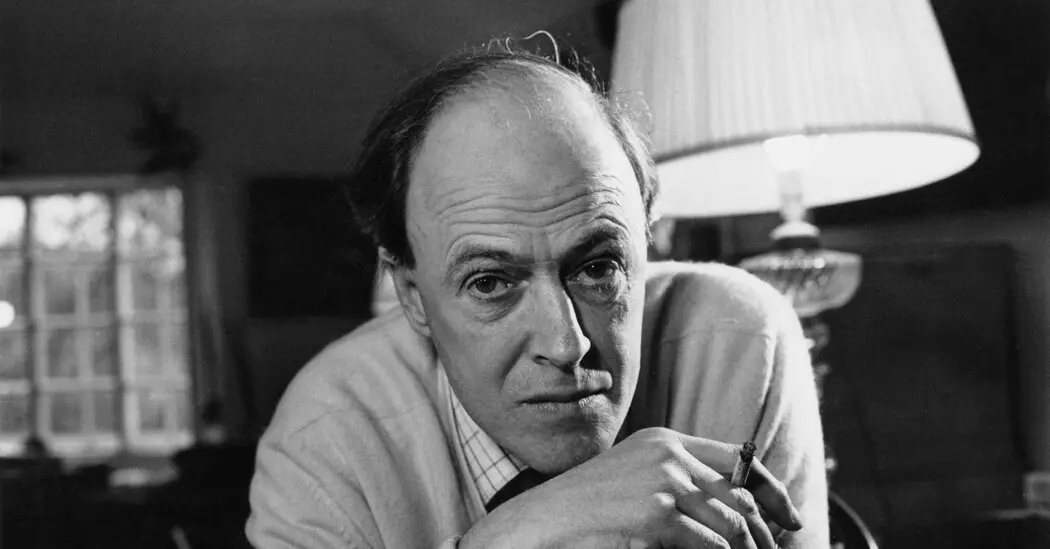
1971년의 영국 작가 로알드 달. 크레딧...로널드 듀몬트/데일리 익스프레스, 헐턴 아카이브 경유, 게티 이미지
새 브로드웨이 연극 '자이언트'에서 존 리스고는 완고한 아동문학 작가 로알드 달을 연기하며 극찬을 받고 있다. 이야기의 핵심은 달의 유산 중 가장 문제적인 측면인 그의 반유대주의다.
마크 로젠블랫의 극작 데뷔작인 '자이언트'는 1980년대 초반 달이 서평과 기자 인터뷰에서 한 반이스라엘 및 반유대주의 발언에서 영감을 받았다. 이 작품은 달이 1982년 레바논 침공에 관한 그의 선동적인 발언에 대해 사과해야 하는지에 대한 가상의 격렬한 논쟁을 묘사한다.
올봄 런던에서 2025 올리비에상을 수상한 이 역할로 복귀를 준비하며 80세의 리스고는 뉴욕타임스와의 인터뷰에서 "이런 역할은 평생 기다려야 한다. 가학성과 괴물 같은 잔인함이 가득하다"고 말했다.
그렇다면 사실은 무엇이고 가상은 무엇인가? 연극에서는 '마틸다'와 '찰리와 초콜릿 공장' 등 인기 작품을 쓴 달이 서점주들로부터 어떤 결과를 초래할 수 있다는 함의가 있다. 그러나 그의 반유대주의적 견해로 인해 실제로 어떤 결과에 직면했는지 알아보자.
1983년 8월호 '리터러리 리뷰'에서 달은 토니 클리프턴의 사진집 '갓 크라이드'를 서평했다. 이 책은 1982년 이스라엘의 레바논 침공을 비판했는데, 유엔에 따르면 전투 첫 두 달에 레바논인과 팔레스타인 민간인을 포함해 약 3만 명이 사망했다. 이스라엘의 움직임은 남부 레바논에서 활동하던 팔레스타인해방기구(PLO)의 수년간의 북부 이스라엘 로켓 공격에 따른 것이었다.
달은 유대인을 언급하며 "인류 역사상 한 민족이 불쌍한 희생자에서 야만적인 살인자로 이토록 급속히 변한 적은 없었다"고 썼다. 그는 모든 유대인이 이스라엘 정부의 행동을 지지한다고 암시하고 전쟁의 책임을 집단적으로 돌렸다. 그는 이스라엘을 나치 독일에 비유하고 그 멸망을 촉구했다.
그는 뉴스테이츠먼의 마이클 코렌과의 인터뷰에서 발언을 명확히 하라는 요청을 받은 후 이를 두 배로 키웠다.
"유대인 성격에는 적개심을 유발하는 특성이 있는데, 아마도 비유대인에 대한 관대함의 부족일 것이다"고 달은 말했다. "내 말은, 어디서든 반-무엇이든 생기는 데는 항상 이유가 있다는 것이다. 히틀러 같은 악당조차도 이유 없이 그들을 괴롭히지는 않았다."
1990년 사망 몇 달 전, 달은 인디펜던트와의 인터뷰에서 "나는 확실히 반이스라엘주의자이며 반유대주의자가 되었다"고 말했다. 로젠블랫은 이 모든 것을 '자이언트' 대본에 담았다.
연극은 1983년 여름 오후 영국 버킹엄셔의 달 집에서 설정되며, 그의 최신작 '마녀들'이 곧 출간될 예정이다. 그는 유대인인 영국 출판사 톰 마슬러(엘리엇 레비)와 미국 출판 영업 이사 제시 스톤(아야 캐시)이 이스라엘 침공에 관한 그의 서평 발언에 대해 사과하길 원하며 소집한 위기 회의를 마지못해 주최하고 있다.
극작가 로젠블랫은 전화 인터뷰에서 실제 마슬러는 "연극의 톰 마슬러보다 아마 더 알파였을 것"이라고 말했다.
"부분적으로는 두 알파 남성이 대립하는 것을 쓰기 어려웠기 때문이다—아마 훨씬 빨리 자멸했을 것이다"고 그는 설명했다. "그래서 톰은 실제보다 좀 더 수용적이다."
남자들이 빠르게 격렬해지는 회의에서 교환하는 정확한 말도 직접 인용은 아니라고 로젠블랫은 말했다.
"아마 때때로 직접 인용 자료의 언어가—전화 통화와 서평—이러한 아이디어의 정신으로 연극에 담겼다"고 그는 말했다. "하지만 '집 유대인'은 내가 알기에 달이 사용한 적 없는 표현이다."
특정 회의와 미국 출판 임원 캐릭터는 가상이다. 2020년 사망한 마슬러는 달(그리고 가브리엘 가르시아 마르케스, 도리스 레싱 등 다른 문학 거장)의 경력을 육성했을 뿐만 아니라 부커상을 기획했다. 로젠블랫은 달의 미국 출판사인 팔러, 스트라우스 지룩스가 1983년 그의 발언에 어떻게 반응했는지 알지 못한다고 말했다.
"나는 이 기사 주변의 외침에 대한 뉴욕의 반응을 아마 실제보다 좀 더 극적으로 만들었다"고 로젠블랫은 말했다. "달은 분명한 이유로 대부분의 영국 작가들처럼 미국 시장을 매우 중시했다. 거대하고 수익성이 컸기 때문이다. 그래서 위기를 추가할 자연스러운 장소처럼 느껴졌다."
코렌이 달을 인터뷰했을 때, 그는 2021년 뉴스테이츠먼의 회고록에서 "방금 저널리즘 학교를 나왔다"고 썼다.
"내가 더 혼란스러웠던 것 같다"고 코렌은 썼다. 이 전화가 "내 머리 위로 지나간 어떤 깊은 아이러니, 또는 그가 곧 폭발하거나 설명할 풍자"였는가?
2024년 런던 웨스트엔드에서 '자이언트'를 본 후, 코렌은 뉴스테이츠먼을 위해 또 다른 글을 썼다. 그는 무대에서 달과의 인터뷰가 펼쳐지는 이 연극이 "내 인생에서 그 어느 때보다 지금 더 열린 상처인 반유대주의에 대한 중요한 논의"라고 썼다.
"이에 대한 반응이 이 모든 것의 쓴 현실에 대해 많은 것을 말해줄 것으로 기대한다"고 그는 덧붙였다. "솔직히, 그것이 완전히 안심이 되는 것은 아니다."
연극 말미에 달은 겉으로 물러서기로 동의하지만 분명히 그럴 의도는 없다. 그리고 그는 결코 그러지 않았다.
2020년 달의 가족은 그가 생전에 한 반유대주의 발언으로 인한 "지속적이고 이해할 수 있는 상처"에 대해 사과했다.
"그러한 편견적인 발언은 우리에게 이해할 수 없으며 우리가 알던 사람과 로알드 달 이야기의 핵심 가치와 뚜렷한 대조를 이룬다"고 달 가족과 로알드 달 스토리 컴퍼니는 온라인 성명에서 썼다.
올해 초, 회사 대변인은 주간 영국 신문 '더 유대인 뉴스'에 2020년 원래 사과 이후 회사가 "반유대주의 대응 전문가들로부터 듣고 배우는 작업을 해왔다"고 말했다.
"이 작업의 일환으로, 우리는 반유대주의에 맞서고 유대인 생활과 문화에 대해 사람들을 교육하는 유대인 공동체 내 조직들을 지원하고 있다"고 성명은 계속되었다.
당시 국영 이스라엘 텔레비전은 '예상치 못한 이야기들' 시리즈를 포함한 달의 작품 프로그램을 취소했다. 이 시리즈는 같은 이름의 달의 단편 소설을 드라마화한 것이었다.
그러나 일반적으로 달은 취소되지 않았고 앞으로도 그러지 않을 것이다. 그의 책은 생전에 수백만 부 팔렸고, 계속 읽히고 무대와 영화로 각색되고 있다. 마슬러의 경우 그와 달은 "이러한 일들이 말해졌을 때 서로의 궤도에 있었고, 그는 그와 계속 일했다."
최근 몇 년 동안 달의 개인적 견해와 그것이 그의 작품에서 분리될 수 있는지에 대한 감시가 증가했다.
2023년, 펭귄 랜덤하우스의 아동 레이블인 퍼핀 북스는 현대 독자가 불쾌해할 수 있는 성별, 인종, 체중, 정신 건강 관련 언어를 삭제하기 위해 '찰리와 초콜릿 공장'과 '마틸다'의 새 판을 출간해 비판을 받았다. (수정판에 대한 역풍 후, 회사는 나중에 소설의 '클래식' 무삭제판을 출간했다.)
로젠블랫이 2018년부터 작업한 '자이언트'는 2023년 10월 7일 이스라엘에 대한 치명적인 하마스 주도 공격과 이후 가자 전쟁을 고려할 때 더욱 시의적절해졌다.
로젠블랫은 타임스와의 인터뷰에서 2024년 웨스트엔드 공연 기간 중 퇴장과 항의가 있을까 걱정했지만 "실제로는 관객이 연극과 대화에 진정으로 참여했고, 이는 논쟁의 많은 측면을 포용하기를 바란다"고 말했다.
사라 바는 타임스에서 문화와 스타일을 다룬다.
새 브로드웨이 연극 '자이언트'에서 존 리스고는 완고한 아동문학 작가 로알드 달을 연기하며 극찬을 받고 있다. 이야기의 핵심은 달의 유산 중 가장 문제적인 측면인 그의 반유대주의다.
마크 로젠블랫의 극작 데뷔작인 '자이언트'는 1980년대 초반 달이 서평과 기자 인터뷰에서 한 반이스라엘 및 반유대주의 발언에서 영감을 받았다. 이 작품은 달이 1982년 레바논 침공에 관한 그의 선동적인 발언에 대해 사과해야 하는지에 대한 가상의 격렬한 논쟁을 묘사한다.
올봄 런던에서 2025 올리비에상을 수상한 이 역할로 복귀를 준비하며 80세의 리스고는 뉴욕타임스와의 인터뷰에서 "이런 역할은 평생 기다려야 한다. 가학성과 괴물 같은 잔인함이 가득하다"고 말했다.
그렇다면 사실은 무엇이고 가상은 무엇인가? 연극에서는 '마틸다'와 '찰리와 초콜릿 공장' 등 인기 작품을 쓴 달이 서점주들로부터 어떤 결과를 초래할 수 있다는 함의가 있다. 그러나 그의 반유대주의적 견해로 인해 실제로 어떤 결과에 직면했는지 알아보자.
1983년 8월호 '리터러리 리뷰'에서 달은 토니 클리프턴의 사진집 '갓 크라이드'를 서평했다. 이 책은 1982년 이스라엘의 레바논 침공을 비판했는데, 유엔에 따르면 전투 첫 두 달에 레바논인과 팔레스타인 민간인을 포함해 약 3만 명이 사망했다. 이스라엘의 움직임은 남부 레바논에서 활동하던 팔레스타인해방기구(PLO)의 수년간의 북부 이스라엘 로켓 공격에 따른 것이었다.
달은 유대인을 언급하며 "인류 역사상 한 민족이 불쌍한 희생자에서 야만적인 살인자로 이토록 급속히 변한 적은 없었다"고 썼다. 그는 모든 유대인이 이스라엘 정부의 행동을 지지한다고 암시하고 전쟁의 책임을 집단적으로 돌렸다. 그는 이스라엘을 나치 독일에 비유하고 그 멸망을 촉구했다.
그는 뉴스테이츠먼의 마이클 코렌과의 인터뷰에서 발언을 명확히 하라는 요청을 받은 후 이를 두 배로 키웠다.
"유대인 성격에는 적개심을 유발하는 특성이 있는데, 아마도 비유대인에 대한 관대함의 부족일 것이다"고 달은 말했다. "내 말은, 어디서든 반-무엇이든 생기는 데는 항상 이유가 있다는 것이다. 히틀러 같은 악당조차도 이유 없이 그들을 괴롭히지는 않았다."
1990년 사망 몇 달 전, 달은 인디펜던트와의 인터뷰에서 "나는 확실히 반이스라엘주의자이며 반유대주의자가 되었다"고 말했다. 로젠블랫은 이 모든 것을 '자이언트' 대본에 담았다.
연극은 1983년 여름 오후 영국 버킹엄셔의 달 집에서 설정되며, 그의 최신작 '마녀들'이 곧 출간될 예정이다. 그는 유대인인 영국 출판사 톰 마슬러(엘리엇 레비)와 미국 출판 영업 이사 제시 스톤(아야 캐시)이 이스라엘 침공에 관한 그의 서평 발언에 대해 사과하길 원하며 소집한 위기 회의를 마지못해 주최하고 있다.
극작가 로젠블랫은 전화 인터뷰에서 실제 마슬러는 "연극의 톰 마슬러보다 아마 더 알파였을 것"이라고 말했다.
"부분적으로는 두 알파 남성이 대립하는 것을 쓰기 어려웠기 때문이다—아마 훨씬 빨리 자멸했을 것이다"고 그는 설명했다. "그래서 톰은 실제보다 좀 더 수용적이다."
남자들이 빠르게 격렬해지는 회의에서 교환하는 정확한 말도 직접 인용은 아니라고 로젠블랫은 말했다.
"아마 때때로 직접 인용 자료의 언어가—전화 통화와 서평—이러한 아이디어의 정신으로 연극에 담겼다"고 그는 말했다. "하지만 '집 유대인'은 내가 알기에 달이 사용한 적 없는 표현이다."
특정 회의와 미국 출판 임원 캐릭터는 가상이다. 2020년 사망한 마슬러는 달(그리고 가브리엘 가르시아 마르케스, 도리스 레싱 등 다른 문학 거장)의 경력을 육성했을 뿐만 아니라 부커상을 기획했다. 로젠블랫은 달의 미국 출판사인 팔러, 스트라우스 지룩스가 1983년 그의 발언에 어떻게 반응했는지 알지 못한다고 말했다.
"나는 이 기사 주변의 외침에 대한 뉴욕의 반응을 아마 실제보다 좀 더 극적으로 만들었다"고 로젠블랫은 말했다. "달은 분명한 이유로 대부분의 영국 작가들처럼 미국 시장을 매우 중시했다. 거대하고 수익성이 컸기 때문이다. 그래서 위기를 추가할 자연스러운 장소처럼 느껴졌다."
코렌이 달을 인터뷰했을 때, 그는 2021년 뉴스테이츠먼의 회고록에서 "방금 저널리즘 학교를 나왔다"고 썼다.
"내가 더 혼란스러웠던 것 같다"고 코렌은 썼다. 이 전화가 "내 머리 위로 지나간 어떤 깊은 아이러니, 또는 그가 곧 폭발하거나 설명할 풍자"였는가?
2024년 런던 웨스트엔드에서 '자이언트'를 본 후, 코렌은 뉴스테이츠먼을 위해 또 다른 글을 썼다. 그는 무대에서 달과의 인터뷰가 펼쳐지는 이 연극이 "내 인생에서 그 어느 때보다 지금 더 열린 상처인 반유대주의에 대한 중요한 논의"라고 썼다.
"이에 대한 반응이 이 모든 것의 쓴 현실에 대해 많은 것을 말해줄 것으로 기대한다"고 그는 덧붙였다. "솔직히, 그것이 완전히 안심이 되는 것은 아니다."
연극 말미에 달은 겉으로 물러서기로 동의하지만 분명히 그럴 의도는 없다. 그리고 그는 결코 그러지 않았다.
2020년 달의 가족은 그가 생전에 한 반유대주의 발언으로 인한 "지속적이고 이해할 수 있는 상처"에 대해 사과했다.
"그러한 편견적인 발언은 우리에게 이해할 수 없으며 우리가 알던 사람과 로알드 달 이야기의 핵심 가치와 뚜렷한 대조를 이룬다"고 달 가족과 로알드 달 스토리 컴퍼니는 온라인 성명에서 썼다.
올해 초, 회사 대변인은 주간 영국 신문 '더 유대인 뉴스'에 2020년 원래 사과 이후 회사가 "반유대주의 대응 전문가들로부터 듣고 배우는 작업을 해왔다"고 말했다.
"이 작업의 일환으로, 우리는 반유대주의에 맞서고 유대인 생활과 문화에 대해 사람들을 교육하는 유대인 공동체 내 조직들을 지원하고 있다"고 성명은 계속되었다.
당시 국영 이스라엘 텔레비전은 '예상치 못한 이야기들' 시리즈를 포함한 달의 작품 프로그램을 취소했다. 이 시리즈는 같은 이름의 달의 단편 소설을 드라마화한 것이었다.
그러나 일반적으로 달은 취소되지 않았고 앞으로도 그러지 않을 것이다. 그의 책은 생전에 수백만 부 팔렸고, 계속 읽히고 무대와 영화로 각색되고 있다. 마슬러의 경우 그와 달은 "이러한 일들이 말해졌을 때 서로의 궤도에 있었고, 그는 그와 계속 일했다."
최근 몇 년 동안 달의 개인적 견해와 그것이 그의 작품에서 분리될 수 있는지에 대한 감시가 증가했다.
2023년, 펭귄 랜덤하우스의 아동 레이블인 퍼핀 북스는 현대 독자가 불쾌해할 수 있는 성별, 인종, 체중, 정신 건강 관련 언어를 삭제하기 위해 '찰리와 초콜릿 공장'과 '마틸다'의 새 판을 출간해 비판을 받았다. (수정판에 대한 역풍 후, 회사는 나중에 소설의 '클래식' 무삭제판을 출간했다.)
로젠블랫이 2018년부터 작업한 '자이언트'는 2023년 10월 7일 이스라엘에 대한 치명적인 하마스 주도 공격과 이후 가자 전쟁을 고려할 때 더욱 시의적절해졌다.
로젠블랫은 타임스와의 인터뷰에서 2024년 웨스트엔드 공연 기간 중 퇴장과 항의가 있을까 걱정했지만 "실제로는 관객이 연극과 대화에 진정으로 참여했고, 이는 논쟁의 많은 측면을 포용하기를 바란다"고 말했다.
사라 바는 타임스에서 문화와 스타일을 다룬다.
처리 완료
5,628 tokens · $0.0116
기사 수집 완료 · 01:15
매체 피드에서 기사 메타데이터 수집
헤드라인 번역 완료 · 01:34
제목/요약 한국어 번역 (fetch 시점 inline)
kimi-k2.5
207 tokens
$0.00040
4.2s
본문 추출 완료
7,838자 추출 완료
본문 한국어 번역 완료 · 01:34
3,578자 번역 완료
kimi-k2.5
5,421 tokens
$0.01117
95.2s
지정학적 엔티티 추출 완료 · 01:34
7개 엔티티 추출 완료
지정학적 맥락 & R-Scanner
R-Scanner · 평상
z=-1.51
일상적인 보도 수준 — 기준: Israel
(🇮🇱 IL)
최근 6시간 35건
7일 평균 45.25건 / 6h
11개국 매체
14개 매체
본문에서 추출된 지명 (7)
위치 지도
지도 로딩 중…
같은 주제의 다른 기사 (최근 7일)
Mark Rosenblatt’s Broadway play, starring John Lithgow as the British children’s book author, draws from Dahl’s comments over the years.
The British author Roald Dahl in 1971.Credit...Ronald Dumont/Daily Express, via Hulton Archive, via Getty ImagesIn the new Broadway play “Giant,” John Lithgow has received glowing reviews for his portrayal of the truculent children’s book author Roald Dahl. At the heart of the story is the most problematic aspect of Dahl’s legacy: his antisemitism.
“Giant,” Mark Rosenblatt’s playwriting debut, was inspired by the anti-Israel and antisemitic remarks that Dahl made in the early 1980s, first in a book review and later in an interview with a reporter. The show depicts a heated discussion — more speculative than factual — about whether Dahl should apologize for his incendiary comments about Israel’s 1982 invasion of Lebanon.
As he prepared this spring to return to the role, for which he won the 2025 Olivier Award in London, Lithgow, 80, told The New York Times: “You wait forever for a role like this, full of sadism and monstrosity and hideousness.”
So what is factual? What is speculative? In the play, there is an implication that Dahl, who wrote popular titles like “Matilda” and “Charlie and the Chocolate Factory,” could suffer some sort of consequence — from booksellers, in particular. But what, if any, ramifications did Dahl actually face during his life for his antisemitic views? Here’s what to know.
In the August 1983 issue of Literary Review, Dahl reviewed “God Cried,” a photo book by Tony Clifton that was critical of Israel’s 1982 invasion of Lebanon, in which, the U.N. said, nearly 30,000 people, mostly Lebanese and Palestinian civilians, were killed in the first two months of fighting. Israel’s move followed years of deadly rocket attacks on northern Israel by the Palestine Liberation Organization, which operated in southern Lebanon.
Dahl wrote, in reference to Jewish people, that “never before in the history of man has a race of people switched so rapidly from being much-pitied victims to barbarous murderers.” He implied that all Jewish people supported the actions of the government of Israel, and he blamed them collectively for the war. He compared Israel to Nazi Germany and called for its destruction.
He then doubled down in an interview with Michael Coren of The New Statesman, after being asked to clarify his remarks.
“There is a trait in the Jewish character that does provoke animosity, maybe it’s a kind of lack of generosity towards non-Jews,” Dahl said. “I mean, there’s always a reason why anti-anything crops up anywhere; even a stinker like Hitler didn’t just pick on them for no reason.”
A few months before his death, in 1990, Dahl told an interviewer for The Independent that “I’m certainly anti-Israeli and I’ve become antisemitic.” Rosenblatt incorporated all of this into his script for “Giant.”
The play is set on a summer afternoon in 1983 at Dahl’s home in Buckinghamshire, England, with his latest book — “The Witches” — about to come out. He’s reluctantly hosting a crisis meeting called by his British publisher, Tom Maschler (Elliot Levey), and his American publishing sales director, Jessie Stone (Aya Cash), who are both Jewish and want him to apologize for his book review comments about Israel’s invasion.
Rosenblatt, the playwright, said in a phone conversation that the real Maschler “was probably more alpha than the Tom Maschler in the play.”
“Partly because I would have found it hard to write something where there were two alpha males at loggerheads — it probably would have self-destructed much quicker,” he explained. “So Tom is a bit more accommodating than he might have been in real life.”
The exact words the men exchange in the meeting, which quickly becomes heated, are also not verbatim, Rosenblatt said.
“There is some perhaps occasional spillover of language from the verbatim stuff — the phone call and the book review — that has landed in the play in the spirit of some of those ideas,” he said. “But ‘house Jew’ is not a phrase that I’m aware that Dahl ever used.”
The specific meeting and the American publishing executive character are fictional. Maschler, who died in 2020, not only fostered the career of Dahl (as well as Gabriel García Márquez, Doris Lessing and other literary giants) but also conceived of the Booker Prize. Rosenblatt said he was not aware of how Dahl’s American publisher, Farrar, Straus and Giroux, reacted to his comments in 1983.
“I made the New York response to the outcry around this article a bit more than perhaps it was,” Rosenblatt said. “Dahl really valued the American market, as most British authors did, for obvious reasons. It was huge and lucrative, and so it felt like a natural place to add some jeopardy.”
When Coren interviewed Dahl, he wrote in a 2021 retrospective in The New Statesman, he was “just out of journalism school.”
“I think I was more confused than anything,” Coren wrote. Was this phone call “some sort of deep irony that was over my head, or a satire that he was about to explode or explain?”
In 2024, after seeing “Giant” in the West End in London, Coren produced another piece for The New Statesman. He wrote that the play, in which his interview with Dahl plays out onstage, was “a vital discussion of antisemitism, a wound more open now than at any time in my life.”
“I expect reactions to it will say a great deal about the bitter reality of it all,” he added. “That, frankly, isn’t entirely reassuring.”
At the end of the play, Dahl seemingly agrees to back down but he clearly doesn’t intend to. And he never did.
In 2020, Dahl’s family apologized for the “lasting and understandable hurt” caused by antisemitic comments he made during his lifetime.
“Those prejudiced remarks are incomprehensible to us and stand in marked contrast to the man we knew and to the values at the heart of Roald Dahl’s stories,” the Dahl family and the Roald Dahl Story Company wrote in an online statement.
Earlier this year, a spokesperson for the company told The Jewish News, a weekly British newspaper, that, since its original apology in 2020, the company had “engaged in listening and learning from experts in tackling antisemitism.”
“As part of this work, we are supporting organizations within the Jewish community that work to combat antisemitism and educate people about Jewish life and culture,” the statement continued.
At the time, the state-owned Israel Television canceled programs of Dahl’s works, including the “Tales of the Unexpected” series, which included dramatizations of Dahl’s short stories of the same name.
But in general Dahl was not — and has not been — canceled. His books sold millions of copies during his lifetime, and continue to be read and adapted for the stage and screen. As for Maschler, he and Dahl “were in each other’s orbit at the moment these things were said, and he continued to work with him.”
There has been increased scrutiny of Dahl’s personal views in recent years and whether they can be separated from his work.
In 2023, Puffin Books, the children’s label of Penguin Random House, was criticized for publishing new editions of “Charlie and the Chocolate Factory” and “Matilda” to remove language related to gender, race, weight and mental health that modern readers might find offensive. (After a backlash to the revised editions, the company later published “classic” uncensored versions of the novels.)
“Giant,” which Rosenblatt began working on in 2018, has become more timely in light of the deadly Hamas-led attack on Israel on Oct. 7, 2023, and the subsequent war in Gaza.
Rosenblatt told The Times that he had worried there might be walkouts and protests during the play’s West End run in 2024, but that “there was actually just a real engagement from the audience in a conversation with the play, which I hope takes in many sides of the argument.”
Sarah Bahr writes about culture and style for The Times.