찰스 국왕에게는 이것이 가장 큰 도전이 될 수 있다
For King Charles, this could be his greatest challenge
Sydney Morning Herald
· 🇦🇺 Sydney, AU
George Brandis
EN
2026-04-26 12:40
Translated
영국과 미국 간의 관계가 70년 만의 최저 수준으로 급락했다. 성공적인 왕실 방문이 이를 바꿀 수 있다.
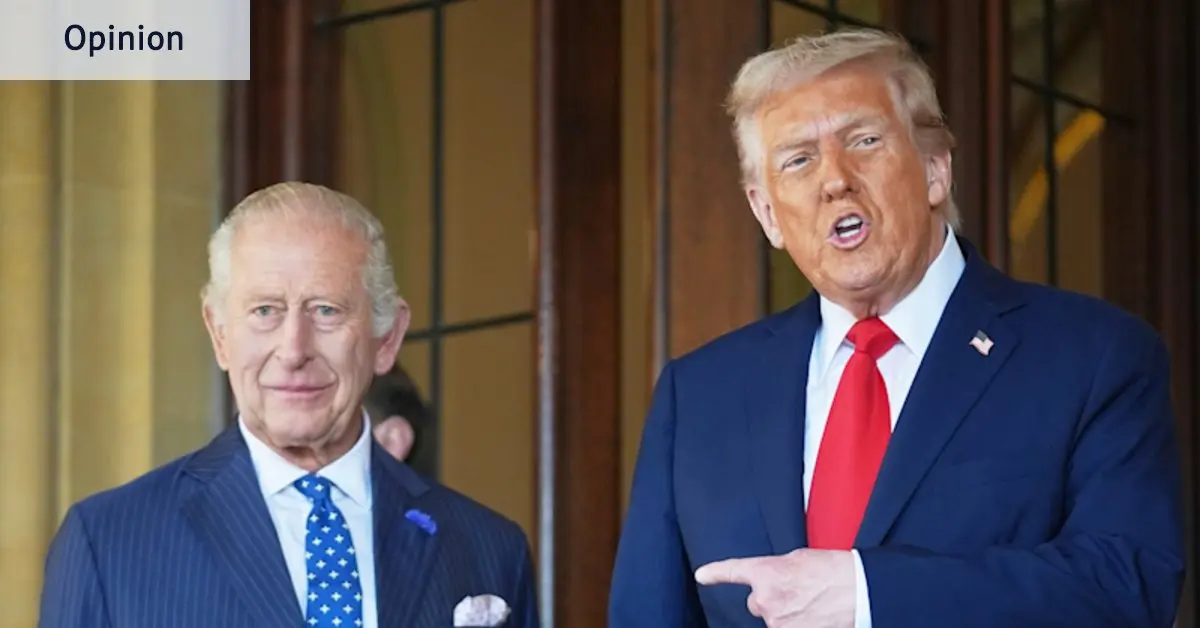
찰스 국왕이 미국 독립 250주년 기념의 일환으로 이번 주 워싱턴을 방문할 예정이다. 이는 2022년 즉위 이후 미국을 방문하는 첫 번째 방문이 될 것이다.
그는 도널드 트럼프로부터 최고의 환영을 받을 수 있을 것으로 예상된다.
이란 전쟁을 둘러싼 견해 차이가 대통령과 국왕 폐하의 정부 간 관계를 악화시켰지만, 트럼프는 국왕을 열렬히 존경하고 있으며, 그를 "나의 좋은 친구"라고 터무니없이 표현한다. 빅토르 오르반의 최근 실각과 트럼프의 교황과의 극심한 분쟁을 고려하면, 찰스 국왕이 대통령과 여전히 좋은 관계를 유지하고 있는 유일한 유럽 지도자(정부 수반이든 국가원수든)라고 할 수 있다. 물론 블라디미르 푸틴을 제외하고는 말이다.
왕실의 다른 일부 구성원들의 평판을 훼손한 스캔들에도 불구하고, 왕관은 여전히 영국의 최고의 소프트파워 자산이다. 정치적 스펙트럼의 어느 쪽에 있든 거의 모든 지도자가 영국 왕실의 매력에 면역이 있지 못하다. 말콤 턴불 전 호주 총리조차 고(故) 여왕과의 알현 후 기자의 질문에 여전히 공화주의자인지를 묻자, "나는 엘리자베스 시대의 신봉자다"라고 답했다.
50년 이상 지속된 이 역할에서의 훈련은 찰스 국왕을 능숙한 외교관으로 만들었으며, 아무리 뛰어난 외교부 관리도 따라올 수 없는 세계 지도자들과의 개인적인 관계를 포함한 경험을 갖추고 있다.
이란 전쟁과 그 이후의 외교적 파탄이 발생하기 전부터 방문 계획이 시작되었지만, 이제 시점이 더욱 절실하다. 양국 간의 관계는 1956년 수에즈 위기 이후 최악의 상태에 있다. 그때도 현재의 긴장만큼 나쁘지는 않았다. 아이젠하워 대통령은 수에즈 운하의 국유화 후 이집트에 대한 군사 개입으로 영국을 처벌했지만, NATO의 중요성에 의문을 제기하거나 영국의 다른 중요한 전략적 이익을 위협하지는 않았다.
현재 이란을 둘러싼 논쟁과 1957년 여왕의 미국 첫 방문의 역사적 유사성은 놀랍다.
1956년에는 역할이 반대였다. 영국이 침략자였다. 프랑스와 이스라엘과 연합하여, 미국 행정부의 반대에도 불구하고 중동의 무슬림 국가를 공격했다. 선언된 목표 중 하나는 이집트의 가말 압델 나세르 대통령을 폐위하는 정권 교체였다. 초기 단계에서 포트 사이드에 대한 영국과 프랑스 군대의 공격은 이집트의 미약한 군사력을 압도했다는 점에서 군사적 성공이었다. 하지만 영국에게는 전략적 재앙이었다.
아이젠하워는 분노했다. 미국의 감정은 개입의 근저에 있는 신식민주의적 오만함에 깊이 상처를 입었다. 공격이 아이젠하워가 두 번째 임기를 추구하던 미국 선거 일주일 전에 발생했다는 사실이 상황을 악화시켰다. 대통령이 통화 시장의 달러 권력을 사용하여 파운드화에 대한 투기를 야기하고 스털링의 가치를 급락시킨 후, 영국은 물러섰다.
수에즈 위기는 집권 보수당을 깊게 분열시켰고 앤소니 에든의 총리직을 파괴했다. 나세르는 서방 침략에 맞서는 제3세계 국가의 챔피언으로 자신을 표현했고(미국의 분쟁 종료에서의 결정적인 역할을 편리하게 무시하며), 위상이 높아졌다. 에든은 2개월 내에 퇴직을 강요받았지만, 나세르는 14년 후 사망할 때까지 권력을 유지했다.
미국과 영국 간의 긴장 관계의 치유는 에든의 사임으로 시작되었지만, 영국에 대한 미국의 회의는 깊었다. 미국 정치에는 항상 반영국적 정서가 있었으며, 호주에도 마찬가지다. 하지만 호주에서는 영국에 대한 적대감이 주로 좌파 정당에서만 발견되는 반면, 미국에서는 역사적 이유가 다르지만 민주당과 공화당 모두에서 존재한다. 수에즈 위기는 이러한 감정을 강화했다.
그러한 환경 속에서 여왕이 미국을 첫 왕실 방문했다. 찰스 국왕처럼 그녀도 백악관 만찬에서 환영을 받았지만, 그와 달리 연방의회 합동회의 연설을 하지는 않았다. 그녀의 방문은 또한 영국 정착의 350주년을 기념하는 중요한 행사였다. 여왕이 얻은 호의는 수에즈 이전의 관계 복구에 크게 기여했으며 반영국적 감정을 억제했다.
관계를 복구한 열매 중 하나는 미국이 그 다음해 영국과 수중 핵 추진 기술을 공유하기로 결정한 것이었다. 이전에는 결코 하지 않았던 일이었고(2021년 스콧 모리슨이 AUKUS 협정을 체결할 때까지는 다시 하지 않았다).
수에즈 위기 이후 70년이 지났다. 영국 역사가들 사이에는 그것이 전후 영국의 세계 권력 쇠퇴에서 가장 중요한 전환점을 나타냈다는 거의 만장일치의 합의가 있다. 향후 수십 년 동안, 역사가들은 이란에 대한 미국의 전쟁이 영국에게 수에즈가 그러했듯이, 미국의 권력 쇠퇴의 중요한 순간을 나타냈다고 판단할 수 있다. 그것은 불충분하게 구상되고 형편없이 실행되었으며, 의심할 여지없이 군사적 성공이지만 이미 명백한 전략적 실패다.
국왕의 방문은 고통스러운 영미 관계의 상처에 진정제가 될 수 있지만, 아무리 많은 왕실의 아부도 미국의 세계적 영향력에 대한 더욱 오래 지속되는 손상을 복구할 수 없을 것이다.
조지 브란디스는 영국의 전 고등판무관이자 전 자유당 상원의원, 연방 법무장관이다. 그는 호주국립대학교 국가안보대학원의 교수다.
그는 도널드 트럼프로부터 최고의 환영을 받을 수 있을 것으로 예상된다.
이란 전쟁을 둘러싼 견해 차이가 대통령과 국왕 폐하의 정부 간 관계를 악화시켰지만, 트럼프는 국왕을 열렬히 존경하고 있으며, 그를 "나의 좋은 친구"라고 터무니없이 표현한다. 빅토르 오르반의 최근 실각과 트럼프의 교황과의 극심한 분쟁을 고려하면, 찰스 국왕이 대통령과 여전히 좋은 관계를 유지하고 있는 유일한 유럽 지도자(정부 수반이든 국가원수든)라고 할 수 있다. 물론 블라디미르 푸틴을 제외하고는 말이다.
왕실의 다른 일부 구성원들의 평판을 훼손한 스캔들에도 불구하고, 왕관은 여전히 영국의 최고의 소프트파워 자산이다. 정치적 스펙트럼의 어느 쪽에 있든 거의 모든 지도자가 영국 왕실의 매력에 면역이 있지 못하다. 말콤 턴불 전 호주 총리조차 고(故) 여왕과의 알현 후 기자의 질문에 여전히 공화주의자인지를 묻자, "나는 엘리자베스 시대의 신봉자다"라고 답했다.
50년 이상 지속된 이 역할에서의 훈련은 찰스 국왕을 능숙한 외교관으로 만들었으며, 아무리 뛰어난 외교부 관리도 따라올 수 없는 세계 지도자들과의 개인적인 관계를 포함한 경험을 갖추고 있다.
이란 전쟁과 그 이후의 외교적 파탄이 발생하기 전부터 방문 계획이 시작되었지만, 이제 시점이 더욱 절실하다. 양국 간의 관계는 1956년 수에즈 위기 이후 최악의 상태에 있다. 그때도 현재의 긴장만큼 나쁘지는 않았다. 아이젠하워 대통령은 수에즈 운하의 국유화 후 이집트에 대한 군사 개입으로 영국을 처벌했지만, NATO의 중요성에 의문을 제기하거나 영국의 다른 중요한 전략적 이익을 위협하지는 않았다.
현재 이란을 둘러싼 논쟁과 1957년 여왕의 미국 첫 방문의 역사적 유사성은 놀랍다.
1956년에는 역할이 반대였다. 영국이 침략자였다. 프랑스와 이스라엘과 연합하여, 미국 행정부의 반대에도 불구하고 중동의 무슬림 국가를 공격했다. 선언된 목표 중 하나는 이집트의 가말 압델 나세르 대통령을 폐위하는 정권 교체였다. 초기 단계에서 포트 사이드에 대한 영국과 프랑스 군대의 공격은 이집트의 미약한 군사력을 압도했다는 점에서 군사적 성공이었다. 하지만 영국에게는 전략적 재앙이었다.
아이젠하워는 분노했다. 미국의 감정은 개입의 근저에 있는 신식민주의적 오만함에 깊이 상처를 입었다. 공격이 아이젠하워가 두 번째 임기를 추구하던 미국 선거 일주일 전에 발생했다는 사실이 상황을 악화시켰다. 대통령이 통화 시장의 달러 권력을 사용하여 파운드화에 대한 투기를 야기하고 스털링의 가치를 급락시킨 후, 영국은 물러섰다.
수에즈 위기는 집권 보수당을 깊게 분열시켰고 앤소니 에든의 총리직을 파괴했다. 나세르는 서방 침략에 맞서는 제3세계 국가의 챔피언으로 자신을 표현했고(미국의 분쟁 종료에서의 결정적인 역할을 편리하게 무시하며), 위상이 높아졌다. 에든은 2개월 내에 퇴직을 강요받았지만, 나세르는 14년 후 사망할 때까지 권력을 유지했다.
미국과 영국 간의 긴장 관계의 치유는 에든의 사임으로 시작되었지만, 영국에 대한 미국의 회의는 깊었다. 미국 정치에는 항상 반영국적 정서가 있었으며, 호주에도 마찬가지다. 하지만 호주에서는 영국에 대한 적대감이 주로 좌파 정당에서만 발견되는 반면, 미국에서는 역사적 이유가 다르지만 민주당과 공화당 모두에서 존재한다. 수에즈 위기는 이러한 감정을 강화했다.
그러한 환경 속에서 여왕이 미국을 첫 왕실 방문했다. 찰스 국왕처럼 그녀도 백악관 만찬에서 환영을 받았지만, 그와 달리 연방의회 합동회의 연설을 하지는 않았다. 그녀의 방문은 또한 영국 정착의 350주년을 기념하는 중요한 행사였다. 여왕이 얻은 호의는 수에즈 이전의 관계 복구에 크게 기여했으며 반영국적 감정을 억제했다.
관계를 복구한 열매 중 하나는 미국이 그 다음해 영국과 수중 핵 추진 기술을 공유하기로 결정한 것이었다. 이전에는 결코 하지 않았던 일이었고(2021년 스콧 모리슨이 AUKUS 협정을 체결할 때까지는 다시 하지 않았다).
수에즈 위기 이후 70년이 지났다. 영국 역사가들 사이에는 그것이 전후 영국의 세계 권력 쇠퇴에서 가장 중요한 전환점을 나타냈다는 거의 만장일치의 합의가 있다. 향후 수십 년 동안, 역사가들은 이란에 대한 미국의 전쟁이 영국에게 수에즈가 그러했듯이, 미국의 권력 쇠퇴의 중요한 순간을 나타냈다고 판단할 수 있다. 그것은 불충분하게 구상되고 형편없이 실행되었으며, 의심할 여지없이 군사적 성공이지만 이미 명백한 전략적 실패다.
국왕의 방문은 고통스러운 영미 관계의 상처에 진정제가 될 수 있지만, 아무리 많은 왕실의 아부도 미국의 세계적 영향력에 대한 더욱 오래 지속되는 손상을 복구할 수 없을 것이다.
조지 브란디스는 영국의 전 고등판무관이자 전 자유당 상원의원, 연방 법무장관이다. 그는 호주국립대학교 국가안보대학원의 교수다.
처리 완료
4,795 tokens · $0.0134
기사 수집 완료 · 12:45
매체 피드에서 기사 메타데이터 수집
헤드라인 번역 완료 · 12:56
제목/요약 한국어 번역 (fetch 시점 inline)
claude-haiku-4-5-20251001
187 tokens
$0.00047
1.4s
본문 추출 완료
6,183자 추출 완료
본문 한국어 번역 완료 · 12:56
2,447자 번역 완료
claude-haiku-4-5-20251001
4,608 tokens
$0.01289
29.5s
지정학적 엔티티 추출 완료 · 12:56
8개 엔티티 추출 완료
지정학적 맥락 & R-Scanner
R-Scanner · 평상
z=-5.48
일상적인 보도 수준 — 기준: Washington
(🇺🇸 US)
최근 6시간 7건
7일 평균 43.64건 / 6h
3개국 매체
4개 매체
본문에서 추출된 지명 (8)
위치 지도
지도 로딩 중…
같은 주제의 다른 기사 (최근 7일)
Relations between Britain and the US have plunged to a 70-year low. A successful royal visit could change that.
You have reached your maximum number of saved items.Remove items from your saved list to add more.
Add articles to your saved list and come back to them anytime.
When King Charles makes his much-anticipated visit to Washington this week as part of the commemorations marking the 250th anniversary of American independence, it will be his first visit to the United States since he ascended the throne in 2022.
He can expect the warmest of welcomes from Donald Trump.
Differences over the war in Iran may have soured the president’s relationship with His Majesty’s government, but Trump remains an ardent admirer of the King, whom he implausibly describes as “a good friend of mine”. With the recent fall of Viktor Orban, and Trump’s excruciating dispute with the Pope, it is arguable that King Charles is the only European leader – whether head of government or head of state – with whom the president still has a good relationship. Other than Vladimir Putin, of course.
Notwithstanding the scandals which have tarnished the reputation of some other members of the royal family, the Crown is still – by far – Britain’s greatest soft-power asset. Few leaders, regardless of where they sit on the political spectrum, are immune to the bewitching power of British royalty. Even Malcolm Turnbull, asked by a journalist after his audience with the late Queen whether he was still a republican, gallantly replied, “I am an Elizabethan.” (When I told Her Majesty that anecdote during my own audience some time later, she was delighted.)
A lifetime in training for the role has made King Charles a skilful diplomat, with experience – including personal acquaintance with world leaders spanning more than 50 years – which no Foreign Office official, however accomplished, could hope to match (as they themselves will tell you).
While planning for the visit began well before the Iran war and the subsequent diplomatic fallout, it could not be more timely. The relationship between the two countries has not been so poor since the Suez crisis of 1956. Even that was not as bad as the current tensions: President Eisenhower may have punished Britain for its ill-starred military intervention in Egypt after it nationalised the Suez Canal, but he never called into question the importance of NATO – or threatened other important British strategic interests.
There is a striking historical echo of Suez in the present contretemps over Iran, just as there is also a remarkable similarity between the circumstances of the King’s visit this week and those of the Queen’s first visit to the United States in 1957.
In 1956, the roles were reversed. Britain was the aggressor. In coalition with France and Israel, it attacked a Muslim nation in the Middle East against the wishes of an American administration. One of its declared objectives was regime change – to depose Egypt’s President Gamal Abdel Nasser. In its initial phases, it was a military success, in the limited sense that the attack by British and French armed forces on Port Said overwhelmed Egypt’s negligible military power. But it was, for Britain, a strategic catastrophe.
Eisenhower was outraged. American sensibilities were deeply offended by the neocolonialist presumption which underlay the intervention. The fact that the attack came a week before America’s election, at which Eisenhower was seeking a second term, did not help matters. After the president used the power of the dollar in currency markets to cause a run on the pound, crashing the value of sterling, Britain backed off.
The Suez crisis deeply divided the ruling Conservative Party and destroyed the prime ministership of Antony Eden. Nasser, posing as a champion of Third World nations standing up to Western aggression (and conveniently ignoring America’s decisive role in ending the conflict) – grew in stature. While Eden was forced out of office within two months, Nasser remained in power until his death 14 years later.
While the healing of the strained relationship between the US and the UK began with Eden’s resignation, American scepticism about Britain remained deep. There has always been an anti-British strain in US politics, as there is in Australia. But unlike Australia, where hostility to Britain is largely to be found only among parties of the left, in America, it exists – for different historical reasons – among both Democrats and Republicans. The Suez crisis strengthened those sentiments.
It was in that environment that the Queen made her first royal visit to the United States. As King Charles will be, she was feted at a White House banquet, although she did not, as he will do, address a joint session of Congress. Her visit also marked an important commemoration – in that case, the 350th anniversary of English settlement. The goodwill the Queen attracted did much to restore the pre-Suez relationship and set anti-British sentiment back on its heels.
One of the fruits of mending the relationship was the United States’ decision the following year to share its undersea nuclear propulsion technology with Britain – something it had never before done (and would not do again until 2021, when Scott Morrison secured the AUKUS agreement).
It is 70 years since the Suez crisis. There is a near to unanimous consensus among British historians that it marked an important – probably the most important – inflection point in the decline of Britain’s postwar global power. In decades to come, historians may well judge that, as was Suez for Britain, America’s war against Iran – ill-conceived and poorly executed, an undoubted military success but already an obvious strategic failure – marked an important moment in the decline of American power.
The King’s visit may put balm on the wounds of the tortured Anglo-American relationship; no amount of royal flattery will repair the more lasting damage to America’s global influence.
George Brandis is a former high commissioner to the UK, and a former Liberal senator and federal attorney-general. He is a professor at the ANU’s National Security College.
The Opinion
You have reached your maximum number of saved items.
Remove items from your saved list to add more.