옥수수 재배 면적 저평가로 미국 농무부 데이터 신뢰성 문제 제기
Crop Undercount Raises Questions About Reliability of U.S.D.A. Data
The New York Times
· 🇺🇸 New York, US
Kevin Draper
EN
2026-05-01 00:22
Translated
지난해 옥수수 추정치가 450만 에이커 과소 계산됐으며, 농무부는 직원 감축이 아닌 설문 응답 부족이 원인이라고 밝혔습니다.
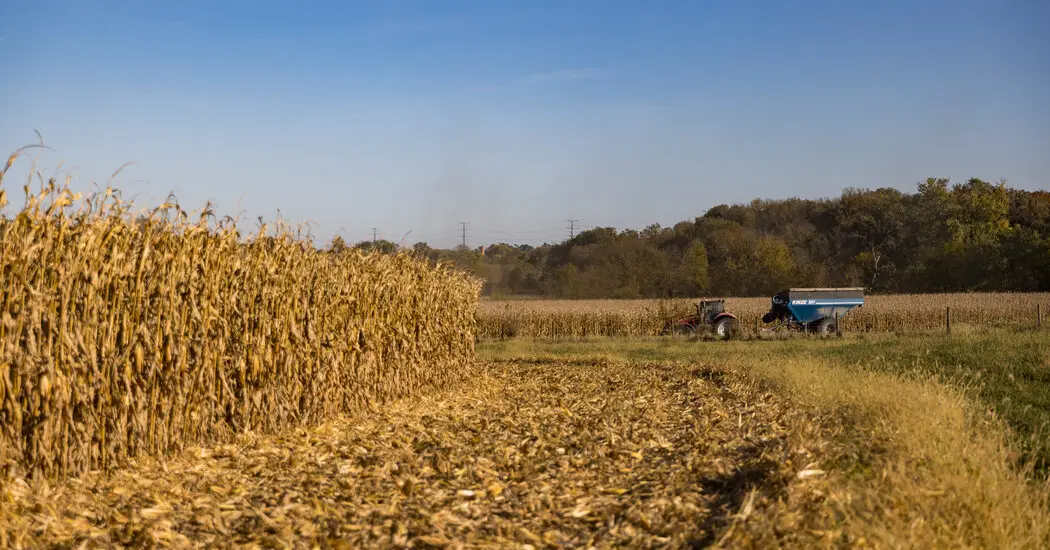
미국 농무부는 지난 7월 농부들이 가을에 8,680만 에이커의 옥수수를 수확할 것으로 예상했습니다. 예상치는 지속적으로 상향 조정되었고, 1월에 농무부는 130만 에이커의 추가 옥수수(델라웨어보다 큰 면적)를 발견하고 최종 수확량이 9,130만 에이커라고 결론지었습니다.
"이는 실수였습니다. 다르게 부를 수 없습니다"라고 12월에 떠난 농무부의 수석 경제학자인 세스 마이어가 말했습니다.
5퍼센트의 저평가는 작아 보일 수 있지만, 이는 농무부의 최근 수십 년간 최악의 예측이었습니다. 이는 트럼프 행정부가 농무부 직원을 감축하고 트럼프 대통령의 무역 전쟁이 장비 가격을 올리고 수출에 타격을 줄 때 발생했습니다.
농업 부문의 일부 인사들은 농무부 데이터의 신뢰성에 대해 점점 더 걱정하고 있습니다. 이러한 회의적 시각은 농무부와 그들이 봉사하는 농부들 간의 역사적으로 긴밀한 관계의 붕괴로 이어질 수 있다고 그들은 말했습니다.
"미국 농무부는 항상 농부들과 훌륭한 관계를 유지했습니다"라고 현재 미주리 대학교 식품농업정책연구소를 이끌고 있는 마이어가 말했습니다. "그것이 약화된 것 같습니다."
농무부는 매년 지역 수준의 수수 재배부터 중국의 목재 시장까지 모든 것에 대해 수천 개의 보고서를 발행합니다. 그러나 작물 규모에 대한 추정치는 가장 많이 읽히는 보고서 중 일부입니다. 거래자들은 이 보고서의 정보를 이용하여 즉시 상품을 사고팔며, 이는 농부들이 그들의 작물에 대해 받는 가격에 영향을 미칩니다. 농부들은 이 정보를 이용하여 최대한 많은 돈을 받기 위해 언제 어떻게 작물을 팔지에 대해 결정합니다.
농무부 관계자들은 이러한 실수에 대한 공식 설명을 제공하지 않았지만, 많은 외부 인사들은 직원 감축과 낮은 설문 응답률을 지적합니다.
농무부는 일론 머스크의 정부효율부가 연방 정부 전체에서 일자리를 삭감하면서 2025년에 23,000명의 직원을 잃었습니다. 작물 보고서를 작성하는 국가농업통계서비스는 가장 큰 타격을 받은 부서 중 하나였으며, 약 800명에서 약 500명으로 직원의 34퍼센트를 잃었습니다.
옥수수 저평가는 농업 출판물인 팜저널이 월간 설문조사 응답자들에게 농무부 데이터에 대한 신뢰가 남아 있는지 묻도록 유도했습니다. 설문조사에 응한 대부분의 농부, 목축업자 및 경제학자들은 "아니오"라고 응답했습니다.
"사람들은 보고서가 사실이든 아니든 보고서를 거래합니다"라고 일리노이 주 피오리아 근처에서 1,500에이커를 경작하고 종자 사업을 운영하는 셰이 폴크가 말했습니다. 농부들이 정교한 관리 펀드 및 거래 알고리즘을 상대로 상품 시장에서 거래하기 때문에, 그는 "농부들이 그 숫자가 부정확하면 불리한 입장에 처해 있다고 느낀다"고 말했습니다.
수년 동안 농무부는 작물 생산 보고서의 핵심 데이터 소스 중 하나인 설문조사에 응하는 농부 수가 감소하는 문제로 어려움을 겪었습니다. 최근 설문조사의 응답률은 농무부에 따르면 약 40퍼센트 정도이며, 10년 전의 약 60퍼센트에서 하락했습니다.
"농부들이 기관에 대한 신뢰를 잃으면, 그들은 참여하고 싶어하지 않으며, 따라서 낮은 직원 수와 낮은 참여 및 부정확한 데이터 사이에는 직접적인 연관이 있습니다"라고 미네소타 상원 농업위원회의 민주당 최고 위원인 에이미 클로부차 상원의원이 인터뷰에서 말했습니다.
3월에 농업위원회의 민주당원들은 농무부 연구, 교육 및 경제 담당 차관인 스콧 허친스에게 농무부 데이터의 신뢰성에 대해 우려하는 편지를 썼습니다. 그들은 또한 농무부가 워싱턴에서 전국의 허브로 직원을 재배치하려는 계획이 "주요 제도적 지식과 직원 역량의 손실을 악화시킬 위협"이라고 말했습니다.
지난해 트럼프 대통령에 의해 임명된 허친스는 인터뷰에서 농부들이 여전히 기관을 신뢰하지만 옥수수 오산에 대해 "타당한 불만"을 가지고 있다고 말했습니다.
직원 감축이 이러한 오산과 관련이 있는지 묻는 질문에 그는 "절대적으로, 명백히 아닙니다"라고 말했습니다. 허친스는 또한 농무부의 새로운 효율성을 개발할 수 있는 능력이 인원 감소로 "엄청나게 향상되었다"고 덧붙이고, 데이터를 수집하기 위해 더 많은 원격 감지 능력과 인공 지능을 사용하고 있다고 말했습니다.
"그 추가 직원들이 우리를 위해 무엇을 하고 있었는지 이해할 수 없으며, 현재 우리가 가진 직원으로 같은 결과를 생산하고 있습니다"라고 그는 말했습니다.
허친스는 응답률이 계속 하락한다면 농무부가 데이터 악순환에 빠질 수 있다는 우려를 표명했습니다. "그것은 일종의 자기충족적 예언입니다"라고 그는 말했습니다. "설문조사가 적을수록, 추정치의 표준 오차가 커질 것입니다."
옥수수 저평가는 연방준비제도 캔자스시티 지역 은행에서 개최된 반년 주기의 농무부 데이터 사용자 회의에서 지난주 주요 논의 주제였습니다. 이는 통상적으로 부서 경제학자, 학자, 농업 회사 대표 및 기타 인사들이 참석하여 여러 부서의 책임자들이 새로운 데이터 제품을 미리 보고 난해한 방법론 질문에 답하는 저명도가 낮은 행사입니다. 하지만 이번에는 투명성 강화 및 설문 응답률 증대에 중점을 두었습니다.
농무부 통계 부서의 임시 책임자인 랜스 호니그는 2025년이 특이 현상이었다고 제안했습니다. 많은 양의 옥수수 식재와 기록적인 수확량 때문에 일반적인 통계 모델이 맞지 않았습니다.
"2025 작물 시즌이 우리가 본 것과는 약간 다르다고 제안하고 싶습니다. 아, 제가 모르겠는데 80년, 90년이 될까요?"라고 호니그가 말했습니다.
농무부는 최근 데이터 제품에 대한 논평과 아이디어를 위한 정보 요청서를 발표했습니다. 또한 더 많은 설문을 발송하는 더 높은 비용에 대해 행정관리예산청의 승인을 보류 중인 상태에서 작물 면적 보고서를 위해 조사된 농부 수를 늘릴 계획입니다.
한 회의 참석자인 식품 산업 컨설턴트 빌 래프는 정부의 농부 구제 패키지에서 돈을 받는 사람들을 위해 설문조사를 필수화할 것을 제안했습니다. "120억 달러면, 그들이 1년에 몇 번 엽서를 작성하도록 할 수 없나요?"라고 그는 질의응답 세션에서 물었습니다.
농부들은 연방 정부와 깊고 직접적인 관계를 가지고 있으며, 이는 그들의 사업의 대부분을 지속시킵니다. 농부들은 작물 보험 및 보전 프로그램에 참여하고, 보조금을 신청하며, 재해 지원 및 임시 지급금을 받습니다. 농무부는 정부 지급금이 올해 농장 소득의 29퍼센트를 차지할 것으로 예상합니다.
이러한 프로그램은 농부로부터 얻은 데이터로 운영됩니다. 그들은 소득 지원 프로그램에 참여하기 위해 농장 서비스청에 심은 에이커 수를 인증해야 합니다. 작물 보험을 받기 위해 농부들은 위험 관리청에 재무 정보를 제공해야 합니다. 따라서 그들이 또한 자신의 작물에 대한 자세한 질문을 요청하는 설문조사를 받으면, 일부 농부들은 농무부가 데이터를 가지고 있거나 가져야 한다고 생각하기 때문에 짜증을 냅니다.
일리노이 농부 폴크는 농부들이 부분적으로 그들의 영향력 감소 때문에 연방 정부에 불만을 가지고 있다고 말했습니다. 관세, 바이오 연료 정책 및 농업법에 대해 농부들은 최근 그들이 원했던 것을 얻지 못했습니다.
"우리는 이 과도한 목소리를 가질 특권을 가졌으며, 이제 우리는 그렇게 크지 않습니다"라고 그는 말했습니다.
전 기관 경제학자 마이어에 따르면, 농부들이 느끼는 방식이 어떻든 직접적으로 그들에게 이익을 주는 농무부 프로그램에 참여하는 것을 멈출 가능성은 낮습니다. 하지만 그들의 실존적 생존은 데이터와 분석에 의해 지탱되고 있습니다.
"데이터 수집 지원은 역사적으로 그리고 계속해서 그들에게 직접적인 영향을 미치는 것들을 지원해 왔습니다"라고 그는 말했습니다.
케빈 드래퍼는 농업 산업을 담당하는 비즈니스 통신원입니다. kevin.draper@nytimes.com 또는 kevin.draper@protonmail.com으로 연락할 수 있습니다.
"이는 실수였습니다. 다르게 부를 수 없습니다"라고 12월에 떠난 농무부의 수석 경제학자인 세스 마이어가 말했습니다.
5퍼센트의 저평가는 작아 보일 수 있지만, 이는 농무부의 최근 수십 년간 최악의 예측이었습니다. 이는 트럼프 행정부가 농무부 직원을 감축하고 트럼프 대통령의 무역 전쟁이 장비 가격을 올리고 수출에 타격을 줄 때 발생했습니다.
농업 부문의 일부 인사들은 농무부 데이터의 신뢰성에 대해 점점 더 걱정하고 있습니다. 이러한 회의적 시각은 농무부와 그들이 봉사하는 농부들 간의 역사적으로 긴밀한 관계의 붕괴로 이어질 수 있다고 그들은 말했습니다.
"미국 농무부는 항상 농부들과 훌륭한 관계를 유지했습니다"라고 현재 미주리 대학교 식품농업정책연구소를 이끌고 있는 마이어가 말했습니다. "그것이 약화된 것 같습니다."
농무부는 매년 지역 수준의 수수 재배부터 중국의 목재 시장까지 모든 것에 대해 수천 개의 보고서를 발행합니다. 그러나 작물 규모에 대한 추정치는 가장 많이 읽히는 보고서 중 일부입니다. 거래자들은 이 보고서의 정보를 이용하여 즉시 상품을 사고팔며, 이는 농부들이 그들의 작물에 대해 받는 가격에 영향을 미칩니다. 농부들은 이 정보를 이용하여 최대한 많은 돈을 받기 위해 언제 어떻게 작물을 팔지에 대해 결정합니다.
농무부 관계자들은 이러한 실수에 대한 공식 설명을 제공하지 않았지만, 많은 외부 인사들은 직원 감축과 낮은 설문 응답률을 지적합니다.
농무부는 일론 머스크의 정부효율부가 연방 정부 전체에서 일자리를 삭감하면서 2025년에 23,000명의 직원을 잃었습니다. 작물 보고서를 작성하는 국가농업통계서비스는 가장 큰 타격을 받은 부서 중 하나였으며, 약 800명에서 약 500명으로 직원의 34퍼센트를 잃었습니다.
옥수수 저평가는 농업 출판물인 팜저널이 월간 설문조사 응답자들에게 농무부 데이터에 대한 신뢰가 남아 있는지 묻도록 유도했습니다. 설문조사에 응한 대부분의 농부, 목축업자 및 경제학자들은 "아니오"라고 응답했습니다.
"사람들은 보고서가 사실이든 아니든 보고서를 거래합니다"라고 일리노이 주 피오리아 근처에서 1,500에이커를 경작하고 종자 사업을 운영하는 셰이 폴크가 말했습니다. 농부들이 정교한 관리 펀드 및 거래 알고리즘을 상대로 상품 시장에서 거래하기 때문에, 그는 "농부들이 그 숫자가 부정확하면 불리한 입장에 처해 있다고 느낀다"고 말했습니다.
수년 동안 농무부는 작물 생산 보고서의 핵심 데이터 소스 중 하나인 설문조사에 응하는 농부 수가 감소하는 문제로 어려움을 겪었습니다. 최근 설문조사의 응답률은 농무부에 따르면 약 40퍼센트 정도이며, 10년 전의 약 60퍼센트에서 하락했습니다.
"농부들이 기관에 대한 신뢰를 잃으면, 그들은 참여하고 싶어하지 않으며, 따라서 낮은 직원 수와 낮은 참여 및 부정확한 데이터 사이에는 직접적인 연관이 있습니다"라고 미네소타 상원 농업위원회의 민주당 최고 위원인 에이미 클로부차 상원의원이 인터뷰에서 말했습니다.
3월에 농업위원회의 민주당원들은 농무부 연구, 교육 및 경제 담당 차관인 스콧 허친스에게 농무부 데이터의 신뢰성에 대해 우려하는 편지를 썼습니다. 그들은 또한 농무부가 워싱턴에서 전국의 허브로 직원을 재배치하려는 계획이 "주요 제도적 지식과 직원 역량의 손실을 악화시킬 위협"이라고 말했습니다.
지난해 트럼프 대통령에 의해 임명된 허친스는 인터뷰에서 농부들이 여전히 기관을 신뢰하지만 옥수수 오산에 대해 "타당한 불만"을 가지고 있다고 말했습니다.
직원 감축이 이러한 오산과 관련이 있는지 묻는 질문에 그는 "절대적으로, 명백히 아닙니다"라고 말했습니다. 허친스는 또한 농무부의 새로운 효율성을 개발할 수 있는 능력이 인원 감소로 "엄청나게 향상되었다"고 덧붙이고, 데이터를 수집하기 위해 더 많은 원격 감지 능력과 인공 지능을 사용하고 있다고 말했습니다.
"그 추가 직원들이 우리를 위해 무엇을 하고 있었는지 이해할 수 없으며, 현재 우리가 가진 직원으로 같은 결과를 생산하고 있습니다"라고 그는 말했습니다.
허친스는 응답률이 계속 하락한다면 농무부가 데이터 악순환에 빠질 수 있다는 우려를 표명했습니다. "그것은 일종의 자기충족적 예언입니다"라고 그는 말했습니다. "설문조사가 적을수록, 추정치의 표준 오차가 커질 것입니다."
옥수수 저평가는 연방준비제도 캔자스시티 지역 은행에서 개최된 반년 주기의 농무부 데이터 사용자 회의에서 지난주 주요 논의 주제였습니다. 이는 통상적으로 부서 경제학자, 학자, 농업 회사 대표 및 기타 인사들이 참석하여 여러 부서의 책임자들이 새로운 데이터 제품을 미리 보고 난해한 방법론 질문에 답하는 저명도가 낮은 행사입니다. 하지만 이번에는 투명성 강화 및 설문 응답률 증대에 중점을 두었습니다.
농무부 통계 부서의 임시 책임자인 랜스 호니그는 2025년이 특이 현상이었다고 제안했습니다. 많은 양의 옥수수 식재와 기록적인 수확량 때문에 일반적인 통계 모델이 맞지 않았습니다.
"2025 작물 시즌이 우리가 본 것과는 약간 다르다고 제안하고 싶습니다. 아, 제가 모르겠는데 80년, 90년이 될까요?"라고 호니그가 말했습니다.
농무부는 최근 데이터 제품에 대한 논평과 아이디어를 위한 정보 요청서를 발표했습니다. 또한 더 많은 설문을 발송하는 더 높은 비용에 대해 행정관리예산청의 승인을 보류 중인 상태에서 작물 면적 보고서를 위해 조사된 농부 수를 늘릴 계획입니다.
한 회의 참석자인 식품 산업 컨설턴트 빌 래프는 정부의 농부 구제 패키지에서 돈을 받는 사람들을 위해 설문조사를 필수화할 것을 제안했습니다. "120억 달러면, 그들이 1년에 몇 번 엽서를 작성하도록 할 수 없나요?"라고 그는 질의응답 세션에서 물었습니다.
농부들은 연방 정부와 깊고 직접적인 관계를 가지고 있으며, 이는 그들의 사업의 대부분을 지속시킵니다. 농부들은 작물 보험 및 보전 프로그램에 참여하고, 보조금을 신청하며, 재해 지원 및 임시 지급금을 받습니다. 농무부는 정부 지급금이 올해 농장 소득의 29퍼센트를 차지할 것으로 예상합니다.
이러한 프로그램은 농부로부터 얻은 데이터로 운영됩니다. 그들은 소득 지원 프로그램에 참여하기 위해 농장 서비스청에 심은 에이커 수를 인증해야 합니다. 작물 보험을 받기 위해 농부들은 위험 관리청에 재무 정보를 제공해야 합니다. 따라서 그들이 또한 자신의 작물에 대한 자세한 질문을 요청하는 설문조사를 받으면, 일부 농부들은 농무부가 데이터를 가지고 있거나 가져야 한다고 생각하기 때문에 짜증을 냅니다.
일리노이 농부 폴크는 농부들이 부분적으로 그들의 영향력 감소 때문에 연방 정부에 불만을 가지고 있다고 말했습니다. 관세, 바이오 연료 정책 및 농업법에 대해 농부들은 최근 그들이 원했던 것을 얻지 못했습니다.
"우리는 이 과도한 목소리를 가질 특권을 가졌으며, 이제 우리는 그렇게 크지 않습니다"라고 그는 말했습니다.
전 기관 경제학자 마이어에 따르면, 농부들이 느끼는 방식이 어떻든 직접적으로 그들에게 이익을 주는 농무부 프로그램에 참여하는 것을 멈출 가능성은 낮습니다. 하지만 그들의 실존적 생존은 데이터와 분석에 의해 지탱되고 있습니다.
"데이터 수집 지원은 역사적으로 그리고 계속해서 그들에게 직접적인 영향을 미치는 것들을 지원해 왔습니다"라고 그는 말했습니다.
케빈 드래퍼는 농업 산업을 담당하는 비즈니스 통신원입니다. kevin.draper@nytimes.com 또는 kevin.draper@protonmail.com으로 연락할 수 있습니다.
처리 완료
6,461 tokens · $0.0189
기사 수집 완료 · 00:50
매체 피드에서 기사 메타데이터 수집
헤드라인 번역 완료 · 01:05
제목/요약 한국어 번역 (fetch 시점 inline)
claude-haiku-4-5-20251001
211 tokens
$0.00050
2.2s
본문 추출 완료
7,809자 추출 완료
본문 한국어 번역 완료 · 01:05
3,825자 번역 완료
claude-haiku-4-5-20251001
6,250 tokens
$0.01844
41.4s
지정학적 엔티티 추출 완료 · 01:05
8개 엔티티 추출 완료
지정학적 맥락 & R-Scanner
R-Scanner · 핫스팟
z=1.52
평소보다 훨씬 많은 매체가 집중 보도 중 — 기준: United States
(🇺🇸 US)
최근 6시간 86건
7일 평균 72.89건 / 6h
9개국 매체
13개 매체
본문에서 추출된 지명 (8)
위치 지도
지도 로딩 중…
같은 주제의 다른 기사 (최근 7일)
Corn estimates were off by 4.5 million acres last year. A lack of survey responses, not job cuts, led to the miss, the Agriculture Department said.
The Agriculture Department projected last July that farmers would harvest 86.8 million acres of corn in autumn. The projection was repeatedly revised upward until, in January, the department found 1.3 million more acres of corn — an area larger than Delaware — and concluded that the final amount harvested was 91.3 million acres.“It was a miss. No other way to call it,” said Seth Meyer, who served as the department’s chief economist until leaving in December.
The 5 percent undercount may seem small, but it was the department’s worst projection in recent memory. It came as the Trump administration was cutting staff at the Agriculture Department and as President Trump’s trade war raised prices for equipment and hurt exports.
Some people in agriculture have become increasingly worried about the reliability of department data. That skepticism could lead to a breakdown of the historically close relationship between the department and farmers it serves, they said.
“U.S.D.A. always had a great relationship with its farmers,” said Mr. Meyer, who now leads the Food and Agricultural Policy Research Institute at the University of Missouri. “That seems to have weakened.”
The Agriculture Department publishes thousands of reports annually on everything from county-level sorghum planting to China’s hardwood market. But its estimates of crop size are some of the most closely read reports. Traders use information from the reports to immediately buy and sell commodities, affecting the prices that farmers receive for their crops. Farmers use the information to make decisions about how and when to try to sell their crop for the most money.
Department officials haven’t offered an official explanation for the miss, but many outside it point to staffing cuts and lower survey response rates.
The Agriculture Department lost 23,000 employees in 2025, as Elon Musk’s Department of Government Efficiency slashed jobs across the federal government. The National Agricultural Statistics Service, which produces crop reports, was one of the hardest-hit divisions; it lost 34 percent of its staff, going to about 500 employees from around 800.
The corn miss prompted Farm Journal, an agricultural publication, to ask respondents to its monthly survey whether they remained confident in department data. Most of the farmers, ranchers and economists polled responded “no.”
“People trade the reports whether the reports are true or not,” said Shay Foulk, who farms 1,500 acres and runs a seed business near Peoria, Ill. Since farmers are trading in commodity markets against sophisticated managed funds and trading algorithms, he said, “the farmer just feels they are at a disadvantage if those numbers are inaccurate.”
For years, the department has struggled with fewer farmers returning its surveys, one of the key data sources for crop production reports. The response rate for recent surveys was around 40 percent, according to the department, down from around 60 percent a decade ago.
“When farmers lose trust in the agency, they don’t want to participate as much, and so there is a direct line between low staff and low participation and incorrect data,” said Senator Amy Klobuchar of Minnesota, the ranking Democrat on the Senate Agriculture Committee, in an interview.
In March, Democrats on the Agriculture Committee wrote a letter to Scott Hutchins, the under secretary for research, education and economics at the Agriculture Department, concerned about the reliability of the department’s data. They also said the department’s proposed relocation of employees from Washington to hubs around the country “threatens to worsen the loss of key institutional knowledge and staff capacity.”
Mr. Hutchins, who was appointed by Mr. Trump last year, said in an interview that farmers still trusted the agency but had “well-founded frustrations” with the corn misestimate.
Asked whether losing employees had anything to do with the miss, he said, “Absolutely, unequivocally no.” Mr. Hutchins added that the department’s ability to develop new efficiencies had been “enhanced tremendously” by the departures, and that it was using more remote sensing abilities and artificial intelligence to collect data.
“I don’t understand what all of the additional staff might’ve been doing for us to still produce the same outcome with the current staff that we have,” he said.
Mr. Hutchins did say he was worried about the department’s entering a data doom loop if response rates continued to fall. “It is kind of a self-fulfilling prophecy,” he said. “The fewer surveys we have, the larger the standard error we will have in estimates.”
The corn miss was a major topic of conversation last week at the semiannual Agriculture Department data users’ meeting, held at the Federal Reserve Bank of Kansas City. It is normally a low-key event attended by departmental economists, academics, agricultural company representatives and others, where heads of different divisions preview new data products and answer esoteric methodology questions. But this time, there was a heavy focus on heightening transparency and increasing survey response rates.
Lance Honig, the acting director of the department’s statistics division, suggested that 2025 was an anomaly. Because of the large amount of corn planted and record yields, the normal statistical models were off.
“I would suggest that the 2025 crop season was a bit different than anything we had seen in, oh, I don’t know, what would that be — 80, 90 years,” Mr. Honig said.
The Agriculture Department recently put out a request for information for commentary and ideas about its data products. It is also planning to increase the number of farmers surveyed for its acreage reports, pending approval from the Office of Management and Budget for the higher cost to send out more surveys.
One meeting attendee, Bill Lapp, a food industry consultant, suggested that surveys be made mandatory for those receiving money from the government’s bailout package for farmers. “For $12 billion, can’t you get them to fill out a damn postcard a couple of times a year?” he asked in a question-and-answer session.
Farmers have a deep and direct relationship with the federal government, which sustains much of their business. Farmers participate in crop insurance and conservation programs, apply for grants and receive disaster assistance and ad hoc payments. The Agriculture Department projects that government payments will account for 29 percent of farm income this year.
These programs run on data obtained from farmers. They must certify the number of acres they plant with the Farm Service Agency in order to participate in income support programs. To get crop insurance, farmers must give their financial information to the Risk Management Agency. So when they are also mailed surveys asking detailed questions about their crops, some farmers get annoyed, because they believe the department has, or should have, the data.
Mr. Foulk, the Illinois farmer, said farmers were in part disgruntled with the federal government because of their declining influence. On tariffs, biofuels policy and the farm bill, farmers haven’t gotten what they wanted lately.
“We had the privilege of having this outsized voice, and now we’re not as loud,” he said.
Farmers are unlikely to stop participating in Agriculture Department programs that directly benefit them, no matter how they feel, said Mr. Meyer, the former agency economist. But their very viability is underpinned by data and analysis.
“Supporting data collection has historically and continues to support the things that directly impact them,” he said.
Kevin Draper is a business correspondent covering the agriculture industry. He can be reached at kevin.draper@nytimes.com or kevin.draper@protonmail.com.