분석: 미국의 봉쇄로 인해 이란의 석유 산업이 점점 더 위협받고 있는 이유
Analysis: Why Iran’s oil industry is increasingly threatened by US blockade
Associated Press
· 🇺🇸 New York, US
https://apnews.com/author/jon-gambrell
EN
2026-05-01 01:40
Translated
미국 군은 화요일 이란에 대한 미국의 봉쇄에 위반하여 이란으로 통과하려고 시도한 것으로 의심되는 상용선을 승선했다고 발표했다.
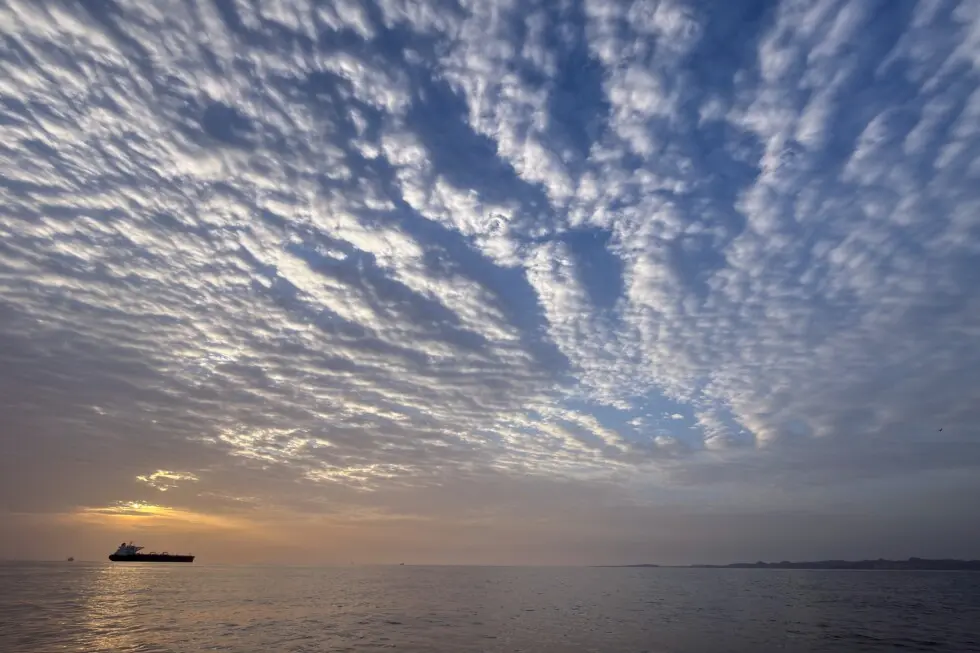
태양이 2026년 4월 18일 토요일 이란 케슘 섬 해안 인근 호르무즈 해협에 정박한 유조선 뒤로 떠오른다. (AP 사진/아스가르 베샤라티, 자료사진)
타스님 뉴스 통신사가 공개한 이 사진은 호르무즈 해협에서 위반 혐의로 적발된 두 척 중 한 척의 선박을 나포했다고 국영 언론이 보도한 카르고선 에파미논다스에 혁명 수비대 해군(IRGC) 고속정이 접근하고 있다. 2026년 4월 21일. (메이삼 미르자데/타스님 뉴스 통신사 제공 AP, 자료사진)
호르무즈 해협에 정박한 유조선과 대량 운반선, 2026년 4월 18일 토요일. (AP 사진)
페르시아만에서 호르무즈 해협으로 향하는 카르고선, 2026년 4월 22일 수요일. (AP 사진)
타스님 뉴스 통신사가 공개한 이 사진은 호르무즈 해협에서 위반 혐의로 적발된 두 척 중 한 척의 선박을 나포했다고 국영 언론이 보도한 카르고선 MSC 프란체스카에 혁명 수비대 해군(IRGC) 무장한 인원들이 승선하고 있다. 2026년 4월 21일. (메이삼 미르자데/타스님 뉴스 통신사 제공 AP)
미국 군은 화요일 화요일 이란에 대한 미국의 봉쇄에 위반하여 이란으로 통과하려고 시도한 것으로 의심되는 상용선을 승선했다고 발표했다.
태양이 2026년 4월 18일 토요일 이란 케슘 섬 해안 인근 호르무즈 해협에 정박한 유조선 뒤로 떠오른다. (AP 사진/아스가르 베샤라티, 자료사진)
태양이 2026년 4월 18일 토요일 이란 케슘 섬 해안 인근 호르무즈 해협에 정박한 유조선 뒤로 떠오른다. (AP 사진/아스가르 베샤라티, 자료사진)
타스님 뉴스 통신사가 공개한 이 사진은 호르무즈 해협에서 위반 혐의로 적발된 두 척 중 한 척의 선박을 나포했다고 국영 언론이 보도한 카르고선 에파미논다스에 혁명 수비대 해군(IRGC) 고속정이 접근하고 있다. 2026년 4월 21일. (메이삼 미르자데/타스님 뉴스 통신사 제공 AP, 자료사진)
타스님 뉴스 통신사가 공개한 이 사진은 호르무즈 해협에서 위반 혐의로 적발된 두 척 중 한 척의 선박을 나포했다고 국영 언론이 보도한 카르고선 에파미논다스에 혁명 수비대 해군(IRGC) 고속정이 접근하고 있다. 2026년 4월 21일. (메이삼 미르자데/타스님 뉴스 통신사 제공 AP, 자료사진)
호르무즈 해협에 정박한 유조선과 대량 운반선, 2026년 4월 18일 토요일. (AP 사진)
호르무즈 해협에 정박한 유조선과 대량 운반선, 2026년 4월 18일 토요일. (AP 사진)
페르시아만에서 호르무즈 해협으로 향하는 카르고선, 2026년 4월 22일 수요일. (AP 사진)
페르시아만에서 호르무즈 해협으로 향하는 카르고선, 2026년 4월 22일 수요일. (AP 사진)
타스님 뉴스 통신사가 공개한 이 사진은 호르무즈 해협에서 위반 혐의로 적발된 두 척 중 한 척의 선박을 나포했다고 국영 언론이 보도한 카르고선 MSC 프란체스카에 혁명 수비대 해군(IRGC) 무장한 인원들이 승선하고 있다. 2026년 4월 21일. (메이삼 미르자데/타스님 뉴스 통신사 제공 AP)
타스님 뉴스 통신사가 공개한 이 사진은 호르무즈 해협에서 위반 혐의로 적발된 두 척 중 한 척의 선박을 나포했다고 국영 언론이 보도한 카르고선 MSC 프란체스카에 혁명 수비대 해군(IRGC) 무장한 인원들이 승선하고 있다. 2026년 4월 21일. (메이삼 미르자데/타스님 뉴스 통신사 제공 AP)
두바이, 아랍에미리트 (AP) — 이란이 호르무즈 해협에 대한 지배력으로 세계 에너지 공급을 압박하고 있는 가운데, 이란 자체의 석유 산업은 미국의 봉쇄로 인해 점점 더 위협받고 있다.
석유를 수출할 방법이 없고 국내 저장 공간이 점점 줄어들고 있는 이란은 빨면 2주 후부터 일부 유정의 생산을 극적으로 감축하거나 중단할 수밖에 없을 것 같다고 전문가들은 말한다.
상황이 도널드 트럼프 미국 대통령이 최근 묘사한 것만큼 심각하지는 않을 것 같다. 그는 며칠 안에 파이프라인이 폭발할 수 있다고 화려하게 제안했다. 하지만 한 번 폐쇄되면 노후된 유정의 생산은 다시 시작되기 쉽지 않을 수 있으며, 전혀 다시 시작되지 않을 수도 있어 이란의 미래 석유 산출량을 훼손할 수 있다. 이란은 완전한 폐쇄를 피하기 위해 이미 생산을 줄이기 시작한 것으로 보인다고 분석가들은 말한다.
미국 재무부가 이미 해상에 있는 이란 석유 선적에 대한 제재를 강화하면서 압력이 커지고 있다. 미국 군은 이란 석유를 운반하고 있다고 믿어지는 아시아 해역의 유조선 최소 2척을 나포했다.
석유 무역이 제약을 받으면서 이란은 수주간의 전쟁, 수개월의 불안, 수십 년의 국제 제재로 인해 타격을 입은 경제로 돌아오는 현금이 줄어들고 있다. 하지만 이란 석유를 운송하는 유조선이 더 적어지면서 호르무즈 해협 폐쇄의 영향은 더욱 커져 전 세계적으로 제트유 부족과 휘발유 가격 상승으로 이어지고 있다.
현재 워싱턴 기반 국방민주주의재단의 선임 펠로우인 미드 말레키는 이전 미국 재무부 제재 전문가로서 이란의 지도자들이 석유 우물을 폐쇄하는 것에 "정말로 저항하고 있다"고 말했다.
말레키는 "47년 동안 제재를 받아왔고 고립되어 있었다. 그 석유 우물은 유지보수가 잘 안 되어 있다. 그들의 기계는 유지보수가 잘 안 되어 있다"고 말했다. 그는 한 번 차단되면 우물이 쉽게 "몇 개월 후 다시 시작되지" 않을 것이라고 덧붙였다.
이란은 전쟁 전에 하루에 300만 배럴 이상의 원유를 펌프질하고 있었으며, 약간 넘는 절반이 국내 시장으로 향했다. 하지만 미국 봉쇄가 4월 13일부터 시작되면서 선박들은 석유로 가득 차서 나갈 수 없게 되었다.
환경 지능 회사인 카이로스의 공동 창립자이자 수석 분석가인 앙투안 할프는 "상당한 생산 둔화가 있었던 것 같다"고 말했다. 그는 페르시아만의 이란 주요 석유 수출 터미널인 카르그 섬의 저장소가 평소보다 빠르게 채워지지 않고 있는 징후를 지적했다.
할프는 이란이 카르그 섬 주변에 위치한 유조선에 일부 석유를 저장할 가능성이 높다고 지적했다.
상품 시장을 모니터링하는 회사인 클레르는 이란이 생산을 줄인 후에도 약 2주치의 석유 생산을 저장할 수 있는 용량이 남아 있을 것으로 믿고 있다.
클레르의 분석가인 호마윤 팔락샤히는 "단기 수익 영향은 제한적이지만 운영상 제약이 생산 감축을 강요하고 지연된 것이지만 상당한 재정 압박을 설정하고 있다"고 썼다.
또 다른 석유 분석 회사인 우드 맥켄지는 이란이 약 3주 내에 저장 용량이 부족해질 것으로 추정하고 있다.
우드 맥켄지의 알렉상드르 아라만은 "봉쇄가 지속되면 감축이 필연적이다"고 썼다. 1개월 이상의 폐쇄는 이란의 석유 저수지에 "장기 손상"의 위험이 있다고 그는 썼으며, 구형 유전 복구는 "불확실하게 남아 있다"고 덧붙였다.
1908년 처음 석유를 발견한 이래로 이란의 석유 산업은 이 지역의 정치에 얽혀 있었다. 이란의 석유 광산을 국유화하고 영국으로부터 통제권을 빼앗으려는 움직임은 CIA의 지원을 받은 1953년 쿠데타를 촉발했으며, 이는 샤 모하마드 레자 팔레비의 통치를 확립했다. 그것은 또한 1979년 이란의 이슬람 혁명에 대한 긴 도화선에 불을 붙였으며, 이는 샤를 무너뜨렸다. 혁명 중에 석유 노동자들은 파업을 하였고 생산을 하루에 600만 배럴에서 약 150만 배럴로 줄였다.
이란의 석유 산업은 결코 회복되지 않았으며 수십 년의 국제 제재에 직면했으며, 그 동안 기반시설이 노후화되고 고장났다.
첫 번째 임기에 트럼프는 "최대 압박" 캠페인을 펼쳤으며 이란의 석유 수출을 심각하게 줄이기 위해 제재를 올렸다. 이란 정부는 해상의 유조선에 석유를 저장하도록 강요받아 수백억 달러의 수익을 잃었다. 그럼에도 불구하고 압력은 테헤란이 미국과의 핵 거래에 도달하도록 밀어붙이지 못했다.
이제 이란은 상향 조정된 제재와 봉쇄의 조합에 직면해 있다. 트럼프는 화요일 이란이 "붕괴 상태"에 있다고 주장했다.
미국 재무장관 스콧 베센트는 X에 "이란의 낡은 석유 산업은 미국의 봉쇄 덕분에 생산을 폐지하기 시작하고 있다. 펌핑이 곧 붕괴될 것이다. 이란에서의 휘발유 부족이 다음이다!"라고 썼다.
이란에서 즉각적인 휘발유 부족의 징후는 없었다. 하지만 이란은 간접적으로 고통을 인정하는 것으로 보인다.
강경파들이 운영하는 국영 TV의 한 부분에는 석유 저장 위기의 가능성에 대해 논의하는 기자들이 포함되었다. 한 명은 공유조선이 이란으로의 복귀가 차단되면 "우리는 수출할 수 없을 것"이라고 지적했다. 석유부 장관 모흐센 팍네자드는 월요일에 석유 터미널 직원들의 "지속적인 인내심"을 칭찬했다.
국방민주주의재단의 분석가 말레키는 봉쇄가 계속되고 생산이 더 느려지거나 중단되면 석유 노동자들이 잠재적으로 일자리를 잃을 수 있다고 말했다 — 이는 새로운 불안을 야기할 수 있다.
그는 "1979년 석유 산업이 교란되었을 때, 1980년대 이라크와의 전쟁 ... 당신은 가서 보면 그들이 정권을 압박하는 데 얼마나 효과적이었는지 볼 수 있다"고 말했다. "그것은 이란의 가장 전략적인 지역과 가장 전략적인 산업 중 일부에 정말 영향을 미칠 것이다."
편집자주 — 조나단 갬블(Jon Gambrell), AP의 걸프와 이란 담당 뉴스 이사는 2006년 AP에 합류한 이후 각각의 걸프협력회의 국가, 이란 및 중동 전역의 기타 지역과 더 넓은 세계에서 보도해왔다.
태양이 2026년 4월 18일 토요일 이란 케슘 섬 해안 인근 호르무즈 해협에 정박한 유조선 뒤로 떠오른다. (AP 사진/아스가르 베샤라티, 자료사진)
타스님 뉴스 통신사가 공개한 이 사진은 호르무즈 해협에서 위반 혐의로 적발된 두 척 중 한 척의 선박을 나포했다고 국영 언론이 보도한 카르고선 에파미논다스에 혁명 수비대 해군(IRGC) 고속정이 접근하고 있다. 2026년 4월 21일. (메이삼 미르자데/타스님 뉴스 통신사 제공 AP, 자료사진)
호르무즈 해협에 정박한 유조선과 대량 운반선, 2026년 4월 18일 토요일. (AP 사진)
페르시아만에서 호르무즈 해협으로 향하는 카르고선, 2026년 4월 22일 수요일. (AP 사진)
타스님 뉴스 통신사가 공개한 이 사진은 호르무즈 해협에서 위반 혐의로 적발된 두 척 중 한 척의 선박을 나포했다고 국영 언론이 보도한 카르고선 MSC 프란체스카에 혁명 수비대 해군(IRGC) 무장한 인원들이 승선하고 있다. 2026년 4월 21일. (메이삼 미르자데/타스님 뉴스 통신사 제공 AP)
미국 군은 화요일 화요일 이란에 대한 미국의 봉쇄에 위반하여 이란으로 통과하려고 시도한 것으로 의심되는 상용선을 승선했다고 발표했다.
태양이 2026년 4월 18일 토요일 이란 케슘 섬 해안 인근 호르무즈 해협에 정박한 유조선 뒤로 떠오른다. (AP 사진/아스가르 베샤라티, 자료사진)
태양이 2026년 4월 18일 토요일 이란 케슘 섬 해안 인근 호르무즈 해협에 정박한 유조선 뒤로 떠오른다. (AP 사진/아스가르 베샤라티, 자료사진)
타스님 뉴스 통신사가 공개한 이 사진은 호르무즈 해협에서 위반 혐의로 적발된 두 척 중 한 척의 선박을 나포했다고 국영 언론이 보도한 카르고선 에파미논다스에 혁명 수비대 해군(IRGC) 고속정이 접근하고 있다. 2026년 4월 21일. (메이삼 미르자데/타스님 뉴스 통신사 제공 AP, 자료사진)
타스님 뉴스 통신사가 공개한 이 사진은 호르무즈 해협에서 위반 혐의로 적발된 두 척 중 한 척의 선박을 나포했다고 국영 언론이 보도한 카르고선 에파미논다스에 혁명 수비대 해군(IRGC) 고속정이 접근하고 있다. 2026년 4월 21일. (메이삼 미르자데/타스님 뉴스 통신사 제공 AP, 자료사진)
호르무즈 해협에 정박한 유조선과 대량 운반선, 2026년 4월 18일 토요일. (AP 사진)
호르무즈 해협에 정박한 유조선과 대량 운반선, 2026년 4월 18일 토요일. (AP 사진)
페르시아만에서 호르무즈 해협으로 향하는 카르고선, 2026년 4월 22일 수요일. (AP 사진)
페르시아만에서 호르무즈 해협으로 향하는 카르고선, 2026년 4월 22일 수요일. (AP 사진)
타스님 뉴스 통신사가 공개한 이 사진은 호르무즈 해협에서 위반 혐의로 적발된 두 척 중 한 척의 선박을 나포했다고 국영 언론이 보도한 카르고선 MSC 프란체스카에 혁명 수비대 해군(IRGC) 무장한 인원들이 승선하고 있다. 2026년 4월 21일. (메이삼 미르자데/타스님 뉴스 통신사 제공 AP)
타스님 뉴스 통신사가 공개한 이 사진은 호르무즈 해협에서 위반 혐의로 적발된 두 척 중 한 척의 선박을 나포했다고 국영 언론이 보도한 카르고선 MSC 프란체스카에 혁명 수비대 해군(IRGC) 무장한 인원들이 승선하고 있다. 2026년 4월 21일. (메이삼 미르자데/타스님 뉴스 통신사 제공 AP)
두바이, 아랍에미리트 (AP) — 이란이 호르무즈 해협에 대한 지배력으로 세계 에너지 공급을 압박하고 있는 가운데, 이란 자체의 석유 산업은 미국의 봉쇄로 인해 점점 더 위협받고 있다.
석유를 수출할 방법이 없고 국내 저장 공간이 점점 줄어들고 있는 이란은 빨면 2주 후부터 일부 유정의 생산을 극적으로 감축하거나 중단할 수밖에 없을 것 같다고 전문가들은 말한다.
상황이 도널드 트럼프 미국 대통령이 최근 묘사한 것만큼 심각하지는 않을 것 같다. 그는 며칠 안에 파이프라인이 폭발할 수 있다고 화려하게 제안했다. 하지만 한 번 폐쇄되면 노후된 유정의 생산은 다시 시작되기 쉽지 않을 수 있으며, 전혀 다시 시작되지 않을 수도 있어 이란의 미래 석유 산출량을 훼손할 수 있다. 이란은 완전한 폐쇄를 피하기 위해 이미 생산을 줄이기 시작한 것으로 보인다고 분석가들은 말한다.
미국 재무부가 이미 해상에 있는 이란 석유 선적에 대한 제재를 강화하면서 압력이 커지고 있다. 미국 군은 이란 석유를 운반하고 있다고 믿어지는 아시아 해역의 유조선 최소 2척을 나포했다.
석유 무역이 제약을 받으면서 이란은 수주간의 전쟁, 수개월의 불안, 수십 년의 국제 제재로 인해 타격을 입은 경제로 돌아오는 현금이 줄어들고 있다. 하지만 이란 석유를 운송하는 유조선이 더 적어지면서 호르무즈 해협 폐쇄의 영향은 더욱 커져 전 세계적으로 제트유 부족과 휘발유 가격 상승으로 이어지고 있다.
현재 워싱턴 기반 국방민주주의재단의 선임 펠로우인 미드 말레키는 이전 미국 재무부 제재 전문가로서 이란의 지도자들이 석유 우물을 폐쇄하는 것에 "정말로 저항하고 있다"고 말했다.
말레키는 "47년 동안 제재를 받아왔고 고립되어 있었다. 그 석유 우물은 유지보수가 잘 안 되어 있다. 그들의 기계는 유지보수가 잘 안 되어 있다"고 말했다. 그는 한 번 차단되면 우물이 쉽게 "몇 개월 후 다시 시작되지" 않을 것이라고 덧붙였다.
이란은 전쟁 전에 하루에 300만 배럴 이상의 원유를 펌프질하고 있었으며, 약간 넘는 절반이 국내 시장으로 향했다. 하지만 미국 봉쇄가 4월 13일부터 시작되면서 선박들은 석유로 가득 차서 나갈 수 없게 되었다.
환경 지능 회사인 카이로스의 공동 창립자이자 수석 분석가인 앙투안 할프는 "상당한 생산 둔화가 있었던 것 같다"고 말했다. 그는 페르시아만의 이란 주요 석유 수출 터미널인 카르그 섬의 저장소가 평소보다 빠르게 채워지지 않고 있는 징후를 지적했다.
할프는 이란이 카르그 섬 주변에 위치한 유조선에 일부 석유를 저장할 가능성이 높다고 지적했다.
상품 시장을 모니터링하는 회사인 클레르는 이란이 생산을 줄인 후에도 약 2주치의 석유 생산을 저장할 수 있는 용량이 남아 있을 것으로 믿고 있다.
클레르의 분석가인 호마윤 팔락샤히는 "단기 수익 영향은 제한적이지만 운영상 제약이 생산 감축을 강요하고 지연된 것이지만 상당한 재정 압박을 설정하고 있다"고 썼다.
또 다른 석유 분석 회사인 우드 맥켄지는 이란이 약 3주 내에 저장 용량이 부족해질 것으로 추정하고 있다.
우드 맥켄지의 알렉상드르 아라만은 "봉쇄가 지속되면 감축이 필연적이다"고 썼다. 1개월 이상의 폐쇄는 이란의 석유 저수지에 "장기 손상"의 위험이 있다고 그는 썼으며, 구형 유전 복구는 "불확실하게 남아 있다"고 덧붙였다.
1908년 처음 석유를 발견한 이래로 이란의 석유 산업은 이 지역의 정치에 얽혀 있었다. 이란의 석유 광산을 국유화하고 영국으로부터 통제권을 빼앗으려는 움직임은 CIA의 지원을 받은 1953년 쿠데타를 촉발했으며, 이는 샤 모하마드 레자 팔레비의 통치를 확립했다. 그것은 또한 1979년 이란의 이슬람 혁명에 대한 긴 도화선에 불을 붙였으며, 이는 샤를 무너뜨렸다. 혁명 중에 석유 노동자들은 파업을 하였고 생산을 하루에 600만 배럴에서 약 150만 배럴로 줄였다.
이란의 석유 산업은 결코 회복되지 않았으며 수십 년의 국제 제재에 직면했으며, 그 동안 기반시설이 노후화되고 고장났다.
첫 번째 임기에 트럼프는 "최대 압박" 캠페인을 펼쳤으며 이란의 석유 수출을 심각하게 줄이기 위해 제재를 올렸다. 이란 정부는 해상의 유조선에 석유를 저장하도록 강요받아 수백억 달러의 수익을 잃었다. 그럼에도 불구하고 압력은 테헤란이 미국과의 핵 거래에 도달하도록 밀어붙이지 못했다.
이제 이란은 상향 조정된 제재와 봉쇄의 조합에 직면해 있다. 트럼프는 화요일 이란이 "붕괴 상태"에 있다고 주장했다.
미국 재무장관 스콧 베센트는 X에 "이란의 낡은 석유 산업은 미국의 봉쇄 덕분에 생산을 폐지하기 시작하고 있다. 펌핑이 곧 붕괴될 것이다. 이란에서의 휘발유 부족이 다음이다!"라고 썼다.
이란에서 즉각적인 휘발유 부족의 징후는 없었다. 하지만 이란은 간접적으로 고통을 인정하는 것으로 보인다.
강경파들이 운영하는 국영 TV의 한 부분에는 석유 저장 위기의 가능성에 대해 논의하는 기자들이 포함되었다. 한 명은 공유조선이 이란으로의 복귀가 차단되면 "우리는 수출할 수 없을 것"이라고 지적했다. 석유부 장관 모흐센 팍네자드는 월요일에 석유 터미널 직원들의 "지속적인 인내심"을 칭찬했다.
국방민주주의재단의 분석가 말레키는 봉쇄가 계속되고 생산이 더 느려지거나 중단되면 석유 노동자들이 잠재적으로 일자리를 잃을 수 있다고 말했다 — 이는 새로운 불안을 야기할 수 있다.
그는 "1979년 석유 산업이 교란되었을 때, 1980년대 이라크와의 전쟁 ... 당신은 가서 보면 그들이 정권을 압박하는 데 얼마나 효과적이었는지 볼 수 있다"고 말했다. "그것은 이란의 가장 전략적인 지역과 가장 전략적인 산업 중 일부에 정말 영향을 미칠 것이다."
편집자주 — 조나단 갬블(Jon Gambrell), AP의 걸프와 이란 담당 뉴스 이사는 2006년 AP에 합류한 이후 각각의 걸프협력회의 국가, 이란 및 중동 전역의 기타 지역과 더 넓은 세계에서 보도해왔다.
처리 완료
7,786 tokens · $0.0224
기사 수집 완료 · 01:40
매체 피드에서 기사 메타데이터 수집
헤드라인 번역 완료 · 01:55
제목/요약 한국어 번역 (fetch 시점 inline)
claude-haiku-4-5-20251001
110 tokens
$0.00025
1.0s
본문 추출 완료
9,153자 추출 완료
본문 한국어 번역 완료 · 01:55
4,625자 번역 완료
claude-haiku-4-5-20251001
7,676 tokens
$0.02216
41.9s
지정학적 엔티티 추출 완료 · 01:55
8개 엔티티 추출 완료
지정학적 맥락 & R-Scanner
R-Scanner · 평상
z=-1.26
일상적인 보도 수준 — 기준: Iran
(🇮🇷 IR)
최근 6시간 37건
7일 평균 45.61건 / 6h
6개국 매체
9개 매체
본문에서 추출된 지명 (8)
Iran
🇮🇷
Strait of Hormuz
🇮🇷
United States
🇺🇸
Qeshm Island
🇮🇷
Persian Gulf
🇮🇷
Kharg Island
🇮🇷
Dubai
🇦🇪
United Arab Emirates
🇦🇪
위치 지도
지도 로딩 중…
같은 주제의 다른 기사 (최근 7일)
The U.S. military on Tuesday said it boarded a commercial ship suspected of attempting to transit to Iran in violation of the U.S. blockade of Iranian ports.
The sun rises behind a tanker anchored in the Strait of Hormuz off the coast of Qeshm Island, Iran, Saturday, April 18, 2026. (AP Photo/Asghar Besharati, File)
In this photo released by Tasnim News Agency, a Revolutionary Guard Navy (IRGC) speedboat approaches the cargo ship Epaminondas during what state media described as the seizure of one of two vessels accused of violations in the Strait of Hormuz, April 21, 2026. (Meysam Mirzadeh/Tasnim News Agency via AP, File)
Tankers and bulk carriers anchored in the Strait of Hormuz, Saturday, April 18, 2026. (AP Photo)
A cargo ship sails in the Persian Gulf toward the Strait of Hormuz, Wednesday, April 22, 2026. (AP Photo)
In this photo released by Tasnim News Agency, Revolutionary Guard Navy (IRGC) armed men climb aboard the cargo ship MSC Francesca during what state media described as the seizure of one of two vessels accused of violations in the Strait of Hormuz, April 21, 2026. (Meysam Mirzadeh/Tasnim News Agency via AP)
The U.S. military on Tuesday said it boarded a commercial ship suspected of attempting to transit to Iran in violation of the U.S. blockade of Iranian ports.
The sun rises behind a tanker anchored in the Strait of Hormuz off the coast of Qeshm Island, Iran, Saturday, April 18, 2026. (AP Photo/Asghar Besharati, File)
The sun rises behind a tanker anchored in the Strait of Hormuz off the coast of Qeshm Island, Iran, Saturday, April 18, 2026. (AP Photo/Asghar Besharati, File)
In this photo released by Tasnim News Agency, a Revolutionary Guard Navy (IRGC) speedboat approaches the cargo ship Epaminondas during what state media described as the seizure of one of two vessels accused of violations in the Strait of Hormuz, April 21, 2026. (Meysam Mirzadeh/Tasnim News Agency via AP, File)
In this photo released by Tasnim News Agency, a Revolutionary Guard Navy (IRGC) speedboat approaches the cargo ship Epaminondas during what state media described as the seizure of one of two vessels accused of violations in the Strait of Hormuz, April 21, 2026. (Meysam Mirzadeh/Tasnim News Agency via AP, File)
Tankers and bulk carriers anchored in the Strait of Hormuz, Saturday, April 18, 2026. (AP Photo)
Tankers and bulk carriers anchored in the Strait of Hormuz, Saturday, April 18, 2026. (AP Photo)
A cargo ship sails in the Persian Gulf toward the Strait of Hormuz, Wednesday, April 22, 2026. (AP Photo)
A cargo ship sails in the Persian Gulf toward the Strait of Hormuz, Wednesday, April 22, 2026. (AP Photo)
In this photo released by Tasnim News Agency, Revolutionary Guard Navy (IRGC) armed men climb aboard the cargo ship MSC Francesca during what state media described as the seizure of one of two vessels accused of violations in the Strait of Hormuz, April 21, 2026. (Meysam Mirzadeh/Tasnim News Agency via AP)
In this photo released by Tasnim News Agency, Revolutionary Guard Navy (IRGC) armed men climb aboard the cargo ship MSC Francesca during what state media described as the seizure of one of two vessels accused of violations in the Strait of Hormuz, April 21, 2026. (Meysam Mirzadeh/Tasnim News Agency via AP)
DUBAI, United Arab Emirates (AP) — Even as Iran squeezes world energy supplies with its chokehold on the Strait of Hormuz, its own oil industry is increasingly being threatened by an American blockade.
With no way to export the oil it is pumping out and diminishing room to store it at home, Iran may be forced to dramatically reduce or cease production from some of its wells, perhaps beginning in as little as two weeks, experts say.
The situation likely isn’t as dire as U.S. President Donald Trump recently described, colorfully suggesting pipelines could start exploding within days. But once shut down, production from the aging wells may not be restarted so easily, if at all, undermining Iran’s future oil output. Iran appears to have begun dialing back production already, analysts say, to avert outright shutdowns.
The pressure is building as the U.S. Treasury Department ratchets up sanctions on Iranian oil shipments already at sea. The U.S. military has seized at least two tankers off Asia believed to be carrying Iranian oil.
With its oil trade constrained, Iran is seeing less hard currency flow back into an economy mauled by weeks of war, months of unrest and decades of international sanctions. But with fewer tankers shipping Iranian oil, the effects of the Strait of Hormuz shutdown are only being magnified, leading to shortages of jet fuel and rising gasoline prices around the world.
Iran’s leaders “are really resisting” shutting down oil wells because of how painful that would be long-term, said Miad Maleki, a former sanctions expert at the U.S. Treasury who is now a senior fellow at the Washington-based Foundation for Defense of Democracies.
“They’ve been under sanctions, they’ve been isolated for 47 years now. Those oil wells are not maintained well. Their machinery is not maintained well,” Maleki said. Once shut off, he added, the wells won’t easily “snap back after a few months.”
Iran had been pumping over 3 million barrels of crude oil a day before the war, with a little more than half going toward its domestic market. But since the American blockade began on April 13, ships have been filled with oil and unable to get out.
“It looks like there’s been a significant slowdown in production,” said Antoine Halff, the co-founder and chief analyst at Kayrros, an environmental intelligence company that tracks emissions and energy supply chains. He pointed to signs that storage is not filling as fast as usual at Kharg Island, Iran’s main oil export terminal in the Persian Gulf.
Iran is likely storing some of its oil in tankers positioned around Kharg Island, Halff noted.
Kpler, a firm monitoring commodities markets, said it believes Iran has enough capacity left to store about two weeks worth of oil production, even after reducing output.
“While the immediate revenue impact is limited, operational constraints are now forcing production cuts and setting up a delayed but significant financial squeeze,” wrote Homayoun Falakshahi, an analyst at Kpler.
Wood Mackenzie, another oil analysis firm, estimates Iran will run out of storage capacity in about three weeks.
“If the blockade persists, cuts become inevitable,” wrote Alexandre Araman of Wood Mackenzie. Shutdowns of more than a month “risk long-term damage” to Iran’s oil reservoirs, he wrote, adding that recovering older fields “remains uncertain.”
From the moment it first struck oil in 1908, Iran’s oil industry has been entangled in the region’s politics. A move to nationalize Iran’s oil fields and wrest control from the British sparked the CIA-backed 1953 coup that cemented Shah Mohammad Reza Pahlavi’s rule. That also lit a long fuse to Iran’s 1979 Islamic Revolution that toppled the shah. During the revolution, oil workers went on strike and brought production down from 6 million barrels a day to around 1.5 million.
Iran’s oil industry never recovered and faced decades of international sanctions, during which its infrastructure aged and faltered.
In his first term, Trump exerted a “maximum pressure” campaign, hiking sanctions to severely cut Iran’s oil exports. Forced to store oil in tankers at sea, the Iranian government lost tens of billions of dollars in revenues. Still, the pressure failed to push Tehran into reaching a nuclear deal with the U.S.
Now Iran faces a combination of hiked sanctions and the blockade. Trump on Tuesday claimed that Iran was “in a ‘State of Collapse.’”
U.S. Treasury Secretary Scott Bessent piled on, writing on X, “Iran’s creaking oil industry is starting to shut in production thanks to the U.S. BLOCKADE. Pumping will soon collapse. GASOLINE SHORTAGES IN IRAN NEXT!”
There have been no immediate signs of any gasoline shortages in Iran. However, Iran does seem to be acknowledging some of the pain indirectly.
A segment on state TV, which is run by hard-liners, included journalists discussing the possibility of an oil storage crisis. One noted that if empty tankers get blocked from returning to Iran, “we won’t be able to export.” Oil Minister Mohsen Paknejad on Monday praised oil terminal staff for their “continuous perseverance.”
Maleki, the analyst from the Foundation for Defense of Democracies, said that if the blockade continues and production slows further or halts, oil workers could potentially lose their jobs — which could cause new unrest.
“In 1979 when the oil industry was disrupted, in the 1980s war with Iraq ... you can go and look at to see how effective they were in really pressuring the regime,” he said. “It’s really going to affect some of the most strategic provinces in Iran and the most strategic industry.”
EDITOR’S NOTE — Jon Gambrell, news director for the Gulf and Iran for The Associated Press, has reported from each of the Gulf Cooperation Council countries, Iran and other locations across the Mideast and the wider world since joining AP in 2006.
The sun rises behind a tanker anchored in the Strait of Hormuz off the coast of Qeshm Island, Iran, Saturday, April 18, 2026. (AP Photo/Asghar Besharati, File)
In this photo released by Tasnim News Agency, a Revolutionary Guard Navy (IRGC) speedboat approaches the cargo ship Epaminondas during what state media described as the seizure of one of two vessels accused of violations in the Strait of Hormuz, April 21, 2026. (Meysam Mirzadeh/Tasnim News Agency via AP, File)
Tankers and bulk carriers anchored in the Strait of Hormuz, Saturday, April 18, 2026. (AP Photo)
A cargo ship sails in the Persian Gulf toward the Strait of Hormuz, Wednesday, April 22, 2026. (AP Photo)
In this photo released by Tasnim News Agency, Revolutionary Guard Navy (IRGC) armed men climb aboard the cargo ship MSC Francesca during what state media described as the seizure of one of two vessels accused of violations in the Strait of Hormuz, April 21, 2026. (Meysam Mirzadeh/Tasnim News Agency via AP)
The U.S. military on Tuesday said it boarded a commercial ship suspected of attempting to transit to Iran in violation of the U.S. blockade of Iranian ports.
The sun rises behind a tanker anchored in the Strait of Hormuz off the coast of Qeshm Island, Iran, Saturday, April 18, 2026. (AP Photo/Asghar Besharati, File)
The sun rises behind a tanker anchored in the Strait of Hormuz off the coast of Qeshm Island, Iran, Saturday, April 18, 2026. (AP Photo/Asghar Besharati, File)
In this photo released by Tasnim News Agency, a Revolutionary Guard Navy (IRGC) speedboat approaches the cargo ship Epaminondas during what state media described as the seizure of one of two vessels accused of violations in the Strait of Hormuz, April 21, 2026. (Meysam Mirzadeh/Tasnim News Agency via AP, File)
In this photo released by Tasnim News Agency, a Revolutionary Guard Navy (IRGC) speedboat approaches the cargo ship Epaminondas during what state media described as the seizure of one of two vessels accused of violations in the Strait of Hormuz, April 21, 2026. (Meysam Mirzadeh/Tasnim News Agency via AP, File)
Tankers and bulk carriers anchored in the Strait of Hormuz, Saturday, April 18, 2026. (AP Photo)
Tankers and bulk carriers anchored in the Strait of Hormuz, Saturday, April 18, 2026. (AP Photo)
A cargo ship sails in the Persian Gulf toward the Strait of Hormuz, Wednesday, April 22, 2026. (AP Photo)
A cargo ship sails in the Persian Gulf toward the Strait of Hormuz, Wednesday, April 22, 2026. (AP Photo)
In this photo released by Tasnim News Agency, Revolutionary Guard Navy (IRGC) armed men climb aboard the cargo ship MSC Francesca during what state media described as the seizure of one of two vessels accused of violations in the Strait of Hormuz, April 21, 2026. (Meysam Mirzadeh/Tasnim News Agency via AP)
In this photo released by Tasnim News Agency, Revolutionary Guard Navy (IRGC) armed men climb aboard the cargo ship MSC Francesca during what state media described as the seizure of one of two vessels accused of violations in the Strait of Hormuz, April 21, 2026. (Meysam Mirzadeh/Tasnim News Agency via AP)
DUBAI, United Arab Emirates (AP) — Even as Iran squeezes world energy supplies with its chokehold on the Strait of Hormuz, its own oil industry is increasingly being threatened by an American blockade.
With no way to export the oil it is pumping out and diminishing room to store it at home, Iran may be forced to dramatically reduce or cease production from some of its wells, perhaps beginning in as little as two weeks, experts say.
The situation likely isn’t as dire as U.S. President Donald Trump recently described, colorfully suggesting pipelines could start exploding within days. But once shut down, production from the aging wells may not be restarted so easily, if at all, undermining Iran’s future oil output. Iran appears to have begun dialing back production already, analysts say, to avert outright shutdowns.
The pressure is building as the U.S. Treasury Department ratchets up sanctions on Iranian oil shipments already at sea. The U.S. military has seized at least two tankers off Asia believed to be carrying Iranian oil.
With its oil trade constrained, Iran is seeing less hard currency flow back into an economy mauled by weeks of war, months of unrest and decades of international sanctions. But with fewer tankers shipping Iranian oil, the effects of the Strait of Hormuz shutdown are only being magnified, leading to shortages of jet fuel and rising gasoline prices around the world.
Iran’s leaders “are really resisting” shutting down oil wells because of how painful that would be long-term, said Miad Maleki, a former sanctions expert at the U.S. Treasury who is now a senior fellow at the Washington-based Foundation for Defense of Democracies.
“They’ve been under sanctions, they’ve been isolated for 47 years now. Those oil wells are not maintained well. Their machinery is not maintained well,” Maleki said. Once shut off, he added, the wells won’t easily “snap back after a few months.”
Iran had been pumping over 3 million barrels of crude oil a day before the war, with a little more than half going toward its domestic market. But since the American blockade began on April 13, ships have been filled with oil and unable to get out.
“It looks like there’s been a significant slowdown in production,” said Antoine Halff, the co-founder and chief analyst at Kayrros, an environmental intelligence company that tracks emissions and energy supply chains. He pointed to signs that storage is not filling as fast as usual at Kharg Island, Iran’s main oil export terminal in the Persian Gulf.
Iran is likely storing some of its oil in tankers positioned around Kharg Island, Halff noted.
Kpler, a firm monitoring commodities markets, said it believes Iran has enough capacity left to store about two weeks worth of oil production, even after reducing output.
“While the immediate revenue impact is limited, operational constraints are now forcing production cuts and setting up a delayed but significant financial squeeze,” wrote Homayoun Falakshahi, an analyst at Kpler.
Wood Mackenzie, another oil analysis firm, estimates Iran will run out of storage capacity in about three weeks.
“If the blockade persists, cuts become inevitable,” wrote Alexandre Araman of Wood Mackenzie. Shutdowns of more than a month “risk long-term damage” to Iran’s oil reservoirs, he wrote, adding that recovering older fields “remains uncertain.”
From the moment it first struck oil in 1908, Iran’s oil industry has been entangled in the region’s politics. A move to nationalize Iran’s oil fields and wrest control from the British sparked the CIA-backed 1953 coup that cemented Shah Mohammad Reza Pahlavi’s rule. That also lit a long fuse to Iran’s 1979 Islamic Revolution that toppled the shah. During the revolution, oil workers went on strike and brought production down from 6 million barrels a day to around 1.5 million.
Iran’s oil industry never recovered and faced decades of international sanctions, during which its infrastructure aged and faltered.
In his first term, Trump exerted a “maximum pressure” campaign, hiking sanctions to severely cut Iran’s oil exports. Forced to store oil in tankers at sea, the Iranian government lost tens of billions of dollars in revenues. Still, the pressure failed to push Tehran into reaching a nuclear deal with the U.S.
Now Iran faces a combination of hiked sanctions and the blockade. Trump on Tuesday claimed that Iran was “in a ‘State of Collapse.’”
U.S. Treasury Secretary Scott Bessent piled on, writing on X, “Iran’s creaking oil industry is starting to shut in production thanks to the U.S. BLOCKADE. Pumping will soon collapse. GASOLINE SHORTAGES IN IRAN NEXT!”
There have been no immediate signs of any gasoline shortages in Iran. However, Iran does seem to be acknowledging some of the pain indirectly.
A segment on state TV, which is run by hard-liners, included journalists discussing the possibility of an oil storage crisis. One noted that if empty tankers get blocked from returning to Iran, “we won’t be able to export.” Oil Minister Mohsen Paknejad on Monday praised oil terminal staff for their “continuous perseverance.”
Maleki, the analyst from the Foundation for Defense of Democracies, said that if the blockade continues and production slows further or halts, oil workers could potentially lose their jobs — which could cause new unrest.
“In 1979 when the oil industry was disrupted, in the 1980s war with Iraq ... you can go and look at to see how effective they were in really pressuring the regime,” he said. “It’s really going to affect some of the most strategic provinces in Iran and the most strategic industry.”
EDITOR’S NOTE — Jon Gambrell, news director for the Gulf and Iran for The Associated Press, has reported from each of the Gulf Cooperation Council countries, Iran and other locations across the Mideast and the wider world since joining AP in 2006.