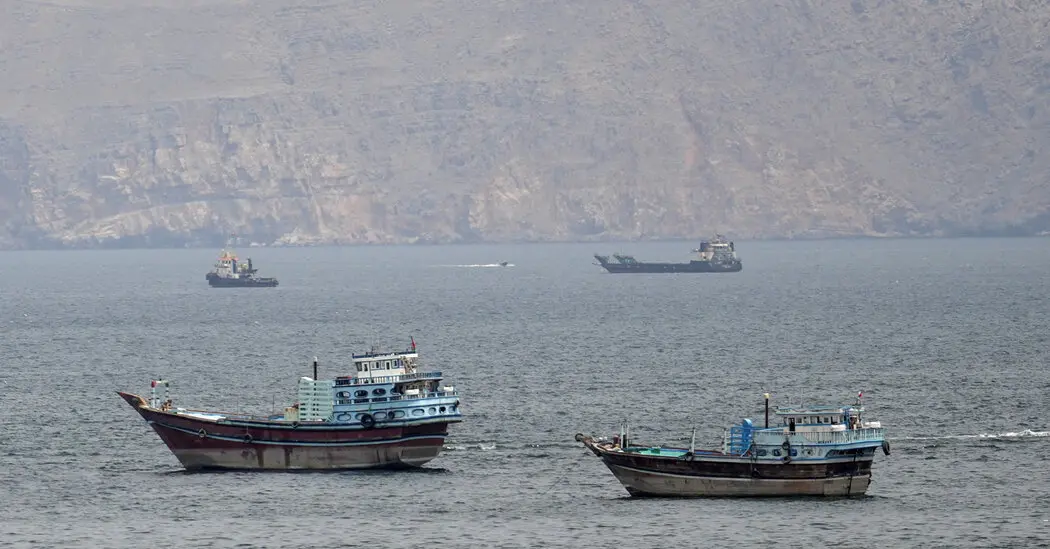
이란과 미국 모두 호르무즈 해협 봉쇄
Both Iran and U.S. Blockade Strait of Hormuz
The New York Times
· 🇺🇸 New York, US
Pranav Baskar
EN
2026-04-25 01:33
Translated
적대국들이 좁은 통로에 대한 통제권을 행사하려고 노력하고 있습니다. 대부분의 선박들이 이동하지 않고 있습니다. 알아야 할 사항은 다음과 같습니다.
피트 헤그세스 미국 국방장관은 금요일 아침 미군이 호르무즈 해협을 "필요한 만큼 계속" 봉쇄할 것이라고 말했습니다.
전날 이란의 고위 관리는 소셜 미디어에서 자신의 전사들이 해협의 해안 동굴에 숨어 "침략자들을 황폐화시키기" 위해 대기 중이라고 선언했습니다.
미국과 이란은 휴전에 합의한 이후 호르무즈 해협에 대한 통제권을 행사하려고 노력해왔습니다. 이란은 이란의 이슬람 혁명수비대의 허가를 받은 선박만 통과할 수 있다고 주장합니다. 미해군은 이란 항구에서 출발하거나 향하는 모든 선박을 가로채고 있다고 말합니다.
요컨대, 이 중요한 해상 운송로가 페르시아만 입구에 누가 통제하고 있는지 알 수 없습니다. 확실한 것은 해협의 운명이 이란-미국 분쟁의 해결뿐만 아니라 세계 경제에도 중요한 문제가 되었다는 것입니다.
좁은 해수로에서 일어나고 있는 일에 대해 우리가 알고 있는 것은 다음과 같습니다.
이란군은 수요일 해협 근처에서 두 척의 화물선을 압수했다고 주장했으며, 미군은 금요일 이란 항구 봉쇄를 시작한 이후 34척의 선박을 정지시키고 돌려보냈다고 밝혔습니다.
해운회사와 보험사들은 이란이 주요 해로에 기뢰를 설치했으며 상선을 공격할 수 있다고 우려하고 있습니다. 이로 인해 페르시아만에 갇혀 있는 수백 척의 선박 중 대부분이 출항을 시도하지 못하도록 억제되었습니다.
그럼에도 불구하고 이란은 자신의 선박을 포함한 일부 선박들이 해협을 통과하도록 허락했으며, 이란 해안선 근처를 따라 달리고 이란 항구에 정박할 수 있는 경로를 사용합니다. 글로벌 선박 추적 회사인 Kpler의 데이터에 따르면 4월 7일 휴전이 처음 발표된 이후 최소 150척의 선박이 해협을 통과했습니다.
하지만 해협의 일일 교통량은 여전히 전쟁 이전 수준보다 훨씬 낮습니다. 정상 시대에는 세계 석유 공급의 약 1/5과 천연가스의 상당한 부분이 선박을 통해 해협을 통과했습니다. 해수로의 긴장으로 인해 글로벌 에너지 시장이 흔들렸으며, 석유는 다시 배럴당 100달러 근처에서 거래되고 있습니다.
Kpler의 데이터에 따르면 목요일에 단 3척의 선박이 해수로를 횡단했습니다. 해양 정보 그룹인 Lloyd's List는 호르무즈 해협에서의 일련의 공격과 압류 이후 교통량이 감소했으며, 수요일과 목요일 사이에 단 7척의 선박이 해수로를 통과했으며 그 중 6척이 "이란 무역에 관여했다"고 발견했습니다.
이스라엘과 미국의 공격으로 분쟁 초기에 대부분의 이란 해군이 파괴되었지만, 이슬람 혁명수비대는 여전히 소형의 빠른 보트를 배치하여 해운을 방해합니다. "모기함대"로 알려진 이들은 종종 미사일과 드론을 통해 해운을 괴롭히도록 설계되었습니다.
이란군은 또한 전쟁 이전에 배가 통과할 수 있는 두 개의 확실한 통로(페르시아만으로 들어오는 선박용 하나와 나가는 선박용 하나)가 있던 해협의 부분에 해상 기뢰를 배치했다고 말했습니다. 이로 인해 선박들이 이란 해안에 더 가까운 통로로 이동하게 되었으며, 이는 이란군이 통제하기가 더 쉽습니다.
테헤란은 최근 미리 승인된 경로에 대한 허가를 확보하는 것을 포함하여 해수로를 통과하기 위한 규칙을 부과했습니다. 이란 관리들은 또한 해협을 통과하기를 원하는 선박에 통행료를 청구하기 위해 의회에 법안을 도입했습니다.
트럼프 대통령은 이란과 미국이 지속 가능한 평화 협정에 합의할 때까지 미해군이 봉쇄를 유지할 것이라고 말했습니다. 이란은 봉쇄 해제를 회담 재개의 조건으로 삼았습니다.
충분한 공중 지원과 오만만과 아라비아해 남동부의 해협을 순찰하는 함대를 갖춘 미해군은 이란 항구를 떠나는 상선을 추적하고 통과한 선박들에 대항하여, 그들을 돌려보내거나 나포 위협을 제시하고 있습니다.
헤그세스 국방장관은 금요일 34척의 선박이 가로채지고 돌려보내졌다고 말했습니다. 일요일에 미국 봉쇄를 피하려고 시도했던 이란 국기 화물선 투스카는 미해군 포화로 불구가 되었으며 4월 19일 아라비아해에서 미국의 보호 관찰 하에 제너럴 댄 케인과 함께 나포되었습니다. 이란은 이 압수를 해적 행위라고 규탄했습니다.
미군이 이란 선박이 하나도 통과하지 못했다고 말했지만, Lloyd's List의 분석가들은 4월 13일 이후 이란과 관련된 최소 7척의 선박이 호르무즈 해협과 광범위한 봉쇄를 통과하는 데 성공했다고 말합니다.
일부 선박들은 잘못된 출발지 또는 목적지를 입력하고 완전히 다른 선박인 척하여 봉쇄를 피했습니다. 선박들은 또한 일시적으로 송수신기를 끄서 한 장소에서 사라지고 다른 장소에 나타날 수 있습니다.
존 이스메이, 헬렌 쿠퍼, 피터 이비스, 제니 그로스가 보도에 기여했습니다.
프라나브 바스카르는 국제 기자이며 2025-26 타임스 펠로우십 클래스의 회원으로, 경력 초기 기자들을 위한 프로그램입니다.
전날 이란의 고위 관리는 소셜 미디어에서 자신의 전사들이 해협의 해안 동굴에 숨어 "침략자들을 황폐화시키기" 위해 대기 중이라고 선언했습니다.
미국과 이란은 휴전에 합의한 이후 호르무즈 해협에 대한 통제권을 행사하려고 노력해왔습니다. 이란은 이란의 이슬람 혁명수비대의 허가를 받은 선박만 통과할 수 있다고 주장합니다. 미해군은 이란 항구에서 출발하거나 향하는 모든 선박을 가로채고 있다고 말합니다.
요컨대, 이 중요한 해상 운송로가 페르시아만 입구에 누가 통제하고 있는지 알 수 없습니다. 확실한 것은 해협의 운명이 이란-미국 분쟁의 해결뿐만 아니라 세계 경제에도 중요한 문제가 되었다는 것입니다.
좁은 해수로에서 일어나고 있는 일에 대해 우리가 알고 있는 것은 다음과 같습니다.
이란군은 수요일 해협 근처에서 두 척의 화물선을 압수했다고 주장했으며, 미군은 금요일 이란 항구 봉쇄를 시작한 이후 34척의 선박을 정지시키고 돌려보냈다고 밝혔습니다.
해운회사와 보험사들은 이란이 주요 해로에 기뢰를 설치했으며 상선을 공격할 수 있다고 우려하고 있습니다. 이로 인해 페르시아만에 갇혀 있는 수백 척의 선박 중 대부분이 출항을 시도하지 못하도록 억제되었습니다.
그럼에도 불구하고 이란은 자신의 선박을 포함한 일부 선박들이 해협을 통과하도록 허락했으며, 이란 해안선 근처를 따라 달리고 이란 항구에 정박할 수 있는 경로를 사용합니다. 글로벌 선박 추적 회사인 Kpler의 데이터에 따르면 4월 7일 휴전이 처음 발표된 이후 최소 150척의 선박이 해협을 통과했습니다.
하지만 해협의 일일 교통량은 여전히 전쟁 이전 수준보다 훨씬 낮습니다. 정상 시대에는 세계 석유 공급의 약 1/5과 천연가스의 상당한 부분이 선박을 통해 해협을 통과했습니다. 해수로의 긴장으로 인해 글로벌 에너지 시장이 흔들렸으며, 석유는 다시 배럴당 100달러 근처에서 거래되고 있습니다.
Kpler의 데이터에 따르면 목요일에 단 3척의 선박이 해수로를 횡단했습니다. 해양 정보 그룹인 Lloyd's List는 호르무즈 해협에서의 일련의 공격과 압류 이후 교통량이 감소했으며, 수요일과 목요일 사이에 단 7척의 선박이 해수로를 통과했으며 그 중 6척이 "이란 무역에 관여했다"고 발견했습니다.
이스라엘과 미국의 공격으로 분쟁 초기에 대부분의 이란 해군이 파괴되었지만, 이슬람 혁명수비대는 여전히 소형의 빠른 보트를 배치하여 해운을 방해합니다. "모기함대"로 알려진 이들은 종종 미사일과 드론을 통해 해운을 괴롭히도록 설계되었습니다.
이란군은 또한 전쟁 이전에 배가 통과할 수 있는 두 개의 확실한 통로(페르시아만으로 들어오는 선박용 하나와 나가는 선박용 하나)가 있던 해협의 부분에 해상 기뢰를 배치했다고 말했습니다. 이로 인해 선박들이 이란 해안에 더 가까운 통로로 이동하게 되었으며, 이는 이란군이 통제하기가 더 쉽습니다.
테헤란은 최근 미리 승인된 경로에 대한 허가를 확보하는 것을 포함하여 해수로를 통과하기 위한 규칙을 부과했습니다. 이란 관리들은 또한 해협을 통과하기를 원하는 선박에 통행료를 청구하기 위해 의회에 법안을 도입했습니다.
트럼프 대통령은 이란과 미국이 지속 가능한 평화 협정에 합의할 때까지 미해군이 봉쇄를 유지할 것이라고 말했습니다. 이란은 봉쇄 해제를 회담 재개의 조건으로 삼았습니다.
충분한 공중 지원과 오만만과 아라비아해 남동부의 해협을 순찰하는 함대를 갖춘 미해군은 이란 항구를 떠나는 상선을 추적하고 통과한 선박들에 대항하여, 그들을 돌려보내거나 나포 위협을 제시하고 있습니다.
헤그세스 국방장관은 금요일 34척의 선박이 가로채지고 돌려보내졌다고 말했습니다. 일요일에 미국 봉쇄를 피하려고 시도했던 이란 국기 화물선 투스카는 미해군 포화로 불구가 되었으며 4월 19일 아라비아해에서 미국의 보호 관찰 하에 제너럴 댄 케인과 함께 나포되었습니다. 이란은 이 압수를 해적 행위라고 규탄했습니다.
미군이 이란 선박이 하나도 통과하지 못했다고 말했지만, Lloyd's List의 분석가들은 4월 13일 이후 이란과 관련된 최소 7척의 선박이 호르무즈 해협과 광범위한 봉쇄를 통과하는 데 성공했다고 말합니다.
일부 선박들은 잘못된 출발지 또는 목적지를 입력하고 완전히 다른 선박인 척하여 봉쇄를 피했습니다. 선박들은 또한 일시적으로 송수신기를 끄서 한 장소에서 사라지고 다른 장소에 나타날 수 있습니다.
존 이스메이, 헬렌 쿠퍼, 피터 이비스, 제니 그로스가 보도에 기여했습니다.
프라나브 바스카르는 국제 기자이며 2025-26 타임스 펠로우십 클래스의 회원으로, 경력 초기 기자들을 위한 프로그램입니다.
처리 완료
4,359 tokens · $0.0124
기사 수집 완료 · 01:55
매체 피드에서 기사 메타데이터 수집
헤드라인 번역 완료 · 02:01
제목/요약 한국어 번역 (fetch 시점 inline)
claude-haiku-4-5-20251001
194 tokens
$0.00047
1.5s
본문 추출 완료
4,861자 추출 완료
본문 한국어 번역 완료 · 02:01
2,319자 번역 완료
claude-haiku-4-5-20251001
4,165 tokens
$0.01190
25.3s
지정학적 엔티티 추출 완료 · 02:01
6개 엔티티 추출 완료
지정학적 맥락 & R-Scanner
R-Scanner · 평상
z=-2.01
일상적인 보도 수준 — 기준: Strait of Hormuz
(🇮🇷 IR)
최근 6시간 20건
7일 평균 31.43건 / 6h
7개국 매체
8개 매체
본문에서 추출된 지명 (6)
위치 지도
지도 로딩 중…
같은 주제의 다른 기사 (최근 7일)
The foes are trying to exert control over the narrow passageway. Most ships aren’t moving. Here’s what to know.
U.S. Defense Secretary Pete Hegseth said Friday morning American forces would maintain a blockade of the Strait of Hormuz “for as long as it takes.”The day before, a senior Iranian official declared on social media that its fighters had been hiding in sea caves in the strait to “devastate the aggressors.”
Both the United States and Iran have sought to exert control over the Strait of Hormuz since they agreed to a cease-fire. Iran says only ships that have permission from the country’s Islamic Revolutionary Guards Corps will be allowed to pass. The United States Navy says it is intercepting all ships coming from or traveling to Iranian ports.
In short, it is impossible to know who controls this vital shipping route at the mouth of the Persian Gulf. What’s certain is that the fate of the strait has become a critical issue not only for a resolution to the Iran-U.S. conflict but for the world economy.
Here is what we know about what’s happening in the narrow waterway.
Iranian forces said they seized two cargo ships near the strait on Wednesday, while the U.S. military said Friday that it had stopped and turned around 34 vessels since it started blockading Iran’s ports.
Shipping companies and their insurers fear that Iran has mined the main channels and may attack commercial vessels. That has deterred most ships of the hundreds of ships bottled up in the Persian Gulf from trying to leave.
Still, Iran has been letting some of ships, its own vessels included, pass through the strait, using a route that runs close to Iran’s coastline and can involve docking at Iranian ports. At least 150 ships have passed through the strait since the cease-fire was first announced on April 7, according to data from Kpler, a global ship-tracking firm.
Daily traffic in the strait is still well below prewar levels, though. In normal times, about a fifth of the world’s oil supply and a significant share of its natural gas went through the strait on ships. Tensions in the waterway have jolted global energy markets, with oil trading close to $100 a barrel again.
Kpler’s data showed just three ships had crossed the waterway on Thursday. Lloyd’s List, a maritime intelligence group, found traffic had dried up after the spate of attacks and seizures in the Strait, saying that between Wednesday and Thursday, just seven vessels transited the waterway, six of which were “involved in Iranian trade.”
Even though much of the regular Iranian navy was destroyed by Israeli and American attacks early in the conflict, the Islamic Revolutionary Guards Corps still deploys small, speedy boats to disrupt shipping. Known as the “mosquito fleet,” it is designed to harass shipping, often through the missiles and drones.
The Iranians also said they have laid sea mines in the part of the strait where before the war there were two well-established passages for ships to pass, one for ships entering the Persian Gulf and one for those leaving. That has forced ships into a passage closer to Iran that is easier for its forces to control.
Tehran has recently imposed rules for passing through the waterway, including securing permits for preapproved routes. Iranian officials also have introduced legislation in their parliament to charge tolls to ships wishing to go through the strait.
President Trump has said the U.S. Navy will maintain a blockade until Iran and the United States agree to a durable peace deal. Iran has made lifting the blockade a condition for resuming talks.
With plenty of air support and a flotilla of warships prowling the Gulf of Oman and Arabian Sea southeast of the strait, the U.S. Navy has been tracking commercial vessels leaving Iranian ports and confronting the those that make it through, forcing them to turn back or face being boarded.
Mr. Hegseth said Friday 34 ships had been intercepted and turned around. One cargo ship, the Iranian-flagged Touska, which had tried to evade the U.S. blockade on Sunday and was disabled by Navy gunfire and taken into U.S. custody on April 19 in the Arabian Sea, along with its crew, the Gen. Dan Caine said on Friday. Iran denounced the seizure as piracy.
Even though the U.S. military has said no Iranian ships have gotten through its net, Lloyd’s List’s analysts say at least seven with links to Iran have managed to pass through the Strait of Hormuz and the wider blockade since April 13.
Some ships have managed to evade the blockade,by typing in a false origin or destination and pretending to be piloting another ship altogether. Vessels can also temporarily turn off their transponders, seeming to disappear in one place and reappear in another.
John Ismay, Helene Cooper, Peter Eavis, Jenny Gross contributed reporting.
Pranav Baskar is an international reporter and a member of the 2025-26 Times Fellowship class, a program for journalists early in their careers.