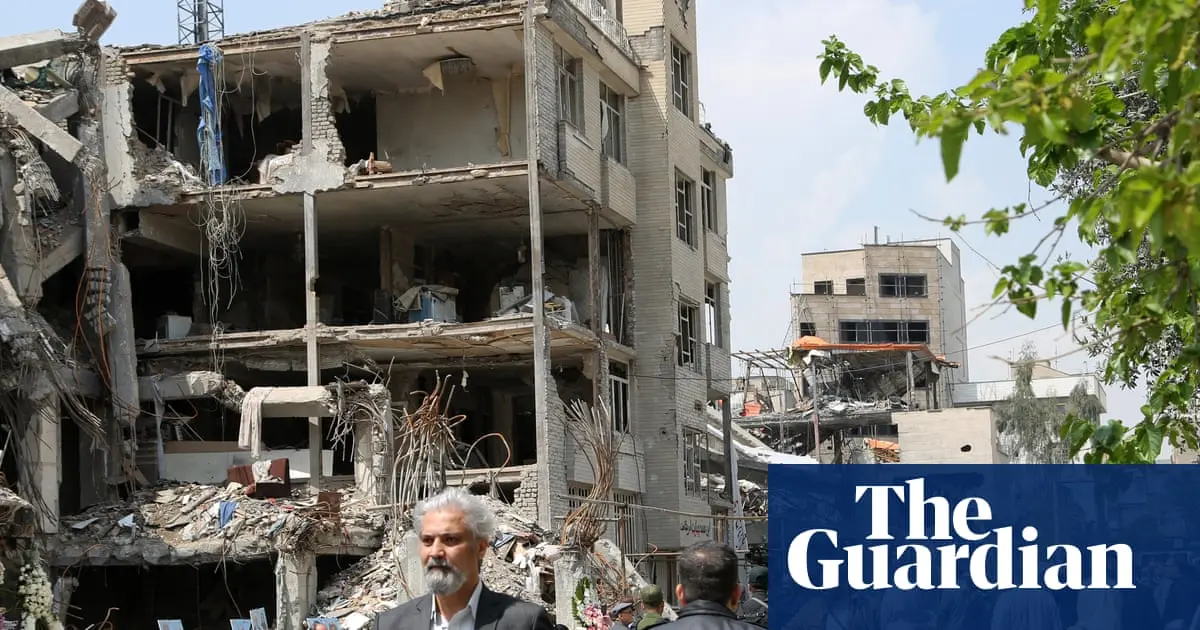
'명확한 전략 없음': 트럼프가 어떻게 이란에 대한 충격과 경외에서 관망으로 변했는가
‘No clear strategy’: how Trump went from shock and awe to wait and see in Iran
협상이 교착 상태에 빠진 이후, 백악관은 호르무즈 해협 폐쇄로 인한 세계 경제의 증가하는 경제적 피해에도 불구하고 이란과 더 오래 지속되는 거래를 타결하기 위해 기다릴 의사가 있다는 메시지를 전하기 시작했다. 고위 관리들은 미국-이스라엘 연합 공격이 매우 성공적이어서 이란의 지도부를 분열시키고 새로운 권력 통합을 방지했다고 밝혔다.
"나를 서두르지 마세요"라고 트럼프는 목요일 기자들에게 이란이 미국의 최신 휴전 제안에 응하기를 기다릴 의사가 있는 기간을 묻자 말했다. "우리는 베트남에 있었고, 약 18년이었습니다. 우리는 이라크에 많은 해 동안 있었습니다... 나는 이것을 6주 동안 하고 있습니다."
그가 미국의 사람들에게 전쟁이 4~6주 안에 끝날 것이라고 말했다는 지적을 받자, 트럼프는 덧붙였다: "음, 나는 그렇게 바랐지만, 나는 조금 휴식을 취했습니다."
트럼프의 외교의 급변화와 전쟁의 증가하는 비용은 국방부와 국무부의 경력 공무원들, 의회의 양쪽 다리의 의원들, 그리고 미국을 불안정화시키는 세력으로 점점 더 보는 해외 동맹국들을 불안하게 했다.
백악관의 최신 전략은 트럼프의 국가 안보팀(밴스와 국무장관 마르코 루비오 포함)의 회의 중에 이번 주 초에 응집되었다: 해협을 열기 위해 이란에 지속적인 경제 압박과 테헤란이 휴전 거래에 대한 미국 제안에 통일된 응답을 제공할 때까지 기다리는 것이다.
하지만 이란 전쟁을 종료하기 위한 지속된 전략의 부재, 특히 호르무즈 해협 폐쇄를 다루기 위한 전략의 부재는 백악관이 테헤란의 위협을 관리할 아이디어를 고갈하고 있다고 미국 동맹국들을 확신시켰다.
"우리는 명확한 전략을 보지 못합니다 – 그리고 우리는 그것이 있다고 생각하지 않습니다"라고 워싱턴의 한 선임 유럽 외교관이 말했다. "그리고 우리는 우리가 그 결과에 남겨질까봐 걱정합니다."
점점 더, 워싱턴은 더욱 공개적으로 지원하지 못한 나토 동맹국에 벌을 내릴 것을 신호했습니다 – 중요한 수로의 폐쇄로 인한 최악의 경제적 결과를 겪고 있는 동안. "우리는 유럽을 기대하지 않지만 그들은 호르무즈 해협이 우리보다 훨씬 더 필요하고 유럽에서 덜 이야기하고 덜 화려한 회의를 하고 보트를 타기 시작하고 싶을 것 같습니다"라고 국방장관 피트 헥스스는 금요일 기자 회견에서 말했다.
석유 선물이 안정적으로 남아 있는 동안, 아시아에서 유럽에 이르는 세계 전역에 에너지 위기가 퍼지고 있으며, 항공사들이 제트 연료 공급이 극히 낮아지면서 수천 편의 항공편 감축을 시작하고 있습니다. 전직 협상가들은 호르무즈 해협 폐쇄가 이란에 대한 강력한 새로운 협상 칩이 되어 미국이 분쟁에서 벗어나 승리를 주장할 수 있는 새로운 거래에 대한 희망을 복잡하게 할 것이라고 말했습니다.
공화당인들이 11월 중간 선거를 둘러싸고 있는 동안, 행정부는 점점 더 호르무즈 해협을 열고 예상되는 경제 충격 전에 시장과 가격을 안정시키기 위한 시간 압박에 직면하고 있습니다.
그러나 세 번째 미국 항공모함이 지역에 도착하고 있고 – 수십 년 동안 가장 높은 수 – 다른 군사 자산들이 계속 흘러들어오는 동안, 백악관은 수로 재개를 위한 군사 솔루션을 추구하는 것을 주저하는 것으로 보입니다.
미국은 이론적으로 1980년대 쿠웨이트 유조선을 호르무즈 해협을 통해 이란-이라크 전쟁의 "탱커 전쟁" 기간 동안 보호하기 위한 작전 어니스트 윌과 느슨하게 비교되는 호르무즈 해협을 통한 배 호송을 시작할 수 있습니다.
그러나 미국은 그 분쟁에서 전투원이 아니었으며, 미국 호송이 충분한 보호를 제공할 것이라고 배송 회사와 보험업자들을 설득하지 못할 수 있는 한 가지 요소였습니다. 그리고 4년에 걸쳐 해협에서 거의 450척의 배가 충격을 받았으며, 400명 이상의 민간인과 수십 명의 미국 선원이 사망한 비용이 많이 드는 기간입니다.
"우리는 과거에 이것을 해봤습니다"라고 워싱턴 DC 기반 싱크탱크인 스팀슨 센터의 선임 펠로우 에마 애쉬포드가 말했다. "전체 일은 극히 비용이 많이 들었습니다. 그것은 석유를 흐르게 유지했지만, 나는 오늘날 그 위험에 대한 욕구가 있는지 모르겠습니다."
그리고 그것은 미국이 지역에서 드론 공격의 증가하는 위협에 직면하기 전에 나타났으며, 이는 다른 분쟁에 필요한 주요 탄약의 전전 비축량을 고갈했습니다. 이번 주 전략 국제 연구 센터의 분석에 따르면, 미국은 애국자 미사일의 예상 전전 비축량 2,330 중 최대 1,430을 소진했습니다. 각각은 거의 400만 달러입니다.
"감소된 탄약 비축량은 단기 위험을 만들었습니다"라고 보고서는 읽었습니다. "중국과 같은 능력 있는 동료 경쟁자와의 전쟁은 이 전쟁보다 더 높은 속도로 탄약을 소비할 것입니다. 전전 인벤토리는 이미 불충분했으며, 오늘날의 수준은 미래 분쟁이 발생할 경우 미국 작전을 제약할 것입니다."
claude-haiku-4-5-20251001
717 tokens
$0.00208
4.9s
claude-haiku-4-5-20251001
4,923 tokens
$0.01429
31.6s
Lack of a sustained plan to end the war has convinced US allies that the White House is running out of ideasNearly eight weeks after Donald Trump launched his assault on Iran, the White House has shifted from a strategy of shock-and-awe bombardments and leadership decapitation to a plan of sustained economic pressure as it tests the wills of a regime practiced over decades at wars of attrition.Since the negotiations stalled, the White House has begun to shift its messaging to say it is willing to wait to strike a more durable deal with Iran – despite the growing economic toll inflicted on the world economy by the closure of the strait of Hormuz. The reason, senior officials have said, is because of the joint US-Israeli strikes were so successful that they have fractured Iran’s leadership and prevented a new consolidation of power.
Nearly eight weeks after Donald Trump launched his assault on Iran, the White House has shifted from a strategy of shock-and-awe bombardments and leadership decapitation to a plan of sustained economic pressure as it tests the wills of a regime practiced over decades at wars of attrition.Since the negotiations stalled, the White House has begun to shift its messaging to say it is willing to wait to strike a more durable deal with Iran – despite the growing economic toll inflicted on the world economy by the closure of the strait of Hormuz. The reason, senior officials have said, is because of the joint US-Israeli strikes were so successful that they have fractured Iran’s leadership and prevented a new consolidation of power.
“Don’t rush me,” Trump told reporters on Thursday when asked how long he was willing to wait for Iran to respond to the US’s latest ceasefire proposal. “We were in Vietnam, like, for 18 years. We were in Iraq for many, many years … I’ve been doing this for six weeks.”
Reminded that he told people in the US that the war would end in four-to-six weeks, Trump added: “Well, I hoped that, but I took a little break.”
The whiplash of Trump’s diplomacy – as well as the growing cost of the war – has unsettled career officials at the Pentagon and state department, lawmakers on both sides of the aisle in Congress, as well as foreign allies who increasingly view the US as a destabilising force.
The White House’s latest strategy coalesced earlier this week during a meeting of Trump’s national security team – including Vance and Marco Rubio, the secretary of state: continued economic pressure on Iran to open the strait while waiting for Tehran to provide a unified response to US offers for a ceasefire deal.
But the lack of a sustained strategy to end the Iranian war – and in particular to address the closure of the strait of Hormuz – has convinced US allies that the White House is running out of ideas to manage the threat from Tehran.
“We don’t see a clear strategy – and we don’t think that there is one,” said one senior European diplomat in Washington. “And we are worried we will be left with the fallout.”
Increasingly, Washington has signaled that it will punish its Nato allies for failing to support it more openly – while they suffer the worst economic consequences from the closure of the vital waterway. “We are not counting on Europe but they need the strait of Hormuz much more than we do and might want to start doing less talking and having less fancy conferences in Europe – and get in a boat,” said Pete Hegseth, the secretary of defense, during a press conference on Friday.
While oil futures have remained stable, an energy crisis is spreading across the world from Asia to Europe, with airlines beginning to cut thousands of flights as supplies of jet fuel run critically low. Former negotiators have said that the closure of the strait of Hormuz is a powerful new bargaining chip for Iran that will complicate any hope for a new deal that would allow the US to walk away from the conflict and claim victory.
And with Republicans bracing for a brutal midterm election in November, the administration is increasingly facing a time crunch to open the strait of Hormuz and stabilise markets and prices before the expected economic shock.
Yet even as a third US aircraft carrier arrives in the region – the highest number in decades – and other military assets continue to flow in, it appears the White House is hesitant to seek a military solution to reopening the waterway.
The US could theoretically begin escorting ships through the strait of Hormuz in an operation that has been loosely compared to the 1980s Operation Earnest Will to protect Kuwaiti tankers traveling through the strait of Hormuz during the “tanker war” period of the Iran-Iraq war.
But the US was not a combatant in that conflict, just one factor that could fail to pursuade shipping companies and insurers that a US escort would provide sufficient protection. And over four years nearly 450 ships were struck in the strait in a costly period that left more than 400 civilians and dozens of US sailors killed.
“We have done this in the past,” said Emma Ashford, a senior fellow at the Stimson Center, a Washington DC-based thinktank. “The whole thing was extremely costly. It did keep the oil flowing, but I just don’t know if there’s the appetite for that risk today.”
And that emerged before the US faced the growing threat of drone strikes in the region, which have depleted prewar stockpiles of key munitions that would be needed for other conflicts. According to an analysis this week by the Center for Strategic and International Studies, the US has expended up to 1,430 of its estimated prewar stockpile of 2,330 of Patriot missiles. Each costs nearly $4m.
“The diminished munitions stockpiles have created a near-term risk,” read the report. “A war against a capable peer competitor like China will consume munitions at greater rates than in this war. Prewar inventories were already insufficient; the levels today will constrain US operations should a future conflict arise.”