분석: 1980년대 미국이 호르무즈 해협에서 이란으로부터 선박을 보호했다. 다시 할 수 있을까?
Analysis: The US protected ships from Iran in the Strait of Hormuz in the '80s. Could it again?
Associated Press
· 🇺🇸 New York, US
https://apnews.com/author/jon-gambrell
EN
2026-04-25 00:00
Translated
페르시아만의 좁고 구부러진 수로는 중동과 세계 나머지 지역 사이의 주요 무역로이며 전 지구적 영향을 미친다. 중동의 원유 생산자들을 아시아, 유럽, 북아메리카 등의 주요 시장과 연결하며, 세계 거래 원유의 약 20%와 유사한 비율의 천연가스가 이를 통과한다.
AP의 Luke Garratt가 설명한다.
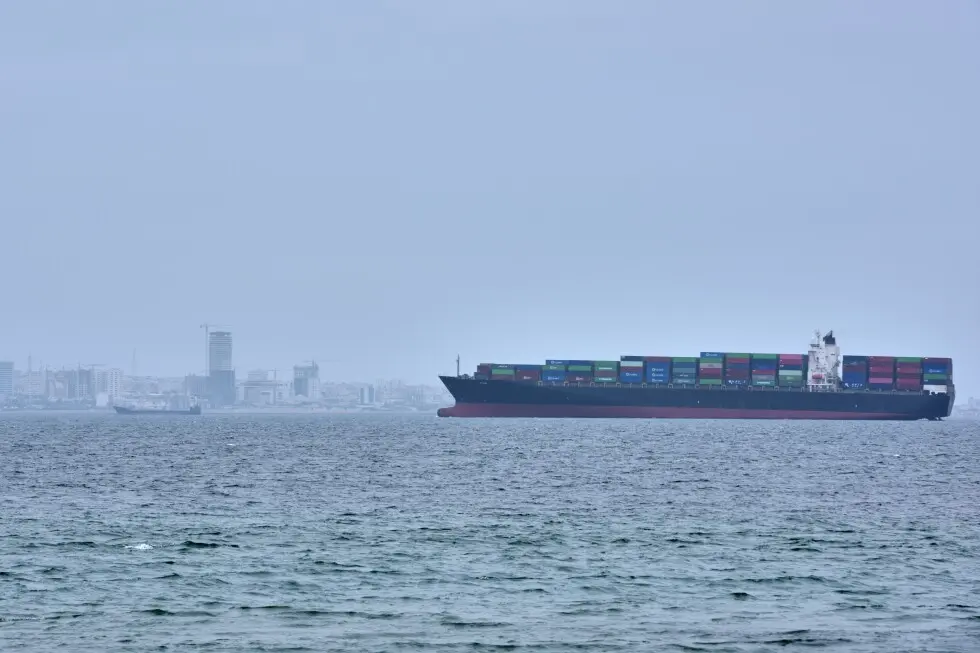
컨테이너선이 2026년 4월 18일 토요일 이란의 케시ム 섬 해안 인근 호르무즈 해협에서 목격되었다. (AP Photo/Asghar Besharati)
화물선이 2026년 4월 22일 수요일 페르시아만에서 호르무즈 해협을 향해 항해하고 있다. (AP Photo)
페르시아만의 좁고 구부러진 수로는 중동과 세계 나머지 지역 사이의 주요 무역로이며 전 지구적 영향을 미친다.
두바이, 아랍에미리트 (AP) — 페르시아만 수역에 떠 있는 해상 광산이 석유 유조선을 위협하고 있다. 이란 고속정이 호르무즈 해협에서 기관총으로 선박을 쏟아붓고 있다. 그리고 미국이 그 싸움의 한복판에 있다.
이것은 흔들리는 휴전으로 중단된 현재의 이란-미국 간 분쟁이 아니다. 대신 1980년대 이란이 이라크와의 전쟁 중 해운을 목표로 삼았을 때 "유조선 전쟁"이며, 미국 군함이 쿠웨이트 유조선의 호위에 나서 글로벌 시장으로의 원유 흐름을 보장했다.
미국은 현재 그 모델을 따르고 더 공격적으로 해협을 통과하는 선박 보호에 나설 수 있다. 평시에 세계 거래 석유와 천연가스의 20%가 통과하는 해협을 통해서 말이다. 미국은 최근 몇 년 홍해에서 공격을 받은 선박의 제한된 호위 활동을 수행했으며, 도널드 트럼프 대통령은 이번 주 미군에 이란 소형 보트를 "사살하라"고 명령했다고 말했다.
하지만 호르무즈 해협에서 호위를 제공하는 것은 그렇게 쉽지 않을 것이다. 군사 기술은 "유조선 전쟁" 이후 발전했다. 미국은 1980년대처럼 이 전쟁에서 같은 명확하고 좁은 목표를 정의하지 않았다. 그리고 미국 해군 호위가 주어져도 국제 해운업자들이 안전함을 느낄지 불분명한데, 미국이 현재 교전 중이기 때문이다.
미국 해군은 오랫동안 이란의 준군사 혁명수비대가 배치한 소형 보트 전술에 익숙해왔으며, 이는 군사 선박에 접근하는 것을 차단하는 국제 제재에 적응하여 군사 목적으로 더 작은 민간 선박을 사용해왔다.
수년간 경호대는 소규모 상업용 어선 크기의 선박을 사용하여 해협을 통과할 때마다 미국 항공모함을 미행해왔다. 낚싯대 대신 대부분 소련 시대의 중기관총이 선수에 볼트로 고정되어 있으며 맨 위에는 소형 로켓 발사기가 있다.
이러한 소형 보트를 사용하여 이란은 이번 주 두 척의 화물선을 나포했다. 경호대가 공개한 영상은 거대한 컨테이너선에 비해 왜소해 보이는 순찰정 위의 경호대원들을 보여주었다. 경호대원들은 화물선에 총을 퍼부었다가 돌격소총을 들고 선박을 습격했다.
선전 가치를 넘어, 나포 사건은 미국과 이스라엘과의 전쟁이 시작된 지 거의 8주가 지났고 미 해군이 이란 해안에 봉쇄를 가한 상황에서도 경호대가 제한된 자원을 사용하여 해협을 효과적으로 차단하고 글로벌 경제를 인질로 잡을 수 있음을 보여주었다.
"유조선 전쟁"은 1980년대 이라크와 이란 간의 격렬한 8년 전쟁에서 비롯되었다.
이라크는 먼저 페르시아만의 이란 석유 인프라와 유조선을 목표로 삼았다. 이란은 결국 광산 설치를 포함한 지역의 선박에 대한 자신의 집중 캠페인으로 대응했다.
이라크는 결국 280척 이상의 선박을 공격하였고 이란은 168척을 공격했으며, 미 해군 협회에 따르면 그렇다. 하지만 이란의 광산 사용은 지역에 혼란을 야기했다.
이라크 독재자 사담 후세인을 정보, 무기 및 기타 지원으로 지원한 미국은 "어니스트 윌 작전"을 시작했으며 쿠웨이트 유조선(미국 국기로 재등록됨)의 호위를 시작했다.
위험이 없지는 않았다. 쿠웨이트 슈퍼유조선 브릿지톤은 작전 초기 미국 호위 중에 광산을 맞았다. 이라크 미사일 공격으로 USS 스타크호에서 37명의 선원이 사망했으며, 이란 광산 공격으로 USS 새뮤얼 B. 로버츠호에서 10명이 부상당했다. 미국은 또한 상업용 여객기를 전투기로 오인하여 격추했으며, 이란 항공 655편 탑승객 290명이 모두 사망했다.
도전에도 불구하고 "유조선 전쟁" 작전은 성공했으며 미 해군 함선이 지역을 통해 약 70개의 호송대를 호위했다.
하지만 오늘날 그것을 복제하기는 어려울 것이다.
미국은 이란이 뚫을 수 없는 격벽을 만들 수 있다는 것을 보장해야 할 것이다. 단 하나의 이란 미사일, 드론 또는 보트 공격이 현재 해협에 만연한 두려움을 되돌릴 것이기 때문에 이는 어려운 주문이다.
위험 정보 회사 Verisk Maplecroft의 분석가 Torbjorn Soltvedt는 "나는 '유조선 전쟁'과 비교하더라도 특히 군사 기술이 진화하는 방식, 특히 비대칭 측면에서 지금은 그때보다 수로를 확보하기가 훨씬 더 어렵다고 생각한다"고 말했다.
"어떤 종류의 합의가 없거나 미국이 이란의 고속정 발사, 드론 발사, 단거리 미사일 발사 능력을 크게 억제할 수 없다면, 이 문제는 해결되지 않은 채로 남아있을 뿐이다."
이것이 유럽 국가들이 트럼프의 압력에도 불구하고 전쟁이 끝날 때까지 선박 호위 임무에 참여하지 않겠다고 말한 이유 중 하나이다.
레이건 행정부는 또한 해협을 열린 상태로 유지하는 것과 같은 좁고 명확한 목표를 가지고 있었다고 전직 미국 외교관이자 해군 장교인 Tom Duffy는 말했다.
"대조적으로 미국의 목표는 정권 교체부터 모든 종류의 매우 극대주의적 목표에 이르기까지 만화경 같은 것이었다"고 "걸프의 유조선 전쟁"이라는 책을 최근 출판한 Duffy는 말했다.
최근 미 해군은 예멘의 이란 지지 후티 반군의 공격으로부터 선박을 보호하기 위해 홍해 회랑을 통한 선박의 제한된 호위를 제공했다. 하지만 해군은 미국 국기 선박이나 미국 정부용 물자를 운반하는 선박에만 집중했다.
이러한 작전에서 해군은 제2차 세계 대전 이후 해상에서 가장 강렬한 전투에 직면했다. 호르무즈 해협을 안전하게 통과할 수 있도록 무력을 사용하는 것은 유사하게 강렬한 싸움을 볼 수 있다.
그리고 Duffy는 트럼프 행정부가 그 싸움을 원하지 않는 것 같다고 지적했다.
"이번 주 백악관 성명에서 우리는 휴전이 위험에 처하지 않는다고 말했는데, 그것은 미국과 이스라엘 선박을 공격하지 않기 때문이다. 이것은 근본적인 전환이다"고 그는 말했다. "이것은 수백 년의 미국 관행과 해양 자유의 필요성에 대한 성명을 넘어선다."
편집자 주석 — Jon Gambrell, The Associated Press의 걸프와 이란 뉴스 디렉터는 2006년 AP에 입사한 이후 각 걸프 협력 회의국, 이란 및 중동과 더 넓은 세계 전역의 다른 위치에서 보도했다.
AP의 Luke Garratt가 설명한다.
컨테이너선이 2026년 4월 18일 토요일 이란의 케시ム 섬 해안 인근 호르무즈 해협에서 목격되었다. (AP Photo/Asghar Besharati)
화물선이 2026년 4월 22일 수요일 페르시아만에서 호르무즈 해협을 향해 항해하고 있다. (AP Photo)
페르시아만의 좁고 구부러진 수로는 중동과 세계 나머지 지역 사이의 주요 무역로이며 전 지구적 영향을 미친다.
두바이, 아랍에미리트 (AP) — 페르시아만 수역에 떠 있는 해상 광산이 석유 유조선을 위협하고 있다. 이란 고속정이 호르무즈 해협에서 기관총으로 선박을 쏟아붓고 있다. 그리고 미국이 그 싸움의 한복판에 있다.
이것은 흔들리는 휴전으로 중단된 현재의 이란-미국 간 분쟁이 아니다. 대신 1980년대 이란이 이라크와의 전쟁 중 해운을 목표로 삼았을 때 "유조선 전쟁"이며, 미국 군함이 쿠웨이트 유조선의 호위에 나서 글로벌 시장으로의 원유 흐름을 보장했다.
미국은 현재 그 모델을 따르고 더 공격적으로 해협을 통과하는 선박 보호에 나설 수 있다. 평시에 세계 거래 석유와 천연가스의 20%가 통과하는 해협을 통해서 말이다. 미국은 최근 몇 년 홍해에서 공격을 받은 선박의 제한된 호위 활동을 수행했으며, 도널드 트럼프 대통령은 이번 주 미군에 이란 소형 보트를 "사살하라"고 명령했다고 말했다.
하지만 호르무즈 해협에서 호위를 제공하는 것은 그렇게 쉽지 않을 것이다. 군사 기술은 "유조선 전쟁" 이후 발전했다. 미국은 1980년대처럼 이 전쟁에서 같은 명확하고 좁은 목표를 정의하지 않았다. 그리고 미국 해군 호위가 주어져도 국제 해운업자들이 안전함을 느낄지 불분명한데, 미국이 현재 교전 중이기 때문이다.
미국 해군은 오랫동안 이란의 준군사 혁명수비대가 배치한 소형 보트 전술에 익숙해왔으며, 이는 군사 선박에 접근하는 것을 차단하는 국제 제재에 적응하여 군사 목적으로 더 작은 민간 선박을 사용해왔다.
수년간 경호대는 소규모 상업용 어선 크기의 선박을 사용하여 해협을 통과할 때마다 미국 항공모함을 미행해왔다. 낚싯대 대신 대부분 소련 시대의 중기관총이 선수에 볼트로 고정되어 있으며 맨 위에는 소형 로켓 발사기가 있다.
이러한 소형 보트를 사용하여 이란은 이번 주 두 척의 화물선을 나포했다. 경호대가 공개한 영상은 거대한 컨테이너선에 비해 왜소해 보이는 순찰정 위의 경호대원들을 보여주었다. 경호대원들은 화물선에 총을 퍼부었다가 돌격소총을 들고 선박을 습격했다.
선전 가치를 넘어, 나포 사건은 미국과 이스라엘과의 전쟁이 시작된 지 거의 8주가 지났고 미 해군이 이란 해안에 봉쇄를 가한 상황에서도 경호대가 제한된 자원을 사용하여 해협을 효과적으로 차단하고 글로벌 경제를 인질로 잡을 수 있음을 보여주었다.
"유조선 전쟁"은 1980년대 이라크와 이란 간의 격렬한 8년 전쟁에서 비롯되었다.
이라크는 먼저 페르시아만의 이란 석유 인프라와 유조선을 목표로 삼았다. 이란은 결국 광산 설치를 포함한 지역의 선박에 대한 자신의 집중 캠페인으로 대응했다.
이라크는 결국 280척 이상의 선박을 공격하였고 이란은 168척을 공격했으며, 미 해군 협회에 따르면 그렇다. 하지만 이란의 광산 사용은 지역에 혼란을 야기했다.
이라크 독재자 사담 후세인을 정보, 무기 및 기타 지원으로 지원한 미국은 "어니스트 윌 작전"을 시작했으며 쿠웨이트 유조선(미국 국기로 재등록됨)의 호위를 시작했다.
위험이 없지는 않았다. 쿠웨이트 슈퍼유조선 브릿지톤은 작전 초기 미국 호위 중에 광산을 맞았다. 이라크 미사일 공격으로 USS 스타크호에서 37명의 선원이 사망했으며, 이란 광산 공격으로 USS 새뮤얼 B. 로버츠호에서 10명이 부상당했다. 미국은 또한 상업용 여객기를 전투기로 오인하여 격추했으며, 이란 항공 655편 탑승객 290명이 모두 사망했다.
도전에도 불구하고 "유조선 전쟁" 작전은 성공했으며 미 해군 함선이 지역을 통해 약 70개의 호송대를 호위했다.
하지만 오늘날 그것을 복제하기는 어려울 것이다.
미국은 이란이 뚫을 수 없는 격벽을 만들 수 있다는 것을 보장해야 할 것이다. 단 하나의 이란 미사일, 드론 또는 보트 공격이 현재 해협에 만연한 두려움을 되돌릴 것이기 때문에 이는 어려운 주문이다.
위험 정보 회사 Verisk Maplecroft의 분석가 Torbjorn Soltvedt는 "나는 '유조선 전쟁'과 비교하더라도 특히 군사 기술이 진화하는 방식, 특히 비대칭 측면에서 지금은 그때보다 수로를 확보하기가 훨씬 더 어렵다고 생각한다"고 말했다.
"어떤 종류의 합의가 없거나 미국이 이란의 고속정 발사, 드론 발사, 단거리 미사일 발사 능력을 크게 억제할 수 없다면, 이 문제는 해결되지 않은 채로 남아있을 뿐이다."
이것이 유럽 국가들이 트럼프의 압력에도 불구하고 전쟁이 끝날 때까지 선박 호위 임무에 참여하지 않겠다고 말한 이유 중 하나이다.
레이건 행정부는 또한 해협을 열린 상태로 유지하는 것과 같은 좁고 명확한 목표를 가지고 있었다고 전직 미국 외교관이자 해군 장교인 Tom Duffy는 말했다.
"대조적으로 미국의 목표는 정권 교체부터 모든 종류의 매우 극대주의적 목표에 이르기까지 만화경 같은 것이었다"고 "걸프의 유조선 전쟁"이라는 책을 최근 출판한 Duffy는 말했다.
최근 미 해군은 예멘의 이란 지지 후티 반군의 공격으로부터 선박을 보호하기 위해 홍해 회랑을 통한 선박의 제한된 호위를 제공했다. 하지만 해군은 미국 국기 선박이나 미국 정부용 물자를 운반하는 선박에만 집중했다.
이러한 작전에서 해군은 제2차 세계 대전 이후 해상에서 가장 강렬한 전투에 직면했다. 호르무즈 해협을 안전하게 통과할 수 있도록 무력을 사용하는 것은 유사하게 강렬한 싸움을 볼 수 있다.
그리고 Duffy는 트럼프 행정부가 그 싸움을 원하지 않는 것 같다고 지적했다.
"이번 주 백악관 성명에서 우리는 휴전이 위험에 처하지 않는다고 말했는데, 그것은 미국과 이스라엘 선박을 공격하지 않기 때문이다. 이것은 근본적인 전환이다"고 그는 말했다. "이것은 수백 년의 미국 관행과 해양 자유의 필요성에 대한 성명을 넘어선다."
편집자 주석 — Jon Gambrell, The Associated Press의 걸프와 이란 뉴스 디렉터는 2006년 AP에 입사한 이후 각 걸프 협력 회의국, 이란 및 중동과 더 넓은 세계 전역의 다른 위치에서 보도했다.
처리 완료
5,912 tokens · $0.0164
기사 수집 완료 · 00:00
매체 피드에서 기사 메타데이터 수집
헤드라인 번역 완료 · 00:13
제목/요약 한국어 번역 (fetch 시점 inline)
claude-haiku-4-5-20251001
135 tokens
$0.00031
1.4s
본문 추출 완료
7,479자 추출 완료
본문 한국어 번역 완료 · 00:13
3,290자 번역 완료
claude-haiku-4-5-20251001
5,777 tokens
$0.01609
38.4s
지정학적 엔티티 추출 완료 · 00:13
8개 엔티티 추출 완료
지정학적 맥락 & R-Scanner
R-Scanner · 평상
z=-1.68
일상적인 보도 수준 — 기준: Strait of Hormuz
(🇮🇷 IR)
최근 6시간 21건
7일 평균 30.43건 / 6h
9개국 매체
10개 매체
본문에서 추출된 지명 (8)
위치 지도
지도 로딩 중…
같은 주제의 다른 기사 (최근 7일)
The narrow, bending waterway in the Persian Gulf is a key trade route between the Middle East and the rest of the world, with global impact. It links crude oil producers in the Middle East to key markets in Asia, Europe, North America and beyond, with around 20% of the world’s traded crude oil, and a similar share of natural gas passing through it. The AP’s Luke Garratt explains.
A container ship is seen in the Strait of Hormuz off the coast of Qeshm Island, Iran, Saturday, April 18, 2026. (AP Photo/Asghar Besharati)
A cargo ship sails in the Persian Gulf toward the Strait of Hormuz, Wednesday, April 22, 2026. (AP Photo)
The narrow, bending waterway in the Persian Gulf is a key trade route between the Middle East and the rest of the world, with global impact. It links crude oil producers in the Middle East to key markets in Asia, Europe, North America and beyond, with around 20% of the world’s traded crude oil, and a similar share of natural gas passing through it. The AP’s Luke Garratt explains.
A container ship is seen in the Strait of Hormuz off the coast of Qeshm Island, Iran, Saturday, April 18, 2026. (AP Photo/Asghar Besharati)
A container ship is seen in the Strait of Hormuz off the coast of Qeshm Island, Iran, Saturday, April 18, 2026. (AP Photo/Asghar Besharati)
A cargo ship sails in the Persian Gulf toward the Strait of Hormuz, Wednesday, April 22, 2026. (AP Photo)
A cargo ship sails in the Persian Gulf toward the Strait of Hormuz, Wednesday, April 22, 2026. (AP Photo)
DUBAI, United Arab Emirates (AP) — Naval mines bobbing in the waters of the Persian Gulf, threatening oil tankers. Iranian speed boats raking ships with machine-gun fire in the Strait of Hormuz. And the United States right in the middle of the fight.
This isn’t the current conflict between Iran and the U.S., paused by a shaky ceasefire. Instead, it’s the “Tanker war,” when Iran targeted shipping during its 1980s war with Iraq, and U.S. warships stepped in to escort Kuwaiti tankers to ensure the flow of crude oil to the global market.
The U.S. could follow that model now and become more aggressive to protect ships passing through the strait, through which 20% of the world’s traded oil and natural gas passes in peacetime. It conducted more limited escorts of ships that came under attack in the Red Sea in recent years, and President Donald Trump said this week that he has ordered the U.S. military to “shoot and kill” small Iranian boats.
But offering escorts in the Strait of Hormuz wouldn’t be so easy. Military technology has advanced since the “Tanker war.” The U.S. hasn’t defined the same clear, narrow goals in this war as it did in the 1980s. And it’s not clear international shippers would feel safe even with an American Navy escort given it is a combatant now.
The U.S. Navy has long been familiar with the small boat tactics deployed by Iran’s paramilitary Revolutionary Guard, which has adapted to international sanctions blocking its ability to access military vessels by using smaller civilian ships for military purposes.
For years, the Guard has used vessels the size of small commercial fishing boats to shadow American aircraft carriers whenever they pass through the strait. Instead of bearing fishing poles, most have Soviet-era heavy machine guns bolted to their bows with a small rocket launcher atop.
Using those small boats, Iran seized two cargo ships this week. A video released by the Guard showed its forces aboard patrol boats dwarfed by the massive container ships. Guardsmen opened fire on the cargo ships, then stormed the vessels, carrying assault rifles.
Beyond their propaganda value, the seizures showed that nearly eight weeks into the war with the U.S. and Israel, with the American Navy imposing a blockade on Iran’s coasts, the Guard can use limited resources to effectively shut down the strait and hold the global economy hostage.
The “Tanker war” grew out of the fierce eight-year war between Iraq and Iran in the 1980s.
Iraq first targeted Iranian oil infrastructure and tankers in the Persian Gulf. Iran eventually responded with a concerted campaign of its own against ships in the region, including laying mines.
Iraq ultimately would attack over 280 vessels to Iran’s 168, according to the U.S. Naval Institute. But Iran’s use of mines caused havoc in the region.
The U.S., which supported Iraqi dictator Saddam Hussein with intelligence, weaponry and other aid, launched “Operation Earnest Will” and began escorting Kuwaiti oil tankers — which were reflagged as American.
It wasn’t without danger. The Kuwaiti supertanker Bridgeton struck a mine while under U.S. escort at the start of the operation. An Iraqi missile strike on the USS Stark killed 37 sailors, while an Iranian mine attack wounded 10 on the USS Samuel B. Roberts. The U.S. also mistook a commercial airliner for a fighter jet and shot it down, killing all 290 people aboard Iran Air flight 655.
Despite the challenges, the “Tanker war” operation succeeded as U.S. Navy ships escorted some 70 convoys through the region.
But it would be hard to replicate that today.
The U.S. would have to guarantee that it could create a cordon that Iran couldn’t pierce — a tall order since just one Iranian missile, drone or boat-borne attack would bring back the fear that now pervades the strait.
“I think even if you compare it with the ‘Tanker war,’ I think just in terms of the way military technology has evolved, especially on that asymmetrical side, it’s much more difficult to secure a waterway now than it was then,” said Torbjorn Soltvedt, an analyst with risk intelligence company Verisk Maplecroft.
“Unless there is some sort of agreement or unless the U.S. can significantly curb Iran’s ability to launch fast boats, to launch drones, to launch short-range missiles, then this problem just remains unresolved.”
That’s one of the reasons European countries, despite pressure from Trump, have said they wouldn’t join a mission to escort ships until the war is over.
The Reagan administration also had narrower, clearer goals in its Cold War operation, such as keeping the strait open, according to Tom Duffy, a former U.S. diplomat and naval officer.
“In contrast, the American goals (now) have been sort of a kaleidoscope of regime change to all sorts of very maximalist goals,” said Duffy, who recently published a book called “Tanker War in the Gulf.”
In recent years, the U.S. Navy offered limited escorts of vessels through the Red Sea corridor to protect them from attacks by Yemen’s Iranian-backed Houthi rebels. But the Navy focused on U.S.-flagged ships or those carrying supplies for the American government.
In those operations, the Navy faced its most intense combat at sea since World War II. Using force to make the Strait of Hormuz safe to transit may see a similarly intense fight.
And Duffy noted that it’s not clear the Trump administration even wants the fight.
“There’s a White House statement this week in which we said that the ceasefire is not in jeopardy because they aren’t attacking U.S. and Israeli ships. That’s a fundamental shift,” he said. “That goes past centuries of U.S. practice and statements about the needs for freedom of the sea.”
EDITOR’S NOTE — Jon Gambrell, news director for the Gulf and Iran for The Associated Press, has reported from each of the Gulf Cooperation Council countries, Iran and other locations across the Mideast and the wider world since joining AP in 2006.
A container ship is seen in the Strait of Hormuz off the coast of Qeshm Island, Iran, Saturday, April 18, 2026. (AP Photo/Asghar Besharati)
A cargo ship sails in the Persian Gulf toward the Strait of Hormuz, Wednesday, April 22, 2026. (AP Photo)
The narrow, bending waterway in the Persian Gulf is a key trade route between the Middle East and the rest of the world, with global impact. It links crude oil producers in the Middle East to key markets in Asia, Europe, North America and beyond, with around 20% of the world’s traded crude oil, and a similar share of natural gas passing through it. The AP’s Luke Garratt explains.
A container ship is seen in the Strait of Hormuz off the coast of Qeshm Island, Iran, Saturday, April 18, 2026. (AP Photo/Asghar Besharati)
A container ship is seen in the Strait of Hormuz off the coast of Qeshm Island, Iran, Saturday, April 18, 2026. (AP Photo/Asghar Besharati)
A cargo ship sails in the Persian Gulf toward the Strait of Hormuz, Wednesday, April 22, 2026. (AP Photo)
A cargo ship sails in the Persian Gulf toward the Strait of Hormuz, Wednesday, April 22, 2026. (AP Photo)
DUBAI, United Arab Emirates (AP) — Naval mines bobbing in the waters of the Persian Gulf, threatening oil tankers. Iranian speed boats raking ships with machine-gun fire in the Strait of Hormuz. And the United States right in the middle of the fight.
This isn’t the current conflict between Iran and the U.S., paused by a shaky ceasefire. Instead, it’s the “Tanker war,” when Iran targeted shipping during its 1980s war with Iraq, and U.S. warships stepped in to escort Kuwaiti tankers to ensure the flow of crude oil to the global market.
The U.S. could follow that model now and become more aggressive to protect ships passing through the strait, through which 20% of the world’s traded oil and natural gas passes in peacetime. It conducted more limited escorts of ships that came under attack in the Red Sea in recent years, and President Donald Trump said this week that he has ordered the U.S. military to “shoot and kill” small Iranian boats.
But offering escorts in the Strait of Hormuz wouldn’t be so easy. Military technology has advanced since the “Tanker war.” The U.S. hasn’t defined the same clear, narrow goals in this war as it did in the 1980s. And it’s not clear international shippers would feel safe even with an American Navy escort given it is a combatant now.
The U.S. Navy has long been familiar with the small boat tactics deployed by Iran’s paramilitary Revolutionary Guard, which has adapted to international sanctions blocking its ability to access military vessels by using smaller civilian ships for military purposes.
For years, the Guard has used vessels the size of small commercial fishing boats to shadow American aircraft carriers whenever they pass through the strait. Instead of bearing fishing poles, most have Soviet-era heavy machine guns bolted to their bows with a small rocket launcher atop.
Using those small boats, Iran seized two cargo ships this week. A video released by the Guard showed its forces aboard patrol boats dwarfed by the massive container ships. Guardsmen opened fire on the cargo ships, then stormed the vessels, carrying assault rifles.
Beyond their propaganda value, the seizures showed that nearly eight weeks into the war with the U.S. and Israel, with the American Navy imposing a blockade on Iran’s coasts, the Guard can use limited resources to effectively shut down the strait and hold the global economy hostage.
The “Tanker war” grew out of the fierce eight-year war between Iraq and Iran in the 1980s.
Iraq first targeted Iranian oil infrastructure and tankers in the Persian Gulf. Iran eventually responded with a concerted campaign of its own against ships in the region, including laying mines.
Iraq ultimately would attack over 280 vessels to Iran’s 168, according to the U.S. Naval Institute. But Iran’s use of mines caused havoc in the region.
The U.S., which supported Iraqi dictator Saddam Hussein with intelligence, weaponry and other aid, launched “Operation Earnest Will” and began escorting Kuwaiti oil tankers — which were reflagged as American.
It wasn’t without danger. The Kuwaiti supertanker Bridgeton struck a mine while under U.S. escort at the start of the operation. An Iraqi missile strike on the USS Stark killed 37 sailors, while an Iranian mine attack wounded 10 on the USS Samuel B. Roberts. The U.S. also mistook a commercial airliner for a fighter jet and shot it down, killing all 290 people aboard Iran Air flight 655.
Despite the challenges, the “Tanker war” operation succeeded as U.S. Navy ships escorted some 70 convoys through the region.
But it would be hard to replicate that today.
The U.S. would have to guarantee that it could create a cordon that Iran couldn’t pierce — a tall order since just one Iranian missile, drone or boat-borne attack would bring back the fear that now pervades the strait.
“I think even if you compare it with the ‘Tanker war,’ I think just in terms of the way military technology has evolved, especially on that asymmetrical side, it’s much more difficult to secure a waterway now than it was then,” said Torbjorn Soltvedt, an analyst with risk intelligence company Verisk Maplecroft.
“Unless there is some sort of agreement or unless the U.S. can significantly curb Iran’s ability to launch fast boats, to launch drones, to launch short-range missiles, then this problem just remains unresolved.”
That’s one of the reasons European countries, despite pressure from Trump, have said they wouldn’t join a mission to escort ships until the war is over.
The Reagan administration also had narrower, clearer goals in its Cold War operation, such as keeping the strait open, according to Tom Duffy, a former U.S. diplomat and naval officer.
“In contrast, the American goals (now) have been sort of a kaleidoscope of regime change to all sorts of very maximalist goals,” said Duffy, who recently published a book called “Tanker War in the Gulf.”
In recent years, the U.S. Navy offered limited escorts of vessels through the Red Sea corridor to protect them from attacks by Yemen’s Iranian-backed Houthi rebels. But the Navy focused on U.S.-flagged ships or those carrying supplies for the American government.
In those operations, the Navy faced its most intense combat at sea since World War II. Using force to make the Strait of Hormuz safe to transit may see a similarly intense fight.
And Duffy noted that it’s not clear the Trump administration even wants the fight.
“There’s a White House statement this week in which we said that the ceasefire is not in jeopardy because they aren’t attacking U.S. and Israeli ships. That’s a fundamental shift,” he said. “That goes past centuries of U.S. practice and statements about the needs for freedom of the sea.”
EDITOR’S NOTE — Jon Gambrell, news director for the Gulf and Iran for The Associated Press, has reported from each of the Gulf Cooperation Council countries, Iran and other locations across the Mideast and the wider world since joining AP in 2006.