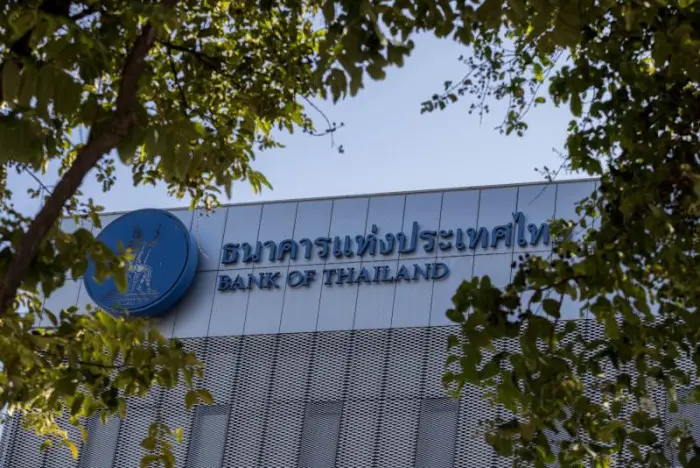
태국중앙은행, 기준금리 인상 없을 것으로 예상
BoT set to leave interest rates unchanged
Bangkok Post
· 🇹🇭 Bangkok, TH
Bangkok Post Public Company Limited
EN
2026-04-28 10:03
Translated
지역 연구기관들은 태국중앙은행이 중동 전쟁으로 인한 지정학적 불확실성 속에서 신중한 관망 자세를 취하며 수요일 회의에서 기준금리를 동결할 것으로 예상하고 있습니다.
지역 연구기관들은 태국중앙은행이 중동 전쟁으로 인한 지정학적 불확실성 속에서 신중한 관망 자세를 취하며 수요일 회의에서 기준금리를 동결할 것으로 예상하고 있습니다.
카시콘 연구센터(K-Research)에 따르면, 중앙은행의 금융통화위원회(MPC)는 4월 29일 회의에서 지정학적 긴장으로 인한 지속적인 높은 불확실성을 고려하여 기준금리를 연중 1%로 유지할 것으로 예상됩니다.
K-Research는 "추가 금리 인하는 경제를 크게 부양하지 못할 것입니다. 재정정책이 더 주요한 역할을 할 것으로 예상되며, 정부는 광범위한 재정정책 및 소프트론 같은 표적화된 금융조치를 포함한 추가 부양 방안을 계획하고 있습니다"라고 언급했습니다.
태국의 물가상승 압력은 에너지, 물류, 원자재 비용 상승에 따라 2분기에 가속될 것으로 예상됩니다. 이는 2026년 3월 생산자물가지수(PPI)가 6%로 상승하고 소비자물가지수(CPI)는 -0.08%로 마이너스를 기록한 점에서 나타납니다.
K-Research는 태국의 2분기 GDP 성장률이 전분기 대비 둔화될 것으로 예상하며, 연중 후반에 회복될 가능성이 있다고 봅니다.
금융통화위원회는 영향을 종합적으로 평가하기 위해 세계 주요 중앙은행들과 일치하는 관망 자세를 취할 것으로 예상됩니다.
키앗나킨 파트라 금융그룹(KKP) 연구팀도 MPC가 수요일 회의에서 기준금리를 동결할 것으로 예상합니다. 최근 물가 상승은 중앙은행이 이번 사이클에서 금리를 인상하도록 유도하지 않을 것으로 보입니다.
KKP는 "태국은 현재 물가 하락과 경제 둔화를 동시에 경험하고 있습니다. 다만 금융통화위원회는 특히 공급 측 요인과 글로벌 시장 조건으로 인한 물가 상승이 목표 범위를 초과하는 것을 용인할 것으로 예상됩니다. 이러한 요인들은 금리로는 효과적으로 통제할 수 없습니다"라고 언급했습니다.
유가가 예상대로 완화되면, 물가는 올해 말과 2027년으로 가면서 상당히 하락할 수 있습니다. KKP에 따르면 이러한 시나리오 하에서 규제당국은 구매력 약화를 지원하기 위해 올해 말 기준금리를 25 베이시스 포인트 인하하여 0.75%로 낮췄다가 2027년에 1%로 인상할 수 있습니다.
한편, SCB EIC는 금융통화위원회가 경제 둔화가 물가 상승과 동시에 발생하는 스태그플레이션 압력으로부터 증가하는 도전에 직면하고 있다고 봅니다. 또한 에너지 가격 조치가 광범위한 보조금이나 가격 통제를 피하고, 대신 표적화된 개입과 소비자의 높은 에너지 비용에 대한 점진적 조정을 우선시할 것을 권고합니다.
금융통gateway위원회는 물가 상승 압력이 주로 공급 측 요인으로 인해 발생할 것으로 예상되기 때문에 높은 물가에 대응하여 기준금리를 인상할 가능성은 낮습니다. 따라서 금융통화위원회는 올해 연중 기준금리를 1%로 유지할 것으로 EIC는 예측합니다.
또한 여전히 약한 수요 속에서 기업들이 소비자에게 높은 비용을 전가할 수 있는 능력이 제한적일 수 있습니다. 따라서 금리 인상은 태국의 이미 부진한 성장 전망을 더욱 악화시키고 가계와 중소기업의 높은 채무 부담으로 인한 취약성을 심화시킬 수 있습니다.
카시콘 연구센터(K-Research)에 따르면, 중앙은행의 금융통화위원회(MPC)는 4월 29일 회의에서 지정학적 긴장으로 인한 지속적인 높은 불확실성을 고려하여 기준금리를 연중 1%로 유지할 것으로 예상됩니다.
K-Research는 "추가 금리 인하는 경제를 크게 부양하지 못할 것입니다. 재정정책이 더 주요한 역할을 할 것으로 예상되며, 정부는 광범위한 재정정책 및 소프트론 같은 표적화된 금융조치를 포함한 추가 부양 방안을 계획하고 있습니다"라고 언급했습니다.
태국의 물가상승 압력은 에너지, 물류, 원자재 비용 상승에 따라 2분기에 가속될 것으로 예상됩니다. 이는 2026년 3월 생산자물가지수(PPI)가 6%로 상승하고 소비자물가지수(CPI)는 -0.08%로 마이너스를 기록한 점에서 나타납니다.
K-Research는 태국의 2분기 GDP 성장률이 전분기 대비 둔화될 것으로 예상하며, 연중 후반에 회복될 가능성이 있다고 봅니다.
금융통화위원회는 영향을 종합적으로 평가하기 위해 세계 주요 중앙은행들과 일치하는 관망 자세를 취할 것으로 예상됩니다.
키앗나킨 파트라 금융그룹(KKP) 연구팀도 MPC가 수요일 회의에서 기준금리를 동결할 것으로 예상합니다. 최근 물가 상승은 중앙은행이 이번 사이클에서 금리를 인상하도록 유도하지 않을 것으로 보입니다.
KKP는 "태국은 현재 물가 하락과 경제 둔화를 동시에 경험하고 있습니다. 다만 금융통화위원회는 특히 공급 측 요인과 글로벌 시장 조건으로 인한 물가 상승이 목표 범위를 초과하는 것을 용인할 것으로 예상됩니다. 이러한 요인들은 금리로는 효과적으로 통제할 수 없습니다"라고 언급했습니다.
유가가 예상대로 완화되면, 물가는 올해 말과 2027년으로 가면서 상당히 하락할 수 있습니다. KKP에 따르면 이러한 시나리오 하에서 규제당국은 구매력 약화를 지원하기 위해 올해 말 기준금리를 25 베이시스 포인트 인하하여 0.75%로 낮췄다가 2027년에 1%로 인상할 수 있습니다.
한편, SCB EIC는 금융통화위원회가 경제 둔화가 물가 상승과 동시에 발생하는 스태그플레이션 압력으로부터 증가하는 도전에 직면하고 있다고 봅니다. 또한 에너지 가격 조치가 광범위한 보조금이나 가격 통제를 피하고, 대신 표적화된 개입과 소비자의 높은 에너지 비용에 대한 점진적 조정을 우선시할 것을 권고합니다.
금융통gateway위원회는 물가 상승 압력이 주로 공급 측 요인으로 인해 발생할 것으로 예상되기 때문에 높은 물가에 대응하여 기준금리를 인상할 가능성은 낮습니다. 따라서 금융통화위원회는 올해 연중 기준금리를 1%로 유지할 것으로 EIC는 예측합니다.
또한 여전히 약한 수요 속에서 기업들이 소비자에게 높은 비용을 전가할 수 있는 능력이 제한적일 수 있습니다. 따라서 금리 인상은 태국의 이미 부진한 성장 전망을 더욱 악화시키고 가계와 중소기업의 높은 채무 부담으로 인한 취약성을 심화시킬 수 있습니다.
처리 완료
2,985 tokens · $0.0082
기사 수집 완료 · 10:45
매체 피드에서 기사 메타데이터 수집
헤드라인 번역 완료 · 10:55
제목/요약 한국어 번역 (fetch 시점 inline)
claude-haiku-4-5-20251001
209 tokens
$0.00053
1.6s
본문 추출 완료
3,176자 추출 완료
본문 한국어 번역 완료 · 10:55
1,525자 번역 완료
claude-haiku-4-5-20251001
2,776 tokens
$0.00766
13.1s
지정학적 엔티티 추출 완료 · 10:55
2개 엔티티 추출 완료
지정학적 맥락 & R-Scanner
R-Scanner · 평상
z=0.38
일상적인 보도 수준 — 기준: Thailand
(🇹🇭 TH)
최근 6시간 4건
7일 평균 3.21건 / 6h
2개국 매체
2개 매체
본문에서 추출된 지명 (2)
위치 지도
지도 로딩 중…
같은 주제의 다른 기사 (최근 7일)
Local research centres expect the Bank of Thailand to leave interest rates unchanged at Wednesday's meeting, adopting a wait-and-see approach amid the ongoing war in the Middle East.
Local research centres expect the Bank of Thailand to leave interest rates unchanged at Wednesday's meeting, adopting a wait-and-see approach amid the ongoing war in the Middle East.According to Kasikorn Research Center (K-Research), the central bank's Monetary Policy Committee (MPC) meeting on April 29 is expected to keep the policy rate steady at 1% throughout the year, given persistently high uncertainty stemming from geopolitical tensions.
"Further rate cuts would not significantly stimulate the economy. Fiscal policy is expected to play a more prominent role, with the government planning additional stimulus measures, including broad-based fiscal policies and targeted financial measures such as soft loans," K-Research noted.
Thailand's inflationary pressures are expected to accelerate in the second quarter, driven by rising energy, logistics, and raw material costs. This is reflected in the Producer Price Index (PPI) for March 2026, which rose to 6%, while headline inflation (CPI) remained negative at -0.08%.
K-Research expects Thailand's GDP growth in the second quarter to slow compared with the previous quarter, before potentially recovering in the second half of the year.
The MPC is likely to adopt a wait-and-see approach to comprehensively assess the impacts, in line with the stance of several major central banks worldwide.
Kiatnakin Phatra Financial Group (KKP) Research also expects the MPC to keep its policy rate unchanged at Wednesday's meeting. The recent increase in inflation is unlikely to prompt the central bank to raise interest rates in this cycle.
"Thailand is currently experiencing negative inflation alongside a slowing economy. However, the MPC is expected to tolerate inflation temporarily exceeding the target range, especially if driven by supply-side factors and global market conditions -- factors that interest rates cannot effectively control," KKP noted.
If oil prices ease as expected, inflation could decline significantly towards the end of this year and into 2027. Under this scenario, the regulator may cut the policy rate by 25 basis points to 0.75% later this year to support weak purchasing power, before raising it back to 1% in 2027, according to KKP.
Meanwhile, SCB EIC believes the MPC faces increasing challenges from stagflation pressures, as slowing economic growth coincides with rising inflation. It also recommends that energy price measures avoid broad-based subsidies or blanket price controls, instead prioritising targeted interventions and gradual adjustment by consumers to higher energy costs.
The MPC is unlikely to raise the policy rate in response to higher inflation, as inflationary pressures are expected to be driven primarily by supply-side factors. As a result, the MPC is expected to maintain its policy rate at 1% throughout this year, EIC forecasts.
In addition, businesses may have limited ability to pass on higher costs to consumers amid still-weak demand. A rate hike could therefore further weigh on Thailand's already subdued growth outlook and exacerbate vulnerabilities stemming from the elevated debt burdens of households and small and medium-sized enterprises.