붕괴와 논란 이후, 애들레이드 작가주간의 새로운 이사: '이 자리에 있는 누구도 부러워하지 않습니다'
After collapse and controversy, Adelaide writers’ week has a new director: ‘I don’t envy anyone in this position’
AWW를 감시하는 애들레이드 축제 위원회는 문학 축제의 이사 루이즈 애들러를 무시하고 팔레스타인계 호주 작가 란다 압델-파타를 이스라엘과 시온주의에 대한 과거 발언으로 인해 초청을 취소했습니다. 이 결정은 위원회 위원들이 바랐던 것처럼 더 조용하고 덜 논란이 되는 축제가 아니라 약 200명의 작가들의 보이콧, 애들러의 사임에 이어 전체 위원회의 사임, 남호주 총리에 대한 잠재적 명예훼손 소송, 그리고 AWW의 붕괴를 초래했습니다.
그 당시 로즈마리 밀섐이 뉴캐슬 작가 축제의 이사로서 5개월 전에 압델-파타를 섭외했다는 사실은 아직 공개되지 않았습니다. 하지만 밀섐은 정확히 이러한 논란이 일어날 수 있다고 예측했으며 몇 개월간 준비해 왔습니다.
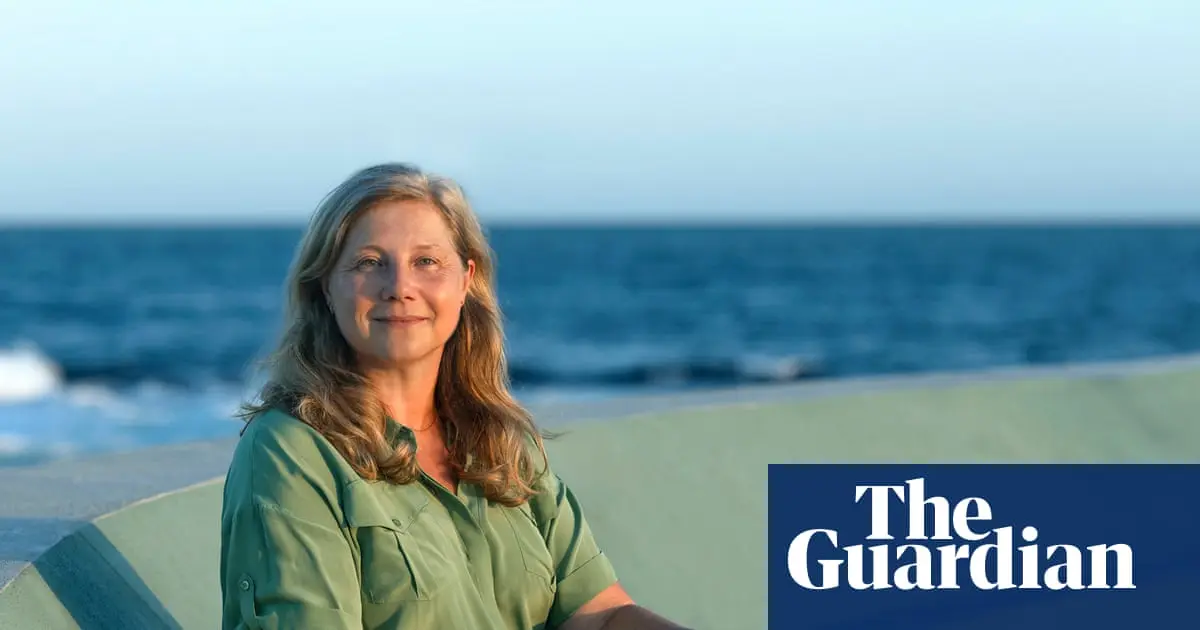
금요일, AWW는 밀섐이 AWW의 새로운 이사로 임명되었다고 발표했습니다. 그녀는 흥분과 이해할 수 있는 신중함으로 이 직책을 받아들였습니다. 그녀는 자주 참석하는 사람이며 AWW의 세션을 무료로 유지하려는 "훌륭한" 약속을 칭찬합니다. "저는 시드니의 한부모 가정에서 자랐고 무료 예술 행사에 대한 접근이 제가 누구인지를 정말로 형성했습니다... 그것이 바뀌었다면 저는 놀랐을 것입니다." 그녀는 웃으면서 덧붙입니다: "생각하기에 그렇게 된다면, 올해 일어난 것보다 훨씬 더 실질적인 분노가 있을 것 같습니다!"
그것으로 돌아갑니다. 뉴캐슬과 애들레이드 모두 압델-파타를 초청하기로 결정했지만 그것으로 붕괴된 곳은 하나뿐입니다. 그렇다면 밀섐을 위해 무엇이 다르게 진행되었을까요?
2월, AWW의 재가 아직 타오를 때, 뉴사우스웨일즈 자유당 하원의원 아일린 맥도날드는 주 의회를 이용하여 밀섐도 압델-파타를 섭외했다는 사실을 밝혔고, 축제가 주 자금 250,000달러를 받고 있는 이유를 의문을 제기했습니다. 총리 크리스 민스는 뉴캐슬 축제를 "미친" "분열적"이라고 부르지만 개입하지 않겠다고 말했습니다. 그 시점에서 아마도 그의 남호주 상대방 피터 말리나우스카스가 작가에 반대하여 애들레이드 위원회에 가중치를 두기로 결정한 것을 둘러싼 증가하는 논란을 염두에 두고 있었을 것입니다.
2013년부터 NWF를 백지에서 건설한 밀섐은 자신의 입장을 유지했습니다. 그녀는 일반적인 보도 자료를 내기를 거부했고("그럴 가치가 없습니다") 모든 예약된 작가에게 직접 이메일을 보내 아무도 제외되지 않을 것이라고 약속했습니다. 그녀는 민스의 "미친" 진술에 대해 언급하기를 거부했습니다. 그리고 가장 중요한 것은, 그녀의 받은 편지함과 DM이 학대로 넘쳐날 때, 그녀는 자신에게 상기시켰습니다: 그 중 어느 것도 정말로 그녀에 대한 것이 아니었습니다.
밀섐은 보스니아에서 태어났고, 보스니아 무슬림 가정에 태어났으며, 보스니아 대학살에서 가족을 잃었습니다. 따라서 그녀는 정치에 대해 강한 개인적인 견해를 가지고 있지만 또한 리더십의 객관성과 문학 축제의 민주적 기능의 가치를 알고 있습니다.
"아일린 맥도날드는 우리의 자금 조달을 취소하도록 요청했고, 저는 뉴캐슬에 와서 그것을 말하라고 생각했습니다"라고 그녀는 말합니다. "여기에 와서 모든 사업, 예약된 호텔, 렌터카 회사가 공항에서 작가를 데려 가는 지역 캐터러, 지역 인쇄업체, 점심 시간에 재생하는 음악가, 기술 및 음향 회사와 이야기하십시오. 모두 현지. 관객에게도 도달하기 전에 이 커뮤니티에 투자된 수천 달러.
"저는 크리스 민스가 뉴캐슬에서 그것을 말할 용기가 있기를 바랐습니다. 시드니에 있고 고속도로를 따라 화살을 쏘는 것이 안전합니다."
논란에도 불구하고 또는 아마도 그 때문에 시청자들은 NWF 주위에 단결했습니다: 올해는 기록적인 관중 수를 축하했습니다(2025년 대비 27% 증가) 그리고 항의나 보이콧이 없었습니다. 밀섐의 관객에 대한 메시지는: "감각적인 미디어 헤드라인에 빠져 특정 언론 섹션이나 커뮤니티의 압력에 굴복하기를 원한다면, 그것은 당신의 선택입니다. 저는 제 일을 계속하겠습니다."
밀섐은 2024년으로 거슬러 올라가 이스라엘과 가자에 대한 견해 때문에 작가를 초청 취소하도록 압력을 받은 첫 경험을 기억합니다. "그것은 전례가 없었습니다"라고 그녀는 말합니다. 이전에 일어나지 않은 무언가에 대한 계획이 없었습니다: "사람들이 느끼고 있던 감정의 수준, 10월 7일에 일어난 일에 대한 분노와 좌절과 상처 - 정당하게도, 그것은 끔찍했습니다 - 갑자기 우리에게 착륙했습니다. 그리고 저는 말할 수 있습니다, 우리가 경비를 풀었다면, 모든 사람이 그렇지 않을까요?"
밀섐은 20년간의 저널리스트 경력이 그녀가 대처하는 데 도움이 되었다고 생각합니다. "저는 무언가를 다루지 않으려는 압력을 알았습니다"라고 그녀는 말합니다. "그것은 불쾌한 느낌입니다. 당신은 잠을 잃습니다. 하지만 마음의 뒤편에, 당신이 좋고, 품위 있는 저널리스트라면, 당신이 이야기를 하는 더 큰 이유가 있다는 것을 알고 있습니다... 그것을 작가 축제로 번역하십시오 - 그것은 큐레이터의 독립입니다."
"당신은 당신이 왜 일을 하는지 알아야 합니다. 이메일 폭주 또는 끔찍한 위협적인 DM을 받고 있을 때 그리고 작가들도 그것을 받고 있을 때 그것을 잃을 수 있습니다. 당신은 기본적으로 그것이 사라지기를 원합니다. 그리고 저는 가장 쉬운 방법이 작가를 제거하는 것뿐이라는 것을 이해합니다 - 하지만 그것은 절대 해결책이 되지 않을 것입니다."
Creative Australia와 Melbourne Symphony Orchestra를 포함한 일부 예술 단체는 이스라엘-팔레스타인 분쟁에 대한 작품이나 견해가 비판을 받은 공연과 아티스트를 취소하고 제외했습니다. 하지만 밀섐은 그것이 그들이 바라는 것을 달성한다고 말합니다: "저는 그들이 계속 같은 실수를 한다는 것에 정말 실망했습니다. 당신이 그것을 탐색하는 유일한 방법이 특정 그룹을 달래는 것이라고 생각한다면, 그것은 공정한 대응이 아닙니다. 당신에게 다섯 그룹이 오고 있을 때 어떻게 됩니까? 당신은 모두 다섯 개를 달래나요?"
그녀는 압력이 다른 축제에서 의사결정을 형성하기 시작할 수 있다는 우려를 가지고 있으며, "그들은 프로그램에 아랍 작가가 없기를 원할 수 있습니다, 그것은 단지 문제가 될 가치가 없습니다"라고 말할 수 있습니다.
그녀는 압델-파타에 대한 압력에 직면하여 자신을 지지한 NWF 위원회를 칭찬합니다. "거버넌스가 실패하면, 당신은 애들레이드에서 일어난 일을 얻습니다. 위원회가 약하고 혼란스럽고 두렵고 후원자나 정부가 무엇을 말할지 걱정한다면, 그들은 당신에게 돌아섭니다. 강한 거버넌스는 당신이 사람들을 화나게 할 것이라는 것을 의미합니다. 당신은 절대로 모든 사람을 기쁘게 할 수 없습니다. 작가를 초청 취소하지 않기로 한 결정은 사람들을 실망시킬 것입니다. 하지만 당신은 당신의 무결성을 제자리에 두고 앞으로 나아갈 수 있습니다."
하지만 그녀는 인정합니다, 그것이 쉽게 만드는 것은 아닙니다. "저는 NWF에서 몇 번 그런 지점에 도달했습니다. 저는 그것을 할 수 없다고 생각했습니다, 저는 그것을 하고 싶지 않습니다, 그것은 모두 너무 어렵습니다"라고 그녀는 말합니다. "저는 이 자리에 있는 누구도 부러워하지 않습니다. 저는 단지 작가 축제를 운영하고 있습니다, 저는 국가를 운영하지 않습니다. 연방 예산에 대한 결정을 내리지 않습니다, 또는 우리가 전쟁을 벌일 것인지 ...
"어떤 면에서는, 그것은 너무 우습습니다 ... 모두가 한 발 물러서서 작가 축제가 무엇인지, 우리가 무엇을 하는지 그리고 그 핵심에 있는 것 - 문학을 실제로 살펴봐야 합니다. 당신이 작가들이 자신의 마음을 말할 수 있다는 것이 해롭다고 생각한다면, 그것은 우려스러운 상태입니다."
애들러는 유사한 원칙에 대한 그녀의 성대한 약속으로 알려져 있었고, 그녀는 여전히 무시되었습니다. 밀섐은 새 애들레이드 축제 위원회의 완전한 지지를 가지고 있다고 확신합니까?
"그것이 제가 묻는 첫 번째 질문 중 하나였습니다. '당신은 진정한 독립성과 정책이 있습니까?' 그리고 그들은 그렇다고 말했습니다"라고 그녀는 말합니다. "그 다른 위원회가 남았다면, 저는 신청했을 방법이 없습니다. 저는 많은 사람들이 정직하게 신청했을 방법이 없을 것이라고 생각합니다. 그것은 AWW의 종말로 이어질 수 있었습니다. 그것이 그려진 선이었습니다."
지금까지 2027년 AWW에 초청된 작가는 한 명뿐입니다: 압델-파타, 새 위원회가 사과의 제스처로 초청했습니다. 밀섐은 그녀가 아직 수락하지 않았다고 말합니다. "저는 사람들이 그녀가 말한 것에 동의하지 않는다는 것을 이해합니다. 하지만 저는 여전히 그녀가 그러한 견해를 가질 수 있고 그것이 작가 축제에 대한 그녀의 초청에 영향을 미쳐서는 안 된다는 원칙을 지지합니다."
말리나우스카스에 관해서는, 압델-파타를 대리하는 변호사들로부터 두 가지 우려 통지를 받은 사람입니까? "저는 총리를 만나기를 기대합니다 - 저는 정말로 그렇습니다"라고 밀섐은 말합니다. "우리는 명백히 전문적인 관계를 가질 것입니다... 저는 다음 3년이 정말 기대됩니다."
그녀의 희망은 2027년 AWW가 시작될 때 모두가 단순히 그것이 생존했다는 것에 안도감을 느낀다는 것입니다. "제 감각으로는 모두가 계속 진행할 것입니다"라고 그녀는 말합니다. "그리고 당신이 여전히 2026년에 일어난 일에 대해 손을 쓰고 있다면, 그것은 정말로 당신에게 있습니다."
kimi-k2.5
0 tokens
$0.00000
0.1s
claude-haiku-4-5-20251001
7,685 tokens
$0.02264
52.2s
Rosemarie Milsom, who formed and runs Newcastle writers festival, will take over from Louise Adler after the literary festival imploded over invitation to Randa Abdel-FattahIn January, as the implosion of Adelaide writers’ week made headlines around Australia and the world, Rosemarie Milsom was watching closely.The Adelaide festival board, which oversees AWW, had overridden the literary festival’s director, Louise Adler, and disinvited the Palestinian-Australian author Randa Abdel-Fattah over past comments she’d made about Israel and Zionism. This decision resulted not in a quieter, less-controversial festival as the board members may have hoped, but a boycott by 200-odd writers, the resignation of Adler – followed by the whole board – a potential defamation lawsuit against the South Australian premier and the collapse of AWW.
In January, as the implosion of Adelaide writers’ week made headlines around Australia and the world, Rosemarie Milsom was watching closely.The Adelaide festival board, which oversees AWW, had overridden the literary festival’s director, Louise Adler, and disinvited the Palestinian-Australian author Randa Abdel-Fattah over past comments she’d made about Israel and Zionism. This decision resulted not in a quieter, less-controversial festival as the board members may have hoped, but a boycott by 200-odd writers, the resignation of Adler – followed by the whole board – a potential defamation lawsuit against the South Australian premier and the collapse of AWW.
It was not yet public knowledge then that, as the director of Newcastle writers festival, Milsom had also booked Abdel-Fattah, five months earlier. But Milsom had predicted this exact controversy could happen and had been preparing for months.
On Friday AWW announced that Milsom has been appointed the new director of AWW – a position she accepted with excitement and understandable caution. She is a frequent attender and admires AWW’s “wonderful” commitment to keeping sessions free: “I grew up in a single-parent family in Sydney and access to free arts events really shaped who I am … I’d be shocked if that changed.” She adds with a laugh: “I think if it did, there’d be much more substantial outrage than what happened this year!”
Back to that. Both Newcastle and Adelaide made the decision to invite Abdel-Fattah but only one imploded over it. So what went differently for Milsom?
In February, with the ashes of AWW still smouldering, the New South Wales Liberal MP Aileen MacDonald used state parliament to reveal that Milsom had also booked Abdel-Fattah, and questioned why the festival was getting $250,000 in state funding. The premier, Chris Minns, called the Newcastle festival “crazy” and “divisive” but said he would not intervene – by then perhaps mindful of the growing controversy surrounding his South Australian counterpart Peter Malinauskas’ decision to weigh in against the author to the Adelaide board.
Milsom, who built NWF from the ground up in 2013, stood her ground. She refused to put out generic press statements (“not worth the paper they’re written on”) and directly emailed every booked writer to promise no one would be dropped. She refused to comment on Minns’ “crazy” statement. And, crucially, as her inbox and DMs flooded with abuse, she reminded herself: none of it was really about her.
Milsom was born in Bosnia, into a Bosnian Muslim family, and lost family in the Bosnian genocide; as such, she has strong personal views on politics but also knows the value of objectivity in leadership, and the democratic function of literary festivals.
“Aileen MacDonald asked for our funding to be revoked and I remember thinking, come to Newcastle and say that,” she says. “Come here and talk to all the businesses, the hotels that are booked out, the hire car company that picks the writers up from the airport, the local caterer, the local printers, the musicians that play in the lunch breaks, the tech and sound company. All local. Thousands of dollars invested in this community, before you even get to the audience.
“I remember thinking, I dare Chris Minns to say that in Newcastle. There’s safety in being in Sydney and shooting arrows up the freeway.”
Despite – or perhaps because of – the controversy, audiences galvanised around NWF: this year it celebrated record attendance (a 27% increase on 2025) and there were no protests or boycotts. Milsom’s message to audiences is: “If you want to get sucked into a sensational media headline and buy into pressure from certain sections of the media or the community, that’s your choice. I will get on with my job.”
Milsom remembers when she first experienced pressure to disinvite writers due to their views on Israel and Gaza, back in 2024. “It was unprecedented,” she says. There was no plan in place for something that hadn’t happened before: “The level of emotion that people were feeling, the anger and frustration and hurt about what had happened on October 7 – justifiably so, it was horrific – had suddenly landed on us. And I could tell, if we were caught off guard, wouldn’t everybody be?”
Milsom credits her 20-year career as a journalist for helping her cope. “I’ve known that pressure to not cover something,” she says. “It’s not a pleasant feeling. You lose sleep. But, at the back of your mind, if you’re a good, decent journalist, you know there’s a bigger reason for you doing a story … Translate that to a writers’ festival – that’s curatorial independence.”
“You have to know why you do what you do. That can get lost when you’re in the midst of an email barrage, or getting terrible threatening DMs and the writers are copping it as well. You basically just want it to go away. And I can appreciate the easiest way for that to happen is to just get rid of the writer – but that is never going to be the solution.”
Some arts organisations, including Creative Australia and the Melbourne Symphony Orchestra, have cancelled performances and excluded artists whose works or views on the Israel-Palestine conflict have come under criticism. But Milsom says that never achieves what they hope: “I’m really disappointed they keep making the same mistake. If you think the only way to navigate it is to appease one particular group, that’s not a fair response. What happens when you’ve got five groups coming at you? Do you appease all five?”
She worries that the pressure may start shape decision-making at other festivals, where “they might go, I don’t want any Arab writers in the program, it’s just not worth the trouble”.
She credits the NWF board for backing her in the face of pressure over Abdel-Fattah. “When governance fails, you get what happened in Adelaide. If a board is weak and confused and scared and worried about what sponsors or government are going to say, they turn on you. Strong governance means you’re going to upset people. You will never please everybody. Your decision not to disinvite a writer will disappoint people. But you can move forward with have your integrity in place.”
But, she concedes, that doesn’t make it easy. “I have got to the point a few times with NWF where I’ve thought, I just can’t do it, I don’t want to do it, it’s all too hard,” she says. “I don’t envy anyone in this position. I’m just running a writers’ festival, I’m not running the country. I’m not making decisions about the federal budget, or whether we’re going to war …
“In some ways, it is so ludicrous … Everyone needs to take a step back and actually look at what writers’ festivals are, what we do and what’s at the core of it, which is literature. If you think it’s damaging for writers to be able to speak their mind, that is an alarming state of affairs.”
Adler was known for her vocal commitment to similar principles, and she was still overridden. Is Milsom confident she has the complete backing of the new Adelaide festival board?
“That was one of the first questions I asked, ‘Do you have true independence and policies in place?’ And they said yes,” she says. “If that other board had stayed, there is no way I would have applied. I don’t think many people would have, in all honesty. It could have led to the demise of AWW. That was the line that was drawn.”
So far only one writer is invited to AWW in 2027: Abdel-Fattah, who was invited in a gesture of apology by the new board. Milsom says she is yet to accept. “I appreciate people don’t agree with what she has said. But I still stand by the principle that she should be allowed to have those views and that shouldn’t affect her invitation to a writers’ festival.”
As for Malinauskas, who has been issued two concerns notices by lawyers representing Abdel-Fattah? “I look forward to meeting the premier – I really do,” Milsom says. “We’ll obviously have a professional relationship … I’m really excited about the next three years.”
It is her hope that when AWW comes around in 2027, everyone will simply be relieved it survived. “My sense of it is everyone will have moved on,” she says. “And if you’re still hand-wringing over what happened in 2026, then that’s really on you.”