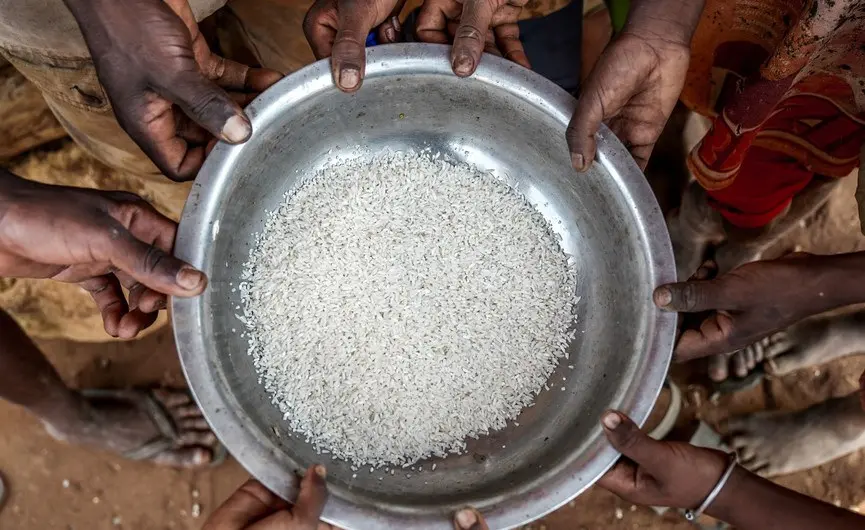
아프리카: 전 세계 기아의 3분의 2가 분쟁으로 피해를 입은 10개국에 집중
Africa: Two-Thirds of Global Hunger Concentrated in 10 Conflict-Hit Countries
AllAfrica
· 🇿🇦 Cape Town, ZA
EN
2026-04-24 21:40
Translated
전 세계 기아의 증가하는 비중이 분쟁으로 피해를 입은 소수의 국가에 고착되고 있으며, 급성 식량 부족에 직면한 인구의 3분의 2가 단 10개 국가에 집중되어 있다고 UN 기관의 지원을 받는 주요 국제 보고서가 경고하고 있습니다.
금요일에 UN 기관, 유럽연합(EU) 및 파트너 연합이 발표한 2026년 글로벌 식량 위기 보고서에 따르면, 2025년에 47개국의 2억 6,600만 명이 높은 수준의 급성 식량 부족을 경험했습니다. 이는 분석 대상 인구의 거의 4분의 1이며 2016년에 기록된 비중의 거의 2배입니다.
이 보고서는 암울한 그림을 그립니다: 기아는 더 이상 일련의 단기 긴급 상황이 아니라, 지속적이고 점점 더 집중되는 글로벌 과제입니다.
"오늘날의 급성 식량 부족은 단순히 광범위할 뿐만 아니라 지속적이고 반복적입니다"라고 FAO 사무총장 취둥위는 말했으며, 이 위기가 임시적이 아닌 구조적 문제가 되었다고 경고했습니다.
분쟁이 주요 원인
분쟁은 주요 원인으로, 심각한 기아에 직면한 모든 인구의 절반 이상을 차지합니다.
아프가니스탄, 방글라데시, 콩고민주공화국, 미얀마, 나이지리아, 파키스탄, 남수단, 수단, 시리아아랍공화국, 예멘 등 10개 국가가 급성 기아의 높은 수준에 직면한 모든 인구의 3분의 2를 차지했습니다.
가장 극단적인 경우, 2025년에 가자와 수단 일부에서 기근이 확인되었습니다. 이는 보고서가 시작된 이후 한 해에 두 개의 별도 기근이 기록된 첫 번째 경우입니다.
"이 보고서는 행동의 소집입니다"라고 안토니우 구테흐스 UN 사무총장은 서문에서 말했으며, 생명을 구하는 원조에 대한 투자를 신속하게 확대하고 많은 사람들에게 많은 고통을 주는 분쟁을 종식시키기 위한 정치적 의지의 필요성을 강조했습니다.
이 보고서는 또한 기아의 심각성이 급격히 증가했음을 강조합니다. 32개국의 3,900만 명 이상이 비상 수준의 식량 부족에 직면했으며, 치명적인 기아를 경험하는 인구의 수는 2016년 이후 9배 증가했습니다.
아이들이 가장 큰 타격을 받음
아이들이 가장 영향을 받는 계층 중 하나입니다. 2025년에 3,550만 명의 아이들이 급성 영양실조를 앓았으며, 이 중 거의 1,000만 명이 심각한 급성 영양실조를 겪고 있습니다. 이는 생명을 위협하는 상태로 사망 위험을 극적으로 증가시킵니다.
"심각한 소모증을 앓는 아이들은 신장에 비해 너무 마르고 있습니다. 그들의 면역 체계는 일반적인 소아질환이 치명적이 될 수 있는 정도로 약화되어 있습니다"라고 UN 아동기금(UNICEF) 대변인 리카르도 피레스는 경고했습니다.
가자, 미얀마, 남수단, 수단을 포함한 가장 영향을 받는 지역에서는 분쟁, 질병, 서비스 접근의 제한이 겹치면서 극도의 영양실조를 초래하고 사망 위험을 높이고 있습니다.
강제 이주가 위기를 악화시킴
강제 이주가 위기를 악화시키고 있습니다.
지난해 식량 위기 상황에서 8,500만 명 이상이 강제로 이주했으며, 강제로 이주한 인구는 일관되게 수용 지역사회보다 더 높은 수준의 기아에 직면하고 있습니다.
"강제 이주와 식량 부족은 깊이 있게 연결되어 있으며, 악순환을 형성하고 있습니다"라고 UN 난민 고등판무관 바르함 살리흐는 말했으며, 인도주의적 원조만으로는 이 패턴을 깨기에 충분하지 않다고 경고했습니다.
자금 조달의 붕괴
위기의 규모에도 불구하고, 보고서는 자금이 반대 방향으로 움직이고 있다고 경고합니다.
식량 및 영양 대응에 대한 인도주의적 및 개발 자금은 거의 10년 전 수준으로 떨어졌으며, 정부와 원조 단체의 효과적인 대응 능력을 제한하고 있습니다.
동시에 데이터 격차가 커지고 있습니다. 신뢰할 수 있는 식량 안보 평가를 수행할 수 있는 국가의 수는 10년 만에 최저 수준으로 떨어졌으며, 이는 실제 기아의 규모가 현재 추정치보다 훨씬 더 클 수 있음을 의미합니다.
2026년을 위한 암울한 전망
앞을 내다볼 때, 2026년의 전망은 암울합니다. 지속적인 분쟁, 기후 충격, 경제 불안정이 많은 국가에서 식량 부족을 심각한 수준으로 유지할 것으로 예상됩니다.
이 보고서는 또한 중동의 지속적인 위기에서 비롯된 것을 포함한 글로벌 시장 혼란과 관련된 새로운 위험에 대해 경고하고 있으며, 이는 식량 가격을 더욱 상승시키고 공급망을 긴장시킬 수 있습니다.
원조 기관들은 접근 방식의 변화가 없으면 세계가 심화되는 위기의 악순환에 갇힐 위험이 있으며, 기아가 더 이상 임시 긴급 상황이 아니라 글로벌 불안정의 점점 더 지속적인 특징이 될 위험을 경고합니다.
"우리는 너무 늦게 반응하는 것에서 일찍 행동하는 것으로, 그리고 식량 원조에만 의존하는 것에서 지역 식량 생산을 보호하는 것으로 전환해야 합니다. 그것이 우리가 필요를 줄이고, 생명을 구하고, 시간이 지남에 따라 회복력을 구축하는 방법이기 때문입니다"라고 FAO 사무총장 취둥위는 말했습니다.
금요일에 UN 기관, 유럽연합(EU) 및 파트너 연합이 발표한 2026년 글로벌 식량 위기 보고서에 따르면, 2025년에 47개국의 2억 6,600만 명이 높은 수준의 급성 식량 부족을 경험했습니다. 이는 분석 대상 인구의 거의 4분의 1이며 2016년에 기록된 비중의 거의 2배입니다.
이 보고서는 암울한 그림을 그립니다: 기아는 더 이상 일련의 단기 긴급 상황이 아니라, 지속적이고 점점 더 집중되는 글로벌 과제입니다.
"오늘날의 급성 식량 부족은 단순히 광범위할 뿐만 아니라 지속적이고 반복적입니다"라고 FAO 사무총장 취둥위는 말했으며, 이 위기가 임시적이 아닌 구조적 문제가 되었다고 경고했습니다.
분쟁이 주요 원인
분쟁은 주요 원인으로, 심각한 기아에 직면한 모든 인구의 절반 이상을 차지합니다.
아프가니스탄, 방글라데시, 콩고민주공화국, 미얀마, 나이지리아, 파키스탄, 남수단, 수단, 시리아아랍공화국, 예멘 등 10개 국가가 급성 기아의 높은 수준에 직면한 모든 인구의 3분의 2를 차지했습니다.
가장 극단적인 경우, 2025년에 가자와 수단 일부에서 기근이 확인되었습니다. 이는 보고서가 시작된 이후 한 해에 두 개의 별도 기근이 기록된 첫 번째 경우입니다.
"이 보고서는 행동의 소집입니다"라고 안토니우 구테흐스 UN 사무총장은 서문에서 말했으며, 생명을 구하는 원조에 대한 투자를 신속하게 확대하고 많은 사람들에게 많은 고통을 주는 분쟁을 종식시키기 위한 정치적 의지의 필요성을 강조했습니다.
이 보고서는 또한 기아의 심각성이 급격히 증가했음을 강조합니다. 32개국의 3,900만 명 이상이 비상 수준의 식량 부족에 직면했으며, 치명적인 기아를 경험하는 인구의 수는 2016년 이후 9배 증가했습니다.
아이들이 가장 큰 타격을 받음
아이들이 가장 영향을 받는 계층 중 하나입니다. 2025년에 3,550만 명의 아이들이 급성 영양실조를 앓았으며, 이 중 거의 1,000만 명이 심각한 급성 영양실조를 겪고 있습니다. 이는 생명을 위협하는 상태로 사망 위험을 극적으로 증가시킵니다.
"심각한 소모증을 앓는 아이들은 신장에 비해 너무 마르고 있습니다. 그들의 면역 체계는 일반적인 소아질환이 치명적이 될 수 있는 정도로 약화되어 있습니다"라고 UN 아동기금(UNICEF) 대변인 리카르도 피레스는 경고했습니다.
가자, 미얀마, 남수단, 수단을 포함한 가장 영향을 받는 지역에서는 분쟁, 질병, 서비스 접근의 제한이 겹치면서 극도의 영양실조를 초래하고 사망 위험을 높이고 있습니다.
강제 이주가 위기를 악화시킴
강제 이주가 위기를 악화시키고 있습니다.
지난해 식량 위기 상황에서 8,500만 명 이상이 강제로 이주했으며, 강제로 이주한 인구는 일관되게 수용 지역사회보다 더 높은 수준의 기아에 직면하고 있습니다.
"강제 이주와 식량 부족은 깊이 있게 연결되어 있으며, 악순환을 형성하고 있습니다"라고 UN 난민 고등판무관 바르함 살리흐는 말했으며, 인도주의적 원조만으로는 이 패턴을 깨기에 충분하지 않다고 경고했습니다.
자금 조달의 붕괴
위기의 규모에도 불구하고, 보고서는 자금이 반대 방향으로 움직이고 있다고 경고합니다.
식량 및 영양 대응에 대한 인도주의적 및 개발 자금은 거의 10년 전 수준으로 떨어졌으며, 정부와 원조 단체의 효과적인 대응 능력을 제한하고 있습니다.
동시에 데이터 격차가 커지고 있습니다. 신뢰할 수 있는 식량 안보 평가를 수행할 수 있는 국가의 수는 10년 만에 최저 수준으로 떨어졌으며, 이는 실제 기아의 규모가 현재 추정치보다 훨씬 더 클 수 있음을 의미합니다.
2026년을 위한 암울한 전망
앞을 내다볼 때, 2026년의 전망은 암울합니다. 지속적인 분쟁, 기후 충격, 경제 불안정이 많은 국가에서 식량 부족을 심각한 수준으로 유지할 것으로 예상됩니다.
이 보고서는 또한 중동의 지속적인 위기에서 비롯된 것을 포함한 글로벌 시장 혼란과 관련된 새로운 위험에 대해 경고하고 있으며, 이는 식량 가격을 더욱 상승시키고 공급망을 긴장시킬 수 있습니다.
원조 기관들은 접근 방식의 변화가 없으면 세계가 심화되는 위기의 악순환에 갇힐 위험이 있으며, 기아가 더 이상 임시 긴급 상황이 아니라 글로벌 불안정의 점점 더 지속적인 특징이 될 위험을 경고합니다.
"우리는 너무 늦게 반응하는 것에서 일찍 행동하는 것으로, 그리고 식량 원조에만 의존하는 것에서 지역 식량 생산을 보호하는 것으로 전환해야 합니다. 그것이 우리가 필요를 줄이고, 생명을 구하고, 시간이 지남에 따라 회복력을 구축하는 방법이기 때문입니다"라고 FAO 사무총장 취둥위는 말했습니다.
처리 완료
4,161 tokens · $0.0120
기사 수집 완료 · 21:40
매체 피드에서 기사 메타데이터 수집
헤드라인 번역 완료 · 21:51
제목/요약 한국어 번역 (fetch 시점 inline)
claude-haiku-4-5-20251001
115 tokens
$0.00025
1.3s
본문 추출 완료
4,759자 추출 완료
본문 한국어 번역 완료 · 21:51
2,386자 번역 완료
claude-haiku-4-5-20251001
4,046 tokens
$0.01178
22.1s
지정학적 엔티티 추출 완료 · 21:51
8개 엔티티 추출 완료
지정학적 맥락 & R-Scanner
R-Scanner · 평상
z=-0.66
일상적인 보도 수준 — 기준: Afghanistan
(🇦🇫 AF)
최근 6시간 1건
7일 평균 2.18건 / 6h
1개국 매체
1개 매체
본문에서 추출된 지명 (8)
Afghanistan
🇦🇫
Bangladesh
🇧🇩
Democratic Republic of the Congo
🇨🇩
Myanmar
🇲🇲
Nigeria
🇳🇬
Pakistan
🇵🇰
Sudan
🇸🇩
Yemen
🇾🇪
위치 지도
지도 로딩 중…
같은 주제의 다른 기사 (최근 7일)
A growing share of global hunger is becoming entrenched in a small group of conflict-hit countries, with two-thirds of people facing acute food insecurity concentrated in just 10 nations, a major international report backed by UN agencies warns.
The 2026 Global Report on Food Crises, released on Friday by an alliance of UN agencies, the European Union (EU) and partners, finds that 266 million people across 47 countries experienced high levels of acute food insecurity in 2025 - nearly a quarter of the population analysed and almost double the share recorded in 2016.
The report paints a stark picture: hunger is no longer a series of short-term emergencies, but a persistent and increasingly concentrated global challenge.
Keep up with the latest headlines on WhatsApp | LinkedIn
"Acute food insecurity today is not just widespread - it is also persistent and recurring," said FAO Director-General Qu Dongyu, warning that the crisis has become structural rather than temporary.
Conflict the primary driver
Conflict remains the primary driver, accounting for more than half of all people facing severe hunger.
Ten countries - Afghanistan, Bangladesh, the Democratic Republic of the Congo, Myanmar, Nigeria, Pakistan, South Sudan, Sudan, Syrian Arab Republic and Yemen - accounted for two-thirds of all people facing high levels of acute hunger.
At the most extreme end, famine was confirmed in 2025 in Gaza and parts of Sudan - the first time since the report began that two separate famines have been recorded in a single year.
"This report is a call to action," UN Secretary-General António Guterres said in the foreword, stressing the need for political will "to rapidly scale up investment in lifesaving aid, and work to end the conflicts that inflict so much suffering on so many."
The report also highlights a sharp rise in the severity of hunger. More than 39 million people in 32 countries faced emergency levels of food insecurity, while the number of people experiencing catastrophic hunger has increased ninefold since 2016.
Children bearing the brunt
Children are among the most affected. In 2025, 35.5 million children were acutely malnourished, including nearly 10 million suffering from severe acute malnutrition - a life-threatening condition that dramatically increases the risk of death.
"Children with severe wasting are too thin for their height. Their immune systems weakened to the extent that ordinary childhood illnesses can become fatal," UN Children's Fund (UNICEF) spokesperson Ricardo Pires warned.
In the worst-affected areas - including Gaza, Myanmar, South Sudan and Sudan - overlapping crises of conflict, disease and limited access to services are driving extreme levels of malnutrition and raising the risk of death.
Displacement compounding the crisis
Forced displacement is compounding the crisis.
More than 85 million people were displaced across food-crisis contexts last year, with displaced populations consistently facing higher levels of hunger than host communities.
"Forced displacement and food insecurity are deeply interconnected, forming a vicious cycle," said UN High Commissioner for Refugees Barham Salih, warning that humanitarian aid alone is not enough to break the pattern.
Collapse in funding
Despite the scale of the crisis, the report warns that funding is moving in the opposite direction.
Humanitarian and development financing for food and nutrition responses has fallen back to levels last seen nearly a decade ago, limiting the ability of governments and aid organizations to respond effectively.
At the same time, data gaps are growing. The number of countries able to produce reliable food security assessments has dropped to its lowest level in a decade, meaning the true scale of hunger may be even greater than current estimates suggest.
Bleak outlook for 2026
Looking ahead, the outlook for 2026 remains bleak. Ongoing conflicts, climate shocks and economic instability are expected to keep food insecurity at critical levels in many countries.
The report also flags new risks linked to global market disruptions, including those stemming from the ongoing crisis in the Middle East, which could further increase food prices and strain supply chains.
Aid agencies warn that without a shift in approach, the world risks becoming locked into a cycle of deepening crises, with hunger no longer a temporary emergency but an increasingly persistent feature of global instability.
"We must shift from reacting too late to acting early, and from relying solely on food assistance to protecting local food production - because that is how we reduce needs, save lives and build resilience over time," said FAO Director-General Qu.
Read the original article on UN News.
The 2026 Global Report on Food Crises, released on Friday by an alliance of UN agencies, the European Union (EU) and partners, finds that 266 million people across 47 countries experienced high levels of acute food insecurity in 2025 - nearly a quarter of the population analysed and almost double the share recorded in 2016.
The report paints a stark picture: hunger is no longer a series of short-term emergencies, but a persistent and increasingly concentrated global challenge.
Keep up with the latest headlines on WhatsApp | LinkedIn
"Acute food insecurity today is not just widespread - it is also persistent and recurring," said FAO Director-General Qu Dongyu, warning that the crisis has become structural rather than temporary.
Conflict the primary driver
Conflict remains the primary driver, accounting for more than half of all people facing severe hunger.
Ten countries - Afghanistan, Bangladesh, the Democratic Republic of the Congo, Myanmar, Nigeria, Pakistan, South Sudan, Sudan, Syrian Arab Republic and Yemen - accounted for two-thirds of all people facing high levels of acute hunger.
At the most extreme end, famine was confirmed in 2025 in Gaza and parts of Sudan - the first time since the report began that two separate famines have been recorded in a single year.
"This report is a call to action," UN Secretary-General António Guterres said in the foreword, stressing the need for political will "to rapidly scale up investment in lifesaving aid, and work to end the conflicts that inflict so much suffering on so many."
The report also highlights a sharp rise in the severity of hunger. More than 39 million people in 32 countries faced emergency levels of food insecurity, while the number of people experiencing catastrophic hunger has increased ninefold since 2016.
Children bearing the brunt
Children are among the most affected. In 2025, 35.5 million children were acutely malnourished, including nearly 10 million suffering from severe acute malnutrition - a life-threatening condition that dramatically increases the risk of death.
"Children with severe wasting are too thin for their height. Their immune systems weakened to the extent that ordinary childhood illnesses can become fatal," UN Children's Fund (UNICEF) spokesperson Ricardo Pires warned.
In the worst-affected areas - including Gaza, Myanmar, South Sudan and Sudan - overlapping crises of conflict, disease and limited access to services are driving extreme levels of malnutrition and raising the risk of death.
Displacement compounding the crisis
Forced displacement is compounding the crisis.
More than 85 million people were displaced across food-crisis contexts last year, with displaced populations consistently facing higher levels of hunger than host communities.
"Forced displacement and food insecurity are deeply interconnected, forming a vicious cycle," said UN High Commissioner for Refugees Barham Salih, warning that humanitarian aid alone is not enough to break the pattern.
Collapse in funding
Despite the scale of the crisis, the report warns that funding is moving in the opposite direction.
Humanitarian and development financing for food and nutrition responses has fallen back to levels last seen nearly a decade ago, limiting the ability of governments and aid organizations to respond effectively.
At the same time, data gaps are growing. The number of countries able to produce reliable food security assessments has dropped to its lowest level in a decade, meaning the true scale of hunger may be even greater than current estimates suggest.
Bleak outlook for 2026
Looking ahead, the outlook for 2026 remains bleak. Ongoing conflicts, climate shocks and economic instability are expected to keep food insecurity at critical levels in many countries.
The report also flags new risks linked to global market disruptions, including those stemming from the ongoing crisis in the Middle East, which could further increase food prices and strain supply chains.
Aid agencies warn that without a shift in approach, the world risks becoming locked into a cycle of deepening crises, with hunger no longer a temporary emergency but an increasingly persistent feature of global instability.
"We must shift from reacting too late to acting early, and from relying solely on food assistance to protecting local food production - because that is how we reduce needs, save lives and build resilience over time," said FAO Director-General Qu.
Read the original article on UN News.