대법원, 자살 폭탄 테러로 부상당한 군인의 소송 제기 허용 판결
Supreme Court Finds Soldier Injured in Suicide Bombing Can Sue
The New York Times
· 🇺🇸 New York, US
Abbie VanSickle
EN
2026-04-22 23:42
Translated
미국 군인이 2016년 아프가니스탄의 미군 기지에서 발생한 자살 폭탄 테러로 부상을 입었다. 대법원 판사들은 이 군인이 군사 계약업체를 상대로 소송을 제기할 수 있도록 허용했다.
아프가니스탄의 미군 기지에서 발생한 자살 폭탄 테러로 부상당한 군인이 그 군사 계약업체를 상대로 소송을 제기할 수 있다는 대법원 판결이 수요일 내려졌다.
6대 3의 의견으로, 클래런스 토머스 판사가 작성한 판결문에서 대법원은 이 군인이 군사 계약업체를 상대로 소송을 진행할 수 있도록 길을 열어주었다.
이번 판결은 이례적인 구성을 보였으며, 세 명의 진보 성향 판사들이 보수 성향의 토머스 판사와 함께했다.
토머스 판사는 소송을 차단한 하급 법원의 판결이 "헌법, 연방 법령 또는 우리의 판례에 어떤 근거도 없는" 규칙에 의존했다고 작성했다.
사무엘 A. 알리토 주니어 판사가 반대 의견을 제출했으며, 존 G. 로버츠 주니어 대법원장과 브렛 M. 카바노 판사가 이에 동의했다.
알리토 판사는 반대 의견에서 이 군인의 소송은 "전쟁을 선포하고 전투 작전을 수행하는 연방 정부의 배타적 권한"을 침해하므로 차단되어야 한다고 작성했다.
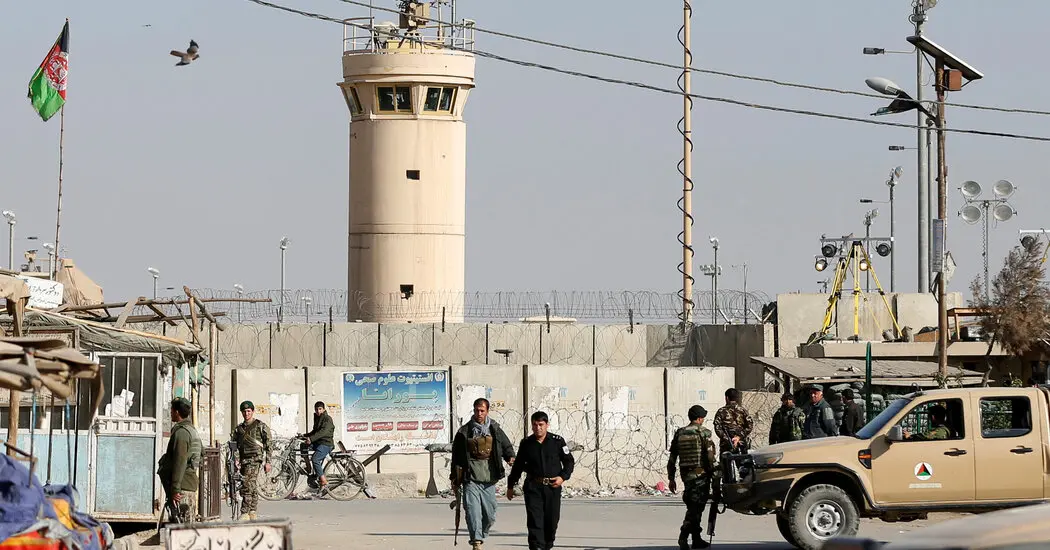
폭탄 테러는 2016년 11월 바그람 공군기지에서 수백 명의 미군 군인들이 참전용사의 날 5km 달리기를 위해 모였을 때 발생했다.
무리가 형성되자, 20세의 미국 육군 병장 윈스턴 헨셀리는 의심스러워 보이는 사람이 그들에게 접근하는 것을 발견했다. 그 남자인 아흐마드 나예브는 기지의 야간 교대 근무를 하는 차량 정비소에서 일했다.
헨셀리와 다른 사람들은 나예브에게 맞서 그를 심문했다. 헨셀리가 나예브의 어깨를 집으려 할 때, 그는 남자의 로브 아래서 부피가 큰 폭발물 조끼를 느꼈다. 그 순간, 나예브는 자살 조끼를 터뜨려 자신과 다른 5명을 죽이고 헨셀리를 포함한 10명 이상을 다쳤으며, 헨셀리는 두개골을 부러뜨리고 뇌로 관통한 폭탄의 파편에 맞았다. 그는 얼굴과 팔에 부상을 입었으며 외상성 뇌손상을 입었다고 법원 서류에 기록되어 있다.
나예브는 전직 탈레반 전투원으로, 기지에서 일할 수 있도록 승인되어 군부에 의해 심사 받았고 국방부 계약업체와 협력하는 노동 중개인에 의해 고용되었다. 그는 탈레반에 가입하는 것을 방지하기 위해 아프가니스탄 주민에게 일자리를 제공하는 군부의 "아프간 우선" 프로그램의 일환으로 기지에서 5년 동안 일했다.
군부 조사 결과, 그는 아마도 몰래 폭탄 부품을 기지로 반입한 후 근무 시간 중에 자살 조끼를 조립했을 가능성이 높다는 결론을 내렸다. 공격 당일, 나예브는 자신의 일터에서 눈에 띄지 않게 빠져나가 참전용사의 날 행사를 준비하는 군인들에게 도달할 때까지 1시간을 걸어갔다.
2019년, 헨셀리는 계약업체인 플루오르 코퍼레이션을 상대로 사우스캐롤라이나 손해배상법에 따라 소송을 제기했다. 계약업체의 주요 자회사는 해당 주에 기반을 두고 있다.
회사는 헨셀리의 소송이 무효라고 주장하며, 주(州) 손해배상법이 "전장에서는 위험 부담이 규칙이지 예외가 아닌 곳에서 완전히 부적절하다"고 법원 서류에 주장했다.
플루오르 코퍼레이션의 변호사들은 전장에 그러한 주법을 적용하는 것이 "군사 의사결정을 저해하고, 전투 작전을 방해하며, 국가 안보와 우리 군의 안보를 위태롭게 하며, 헌법의 설계의 핵심인 배타적으로 연방의 기능인 공동 방위의 연방 정부 제공을 좌절시킬 것"이라고 주장했다.
헨셀리는 군사 계약업체가 계약 조건을 위반했으며 배상 책임으로부터 보호받아서는 안 된다고 반박했다. 그는 군부의 "전투 활동"에 관한 소송으로부터 정부를 보호하기 위한 연방법이 자신의 사건에 회사에 적용되어야 하지 않는다고 주장했다.
하급 법원들은 플루오르 코퍼레이션에 동의하여 소송이 연방법에 의해 선점되었다고 판단했으며, 연방 불법행위청구법이라는 연방법을 인용했다. 이 법은 연방 직원의 피해로 인한 손해배상을 청구할 수 있는 절차를 규정하지만, 전시 중 부상이나 사망에 대한 청구를 차단하는 예외를 포함하고 있다.
헨셀리는 판사들에게 사건을 받아들여 달라고 요청했다.
트럼프 행정부는 군사 계약업체 측에서 사건에 개입했으며, 주 소송이 차단되어야 한다고 주장했다.
애비 밴싱클은 뉴욕 타임즈를 위해 미국 대법원을 담당하고 있다. 그녀는 변호사이며 조사 보도에 광범위한 경험을 가지고 있다.
6대 3의 의견으로, 클래런스 토머스 판사가 작성한 판결문에서 대법원은 이 군인이 군사 계약업체를 상대로 소송을 진행할 수 있도록 길을 열어주었다.
이번 판결은 이례적인 구성을 보였으며, 세 명의 진보 성향 판사들이 보수 성향의 토머스 판사와 함께했다.
토머스 판사는 소송을 차단한 하급 법원의 판결이 "헌법, 연방 법령 또는 우리의 판례에 어떤 근거도 없는" 규칙에 의존했다고 작성했다.
사무엘 A. 알리토 주니어 판사가 반대 의견을 제출했으며, 존 G. 로버츠 주니어 대법원장과 브렛 M. 카바노 판사가 이에 동의했다.
알리토 판사는 반대 의견에서 이 군인의 소송은 "전쟁을 선포하고 전투 작전을 수행하는 연방 정부의 배타적 권한"을 침해하므로 차단되어야 한다고 작성했다.
폭탄 테러는 2016년 11월 바그람 공군기지에서 수백 명의 미군 군인들이 참전용사의 날 5km 달리기를 위해 모였을 때 발생했다.
무리가 형성되자, 20세의 미국 육군 병장 윈스턴 헨셀리는 의심스러워 보이는 사람이 그들에게 접근하는 것을 발견했다. 그 남자인 아흐마드 나예브는 기지의 야간 교대 근무를 하는 차량 정비소에서 일했다.
헨셀리와 다른 사람들은 나예브에게 맞서 그를 심문했다. 헨셀리가 나예브의 어깨를 집으려 할 때, 그는 남자의 로브 아래서 부피가 큰 폭발물 조끼를 느꼈다. 그 순간, 나예브는 자살 조끼를 터뜨려 자신과 다른 5명을 죽이고 헨셀리를 포함한 10명 이상을 다쳤으며, 헨셀리는 두개골을 부러뜨리고 뇌로 관통한 폭탄의 파편에 맞았다. 그는 얼굴과 팔에 부상을 입었으며 외상성 뇌손상을 입었다고 법원 서류에 기록되어 있다.
나예브는 전직 탈레반 전투원으로, 기지에서 일할 수 있도록 승인되어 군부에 의해 심사 받았고 국방부 계약업체와 협력하는 노동 중개인에 의해 고용되었다. 그는 탈레반에 가입하는 것을 방지하기 위해 아프가니스탄 주민에게 일자리를 제공하는 군부의 "아프간 우선" 프로그램의 일환으로 기지에서 5년 동안 일했다.
군부 조사 결과, 그는 아마도 몰래 폭탄 부품을 기지로 반입한 후 근무 시간 중에 자살 조끼를 조립했을 가능성이 높다는 결론을 내렸다. 공격 당일, 나예브는 자신의 일터에서 눈에 띄지 않게 빠져나가 참전용사의 날 행사를 준비하는 군인들에게 도달할 때까지 1시간을 걸어갔다.
2019년, 헨셀리는 계약업체인 플루오르 코퍼레이션을 상대로 사우스캐롤라이나 손해배상법에 따라 소송을 제기했다. 계약업체의 주요 자회사는 해당 주에 기반을 두고 있다.
회사는 헨셀리의 소송이 무효라고 주장하며, 주(州) 손해배상법이 "전장에서는 위험 부담이 규칙이지 예외가 아닌 곳에서 완전히 부적절하다"고 법원 서류에 주장했다.
플루오르 코퍼레이션의 변호사들은 전장에 그러한 주법을 적용하는 것이 "군사 의사결정을 저해하고, 전투 작전을 방해하며, 국가 안보와 우리 군의 안보를 위태롭게 하며, 헌법의 설계의 핵심인 배타적으로 연방의 기능인 공동 방위의 연방 정부 제공을 좌절시킬 것"이라고 주장했다.
헨셀리는 군사 계약업체가 계약 조건을 위반했으며 배상 책임으로부터 보호받아서는 안 된다고 반박했다. 그는 군부의 "전투 활동"에 관한 소송으로부터 정부를 보호하기 위한 연방법이 자신의 사건에 회사에 적용되어야 하지 않는다고 주장했다.
하급 법원들은 플루오르 코퍼레이션에 동의하여 소송이 연방법에 의해 선점되었다고 판단했으며, 연방 불법행위청구법이라는 연방법을 인용했다. 이 법은 연방 직원의 피해로 인한 손해배상을 청구할 수 있는 절차를 규정하지만, 전시 중 부상이나 사망에 대한 청구를 차단하는 예외를 포함하고 있다.
헨셀리는 판사들에게 사건을 받아들여 달라고 요청했다.
트럼프 행정부는 군사 계약업체 측에서 사건에 개입했으며, 주 소송이 차단되어야 한다고 주장했다.
애비 밴싱클은 뉴욕 타임즈를 위해 미국 대법원을 담당하고 있다. 그녀는 변호사이며 조사 보도에 광범위한 경험을 가지고 있다.
처리 완료
3,753 tokens · $0.0106
기사 수집 완료 · 01:15
매체 피드에서 기사 메타데이터 수집
헤드라인 번역 완료 · 14:39
제목/요약 한국어 번역 (fetch 시점 inline)
kimi-k2.5
0 tokens
$0.00000
0.2s
본문 추출 완료
4,390자 추출 완료
본문 한국어 번역 완료 · 14:39
2,008자 번역 완료
claude-haiku-4-5-20251001
3,753 tokens
$0.01055
22.5s
지정학적 엔티티 추출 완료 · 14:39
4개 엔티티 추출 완료
지정학적 맥락 & R-Scanner
R-Scanner · 평상
z=-1.22
일상적인 보도 수준 — 기준: Afghanistan
(🇦🇫 AF)
최근 6시간 0건
7일 평균 2.18건 / 6h
0개국 매체
0개 매체
본문에서 추출된 지명 (4)
위치 지도
지도 로딩 중…
같은 주제의 다른 기사 (최근 7일)
An American soldier was injured in a 2016 suicide bombing in Afghanistan. The justices cleared the way for the soldier to proceed with a lawsuit against a military contractor.
A soldier injured in a suicide bombing on an American military base in Afghanistan can sue the military contractor who hired the bomber, the Supreme Court ruled on Wednesday.In a 6-to-3 opinion, written by Justice Clarence Thomas, the court cleared the way for the soldier to move forward with a lawsuit against the military contractor.
The decision featured an unusual lineup, with the three liberal justices joining Justice Thomas, one of the most conservative justices on the court.
Justice Thomas wrote that a lower court decision that had blocked the suit relied on a rule that “lacks any foundation in the Constitution, federal statutes or our precedents.”
Justice Samuel A. Alito Jr. dissented, joined by Chief Justice John G. Roberts Jr. and Justice Brett M. Kavanaugh.
In his dissent, Justice Alito wrote that the soldier’s lawsuit should be barred because it intruded “on the federal government’s exclusive power to make war and conduct combat operations.”
The bombing took place in November 2016, when hundreds of American military personnel gathered for a Veterans Day 5K race at Bagram Airfield.
As the crowd formed, the 20-year-old U.S. Army Specialist Winston Hencely noticed a man approaching them that he thought looked suspicious. The man, Ahmad Nayeb, worked the night shift on the base in a vehicle maintenance yard.
Mr. Hencely and others confronted Mr. Nayeb and questioned him. As Mr. Hencely grabbed Mr. Nayeb by the shoulder, he felt a bulky explosive vest under the man’s robe. At that moment, Mr. Nayeb detonated a suicide vest, killing himself and five others and wounding more than a dozen others, including Mr. Hencely, who was hit by projectiles from the bomb that fractured his skull and entered his brain. He suffered injuries to his face and arms, along with a traumatic brain injury, according to court filings.
Mr. Nayeb, a former Taliban fighter, had been cleared to work on the base, vetted by the military and a hired by a labor broker who worked with a Defense Department contractor. He had worked on the base for five years as part of the military’s “Afghan First” program, which offered employment to dissuade people in Afghanistan from joining the Taliban.
Got a news tip about the courts? If you have information to share about the Supreme Court or other federal courts, please contact us.
A military investigation later concluded that he had most likely secretly brought the bomb parts onto the base and built the suicide vest during his work shifts. On the day of the attack, Mr. Nayeb slipped, unnoticed, out of his job site and walked for an hour until he reached the troops preparing for the Veterans Day celebration.
In 2019, Mr. Hencely sued the contractor, Fluor Corporation, under a South Carolina injury law. A key subsidiary of the contractor is based in the state.
The company claimed that Mr. Hencely’s lawsuit was invalid, asserting in court filings that state injury laws were “entirely out of place on the battlefield, where risk-taking is the rule, not the exception.”
Applying such state laws on the battlefield, lawyers for Fluor Corporation argued, “would stifle military decision-making, impede combat operations, imperil national security and the security of our troops, and frustrate the federal government’s provision for the common defense — an exclusively federal function at the core of the Constitution’s design.”
Mr. Hencely countered that the military contractor had violated the terms of its contract and that it should not be shielded from liability. He argued that a federal law intended to protect the government from litigation over military “combatant activities” should not apply to the company in his case.
Lower courts agreed with Fluor Corporation that the lawsuit was pre-empted by federal law and cited a federal law called the Federal Tort Claims Act, which sets out a process for people to file lawsuits seeking compensation for harms caused by federal employees but includes an exception barring claims for injuries or death during wartime.
Mr. Hencely then asked the justices to take the case.
The Trump administration had weighed in on the side of the military contractor in the case, arguing that the state lawsuit should be barred.
Abbie VanSickle covers the United States Supreme Court for The Times. She is a lawyer and has an extensive background in investigative reporting.