미국, 호르무즈 해협 개방을 위한 최신 움직임으로 폭발성 지뢰 수색 중
US says it's hunting for explosive mines in latest push to open the Strait of Hormuz
Associated Press
· 🇺🇸 New York, US
https://apnews.com/author/ben-finley
EN
2026-04-26 08:40
Translated
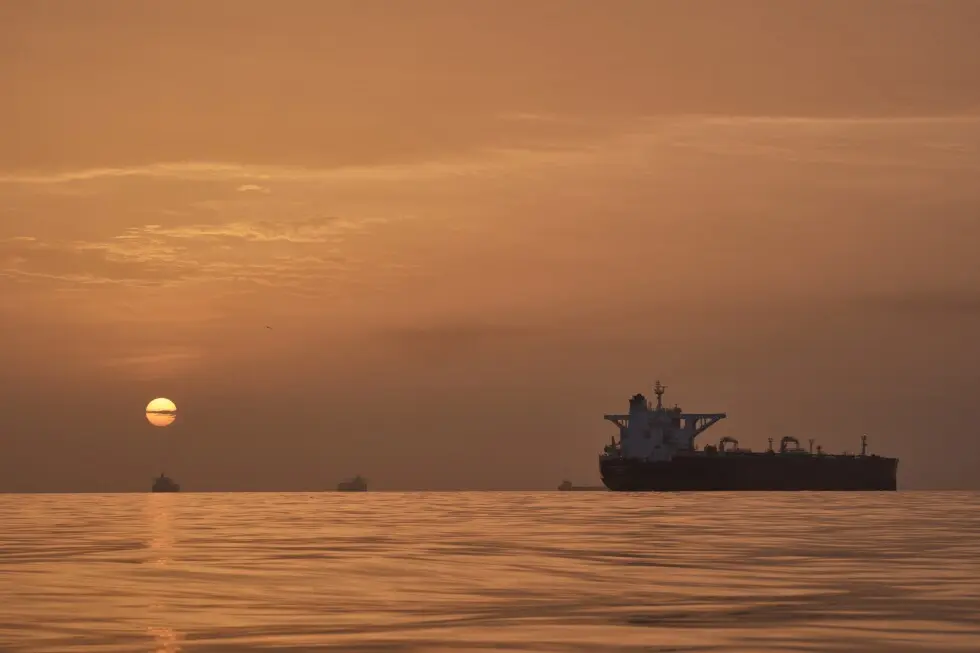
태양이 이란 케슘 섬 해안의 호르무즈 해협에 정박한 유조선들 뒤로 떠오르고 있다. 2026년 4월 18일 토요일. (AP Photo/Asghar Besharati)
국방장관 피트 헤그세스가 2026년 4월 16일 목요일 워싱턴의 펜타곤에서 브래드 쿠퍼 제독(중앙)과 합참의장 댄 케인 장군(우측)과의 보도 브리핑 중 언론에 연설하고 있다. (AP Photo/Kevin Wolf)
태양이 이란 케슘 섬 해안의 호르무즈 해협에 정박한 유조선들 뒤로 떠오르고 있다. 2026년 4월 18일 토요일. (AP Photo/Asghar Besharati)
태양이 이란 케슘 섬 해안의 호르무즈 해협에 정박한 유조선들 뒤로 떠오르고 있다. 2026년 4월 18일 토요일. (AP Photo/Asghar Besharati)
국방장관 피트 헤그세스가 2026년 4월 16일 목요일 워싱턴의 펜타곤에서 브래드 쿠퍼 제독(중앙)과 합참의장 댄 케인 장군(우측)과의 보도 브리핑 중 언론에 연설하고 있다. (AP Photo/Kevin Wolf)
국방장관 피트 헤그세스가 2026년 4월 16일 목요일 워싱턴의 펜타곤에서 브래드 쿠퍼 제독(중앙)과 합참의장 댄 케인 장군(우측)과의 보도 브리핑 중 언론에 연설하고 있다. (AP Photo/Kevin Wolf)
워싱턴 (AP) — 도널드 트럼프 대통령은 미국 해군이 이란의 지뢰를 호르무즈 해협에서 제거하고 있다고 말했다. 호르무즈 해협은 석유 운송의 생명선이며, 그 중단이 세계 경제를 점점 더 위협하고 있다.
수중 폭발물 수색은 미국과 이란 간의 수주간의 전쟁 중 취약한 휴전에도 불구하고 수 개월이 걸릴 수 있다고 전문가들은 말한다. 미국이 세계 석유의 20%가 통과하는 수로를 청소했다는 향후 주장은 상선 및 그들의 보험회사들을 마침내 안전하다고 확신시키지 못할 수도 있다.
"지뢰를 설치했을 필요도 없다. 사람들이 당신이 지뢰를 설치했다고 믿도록 만들면 된다"고 외교정책연구소의 국가안보프로그램 학자 에마 솔즈베리가 말했다.
"미국이 해협을 수색하고 모든 것이 명확하다고 말해도, 이란이 해야 할 일은 '음, 실제로 당신은 모두를 찾지 못했다'고 말하는 것뿐이다"라고 솔즈베리가 말했다. 그녀는 또한 영국 해군 전략연구센터의 펠로우이기도 하다. "미국이 상선에 신뢰를 회복시키기 위해 할 수 있는 일은 한정되어 있다."
지뢰 수색은 트럼프 행정부가 상승하는 에너지 가격과 더 넓은 경제적 영향이 정치적 위험을 초래하면서 해협을 통한 교통을 다시 시작하기 위해 발표한 최신 전술 중 하나이다. 미국은 또한 이란의 항구를 봉쇄하고 테헤란과 관련된 선박을 압수했지만, 대통령은 토요일 이란의 최고 외교관이 이슬라마바드를 떠난 후 자신의 특사들이 파키스탄으로 여행하지 말도록 지시했다고 말했다.
펜타곤 관계자들은 의원들에게 이란이 해협에 설치한 지뢰를 제거하는 데 약 6개월이 걸릴 것 같다고 말했다고 민감한 정보에 대해 논의하기 위해 익명을 요청한 한 사람이 말했다. 정보는 화요일 하원 군사위원회의 비공개 브리핑 중에 전달되었다.
금요일 기자들로부터 이 견적에 대해 질문을 받은 국방장관 피트 헤그세스는 군부대가 일정에 대해 추측하지 않을 것이라고 말했지만, 그것을 부인하지는 않았다.
"알려진 바로는 그것이 말해진 무언가였다"고 헤그세스는 펜타곤 기자회견에서 말했다. "하지만 우리는 올바른 기간에 우리가 파악하는 모든 지뢰를 제거할 수 있는 능력에 대해 확신합니다."
트럼프는 해협에 지뢰를 설치하는 모든 보트를 공격하도록 해군에 명령했다고 말했다.
"추가적으로, 우리의 지뢰 '제거선'들이 현재 해협을 청소하고 있다"고 대통령은 목요일 소셜 미디어에서 말했다. "나는 이 활동을 계속하도록 명령하고 있지만, 3배 수준으로!"
중동 최고 미국 사령관인 브래드 쿠퍼 제독은 최근 기자들에게 군부대가 해협에서 지뢰를 제거하기 위해 노력할 것이라고 말했다. 그는 세부 사항을 제공하지 않았다.
현재 미국 군부대가 전함, 가장 눈에 띄는 지뢰 제거 자산을 해협에서 사용 중임을 나타내는 징후는 없다.
그러나 해군은 또한 지뢰를 제거할 수 있는 지역의 다이버 및 소폭탄 처리 기술자의 소규모 팀을 보유하고 있다. 그들은 대형 전함보다 명백한 목표가 아니다.
전문가들은 또한 일부 지뢰 제거 장비를 선박에서 제거하고 육지에서 배포할 수 있다고 말한다.
단 하나의 지뢰가 배포되었는지 여부는 명확하지 않다. 이란은 해협의 전쟁 전 경로에서 지뢰의 "가능성"만 언급했다.
외교정책연구소의 솔즈베리에 따르면 이란의 지뢰 비축량 추정치는 수천 개 정도이다. 대부분의 수중 폭발물은 구형 소비에트 모델로 추정된다. 일부 새로운 것들은 중국에서 나온 것일 수도 있고 국내에서 제조되었을 수도 있다.
"지뢰 설치는 지뢰 제거보다 훨씬 쉽다. 따라서 기술적으로 이것들을 고속정 뒤에서 밀어낼 수 있다"고 솔즈베리가 말했다. 다만 미국은 아마도 그것을 볼 수 있을 것이라고 언급했다.
이란은 또한 지뢰를 설치할 수 있는 소형 잠수함을 보유하고 있으며, 탐지하기 훨씬 더 어렵다고 솔즈베리가 덧붙였다. 그녀는 전쟁에서 파괴된 것으로 보이는 징후를 보지 못했다고 말했다.
이란이 해협에 지뢰를 설치했다면, 영화에서 본 것처럼 표면에 떠다니는 가시가 많은 공은 아니다고 솔즈베리가 말했다. 폭발물은 아마도 해저에 앉아 있거나 케이블로 바닥에 고정되어 표면 아래에 떠 있을 것이다. 그들은 배가 지나갈 때 수압이 변하거나 엔진음에 의해 트리거될 수 있다.
국방 관계자는 민감한 군사 운동을 논의하기 위해 익명을 요청하며 미국 해군은 현재 중동에 지뢰를 수색할 수 있는 2척의 연안 전투함을 보유하고 있다고 말했다.
일본에 기반을 둔 2척의 미국 어벤저급 지뢰제거함도 중동으로 출발했지만 금요일 현재 태평양에 있었다고 관계자는 말했다.
어벤저급 선박에서 복무한 퇴역 중령인 스티븐 윌스는 해군이 해협을 통한 안전한 통로를 만들기 위해 해양 폭발물을 찾고 있을 가능성이 있다고 말했다. 지뢰 제거는 분쟁 후 일반적으로 발생하는 더 느린 과정이다.
"광산 사냥은 한쪽에서 다른 쪽으로 안전하게 걸어갈 수 있도록 마당을 빗질하며 개별 잡초와 민들레를 제거하는 것과 같다. 지뢰 제거는 잔디를 깎는 것과 더 비슷하다"고 윌스가 말했다. 그는 미국 해군 리그의 해양 전략 센터의 전문가이다.
해군 작전 및 지뢰 제거에 초점을 맞춘 랜드 코퍼레이션 연구원 스콧 사비츠는 해군이 반드시 모든 마지막 지뢰를 제거해야 하는 것은 아니라고 말했다.
"1차 세계 대전인 경우도 있지만 2차 세계 대전 이후 아직 제거되지 않은 지역들이 여전히 있다. 왜냐하면 그것은 자원이 너무 많이 필요하고 많은 시간이 걸리기 때문이다"고 그는 말했다.
해군의 연안 전투함 팀들은 소나 및 기타 기술을 사용하여 지뢰를 찾는 원격 조종 무인 차량을 배포할 수 있다고 윌스는 말했다. 그들은 또한 폭발물을 파괴하기 위한 충전을 운반한다.
미국 해군 선박은 또한 지뢰를 수색하고 파괴할 수 있는 다이버를 포함한 소폭탄 처리 팀을 보유할 수 있다고 윌스가 말했다. 헬리콥터는 레이저를 사용하여 지뢰를 수색할 수 있다.
결국 해운 회사들은 "특히 얼마나 수익성이 있는지를 고려하면" 해협을 통과하기 위해 어느 정도의 위험을 감수할 의향이 있을 것이라고 사비츠가 말했다.
해협을 통과하기를 원하는 선박에 대한 이란의 승인 절차에 따라 선박은 전쟁 이전과는 다른 경로, 즉 이란의 해안선 근처 북쪽으로 가야 한다.
보험 중개인 마시의 영국 해양 전쟁 지도자인 딜란 모르티머에 따르면 보험사들은 선주에게 이란 당국에 연락하여 안전한 통행을 보장하도록 요구하는 조항을 추가하고 있다.
그 인증은 지뢰를 구체적으로 언급하지 않으며 미사일 및 드론 공격이나 체포를 포함한 위협의 전 스펙트럼으로부터 보호하기 위한 것이라고 모르티머가 말했다.
그러나 지뢰는 최소한 심리적 역할을 하며, 이것이 모르티머가 "위협의 유령"이라고 부르는 현상이다.
"그것은 이란에 유리하게 작동한다. 왜냐하면 지뢰가 거기 있든 없든 사람들은 지뢰가 거기 있다고 생각하고 그에 따라 행동할 것이기 때문이다"라고 모르티머가 말했다.
이러한 우려는 전쟁 후에도 해협이 안전하다는 신뢰를 회복하는 데 더 오래 걸릴 수 있음을 의미한다.
맥휴는 독일 프랑크푸르트에서 보도했다. AP 의회 특파원 리사 마스카로가 이 보도에 기여했다.
국방장관 피트 헤그세스가 2026년 4월 16일 목요일 워싱턴의 펜타곤에서 브래드 쿠퍼 제독(중앙)과 합참의장 댄 케인 장군(우측)과의 보도 브리핑 중 언론에 연설하고 있다. (AP Photo/Kevin Wolf)
태양이 이란 케슘 섬 해안의 호르무즈 해협에 정박한 유조선들 뒤로 떠오르고 있다. 2026년 4월 18일 토요일. (AP Photo/Asghar Besharati)
태양이 이란 케슘 섬 해안의 호르무즈 해협에 정박한 유조선들 뒤로 떠오르고 있다. 2026년 4월 18일 토요일. (AP Photo/Asghar Besharati)
국방장관 피트 헤그세스가 2026년 4월 16일 목요일 워싱턴의 펜타곤에서 브래드 쿠퍼 제독(중앙)과 합참의장 댄 케인 장군(우측)과의 보도 브리핑 중 언론에 연설하고 있다. (AP Photo/Kevin Wolf)
국방장관 피트 헤그세스가 2026년 4월 16일 목요일 워싱턴의 펜타곤에서 브래드 쿠퍼 제독(중앙)과 합참의장 댄 케인 장군(우측)과의 보도 브리핑 중 언론에 연설하고 있다. (AP Photo/Kevin Wolf)
워싱턴 (AP) — 도널드 트럼프 대통령은 미국 해군이 이란의 지뢰를 호르무즈 해협에서 제거하고 있다고 말했다. 호르무즈 해협은 석유 운송의 생명선이며, 그 중단이 세계 경제를 점점 더 위협하고 있다.
수중 폭발물 수색은 미국과 이란 간의 수주간의 전쟁 중 취약한 휴전에도 불구하고 수 개월이 걸릴 수 있다고 전문가들은 말한다. 미국이 세계 석유의 20%가 통과하는 수로를 청소했다는 향후 주장은 상선 및 그들의 보험회사들을 마침내 안전하다고 확신시키지 못할 수도 있다.
"지뢰를 설치했을 필요도 없다. 사람들이 당신이 지뢰를 설치했다고 믿도록 만들면 된다"고 외교정책연구소의 국가안보프로그램 학자 에마 솔즈베리가 말했다.
"미국이 해협을 수색하고 모든 것이 명확하다고 말해도, 이란이 해야 할 일은 '음, 실제로 당신은 모두를 찾지 못했다'고 말하는 것뿐이다"라고 솔즈베리가 말했다. 그녀는 또한 영국 해군 전략연구센터의 펠로우이기도 하다. "미국이 상선에 신뢰를 회복시키기 위해 할 수 있는 일은 한정되어 있다."
지뢰 수색은 트럼프 행정부가 상승하는 에너지 가격과 더 넓은 경제적 영향이 정치적 위험을 초래하면서 해협을 통한 교통을 다시 시작하기 위해 발표한 최신 전술 중 하나이다. 미국은 또한 이란의 항구를 봉쇄하고 테헤란과 관련된 선박을 압수했지만, 대통령은 토요일 이란의 최고 외교관이 이슬라마바드를 떠난 후 자신의 특사들이 파키스탄으로 여행하지 말도록 지시했다고 말했다.
펜타곤 관계자들은 의원들에게 이란이 해협에 설치한 지뢰를 제거하는 데 약 6개월이 걸릴 것 같다고 말했다고 민감한 정보에 대해 논의하기 위해 익명을 요청한 한 사람이 말했다. 정보는 화요일 하원 군사위원회의 비공개 브리핑 중에 전달되었다.
금요일 기자들로부터 이 견적에 대해 질문을 받은 국방장관 피트 헤그세스는 군부대가 일정에 대해 추측하지 않을 것이라고 말했지만, 그것을 부인하지는 않았다.
"알려진 바로는 그것이 말해진 무언가였다"고 헤그세스는 펜타곤 기자회견에서 말했다. "하지만 우리는 올바른 기간에 우리가 파악하는 모든 지뢰를 제거할 수 있는 능력에 대해 확신합니다."
트럼프는 해협에 지뢰를 설치하는 모든 보트를 공격하도록 해군에 명령했다고 말했다.
"추가적으로, 우리의 지뢰 '제거선'들이 현재 해협을 청소하고 있다"고 대통령은 목요일 소셜 미디어에서 말했다. "나는 이 활동을 계속하도록 명령하고 있지만, 3배 수준으로!"
중동 최고 미국 사령관인 브래드 쿠퍼 제독은 최근 기자들에게 군부대가 해협에서 지뢰를 제거하기 위해 노력할 것이라고 말했다. 그는 세부 사항을 제공하지 않았다.
현재 미국 군부대가 전함, 가장 눈에 띄는 지뢰 제거 자산을 해협에서 사용 중임을 나타내는 징후는 없다.
그러나 해군은 또한 지뢰를 제거할 수 있는 지역의 다이버 및 소폭탄 처리 기술자의 소규모 팀을 보유하고 있다. 그들은 대형 전함보다 명백한 목표가 아니다.
전문가들은 또한 일부 지뢰 제거 장비를 선박에서 제거하고 육지에서 배포할 수 있다고 말한다.
단 하나의 지뢰가 배포되었는지 여부는 명확하지 않다. 이란은 해협의 전쟁 전 경로에서 지뢰의 "가능성"만 언급했다.
외교정책연구소의 솔즈베리에 따르면 이란의 지뢰 비축량 추정치는 수천 개 정도이다. 대부분의 수중 폭발물은 구형 소비에트 모델로 추정된다. 일부 새로운 것들은 중국에서 나온 것일 수도 있고 국내에서 제조되었을 수도 있다.
"지뢰 설치는 지뢰 제거보다 훨씬 쉽다. 따라서 기술적으로 이것들을 고속정 뒤에서 밀어낼 수 있다"고 솔즈베리가 말했다. 다만 미국은 아마도 그것을 볼 수 있을 것이라고 언급했다.
이란은 또한 지뢰를 설치할 수 있는 소형 잠수함을 보유하고 있으며, 탐지하기 훨씬 더 어렵다고 솔즈베리가 덧붙였다. 그녀는 전쟁에서 파괴된 것으로 보이는 징후를 보지 못했다고 말했다.
이란이 해협에 지뢰를 설치했다면, 영화에서 본 것처럼 표면에 떠다니는 가시가 많은 공은 아니다고 솔즈베리가 말했다. 폭발물은 아마도 해저에 앉아 있거나 케이블로 바닥에 고정되어 표면 아래에 떠 있을 것이다. 그들은 배가 지나갈 때 수압이 변하거나 엔진음에 의해 트리거될 수 있다.
국방 관계자는 민감한 군사 운동을 논의하기 위해 익명을 요청하며 미국 해군은 현재 중동에 지뢰를 수색할 수 있는 2척의 연안 전투함을 보유하고 있다고 말했다.
일본에 기반을 둔 2척의 미국 어벤저급 지뢰제거함도 중동으로 출발했지만 금요일 현재 태평양에 있었다고 관계자는 말했다.
어벤저급 선박에서 복무한 퇴역 중령인 스티븐 윌스는 해군이 해협을 통한 안전한 통로를 만들기 위해 해양 폭발물을 찾고 있을 가능성이 있다고 말했다. 지뢰 제거는 분쟁 후 일반적으로 발생하는 더 느린 과정이다.
"광산 사냥은 한쪽에서 다른 쪽으로 안전하게 걸어갈 수 있도록 마당을 빗질하며 개별 잡초와 민들레를 제거하는 것과 같다. 지뢰 제거는 잔디를 깎는 것과 더 비슷하다"고 윌스가 말했다. 그는 미국 해군 리그의 해양 전략 센터의 전문가이다.
해군 작전 및 지뢰 제거에 초점을 맞춘 랜드 코퍼레이션 연구원 스콧 사비츠는 해군이 반드시 모든 마지막 지뢰를 제거해야 하는 것은 아니라고 말했다.
"1차 세계 대전인 경우도 있지만 2차 세계 대전 이후 아직 제거되지 않은 지역들이 여전히 있다. 왜냐하면 그것은 자원이 너무 많이 필요하고 많은 시간이 걸리기 때문이다"고 그는 말했다.
해군의 연안 전투함 팀들은 소나 및 기타 기술을 사용하여 지뢰를 찾는 원격 조종 무인 차량을 배포할 수 있다고 윌스는 말했다. 그들은 또한 폭발물을 파괴하기 위한 충전을 운반한다.
미국 해군 선박은 또한 지뢰를 수색하고 파괴할 수 있는 다이버를 포함한 소폭탄 처리 팀을 보유할 수 있다고 윌스가 말했다. 헬리콥터는 레이저를 사용하여 지뢰를 수색할 수 있다.
결국 해운 회사들은 "특히 얼마나 수익성이 있는지를 고려하면" 해협을 통과하기 위해 어느 정도의 위험을 감수할 의향이 있을 것이라고 사비츠가 말했다.
해협을 통과하기를 원하는 선박에 대한 이란의 승인 절차에 따라 선박은 전쟁 이전과는 다른 경로, 즉 이란의 해안선 근처 북쪽으로 가야 한다.
보험 중개인 마시의 영국 해양 전쟁 지도자인 딜란 모르티머에 따르면 보험사들은 선주에게 이란 당국에 연락하여 안전한 통행을 보장하도록 요구하는 조항을 추가하고 있다.
그 인증은 지뢰를 구체적으로 언급하지 않으며 미사일 및 드론 공격이나 체포를 포함한 위협의 전 스펙트럼으로부터 보호하기 위한 것이라고 모르티머가 말했다.
그러나 지뢰는 최소한 심리적 역할을 하며, 이것이 모르티머가 "위협의 유령"이라고 부르는 현상이다.
"그것은 이란에 유리하게 작동한다. 왜냐하면 지뢰가 거기 있든 없든 사람들은 지뢰가 거기 있다고 생각하고 그에 따라 행동할 것이기 때문이다"라고 모르티머가 말했다.
이러한 우려는 전쟁 후에도 해협이 안전하다는 신뢰를 회복하는 데 더 오래 걸릴 수 있음을 의미한다.
맥휴는 독일 프랑크푸르트에서 보도했다. AP 의회 특파원 리사 마스카로가 이 보도에 기여했다.
처리 완료
6,927 tokens · $0.0201
기사 수집 완료 · 08:40
매체 피드에서 기사 메타데이터 수집
헤드라인 번역 완료 · 08:55
제목/요약 한국어 번역 (fetch 시점 inline)
claude-haiku-4-5-20251001
117 tokens
$0.00026
1.1s
본문 추출 완료
8,279자 추출 완료
본문 한국어 번역 완료 · 08:55
4,095자 번역 완료
claude-haiku-4-5-20251001
6,810 tokens
$0.01986
42.5s
지정학적 엔티티 추출 완료 · 08:55
8개 엔티티 추출 완료
지정학적 맥락 & R-Scanner
R-Scanner · 평상
z=-4.48
일상적인 보도 수준 — 기준: Strait of Hormuz
(🇮🇷 IR)
최근 6시간 3건
7일 평균 26.5건 / 6h
1개국 매체
1개 매체
본문에서 추출된 지명 (8)
Strait of Hormuz
🇮🇷
Iran
🇮🇷
United States
🇺🇸
Washington
🇺🇸
Qeshm Island
🇮🇷
Pentagon
🇺🇸
Pakistan
🇵🇰
Frankfurt
🇩🇪
위치 지도
지도 로딩 중…
같은 주제의 다른 기사 (최근 7일)
The sun rises behind tankers anchored in the Strait of Hormuz off the coast of Qeshm Island, Iran, Saturday, April 18, 2026. (AP Photo/Asghar Besharati)
Defense Secretary Pete Hegseth speaks to members of the media during a press briefing with Adm. Brad Cooper, center, and Chairman of the Joint Chiefs of Staff Gen. Dan Caine, right, at the Pentagon, Thursday, April 16, 2026 in Washington. (AP Photo/Kevin Wolf)
The sun rises behind tankers anchored in the Strait of Hormuz off the coast of Qeshm Island, Iran, Saturday, April 18, 2026. (AP Photo/Asghar Besharati)
The sun rises behind tankers anchored in the Strait of Hormuz off the coast of Qeshm Island, Iran, Saturday, April 18, 2026. (AP Photo/Asghar Besharati)
Defense Secretary Pete Hegseth speaks to members of the media during a press briefing with Adm. Brad Cooper, center, and Chairman of the Joint Chiefs of Staff Gen. Dan Caine, right, at the Pentagon, Thursday, April 16, 2026 in Washington. (AP Photo/Kevin Wolf)
Defense Secretary Pete Hegseth speaks to members of the media during a press briefing with Adm. Brad Cooper, center, and Chairman of the Joint Chiefs of Staff Gen. Dan Caine, right, at the Pentagon, Thursday, April 16, 2026 in Washington. (AP Photo/Kevin Wolf)
WASHINGTON (AP) — President Donald Trump says the U.S. Navy is clearing Iranian mines from the Strait of Hormuz, a vital sea route for oil shipments whose disruption is increasingly threatening the global economy.
Sweeping for underwater explosives could take months despite a tenuous ceasefire between the United States and Iran in the weekslong war, experts say. Any future claims that the U.S. cleared the waterway where 20% of the world’s oil typically passes might fail to convince commercial freighters and their insurers that it is finally safe.
“You don’t even have to have lain mines — you just have to make people believe that you’ve laid mines,” said Emma Salisbury, a scholar at the Foreign Policy Research Institute’s National Security Program.
“And even if the U.S. sweeps the strait and says everything’s clear, all the Iranians have to do is say, ‘Well, actually, you haven’t found them all yet,’” said Salisbury, who is also a fellow at the Royal Navy Strategic Studies Centre. “There’s only so much the U.S. can do to give that confidence back to commercial shipping.”
Seeking out mines is one of the latest tactics announced by the Trump administration to get traffic moving again through the strait as rising energy prices and wider economic effects pose a political risk. The U.S. also has blockaded Iran’s ports and seized ships tied to Tehran, but the president said Saturday he had instructed his envoys not to travel to Pakistan for the latest ceasefire talks after Iran’s top diplomat left Islamabad.
Pentagon officials told lawmakers it would likely take six months to clear the mines that Iran has set in the strait, according a person familiar with the situation who spoke on condition of anonymity to discuss the sensitive information. The information was delivered during a classified briefing at the House Armed Services Committee on Tuesday.
When asked about the estimate, Defense Secretary Pete Hegseth told reporters Friday that the military would not speculate on a timeline, but he did not deny it.
“Allegedly that was something that was said,” Hegseth said at a Pentagon news conference. “But we feel confident in our ability, in the correct period of time, to clear any mines that we identify.”
Trump said he has ordered the Navy to attack any boat laying mines in the strait.
“Additionally, our mine ‘sweepers’ are clearing the Strait right now,” the president said on social media Thursday. “I am hereby ordering that activity to continue, but at a tripled up level!”
Adm. Brad Cooper, the top U.S. commander in the Middle East, recently told reporters that the military would be working to clear mines from the strait. He did not offer details.
There is no indication that the U.S. military is using warships, its most visible mine-clearing assets, in the strait now.
But the Navy also has divers and small teams of explosive ordnance disposal technicians in the region that are capable of clearing mines. They are a less obvious target than a large warship.
Experts also say some mine-clearing equipment could be moved off ships and deployed from land.
It is unclear whether a single mine has been deployed. Iran has mentioned only the “likelihood” of mines in the strait’s prewar routes.
Estimates of Iran’s mine stockpiles are in the low thousands, said Salisbury, of the Foreign Policy Research Institute. Most of its underwater explosives are believed to be older Soviet models. Some of its newer ones may be from China or made domestically.
“Minelaying is a lot easier than minesweeping, so you can literally push these things off the back of a speedboat,” Salisbury said, though she noted the U.S. could likely see that.
Iran also has small submarines that can lay mines and are much harder to detect, Salisbury added. She said she has not seen indications that they have been destroyed in the war.
If Iran has set mines in the strait, they are not the spiky balls floating on the surface seen in the movies, Salisbury said. The explosives are likely sitting on the seabed or moored to it by a cable and floating under the surface. They can be triggered by the water pressure changing when a ship passes or by the sound of its engine.
The U.S. Navy now has two littoral combat ships in the Middle East that are capable of sweeping for mines, said a defense official, who spoke on condition of anonymity to discuss sensitive military movements.
Two U.S. Avenger-class minesweepers based in Japan also have departed for the Middle East but were in the Pacific Ocean as of Friday, the official said.
Steven Wills, a retired lieutenant commander who served on an Avenger-class ship, said the Navy is likely looking for sea explosives in order to create a safe channel through the strait. Minesweeping is a slower process that usually occurs after a conflict.
“Minehunting is walking through your yard pulling individual weeds and dandelions so that you can walk safely from one side to the other. Minesweeping is more like mowing the grass,” said Wills, an expert at the Center for Maritime Strategy at the Navy League of the United States.
Scott Savitz, a researcher with the RAND Corp. who focuses on naval operations and mine clearing, said the Navy does not necessarily have to remove every last mine.
“There’s still areas that have not been cleared from World War II — and in some cases, World War I — just because it is so resource intensive and it takes a lot of time,” he said.
Teams on the Navy’s littoral combat ships can deploy remotely operated, uncrewed vehicles that use sonar and other technology to find mines, Wills said. They also carry charges to destroy the explosives.
U.S. Navy ships may also have explosive ordnance disposal teams, including divers, that can hunt for and destroy mines, Wills said. Helicopters can search for mines using lasers.
Eventually, shipping companies will be willing to take some risks to travel through the strait “particularly given how lucrative it is,” Savitz said.
Under Iran’s approval procedure for vessels wanting to transit the strait, ships must take a different route than before the war — to the north, near Iran’s coastline.
Insurers are adding a clause that requires ship owners to contact Iranian authorities to ensure safe passage, said Dylan Mortimer, U.K. marine war leader for insurance broker Marsh.
That certification does not mention mines specifically and is intended to protect against the entire spectrum of threats, including missile and drone attacks or seizures, Mortimer said.
But mines do, at the very least, play a psychological role, a phenomenon Mortimer called the “specter of threat.”
“That plays in the Iranians’ favor, because whether there are mines there or not, people think there’s mines there and they will operate accordingly,” Mortimer said.
Those fears could mean it takes longer to restore confidence that the strait is safe even after the war.
McHugh reported from Frankfurt, Germany. AP Congressional Correspondent Lisa Mascaro contributed to this report.
Defense Secretary Pete Hegseth speaks to members of the media during a press briefing with Adm. Brad Cooper, center, and Chairman of the Joint Chiefs of Staff Gen. Dan Caine, right, at the Pentagon, Thursday, April 16, 2026 in Washington. (AP Photo/Kevin Wolf)
The sun rises behind tankers anchored in the Strait of Hormuz off the coast of Qeshm Island, Iran, Saturday, April 18, 2026. (AP Photo/Asghar Besharati)
The sun rises behind tankers anchored in the Strait of Hormuz off the coast of Qeshm Island, Iran, Saturday, April 18, 2026. (AP Photo/Asghar Besharati)
Defense Secretary Pete Hegseth speaks to members of the media during a press briefing with Adm. Brad Cooper, center, and Chairman of the Joint Chiefs of Staff Gen. Dan Caine, right, at the Pentagon, Thursday, April 16, 2026 in Washington. (AP Photo/Kevin Wolf)
Defense Secretary Pete Hegseth speaks to members of the media during a press briefing with Adm. Brad Cooper, center, and Chairman of the Joint Chiefs of Staff Gen. Dan Caine, right, at the Pentagon, Thursday, April 16, 2026 in Washington. (AP Photo/Kevin Wolf)
WASHINGTON (AP) — President Donald Trump says the U.S. Navy is clearing Iranian mines from the Strait of Hormuz, a vital sea route for oil shipments whose disruption is increasingly threatening the global economy.
Sweeping for underwater explosives could take months despite a tenuous ceasefire between the United States and Iran in the weekslong war, experts say. Any future claims that the U.S. cleared the waterway where 20% of the world’s oil typically passes might fail to convince commercial freighters and their insurers that it is finally safe.
“You don’t even have to have lain mines — you just have to make people believe that you’ve laid mines,” said Emma Salisbury, a scholar at the Foreign Policy Research Institute’s National Security Program.
“And even if the U.S. sweeps the strait and says everything’s clear, all the Iranians have to do is say, ‘Well, actually, you haven’t found them all yet,’” said Salisbury, who is also a fellow at the Royal Navy Strategic Studies Centre. “There’s only so much the U.S. can do to give that confidence back to commercial shipping.”
Seeking out mines is one of the latest tactics announced by the Trump administration to get traffic moving again through the strait as rising energy prices and wider economic effects pose a political risk. The U.S. also has blockaded Iran’s ports and seized ships tied to Tehran, but the president said Saturday he had instructed his envoys not to travel to Pakistan for the latest ceasefire talks after Iran’s top diplomat left Islamabad.
Pentagon officials told lawmakers it would likely take six months to clear the mines that Iran has set in the strait, according a person familiar with the situation who spoke on condition of anonymity to discuss the sensitive information. The information was delivered during a classified briefing at the House Armed Services Committee on Tuesday.
When asked about the estimate, Defense Secretary Pete Hegseth told reporters Friday that the military would not speculate on a timeline, but he did not deny it.
“Allegedly that was something that was said,” Hegseth said at a Pentagon news conference. “But we feel confident in our ability, in the correct period of time, to clear any mines that we identify.”
Trump said he has ordered the Navy to attack any boat laying mines in the strait.
“Additionally, our mine ‘sweepers’ are clearing the Strait right now,” the president said on social media Thursday. “I am hereby ordering that activity to continue, but at a tripled up level!”
Adm. Brad Cooper, the top U.S. commander in the Middle East, recently told reporters that the military would be working to clear mines from the strait. He did not offer details.
There is no indication that the U.S. military is using warships, its most visible mine-clearing assets, in the strait now.
But the Navy also has divers and small teams of explosive ordnance disposal technicians in the region that are capable of clearing mines. They are a less obvious target than a large warship.
Experts also say some mine-clearing equipment could be moved off ships and deployed from land.
It is unclear whether a single mine has been deployed. Iran has mentioned only the “likelihood” of mines in the strait’s prewar routes.
Estimates of Iran’s mine stockpiles are in the low thousands, said Salisbury, of the Foreign Policy Research Institute. Most of its underwater explosives are believed to be older Soviet models. Some of its newer ones may be from China or made domestically.
“Minelaying is a lot easier than minesweeping, so you can literally push these things off the back of a speedboat,” Salisbury said, though she noted the U.S. could likely see that.
Iran also has small submarines that can lay mines and are much harder to detect, Salisbury added. She said she has not seen indications that they have been destroyed in the war.
If Iran has set mines in the strait, they are not the spiky balls floating on the surface seen in the movies, Salisbury said. The explosives are likely sitting on the seabed or moored to it by a cable and floating under the surface. They can be triggered by the water pressure changing when a ship passes or by the sound of its engine.
The U.S. Navy now has two littoral combat ships in the Middle East that are capable of sweeping for mines, said a defense official, who spoke on condition of anonymity to discuss sensitive military movements.
Two U.S. Avenger-class minesweepers based in Japan also have departed for the Middle East but were in the Pacific Ocean as of Friday, the official said.
Steven Wills, a retired lieutenant commander who served on an Avenger-class ship, said the Navy is likely looking for sea explosives in order to create a safe channel through the strait. Minesweeping is a slower process that usually occurs after a conflict.
“Minehunting is walking through your yard pulling individual weeds and dandelions so that you can walk safely from one side to the other. Minesweeping is more like mowing the grass,” said Wills, an expert at the Center for Maritime Strategy at the Navy League of the United States.
Scott Savitz, a researcher with the RAND Corp. who focuses on naval operations and mine clearing, said the Navy does not necessarily have to remove every last mine.
“There’s still areas that have not been cleared from World War II — and in some cases, World War I — just because it is so resource intensive and it takes a lot of time,” he said.
Teams on the Navy’s littoral combat ships can deploy remotely operated, uncrewed vehicles that use sonar and other technology to find mines, Wills said. They also carry charges to destroy the explosives.
U.S. Navy ships may also have explosive ordnance disposal teams, including divers, that can hunt for and destroy mines, Wills said. Helicopters can search for mines using lasers.
Eventually, shipping companies will be willing to take some risks to travel through the strait “particularly given how lucrative it is,” Savitz said.
Under Iran’s approval procedure for vessels wanting to transit the strait, ships must take a different route than before the war — to the north, near Iran’s coastline.
Insurers are adding a clause that requires ship owners to contact Iranian authorities to ensure safe passage, said Dylan Mortimer, U.K. marine war leader for insurance broker Marsh.
That certification does not mention mines specifically and is intended to protect against the entire spectrum of threats, including missile and drone attacks or seizures, Mortimer said.
But mines do, at the very least, play a psychological role, a phenomenon Mortimer called the “specter of threat.”
“That plays in the Iranians’ favor, because whether there are mines there or not, people think there’s mines there and they will operate accordingly,” Mortimer said.
Those fears could mean it takes longer to restore confidence that the strait is safe even after the war.
McHugh reported from Frankfurt, Germany. AP Congressional Correspondent Lisa Mascaro contributed to this report.