미국 영유아 분유 공급은 '안전하다'고 FDA가 잠재적 오염물질 검사 후 발표
US infant formula supply is 'safe,' FDA says after looking for potential contaminants
Associated Press
· 🇺🇸 New York, US
https://apnews.com/author/jonel-aleccia
EN
2026-04-30 06:15
Translated
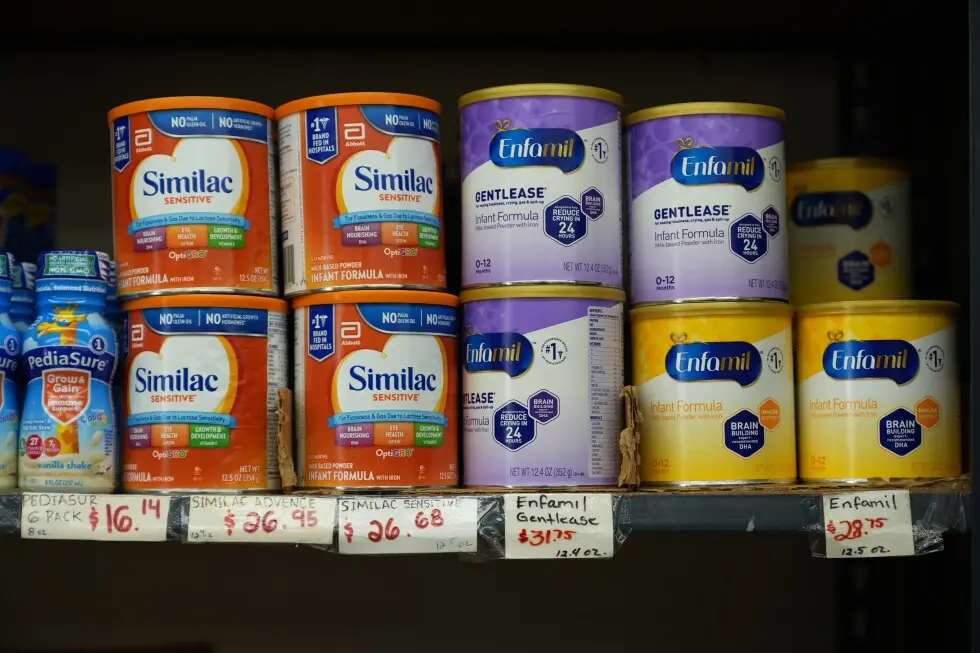
2026년 4월 7일 화요일 로스앤젤레스 웨스트레이크/피코 유니온 지역의 중앙미국 이민자 커뮤니티를 지원하는 시장에서 영유아 분유 캔이 12.4온스당 최대 $31.75에 책정되어 있다. (AP Photo/Damian Dovarganes)
미국 영유아 분유에 포함된 화학물질에 대한 새로운 분석 결과 중금속, 농약 및 기타 잠재적 오염물질의 수준이 안심할 수 있는 수준으로 낮다는 것으로 연방 보건 관계자들이 수요일 발표했다.
이번 검토는 식품의약청의 '스토크 스피드 작전(Operation Stork Speed)' 프로젝트의 일환으로 수행되었으며, 지금까지 "가장 크고 엄격한" 검사라고 홍보되고 있다. 영유아 분유 공급이 "안전하다"는 것이 확인되었다고 기관 관계자와 외부 전문가들이 말했다.
"미국에서 이용 가능한 어떤 분유든 사용하지 않을 이유가 없습니다"라고 이 조사 결과를 검토한 오스틴 텍사스 대학교 소아과 교수 스티븐 애브람스 박사는 말했다.
FDA 관계자들은 2023년과 2025년 사이 상업용 영유아 분유 300개 이상의 샘플을 납, 비소, 카드뮴, 수은을 포함한 중금속에 대해 검사했다. 또한 농약, 플라스틱에서 발견되는 프탈레이트 화학물질, 그리고 PFAS(과불소화 알킬 물질), 때로는 "영구 화학물질"이라고 불리는 물질도 검사했다.
모든 오염물질의 수준은 검출 불가능하거나 매우 낮았다고 기관은 보고했다. 검출된 중금속은 미국 환경보호청의 음수 한계치보다 훨씬 아래였다고 기관은 보고했다. 샘플의 99%에서 농약이 검출되지 않았다. FDA는 검사한 30개의 PFAS 화합물 중 25개에서 검출되지 않았다.
외부 전문가들은 일반적으로 정부의 평가에 동의했으며, 중금속 같은 물질의 소량이 자연적으로 환경에서 발생한다고 지적했다. 그러나 프탈레이트와 PFAS와 같은 다른 물질들은 그렇지 않다.
"이러한 화학물질은 완전히 합성된 것입니다"라고 UW 메디신과 시애틀 어린이 연구소의 소아과 교수 쉴라 사티야나라야나 박사는 말했다. "이들 화합물 중 일부의 검출은 우려스럽습니다."
그녀는 분유에 대한 추가 모니터링과 더 큰 미국 식품 공급에 대한 모니터링의 필요성을 지적했다.
트럼프 행정부는 2025년 3월에 스토크 스피드 작전을 시작했으며, 미국의 영유아 분유에 대한 수십 년 만의 첫 안전 및 품질 기준 검토를 약속했다.
이는 어린이의 뇌 발달, 학습 및 행동에 문제를 일으킬 수 있는 중금속과 같은 물질에 대해 영유아 식품을 검토하려는 FDA의 이전 노력을 바탕으로 했다고 애브람스는 말했다.
현재까지 FDA는 유럽연합, 캐나다 및 호주와 달리 영유아 분유의 중금속에 대한 강제적 한계를 갖고 있지 않다.
일부 소비자 옹호 단체들은 수년간 FDA에 오염물질에 대한 확실한 한계를 설정할 것을 요청해왔다. 지난해 컨슈머 리포츠는 41개의 미국 영유아 분유에 대한 분석을 발표했으며, 많은 제품이 우려할 수준의 중금속 및 기타 오염물질을 함유하고 있음을 시사하는 결과를 제시했다.
그러나 이 분석은 자체 우려 기준을 사용하여 유럽연합 기준보다 훨씬 아래로 설정했다. 그 보고서는 광범위한 대중의 관심을 끌었으며 일부 부모들이 필요한 경우에도 상업용 분유 사용을 중단하도록 촉발했다고 애브람스는 지적했다.
애브람스는 FDA가 영유아 분유의 오염물질을 계속 모니터링하고 결과를 공유할 것을 촉구했다.
국내 최대 분유 제조업체 중 하나인 애벗은 FDA가 분유의 오염물질에 대한 과학적 기준을 설정할 것을 촉구했다.
"우리는 미국에서 대규모로 영유아 분유를 생산하는 것이 국가 안보 문제라고 생각합니다"라고 애벗 대변인 존 코발은 이메일에서 말했다. "이러한 결과는 우리의 현재 국내 공급의 안전성을 확증합니다."
관련 언론 보건과학부는 하워드 휴즈 의료연구소의 과학 교육 부서와 로버트 우드 존슨 재단의 지원을 받습니다. AP는 모든 콘텐츠에 대해 전적인 책임을 집니다.
미국 영유아 분유에 포함된 화학물질에 대한 새로운 분석 결과 중금속, 농약 및 기타 잠재적 오염물질의 수준이 안심할 수 있는 수준으로 낮다는 것으로 연방 보건 관계자들이 수요일 발표했다.
이번 검토는 식품의약청의 '스토크 스피드 작전(Operation Stork Speed)' 프로젝트의 일환으로 수행되었으며, 지금까지 "가장 크고 엄격한" 검사라고 홍보되고 있다. 영유아 분유 공급이 "안전하다"는 것이 확인되었다고 기관 관계자와 외부 전문가들이 말했다.
"미국에서 이용 가능한 어떤 분유든 사용하지 않을 이유가 없습니다"라고 이 조사 결과를 검토한 오스틴 텍사스 대학교 소아과 교수 스티븐 애브람스 박사는 말했다.
FDA 관계자들은 2023년과 2025년 사이 상업용 영유아 분유 300개 이상의 샘플을 납, 비소, 카드뮴, 수은을 포함한 중금속에 대해 검사했다. 또한 농약, 플라스틱에서 발견되는 프탈레이트 화학물질, 그리고 PFAS(과불소화 알킬 물질), 때로는 "영구 화학물질"이라고 불리는 물질도 검사했다.
모든 오염물질의 수준은 검출 불가능하거나 매우 낮았다고 기관은 보고했다. 검출된 중금속은 미국 환경보호청의 음수 한계치보다 훨씬 아래였다고 기관은 보고했다. 샘플의 99%에서 농약이 검출되지 않았다. FDA는 검사한 30개의 PFAS 화합물 중 25개에서 검출되지 않았다.
외부 전문가들은 일반적으로 정부의 평가에 동의했으며, 중금속 같은 물질의 소량이 자연적으로 환경에서 발생한다고 지적했다. 그러나 프탈레이트와 PFAS와 같은 다른 물질들은 그렇지 않다.
"이러한 화학물질은 완전히 합성된 것입니다"라고 UW 메디신과 시애틀 어린이 연구소의 소아과 교수 쉴라 사티야나라야나 박사는 말했다. "이들 화합물 중 일부의 검출은 우려스럽습니다."
그녀는 분유에 대한 추가 모니터링과 더 큰 미국 식품 공급에 대한 모니터링의 필요성을 지적했다.
트럼프 행정부는 2025년 3월에 스토크 스피드 작전을 시작했으며, 미국의 영유아 분유에 대한 수십 년 만의 첫 안전 및 품질 기준 검토를 약속했다.
이는 어린이의 뇌 발달, 학습 및 행동에 문제를 일으킬 수 있는 중금속과 같은 물질에 대해 영유아 식품을 검토하려는 FDA의 이전 노력을 바탕으로 했다고 애브람스는 말했다.
현재까지 FDA는 유럽연합, 캐나다 및 호주와 달리 영유아 분유의 중금속에 대한 강제적 한계를 갖고 있지 않다.
일부 소비자 옹호 단체들은 수년간 FDA에 오염물질에 대한 확실한 한계를 설정할 것을 요청해왔다. 지난해 컨슈머 리포츠는 41개의 미국 영유아 분유에 대한 분석을 발표했으며, 많은 제품이 우려할 수준의 중금속 및 기타 오염물질을 함유하고 있음을 시사하는 결과를 제시했다.
그러나 이 분석은 자체 우려 기준을 사용하여 유럽연합 기준보다 훨씬 아래로 설정했다. 그 보고서는 광범위한 대중의 관심을 끌었으며 일부 부모들이 필요한 경우에도 상업용 분유 사용을 중단하도록 촉발했다고 애브람스는 지적했다.
애브람스는 FDA가 영유아 분유의 오염물질을 계속 모니터링하고 결과를 공유할 것을 촉구했다.
국내 최대 분유 제조업체 중 하나인 애벗은 FDA가 분유의 오염물질에 대한 과학적 기준을 설정할 것을 촉구했다.
"우리는 미국에서 대규모로 영유아 분유를 생산하는 것이 국가 안보 문제라고 생각합니다"라고 애벗 대변인 존 코발은 이메일에서 말했다. "이러한 결과는 우리의 현재 국내 공급의 안전성을 확증합니다."
관련 언론 보건과학부는 하워드 휴즈 의료연구소의 과학 교육 부서와 로버트 우드 존슨 재단의 지원을 받습니다. AP는 모든 콘텐츠에 대해 전적인 책임을 집니다.
처리 완료
3,413 tokens · $0.0096
기사 수집 완료 · 06:15
매체 피드에서 기사 메타데이터 수집
헤드라인 번역 완료 · 06:25
제목/요약 한국어 번역 (fetch 시점 inline)
claude-haiku-4-5-20251001
113 tokens
$0.00025
1.4s
본문 추출 완료
3,781자 추출 완료
본문 한국어 번역 완료 · 06:25
1,913자 번역 완료
claude-haiku-4-5-20251001
3,300 tokens
$0.00932
19.3s
지정학적 엔티티 추출 완료 · 06:25
5개 엔티티 추출 완료
지정학적 맥락 & R-Scanner
R-Scanner · 핫스팟
z=4.19
평소보다 훨씬 많은 매체가 집중 보도 중 — 기준: United States
(🇺🇸 US)
최근 6시간 107건
7일 평균 71.36건 / 6h
11개국 매체
16개 매체
본문에서 추출된 지명 (5)
위치 지도
지도 로딩 중…
같은 주제의 다른 기사 (최근 7일)
Canisters of infant formula are priced as high as $31.75 per 12.4-ounces at a market serving the Central American immigrant community in the Westlake/Pico Union area of Los Angeles, Tuesday, April 7, 2026. (AP Photo/Damian Dovarganes)
A new analysis of chemicals in U.S. infant formula found reassuringly low levels of heavy metals, pesticides and other potential contaminants, federal health officials said Wednesday.
The review was conducted as part of the Food and Drug Administration’s Operation Stork Speed project — billed as the “largest and most rigorous” to date. It found that the infant formula supply is “safe,” agency officials and outside experts said.
“There’s no reason not to use any available formula” in the U.S., said Dr. Steven Abrams, a pediatrics professor at the University of Texas at Austin who reviewed the findings.
FDA officials tested more than 300 samples of commercial infant formula between 2023 and 2025 for heavy metals, including lead, arsenic, cadmium and mercury. They also tested for pesticides, chemicals found in plastics known as phthalates, and PFAS, also known as per- and polyfluoroalkyl substances, sometimes called “forever chemicals.”
Levels of all the contaminants were undetectable or very low, the agency reported. The heavy metals detected were well below U.S. Environmental Protection Agency limits for drinking water, the agency reported. No pesticides were detected in 99% of samples. The FDA found no detections for 25 of the 30 PFAS compounds tested.
Outside experts generally agreed with the government’s assessment, noting that small amounts of substances such as heavy metals are naturally occurring in the environment. But others, such as phthalates and PFAS, are not.
“These chemicals are completely synthetic,” said Dr. Sheela Sathyanarayana, a pediatrics professor at UW Medicine and the Seattle Children’s Research Institute. “The detection of some of these compounds at all is concerning.”
It points to the need for further monitoring of formula — and of the larger U.S. food supply, she added.
The Trump administration launched Operation Stork Speed in March 2025, promising to review safety and quality standards for infant formula in the U.S. for the first time in decades.
It built on previous FDA efforts to review substances like heavy metals in infant foods, which can cause problems with brain development, learning and behavior in children, Abrams said.
To date, the FDA does not have enforceable limits for heavy metals in infant formulas, unlike the European Union, Canada and Australia.
Some consumer advocacy groups have called on the FDA for years to establish firm limits for contaminants. Last year, Consumer Reports published an analysis of 41 U.S. infant formulas with results suggesting that many had worrisome levels of heavy metals and other contaminants.
However, that analysis used its own level of concern, setting it far below European Union standards. That report garnered wide public attention and prompted some parents to stop using commercial formula, even when it was necessary, Abrams noted.
Abrams called for the FDA to continue monitoring infant formula for contaminants and to share the results.
Abbott, one of the nation’s largest formula makers, urged the FDA to set scientific standards for contaminants in infant formula.
“We believe that producing infant formula at scale in the U.S. is a matter of national security,” Abbott spokesman John Koval said in an email. “These results affirm the safety of our current domestic supply.”
The Associated Press Health and Science Department receives support from the Howard Hughes Medical Institute’s Department of Science Education and the Robert Wood Johnson Foundation. The AP is solely responsible for all content.
A new analysis of chemicals in U.S. infant formula found reassuringly low levels of heavy metals, pesticides and other potential contaminants, federal health officials said Wednesday.
The review was conducted as part of the Food and Drug Administration’s Operation Stork Speed project — billed as the “largest and most rigorous” to date. It found that the infant formula supply is “safe,” agency officials and outside experts said.
“There’s no reason not to use any available formula” in the U.S., said Dr. Steven Abrams, a pediatrics professor at the University of Texas at Austin who reviewed the findings.
FDA officials tested more than 300 samples of commercial infant formula between 2023 and 2025 for heavy metals, including lead, arsenic, cadmium and mercury. They also tested for pesticides, chemicals found in plastics known as phthalates, and PFAS, also known as per- and polyfluoroalkyl substances, sometimes called “forever chemicals.”
Levels of all the contaminants were undetectable or very low, the agency reported. The heavy metals detected were well below U.S. Environmental Protection Agency limits for drinking water, the agency reported. No pesticides were detected in 99% of samples. The FDA found no detections for 25 of the 30 PFAS compounds tested.
Outside experts generally agreed with the government’s assessment, noting that small amounts of substances such as heavy metals are naturally occurring in the environment. But others, such as phthalates and PFAS, are not.
“These chemicals are completely synthetic,” said Dr. Sheela Sathyanarayana, a pediatrics professor at UW Medicine and the Seattle Children’s Research Institute. “The detection of some of these compounds at all is concerning.”
It points to the need for further monitoring of formula — and of the larger U.S. food supply, she added.
The Trump administration launched Operation Stork Speed in March 2025, promising to review safety and quality standards for infant formula in the U.S. for the first time in decades.
It built on previous FDA efforts to review substances like heavy metals in infant foods, which can cause problems with brain development, learning and behavior in children, Abrams said.
To date, the FDA does not have enforceable limits for heavy metals in infant formulas, unlike the European Union, Canada and Australia.
Some consumer advocacy groups have called on the FDA for years to establish firm limits for contaminants. Last year, Consumer Reports published an analysis of 41 U.S. infant formulas with results suggesting that many had worrisome levels of heavy metals and other contaminants.
However, that analysis used its own level of concern, setting it far below European Union standards. That report garnered wide public attention and prompted some parents to stop using commercial formula, even when it was necessary, Abrams noted.
Abrams called for the FDA to continue monitoring infant formula for contaminants and to share the results.
Abbott, one of the nation’s largest formula makers, urged the FDA to set scientific standards for contaminants in infant formula.
“We believe that producing infant formula at scale in the U.S. is a matter of national security,” Abbott spokesman John Koval said in an email. “These results affirm the safety of our current domestic supply.”
The Associated Press Health and Science Department receives support from the Howard Hughes Medical Institute’s Department of Science Education and the Robert Wood Johnson Foundation. The AP is solely responsible for all content.