미국, 중국 기반 정유소 및 이란 석유 운송 선박 40척에 제재 부과
US imposes sanctions on a China-based oil refinery and 40 shippers over Iranian oil
Associated Press
· 🇺🇸 New York, US
https://apnews.com/author/fatima-hussein
EN
2026-04-25 11:30
Translated
워싱턴 (AP) — 도널드 트럼프 대통령 행정부는 이란 석유 운송에 관여하는 중국 기반의 주요 정유소와 약 40개의 해운 회사 및 탱커에 경제 제재를 부과하고 있다.
금요일에 발표되고 AP통신이 최초 보도한 이 조치는 이란과 거래하는 기업 및 국가에 이차 제재를 부과하겠다는 트럼프의 위협을 이행하는 것이다. 또한 이는 그의 공화당 행정부의 이란의 주요 수익 원천인 석유 수출을 차단하려는 전반적인 강화된 캠페인의 일부이다.
동시에 미국은 이번 달 글로벌 에너지 공급에 매우 중요한 페르시아만 수로인 호르무즈 해협에 물리적 봉쇄를 단행했다.
미국 금융 시스템으로부터 기업들을 차단하고 이들과 거래하는 모든 사람에게 벌금을 부과하는 금요일의 제재에는 항구 도시 다롄의 헝리 석유화학 시설이 포함되어 있으며, 이곳은 하루 약 40만 배럴의 원유 처리 능력을 보유하고 있어 중국의 가장 큰 독립 정유소 중 하나이다.
재무부는 헝리가 2023년 이후 이란 원유 선적을 받았으며 이란 군에 수억 달러의 수익을 창출했다고 말한다.
옹호 단체인 '이란의 핵에 반대하는 연합'은 2025년 2월 헝리가 이란 석유의 중국 구매자 수십 곳 중 하나라고 밝혔다.
중국은 이란 석유의 가장 큰 구매자이며, 미국-이스라엘 대 이란 전쟁이 발발하기 전에 이란 석유의 80~90%를 수입했으나, 섀도우 함대 선박으로 운송되는 원유는 원산지가 불명확하지만 말레이시아와 같은 국가의 석유로 중국에 도착한다. '다관' 정유소로 알려진 소규모 정유소들이 일반적으로 이란 석유의 구매자이다.
이란은 이전에 전쟁을 종료하기 위한 요구 사항에 제재 해제가 포함된다고 말했다.
재무부 장관 스콧 베센트는 금요일 자신의 부처가 "이란이 석유를 세계 시장으로 이동시키는 데 의존하는 선박, 중개자 및 구매자의 네트워크를 계속 조정할 것"이라고 말했다.
이번 달 초, 베센트 부처는 중국, 홍콩, UAE 및 오만의 금융 기관들에 편지를 보내 이란과의 거래에 대해 이차 제재를 부과하겠다고 위협했으며, 해당 국가들이 이란의 불법 활동이 자신의 금융 기관을 통해 흐르도록 허용했다고 지적했다.
베센트는 4월 15일 백악관 브리핑에서 행정부가 국가들에게 "이란 석유를 구매하고 있다면, 이란 자금이 당신의 은행에 있다면, 우리는 이제 매우 강력한 조치인 이차 제재를 적용할 의향이 있습니다"라고 말했다고 전했다.
제재는 페르시아만 주변의 전쟁이 석유 및 천연가스 선적을 방해하여 가격이 치솟게 되면서 글로벌 에너지 거래가 혼란에 빠진 상황에서 나왔다.
재무부는 러시아 석유에 대한 임시 제재 면제를 발급하고 해상의 이란 석유에 대한 일회성 면제를 발급하여 유가 상승의 영향을 완화하려고 노력했다.
AP는 제재에 대한 중국 관계자들의 의견을 청취하기 위한 노력을 기울이고 있다.
중국은 이전의 미국 제재에 반대했으나, 주요 기업들과 은행들은 미국 지배적 금융 시스템에 더 많이 노출되어 있기 때문에 여전히 미국 제재를 준수한다.
미국이 이번 달 초 이란 석유 구매 혐의로 중국 정유소에 제재를 부과한 후, 워싱턴의 중국 대사관 대변인 류펑위는 제재 사용이 "국제 무역 질서와 규칙을 훼손하고, 정상적인 경제 무역 교류를 방해하며, 중국 기업과 개인의 정당한 권리와 이익을 침해합니다"라고 말했다.
금요일에 발표되고 AP통신이 최초 보도한 이 조치는 이란과 거래하는 기업 및 국가에 이차 제재를 부과하겠다는 트럼프의 위협을 이행하는 것이다. 또한 이는 그의 공화당 행정부의 이란의 주요 수익 원천인 석유 수출을 차단하려는 전반적인 강화된 캠페인의 일부이다.
동시에 미국은 이번 달 글로벌 에너지 공급에 매우 중요한 페르시아만 수로인 호르무즈 해협에 물리적 봉쇄를 단행했다.
미국 금융 시스템으로부터 기업들을 차단하고 이들과 거래하는 모든 사람에게 벌금을 부과하는 금요일의 제재에는 항구 도시 다롄의 헝리 석유화학 시설이 포함되어 있으며, 이곳은 하루 약 40만 배럴의 원유 처리 능력을 보유하고 있어 중국의 가장 큰 독립 정유소 중 하나이다.
재무부는 헝리가 2023년 이후 이란 원유 선적을 받았으며 이란 군에 수억 달러의 수익을 창출했다고 말한다.
옹호 단체인 '이란의 핵에 반대하는 연합'은 2025년 2월 헝리가 이란 석유의 중국 구매자 수십 곳 중 하나라고 밝혔다.
중국은 이란 석유의 가장 큰 구매자이며, 미국-이스라엘 대 이란 전쟁이 발발하기 전에 이란 석유의 80~90%를 수입했으나, 섀도우 함대 선박으로 운송되는 원유는 원산지가 불명확하지만 말레이시아와 같은 국가의 석유로 중국에 도착한다. '다관' 정유소로 알려진 소규모 정유소들이 일반적으로 이란 석유의 구매자이다.
이란은 이전에 전쟁을 종료하기 위한 요구 사항에 제재 해제가 포함된다고 말했다.
재무부 장관 스콧 베센트는 금요일 자신의 부처가 "이란이 석유를 세계 시장으로 이동시키는 데 의존하는 선박, 중개자 및 구매자의 네트워크를 계속 조정할 것"이라고 말했다.
이번 달 초, 베센트 부처는 중국, 홍콩, UAE 및 오만의 금융 기관들에 편지를 보내 이란과의 거래에 대해 이차 제재를 부과하겠다고 위협했으며, 해당 국가들이 이란의 불법 활동이 자신의 금융 기관을 통해 흐르도록 허용했다고 지적했다.
베센트는 4월 15일 백악관 브리핑에서 행정부가 국가들에게 "이란 석유를 구매하고 있다면, 이란 자금이 당신의 은행에 있다면, 우리는 이제 매우 강력한 조치인 이차 제재를 적용할 의향이 있습니다"라고 말했다고 전했다.
제재는 페르시아만 주변의 전쟁이 석유 및 천연가스 선적을 방해하여 가격이 치솟게 되면서 글로벌 에너지 거래가 혼란에 빠진 상황에서 나왔다.
재무부는 러시아 석유에 대한 임시 제재 면제를 발급하고 해상의 이란 석유에 대한 일회성 면제를 발급하여 유가 상승의 영향을 완화하려고 노력했다.
AP는 제재에 대한 중국 관계자들의 의견을 청취하기 위한 노력을 기울이고 있다.
중국은 이전의 미국 제재에 반대했으나, 주요 기업들과 은행들은 미국 지배적 금융 시스템에 더 많이 노출되어 있기 때문에 여전히 미국 제재를 준수한다.
미국이 이번 달 초 이란 석유 구매 혐의로 중국 정유소에 제재를 부과한 후, 워싱턴의 중국 대사관 대변인 류펑위는 제재 사용이 "국제 무역 질서와 규칙을 훼손하고, 정상적인 경제 무역 교류를 방해하며, 중국 기업과 개인의 정당한 권리와 이익을 침해합니다"라고 말했다.
처리 완료
3,253 tokens · $0.0089
기사 수집 완료 · 11:30
매체 피드에서 기사 메타데이터 수집
헤드라인 번역 완료 · 11:45
제목/요약 한국어 번역 (fetch 시점 inline)
claude-haiku-4-5-20251001
119 tokens
$0.00026
1.1s
본문 추출 완료
3,902자 추출 완료
본문 한국어 번역 완료 · 11:45
1,606자 번역 완료
claude-haiku-4-5-20251001
3,134 tokens
$0.00862
16.2s
지정학적 엔티티 추출 완료 · 11:45
8개 엔티티 추출 완료
지정학적 맥락 & R-Scanner
R-Scanner · 상승
z=1.35
평소보다 보도량이 증가 추세 — 기준: China
(🇨🇳 CN)
최근 6시간 19건
7일 평균 13.82건 / 6h
6개국 매체
7개 매체
본문에서 추출된 지명 (8)
China
🇨🇳
Iran
🇮🇷
United States
🇺🇸
Strait of Hormuz
🇮🇷
Dalian
🇨🇳
Persian Gulf
🇮🇷
Hong Kong
🇭🇰
United Arab Emirates
🇦🇪
위치 지도
지도 로딩 중…
같은 주제의 다른 기사 (최근 7일)
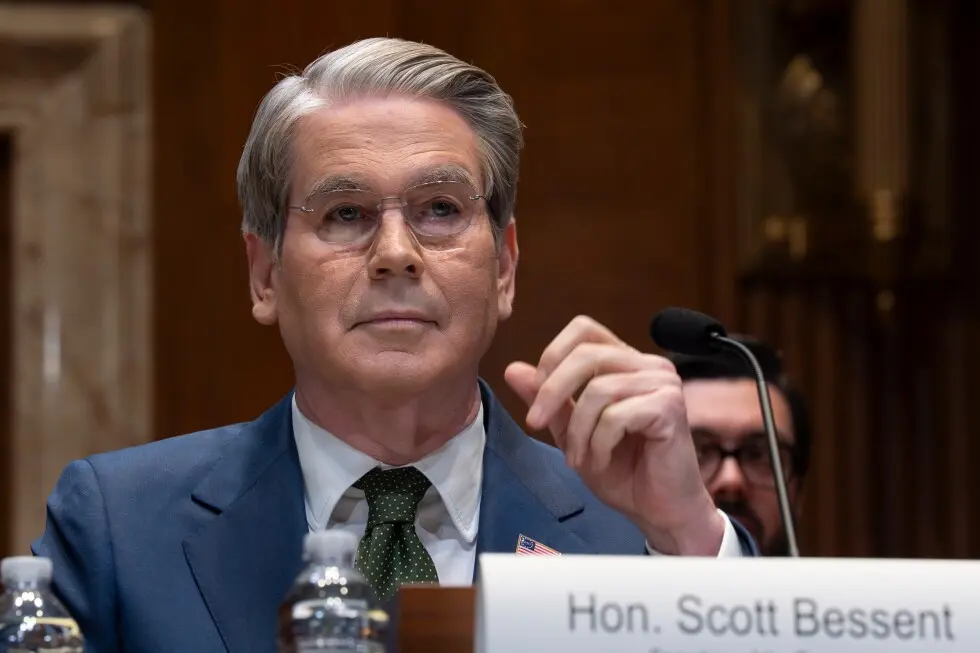
Treasury Secretary Scott Bessent testifies on his agency’s proposed budget estimates for fiscal year 2027 at a Senate Appropriation subcommittee, at the Capitol in Washington, Wednesday, April 22, 2026. (AP Photo/J. Scott Applewhite)
WASHINGTON (AP) — President Donald Trump’s administration is placing economic sanctions on a major China-based oil refinery and roughly 40 shipping companies and tankers involved in transporting Iranian oil.
The move, announced Friday and first reported by The Associated Press, makes good on Trump’s threat to impose secondary sanctions on companies and countries that do business with Iran. It’s also part of his Republican administration’s overall ramped-up campaign to cut off Iran’s key source of revenue — its oil exports.
Concurrently, the U.S. this month imposed a physical blockade on the Strait of Hormuz, the Persian Gulf waterway that is crucial to global energy supplies.
The sanctions, which cut off the companies from the U.S. financial system and penalize anyone who does business with them, come just a few weeks before President Donald Trump and China’s Xi Jinping are due to meet in China.
Included in Friday’s sanctions is Hengli Petrochemical’s facility in the port city of Dalian, which has a processing capacity of roughly 400,000 barrels of crude oil per day, making it one of the biggest independent refineries in China.
The Treasury Department says Hengli has received Iranian crude oil shipments since 2023 and has generated hundreds of millions of dollars in revenue for the Iranian military.
The advocacy group United Against Nuclear Iran said in February 2025 that Hengli is one of dozens of Chinese purchasers of Iranian oil.
China is the biggest buyer of Iranian oil, importing 80% to 90% of Iranian oil before the U.S.-Israeli war with Iran broke out, though the crude — transported by a shadow fleet of vessels — often has its origin obscured but arrives in China as oil from countries such as Malaysia. Smaller refineries, known as teapot refineries, typically are the buyers of Iranian oil.
Iran has previously said that its demands for ending the war include the lifting of sanctions.
Treasury Secretary Scott Bessent said Friday that his agency “will continue to constrict the network of vessels, intermediaries and buyers Iran relies on to move its oil to global markets.”
Earlier this month, Bessent’s department sent a letter to financial institutions in China, Hong Kong, the UAE and Oman threatening to levy secondary sanctions for doing business with Iran and accusing those countries of allowing Iranian illicit activities to flow through their financial institutions.
Bessent said during a White House press briefing on April 15 that the administration has told countries “that if you are buying Iranian oil, that if Iranian money is sitting in your banks, we are now willing to apply secondary sanctions, which is a very stern measure.”
The sanctions come as the global energy trade is in turmoil as war around the Persian Gulf chokes off oil and natural gas shipments, causing prices to soar.
Treasury has tried to quell the impact of rising oil prices issuing temporary sanctions waivers on Russia oil and a one-time waiver on Iranian oil already at sea.
The AP was making efforts to contact Chinese officials for comment on the sanctions.
China has disagreed with previous U.S. sanctions, but its major companies and banks still comply with U.S. sanctions because they are more exposed to the U.S.-dominated financial system.
After the U.S. earlier this month sanctioned a Chinese refinery accused of buying Iranian oil, Liu Pengyu, a spokesperson for China’s embassy in Washington, said the use of the sanctions “undermines international trade order and rules, disrupts normal economic and trade exchanges, and infringes upon the legitimate rights and interests of Chinese companies and individuals.”
WASHINGTON (AP) — President Donald Trump’s administration is placing economic sanctions on a major China-based oil refinery and roughly 40 shipping companies and tankers involved in transporting Iranian oil.
The move, announced Friday and first reported by The Associated Press, makes good on Trump’s threat to impose secondary sanctions on companies and countries that do business with Iran. It’s also part of his Republican administration’s overall ramped-up campaign to cut off Iran’s key source of revenue — its oil exports.
Concurrently, the U.S. this month imposed a physical blockade on the Strait of Hormuz, the Persian Gulf waterway that is crucial to global energy supplies.
The sanctions, which cut off the companies from the U.S. financial system and penalize anyone who does business with them, come just a few weeks before President Donald Trump and China’s Xi Jinping are due to meet in China.
Included in Friday’s sanctions is Hengli Petrochemical’s facility in the port city of Dalian, which has a processing capacity of roughly 400,000 barrels of crude oil per day, making it one of the biggest independent refineries in China.
The Treasury Department says Hengli has received Iranian crude oil shipments since 2023 and has generated hundreds of millions of dollars in revenue for the Iranian military.
The advocacy group United Against Nuclear Iran said in February 2025 that Hengli is one of dozens of Chinese purchasers of Iranian oil.
China is the biggest buyer of Iranian oil, importing 80% to 90% of Iranian oil before the U.S.-Israeli war with Iran broke out, though the crude — transported by a shadow fleet of vessels — often has its origin obscured but arrives in China as oil from countries such as Malaysia. Smaller refineries, known as teapot refineries, typically are the buyers of Iranian oil.
Iran has previously said that its demands for ending the war include the lifting of sanctions.
Treasury Secretary Scott Bessent said Friday that his agency “will continue to constrict the network of vessels, intermediaries and buyers Iran relies on to move its oil to global markets.”
Earlier this month, Bessent’s department sent a letter to financial institutions in China, Hong Kong, the UAE and Oman threatening to levy secondary sanctions for doing business with Iran and accusing those countries of allowing Iranian illicit activities to flow through their financial institutions.
Bessent said during a White House press briefing on April 15 that the administration has told countries “that if you are buying Iranian oil, that if Iranian money is sitting in your banks, we are now willing to apply secondary sanctions, which is a very stern measure.”
The sanctions come as the global energy trade is in turmoil as war around the Persian Gulf chokes off oil and natural gas shipments, causing prices to soar.
Treasury has tried to quell the impact of rising oil prices issuing temporary sanctions waivers on Russia oil and a one-time waiver on Iranian oil already at sea.
The AP was making efforts to contact Chinese officials for comment on the sanctions.
China has disagreed with previous U.S. sanctions, but its major companies and banks still comply with U.S. sanctions because they are more exposed to the U.S.-dominated financial system.
After the U.S. earlier this month sanctioned a Chinese refinery accused of buying Iranian oil, Liu Pengyu, a spokesperson for China’s embassy in Washington, said the use of the sanctions “undermines international trade order and rules, disrupts normal economic and trade exchanges, and infringes upon the legitimate rights and interests of Chinese companies and individuals.”