중국, 미국의 의약품 연구에 대항하는 기록적 규모의 생체자료은행 구축 경쟁
China races to build record biobank to rival U.S. drugs research
The Japan Times
· 🇯🇵 Tokyo, JP
Karoline Kan
EN
2026-04-29 10:58
Translated
중국 과학자들에게 자국산 생체자료은행에 대한 접근은 생명공학 기업의 발전을 가속화하고 글로벌 혁신 강국으로서의 중국의 지위를 공고히 할 수 있습니다.
미국의 신진 연구자였던 장리는 아침에 인간 조직을 채취하고 같은 날 오후에 데이터를 분석하는 효율적인 과정에 깊은 인상을 받았습니다.
이러한 체계적인 프로세스는 중국에서의 생물정보 과학자 교육 경험에서 부족했던 것이었습니다. 영감을 받은 그는 고향인 베이징으로 돌아와 중국 뇌과학 연구소에 합류했고, 뇌 질환의 패턴과 위험 요인을 파악하기 위해 33,000명의 어린이로부터 혈액 및 DNA 샘플을 수집할 국가 데이터베이스를 시작했습니다.
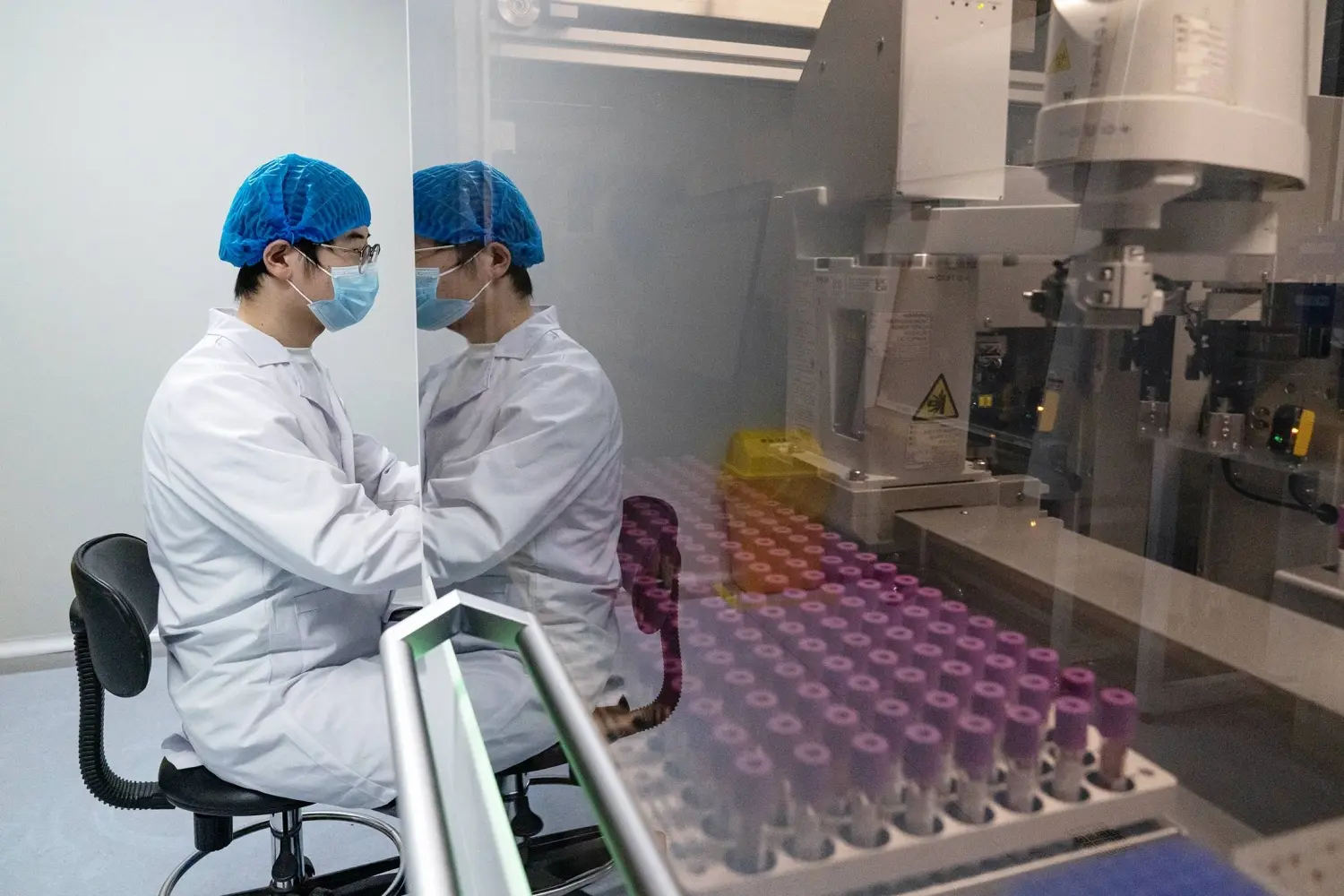
장은 혈액 샘플을 신중하게 정리하는 로봇 팔에 둘러싸여 "생의학 데이터는 극도로 가치 있으며 질병에 대한 해결책을 찾고 노화를 지연시키기 위한 기초입니다"라고 말했습니다.
이러한 체계적인 프로세스는 중국에서의 생물정보 과학자 교육 경험에서 부족했던 것이었습니다. 영감을 받은 그는 고향인 베이징으로 돌아와 중국 뇌과학 연구소에 합류했고, 뇌 질환의 패턴과 위험 요인을 파악하기 위해 33,000명의 어린이로부터 혈액 및 DNA 샘플을 수집할 국가 데이터베이스를 시작했습니다.
장은 혈액 샘플을 신중하게 정리하는 로봇 팔에 둘러싸여 "생의학 데이터는 극도로 가치 있으며 질병에 대한 해결책을 찾고 노화를 지연시키기 위한 기초입니다"라고 말했습니다.
처리 완료
1,387 tokens · $0.0034
기사 수집 완료 · 11:15
매체 피드에서 기사 메타데이터 수집
헤드라인 번역 완료 · 11:25
제목/요약 한국어 번역 (fetch 시점 inline)
claude-haiku-4-5-20251001
241 tokens
$0.00064
1.8s
본문 추출 완료
701자 추출 완료
본문 한국어 번역 완료 · 11:25
342자 번역 완료
claude-haiku-4-5-20251001
1,146 tokens
$0.00281
4.9s
지정학적 엔티티 추출 완료 · 11:25
3개 엔티티 추출 완료
지정학적 맥락 & R-Scanner
R-Scanner · 평상
z=-0.95
일상적인 보도 수준 — 기준: China
(🇨🇳 CN)
최근 6시간 10건
7일 평균 13.64건 / 6h
4개국 매체
4개 매체
본문에서 추출된 지명 (3)
위치 지도
지도 로딩 중…
같은 주제의 다른 기사 (최근 7일)
For Chinese scientists, access to homegrown biobanks could accelerate the advance of biotechnology companies and cement the country's place as a global innovation powerhouse.
As a fledgling researcher in U.S., Zhang Li was struck by the efficiency of extracting human tissue in the morning and mining it for data the same afternoon.Such a streamlined process had been missing from his years of training as a bio data scientist in China. Inspired, he returned home to Beijing to join the Chinese Institute for Brain Research and launch a national database that will collect blood and DNA samples from 33,000 children to help identify patterns of brain disease and their risk factors.
“Biomedical data is extremely valuable and is fundamental for us to find solutions to diseases and to delay aging,” said Zhang, surrounded by robotic arms carefully organizing blood samples.