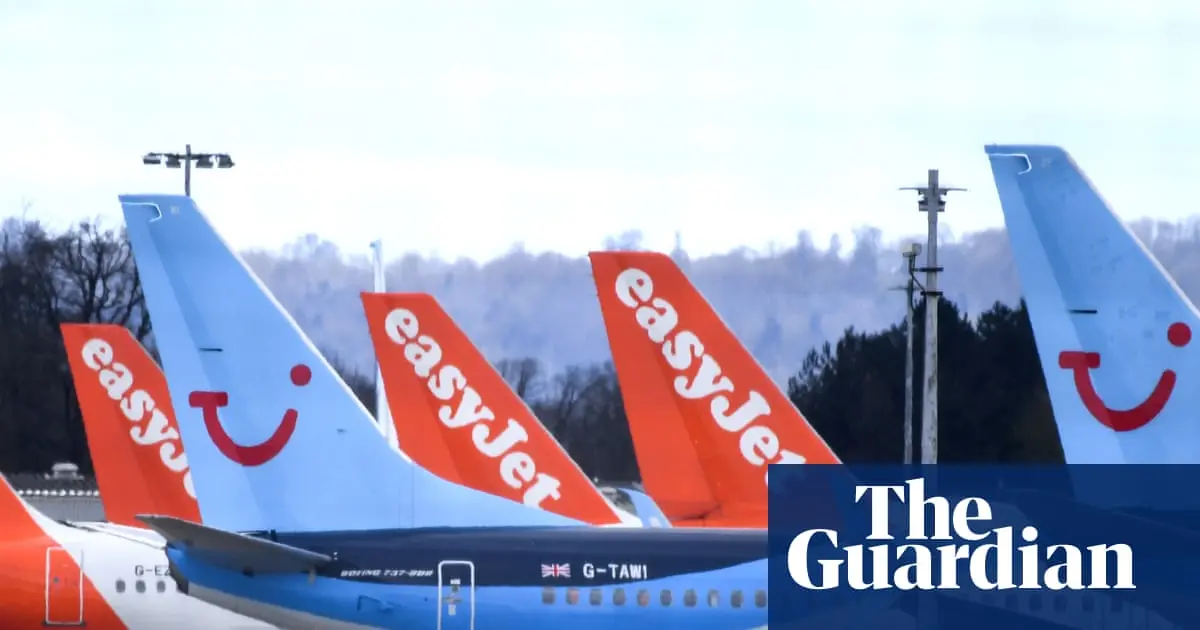
이란 전쟁 공급 충격 우려 속 영국 정유소에 제트 연료 생산 극대화 요청
UK refineries asked to maximise jet fuel production amid supply fears
The Guardian
· 🇬🇧 London, GB
Joanna Partridge
EN
2026-04-29 22:05
Translated
이란 전쟁으로 인한 공급 충격 시 항공기 운항 중단을 막기 위한 비상 계획에 따른 정부 요청. 항공사들은 분쟁으로 인한 급증하는 연료비에 직면해 있음.
영국 정유소들이 정부의 비상 계획의 일환으로 제트 연료 공급을 극대화해 달라는 요청을 받았다. 이란 전쟁이 항공기 운항을 중단시킬 수 있다는 우려가 커지고 있는 가운데서이다.
에너지장관 마이클 샹크스는 정부가 영국 제트 연료 재고를 긴밀히 모니터링하고 있으며 분쟁으로 인한 급증하는 연료비에 직면한 항공사, 공항, 연료 공급업체 및 다른 정부들과 협력하고 있다고 말했다.
걸프에서의 정상적인 화석 연료 흐름은 전쟁이 시작된 이후 사실상 중단 상태에 있다. 세계 석유와 가스의 5분의 1이 흐르는 중요한 해운 통로인 호르무즈 해협이 사실상 폐쇄되었기 때문이다.
샹크스는 장관 성명에서 "영국 항공사들은 일반적으로 수개월 전에 연료를 구매하며, 항공 연료 공급업체들은 비축 재고를 보유하고 있다. 영국은 해협에 의존하지 않는 미국을 포함한 다양한 국가로부터 제트 연료를 수입한다"고 썼다.
"Airlines UK는 '영국 항공사들이 정상적으로 운영 중이며 제트 연료 공급 문제를 겪지 않고 있다'고 밝혔다. 정부는 계속해서 파트너들과 협력하여 잠재적 중단을 모니터링하고 완화하고 있다"고 샹크스는 덧붙였다.
2025년 그랜지마우스와 린지 정유소 폐쇄 이후 영국에는 4개의 정유소만 남아 있다.
남은 영국 정유소는 다음과 같다: 햄프셔의 팔리(엑손모빌 소유), 링컨셔의 험버(필립스 66 소유), 웨일스의 펨브로크(발레로 소유), 에섹스의 스탠로우(에사르 소유).
이들 시설은 국내 수요를 충족하고 수출하기 위해 휘발유, 디젤, 제트 연료, 연료유를 포함한 다양한 정유 제품을 생산한다. 영국 정유소 수는 1970년대 최고 18개에서 감소했으며, 휘발유 및 디젤 생산량도 감소했다.
이는 지난주 글로벌 제트 연료 해상 수송량이 기록적 저수준으로 떨어진 것과 맞물렸다. 데이터 회사 클플러에 따르면 4월 26일까지 7일간 약 2백30만 톤의 제트 연료와 등유가 배로 운송되었다. 클플러는 2017년부터 수송량 추적을 시작했으며, 이 수치는 전쟁 전 주간 평균 수송량의 절반 미만이다.
항공사들은 일반적인 4~6주 기간 동안 공급 문제가 예상되지 않는다고 주장했지만, 일부 항공사들은 이미 항공편 취소를 발표했으며, 급증하는 연료비와 잠재적 공급 위기 속에서 정부 지원을 위해 로비 활동을 벌이고 있다.
연료 부족으로 인해 항공편을 취소하는 항공사들은 분주한 공항에서의 귀중한 이착륙 슬롯 사용 권리를 잃지 않을 것이다. 이는 일정 기간 동시에 운항하지 않을 경우 몰수될 수 있다.
금요일 영국 공항의 슬롯을 관리하는 독립 기구인 공항조정회사(Airport Coordination Ltd)에 의해 부족 시에는 "사용하지 않으면 잃는다"는 규칙의 예외가 부여될 수 있다고 발표되었다. 이는 중단을 최소화하고 항공사들이 슬롯을 보호하기 위해 운항하는 것을 방지하기 위한 시도이다.
저가 항공사 제트2는 수요일 연료 공급업체 및 공항과 계속 연락 중이라고 밝혔다.
그룹은 피크 여름 시즌의 연료 요구량의 87%를 평균 톤당 707달러의 가격으로 헤지했으며, 이는 "높은 수준의 비용 확실성"을 제공한다고 말했다.
제트2는 "현재 중동 분쟁을 둘러싼 지정학적 불확실성"이 휴가객들이 출발에 더 가까운 시점에 여행을 예약하도록 한다는 것을 의미하며, 피크 여름 시즌 및 그 이후의 예약을 예측하기 어렵다고 말했다.
히드로 공항도 분쟁으로 인한 "불확실한 전망"에 직면하고 있다고 투자자들에게 전했다. 중동의 공역 폐쇄로 인해 공항을 거쳐 환승하는 승객 수의 단기적 증가를 보고했음에도 불구하고.
올해 처음 3개월 동안 약 1천9백만 명의 승객이 공항을 거쳐 여행했으며, 이는 1년 전과 비교해 3.7% 증가했다.
히드로는 "일시적으로 다른 곳에서의 수요를 흡수했지만" "지역의 심각한 불확실성"을 감안할 때 올해 나머지 기간 동안 이것이 계속될 것으로 예상하지 않는다고 말했다.
에너지장관 마이클 샹크스는 정부가 영국 제트 연료 재고를 긴밀히 모니터링하고 있으며 분쟁으로 인한 급증하는 연료비에 직면한 항공사, 공항, 연료 공급업체 및 다른 정부들과 협력하고 있다고 말했다.
걸프에서의 정상적인 화석 연료 흐름은 전쟁이 시작된 이후 사실상 중단 상태에 있다. 세계 석유와 가스의 5분의 1이 흐르는 중요한 해운 통로인 호르무즈 해협이 사실상 폐쇄되었기 때문이다.
샹크스는 장관 성명에서 "영국 항공사들은 일반적으로 수개월 전에 연료를 구매하며, 항공 연료 공급업체들은 비축 재고를 보유하고 있다. 영국은 해협에 의존하지 않는 미국을 포함한 다양한 국가로부터 제트 연료를 수입한다"고 썼다.
"Airlines UK는 '영국 항공사들이 정상적으로 운영 중이며 제트 연료 공급 문제를 겪지 않고 있다'고 밝혔다. 정부는 계속해서 파트너들과 협력하여 잠재적 중단을 모니터링하고 완화하고 있다"고 샹크스는 덧붙였다.
2025년 그랜지마우스와 린지 정유소 폐쇄 이후 영국에는 4개의 정유소만 남아 있다.
남은 영국 정유소는 다음과 같다: 햄프셔의 팔리(엑손모빌 소유), 링컨셔의 험버(필립스 66 소유), 웨일스의 펨브로크(발레로 소유), 에섹스의 스탠로우(에사르 소유).
이들 시설은 국내 수요를 충족하고 수출하기 위해 휘발유, 디젤, 제트 연료, 연료유를 포함한 다양한 정유 제품을 생산한다. 영국 정유소 수는 1970년대 최고 18개에서 감소했으며, 휘발유 및 디젤 생산량도 감소했다.
이는 지난주 글로벌 제트 연료 해상 수송량이 기록적 저수준으로 떨어진 것과 맞물렸다. 데이터 회사 클플러에 따르면 4월 26일까지 7일간 약 2백30만 톤의 제트 연료와 등유가 배로 운송되었다. 클플러는 2017년부터 수송량 추적을 시작했으며, 이 수치는 전쟁 전 주간 평균 수송량의 절반 미만이다.
항공사들은 일반적인 4~6주 기간 동안 공급 문제가 예상되지 않는다고 주장했지만, 일부 항공사들은 이미 항공편 취소를 발표했으며, 급증하는 연료비와 잠재적 공급 위기 속에서 정부 지원을 위해 로비 활동을 벌이고 있다.
연료 부족으로 인해 항공편을 취소하는 항공사들은 분주한 공항에서의 귀중한 이착륙 슬롯 사용 권리를 잃지 않을 것이다. 이는 일정 기간 동시에 운항하지 않을 경우 몰수될 수 있다.
금요일 영국 공항의 슬롯을 관리하는 독립 기구인 공항조정회사(Airport Coordination Ltd)에 의해 부족 시에는 "사용하지 않으면 잃는다"는 규칙의 예외가 부여될 수 있다고 발표되었다. 이는 중단을 최소화하고 항공사들이 슬롯을 보호하기 위해 운항하는 것을 방지하기 위한 시도이다.
저가 항공사 제트2는 수요일 연료 공급업체 및 공항과 계속 연락 중이라고 밝혔다.
그룹은 피크 여름 시즌의 연료 요구량의 87%를 평균 톤당 707달러의 가격으로 헤지했으며, 이는 "높은 수준의 비용 확실성"을 제공한다고 말했다.
제트2는 "현재 중동 분쟁을 둘러싼 지정학적 불확실성"이 휴가객들이 출발에 더 가까운 시점에 여행을 예약하도록 한다는 것을 의미하며, 피크 여름 시즌 및 그 이후의 예약을 예측하기 어렵다고 말했다.
히드로 공항도 분쟁으로 인한 "불확실한 전망"에 직면하고 있다고 투자자들에게 전했다. 중동의 공역 폐쇄로 인해 공항을 거쳐 환승하는 승객 수의 단기적 증가를 보고했음에도 불구하고.
올해 처음 3개월 동안 약 1천9백만 명의 승객이 공항을 거쳐 여행했으며, 이는 1년 전과 비교해 3.7% 증가했다.
히드로는 "일시적으로 다른 곳에서의 수요를 흡수했지만" "지역의 심각한 불확실성"을 감안할 때 올해 나머지 기간 동안 이것이 계속될 것으로 예상하지 않는다고 말했다.
처리 완료
4,164 tokens · $0.0118
기사 수집 완료 · 22:25
매체 피드에서 기사 메타데이터 수집
헤드라인 번역 완료 · 22:35
제목/요약 한국어 번역 (fetch 시점 inline)
claude-haiku-4-5-20251001
510 tokens
$0.00150
3.4s
본문 추출 완료
3,949자 추출 완료
본문 한국어 번역 완료 · 22:35
1,898자 번역 완료
claude-haiku-4-5-20251001
3,654 tokens
$0.01031
19.6s
지정학적 엔티티 추출 완료 · 22:35
8개 엔티티 추출 완료
지정학적 맥락 & R-Scanner
R-Scanner · 핫스팟
z=5.01
평소보다 훨씬 많은 매체가 집중 보도 중 — 기준: United Kingdom
(🇬🇧 GB)
최근 6시간 37건
7일 평균 16.21건 / 6h
9개국 매체
12개 매체
본문에서 추출된 지명 (8)
United Kingdom
🇬🇧
Iran
🇮🇷
Persian Gulf
🇲🇺
Strait of Hormuz
🇮🇷
United States
🇺🇸
Hampshire
🇺🇸
Wales
🇬🇧
Middle East
🇺🇸
위치 지도
지도 로딩 중…
같은 주제의 다른 기사 (최근 7일)
Government request follows contingency planning to stop planes being grounded if Iran war supply shocks continueBusiness live – latest updatesBritish refineries have been asked to maximise jet fuel supply as part of government contingency planning, amid growing fears the Iran war will force planes to be grounded.Energy minister Michael Shanks said the government is closely monitoring UK jet fuel stocks and working with airlines, airports, fuel suppliers and other governments, as carriers face rocketing fuel costs as a result of the conflict.
British refineries have been asked to maximise jet fuel supply as part of government contingency planning, amid growing fears the Iran war will force planes to be grounded.Energy minister Michael Shanks said the government is closely monitoring UK jet fuel stocks and working with airlines, airports, fuel suppliers and other governments, as carriers face rocketing fuel costs as a result of the conflict.
Normal flows of fossil fuels from the Gulf have effectively been at a standstill since the war broke out, after the de facto closure of the important shipping channel, the strait of Hormuz, through which a fifth of the world’s oil and gas flows.
“UK airlines typically buy fuel months in advance, and aviation fuel suppliers hold bunkered stocks. The UK imports jet fuel supplies from a range of countries not reliant on the strait, including the United States,” wrote Shanks in a ministerial statement.
“Airlines UK have stated that ‘UK airlines continue to operate normally and are not experiencing issues with jet fuel supply.’ The government continues to work with partners to monitor and mitigate potential disruptions,” Shanks added.
There are now only four remaining refineries in the UK, after closures at the Grangemouth and Lindsey refineries in 2025.
The remaining UK refineries are: Fawley in Hampshire owned by ExxonMobil; Humber in Lincolnshire owned by Phillips 66; Valero’s Pembroke refinery in Wales; and Essar’s Stanlow site in Essex.
These sites produce a range of refined products including petrol, diesel, jet fuel and fuel oil to meet domestic demand and for export. The number of UK refineries has fallen from a peak of 18 in the 1970s, as has the UK’s output of petrol and diesel.
It came as global jet fuel shipments fell to the lowest recorded level last week. Just under 2.3m tonnes of jet fuel and kerosene were transported on ships in the seven days to 26 April, according to initial analysis by data company Kpler, which first began tracking shipments in 2017. The figure represents less than half the average weekly volume shipped before the war.
Airlines have insisted there are now no supply problems expected during their typical four-to-six week horizon, although some carriers have already announced flight cancellations, and have been lobbying for government help amid rising fuel prices and a possible supply crisis.
Airlines that cancel flights because of a lack of fuel will not lose their rights to valuable takeoff and landing slots at busy airports, which can be forfeited when flights fail to operate over a period.
It was announced on Friday that exemptions to the “use-it-or-lose-it” rule can be granted during shortages by Airport Coordination Ltd, the independent body that manages slots at UK airports, in an attempt to minimise disruption and prevent airlines from flying to protect slots.
Budget travel carrier Jet2 said on Wednesday it remained in contact with its fuel suppliers and airports.
The group said it had hedged 87% of its fuel requirement for the peak summer season, at an average price of $707 a metric tonne, giving it “a high degree of cost certainty”.
Jet2 said “current geopolitical uncertainty” over the Middle East conflict meant holidaymakers were booking trips closer to departure, making it difficult to predict bookings for the peak summer season and beyond.
Heathrow airport also told investors it was facing an “uncertain outlook” as a result of the conflict, despite reporting a short-term boost in the number of passengers travelling through the airport to change planes because of airspace closures in the Middle East.
Nearly 19 million passengers travelled through the airport during the first three months of the year, an increase of 3.7% compared with a year earlier.
Heathrow said it had “temporarily absorbed demand from elsewhere” but did not expect this to continue for the rest of the year, given “significant uncertainty” in the region.