트럼프, 이란 회담 이번 주 재개 가능성 시사하며 미 해상 봉쇄 지속
Trump hints Iran talks could resume this week as US maritime blockade continues
BBC News
· 🇬🇧 London, GB
EN
2026-04-15 07:53
Translated
유엔 사무총장 역시 회담 재개가 "매우 가능성 높다"고 밝혔다.
도널드 트럼프 대통령은 이번 주말 협상이 결렬된 후 미국이 이란 항구를 봉쇄한 가운데, 이란 전쟁 종식을 위한 회담이 이번 주 재개될 수 있다고 시사했다.
트럼프는 뉴욕포스트와의 인터뷰에서 "정말로 거기에 머물러 있어야 한다. 왜냐하면 향후 이틀 안에 무언가 일어날 수 있고, 우리는 [이슬라마바드]에 가는 것을 더 선호한다"고 말한 것으로 전해졌다.
그의 발언은 미군이 봉쇄 작전 첫 24시간 동안 미국이 강제한 이란 항구 및 연안 봉쇄를 통과한 선박이 없었다고 밝힌 가운데 나왔다.
이 대치 상황은 다음 주 만료 예정인 2주 휴전의 전망에 의문을 제기했다.
이란 측은 아직 트럼프의 발언에 대해 반응을 보이지 않았지만, 안토니우 구테흐스 유엔 사무총장은 회담 재개가 "매우 가능성 높다"고 말했다.
로이터 통신에 따르면, 걸프, 파키스탄, 이란 관계자들 역시 워싱턴과 테헤란의 협상단이 이번 주 후반 파키스탄으로 복귀할 수 있다고 밝혔으며, 아직 날짜는 합의되지 않았다.
외교가 계속될 것이라는 희망이 유가 시장을 진정시켜 화요일 기준 가격을 배럴당 100달러 아래로 끌어내렸다.
이란은 2월 28일 미국과 이스라엘의 공습을 받은 이래 석유와 가스 수송의 핵심 글로벌 수로인 호르무즈 해협을 사실상 봉쇄해왔다.
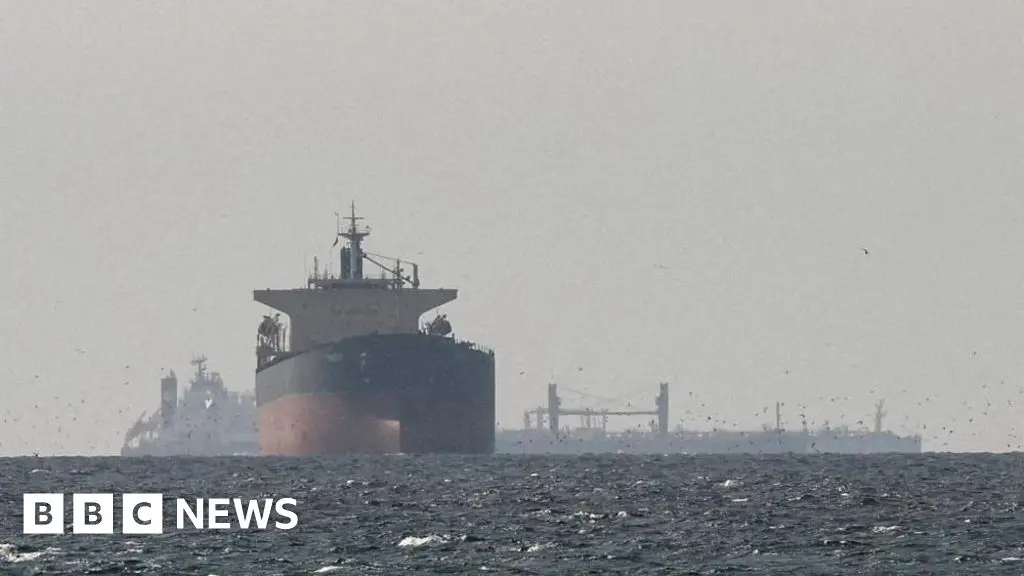
현재 10척 이상의 미국 전함과 약 1만 명의 미군이 이란 항구에 출입하는 모든 국적의 선박에 대한 봉쇄를 집행하며, 이란의 중요한 경제적 생명선을 차단하고 있다.
이는 이란의 두 가지 주요 수입원인 석유 수익과 해당 수로를 통과하는 선박에 대해 이란이 요구하는 상당한 통행료를 겨냥해 테헤란에 압력을 가하려는 목적이다.
중동 및 중앙아시아 일부 지역의 미군 활동을 담당하는 미 중부사령부(센트콤)는 봉쇄 첫 24시간 동안 6척의 상선이 미군의 지시에 따라 방향을 돌려 이란 항구로 복귀했다고 밝혔다.
BBC 검증팀이 분석한 선박 추적 데이터에 따르면, 봉쇄에도 불구하고 최소 4척의 이란 관련 화물선이 호르무즈 해협을 건넜다. 이 중 최소 2척은 이전에 이란 항구에 있었다.
BBC 검증팀은 이란과 무관한 추가 3척의 선박이 월요일 봉쇄 시작 후 해협을 건넌 것으로 확인됐다고 전했다.
주말 파키스탄 수도 이슬라마바드에서 열린 초고위급 협상은 어떤 합의도 이끌어내지 못했으며, 미국은 이란이 미국의 조건에 동의하지 않았다고 밝혔다.
이란의 핵 야망이 핵심 쟁점이었다.
미국 관리자는 BBC의 미국 파트너인 CBS 뉴스에 미국이 이란의 모든 우라늄 농축을 20년간 중단할 것을 제안했다고 전했다.
그러나 테헤란은 소식통에 따르면 다른 미국 언론에 5년간의 중단을 제안했다.
국제통화기금(IMF)이 전쟁이 세계 경제를 불황으로 빠뜨릴 수 있다고 경고한 가운데, 스콧 베슨트 미 재무장관은 BBC에 장기적인 국제 안보를 위해 "약간의 경제적 고통"은 감수할 가치가 있다고 말했다.
그러나 화요일 중국은 봉쇄를 "위험하고 무책임한" 것으로 규정하고, 이는 긴장을 고조시키고 이미 취약한 휴전 합의를 훼손할 것이라고 경고했다.
한편, 이스라엘과 레바논은 화요일 워싱턴에서의 회담 이후 이스라엘이 이란 지원 무장정파 헤즈볼라를 겨냥한 북쪽 이웃국 공습에서 비롯된 직접 협상을 시작하기로 합의했다.
미 국무부에서 열린 이 회담은 1993년 이후 두 나라 관리 간 첫 직접 회담이었으며, 레바논 주미 대사는 "생산적"이라고, 이스라엘 주미 대사는 "평화의 새 시대"라고 평가했다.
미국 관리자는 BBC에 이슬라마바드의 미국-이란 협상과 워싱턴의 이스라엘-레바논 회담 사이에는 연관이 없다고 강조했다.
트럼프는 뉴욕포스트와의 인터뷰에서 "정말로 거기에 머물러 있어야 한다. 왜냐하면 향후 이틀 안에 무언가 일어날 수 있고, 우리는 [이슬라마바드]에 가는 것을 더 선호한다"고 말한 것으로 전해졌다.
그의 발언은 미군이 봉쇄 작전 첫 24시간 동안 미국이 강제한 이란 항구 및 연안 봉쇄를 통과한 선박이 없었다고 밝힌 가운데 나왔다.
이 대치 상황은 다음 주 만료 예정인 2주 휴전의 전망에 의문을 제기했다.
이란 측은 아직 트럼프의 발언에 대해 반응을 보이지 않았지만, 안토니우 구테흐스 유엔 사무총장은 회담 재개가 "매우 가능성 높다"고 말했다.
로이터 통신에 따르면, 걸프, 파키스탄, 이란 관계자들 역시 워싱턴과 테헤란의 협상단이 이번 주 후반 파키스탄으로 복귀할 수 있다고 밝혔으며, 아직 날짜는 합의되지 않았다.
외교가 계속될 것이라는 희망이 유가 시장을 진정시켜 화요일 기준 가격을 배럴당 100달러 아래로 끌어내렸다.
이란은 2월 28일 미국과 이스라엘의 공습을 받은 이래 석유와 가스 수송의 핵심 글로벌 수로인 호르무즈 해협을 사실상 봉쇄해왔다.
현재 10척 이상의 미국 전함과 약 1만 명의 미군이 이란 항구에 출입하는 모든 국적의 선박에 대한 봉쇄를 집행하며, 이란의 중요한 경제적 생명선을 차단하고 있다.
이는 이란의 두 가지 주요 수입원인 석유 수익과 해당 수로를 통과하는 선박에 대해 이란이 요구하는 상당한 통행료를 겨냥해 테헤란에 압력을 가하려는 목적이다.
중동 및 중앙아시아 일부 지역의 미군 활동을 담당하는 미 중부사령부(센트콤)는 봉쇄 첫 24시간 동안 6척의 상선이 미군의 지시에 따라 방향을 돌려 이란 항구로 복귀했다고 밝혔다.
BBC 검증팀이 분석한 선박 추적 데이터에 따르면, 봉쇄에도 불구하고 최소 4척의 이란 관련 화물선이 호르무즈 해협을 건넜다. 이 중 최소 2척은 이전에 이란 항구에 있었다.
BBC 검증팀은 이란과 무관한 추가 3척의 선박이 월요일 봉쇄 시작 후 해협을 건넌 것으로 확인됐다고 전했다.
주말 파키스탄 수도 이슬라마바드에서 열린 초고위급 협상은 어떤 합의도 이끌어내지 못했으며, 미국은 이란이 미국의 조건에 동의하지 않았다고 밝혔다.
이란의 핵 야망이 핵심 쟁점이었다.
미국 관리자는 BBC의 미국 파트너인 CBS 뉴스에 미국이 이란의 모든 우라늄 농축을 20년간 중단할 것을 제안했다고 전했다.
그러나 테헤란은 소식통에 따르면 다른 미국 언론에 5년간의 중단을 제안했다.
국제통화기금(IMF)이 전쟁이 세계 경제를 불황으로 빠뜨릴 수 있다고 경고한 가운데, 스콧 베슨트 미 재무장관은 BBC에 장기적인 국제 안보를 위해 "약간의 경제적 고통"은 감수할 가치가 있다고 말했다.
그러나 화요일 중국은 봉쇄를 "위험하고 무책임한" 것으로 규정하고, 이는 긴장을 고조시키고 이미 취약한 휴전 합의를 훼손할 것이라고 경고했다.
한편, 이스라엘과 레바논은 화요일 워싱턴에서의 회담 이후 이스라엘이 이란 지원 무장정파 헤즈볼라를 겨냥한 북쪽 이웃국 공습에서 비롯된 직접 협상을 시작하기로 합의했다.
미 국무부에서 열린 이 회담은 1993년 이후 두 나라 관리 간 첫 직접 회담이었으며, 레바논 주미 대사는 "생산적"이라고, 이스라엘 주미 대사는 "평화의 새 시대"라고 평가했다.
미국 관리자는 BBC에 이슬라마바드의 미국-이란 협상과 워싱턴의 이스라엘-레바논 회담 사이에는 연관이 없다고 강조했다.
처리 완료
3,125 tokens · $0.0065
기사 수집 완료 · 08:10
매체 피드에서 기사 메타데이터 수집
헤드라인 번역 완료 · 08:25
제목/요약 한국어 번역 (fetch 시점 inline)
kimi-k2.5
162 tokens
$0.00030
3.3s
본문 추출 완료
3,896자 추출 완료
본문 한국어 번역 완료 · 08:25
1,757자 번역 완료
kimi-k2.5
2,963 tokens
$0.00621
55.9s
지정학적 엔티티 추출 완료 · 08:25
8개 엔티티 추출 완료
지정학적 맥락 & R-Scanner
R-Scanner · 평상
z=-2.22
일상적인 보도 수준 — 기준: Iran
(🇮🇷 IR)
최근 6시간 61건
7일 평균 81.07건 / 6h
13개국 매체
19개 매체
본문에서 추출된 지명 (8)
위치 지도
지도 로딩 중…
같은 주제의 다른 기사 (최근 7일)
The United Nations' secretary general also said it was "highly probable" that talks would restart.
President Donald Trump has suggested talks aimed at ending the war in Iran could resume this week, after negotiations collapsed at the weekend, prompting the US to blockade Iranian ports."You should stay there, really, because something could be happening over the next two days, and we're more inclined to go there [Islamabad]," Trump was quoted as saying in an interview with the New York Post.
His remarks came as the American military said no ships had passed through the US-enforced blockade of Iranian ports and coastal areas in the first 24 hours of the operation.
The stand-off has raised doubts over the prospects for a two-week ceasefire that is due to expire next week.
The Iranian side has not yet responded to Trump's remarks, but United Nations Secretary General António Guterres said it was "highly probable" that talks would restart.
Gulf, Pakistani and Iranian officials also said negotiating teams from Washington and Tehran could return to Pakistan later this week, with no date yet agreed, Reuters news agency reports.
Hopes that diplomacy might continue helped soothe oil markets, pushing benchmark prices below $100 on Tuesday.
Iran has effectively shut the Strait of Hormuz, a crucial global waterway for oil and gas transport, since it came under attack from US and Israeli air strikes on 28 February.
More than a dozen US warships and some 10,000 US military personnel are now enforcing the blockade against vessels of any country entering or leaving Iranian ports, starving Iran of a vital economic lifeline.
It is aimed at putting pressure on Tehran by targeting two of the country's major money sources: oil revenue and the significant tolls Iran demanded from ships for passage through the critical waterway.
US Central Command (Centcom), which has responsibility for US military activity in the Middle East and parts of Central Asia, said six merchant vessels had "complied with direction" from American forces to turn around and return to Iranian ports in the first 24 hours of the blockade.
Ship-tracking data analysed by BBC Verify showed that at least four Iran-linked shipping vessels had crossed the Strait of Hormuz despite the blockade. At least two of the ships had previously been at Iranian ports.
A further three ships that were not linked to Iran were seen to have crossed the strait after the blockade started on Monday, BBC Verify says.
Initial high-level negotiations that took place in the Pakistani capital of Islamabad over the weekend failed to produce any deal, with the US saying that Iran hadn't agreed to its terms.
Iran's nuclear ambitions were a key sticking point.
The US had proposed a 20-year suspension of all uranium enrichment by Iran, a US official told the BBC's US partner CBS News.
But Tehran had suggested a halt of five years, sources told other US media.
As the International Monetary Fund warned the war could plunge the global economy into recession, US Treasury Secretary Scott Bessent told the BBC that a "small bit of economic pain" is worthwhile for long-term international security.
On Tuesday, however, China described the blockade as "dangerous and irresponsible" and warned that it would only "exacerbate tensions and undermine the already fragile ceasefire agreement".
Meanwhile, Israel and Lebanon have agreed to launch direct negotiations after talks in Washington on Tuesday, stemming from Israeli airstrikes on its northern neighbour targeting the Iran-backed militant group Hezbollah.
The meeting at the US state department marked the first direct talks between the two countries' officials since 1993 and were described as "'productive" by the Lebanese ambassador to the US and a "new era of peace" by the Israeli ambassador.
A US official stressed to the BBC that there was no link between the negotiations between the US and Iran in Islamabad and the Israel-Lebanon talks in Washington.