일주일간 일회용 플라스틱 없이 생활하기: 치약 가루와 막힌 배수구
Tooth powder and blocked drains: My week without single-use plastic
Sydney Morning Herald
· 🇦🇺 Sydney, AU
Bianca Hall
EN
2026-04-26 04:30
Translated
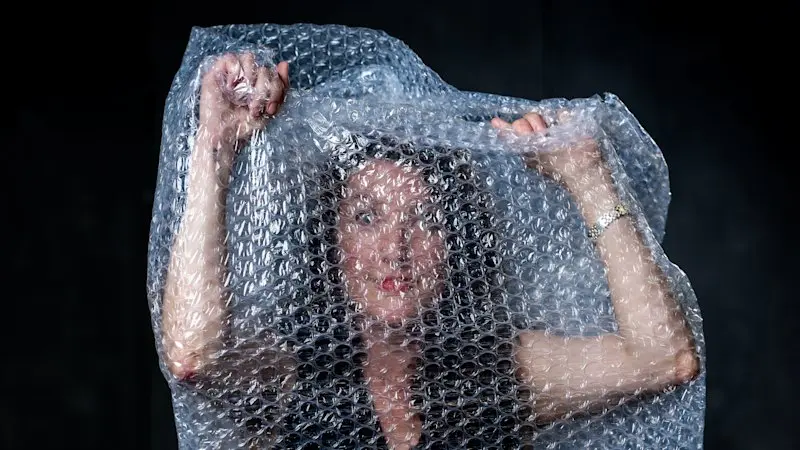
일회용 플라스틱은 어디에나 있지만, 대안들이 늘어나고 있다. 환경 기자인 필자가 일주일간 플라스틱 없이 살기는 간단해야 할까? 아니다.
저장된 항목의 최대 개수에 도달했습니다.
저장 목록에서 항목을 제거하여 더 추가하세요.
다음은 미세 플라스틱이 발견된 몇 가지 장소들입니다: 인간의 모유와 정액. 남극 펭귄과 일본의 야생조류의 폐. 신선한 과일과 채소. 생수. 구름.
세계는 매년 약 4억 5천만 톤의 새로운 플라스틱을 생산하며, 그 중 약 절반은 사용 후 즉시 버려지도록 설계되었습니다. 10% 미만만 재활용됩니다. 이는 나를 생각하게 했습니다: 일주일 동안 일회용 플라스틱 사용을 피하는 것이 얼마나 어려울까요? 전체적으로 거절할 수 없을까요?
나는 오랫동안 약간의 히피 기질을 가지고 있었습니다. 나는 패출리와 천연 섬유에 약한 편이고, 낭비에 대해 본능적으로 싫어합니다. 나는 랩 대신 밀랍 랩을 사용하고, 슈퍼마켓에서 플라스틱 생산품 봉투 사용을 거부하며, 포장 회사들이 더 두꺼운 봉투로 만들고 "재사용 가능"으로 브랜드를 변경하기 전에도 플라스틱 쇼핑백을 피했습니다.
이것은 식은 죽 먹기가 될 것 같습니다. 나는 A.J. 제이콥스가 뉴욕 타임스를 위해 하루 종일 플라스틱을 만지지 않으려고 했던 실험을 따라하려고 하는 것이 아닙니다; 지하철에 나무 의자를 가져가고, 촛불 아래서 손으로 관찰을 기록하기까지 했습니다.
일회용 플라스틱 없이 일주일을 준비하기 위해 나는 멜버른 북쪽 내부의 광활한 환경 허브인 세레스로 향합니다.
유리 항아리에 담긴 "치약 가루"($20.95)와 칫솔($4.95), 샴푸 바($13.95), 컨디셔닝 바($20.95), 그리고 비누($7.50)를 구입합니다. 내 편집자의 일주일간 돼지 털 칫솔을 사용하라는 이상한 주장에도 불구하고, 나는 그러한 것을 찾을 수 없습니다. 대나무 칫솔은 플라스틱 털이 달려 있어서, 나는 시작하기 전부터 이미 실패했습니다.
플라스틱은 단순히 어디에나 있을 뿐만 아니라 저렴합니다. 내 구매물은 $68이 들었고, 일회용 플라스틱으로 포장된 동등한 대량 생산 제품에 예상되는 가격의 두 배 이상입니다.
치약 가루는 끔찍합니다.
크림색 분말에는 다양한 찰흙과 소금, 그리고 라임, 정향, 레몬 머틀, 페퍼베리, 감초와 같은 성분들이 포함되어 있습니다.
종이 상자 포장은 이 분말로 200번 이를 닦을 수 있다고 약속하며, 2.5개의 플라스틱 치약 튜브를 매립지에서 구합니다. (또한 내 호흡을 "해독"하고 뇌 기능을 지원한다고 약속합니다; 과학적 증거가 부족한 약속들입니다.)
분말을 사용하는 것은 불안한 경험입니다. 나는 지시대로 칫솔을 적시고, 분말에 담급니다. 짠맛과 자극적인 냄새의 분말이 칫솔에 달라붙고 입 속에서 빠르게 찰흙으로 변합니다. 맛이 나를 메스껍게 하고, 헹굴 때 분말을 뱉으면, 전체 혼합물이 회색-녹색 진창으로 변합니다. 이를 199번 더 하는 전망은 매력적이지 않습니다.
나중에, 나와 딸은 과일과 채소를 쇼핑하기 위해 퀸 빅토리아 마켓으로 향합니다. 내 천 가방과 금속 "할머니 수레"가 슈퍼마켓에서 흔히 볼 수 있는 플라스틱 포장을 피하는 것을 쉽게 만들 것이라는 생각에 만족합니다.
신선한 농산물을 잔뜩 싣고 난 후 – 그녀의 영원한 곤혹함에 – 나는 깨끗한 유리 용기를 델리 섹션으로 가져가며, 가게 직원들은 눈썹을 까딱하지 않고 친절하게 채워줍니다. 아마도 더 많은 사람들이 이것을 하는 것 같습니다.
지금까지, 슈퍼마켓을 피하고 미리 계획함으로써, 일회용 플라스틱을 피하는 것은 식은 죽 먹기였습니다. 하지만 하루는 아직 끝나지 않았습니다.
친구가 아들에게 물려주려고 하는 아름다운 수제 재활용 목재 로프트 침대를 배달하러 옵니다. 단 하나의 문제가 있습니다.
아들이 더블 침대에서 자고 있었던 동안, 이 침대는 싱글 매트리스를 위한 공간만 있습니다. 나는 매트리스의 부드러움과 판지 상자로 포장되어 있다는 이유로 선택한 새로운 매트리스를 사기 위해 대형 상점으로 향합니다.
집에서 열어보니, 물건이 수미터의 두꺼운 플라스틱 포장으로 감싸여 있습니다. 이것은 수주일 동안 슈퍼마켓에서 가져가는 플라스틱보다 더 많습니다.
샴푸, 컨디셔너, 비누 바는 더 운이 좋아서 간단하게 사용할 수 있으며 패출리와 장미의 달콤하고 친숙한 향취를 제공합니다.
하지만 이제 개를 산책시킬 시간입니다. 이것은 심각한 윤리적 도덕적 딜레마를 제기합니다. 그녀의 배변을 줍기 위해 평소의 일회용 생분해 가능한 봉투를 가져갈까요? 아니면 A.J. 제이콥스를 따라 금속 숟가락을 가져갈까요? 북쪽 내부의 기준으로도, 이것은 나를 공인된 괴짜로 표시할 것입니다.
나는 종종 궁금해합니다 – 매우 신경쓰는 개에 끌려가며 산책할 때 – 미래 세대들이 우리가 플라스틱으로 조심스럽게 매장한 수십억 개의 개 배변 봉투를 발굴하기 시작할 때 우리에 대해 무엇이라고 생각할까요. 그들은 우리가 그것을 보존하려고 했다고 생각할까요?
어쨌든, 내 딜레마는 나머지가 보이지 않는 동안 그녀가 자연 경계선에 배변을 할 때 해결됩니다. 우리는 달아납니다.
전체 가족이 새로운 플라스틱 없음 도전에 탑승했습니다. 치약 가루가 이제 욕실을 덮고 있으며, 아이들 중 한 명이 가구에 물을 흘릴 때마다 회색 찰흙 패치가 형성됩니다. 유리 병 우유를 찾을 수 없어서, 우리는 우유 팩으로 전환했습니다. 그들은 아마도 적은 양의 플라스틱을 포함하고 있지만, 그것이 내가 찾을 수 있는 최선입니다.
작지만 답답한 방식으로 나는 실패하고 있습니다, 일회용 플라스틱이 내 머리를 빌려 살고 있음에도 불구하고 (아마도 2024년 미국 연구에 따르면 미세 플라스틱이 평균 뇌 무게의 약 0.5%를 구성한다는 것에 따르면 내 뇌에 실제로 있을 것입니다).
가장 답답한 일회용 플라스틱은 내 편집자와 나 모두 정말로 싫어하는 과일 스티커입니다. 1일차에 시장에서 교만스럽게 구매한 나시 배에서 스티커를 벗길 때 – 그것들이 나에게 세 번째 실패 비용을 들었다는 것을 깨닫습니다.
나중에, 나는 부주의하게 직장 휴게실에서 박하 차 한 잔을 만든 후 래퍼가 아마도 플라스틱을 포함하고 있다는 것을 깨닫습니다. 그러면 내 찻주머니도 그럴 가능성이 높습니다. 이 실험 – 영감을 주려고 했던 – 우울해지고 있습니다.
우리 욕실 싱크가 막혔습니다. 더 자세히 검사하면, 치약 가루의 찰흙으로 텁텁해져 있습니다. 나는 이것을 더 싫어할 수 없을 때가 바로입니다.
미국의 PR 에이전트로부터 일명 Sifts라는 제품에 대한 "이야기"를 제공하는 이메일을 받습니다. 이 제품은 신체에서 미세 플라스틱을 제거합니다. 명랑한 보도 자료에 따르면, Sifts는 신체에서 미세 플라스틱을 제거하기 위해 "결합 및 통과" 과정을 지원합니다. 즉, Sifts는 당신에게... 당신은 아이디어를 얻습니다.
플라스틱 없는 우유와 빵을 찾기는 도전이 되었으며, 특히 플라스틱으로 포장되지 않은 빵을 구매하는 것이 불가능한 지역 슈퍼마켓에서 더욱 그렇습니다. 다행히도, 늦은 구글 검색은 근처의 통곡물 식품점이 재사용 가능한 유리 병에 우유를 판매하고, 종이 가방에 신선한 빵을 판매하며, 포장 없이 수많은 다른 제품을 판매합니다.
Wholefoods Unwrapped Collective는 가브리엘 페스팅거에 의해 운영되며, 그녀가 나에게 말하기로는 "개인적 좌절감의 장소에서" 태어났습니다, 2020년 COVID 락다운의 한가운데서.
집에 머물러 있으면서 생각할 시간이 많아졌고, 집으로 끊임없이 밀려드는 포장에 좌절감을 느낀 페스팅거는 두부로 시작했습니다. 빵과 마찬가지로, 플라스틱 없는 두부는 슈퍼마켓에서 구매하기가 거의 불가능합니다. 그래서 페스팅거는 마을을 가로질러 공급자를 설득하여 대량의 두부 주문을 팔도록 했고, 자신의 재사용 가능한 용기에 담았습니다. 그러면, 제한이 허용되었을 때, 페스팅거는 주문을 늘렸고 그녀의 차고에서 플라스틱 없는 두부를 판매했습니다.
곧, 그녀는 두부를 기다리는 40명의 사람들이 늘어섰습니다. 6년 후, 페스팅거는 자신의 용기를 가져오거나 가게에서 빌리는 사람들에게 약 400개의 제품을 판매하는 완전히 플라스틱 없는 소매점을 운영합니다.
그녀는 이제 슈퍼마켓에 들어갈 때, 페스팅거가 나에게 말하기로는, "나는 서두르고, 불안하며 감각적 과부하의 감각으로 맞습니다. 형광등, 제품의 대량, 그리고 '빠른 쇼핑'의 압박은 순수하게 거래적이고 임상적으로 느껴집니다."
물리적 환경을 넘어서, 그녀는 "우리가 직면하고 있는 기후 응급 상황에 대한 거대한 슈퍼마켓 기업들의 대응 부족에 대한 깊은 절망감"을 느낍니다.
"부드러운 플라스틱으로 포장된 과일과 채소는 의도적인 설계 결함처럼 느껴집니다 – 변화의 필요성이 부인할 수 없게 되었음에도 불구하고 피벗을 거부하는 경직된 시스템의 눈에 띄는 상징."
다음 며칠은 큰 사건 없이 지나갑니다. 나는 욕실 싱크를 막고 이를 풀었고, 곧 다시 막혔습니다. 아이들은 이제 부드러워진 찰흙을 분지에 뱉는 것이 금지되며, 휴지통이나 바깥으로 뱉으라고 지시받습니다. 나는 평소의 치약으로 되돌아갔습니다.
매우 적은 플라스틱이 집으로 들어오고 있고, 모두가 의식적으로 소비에 대해 생각하고 있어서, 긍정적입니다. 우리는 시장과 소규모 사업에서 쇼핑하고 있습니다. 내 딸은 개를 산책시키며 생분해 가능한 봉투를 이용하고 있습니다 (이 봉투도 몇 가지 플라스틱 성분을 포함하고 있습니다).
이 모든 것에도 불구하고, 우리 집은 여전히 플라스틱으로 가득 차 있습니다 – 우리의 옷, 욕실, 부엌에. 플라스틱에서 벗어나는 것은 시간이 걸릴 것입니다.
나는 지난 수십 년 동안 우리의 삶에 엄청난 양의 일회용 플라스틱을 추진한 필요성 창조에 대해 계속 생각합니다. 2십 년 전에, 나는 울워스에서 셀러리 줄기 2개 또는 3개를 살 수 있었습니다. 오늘날, 주요 슈퍼마켓에서 플라스틱 포장 없이 셀러리, 양배추 및 기타 채소 – 특히 유기농 – 를 구매하는 것은 거의 불가능합니다.
우리 중 누구도 과일에 플라스틱 스티커를 원하지 않았고, 채소가 수백 년 동안 미세 플라스틱을 흘릴 세 겹의 플라스틱으로 우리 집에 들어오는 것을 원하지 않았습니다.
호주 해양 보존 협회 플라스틱 캠페이너 Cip Hamilton은 우리가 증가하는 플라스틱 생산 주위에 구축된 시스템에서 살고 있다고 말합니다.
"큰 슈퍼마켓에서 플라스틱 없는 과일과 채소의 비용이 더 드는 것부터, 우리가 좋아하는 해변에 쌓이는 미세 플라스틱까지, 우리 모두는 플라스틱 과잉 생산의 영향을 경험하고 있습니다," 그녀가 말합니다.
"일회용 플라스틱은 우리 생활의 거의 모든 모서리로 밀려들고 있으며, 이를 피하기는 거의 불가능합니다. 너무 자주, 플라스틱 없는 선택지들이 우리에게서 빼앗기고 있습니다."
지난달, 호주의 주, 준주 및 연방 환경 장관들은 포장에 대한 부과금과 재활용에 실패한 포장 생산자에 대한 처벌을 제안하기 위해 만났습니다.
이전 환경 장관 Tanya Plibersek이 2023년에 폐기물 감소를 그 공급망에 고려하도록 산업을 강제하기 위해 포장 규제 개혁을 시행하겠다고 처음 약속했음에도 불구하고, 합의에 도달하지 못했습니다.
일회용 플라스틱 소비를 피하기 위해 일주일을 시도한 후, 한 가지가 명확해졌습니다: 당신은 확실히 주요 슈퍼마켓에서 쇼핑함으로써 그것을 할 수 없습니다.
하지만 2020년 페스팅거의 집 밖에서의 줄들이 보여주듯이, 더 많은 사람들이 최근 수십 년 동안 발전한 플라스틱 위기를 전복하기 위해 선택하고 있습니다.
성 Carol 고객은 성을 사용하지 않기를 선호하며, 우리의 생활 방식은 종종 우리의 습관에 의해 주도된다고 지적합니다.
"따라서 사람들이 플라스틱을 사용하지 않는 데 개인적 이점을 볼 수 있다면, 그들은 습관을 바꿀 가능성이 더 높습니다," 그녀가 말합니다.
"나는 감소한 플라스틱 환경의 이점에 대한 욕망과 인식이 사람들이 일회용 포장의 환경적 영향의 일상적 증거를 볼 수 있기 때문에 증가하고 있다고 믿습니다."
치약 가루의 힘을 과소평가하지 마세요. 우리의 싱크는 다시 막혔습니다.
기후 변화와 환경에서 일어나고 있는 일의 핵심에 도달하세요.
저장 목록에서 항목을 제거하여 더 추가하세요.
다음은 미세 플라스틱이 발견된 몇 가지 장소들입니다: 인간의 모유와 정액. 남극 펭귄과 일본의 야생조류의 폐. 신선한 과일과 채소. 생수. 구름.
세계는 매년 약 4억 5천만 톤의 새로운 플라스틱을 생산하며, 그 중 약 절반은 사용 후 즉시 버려지도록 설계되었습니다. 10% 미만만 재활용됩니다. 이는 나를 생각하게 했습니다: 일주일 동안 일회용 플라스틱 사용을 피하는 것이 얼마나 어려울까요? 전체적으로 거절할 수 없을까요?
나는 오랫동안 약간의 히피 기질을 가지고 있었습니다. 나는 패출리와 천연 섬유에 약한 편이고, 낭비에 대해 본능적으로 싫어합니다. 나는 랩 대신 밀랍 랩을 사용하고, 슈퍼마켓에서 플라스틱 생산품 봉투 사용을 거부하며, 포장 회사들이 더 두꺼운 봉투로 만들고 "재사용 가능"으로 브랜드를 변경하기 전에도 플라스틱 쇼핑백을 피했습니다.
이것은 식은 죽 먹기가 될 것 같습니다. 나는 A.J. 제이콥스가 뉴욕 타임스를 위해 하루 종일 플라스틱을 만지지 않으려고 했던 실험을 따라하려고 하는 것이 아닙니다; 지하철에 나무 의자를 가져가고, 촛불 아래서 손으로 관찰을 기록하기까지 했습니다.
일회용 플라스틱 없이 일주일을 준비하기 위해 나는 멜버른 북쪽 내부의 광활한 환경 허브인 세레스로 향합니다.
유리 항아리에 담긴 "치약 가루"($20.95)와 칫솔($4.95), 샴푸 바($13.95), 컨디셔닝 바($20.95), 그리고 비누($7.50)를 구입합니다. 내 편집자의 일주일간 돼지 털 칫솔을 사용하라는 이상한 주장에도 불구하고, 나는 그러한 것을 찾을 수 없습니다. 대나무 칫솔은 플라스틱 털이 달려 있어서, 나는 시작하기 전부터 이미 실패했습니다.
플라스틱은 단순히 어디에나 있을 뿐만 아니라 저렴합니다. 내 구매물은 $68이 들었고, 일회용 플라스틱으로 포장된 동등한 대량 생산 제품에 예상되는 가격의 두 배 이상입니다.
치약 가루는 끔찍합니다.
크림색 분말에는 다양한 찰흙과 소금, 그리고 라임, 정향, 레몬 머틀, 페퍼베리, 감초와 같은 성분들이 포함되어 있습니다.
종이 상자 포장은 이 분말로 200번 이를 닦을 수 있다고 약속하며, 2.5개의 플라스틱 치약 튜브를 매립지에서 구합니다. (또한 내 호흡을 "해독"하고 뇌 기능을 지원한다고 약속합니다; 과학적 증거가 부족한 약속들입니다.)
분말을 사용하는 것은 불안한 경험입니다. 나는 지시대로 칫솔을 적시고, 분말에 담급니다. 짠맛과 자극적인 냄새의 분말이 칫솔에 달라붙고 입 속에서 빠르게 찰흙으로 변합니다. 맛이 나를 메스껍게 하고, 헹굴 때 분말을 뱉으면, 전체 혼합물이 회색-녹색 진창으로 변합니다. 이를 199번 더 하는 전망은 매력적이지 않습니다.
나중에, 나와 딸은 과일과 채소를 쇼핑하기 위해 퀸 빅토리아 마켓으로 향합니다. 내 천 가방과 금속 "할머니 수레"가 슈퍼마켓에서 흔히 볼 수 있는 플라스틱 포장을 피하는 것을 쉽게 만들 것이라는 생각에 만족합니다.
신선한 농산물을 잔뜩 싣고 난 후 – 그녀의 영원한 곤혹함에 – 나는 깨끗한 유리 용기를 델리 섹션으로 가져가며, 가게 직원들은 눈썹을 까딱하지 않고 친절하게 채워줍니다. 아마도 더 많은 사람들이 이것을 하는 것 같습니다.
지금까지, 슈퍼마켓을 피하고 미리 계획함으로써, 일회용 플라스틱을 피하는 것은 식은 죽 먹기였습니다. 하지만 하루는 아직 끝나지 않았습니다.
친구가 아들에게 물려주려고 하는 아름다운 수제 재활용 목재 로프트 침대를 배달하러 옵니다. 단 하나의 문제가 있습니다.
아들이 더블 침대에서 자고 있었던 동안, 이 침대는 싱글 매트리스를 위한 공간만 있습니다. 나는 매트리스의 부드러움과 판지 상자로 포장되어 있다는 이유로 선택한 새로운 매트리스를 사기 위해 대형 상점으로 향합니다.
집에서 열어보니, 물건이 수미터의 두꺼운 플라스틱 포장으로 감싸여 있습니다. 이것은 수주일 동안 슈퍼마켓에서 가져가는 플라스틱보다 더 많습니다.
샴푸, 컨디셔너, 비누 바는 더 운이 좋아서 간단하게 사용할 수 있으며 패출리와 장미의 달콤하고 친숙한 향취를 제공합니다.
하지만 이제 개를 산책시킬 시간입니다. 이것은 심각한 윤리적 도덕적 딜레마를 제기합니다. 그녀의 배변을 줍기 위해 평소의 일회용 생분해 가능한 봉투를 가져갈까요? 아니면 A.J. 제이콥스를 따라 금속 숟가락을 가져갈까요? 북쪽 내부의 기준으로도, 이것은 나를 공인된 괴짜로 표시할 것입니다.
나는 종종 궁금해합니다 – 매우 신경쓰는 개에 끌려가며 산책할 때 – 미래 세대들이 우리가 플라스틱으로 조심스럽게 매장한 수십억 개의 개 배변 봉투를 발굴하기 시작할 때 우리에 대해 무엇이라고 생각할까요. 그들은 우리가 그것을 보존하려고 했다고 생각할까요?
어쨌든, 내 딜레마는 나머지가 보이지 않는 동안 그녀가 자연 경계선에 배변을 할 때 해결됩니다. 우리는 달아납니다.
전체 가족이 새로운 플라스틱 없음 도전에 탑승했습니다. 치약 가루가 이제 욕실을 덮고 있으며, 아이들 중 한 명이 가구에 물을 흘릴 때마다 회색 찰흙 패치가 형성됩니다. 유리 병 우유를 찾을 수 없어서, 우리는 우유 팩으로 전환했습니다. 그들은 아마도 적은 양의 플라스틱을 포함하고 있지만, 그것이 내가 찾을 수 있는 최선입니다.
작지만 답답한 방식으로 나는 실패하고 있습니다, 일회용 플라스틱이 내 머리를 빌려 살고 있음에도 불구하고 (아마도 2024년 미국 연구에 따르면 미세 플라스틱이 평균 뇌 무게의 약 0.5%를 구성한다는 것에 따르면 내 뇌에 실제로 있을 것입니다).
가장 답답한 일회용 플라스틱은 내 편집자와 나 모두 정말로 싫어하는 과일 스티커입니다. 1일차에 시장에서 교만스럽게 구매한 나시 배에서 스티커를 벗길 때 – 그것들이 나에게 세 번째 실패 비용을 들었다는 것을 깨닫습니다.
나중에, 나는 부주의하게 직장 휴게실에서 박하 차 한 잔을 만든 후 래퍼가 아마도 플라스틱을 포함하고 있다는 것을 깨닫습니다. 그러면 내 찻주머니도 그럴 가능성이 높습니다. 이 실험 – 영감을 주려고 했던 – 우울해지고 있습니다.
우리 욕실 싱크가 막혔습니다. 더 자세히 검사하면, 치약 가루의 찰흙으로 텁텁해져 있습니다. 나는 이것을 더 싫어할 수 없을 때가 바로입니다.
미국의 PR 에이전트로부터 일명 Sifts라는 제품에 대한 "이야기"를 제공하는 이메일을 받습니다. 이 제품은 신체에서 미세 플라스틱을 제거합니다. 명랑한 보도 자료에 따르면, Sifts는 신체에서 미세 플라스틱을 제거하기 위해 "결합 및 통과" 과정을 지원합니다. 즉, Sifts는 당신에게... 당신은 아이디어를 얻습니다.
플라스틱 없는 우유와 빵을 찾기는 도전이 되었으며, 특히 플라스틱으로 포장되지 않은 빵을 구매하는 것이 불가능한 지역 슈퍼마켓에서 더욱 그렇습니다. 다행히도, 늦은 구글 검색은 근처의 통곡물 식품점이 재사용 가능한 유리 병에 우유를 판매하고, 종이 가방에 신선한 빵을 판매하며, 포장 없이 수많은 다른 제품을 판매합니다.
Wholefoods Unwrapped Collective는 가브리엘 페스팅거에 의해 운영되며, 그녀가 나에게 말하기로는 "개인적 좌절감의 장소에서" 태어났습니다, 2020년 COVID 락다운의 한가운데서.
집에 머물러 있으면서 생각할 시간이 많아졌고, 집으로 끊임없이 밀려드는 포장에 좌절감을 느낀 페스팅거는 두부로 시작했습니다. 빵과 마찬가지로, 플라스틱 없는 두부는 슈퍼마켓에서 구매하기가 거의 불가능합니다. 그래서 페스팅거는 마을을 가로질러 공급자를 설득하여 대량의 두부 주문을 팔도록 했고, 자신의 재사용 가능한 용기에 담았습니다. 그러면, 제한이 허용되었을 때, 페스팅거는 주문을 늘렸고 그녀의 차고에서 플라스틱 없는 두부를 판매했습니다.
곧, 그녀는 두부를 기다리는 40명의 사람들이 늘어섰습니다. 6년 후, 페스팅거는 자신의 용기를 가져오거나 가게에서 빌리는 사람들에게 약 400개의 제품을 판매하는 완전히 플라스틱 없는 소매점을 운영합니다.
그녀는 이제 슈퍼마켓에 들어갈 때, 페스팅거가 나에게 말하기로는, "나는 서두르고, 불안하며 감각적 과부하의 감각으로 맞습니다. 형광등, 제품의 대량, 그리고 '빠른 쇼핑'의 압박은 순수하게 거래적이고 임상적으로 느껴집니다."
물리적 환경을 넘어서, 그녀는 "우리가 직면하고 있는 기후 응급 상황에 대한 거대한 슈퍼마켓 기업들의 대응 부족에 대한 깊은 절망감"을 느낍니다.
"부드러운 플라스틱으로 포장된 과일과 채소는 의도적인 설계 결함처럼 느껴집니다 – 변화의 필요성이 부인할 수 없게 되었음에도 불구하고 피벗을 거부하는 경직된 시스템의 눈에 띄는 상징."
다음 며칠은 큰 사건 없이 지나갑니다. 나는 욕실 싱크를 막고 이를 풀었고, 곧 다시 막혔습니다. 아이들은 이제 부드러워진 찰흙을 분지에 뱉는 것이 금지되며, 휴지통이나 바깥으로 뱉으라고 지시받습니다. 나는 평소의 치약으로 되돌아갔습니다.
매우 적은 플라스틱이 집으로 들어오고 있고, 모두가 의식적으로 소비에 대해 생각하고 있어서, 긍정적입니다. 우리는 시장과 소규모 사업에서 쇼핑하고 있습니다. 내 딸은 개를 산책시키며 생분해 가능한 봉투를 이용하고 있습니다 (이 봉투도 몇 가지 플라스틱 성분을 포함하고 있습니다).
이 모든 것에도 불구하고, 우리 집은 여전히 플라스틱으로 가득 차 있습니다 – 우리의 옷, 욕실, 부엌에. 플라스틱에서 벗어나는 것은 시간이 걸릴 것입니다.
나는 지난 수십 년 동안 우리의 삶에 엄청난 양의 일회용 플라스틱을 추진한 필요성 창조에 대해 계속 생각합니다. 2십 년 전에, 나는 울워스에서 셀러리 줄기 2개 또는 3개를 살 수 있었습니다. 오늘날, 주요 슈퍼마켓에서 플라스틱 포장 없이 셀러리, 양배추 및 기타 채소 – 특히 유기농 – 를 구매하는 것은 거의 불가능합니다.
우리 중 누구도 과일에 플라스틱 스티커를 원하지 않았고, 채소가 수백 년 동안 미세 플라스틱을 흘릴 세 겹의 플라스틱으로 우리 집에 들어오는 것을 원하지 않았습니다.
호주 해양 보존 협회 플라스틱 캠페이너 Cip Hamilton은 우리가 증가하는 플라스틱 생산 주위에 구축된 시스템에서 살고 있다고 말합니다.
"큰 슈퍼마켓에서 플라스틱 없는 과일과 채소의 비용이 더 드는 것부터, 우리가 좋아하는 해변에 쌓이는 미세 플라스틱까지, 우리 모두는 플라스틱 과잉 생산의 영향을 경험하고 있습니다," 그녀가 말합니다.
"일회용 플라스틱은 우리 생활의 거의 모든 모서리로 밀려들고 있으며, 이를 피하기는 거의 불가능합니다. 너무 자주, 플라스틱 없는 선택지들이 우리에게서 빼앗기고 있습니다."
지난달, 호주의 주, 준주 및 연방 환경 장관들은 포장에 대한 부과금과 재활용에 실패한 포장 생산자에 대한 처벌을 제안하기 위해 만났습니다.
이전 환경 장관 Tanya Plibersek이 2023년에 폐기물 감소를 그 공급망에 고려하도록 산업을 강제하기 위해 포장 규제 개혁을 시행하겠다고 처음 약속했음에도 불구하고, 합의에 도달하지 못했습니다.
일회용 플라스틱 소비를 피하기 위해 일주일을 시도한 후, 한 가지가 명확해졌습니다: 당신은 확실히 주요 슈퍼마켓에서 쇼핑함으로써 그것을 할 수 없습니다.
하지만 2020년 페스팅거의 집 밖에서의 줄들이 보여주듯이, 더 많은 사람들이 최근 수십 년 동안 발전한 플라스틱 위기를 전복하기 위해 선택하고 있습니다.
성 Carol 고객은 성을 사용하지 않기를 선호하며, 우리의 생활 방식은 종종 우리의 습관에 의해 주도된다고 지적합니다.
"따라서 사람들이 플라스틱을 사용하지 않는 데 개인적 이점을 볼 수 있다면, 그들은 습관을 바꿀 가능성이 더 높습니다," 그녀가 말합니다.
"나는 감소한 플라스틱 환경의 이점에 대한 욕망과 인식이 사람들이 일회용 포장의 환경적 영향의 일상적 증거를 볼 수 있기 때문에 증가하고 있다고 믿습니다."
치약 가루의 힘을 과소평가하지 마세요. 우리의 싱크는 다시 막혔습니다.
기후 변화와 환경에서 일어나고 있는 일의 핵심에 도달하세요.
처리 완료
250 tokens · $0.0007
기사 수집 완료 · 04:35
매체 피드에서 기사 메타데이터 수집
헤드라인 번역 완료 · 04:46
제목/요약 한국어 번역 (fetch 시점 inline)
claude-haiku-4-5-20251001
250 tokens
$0.00067
1.7s
본문 추출 완료
11,476자 추출 완료
본문 한국어 번역 완료 · 04:46
5,881자 번역 완료
지정학적 엔티티 추출 완료 · 04:46
6개 엔티티 추출 완료
지정학적 맥락 & R-Scanner
R-Scanner · 평상
z=-1.52
일상적인 보도 수준 — 기준: Australia
(🇦🇺 AU)
최근 6시간 15건
7일 평균 22.36건 / 6h
3개국 매체
4개 매체
본문에서 추출된 지명 (6)
위치 지도
지도 로딩 중…
같은 주제의 다른 기사 (최근 7일)
Single-use plastic is ubiquitous, but alternatives are growing. It should be simple for an environment reporter to live for a week without it, right? Wrong.
You have reached your maximum number of saved items.Remove items from your saved list to add more.
Here are some places microplastics have been found: human breastmilk and human semen. Antarctic penguins and the lungs of wild birds in Japan. Fresh fruit and vegetables. Bottled water. Clouds.
The world creates around 450 million tonnes of new plastic each year, about half of which is designed to be used for moments before being thrown away. Less than 10 per cent of it is recycled. Which got me thinking: how hard would it be to avoid using any single-use plastic for a week? Couldn’t I just opt out of the entire thing?
I’ve long been a bit of a hippie. I’ve got a soft spot for patchouli and natural fibres, and a reflexive dislike of waste. I use beeswax wraps instead of cling wrap, refuse to use plastic produce bags in supermarkets, and avoided plastic shopping bags even before packaging companies skirted the ban on single-use by making them thicker and rebranding them as “reusable”.
This should be a breeze, I think. It’s not like I’m trying to replicate A.J. Jacobs’ experiment for The New York Times, when he tried to go without even touching plastic for an entire day; going so far as to take a wooden chair onto the subway, and handwriting his observations by candlelight.
To prepare for my week without single-use plastic, I head to Ceres, a sprawling environmental hub in Melbourne’s inner north.
I stock up on “tooth powder” in a glass jar ($20.95) and a toothbrush ($4.95), a shampoo bar ($13.95), conditioning bar ($20.95), and soap ($7.50). Despite my editor’s weird insistence on me using a hog-bristle toothbrush for the week, I can find no such thing. The bamboo toothbrush comes with plastic bristles, and so I’ve failed before I’ve even begun.
Plastic isn’t just ubiquitous, it’s cheap. My haul costs $68, more than double what you’d expect to pay for equivalent mass-produced products encased in single-use plastics.
The tooth powder is awful.
The cream-coloured powder contains various clays and salts, and ingredients like lime, clove, lemon myrtle, pepper berry and liquorice.
Its cardboard packaging promises I’ll be able to brush my teeth 200 times with the powder, saving 2.5 plastic toothpaste tubes from landfill. (It also promises to “detox” my breath and support my brain function; promises strangely lacking any scientific evidence.)
Using the powder is a disconcerting experience. I wet my toothbrush as directed, and dunk it into the powder. The salty and pungent powder adheres to the toothbrush and quickly turns to clay in my mouth. The flavour makes me gag and, when I spit out the paste to rinse, the whole mess has turned into a greyish-green mush. The prospect of doing this a further 199 times does not appeal.
Later, my daughter and I head to the Queen Victoria Market to shop for fruit and veg. I’m smug in the knowledge my cloth bags and metal “nanna cart”, as she calls it, will make skipping the ubiquitous plastic packaging found in supermarkets a breeze.
We load up on fresh produce, and then – to her eternal mortification – I take my clean glass containers to the deli section, where store holders obligingly fill them without batting an eyelid. Maybe more people do this than I’d realised.
So far, by avoiding supermarkets and planning ahead, avoiding single-use plastic has been a breeze. But the day is not yet out.
A friend comes over to deliver a beautiful, handmade recycled timber loft bed he’s passing on to my son. There’s only one problem.
While my son had been sleeping on a double bed, this bunk has only space for a single mattress. I head over to a big box shop to pick up a new one, chosen both for the softness of the mattress, and also because it comes packaged in a cardboard box.
Opening it at home, I discover the thing is wrapped in metres upon metres of thick plastic packaging. It’s more plastic than I would bring home from a supermarket in weeks.
I have better luck with the shampoo, conditioner and soap bars, which are straightforward to use and lend the sweet and familiar scent of patchouli and rose.
But then it’s time to walk the dog. This throws up a serious ethical and moral conundrum. Do I take the usual single-use biodegradable bags (which are designed to break down in landfill but still contain plastic) to pick up her droppings? Or do I follow A.J. Jacobs’ lead and bring along a metal spoon? Even by the standards of the inner north, this would mark me as a certified weirdo.
I often wonder – as I’m getting yanked along on a walk by our highly strung dog – what generations to come will make of us when they start excavating all the billions of bags of dog poop we have so carefully interred in plastic. Will they think we were trying to preserve it?
Either way, my conundrum is resolved when, as I’m walking the dog with a metal spoon secreted up the sleeve of my jumper, she poops on a nature strip while there’s no one in sight. We run for it.
The whole family is on board with the no-new plastic challenge. Tooth powder now coats our bathroom, and whenever one of the kids spills water onto the cabinetry, grey clay patches form. Unable to find glass bottles of milk, we’ve switched to milk cartons. They probably contain small amounts of plastic, but it’s the best I can find.
I’m failing in small but frustrating ways, despite the fact single-use plastic is living rent-free in my head (it’s probably in my brain for real, according to a 2024 US study that showed microplastics comprised about 0.5 per cent of the weight of an average brain).
The most irritating single-use plastic, my editor and I agree, are the fruit stickers we both so detest. It’s only as I peel a sticker off my Nashi pear – smugly bought at the market on day one– that I realise they’ve cost me failure number three.
Later, I absent-mindedly make myself a cup of peppermint tea in the tearoom at work before realising the wrapper probably contains plastic. Then again, my teabag most likely does too. This experiment – meant to be inspiring – is getting depressing.
Our bathroom sink is blocked. On closer inspection, it’s gunked up with clay from the tooth powder. Just when I thought I couldn’t dislike this stuff more.
I get an email from a PR agent in the United States offering a “story” about a product called Sifts, which supposedly rids the body of microplastics. According to the upbeat press release, Sifts supports a “bind and pass” process to eliminate the body of microplastics. That is, Sifts gives you the ... You get the idea.
Finding plastic-free milk and bread has been a challenge, particularly at my local supermarkets where it’s impossible to buy bread that’s not packaged in plastic. Happily, an overdue Google search reveals a nearby wholefoods retailer sells milk in reusable glass bottles, fresh bread in paper bags, and myriad other products without packaging.
Wholefoods Unwrapped Collective, run by Gabrielle Pestinger, was born “from a place of personal frustration”, she tells me, at the height of COVID lockdowns in 2020.
Finding herself at home with lots of time to think, and frustrated at the incessant packing creeping into their house, Pestinger started with tofu. Like bread, plastic-free tofu is just about impossible to buy at supermarkets. So Pestinger convinced a supplier across town to sell her some bulk tofu orders, and packed them into her own reusable containers. Then, when restrictions allowed, Pestinger upped her order and sold plastic-free tofu from her driveway.
Soon, she had 40 people lining up for tofu. Six years later, Pestinger runs an entirely plastic-free retail store selling some 400 products to people who bring their own containers, or borrow one from the shop.
When she goes into a supermarket now, Pestinger tells me, “I feel rushed, frazzled and hit by a sense of sensory overload. The fluorescent lights, the mass of products, and the pressure of ‘fast shopping’ feels purely transactional and clinical.”
Beyond the physical environment, she feels “a profound sense of doom regarding the lack of response from huge supermarket corporations to the climate emergency we are facing”.
“Fruit and vegetable wrapped in soft plastic feels like a deliberate design flaw – a visible symbol of a rigid system that refuses to pivot, even as the need for change becomes undeniable.”
The next few days pass with little incident. I unblock the bathroom sink, and it soon blocks again. The kids are now banned from spitting softened clay into the basin, and told to spit it into the bin or outside. I’ve reverted to my usual toothpaste.
Very little plastic is coming into the house now, and everyone is consciously thinking about their consumption, which is positive. We’re shopping at markets and small businesses. My daughter is walking the dog, armed with compostable bags (although even these have some plastic components).
Despite all this, our house is still filled with plastic – in our clothes, in the bathroom and in the kitchen. Ridding ourselves of plastic is going to take time.
I keep thinking about the needs-creation that has propelled the sheer volume of single-use plastic into our lives over the past few decades. Two decades ago, I could buy two or three celery sticks at Woolworths. Today, it’s just about impossible to buy celery, cabbages and other vegetables – especially organic – without plastic wrapping in any major supermarket.
None of us asked for plastic stickers on our fruit, or for vegetables to come into our homes covered in as many as three layers of plastic that will shed microplastics for hundreds of years.
Australian Marine Conservation Society plastics campaigner Cip Hamilton says we’re living in a system built around increasing plastic production.
“From plastic-free fruit and veg costing more at the big supermarkets, to microplastics piling up on our favourite beaches, we’re all experiencing the impacts of plastic overproduction,” she says.
“Disposable plastic is being pushed into nearly every corner of our lives, and it’s almost impossible to avoid. Too often, plastic-free choices are being taken away from us.”
Last month, Australia’s state, territory and federal environment ministers met to discuss a proposed levy on packaging, and penalties for packaging producers that fail to recycle.
Despite former environment minister Tanya Plibersek first promising in 2023 to implement an overhaul of packaging regulation to force the industry to factor waste reduction into its supply chains, no agreement has been reached.
After trying to go for a week without consuming single-use plastics, one thing has become clear to me: you definitely can’t do it by shopping at major supermarkets.
But as the queues outside Pestinger’s home during 2020 showed, more people are opting to subvert the plastics crisis that has developed in recent decades.
Customer Carol, who prefers not to use her last name, points out that our lifestyle is often driven by our habits.
“So if people can see a personal advantage in not using plastic they are more likely to change a habit,” she says.
“I believe the desire and awareness of the benefits of a reduced plastic environment is growing because people can see the everyday evidence of the environmental impact of single-use packaging.”
Just make sure you don’t underestimate the power of tooth powder. Our sink is blocked again.
Get to the heart of what’s happening with climate change and the environment.