진드기 시즌이 빠르게 시작되고 있으며, 일부 전문가들은 향후 질병에 대해 우려하고 있습니다
Tick season seems to be off to a fast start, and some experts worry about future illnesses
Associated Press
· 🇺🇸 New York, US
https://apnews.com/author/mike-stobbe
EN
2026-04-26 02:00
Translated
진드기 시즌이 빠르게 시작되고 있으며, 이미 전국에서 비정상적으로 많은 물림 사례가 보고되고 있습니다. 질병통제예방센터는 이번 주에 국민을 대상으로 진드기에 대비하도록 조기 공고를 발표했습니다.
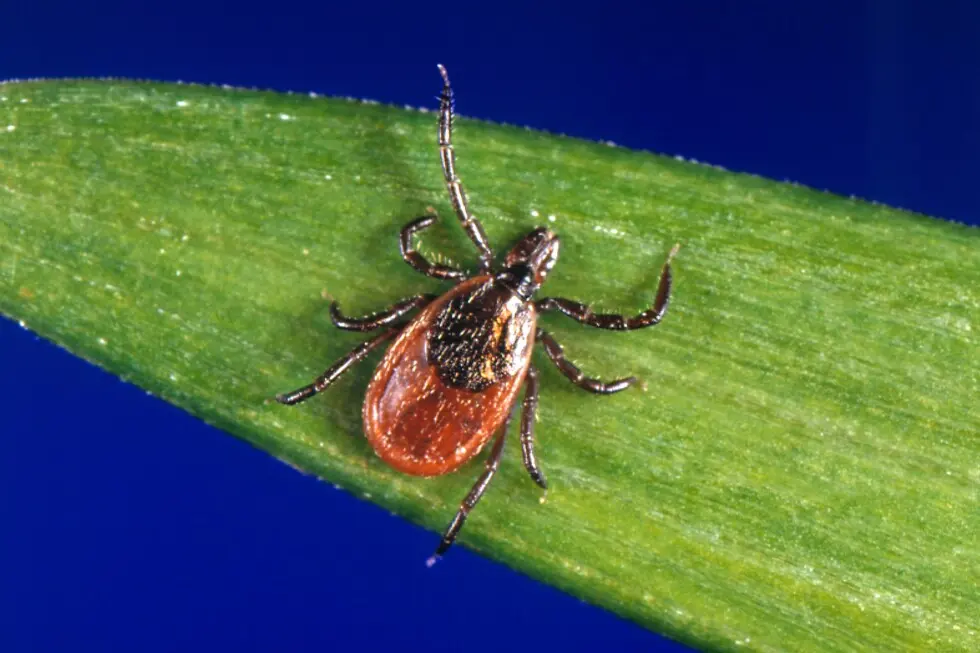
미국 질병통제예방센터가 제공한 이 날짜 미상의 사진은 사슴 진드기라고도 불리는 검은다리 진드기를 보여줍니다. (질병통제예방센터/AP, 파일)
진드기 시즌이 빠르게 시작되고 있으며, 이미 전국에서 비정상적으로 많은 물림 사례가 보고되고 있습니다. 질병통제예방센터는 국민을 대상으로 진드기에 대비하도록 조기 공고를 발표했습니다.
뉴욕 (AP) — 진드기 시즌이 빠르게 시작되고 있으며, 이미 전국에서 비정상적으로 많은 물림 사례가 보고되고 있습니다.
일부 미국 의사들은 진드기 매개 질병이 심한 해가 될 가능성에 대해 우려하고 있습니다.
"노출이 많으면 진드기 관련 감염 사례가 더 많아질 것입니다"라고 코네티컷 주 미들타운의 미들섹스 병원 감염병 의사인 알리나 필로조프 박사는 말했습니다.
질병통제예방센터는 이번 주에 국민을 대상으로 진드기에 대비하도록 조기 공고를 발표했습니다.
진드기 물림은 일반적으로 5월에 증가하지만, "현재 데이터는 지금이 조치를 취해야 할 시간임을 알려주고 있습니다"라고 질병통제예방센터의 라임병 전문가 앨리슨 힌클리는 말했습니다. "진드기가 활동 중이고 사람들이 물리고 있습니다."
현재 데이터는 매우 제한적이지만, 초기 신호는 좋지 않습니다.
질병통제예방센터의 추적 시스템은 진드기 물림으로 인한 응급실 방문의 주간 비율이 2017년 이후 이 시기의 최고 수준임을 보여줍니다. 미국 남중부를 제외한 모든 지역에서 이것이 사실입니다.
약 85%의 미국 병원 응급실이 감시 시스템에 데이터를 전송하지만, 병원에 가지 않은 사람들은 포함되지 않습니다.
연구자들의 체계적인 진드기 샘플링으로 진드기 개체군의 변화를 파악하는 데 몇 개월이 걸릴 것입니다. 그리고 모든 물림이 감염으로 이어지는 것은 아니기 때문에, 의료 전문가들이 라임병이나 다른 질병의 실제 증가가 있는지 알아내는 데도 시간이 걸릴 것입니다.
진드기는 작은 8개 다리를 가진 혈액을 빨아먹는 기생충으로, 곤충이 아니라 절지동물입니다. 진드기는 동물과 때때로 사람의 피를 먹습니다.
진드기 개체군은 연중 다양하며, 그들의 수는 여러 요인에 따라 달라집니다. 기후 변화는 널리 영향을 미치고 있다고 생각됩니다. 진드기는 따뜻하고 습한 날씨를 좋아하며, 온화한 겨울 이후에 더 많이 볼 수 있습니다. 그들이 먹이로 삼을 수 있는 더 많은 사슴과 생쥐의 가용성도 영향을 미칠 수 있습니다.
일부 진드기는 라임병, 로키산 반점열, 그리고 붉은 고기 알레르기인 알파-갈 증후군을 포함한 심각한 질병을 유발할 수 있는 세균에 감염되어 있습니다. 라임병이 가장 흔하며, 질병통제예방센터에 따르면 매년 약 476,000명이 치료를 받습니다. 감염은 일반적으로 항생제로 치료됩니다.
지금까지 올해 북동부에서 발견된 대부분의 진드기는 큰 성체 진드기입니다. 하지만 앞으로 몇 주 동안 미성숙 요충이 더 흔해질 것입니다. 요충의 출현과 더 많은 사람들이 야외에서 시간을 보내는 것은 진드기 물림이 5월에 가장 높은 이유 중 하나입니다. 더 나쁜 것은, 사람에게 붙은 작은 요충은 보기 어렵고 종종 더 오래 머물러 있어 감염 위험을 증가시킨다고 전문가들은 말합니다.
코네티컷은 진드기 매개 질병과 관련이 있습니다. 라임병은 그곳의 한 마을의 이름을 따왔습니다. 그리고 이번 달 초, 코네티컷 농업 실험소는 주민들이 이미 평균적으로 하루에 30마리의 진드기를 테스트를 위해 제출하고 있다고 보고했습니다.
주 관계자들은 또한 제출된 진드기 중 비정상적으로 높은 비율인 40%가 라임병을 유발하는 박테리아에 대해 양성 판정을 받았다고 말했습니다.
코네티컷 농업 실험소의 진드기 연구자인 스콧 윌리엄스에 따르면, 지난 2년간 비정상적으로 많은 수의 생쥐를 포함하여 진드기 개체군 확산을 도와온 여러 요인들이 있습니다.
우리가 가진 것은 지금까지 초기 스냅샷일 뿐입니다. 같은 기관의 야생동물 생물학자인 메건 린스키는 말했습니다. 그녀는 문제가 계속 악화될 것으로 예상하며, 더 많은 진드기가 더 많은 지역에 퍼질 것으로 예상합니다.
전문가들은 야외에 나가면 수풀 지역과 수풀 지역으로 흘러가는 풀밭 부동산을 주목할 것을 권고합니다. 진드기는 의심하지 않는 개나 인간에게 달라붙기를 기다리며 위쪽 다리를 뻗은 채 발목 높이의 식생 위에 자리를 잡는 경향이 있습니다.
경로의 중간을 걷도록 노력하세요. 제충국 퍼메트린으로 처리한 밝은 색의 옷을 입으세요. 그리고 환경보호국(EPA) 등록 곤충 퇴치제를 사용하세요.
진드기를 발견했다면 즉시 제거하세요. 진드기가 며칠 동안 당신 몸에 있었다고 생각하거나 발진이나 다른 증상이 나타나면 의사를 찾아갈 필요는 없습니다. 전문가들이 말했습니다.
Associated Press 보건 과학부는 Howard Hughes Medical Institute의 과학 교육 부서와 Robert Wood Johnson Foundation의 지원을 받습니다. AP는 모든 콘텐츠에 대해 단독으로 책임집니다.
미국 질병통제예방센터가 제공한 이 날짜 미상의 사진은 사슴 진드기라고도 불리는 검은다리 진드기를 보여줍니다. (질병통제예방센터/AP, 파일)
진드기 시즌이 빠르게 시작되고 있으며, 이미 전국에서 비정상적으로 많은 물림 사례가 보고되고 있습니다. 질병통제예방센터는 국민을 대상으로 진드기에 대비하도록 조기 공고를 발표했습니다.
뉴욕 (AP) — 진드기 시즌이 빠르게 시작되고 있으며, 이미 전국에서 비정상적으로 많은 물림 사례가 보고되고 있습니다.
일부 미국 의사들은 진드기 매개 질병이 심한 해가 될 가능성에 대해 우려하고 있습니다.
"노출이 많으면 진드기 관련 감염 사례가 더 많아질 것입니다"라고 코네티컷 주 미들타운의 미들섹스 병원 감염병 의사인 알리나 필로조프 박사는 말했습니다.
질병통제예방센터는 이번 주에 국민을 대상으로 진드기에 대비하도록 조기 공고를 발표했습니다.
진드기 물림은 일반적으로 5월에 증가하지만, "현재 데이터는 지금이 조치를 취해야 할 시간임을 알려주고 있습니다"라고 질병통제예방센터의 라임병 전문가 앨리슨 힌클리는 말했습니다. "진드기가 활동 중이고 사람들이 물리고 있습니다."
현재 데이터는 매우 제한적이지만, 초기 신호는 좋지 않습니다.
질병통제예방센터의 추적 시스템은 진드기 물림으로 인한 응급실 방문의 주간 비율이 2017년 이후 이 시기의 최고 수준임을 보여줍니다. 미국 남중부를 제외한 모든 지역에서 이것이 사실입니다.
약 85%의 미국 병원 응급실이 감시 시스템에 데이터를 전송하지만, 병원에 가지 않은 사람들은 포함되지 않습니다.
연구자들의 체계적인 진드기 샘플링으로 진드기 개체군의 변화를 파악하는 데 몇 개월이 걸릴 것입니다. 그리고 모든 물림이 감염으로 이어지는 것은 아니기 때문에, 의료 전문가들이 라임병이나 다른 질병의 실제 증가가 있는지 알아내는 데도 시간이 걸릴 것입니다.
진드기는 작은 8개 다리를 가진 혈액을 빨아먹는 기생충으로, 곤충이 아니라 절지동물입니다. 진드기는 동물과 때때로 사람의 피를 먹습니다.
진드기 개체군은 연중 다양하며, 그들의 수는 여러 요인에 따라 달라집니다. 기후 변화는 널리 영향을 미치고 있다고 생각됩니다. 진드기는 따뜻하고 습한 날씨를 좋아하며, 온화한 겨울 이후에 더 많이 볼 수 있습니다. 그들이 먹이로 삼을 수 있는 더 많은 사슴과 생쥐의 가용성도 영향을 미칠 수 있습니다.
일부 진드기는 라임병, 로키산 반점열, 그리고 붉은 고기 알레르기인 알파-갈 증후군을 포함한 심각한 질병을 유발할 수 있는 세균에 감염되어 있습니다. 라임병이 가장 흔하며, 질병통제예방센터에 따르면 매년 약 476,000명이 치료를 받습니다. 감염은 일반적으로 항생제로 치료됩니다.
지금까지 올해 북동부에서 발견된 대부분의 진드기는 큰 성체 진드기입니다. 하지만 앞으로 몇 주 동안 미성숙 요충이 더 흔해질 것입니다. 요충의 출현과 더 많은 사람들이 야외에서 시간을 보내는 것은 진드기 물림이 5월에 가장 높은 이유 중 하나입니다. 더 나쁜 것은, 사람에게 붙은 작은 요충은 보기 어렵고 종종 더 오래 머물러 있어 감염 위험을 증가시킨다고 전문가들은 말합니다.
코네티컷은 진드기 매개 질병과 관련이 있습니다. 라임병은 그곳의 한 마을의 이름을 따왔습니다. 그리고 이번 달 초, 코네티컷 농업 실험소는 주민들이 이미 평균적으로 하루에 30마리의 진드기를 테스트를 위해 제출하고 있다고 보고했습니다.
주 관계자들은 또한 제출된 진드기 중 비정상적으로 높은 비율인 40%가 라임병을 유발하는 박테리아에 대해 양성 판정을 받았다고 말했습니다.
코네티컷 농업 실험소의 진드기 연구자인 스콧 윌리엄스에 따르면, 지난 2년간 비정상적으로 많은 수의 생쥐를 포함하여 진드기 개체군 확산을 도와온 여러 요인들이 있습니다.
우리가 가진 것은 지금까지 초기 스냅샷일 뿐입니다. 같은 기관의 야생동물 생물학자인 메건 린스키는 말했습니다. 그녀는 문제가 계속 악화될 것으로 예상하며, 더 많은 진드기가 더 많은 지역에 퍼질 것으로 예상합니다.
전문가들은 야외에 나가면 수풀 지역과 수풀 지역으로 흘러가는 풀밭 부동산을 주목할 것을 권고합니다. 진드기는 의심하지 않는 개나 인간에게 달라붙기를 기다리며 위쪽 다리를 뻗은 채 발목 높이의 식생 위에 자리를 잡는 경향이 있습니다.
경로의 중간을 걷도록 노력하세요. 제충국 퍼메트린으로 처리한 밝은 색의 옷을 입으세요. 그리고 환경보호국(EPA) 등록 곤충 퇴치제를 사용하세요.
진드기를 발견했다면 즉시 제거하세요. 진드기가 며칠 동안 당신 몸에 있었다고 생각하거나 발진이나 다른 증상이 나타나면 의사를 찾아갈 필요는 없습니다. 전문가들이 말했습니다.
Associated Press 보건 과학부는 Howard Hughes Medical Institute의 과학 교육 부서와 Robert Wood Johnson Foundation의 지원을 받습니다. AP는 모든 콘텐츠에 대해 단독으로 책임집니다.
처리 완료
4,441 tokens · $0.0126
기사 수집 완료 · 02:00
매체 피드에서 기사 메타데이터 수집
헤드라인 번역 완료 · 02:15
제목/요약 한국어 번역 (fetch 시점 inline)
claude-haiku-4-5-20251001
116 tokens
$0.00025
1.1s
본문 추출 완료
5,235자 추출 완료
본문 한국어 번역 완료 · 02:15
2,531자 번역 완료
claude-haiku-4-5-20251001
4,325 tokens
$0.01231
23.2s
지정학적 엔티티 추출 완료 · 02:15
6개 엔티티 추출 완료
지정학적 맥락 & R-Scanner
R-Scanner · 평상
z=-2.5
일상적인 보도 수준 — 기준: United States
(🇺🇸 US)
최근 6시간 66건
7일 평균 89.82건 / 6h
8개국 매체
11개 매체
본문에서 추출된 지명 (6)
위치 지도
지도 로딩 중…
같은 주제의 다른 기사 (최근 7일)
Tick season seems to be off to a fast start, with an unusually high number of bites already reported across the country. The Centers for Disease Control and Prevention this week issued an early advisory to the public to guard against ticks.
This undated photo provided by the U.S. Centers for Disease Control and Prevention shows a blacklegged tick, also known as a deer tick. (CDC via AP, File)
Tick season seems to be off to a fast start, with an unusually high number of bites already reported across the country. The Centers for Disease Control and Prevention this week issued an early advisory to the public to guard against ticks.
This undated photo provided by the U.S. Centers for Disease Control and Prevention shows a blacklegged tick, also known as a deer tick. (CDC via AP, File)
This undated photo provided by the U.S. Centers for Disease Control and Prevention shows a blacklegged tick, also known as a deer tick. (CDC via AP, File)
NEW YORK (AP) — Tick season seems to be off to a fast start, with an unusually high number of bites already reported across the country.
Some U.S. doctors are worried about the potential for a bad year for tick-borne diseases.
“If you have a lot of exposures, there will probably be more cases of tick-related infections,” said Dr. Alina Filozov, an infectious disease doctor at Middlesex Hospital in Middletown, Connecticut.
The Centers for Disease Control and Prevention issued an early advisory to the public this week to guard against ticks.
Tick bites typically spike in May, but “the data are telling us now is the time to take action,” said Alison Hinckley, a CDC Lyme disease expert. “Ticks are out and people are getting bitten.”
Current data is very limited, but the early signs are not good.
The CDC’s tracking system shows that weekly rates of ER visits for tick bites are the highest for this time of year since 2017. That’s true in all regions of the country, except the south-central United States.
About 85% of U.S. hospital emergency departments send data to the surveillance system, but it doesn’t capture people who didn’t go to a hospital.
It will take months for systematic tick sampling by researchers to chart changes in tick populations. And because not every bite results in an infection, it will also take time for medical experts to know whether there’s an actual surge in Lyme disease or other illnesses.
Ticks are small, eight-legged bloodsucking parasites — arachnids, not insects — that feed on animals and sometimes people.
Tick populations vary throughout the year, and their numbers depend on a few factors. Climate change is widely believed to be having an effect: Ticks like warm, humid weather, and more can be seen after a mild winter. The more deer and mice available for them to feed on may also factor.
Some ticks are infected with germs that can cause serious diseases, including Lyme disease, Rocky Mountain spotted fever and alpha-gal syndrome, a red meat allergy. Lyme disease is the most common, with an estimated 476,000 people treated for it each year, according to the CDC. Infections are commonly treated with antibiotics.
So far this year, most ticks seen in the Northeast have been large adult ticks. But in the weeks ahead, juvenile nymphs will become more common. The emergence of nymphs, along with more people spending time outdoors, are among the reasons tick bites tend to be highest in May. Worse, tiny nymphs attached to people are harder to see — and often are there longer — leading to an increased risk of infections, experts say.
Connecticut has a connection to tick-borne disease — Lyme disease is named after a town there. And earlier this month, the Connecticut Agricultural Experiment Station reported that residents were already submitting an average of 30 ticks per day for testing.
State officials also said an unusually high percentage of the submitted ticks — 40% — tested positive for the bacteria that cause Lyme disease.
Several factors have been helping tick populations expand, including unusually high numbers of mice in the last two years, said Scott Williams, a tick researcher at the Connecticut Agricultural Experiment Station.
All we have so far is an early snapshot, said Megan Linske, a wildlife biologist with the same agency. She expects the problem to continue to worsen, with more ticks spreading over more areas.
Experts advise that if you go outdoors, note any wooded areas and grassy properties that start bleeding into wooded areas. Ticks tend to perch on ankle-level vegetation with their upper legs outstretched, waiting to latch on to an unsuspecting dog or human.
Try to walk in the middle of paths. Wear light-colored clothing treated with the insecticide permethrin. And use Environmental Protection Agency (EPA)-registered insect repellents.
If you do find a tick, remove it immediately. It’s not necessary to go to a doctor unless you think the tick has been on you for days or if you develop a rash or other symptoms, experts said.
The Associated Press Health and Science Department receives support from the Howard Hughes Medical Institute’s Department of Science Education and the Robert Wood Johnson Foundation. The AP is solely responsible for all content.
This undated photo provided by the U.S. Centers for Disease Control and Prevention shows a blacklegged tick, also known as a deer tick. (CDC via AP, File)
Tick season seems to be off to a fast start, with an unusually high number of bites already reported across the country. The Centers for Disease Control and Prevention this week issued an early advisory to the public to guard against ticks.
This undated photo provided by the U.S. Centers for Disease Control and Prevention shows a blacklegged tick, also known as a deer tick. (CDC via AP, File)
This undated photo provided by the U.S. Centers for Disease Control and Prevention shows a blacklegged tick, also known as a deer tick. (CDC via AP, File)
NEW YORK (AP) — Tick season seems to be off to a fast start, with an unusually high number of bites already reported across the country.
Some U.S. doctors are worried about the potential for a bad year for tick-borne diseases.
“If you have a lot of exposures, there will probably be more cases of tick-related infections,” said Dr. Alina Filozov, an infectious disease doctor at Middlesex Hospital in Middletown, Connecticut.
The Centers for Disease Control and Prevention issued an early advisory to the public this week to guard against ticks.
Tick bites typically spike in May, but “the data are telling us now is the time to take action,” said Alison Hinckley, a CDC Lyme disease expert. “Ticks are out and people are getting bitten.”
Current data is very limited, but the early signs are not good.
The CDC’s tracking system shows that weekly rates of ER visits for tick bites are the highest for this time of year since 2017. That’s true in all regions of the country, except the south-central United States.
About 85% of U.S. hospital emergency departments send data to the surveillance system, but it doesn’t capture people who didn’t go to a hospital.
It will take months for systematic tick sampling by researchers to chart changes in tick populations. And because not every bite results in an infection, it will also take time for medical experts to know whether there’s an actual surge in Lyme disease or other illnesses.
Ticks are small, eight-legged bloodsucking parasites — arachnids, not insects — that feed on animals and sometimes people.
Tick populations vary throughout the year, and their numbers depend on a few factors. Climate change is widely believed to be having an effect: Ticks like warm, humid weather, and more can be seen after a mild winter. The more deer and mice available for them to feed on may also factor.
Some ticks are infected with germs that can cause serious diseases, including Lyme disease, Rocky Mountain spotted fever and alpha-gal syndrome, a red meat allergy. Lyme disease is the most common, with an estimated 476,000 people treated for it each year, according to the CDC. Infections are commonly treated with antibiotics.
So far this year, most ticks seen in the Northeast have been large adult ticks. But in the weeks ahead, juvenile nymphs will become more common. The emergence of nymphs, along with more people spending time outdoors, are among the reasons tick bites tend to be highest in May. Worse, tiny nymphs attached to people are harder to see — and often are there longer — leading to an increased risk of infections, experts say.
Connecticut has a connection to tick-borne disease — Lyme disease is named after a town there. And earlier this month, the Connecticut Agricultural Experiment Station reported that residents were already submitting an average of 30 ticks per day for testing.
State officials also said an unusually high percentage of the submitted ticks — 40% — tested positive for the bacteria that cause Lyme disease.
Several factors have been helping tick populations expand, including unusually high numbers of mice in the last two years, said Scott Williams, a tick researcher at the Connecticut Agricultural Experiment Station.
All we have so far is an early snapshot, said Megan Linske, a wildlife biologist with the same agency. She expects the problem to continue to worsen, with more ticks spreading over more areas.
Experts advise that if you go outdoors, note any wooded areas and grassy properties that start bleeding into wooded areas. Ticks tend to perch on ankle-level vegetation with their upper legs outstretched, waiting to latch on to an unsuspecting dog or human.
Try to walk in the middle of paths. Wear light-colored clothing treated with the insecticide permethrin. And use Environmental Protection Agency (EPA)-registered insect repellents.
If you do find a tick, remove it immediately. It’s not necessary to go to a doctor unless you think the tick has been on you for days or if you develop a rash or other symptoms, experts said.
The Associated Press Health and Science Department receives support from the Howard Hughes Medical Institute’s Department of Science Education and the Robert Wood Johnson Foundation. The AP is solely responsible for all content.