"여성들이 집에서 나마즈를 드리는 이유가 있다"고 대법원 판사가 말함
'There's reason why women offer namaz at home,' says SC judge
The Times of India
· 🇮🇳 Mumbai, IN
DHANANJAY MAHAPATRA
EN
2026-04-24 07:30
Translated
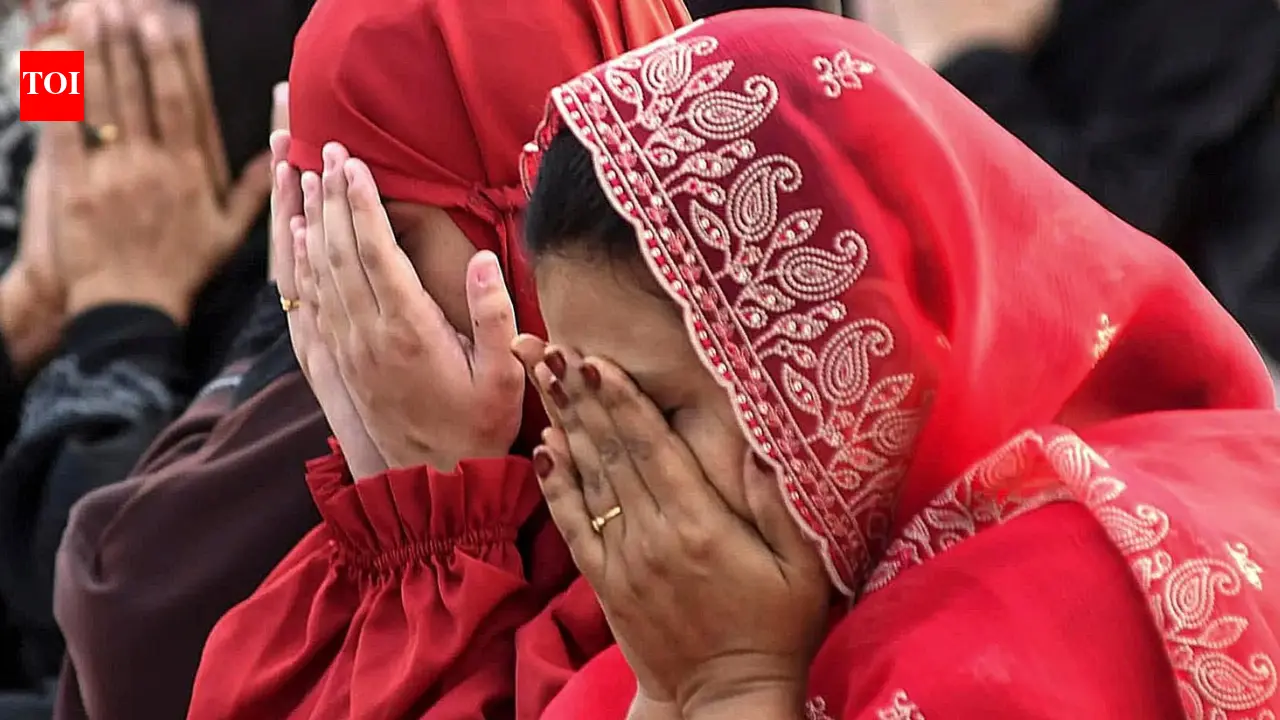
뉴델리: 대법원 9인 판사부의 일원인 아흐산우딘 아마눌라 판사는 목요일 예언자 시대부터 여성들의 모스크 입장 금지가 없었지만, 이슬람에서는 여성들이 기도를 드리는 방식을 규정하는 관습과 절차가 있었다고 모두가 알아야 한다고 말했다. 선임 변호사 M R 샴샤드가 무슬림 여성들을 위한 별도 공간 제공 관습은 법원에서 문제 삼을 수 없다고 주장하며, 무슬림 여성들의 모스크 나마즈 드림은 금지되지 않았지만, 집에서 드리는 것이 바람직하다고 말했을 때, 아마눌라 판사는 "이슬람이 여성들이 집에서 나마즈를 드리는 것을 선호하는 이유는 가족의 모든 성인이 모스크에 나마즈를 드리러 가면 누가 아이들을 돌볼 것인가 하는 것이다"라고 말했다. 사바리말라 사원 입장 사건에서 비롯된 신앙 대 기본권 논쟁의 기회를 활용하여, 샴샤드는 9인 판사부가 람 잔마보미 사건과 관련된 1994년 대법원 판결인 이스마일 파루키 판례를 기각해야 한다고 주장했다. 이 판례는 모스크가 나마즈에 필수적이지 않다고 판결했다. "마스지드는 이슬람의 본질이고, 무슬림들의 핵심 신앙이다. 모든 종교적 관행은 마스지드와 관련이 있다. 그러나 이스마일 파루키 판례에서는 대법원이 나마즈를 노지에서 드릴 수 있으므로 모스크가 필수적이지 않다고 비논리적으로 판결했다"고 샴샤드는 주장했다. 그는 모스크에서 나마즈를 드리는 여성들의 평등한 대우를 요구하고 신도 중 맨 앞줄 자리를 구하는 공익청원은 꾸란에 규정되어 있지 않다고 말했다. "사원처럼 여성들의 입장을 금지하는 성소의 개념이 모스크에는 없다"고 그는 덧붙였다. 아마눌라 판사는 "여성들이 맨 앞줄에 서든지 별도 구획에서 나마즈를 드리든지는 1,200년 동안 관행되어온 관습에 의해 결정된다"고 말했다.
처리 완료
1,849 tokens · $0.0048
기사 수집 완료 · 07:50
매체 피드에서 기사 메타데이터 수집
헤드라인 번역 완료 · 11:15
제목/요약 한국어 번역 (fetch 시점 inline)
kimi-k2.5
0 tokens
$0.00000
0.2s
본문 추출 완료
1,813자 추출 완료
본문 한국어 번역 완료 · 11:15
849자 번역 완료
claude-haiku-4-5-20251001
1,849 tokens
$0.00480
9.7s
지정학적 엔티티 추출 완료 · 11:15
3개 엔티티 추출 완료
지정학적 맥락 & R-Scanner
R-Scanner · 핫스팟
z=2.51
평소보다 훨씬 많은 매체가 집중 보도 중 — 기준: New Delhi
(🇮🇳 IN)
최근 6시간 29건
7일 평균 18.04건 / 6h
2개국 매체
3개 매체
본문에서 추출된 지명 (3)
위치 지도
지도 로딩 중…
같은 주제의 다른 기사 (최근 7일)
. NEW DELHI: Justice Ahsanuddin Amanullah, part of a nine-judge Supreme Court bench, on Thursday said everyone must know that since the days of the Prophet, there was no ban on entry of women into mosques to offer namaz though there were customs and procedures in Islam regulating the manner of how can they offer prayer.When senior advocate M R Shamshad argued that the custom of providing separate space for Muslim women to offer namaz could not be questioned by a court and said though there was no ban on Muslim women offering namaz in a mosque, it was preferable that they did so in their homes. Justice Amanullah said, "A reason for Islam to prefer women offering namaz at home is that if every adult of a family goes to a mosque to offer namaz, who will take care of the children?"Taking the opportunity of the debate over faith vs fundamental rights arising from the Sabarimala temple entry case, Shamshad said the nine-judge bench must overrule the 1994 SC judgment in Ismail Farooqui case, relating to Ram Janmaboomi case, which had ruled that mosque is not essential for namaz."Masjid is the essence of Islam, the core belief of Muslims. All religious practices are related to masjid. But in Ismail Farooqui, the SC illogically ruled that since namaz can be offered in an open ground, a mosque is not essential for namaz," Shamshad argued.. He said the PIL seeking equal treatment of women in offering namaz in a mosque and seeking front row place in the congregation for them was not provided for in the Quran. "There is no concept of sanctum sanctorum, like in a temple, in a mosque, where the entry of women is barred," he added.Justice Amanullah said, "Whether women stand in the front row or offer namaz in a separate enclosure is decided by the custom which has been in practice for 1,200 years."