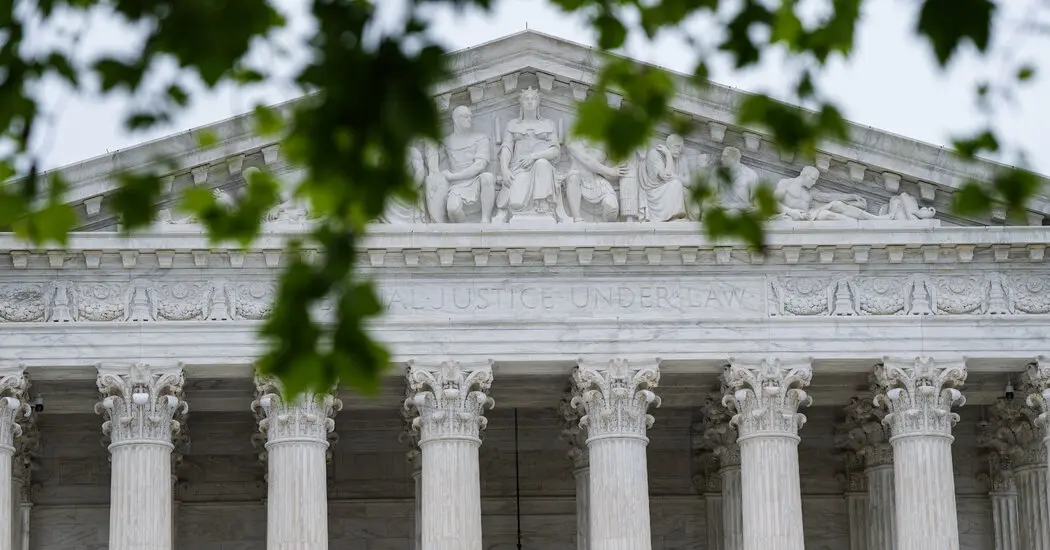
대법원, 루이지애나 선거구 지도 무효화 - 투표권법에 또 다른 타격
Supreme Court Strikes Down Louisiana Map, Another Blow to Voting Rights Act
The New York Times
· 🇺🇸 New York, US
Abbie VanSickle
EN
2026-04-30 07:44
Translated
대법원이 선거구 지도를 위헌적 인종 게리맨더링으로 판단하며 무효화했으며, 이는 입법자들이 소수계 다수 선거구를 만드는 것을 더욱 어렵게 할 수 있다.
대법원은 수요일 루이지애나의 선거구 지도를 무효화했으며, 입법자들이 새로운 흑인 다수 선거구를 그릴 때 불법적으로 인종을 사용했다고 판단했고, 이는 예비선거 중반에 주(州)들이 새로운 지도를 그리도록 고려하면서 혼란을 초래할 수 있다.
판결은 6대 3으로 이념적 선을 따라 나뉘었다. 보수 다수파는 이 판결이 투표권법의 핵심 원칙을 보존하는 제한된 판결이라고 주장했지만, 법원의 자유파는 반대 의견에서 대법관들이 이 획기적인 시민권법을 해체하는 최종 단계를 밟았다고 주장했다.
대다수 의견에서 새뮤얼 A. 알리토 주니어 대법관은 법원이 투표권법을 유지했지만 루이지애나의 새로운 소수계 다수 선거구가 헌법의 평등보호 조항을 위반했다고 썼다.
수십 년 동안 투표권법에 따라 입법자들은 백인이 아닌 유권자들이 다수인 선거구를 만들어 자신들이 선택한 후보자를 선출할 수 있는 능력을 보호했다.
그러나 알리토 대법관은 "광범위한 사회 변화", 특히 남부에서의 소수계 유권자 등록 및 투표 증가가 이러한 고려가 더 이상 필요하지 않음을 보여준다고 말했다.
대신 그는 대법관들이 40년 된 프레임워크를 업데이트하고 있다고 썼으며, 법원들이 선거구 그리기에서 인종 사용을 평가할 때 사용하는 프레임워크는 기본적으로 투표권법이 입법자들이 소수 유권자의 권력을 의도적으로 제한하는 지도를 그리는 것만 방지한다고 말했다.
현재 투표권법에 따라 선거구 지도에 성공적으로 이의를 제기하려면, 알리토 대법관이 썼듯이, 이의 제기자들은 한 주가 "의도적으로 인종 때문에 소수 유권자들에게 기회를 덜 주도록 그들의 선거구를 그렸다"는 것을 뒷받침하는 "강한 추론" 증거를 보여줄 필요가 있다. "인종을 정치를 포함한 국가의 인종 중립적 고려와 분리할 수 없는" 법적 이의는 실패할 것이다.
알리토 대법관은 또한 새로운 프레임워크가 법원이 1986년 투표 지도에서 인종 사용을 평가하기 위한 요소들을 제시한 이후 "중요한 발전"을 "반영"한다고 덧붙였으며, 그 이후 수십 년 동안 "인종 간 유권자 등록 및 투표의 격차"가 "대부분 사라졌다"고 썼다.
엘레나 카건 대법관은 반대 의견에서 판결의 실질적 효과가 투표 지도를 그릴 때 인종을 사용하는 것을 거의 불가능하게 만들 것이라고 반박하며, "법원의 판결은 의회가 부여한 선거 기회에서의 인종 평등이라는 근본적인 권리를 후퇴시킬 것"이라고 썼다.
카건 대법관은 벤치에서 그녀의 반대 의견을 읽었으며, 이는 흔하지 않은 움직임으로 대법관의 판결에 대한 강한 불만을 나타낸다.
판결은 중간선거 앞에서 공화당원들을 강화할 것이지만, 그들이 얼마나 많은 이점을 얻을지는 즉시 명확하지 않았다.
예비선거 일정 중간에, 수요일의 판결을 인용하여 새로운 지도를 그릴 수 있는 여러 주가 있었다. 플로리다의 공화당원들은 발표 직후 신속하게 움직였다: 주의 입법부는 수요일 새로운 지도를 승인했다. 루이지애나는 새로운 지도를 최종화할 때 하나의 민주당 선거구를 잃을 가능성이 높다.
소수계 다수 선거구를 제거하고 판결 이후에 그려진 어떤 지도든 법원에서 이의를 제기할 가능성이 높으며, 이는 새로운 소송의 물결을 촉발할 수 있다.
대법원 사건의 중심에 있는 클레오 필드 하원의원은 성명에서 "실질적 효과는 소수계 커뮤니티가 그들의 정치적 목소리를 약화시키는 선거구 재조정 지도에 이의를 제기하기를 훨씬 더 어렵게 만드는 것"이라고 말했다.
민주당원인 필드 씨는 11월 선거 전에 지도를 즉시 다시 그리는 것에 대해 경고했으며, "이 판결에 대한 모든 가능한 입법 대응을 평가하고 완전한 보호를 복구하기로 약속했다.
법원에 대한 뉴스 제보가 있으신가요? 대법원이나 기타 연방법원에 대한 정보가 있으시면 저희에게 연락해 주세요.
전국흑인지위향상협회 법률방위기금 회장 자나이 S. 넬슨은 법원이 기술적으로 투표권법 제2조 해체를 피했다고 말했으며, 이는 그녀와 다른 사람들이 가능한 "최악의 경우"로 간주했던 결과다.
그럼에도 불구하고 그녀는 판결이 재앙적 영향을 미칠 것이라고 말했다. "법원이 한 것은 해로운 것과 마찬가지로 더욱 기만적"이라며, 다수파가 정치적 동기로 움직였다고 믿는다고 덧붙였다. "이는 이 대법원이 당파 정치 위에 올라설 수 있는 신뢰성의 어떤 흔적이나 정도도 상실한 날이다."
루이지애나 검찰총장 리즈 머릴(공화당)은 판결을 환영하며, 법원이 "연방법원이 주(州)에 인종차별적 지도를 그리도록 강요하는 루이지애나의 오랜 악몽을 끝냈다"고 말하는 성명을 발표했다.
머릴 씨는 이를 "우리 국가의 법에 따른 평등보호를 재확인하는 대지진 판결"이라고 부르며, 주(州)의 주지사 및 입법부와 함께 "헌법상 준수하는" 지도를 작성하기 위해 노력할 것이라고 덧붙였다.
트럼프 행정부도 판결을 축하했다. 백악관 대변인 아비게일 잭슨은 판결을 "미국 유권자들을 위한 완전하고 전적인 승리"라고 불렀다.
"자신의 피부색이 당신이 어느 선거구에 속하는지를 결정해서는 안 된다"고 잭슨 씨는 말했다. "우리는 법원이 투표권법의 위헌적 남용을 끝내고 시민권을 보호한 것에 대해 박수를 보낸다."
수요일의 판결은 대법관들이 1965년 투표권법을 약화시킨 일련의 판결 중 최신 판결을 기록했으며, 이는 종종 시민권 시대 법률의 왕관 보석으로 간주된다.
루이지애나 대 칼레이스 사건은 2020년 인구조사 이후 루이지애나 입법자들이 작성한 새로운 선거구 지도에 대한 분쟁에서 비롯되었다. 당시 주(州)의 6개 선거구 중 1개만 흑인 다수였으나, 루이지애나의 흑인은 주(州) 인구의 약 3분의 1을 차지했다.
흑인 유권자 2개 그룹은 2022년에 소송을 제기했으며, 주(州) 입법자들이 여전히 소수계 다수 선거구 1개만 포함하는 새로운 지도를 채택한 후였다. 그들은 루이지애나가 흑인 유권자들을 한 선거구에 집중시켜 그들의 투표력을 약화시킨 효과를 갖는 투표권법을 위반했다고 주장했다. 연방 판사는 동의했다.
2024년에 주(州) 입법자들은 다시 시도했으며, 이번에는 두 번째 소수계 다수 선거구를 포함하는 지도를 채택했다. 백인 루이지애나 유권자 그룹은 그 지도에 이의를 제기했으며, 이것이 불법적인 인종 게리맨더링이라고 주장했다. 그들은 남동부에서 북서부로 대각선으로 뱀처럼 구불구불한 새로운 선거구의 경계를 지적했다.
입법자들은 처음에 지도를 옹호했으며, 이상한 모양이 인종이 아니라 정치의 결과라고 주장했다. 그들은 입법자들이 마이크 존슨(공화당) 하원의장을 포함한 유명 정치인들을 보호하기 위해 두 번째 선거구의 지역을 만들었다고 말했다. 법원은 정당 이점으로 동기화된 지도를 그리는 것이 허용된다고 말했다.
대법원은 처음 2025년 봄에 루이지애나 지도에 대한 이의를 들었으며, 주(州) 입법자들이 인종과 정치적 고려를 적절히 균형을 맞췄는지 여부를 고려했다. 그러나 6월에 판결을 발표하는 대신, 대법관들은 가을에 재심리할 것이라고 말했다. 8월에 대법관들은 사건을 확대한다고 발표했으며, 변호사들에게 원래 고려했던 것보다 훨씬 광범위한 질문에 대한 주장을 준비하라고 요청했다: 주(州)의 두 번째 소수계 다수 선거구 창설이 헌법을 위반했는지 여부.
이 발표는 투표권법 옹호자들 사이에서 경보를 울렸으며, 그들은 법원의 보수 다수파가 오랫동안 입법에 회의적이었으며 이 사건을 사용하여 법에 치명적 타격을 가하고 인종을 고려하도록 요구하는 조항이 위헌이라고 판결할 것으로 우려했다.
단 2년 전, 대법관들은 앨라배마의 선거구 지도에 대한 유사한 분쟁을 들었으며 투표권법을 언급했지만 이를 위헌이라고 판단하지 않았다. 그 사건인 앨런 대 밀리건 사건에서 대법원은 주(州)의 공화당 초다수가 투표권법을 위반하여 흑인 유권자의 권력을 불법적으로 약화시켰다고 판결했다.
그러나 그 사건에서 브렛 M. 카바노 대법관은 공동의견에서 주(州)가 "인종 기반 선거구 재조정"을 수행할 수 있는 능력에 시간 제한이 있어야 하는지 궁금하다고 썼으며, "무기한으로 미래로 연장될 수 없다"고 썼다.
루이지애나 사건의 구두 변론 중, 카바노 대법관과 다른 보수 대법관들은 투표 지도를 그릴 때 인종을 고려하는 것에 일몰이 있어야 하는지 여부에 대해 질문하는 것으로 보였다.
"의도적인 인종 사용으로 선거구를 만들기 위한 정확한 종료 지점이 무엇이어야 한다고 생각하십니까, 아니면 우리가 어떻게 알 수 있을까요?" 카바노 대법관은 투표권법을 유지하기 위해 주장한 NAACP 법률 방위 교육 기금의 변호사에게 질문했다.
보도는 에밀리 코크레인, 닉 코라사니티, 졸란 칸노-영스, 패트리샤 마제이 및 릭 호하스가 기여했다.
애비 반시클은 뉴욕타임스를 위한 미국 대법원을 담당한다. 그녀는 변호사이며 조사 보도에 광범위한 배경을 가지고 있다.
판결은 6대 3으로 이념적 선을 따라 나뉘었다. 보수 다수파는 이 판결이 투표권법의 핵심 원칙을 보존하는 제한된 판결이라고 주장했지만, 법원의 자유파는 반대 의견에서 대법관들이 이 획기적인 시민권법을 해체하는 최종 단계를 밟았다고 주장했다.
대다수 의견에서 새뮤얼 A. 알리토 주니어 대법관은 법원이 투표권법을 유지했지만 루이지애나의 새로운 소수계 다수 선거구가 헌법의 평등보호 조항을 위반했다고 썼다.
수십 년 동안 투표권법에 따라 입법자들은 백인이 아닌 유권자들이 다수인 선거구를 만들어 자신들이 선택한 후보자를 선출할 수 있는 능력을 보호했다.
그러나 알리토 대법관은 "광범위한 사회 변화", 특히 남부에서의 소수계 유권자 등록 및 투표 증가가 이러한 고려가 더 이상 필요하지 않음을 보여준다고 말했다.
대신 그는 대법관들이 40년 된 프레임워크를 업데이트하고 있다고 썼으며, 법원들이 선거구 그리기에서 인종 사용을 평가할 때 사용하는 프레임워크는 기본적으로 투표권법이 입법자들이 소수 유권자의 권력을 의도적으로 제한하는 지도를 그리는 것만 방지한다고 말했다.
현재 투표권법에 따라 선거구 지도에 성공적으로 이의를 제기하려면, 알리토 대법관이 썼듯이, 이의 제기자들은 한 주가 "의도적으로 인종 때문에 소수 유권자들에게 기회를 덜 주도록 그들의 선거구를 그렸다"는 것을 뒷받침하는 "강한 추론" 증거를 보여줄 필요가 있다. "인종을 정치를 포함한 국가의 인종 중립적 고려와 분리할 수 없는" 법적 이의는 실패할 것이다.
알리토 대법관은 또한 새로운 프레임워크가 법원이 1986년 투표 지도에서 인종 사용을 평가하기 위한 요소들을 제시한 이후 "중요한 발전"을 "반영"한다고 덧붙였으며, 그 이후 수십 년 동안 "인종 간 유권자 등록 및 투표의 격차"가 "대부분 사라졌다"고 썼다.
엘레나 카건 대법관은 반대 의견에서 판결의 실질적 효과가 투표 지도를 그릴 때 인종을 사용하는 것을 거의 불가능하게 만들 것이라고 반박하며, "법원의 판결은 의회가 부여한 선거 기회에서의 인종 평등이라는 근본적인 권리를 후퇴시킬 것"이라고 썼다.
카건 대법관은 벤치에서 그녀의 반대 의견을 읽었으며, 이는 흔하지 않은 움직임으로 대법관의 판결에 대한 강한 불만을 나타낸다.
판결은 중간선거 앞에서 공화당원들을 강화할 것이지만, 그들이 얼마나 많은 이점을 얻을지는 즉시 명확하지 않았다.
예비선거 일정 중간에, 수요일의 판결을 인용하여 새로운 지도를 그릴 수 있는 여러 주가 있었다. 플로리다의 공화당원들은 발표 직후 신속하게 움직였다: 주의 입법부는 수요일 새로운 지도를 승인했다. 루이지애나는 새로운 지도를 최종화할 때 하나의 민주당 선거구를 잃을 가능성이 높다.
소수계 다수 선거구를 제거하고 판결 이후에 그려진 어떤 지도든 법원에서 이의를 제기할 가능성이 높으며, 이는 새로운 소송의 물결을 촉발할 수 있다.
대법원 사건의 중심에 있는 클레오 필드 하원의원은 성명에서 "실질적 효과는 소수계 커뮤니티가 그들의 정치적 목소리를 약화시키는 선거구 재조정 지도에 이의를 제기하기를 훨씬 더 어렵게 만드는 것"이라고 말했다.
민주당원인 필드 씨는 11월 선거 전에 지도를 즉시 다시 그리는 것에 대해 경고했으며, "이 판결에 대한 모든 가능한 입법 대응을 평가하고 완전한 보호를 복구하기로 약속했다.
법원에 대한 뉴스 제보가 있으신가요? 대법원이나 기타 연방법원에 대한 정보가 있으시면 저희에게 연락해 주세요.
전국흑인지위향상협회 법률방위기금 회장 자나이 S. 넬슨은 법원이 기술적으로 투표권법 제2조 해체를 피했다고 말했으며, 이는 그녀와 다른 사람들이 가능한 "최악의 경우"로 간주했던 결과다.
그럼에도 불구하고 그녀는 판결이 재앙적 영향을 미칠 것이라고 말했다. "법원이 한 것은 해로운 것과 마찬가지로 더욱 기만적"이라며, 다수파가 정치적 동기로 움직였다고 믿는다고 덧붙였다. "이는 이 대법원이 당파 정치 위에 올라설 수 있는 신뢰성의 어떤 흔적이나 정도도 상실한 날이다."
루이지애나 검찰총장 리즈 머릴(공화당)은 판결을 환영하며, 법원이 "연방법원이 주(州)에 인종차별적 지도를 그리도록 강요하는 루이지애나의 오랜 악몽을 끝냈다"고 말하는 성명을 발표했다.
머릴 씨는 이를 "우리 국가의 법에 따른 평등보호를 재확인하는 대지진 판결"이라고 부르며, 주(州)의 주지사 및 입법부와 함께 "헌법상 준수하는" 지도를 작성하기 위해 노력할 것이라고 덧붙였다.
트럼프 행정부도 판결을 축하했다. 백악관 대변인 아비게일 잭슨은 판결을 "미국 유권자들을 위한 완전하고 전적인 승리"라고 불렀다.
"자신의 피부색이 당신이 어느 선거구에 속하는지를 결정해서는 안 된다"고 잭슨 씨는 말했다. "우리는 법원이 투표권법의 위헌적 남용을 끝내고 시민권을 보호한 것에 대해 박수를 보낸다."
수요일의 판결은 대법관들이 1965년 투표권법을 약화시킨 일련의 판결 중 최신 판결을 기록했으며, 이는 종종 시민권 시대 법률의 왕관 보석으로 간주된다.
루이지애나 대 칼레이스 사건은 2020년 인구조사 이후 루이지애나 입법자들이 작성한 새로운 선거구 지도에 대한 분쟁에서 비롯되었다. 당시 주(州)의 6개 선거구 중 1개만 흑인 다수였으나, 루이지애나의 흑인은 주(州) 인구의 약 3분의 1을 차지했다.
흑인 유권자 2개 그룹은 2022년에 소송을 제기했으며, 주(州) 입법자들이 여전히 소수계 다수 선거구 1개만 포함하는 새로운 지도를 채택한 후였다. 그들은 루이지애나가 흑인 유권자들을 한 선거구에 집중시켜 그들의 투표력을 약화시킨 효과를 갖는 투표권법을 위반했다고 주장했다. 연방 판사는 동의했다.
2024년에 주(州) 입법자들은 다시 시도했으며, 이번에는 두 번째 소수계 다수 선거구를 포함하는 지도를 채택했다. 백인 루이지애나 유권자 그룹은 그 지도에 이의를 제기했으며, 이것이 불법적인 인종 게리맨더링이라고 주장했다. 그들은 남동부에서 북서부로 대각선으로 뱀처럼 구불구불한 새로운 선거구의 경계를 지적했다.
입법자들은 처음에 지도를 옹호했으며, 이상한 모양이 인종이 아니라 정치의 결과라고 주장했다. 그들은 입법자들이 마이크 존슨(공화당) 하원의장을 포함한 유명 정치인들을 보호하기 위해 두 번째 선거구의 지역을 만들었다고 말했다. 법원은 정당 이점으로 동기화된 지도를 그리는 것이 허용된다고 말했다.
대법원은 처음 2025년 봄에 루이지애나 지도에 대한 이의를 들었으며, 주(州) 입법자들이 인종과 정치적 고려를 적절히 균형을 맞췄는지 여부를 고려했다. 그러나 6월에 판결을 발표하는 대신, 대법관들은 가을에 재심리할 것이라고 말했다. 8월에 대법관들은 사건을 확대한다고 발표했으며, 변호사들에게 원래 고려했던 것보다 훨씬 광범위한 질문에 대한 주장을 준비하라고 요청했다: 주(州)의 두 번째 소수계 다수 선거구 창설이 헌법을 위반했는지 여부.
이 발표는 투표권법 옹호자들 사이에서 경보를 울렸으며, 그들은 법원의 보수 다수파가 오랫동안 입법에 회의적이었으며 이 사건을 사용하여 법에 치명적 타격을 가하고 인종을 고려하도록 요구하는 조항이 위헌이라고 판결할 것으로 우려했다.
단 2년 전, 대법관들은 앨라배마의 선거구 지도에 대한 유사한 분쟁을 들었으며 투표권법을 언급했지만 이를 위헌이라고 판단하지 않았다. 그 사건인 앨런 대 밀리건 사건에서 대법원은 주(州)의 공화당 초다수가 투표권법을 위반하여 흑인 유권자의 권력을 불법적으로 약화시켰다고 판결했다.
그러나 그 사건에서 브렛 M. 카바노 대법관은 공동의견에서 주(州)가 "인종 기반 선거구 재조정"을 수행할 수 있는 능력에 시간 제한이 있어야 하는지 궁금하다고 썼으며, "무기한으로 미래로 연장될 수 없다"고 썼다.
루이지애나 사건의 구두 변론 중, 카바노 대법관과 다른 보수 대법관들은 투표 지도를 그릴 때 인종을 고려하는 것에 일몰이 있어야 하는지 여부에 대해 질문하는 것으로 보였다.
"의도적인 인종 사용으로 선거구를 만들기 위한 정확한 종료 지점이 무엇이어야 한다고 생각하십니까, 아니면 우리가 어떻게 알 수 있을까요?" 카바노 대법관은 투표권법을 유지하기 위해 주장한 NAACP 법률 방위 교육 기금의 변호사에게 질문했다.
보도는 에밀리 코크레인, 닉 코라사니티, 졸란 칸노-영스, 패트리샤 마제이 및 릭 호하스가 기여했다.
애비 반시클은 뉴욕타임스를 위한 미국 대법원을 담당한다. 그녀는 변호사이며 조사 보도에 광범위한 배경을 가지고 있다.
처리 완료
7,165 tokens · $0.0210
기사 수집 완료 · 09:30
매체 피드에서 기사 메타데이터 수집
헤드라인 번역 완료 · 09:46
제목/요약 한국어 번역 (fetch 시점 inline)
claude-haiku-4-5-20251001
249 tokens
$0.00067
2.2s
본문 추출 완료
9,042자 추출 완료
본문 한국어 번역 완료 · 09:46
4,245자 번역 완료
claude-haiku-4-5-20251001
6,916 tokens
$0.02033
47.8s
지정학적 엔티티 추출 완료 · 09:46
5개 엔티티 추출 완료
지정학적 맥락 & R-Scanner
R-Scanner · 핫스팟
z=3.67
평소보다 훨씬 많은 매체가 집중 보도 중 — 기준: Louisiana
(🇺🇸 US)
최근 6시간 47건
7일 평균 27.43건 / 6h
8개국 매체
9개 매체
본문에서 추출된 지명 (5)
위치 지도
지도 로딩 중…
같은 주제의 다른 기사 (최근 7일)
The court struck down the voting map as an unconstitutional racial gerrymander in a move that could make it harder for lawmakers to create majority-minority voting districts.
The Supreme Court on Wednesday struck down Louisiana’s voting map, finding that lawmakers had illegally used race when drawing up a new majority-Black district and potentially setting off a scramble in the middle of primary season as states consider drawing new maps.The decision was 6 to 3, split along ideological lines. The conservative majority asserted that the opinion was a limited ruling that preserved a central tenet of the Voting Rights Act, but the court’s liberal wing, in dissent, argued that the justices had taken the final step to dismantle the landmark civil rights law.
In the majority opinion, Justice Samuel A. Alito Jr. wrote that the court had kept intact the Voting Rights Act but that Louisiana’s new majority-minority district violated the equal protection clause of the Constitution.
For decades under the Voting Rights Act, lawmakers have created districts where nonwhite voters are in the majority, to protect their ability to elect the candidates of their choice.
But Justice Alito said that “vast social change,” particularly in the South, including increased voter registration and turnout by minorities, showed such considerations were no longer necessary.
Instead, he wrote that the justices were updating the 40-year-old framework that courts look to for evaluating the use of race in drawing up congressional districts, essentially saying that the Voting Rights Act only prevents lawmakers from drawing maps that would intentionally limit the power of minority voters.
To successfully challenge district maps under the Voting Rights Act now, Justice Alito wrote, challengers would need to show evidence supporting “a strong inference” that a state “intentionally drew its districts to afford minority voters less opportunity because of their race.” A legal challenge that “cannot disentangle race from the state’s race-neutral considerations, including politics,” will fail.
Justice Alito added that the new framework “reflects important developments” since the court laid out factors for evaluating the use of race in voting maps in 1986, writing that in the decades since, “the racial gap in voter registration and turnout” had “largely disappeared.”
Justice Elena Kagan, in dissent, countered that the practical effect of the decision would be to make it nearly impossible to use race when drawing up voting maps, writing that “the court’s decision will set back the foundational right Congress granted of racial equality in electoral opportunity.”
Justice Kagan read her dissent from the bench, a rare move that often signals a justice’s strong displeasure with a decision.
The decision will boost Republicans ahead of the midterm elections, although it was not immediately clear how much of an advantage they would gain.
Coming in the middle of the primary calendar, there were still multiple states that could draw new maps, citing Wednesday’s decision. Republicans in Florida moved swiftly after the announcement: The state’s legislature approved a new map on Wednesday. Louisiana will likely lose one Democratic district when it finalizes its new map.
Any map that eliminated majority-minority districts and was drawn in the wake of the ruling would likely be challenged in court — potentially prompting a new wave of litigation.
Representative Cleo Fields, whose district is at the heart of the Supreme Court case, said in a statement that “the practical effect is to make it far harder for minority communities to challenge redistricting maps that dilute their political voice.”
Mr. Fields, a Democrat, cautioned against immediately redrawing the maps ahead of the November election, and pledged “to evaluate all available legislative responses to this ruling and to restore the full protections.”
Got a news tip about the courts? If you have information to share about the Supreme Court or other federal courts, please contact us.
Janai S. Nelson, the president of the National Association for the Advancement of Colored People Legal Defense Fund, said the court technically stopped short of dismantling Section 2 of the Voting Rights Act — an outcome that she and others had regarded as the possible “worst case scenario.”
Still, she said the ruling would have devastating impacts. “What the court did was just as harmful and even more deceptive,” she said, adding that she believed the majority was driven by political motivations. “It’s a day of loss of any remnant or modicum of credibility of this Supreme Court to rise above partisan politics.”
Louisiana Attorney General Liz Murrill, a Republican, cheered the decision, saying in a statement that the court had “ended Louisiana’s long-running nightmare of federal courts coercing the state to draw a racially discriminatory map.”
Ms. Murrill called it a “seismic decision reaffirming equal protection under our nation’s laws,” adding that she would work with the state’s governor and legislature to craft a “constitutionally compliant” map.
The Trump administration also celebrated the decision. Abigail Jackson, a spokeswoman for the White House, called the decision a “complete and total victory for American voters.”
“The color of one’s skin should not dictate which congressional district you belong in,” Ms. Jackson said. “We commend the court for putting an end to the unconstitutional abuse of the Voting Rights Act and protecting civil rights.”
Wednesday’s decision marks the latest in a series of rulings by the justices that have weakened the Voting Rights Act of 1965, often considered the crown jewel of the civil rights-era laws.
The case, Louisiana v. Callais, arose from a dispute over a new voting map drafted by Louisiana lawmakers after the 2020 census. Before then, only one of the state’s six congressional districts was majority Black, even though Black Louisianans made up about a third of the state’s population.
Two groups of Black voters sued in 2022, after state lawmakers adopted a new map that still included only one majority-Black district. They argued Louisiana had violated the Voting Rights Act by packing Black voters into one district, which had the effect of diluting the power of their votes. A federal judge agreed.
In 2024, state lawmakers tried again, this time adopting a map that included a second majority-Black district. A group of white Louisiana voters then challenged that map, claiming it was an illegal racial gerrymander. They pointed to the boundaries of the new district, which snakes diagonally across the state from the southeast to the northwest.
Lawmakers initially defended the map, arguing that the odd shape was the result of politics, not race. They said that lawmakers created the second district’s area to protect high-profile politicians, including House Speaker Mike Johnson, a Republican. The court has said it is acceptable to draw maps motivated by partisan advantage.
The Supreme Court first heard the challenge to the Louisiana map in spring 2025, considering whether state lawmakers had properly balanced race and political considerations. But in June, rather than announce a decision, the justices said they would rehear it in the fall. In August, the justices announced they were expanding the case, asking the lawyers to prepare for an argument on a much broader question than they had originally considered: Whether the state’s creation of a second majority-minority district violated the Constitution.
That announcement raised alarms among proponents of the Voting Rights Act, who feared that the court’s conservative majority — long skeptical of the legislation — would use the case to deal a fatal blow to the law and rule its provision requiring lawmakers to consider race was unconstitutional.
Just two years ago, the justices heard a similar dispute over Alabama’s congressional map and cited the Voting Rights Act without finding it unconstitutional. In that case, Allen v. Milligan, the Supreme Court ruled that the state’s Republican supermajority illegally diluted the power of Black voters in violation of the Voting Rights Act.
But in that case, Justice Brett M. Kavanaugh wrote in a concurring opinion that he wondered whether there should be a time limit on the ability of states to “conduct race-based redistricting,” writing that it could not “extend indefinitely into the future.”
During the oral arguments in the Louisiana case, Justice Kavanaugh and several other conservative justices appeared to question whether there should be a sunset to taking race into account in drawing voting maps.
“What exactly do you think the end point should be, or how would we know, for the intentional use of race to create districts?” Justice Kavanaugh had asked a lawyer for the NAACP Legal Defense and Educational Fund, who argued to uphold the Voting Rights Act.
Reporting was contributed by Emily Cochrane, Nick Corasaniti, Zolan Kanno-Youngs, Patricia Mazzei and Rick Rojas.
Abbie VanSickle covers the United States Supreme Court for The Times. She is a lawyer and has an extensive background in investigative reporting.